How the Internet of Things Can Help Fight Global Poverty
 The Internet of Things (IoT) is a massive network of interconnected devices, sensors and systems that communicate and share data using the internet. These devices range from everyday objects to complex machines and are embedded with sensors that gather data and provide insights for efficient decision-making.
Through this network, devices can exchange information, analyze it, and perform tasks to enhance productivity, reduce waste and improve overall quality of life. Globally, computing costs have plummeted over the last few decades due to constant innovation, allowing technology to drive solutions for people experiencing poverty. For example, the cost of a gigaflop of processing power has fallen from $1 trillion to $0.03 since 1960. As a result, the Internet of Things has a variety of potential impacts that can help fight global poverty.
IoT Applications in Agriculture
Particularly in developing nations, agriculture and farming make up a significant portion of the impoverished’s livelihoods. But while such tasks aren’t typically associated with technology and innovative progress, IoT can help fight global poverty through several agricultural applications. For example, IoT-enabled sensors can monitor soil conditions, weather patterns and crop health in real time. As a result, farmers can have regular access to actionable insights for the improvement of yields and reduction of losses. Automated irrigation systems can be activated based on data collected by these sensors, ensuring efficient water usage and cost-effectiveness. Some estimates indicate that IoT helps save up to $50 per acre, which adds up to significant savings that can be greatly beneficial for impoverished people in developing countries.
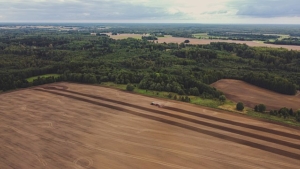
Combining technologies and the Internet of Things can facilitate huge improvements in farming techniques. Drones equipped with sensors can monitor large areas of farmland, identify areas of concern and help farmers make informed decisions about their crops. The increased profits from this precision farming can go a long way in providing these farmers a way out of poverty. Already, developing countries including Vietnam and India have invested in IoT technology in agriculture, enabling precision farming through hardware devices.
Improved Access to Services
Access to essential services such as health care, education and financial transactions is often limited in impoverished areas. IoT has the potential to bridge this gap by enabling more accessible and more efficient access to these services. For instance, telemedicine powered by IoT can connect remote communities with health care professionals, allowing timely consultations and diagnoses. South Africa is just one of many countries investing in innovative health care facilities and research supports the hypothesis that these facilities increase efficiency greatly. For example, smart health care buildings use IoT to improve service delivery and data collection and to expedite processes. In the past, the health sector has also greatly benefited from easily collected data via mobile devices. This can lead to improved health outcomes and reduced health care costs for individuals and communities.
Additionally, IoT can facilitate mobile payments and banking services, providing financial inclusion to those who previously had limited access to traditional banking systems. Access to mobile-based financial transactions can enable secure and convenient transactions, empowering low-income people to participate in the formal economy and manage their finances effectively.
Disaster Response and Readiness
Natural disasters can have hugely debilitating effects on developing nations, which tend to struggle with resilient infrastructure. It is estimated that 26 million people are forced into poverty every year due to such disasters. IoT and other technological solutions, such as machine learning applications, can help with disaster response and resilience by providing real-time data on environmental conditions and early warnings for imminent threats.
Furthermore, IoT can aid post-disaster recovery efforts by tracking and managing relief supplies, ensuring efficient distribution to affected areas. This can significantly enhance the effectiveness of the humanitarian response, ultimately assisting in reducing the impact of disasters on communities and their path to recovery. As the World Bank estimates, disasters cause losses of approximately $520 billion each year and applications of the Internet of Things can help save billions of dollars that can instead be used to aid those in poverty.
Conclusion
The Internet of Things holds immense potential to mitigate global poverty by enhancing connectivity and enabling smart solutions across various sectors. As the world moves toward further digitization, data collection is becoming increasingly simple. IoT provides a method to harness the power of interconnected devices worldwide, using them as a catalyst for positive change. As communities are uplifted and individuals are empowered, collaboration among organizations can work toward bridging the poverty gap and fostering a brighter future for all.
– Namit Agrawal
Photo: Wikimedia
