• Link to X
  • Link to Facebook
  • Link to Instagram
  • Link to TikTok
  • Link to Youtube
  • About
    • About Us
      • President
      • Board of Directors
      • Board of Advisors
      • Financials
      • Our Methodology
      • Success Tracker
      • Contact
  • Act Now
    • 30 Ways to Help
      • Email Congress
      • Call Congress
      • Volunteer
      • Courses & Certificates
      • Be a Donor
    • Internships
      • In-Office Internships
      • Remote Internships
    • Legislation
      • Politics 101
  • The Blog
  • The Podcast
  • Magazine
  • Donate
  • Click to open the search input field Click to open the search input field Search
  • Menu Menu

Archive for category: Global Poverty

Key articles and information on global poverty.

Developing Countries, Education, Global Poverty, Poverty Reduction

Fighting Poverty Through Education in Latin America

Education in Latin AmericaWhen thinking about their childhood, most people remember their first day of school, learning their ABCs and basic math operations. For most, childhood and education go hand in hand as essential steps that help an individual learn, mature and transition into adulthood. However, many children in Latin America lack access to this experience. 

Before COVID-19, roughly 52% of children in Latin America were unable to read and understand simple text. The pandemic has made this situation even worse, with young generations being less educated and lacking the tools necessary to transition into adulthood. However, international organizations are fighting poverty through younger generations by increasing investments in education to create a brighter future for millions of children across Latin America.

Learning Crisis

Over the last two decades, many countries in Latin America have experienced a learning crisis related to their younger generations. This crisis can take different forms across countries, depending on their specific geographic and social characteristics. In Argentina, for example, the most affected children are those living in rural areas, far from cities and their services. 

As a result, many teachers are forced to teach children from multiple grades, ages and abilities in the same classroom, being unable to personalize the learning experience and focus on individual students. In other countries, such as Haiti, the learning crisis is related to the provision of educational opportunities to all members of the population. 

In Haiti specifically, nearly 80% of primary schools are non-public, thus limiting access to education to those who can pay, on average, $130 per year. Many families cannot afford education and other necessities, so they decide not to send their children to school.

What Is Being Done?

To address the education crisis plaguing Latin America, several international organizations have stepped up efforts to expand access to education across the region. In September 2025, the Development Bank of Latin America and the Caribbean (CAF) launched the LAC Future Bank. It is a five-year strategy designed to benefit 50 million children in Latin America through a $5 billion regional investment.

These funds will be used to develop projects that prioritize children and their needs, including education. Although this initiative addresses other issues related to childhood well-being, education is a main area of focus to “break cycles of poverty and inequality.” In Haiti, programs and organizations, such as the International Development Association (IDA) and its partners, have focused primarily on funding for millions of children. 

From 2013 to 2023, IDA and partner organizations provided roughly half a million tuition waivers to children who could not afford to attend school. In other countries, such as El Salvador, projects like the “Growing up and Learning Together: Comprehensive Early Childhood Development Project” are working to create safe, clean schools with essential services for children.

The Impacts

Although it is difficult to measure the effectiveness of these investments in the short term, there have been early signs of improvement. World Bank investments have enabled middle-income countries to reduce their dropout rates and boost learning outcomes. Slowly but surely, improvements in education quality and access in Latin America are key to a more productive, inclusive and sustainable development pattern in the future for many countries across the region.

– Rodrigo Salgado

Rodrigo is based in Boulder, CO, USA and focuses on Good News for The Borgen Project.

Photo: Unsplash
March 2, 2026
https://borgenproject.org/wp-content/uploads/borgen-project-logo.svg 0 0 Lynsey 2 https://borgenproject.org/wp-content/uploads/borgen-project-logo.svg Lynsey 22026-03-02 07:30:522026-03-02 00:52:34Fighting Poverty Through Education in Latin America
Global Poverty, Technology

Digital Banking in Sierra Leone Expands Financial Inclusion

Digital Banking in Sierra LeoneApproximately 60% of Sierra Leone’s population lives below the national poverty line, while about 13% live in extreme poverty. Limited access to formal banking has long reinforced economic exclusion. Today, digital banking in Sierra Leone is emerging as a practical solution to bridge that gap by connecting citizens to financial services through mobile phones rather than traditional bank branches.

Financial Exclusion and Structural Barriers

Financial exclusion remains closely tied to poverty. Data from the 2023 Multidimensional Poverty in Sierra Leone report shows that 81.6% of the population lives in a household without a bank account. Additionally, 55.2% of the population is both multidimensionally poor and lives in a household without a bank account.

One major barrier is identification. Although 6.4 million people have a National ID number, fewer than 500,000 physical ID cards have been issued as of 2024 due to cost constraints in its first year. However, on July 31, 2024, Sky Bank partnered with Orange Money to launch “Bank2wallet” services, enabling seamless transfers between bank accounts and mobile wallets.

How Digital Banking in Sierra Leone Works

The Bank of Sierra Leone and the U.N. Capital Development Fund (UNCDF) are promoting digital financial services in the country by jointly producing the State of the Digital Financial Services Market report. The report tracks adoption trends, transaction patterns and barriers to inclusion to inform policy and market strategy. Their collaboration helps shape regulatory priorities and supports efforts to expand mobile money, agent networks and inclusive digital channels. This enables more people, especially women and underserved groups, to participate in the formal financial system.

Mobile money and USSD technology let users with basic feature phones access financial services without internet connectivity. By dialing short codes, users can check balances, transfer funds and pay bills. The system works through “push and pull” integration, allowing transfers between bank accounts and mobile money wallets such as Orange Money and Afrimoney.

Telecom providers Orange Money and Africell (Afrimoney) are the country’s main mobile money operators, while commercial banks have expanded their digital channels. Sierra Leone Commercial Bank offers the “Mi Yone” suite, which integrates with mobile wallets. Sky Bank provides mobile and online banking and enables transfers to Orange Money and Afrimoney via USSD.

Impact on Households and Small Businesses

Digital systems are increasingly used to deliver government support. In a recent emergency program, 35,000 households received cash transfers directly on their mobile phones. Linking digital IDs to mobile money is helping farmers access credit and markets and the instant payments switch is expected to make it easier for citizens to get loans and start businesses.

Broader economic initiatives have supported women and entrepreneurs. Action on Poverty helped 3,500 women and girls start small businesses and boosted incomes for 6,000 people by at least 50% by the end of 2019. The African Development Bank also partnered with Access Bank to fund small and medium-sized enterprises in Sierra Leone.

With several households lacking traditional bank accounts, digital banking in Sierra Leone offers a scalable alternative that avoids costly physical infrastructure and documentation barriers. By leveraging mobile money and USSD technology, these services expand access to basic financial tools.

Final Remarks

Recent years have seen rapid growth in digital banking in Sierra Leone. In 2023–2024, Metro Cable launched Vult, a digital banking platform designed to unify bank accounts, mobile money and payment services. The app onboarded more than 475,000 users into interoperable payment systems, making financial services more accessible to rural and low-income populations.

As partnerships among the government, the World Bank, UNCDF, telecom providers and commercial banks continue to expand, digital banking in Sierra Leone is gaining momentum. Indeed, it is becoming a measurable, technology-driven push to reduce financial exclusion and strengthen economic resilience.

– Aila Alsakka

Aila is based in Nottingham, UK and focuses on Technology and Solutions for The Borgen Project.

Photo: Unsplash

March 2, 2026
https://borgenproject.org/wp-content/uploads/borgen-project-logo.svg 0 0 Lynsey 2 https://borgenproject.org/wp-content/uploads/borgen-project-logo.svg Lynsey 22026-03-02 07:30:302026-03-02 01:00:54Digital Banking in Sierra Leone Expands Financial Inclusion
Financial Instruments, Global Poverty, Health

Debt Relief in Zambia and Support for Public Health Systems

Debt Relief in ZambiaDebt relief in Zambia has been pursued through international restructuring mechanisms, including the G20 Common Framework, the International Monetary Fund (IMF) and official bilateral creditors. Zambia faced elevated external debt levels before restructuring. It entered into a formal debt treatment process under the Common Framework for Debt Treatments beyond the Debt Service Suspension Initiative.

On June 22, 2023, Zambia’s Ministry of Finance and National Planning announced that Zambia had reached an agreement with its Official Creditors’ Committee on debt treatment under the Common Framework. The IMF issued a statement the same day welcoming the agreement and describing it as a significant step toward restoring debt sustainability. The Paris Club has also documented the establishment of a creditor committee for Zambia under the Common Framework, identifying the coordination structure for official creditors participating in Zambia’s treatment.

Structure of the IMF Program Supporting Debt Relief

In August 2022, the IMF Executive Board approved a 38-month Extended Credit Facility (ECF) arrangement for Zambia. The IMF stated that the program aimed to restore macroeconomic stability and restore debt sustainability. It further noted that the arrangement was designed to create fiscal space for social spending.

In January 2026, the IMF reported the completion of the sixth and final review under the ECF arrangement, noting total disbursements under the program and describing ongoing reform efforts. The IMF has publicly linked the ECF-supported reform program to fiscal consolidation measures and debt restructuring milestones. The debt treatment agreement under the Common Framework, according to the IMF, was consistent with restoring debt sustainability.

International Institutions Supporting Zambia’s Health System

The World Bank Group issued a public statement on June 22, 2023, welcoming the Official Creditors’ Committee agreement on Zambia’s debt treatment. The Group described it as a milestone toward restoring debt sustainability. In addition to macroeconomic support, the World Bank documentation identifies active health-sector projects in Zambia.

The “Zambia COVID-19 Emergency Response and Health Systems Preparedness Project” states that its development objective is to prevent, detect and respond to COVID-19 threats in Zambia and strengthen national public health systems for preparedness. The World Bank also hosts documentation on Zambia’s National Health Compact, which outlines financing targets and policy commitments in the health sector. There is insufficient data, based solely on the publicly available compact document, to verify whether all financing targets have been fully implemented.

Debt Relief in Zambia as a Fiscal Policy Tool

Public statements from Zambia’s Ministry of Finance and the IMF describe debt relief in Zambia as part of a broader effort to restore debt sustainability and stabilize public finances. IMF communications explicitly state that creating fiscal space for social spending is an objective of the ECF-supported program. There is insufficient data, from the cited sources alone, to verify a quantified causal relationship between specific debt restructuring milestones and year-by-year changes in Zambia’s public health budget allocations.

Verification would require direct reference to Zambia’s enacted national budgets and attributable institutional analysis linking debt-service adjustments to sectoral expenditure changes.

– Aiden Moriarty

Aiden is based in Rowley, MA, USA and focuses on Business and Politics for The Borgen Project.

Photo: Unsplash

March 2, 2026
https://borgenproject.org/wp-content/uploads/borgen-project-logo.svg 0 0 Lynsey 2 https://borgenproject.org/wp-content/uploads/borgen-project-logo.svg Lynsey 22026-03-02 07:30:182026-03-02 01:03:11Debt Relief in Zambia and Support for Public Health Systems
Business, Global Poverty, Women's Empowerment

How Women’s Cooperatives in Morocco Are Boosting the Economy

Women’s cooperatives in MoroccoWomen’s cooperatives in Morocco are becoming vital in driving development, reducing poverty and advancing female empowerment as the North African nation recovers from the COVID-19 pandemic and seeks to boost economic growth.

Women’s Cooperatives in Morocco: A New Proud Tradition

The cooperative movement in Morocco is a relatively modern phenomenon, becoming prominent only in the late 20th century. Cooperatives were first established as a powerful response to limited employment opportunities for women seeking financial independence and a sense of solidarity and collaboration. They have since transformed into an economic force in both agriculture and artisanal production.

In 2025, there were 7,891 women’s cooperatives in Morocco, comprising more than 73,000 members. They involve 267,000 women who farm, produce and sell products ranging from embroidered textiles and carpets to livestock, agricultural products and cosmetics. This practice not only drives local economies but also unites rural communities, where 61% of women’s cooperatives in Morocco are located. 

It also empowers poor women with limited economic opportunities to gain financial agency, real market power and a stake in the nation’s future.

Toudarte, Agadir: Argan Oil

For the last 22 years, Toudarte has been at the center of a growing community of women finding solidarity, purpose and employment in a growing argan oil cooperative. Meaning “life” in Amazigh, Toudarte has, from the start, prioritized developing an operation that delivers sustainable products and practices for both the environment and the now 100 women who make up its ranks.

Not only does Toudarte empower and economically benefit a region and its residents, but its authentic, traditional production methods also protect a historic Amazigh practice from soulless industrialization. Since its founding in 2004, the co-op has seen steady success. The women at Toudarte now plan to expand their independent business and open an inn for guests who want to experience the argan forest and its production process.

Not only does this development signal an ever-improving economic outlook for Toudarte, but it also brings further hope to a rural community transformed by the presence and success of a women’s cooperative.

Al Kawtar, Marrakech: Homeware and Clothing

The majority of women’s cooperatives in Morocco are rurally situated, making the most of tight-knit, sometimes remote, communities with shared knowledge, interests and fortunes. However, the work of the minority that operates in urban centers like Marrakech is just as vital. That can easily be said of Al Kawtar, a homeware and clothing co-op that specifically offers women with disabilities the chance to earn a steady income and build a community.

The cooperative’s goals are to give women with physical disabilities the opportunity to independently earn a living based on their own talents and abilities. In the process, Al Kawtar creates a space for the most vulnerable women in Morocco to stand on their own two feet and receive fair market prices for their craft.

Coopérative Timnay, Sirwa: Textiles and Carpets

Coopérative Timnay takes the idea of community and self-reliance one step further, incorporating the larger local shepherding community and utilizing regional materials whenever possible. Vitally, it also uses a proportion of the cooperative’s profits to support the paid training of young women and to facilitate the benefits of membership, including health care, a group savings fund, child care and career progression.

Rather than merely a source of income, Coopérative Timnay offers the opportunity for a lifelong career. Understanding the extra demands that women in Morocco face, the charity ensures that a meaningful and rewarding future is available to those who might otherwise be forced to migrate for employment. Cooperatives like these protect Amazigh people and practices, allowing a prosperous future for the rural communities that desperately need it.

The Difference Maker in the Fight Against Poverty?

Since the turn of the 21st century, there has been significant progress in reducing poverty in Morocco, with the national poverty rate steadily decreasing. COVID-19, droughts and the international impact of the Russia-Ukraine war interrupted this trend in the early 2020s. However, with an improving economy in 2023–24, the World Bank expects poverty to resume its two-decade-long decline, falling below 3.9%.

Women’s cooperatives like those mentioned above have the potential to further advance this development by providing women and families with the financial resources they need to improve their economic outlook. Regional surveys prove that membership in a co-op can more than double a family’s household income. An improved income of this scale also offers individuals the freedom to hold bank accounts, build savings and access credit, opening the door to long-term increased prosperity.

The empowerment of women in any developing country is essential to its social and economic success. Women gaining personal and financial autonomy means a larger working population, greater and more diverse markets, higher average incomes and smaller, more prosperous families. The cooperative movement, therefore, has become a driving force in reducing poverty in Morocco. 

It has offered a future for its women, who are more able than ever to access essential opportunities for personal and economic growth and security.

– Evan Meikle

Evan is based in Kingston upon Hull, UK and focuses on Global Health and Politics for The Borgen Project.

Photo: Flickr

March 2, 2026
https://borgenproject.org/wp-content/uploads/borgen-project-logo.svg 0 0 Lynsey 2 https://borgenproject.org/wp-content/uploads/borgen-project-logo.svg Lynsey 22026-03-02 03:00:442026-03-02 00:56:19How Women’s Cooperatives in Morocco Are Boosting the Economy
Global Poverty, Health, Women and Children

Efforts To Address Maternal Health Care in Zimbabwe

Maternal Health Care in ZimbabweThe poverty rate in Zimbabwe sits at 49.22%, with almost half the population living on $3.00 or less a day. This high poverty rate translates to 358 women dying during live birth out of every 100,000 women that give birth, as of 2023. Even though the maternal mortality rate has been decreasing over the years, it remains important to address adequate maternal health care in Zimbabwe.

Challenges To Maternal Health Care in Zimbabwe

There is a high rate of adolescent pregnancies in Zimbabwe, with more than 10% of births coming from women aged 15–19 years. For adolescent mothers in particular, the biggest barrier to receiving maternal health care is the stigma that comes with being a young mother. Other barriers for expectant mothers include cost, distance, cultural preferences, religious beliefs, a lack of information and distrust in the formal health care system.

Many women in Zimbabwe are hesitant to seek care from the public health system because of the lack of privacy and genuine care from these health professionals. With almost half of the population living in poverty, it becomes very difficult to afford private health services or travel out of rural areas to receive them. That being said, according to Amnesty International, more than 20% of women give birth without any skilled assistance. 

Traditional Birth Attendants

In response to cultural preferences and religious beliefs, many women in rural Zimbabwe seek maternal health care from traditional birth attendants. These are often other women with extensive experience with live births, whether from their own births or those of family or friends. They assist expectant mothers who are unable to access the public health system. 

Traditional birth attendants mainly operate in rural areas without sufficient maternal health care support. These women do not have any professional training or the tools necessary to conduct safe births. They function solely on their independent knowledge and desire to help pregnant women who have no support from family. 

However, their presence is still incredibly helpful in ensuring safer births that would otherwise not occur. In particular, the group Women in Action, which is based in Epworth, a populated community near Harare, has become an essential resource for young women expecting children. Women in Action was founded in 2003 and has since assisted with more than 50,000 live births. 

Its work is not confined to the immediate birth. The organization also helps with prenatal and postnatal care, something many women in rural Zimbabwe do not receive. “Soon after delivery, [the women] accompany mothers and newborns to nearby facilities for postnatal attention and even help arrange housing for new mothers if needed, bridging a critical gap in Zimbabwe’s overstretched maternal health system.” 

Traditional birth attendants are essential to achieving adequate maternal health care in Zimbabwe. They should be provided with more support to help pregnant women best. 

AI Midwife

Another innovation helping maternal health care in Zimbabwe is the creation of the AI midwife, Nyamukuta. This AI chatbot was created by a group of Zimbabwean women who noticed the lack of maternal health care in their communities. They designed the app to generate no profit, but rather to help pregnant women access more accessible care. 

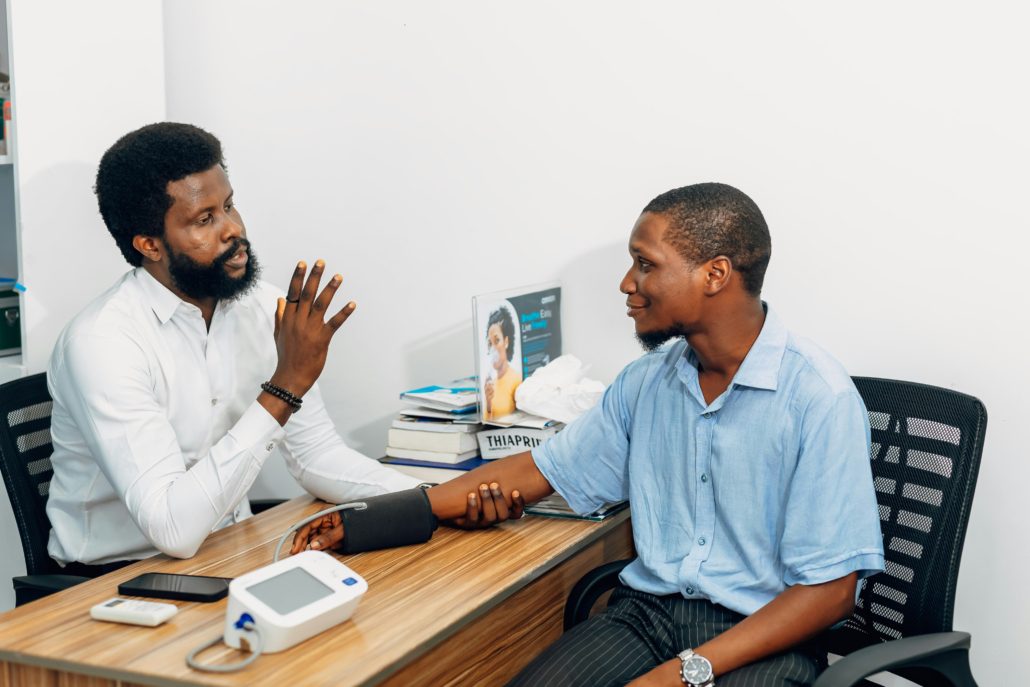
Given concerns that many people lack internet access, Nyamukuta was designed as a WhatsApp chatbot to make the midwife accessible in areas with slow internet access. Alongside the AI informational chatbot, the creators of Nyamukuta distributed blood pressure machines to pregnant women to help them monitor their health more effectively.

Conclusion

Combining Nyamukuta’s efforts with those of traditional birth attendants could have a significant impact. Traditional birth attendants lack the proper tools to serve their communities adequately. 

With portable blood pressure machines and access to the information Nyamukuta provides, they would have a significant advantage in the care they can offer. Meaningful strides are already being made to address maternal health care in Zimbabwe and the trend is upward.

– Kaitlyn Crane

Kaitlyn is based in Rohnert Park, CA, USA and focuses on Technology and Solutions for The Borgen Project.

Photo: Flickr

March 2, 2026
https://borgenproject.org/wp-content/uploads/borgen-project-logo.svg 0 0 Lynsey 2 https://borgenproject.org/wp-content/uploads/borgen-project-logo.svg Lynsey 22026-03-02 03:00:142026-03-02 00:50:13Efforts To Address Maternal Health Care in Zimbabwe
Global Poverty, Health, Women

Advancing Women’s Health Care in Lebanon

Women’s Health Care in LebanonWomen’s health care in Lebanon and its associated biases are linked to the country’s collapsing economy. The crisis began in August 2019 and was made worse by COVID-19. In 2024, it was estimated that 44% of Lebanon’s population lived below the poverty line, a number that more than tripled over the last decade. 

Positively, the World Bank reported that the country witnessed a “fragile rebound” in its economy at the end of 2025. The Group foresees steady GDP growth in 2026. However, it warns that multiple threats could put this trajectory at risk of another collapse.

With government systems failing, families have had to rely on nonprofits for essential aid. Anera, a nonprofit organization that previously focused on aiding refugees, estimates that about 50% of the people it is helping now are Lebanese. Moreover, due to hostilities from Israel–Hezbollah conflicts, the European Commission estimated a total of 2.2 million Lebanese people in need of humanitarian aid in 2025.

Health Care, Women and Gender Biases

While the economy is faltering, the number of women entering the health care sector in Lebanon is spiking. Now, in 2026, they represent nearly half of the medical students. This progress stands in contrast to the country’s broader gender disparities, as Lebanon ranks 136th out of 146 countries in the World Economic Forum’s 2025 Global Gender Gap Index.

Despite the trend of increased feminization of the workforce, women remain underrepresented in management and academic positions. They nevertheless have limited access to esteemed fellowships and specialty positions and are not paid the same wage as their male counterparts. Looking past the statistical disparities of women in the workforce, women in Lebanon face numerous barriers in health care accessibility and quality. 

The economic crisis mentioned earlier exacerbated the cost of seeking health care, affecting women and girls, especially those in underprivileged areas. Prices for menstrual products, for example, rose by up to 234% for local brands and 409% for imported ones. As a result, 66% of girls could no longer afford them and instead turned to unsanitary and often dangerous alternatives.

UNFPA

The United Nations Population Fund (UNFPA) is a human rights agency working in more than 150 countries globally to ensure that the sexual and reproductive rights of women and girls are met fairly. In partnership with organizations such as UNICEF, it has raised funds, written training manuals for health care professionals and provided health care services to advance social equality and tackle gender-based violence. Its ultimate goal is to break the cycle of poverty by investing in the education of girls on the subjects of sexual and reproductive health. 

Women Now for Development 

Based in Syria and founded in Paris in 2012, Women Now for Development is a grassroots organization operating in Syria, Lebanon and Turkey. Its goal is to support, protect and empower women in their day-to-day lives. At its centers, it offers psychological and family counseling, educational support, recreational activities, vocational training and child care services. 

It targets the most vulnerable female populations: refugees and disabled women and children. Over the years, it has helped many families regain dignity and autonomy.

Looking Forward

Nonprofit organizations such as UNFPA and Women Now for Development are significant steps forward in creating a sustainable, accessible future for women’s health care in Lebanon. Evident in the country’s ever-growing poverty statistics, however, is that there is still much to be done. Part of this effort includes securing Lebanon’s economic momentum; positive reforms and efforts to uphold political stability are essential to ensuring a Lebanese health care system that is accessible, fair and inclusive.

– Brittany Buscio

Brittany is based in Montreal, Quebec, Canada and focuses on Good News, Global Health for The Borgen Project.

Photo: Flickr

March 2, 2026
https://borgenproject.org/wp-content/uploads/borgen-project-logo.svg 0 0 Lynsey 2 https://borgenproject.org/wp-content/uploads/borgen-project-logo.svg Lynsey 22026-03-02 01:30:392026-03-02 00:45:19Advancing Women’s Health Care in Lebanon
Child Poverty, Education, Global Poverty

Rouble Nagi: Solving Child Poverty in India With Art and Education

Child Poverty in IndiaFew activists can say that their work has made a difference in more than 100 communities and improved the lives of more than a million underprivileged children. But Rouble Nagi, a teacher and an artist from India, has a resume unlike any other. Through her work as an artist and educator, she has developed a unique and innovative approach to alleviating child poverty in India by providing adolescents with free, flexible education. 

Her work primarily involves building education facilities and transforming the walls of abandoned buildings into educational murals. Indeed, these murals, which she calls “Living Walls of Learning,” teach reading, math, science and more, providing children with accessible learning opportunities. In February 2026, she was awarded the 2026 GEMS Education Global Teacher Prize for her outstanding work on the ground in marginalized communities.

A Hero for India’s Underprivileged Youth

India has the largest child population in the world, with 253 million adolescents out of 1.46 billion people and 25% of these children are living in poverty without access to education. As one of the largest nations in the world, India’s youth will be essential to the future of India and the world. But not enough of these children are getting the care and services they need to grow up with good physical and intellectual health. 

Many factors keep impoverished children from attending school, primarily child labor, child marriage and a lack of proper education facilities. However, Nagi has found a way to work around this. She has designed an education system that works around the challenges facing India’s youth. Her education facilities offer lenient schedules, where children learn practical skills they will use in everyday life.

Nagi has created more than 800 classrooms and murals across more than 100 slums and communities through her organization, the Rouble Nagi Art Foundation (RNAF), resulting in astounding progress. For the one million children who attend her classrooms, she has reduced the dropout rate by 50% and helped ensure they stay in school until completion. Through art, compassion and hard work, Nagi has been a hero to India’s youth and a pioneer in ending child poverty.

Recipient of the 2026 Global Teacher Prize

The GEMS Education Global Teacher Prize is an initiative organized by the Varkey Foundation and UNESCO. Each year, judges select a teacher who has exemplified what it means to be an outstanding educator. The winner receives a $1 million prize for their accomplishments. 

The most recent Global Teacher Prize went to Nagi for the sheer expanse of her positive impact on children’s education in India. She received this award at the 2026 World Governments Summit in Dubai. Judges chose Nagi out of more than 5,000 nominees from 139 countries, describing her as representing the very best of what teaching can be.

What Is Next?

With the $1 million reward she received, Nagi plans to continue providing education to marginalized youth to expand their opportunities and help them lead better lives. Specifically, she plans to build a specialized skilling institute, where she will provide free online and in-person literacy training. She exemplifies what it means to take action to improve the lives of those less fortunate. 

Though child poverty in India remains alarmingly high, pioneers like Nagi are always emerging from the woodwork and taking charge of creating a better future. Her work isn’t done either; she plans to improve the lives of millions more, bringing an end to child poverty step by step.

– Lucas Cain

Lucas is based in Pittsburgh, PA, USA and focuses on Good News and Technology for The Borgen Project.

Photo: Flickr

March 2, 2026
https://borgenproject.org/wp-content/uploads/borgen-project-logo.svg 0 0 Lynsey 2 https://borgenproject.org/wp-content/uploads/borgen-project-logo.svg Lynsey 22026-03-02 01:30:062026-03-02 00:35:58Rouble Nagi: Solving Child Poverty in India With Art and Education
Development, Global Poverty

Ghana’s Poverty Reduction Efforts in its Northern Regions

Ghana's Poverty ReductionAlthough Ghana, a country in West Africa, experiences consistent economic growth, its impact is felt unequally. Southern regions, such as Accra, have significantly better infrastructure and schools compared to the northern regions. In many northern regions, the absolute poverty rate rises above 50%.

Several factors contribute to the spatial inequality in Ghana. Because agriculture is the primary employer in the north, there are more severe economic consequences due to the variable climate. Rainfall has declined, droughts have increased and floods have become more frequent. In addition, several cash crops, such as cocoa, are not suited to the area’s savannah characteristics.

In light of these challenges, the Ghanaian government is working to improve the economic strength and reduce poverty levels in the northern regions.

The Northern Development Authority

The Northern Development Authority (NDA) is an independent organization established in 2017 by an Act of Parliament, with one of its goals being to support Ghana’s poverty reduction efforts in the north. It succeeded the Savannah Accelerated Development Authority (SADA), an organization with a similar goal but described as inefficient. The NDA facilitates the distribution of social programs and helps secure foreign investment in the region.

The NDA’s projects are gradually transforming cities and regions. For instance, in the Bunkpurugu Nakpanduri District, the organization dug 32 boreholes, providing families with access to fresh water. However, Ghanaian leaders believe that the NDA has room for improvement. The Acting Chief Executive Officer of the Northern Development Authority, Dr. Emmanuel Abeere-Inga, pointed out in 2025 that government funds rarely reach the northern regions because “it’s taken by bureaucrats in Accra,” the country’s capital.

This public concern, while highlighting challenges within the NDA, does not negate the initiatives it has implemented. The organization continues to play a role in efforts to reduce poverty in the region.

Investment Assisting Ghana’s Poverty Reduction Efforts

The Ghanaian Ministry of Food and Agriculture and AAK, a supplier of plant-based oils, signed an agreement to expand the country’s shea industry. With a planned intensification of direct sourcing, around 300,000 women from the northern regions are expected to benefit. Additionally, the creation of an “Innovation Academy” and a processing factory will expand job opportunities and support poverty alleviation.

Investments such as these stem from government-led efforts. Recently, Ghana hosted the African Prosperity Dialogues, in which national leaders emphasized supporting inflows of investment, including restructuring investment laws to be more accessible to smaller investors. These efforts aim to grow local markets and reduce poverty, particularly in northern areas.

Free Senior High School Program

In 2017, Ghana launched the Free Senior High School program, with the aim of expanding access to secondary education across the country. Since its inception, the program has enrolled around 1.6 million students, though it continues to face capacity challenges. Many qualified students do not earn spots simply because demand exceeds supply.

Recently, Ghana initiated steps to close this gap by opening 25 private schools across all regions to participate in government-funded education. These efforts may contribute to easing poverty, especially in northern regions where rates are higher. A 2023 article by the United Nations Development Programme (UNDP) explains the connection between poverty and education, noting that poverty rates would be “halved if all adults completed secondary school.” In this way, Ghana’s Free Senior High School program supports education reform and contributes to poverty reduction in the north.

Looking Ahead

Through both progress and challenges, the Ghanaian government continues working to address poverty in its northern regions. Programs such as the Northern Development Authority may face bureaucratic delays, while other initiatives demonstrate measurable outcomes. Overall, efforts to reduce poverty in northern Ghana remain complex, involving multiple strategies and ongoing policy adjustments.

– Ben Anderson

Ben is based in Madrid, Spain and focuses on Business and Politics for The Borgen Project.

Photo: Pexels

March 1, 2026
https://borgenproject.org/wp-content/uploads/borgen-project-logo.svg 0 0 Precious Sheidu https://borgenproject.org/wp-content/uploads/borgen-project-logo.svg Precious Sheidu2026-03-01 07:30:422026-02-28 23:54:05Ghana’s Poverty Reduction Efforts in its Northern Regions
Global Poverty, Tourism

Feeding a Tourism Boom: How Food Tourism Fights Poverty

Food Tourism Fights PovertyFood tourism is a growing trend in the travel industry, with travelers seeking out local culinary experiences as part of their trip. Because food is closely tied to culture and history, these experiences also offer travelers a way to learn about local traditions and connect with the communities behind them. In many places, there is resistance to tourists or migrants out of concern for protecting local ways of life.

Culinary tourism, however, offers a more accessible form of cultural exchange. By sharing food and culinary knowledge, refugees and low-income communities can earn an income while introducing others to their culture. Through cooking classes, food tours and shared dining experiences, food becomes both a point of connection and a practical route out of poverty, demonstrating how food tourism fights poverty in tangible ways.

The Growth of Food Tourism in Vietnam

As travelers increasingly look to connect with local culture through food, Vietnam has emerged as a key destination for food tourism. The country’s diverse regional cuisines, including widely recognized dishes such as pho, banh mi and bun cha, have gained growing international attention, making food a central part of the visitor experience. Culinary experiences now influence travel choices, with many visitors actively seeking out food tours, cooking classes and local dining as part of their itineraries.

In response to this demand, Vietnamese cities such as Ho Chi Minh City have begun positioning cuisine as a “language of tourism,” using food to enhance cultural engagement and destination appeal. Across the country, food tourism takes many forms, including guided food tours, cooking classes and home-based dining experiences. Locals transform everyday culinary practices into paid experiences through these activities, relying on local knowledge of regional cuisines and traditional cooking methods.

In doing so, food tourism creates accessible income opportunities in both urban and rural communities, linking cultural heritage directly to economic activity. One initiative that demonstrates how food tourism can support economic opportunity is STREETS International, a social enterprise based in Hoi An. Founded in 2009, STREETS combines culinary training with hospitality education through a free 14-month program for disadvantaged young people living in poverty.

The program provides classroom instruction, hands-on training, English-language education, supervised housing and access to basic needs such as meals and health care. Associated enterprises, including Oodles of Noodles and the Noodle House, provide participants with practical experience within the tourism sector. Through this model, STREETS supports pathways into employment and long-term economic independence, illustrating how food-related tourism initiatives can contribute to sustainable livelihoods in Vietnam’s hospitality industry.

Cooking Classes and Refugee Support

In the U.K., food tourism has also taken on a social role through initiatives like Migrateful, which uses cooking classes to support refugees and asylum seekers. Rather than having visitors consume and leave food behind, Migrateful centers the people behind the recipes. Participants lead public cooking classes, sharing dishes from their home countries while earning an income and building skills that support long-term employability.

Beyond economic support, the classes create a space where cultural exchange happens naturally, not through policy or debate, but through shared meals and conversation. For participants, this model offers practical economic support alongside confidence, language development and a sense of belonging. For attendees, it reframes migration through personal connection, demonstrating how food tourism fights poverty while encouraging understanding and inclusion.

Conclusion

Food tourism is more than a niche trend; it reflects a deeper shift in how tourism, culture and community intersect. At its heart, food tourism channels local food traditions and practices into meaningful economic activity, helping destinations not only attract visitors but translate cultural heritage into livelihoods. In places like Vietnam, cuisine plays a decisive role in destination choice and spending.

There, culinary experiences provide concrete income streams for small businesses and cultural practitioners while reinforcing cultural identity on the global stage. The World Food Travel Association estimates show up to 81% of international travelers seek local food experiences and spend 25–35% of their travel budget on food and drink.

When thoughtfully implemented, initiatives like STREETS International and Migrateful show that culinary programs can extend beyond meals to become catalysts for social and economic empowerment. By equipping participants with skills, income and confidence, these efforts demonstrate that cuisine can foster inclusion, cross-cultural understanding and sustainable livelihoods. In this way, food tourism fights poverty by feeding not just the tourism boom, but the communities behind the food itself.

– Iona Gethin

Iona is Exeter, UK and focuses on Good News for The Borgen Project.

Photo: Flickr

March 1, 2026
https://borgenproject.org/wp-content/uploads/borgen-project-logo.svg 0 0 Lynsey 2 https://borgenproject.org/wp-content/uploads/borgen-project-logo.svg Lynsey 22026-03-01 07:30:282026-02-28 23:57:35Feeding a Tourism Boom: How Food Tourism Fights Poverty
Education, Global Poverty, Nonprofit Organizations and NGOs

Using Technology to Improve Education in Tanzania

Education System in TanzaniaTanzania, a country in East Africa, has faced many years of poverty and hardships under its government that bled into the education department. Due to a lack of support in finding teachers, supplies, and high dropout rates in the education system, it took a while for someone to find a solution to ease the transition of teaching English. 

The national language in Tanzania is Swahili (Kiswahili), with English as the second most common. In Tanzania, there is no push to learn English at a young age, which causes children to drop out and be left in a pitfall without the opportunity to learn and the inability to be employed in higher-paying jobs. 

The setbacks that children face in Tanzania are not their fault. Despite the education system’s flaws, there is a group of hardworking people who are using technology to help bridge the English gap and keep students in school.

Selfless Solutions (E-Shuleni)

After a volunteer trip to Tanzania, Patrick Irwin saw how much the children in Tanzania wanted to learn, but didn’t have the resources to learn. Irwin wanted to make a change in providing education and using technology to bridge the language barrier, and seeing the motivations of the kids encouraged Irwin to keep going.

“When you see with your own eyes just how much the kids are developing thanks to the work of our organization and all the people involved, it gives you a lot of motivation to continue to do the things that aren’t necessarily as fun,” Iwrin said. 

“E-Shuleni” is the technology used as a way to help children transition to learning English with more ease. For seven years, children are taught Swahili, and once the students complete primary school, an abrupt switch to learning English happens. This switch often causes struggles to keep up with the curriculum, and many students drop out. 

Struggles in Education

The education system in Tanzania, though scoring high rates on their exams, continues to struggle with other problems: overcrowding, teacher shortages, financial struggles, and resource gaps are just some of the problems that they still face. 

Poor proficiency in English as the medium of instruction was a major factor contributing to higher dropout rates in early secondary grades, according to a study by Consortia Academy. School records revealed that many students…struggled to understand lessons and communicate effectively in English…This language barrier created significant learning challenges, limiting students’ participation in class and their ability to perform well in assessments, ultimately contributing to early school withdrawal.

These problems, though not significant to just Tanzania, are problems that many surrounding countries face. However, the problems of education and solutions to fix those problems are focused solely on Tanzania, because each country is different. 

Focusing on education in just Tanzania with the Selfless Solutions program, Irwin believes that this will, in turn, bring more support and a steady footing underneath. Instead of trying to branch out to different countries. 

“We are focused on strengthening and sustaining existing programs that we have rather than expanding into new areas,” Irwin said. “Our program is designed to scale and expand across Tanzania, but it may not be suitable for neighboring countries like Kenya and Uganda.”

Since 2019, when Selfless Solutions was founded, this program has created a bright and supportive future for the children in Tanzania. 

Future of Selfless Solutions

Following the success and positive results from the pilot of “E-Shuleni,” the enterprise of teaching children English has expanded to seeking new partnerships and groups.

Selfless Solutions expanded “E-Shuleni” to the new “E-Shuleni” Reading Club. The reason behind this is the first class that used this technology, the children completed the full e-learning program. These children have now moved to grade 5, aiding in the improvement of children who surpass the dropout rate when they start to learn English. 

The students come together every week to read, practice, and stay connected to English. Irwin believes that hope and self-belief are not contained in the classroom, and that a child is influenced when they are at home or in their community. Selfless Solutions creates a groundwork and steadiness for more things in life, not just education.

– Elizabeth Fryer

Elizabeth is based in Philadelphia, PA, USA and focuses on Good News and Technology for The Borgen Project.

Photo: Selfless Solutions

March 1, 2026
https://borgenproject.org/wp-content/uploads/borgen-project-logo.svg 0 0 Precious Sheidu https://borgenproject.org/wp-content/uploads/borgen-project-logo.svg Precious Sheidu2026-03-01 03:00:052026-02-28 23:50:01Using Technology to Improve Education in Tanzania
Page 43 of 2162«‹4142434445›»

Get Smarter

  • Global Poverty 101
  • Global Poverty… The Good News
  • Global Poverty & U.S. Jobs
  • Global Poverty and National Security
  • Innovative Solutions to Poverty
  • Global Poverty & Aid FAQ’s
Search Search

Take Action

  • Call Congress
  • Email Congress
  • Donate
  • 30 Ways to Help
  • Volunteer Ops
  • Internships
  • Courses & Certificates
  • The Podcast
Borgen Project

“The Borgen Project is an incredible nonprofit organization that is addressing poverty and hunger and working towards ending them.”

-The Huffington Post

Inside The Borgen Project

  • Contact
  • About
  • Financials
  • President
  • Board of Directors
  • Board of Advisors

International Links

  • UK Email Parliament
  • UK Donate
  • Canada Email Parliament

Get Smarter

  • Global Poverty 101
  • Global Poverty… The Good News
  • Global Poverty & U.S. Jobs
  • Global Poverty and National Security
  • Innovative Solutions to Poverty
  • Global Poverty & Aid FAQ’s

Ways to Help

  • Call Congress
  • Email Congress
  • Donate
  • 30 Ways to Help
  • Volunteer Ops
  • Internships
  • Courses & Certificates
  • The Podcast
Scroll to top Scroll to top Scroll to top