• Link to X
  • Link to Facebook
  • Link to Instagram
  • Link to TikTok
  • Link to Youtube
  • About
    • About Us
      • President
      • Board of Directors
      • Board of Advisors
      • Financials
      • Our Methodology
      • Success Tracker
      • Contact
  • Act Now
    • 30 Ways to Help
      • Email Congress
      • Call Congress
      • Volunteer
      • Courses & Certificates
      • Be a Donor
    • Internships
      • In-Office Internships
      • Remote Internships
    • Legislation
      • Politics 101
  • The Blog
  • The Podcast
  • Magazine
  • Donate
  • Click to open the search input field Click to open the search input field Search
  • Menu Menu

Archive for category: Global Poverty

Key articles and information on global poverty.

Education, Gender Equality, Global Poverty

Educating Girls in Kenya: Employ Them and End Poverty

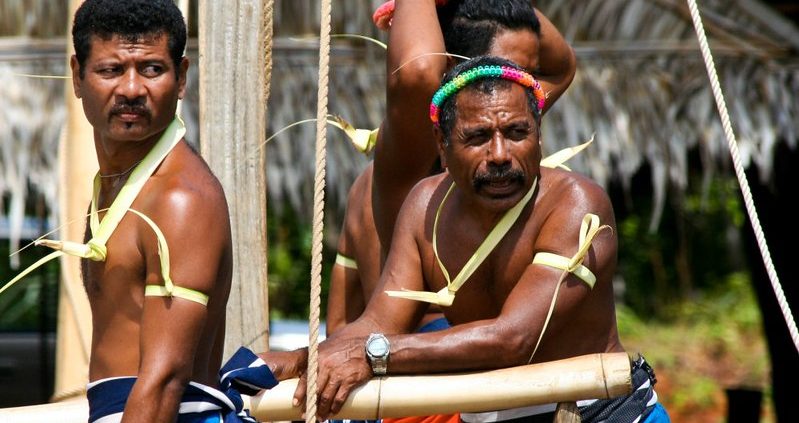
Educating Girls in KenyaIn Kenya, youth unemployment is a major driver of poverty. Each year, millions of young people enter the labor market, but many lack the qualifications needed for formal employment. In 2024, the youth unemployment rate stood at 11.93%, underscoring the continued limitations on access to stable jobs due to skills gaps.

When girls in Kenya are not educated, they continue to face barriers to completing secondary school due to social constraints and economic hardship, which increases their risk of falling into poverty. Without access to education and skills training, youth unemployment continues to fuel poverty and trap families in cycles of economic insecurity. Keeping girls in school and teaching them practical skills can reduce youth unemployment, expand opportunities and help break the link between joblessness and poverty.

Gender Inequality in Education

Kenya’s labor data show large gender disparities that worsen youth unemployment and increase exposure to poverty. According to the World Bank’s 2022 report, roughly 32.67% of Kenya’s female youth are not in education, employment or training (NEET). This means they are disconnected from opportunities that could help protect them from poverty.

Focusing on educating girls in Kenya is crucial to closing this gap and giving them pathways out of youth unemployment.

Skills Training as a Pathway Out of Poverty

To address these gaps, the government and its partners have strengthened Technical and Vocational Education and Training (TVET). The East Africa Skills for Transformation and Regional Integration Project (EASTRIP), a World Bank–funded program, increased enrollment in flagship TVET colleges from 6,971 to 57,857 students. During the program, the share of female graduates entering the workforce rose from 51% to 74%, demonstrating how skills-based training can help women overcome barriers to employment.

In addition to government action, nonprofit efforts are helping girls continue their education and build better prospects. The Campaign for Female Education (CAMFED) in Kenya was established in 2025 as a new national initiative to expand access to secondary school for girls from low-income backgrounds. In its first year, the program directly provided school fees, uniforms, menstrual supplies and disability support to 2,082 girls in Kajiado County.

To ensure students also received academic and psychosocial support, the initiative trained 163 government teachers as mentors. CAMFED’s approach is part of a broader pan-African movement that has helped millions of children access education and uses peer networks to support girls beyond the classroom.

Corporate Partnerships Reduce Youth Unemployment

Partnerships with the corporate sector are strengthening the link between jobs and skills. By 2030, the Mastercard Foundation’s Young Africa Works program in Kenya aims to help seven million young adults, including about five million young women, find suitable employment. The approach works with government, businesses and educational institutions to improve practical training, align skills with employer needs and support business growth.

The initiative also partners with TVET institutions to integrate competency-based skills and create pathways that connect education to income opportunities in digital technology, agribusiness, the green economy and other industries. Another instance of implementation is the 2Jiahiri campaign, launched by the KCB Foundation and the Mastercard Foundation. The plan aims to create approximately 43,000 jobs and offer vocational training to 8,500 young people.

Graduates have access to funding, business support and starter toolkits. 2Jiajiri has created more than 150,000 jobs and trained more than 35,000 young people, boosting their access to economic opportunities.

Final Remarks

This coordinated effort shows how educating girls in Kenya and linking their skills to real jobs can reduce their vulnerability to poverty. When education aligns with actual career paths, students graduate into productive economic roles rather than into uncertain futures. Schools, government training programs and private-sector partners work together to keep girls in school.

If these models are scaled and sustained, they can help more girls stay in school, find respectable jobs and build an economy where young people can contribute with confidence and independence.

– Madison Brown

Madison is based in Nottingham, UK and focuses on Good News for The Borgen Project.

Photo: Flickr
February 21, 2026
https://borgenproject.org/wp-content/uploads/borgen-project-logo.svg 0 0 Lynsey 2 https://borgenproject.org/wp-content/uploads/borgen-project-logo.svg Lynsey 22026-02-21 07:30:252026-02-21 03:45:08Educating Girls in Kenya: Employ Them and End Poverty
Agriculture, Food Insecurity, Global Poverty

Cowpeas and Food Insecurity in West Africa

Food Insecurity in West AfricaAfrican farmers and consumers alike rely on a food you might never have heard of: cowpea. You may know it by one of its many other names, such as the Black-Eyed Pea, the Field Pea, the Southern Pea, the Catjang or the Yardlong Bean. Regardless of what it’s called, it’s a truly remarkable food that is helping to reduce food insecurity in West Africa

Its significance is vital when examining poverty and food insecurity in Nigeria. This country is crucial to understanding cowpea’s importance, as Nigeria alone produces 45-58% of all cowpeas worldwide. That’s about 3.6 million tons every year.

Cowpea

Cowpea is a grain legume, similar to pinto beans, chickpeas and regular green peas. It’s often dried and is a staple food in many rural recipes across sub-Saharan Africa. It is incredibly rich in protein (25%) and carbohydrates (53%) and very low in fats (2%).

It has many vitamins and minerals. Even the stalks and flowers are edible and the plant can be used in fields for grazing animals to forage and can be turned into hay for long-term feeding. It has an extensive root system that helps prevent erosion and it also grows well as ground cover under trees.

It’s also very important for the health of the soil for planting other crops, as its roots harbor nodules that soil bacteria use to fix nitrogen for the plant and, subsequently, for the soil. Most importantly, the crop helps prevent millions of people from going hungry each year. It grows easily in the tall grasses of northern Nigeria’s savannas, making it cheaper and more accessible for nearby communities.

Because it matures quickly, reaching full maturity in about 55-70 days, it provides a fast and reliable source of much-needed protein. Studies also show that cowpeas grown in West Africa have played a major role in reducing food insecurity and chronic malnutrition among women and children in countries such as Burkina Faso.

Challenges

The main drawback of cowpea is its short shelf life. Many farmers lack adequate storage facilities, which reduces the market value and nutritional quality of both seeds and leaves. Another challenge is limited access to the best farming practices.

Some farmers do not know the most effective ways to plant and harvest cowpeas, which lowers yields without them knowing it.

FarmSahel works with rural women farmers in Burkina Faso by providing equipment and training to help increase crop yields. The organization supplies pesticides and sprayers, as well as tools for drying and long-term storage of cowpeas. The most valuable support was the one ton of dried cowpeas.

These were ready for planting and were also used to demonstrate proper packaging techniques to keep crops fresh. The women also received training on harvesting cowpeas more effectively to improve yields.

– Eddie Hofmann

Eddie is based in Seattle, WA, USA and focuses on Technology and Global Health for The Borgen Project.

Photo: Wikimedia Commons

February 21, 2026
https://borgenproject.org/wp-content/uploads/borgen-project-logo.svg 0 0 Lynsey 2 https://borgenproject.org/wp-content/uploads/borgen-project-logo.svg Lynsey 22026-02-21 07:30:052026-02-21 03:53:11Cowpeas and Food Insecurity in West Africa
Food Insecurity, Global Poverty, Hunger

Addressing Hunger in the Democratic Republic of Congo

Hunger in the Democratic Republic of CongoRepercussions of the ongoing conflict in the Democratic Republic of Congo (DRC) have reached critical levels. The World Food Programme (WFP) estimates that for nearly 27 million Congolese, access to food has become urgently restricted. 

The most recent violence in the eastern region reignited in early 2025, by the M23 rebel group, has roots in the 1994 Rwandan genocide. History between the DRC and Rwanda is long and fraught, punctuated with political violence, rebel insurgence and ethnic genocides. Alongside terrifying figures of M23’s ongoing civilian executions, equally concerning are the statistics that track hunger and poverty in the region, both of which are now rising. Research that the United Nations Human Rights Commissioner (UNHCR) conducted determined that war and conflict in developing regions has direct repercussions for rates of famine and further entrenching poverty. Here is more information about hunger in the Democratic Republic of Congo.

About Hunger in the Democratic Republic of Congo

The DRC currently ranks 121st of 123 in the Global Hunger Index, with more than a third of the population experiencing hunger directly related to undernourishment, stunted growth and child mortality. The World Food Programme deems food insecurity as acute and a threat to life and livelihood. Rates had fallen between 2008 and 2016, but have since increased and continue to rise compared to other countries in the region, which have either maintained or improved on previous years’ data.

More than 6 million Congolese are currently displaced within the country’s borders, meaning they have had to flee their homes due to violence and food insecurity. Integrated Food Security Phase Classification (IPC) mapping shows that the situation in 10 separate regions of the DRC has reached critical levels. The north and south-eastern corners of the country are only a few percentage points away from famine. The U.K. National Institute for Health (NIH) says that hunger in developing nations and displacement are directly linked because pre-existing access to food becomes more restricted and increased pressure on food in host regions causes inadequate resource distribution.

At the end of 2025, the Red Cross estimated that hunger levels for as many as 14 million children were critical, and for a further two million, levels were at an emergency status. Hunger in children is among the more dangerous chronic illnesses with potentially life-long repercussions ranging from stunted growth in infancy and childhood to delayed developmental achievement. Data from the NIH suggests that moderately malnourished children may have upper-arm circumferences no larger than that of a small apple whereas those with acute malnutrition can have even smaller upper-arm circumferences. With an additional three months of conflict and displacement, millions more children could be facing “acute malnutrition and a heightened risk of hunger-related death.”

The Impact of Conflict and Weather Changes

Conflict has a disproportionate impact on women and children, for whom consequences are often systemically-entrenched and abiding. According to the UN, social and political decision-making in the region, which has restricted two-thirds of Congolese women from accessing prenatal and postnatal care and vaccinations, compounds such violence. As a result in February 2025, the Women’s International Peace Centre projected that close to four million Congolese women and children would suffer violations of their human rights for as long as peace remains unchartered.

Recent weather events in the region have also impacted reliable access to food for Congolese people. Specifically, conflict in the otherwise arable region of the north-east corner of the DRC have compounded oscillating drought and flooding, creating food insecurity for millions which will likely grow with weather developments. The Norwegian Institute of International Affairs published data in 2023 which confirmed that the pre-existing impact of temperature rises, insufficient preparedness to deal with volatile weather patterns and the pressures of internal displacement had collapsed the agricultural capabilities of the DRC, leaving its citizens hungrier than since records began in the 1990s.

Actions Addressing Hunger in the Democratic Republic of Congo

Congolese government officials and M23 representatives signed a treaty to work towards peace near the Rwandan and Burundi borders in November 2025 in Qatar. The purpose of the Doha Agreement was to establish guidelines for ceasefire commitments, political dialogue and allow humanitarian access under international observation. While the situation in the DRC remains volatile and M23 have yet to meet the agreements in the treaty, one can find some hope in the presence of such multilateral structures that the U.S., French and Qatari governments, as well as the African Union, employs.

Further to ongoing written resolutions, the UN Security Council announced at the end of December 2025 that it would extend its peacekeeping presence in eastern DRC until at least the end of 2026, in what is the third such mission to the DRC in more than 60 years. This includes intervention from the specially trained ‘Force Intervention Brigade’ which specializes in military stabilization. Also, in 2025, the UN Development Program revealed a five-year project to provide institutional and infrastructure support to communities in the DRC’s hungriest regions, undertaken in accordance with five of the UN’s Sustainable Development Goals (SDGs).

Entering their seventh year of presence in the eastern region and 32nd in the DRC, Médecins du Monde have been providing urgent health care interventions to those who conflict and its consequences impacted. This intervention has included more than 11,000 sexual health lessons, food aid to treat malnutrition, especially for children and infants, as well as monitoring widespread measles, cholera and mpox epidemics with the refurbishment of four health care centers in the region. 

Hosting more than 500,000 volunteers across the DRC, in 2026, the Red Cross announced that societies from several European countries would use a combined €8 million in pledged funding to prioritize climate recovery and disaster relief. In 2025 alone, the Red Cross delivered food, shelter and clean water aid to 475,000 people in the DRC, showing that such efforts can substantially alleviate suffering, particularly among vulnerable populations if implemented consistently and at scale. 

Looking Ahead

The NGO Explorer database suggests that as of February 2026, 229 of the 600 U.K.-based humanitarian groups active in the region are explicitly dedicated to combatting hunger in the DRC, more than any other mission. Humanitarian intervention is a lucrative source of change in developing countries because they allow for swift, apolitical and targeted action following crises and disasters in order to promote human rights across the globe. With sustained humanitarian access and coordinated intervention, it is possible that the DRC could make significant progress, provided political and armed actors allow for stability and unimpeded aid delivery to those most in need.

– Hannah Michie

Hannah is based in France and focuses on Good News and Politics for The Borgen Project.

Photo: Unsplash

February 21, 2026
https://borgenproject.org/wp-content/uploads/borgen-project-logo.svg 0 0 Jennifer Philipp https://borgenproject.org/wp-content/uploads/borgen-project-logo.svg Jennifer Philipp2026-02-21 03:00:372026-02-21 03:39:41Addressing Hunger in the Democratic Republic of Congo
Agriculture, Artificial Intelligence (AI), Global Poverty

How AI Crop Monitoring in India Is Improving Food Security

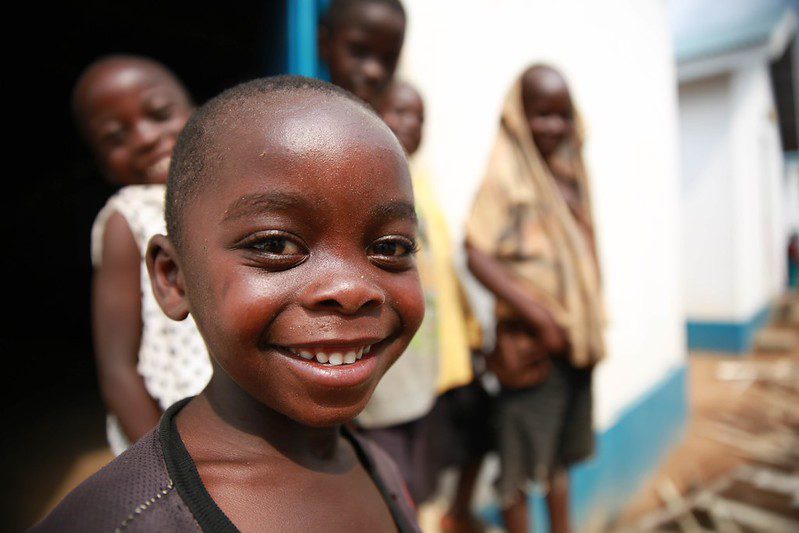
AI Crop Monitoring in IndiaFor generations, farming in India has relied on experience, careful timing and more than a bit of luck. Farmers read the sky for signs of rain, test the soil with their hands and wait, hoping the monsoon comes when it should. Today, that way of farming is becoming harder to depend on.

Climate instability is making weather more unpredictable, water shortages are becoming more common and pests are spreading into new regions. In a country where about 54.6% of the workforce depends on agriculture and related industries, these changes affect far more than just farmers. They shape the nation’s food supply and economic stability.

Agriculture in India

For millions of families, farming is their main source of income. Around 42% of India’s population relies on agriculture for employment. Most farmers work on very small plots of land, with 85% owning less than two hectares.

When crops fail, the consequences are immediate and profound. One failed harvest can trap families in debt, pull kids out of school to help at home and leave entire communities struggling to find enough food. This is where AI crop monitoring in India is beginning to make a real difference.

By using satellite images, local weather data and simple smartphone tools, AI helps farmers see problems coming before it is too late. Instead of reacting after crops are already damaged, farmers can take action early and protect their livelihoods.

How AI Crop Monitoring Helps Farmers Stay One Step Ahead

In the past, farmers judged crop health by walking through their fields and looking for visible signs of diseases. By the time leaves turned yellow or pests became noticeable, much of the damage had already been done. AI tools now analyze satellite images, soil conditions and weather patterns to catch early warning signs that people might miss.

The World Bank explains that digital agriculture enables farmers to adopt a precision-based approach, using water, fertilizer and pesticides only where and when needed. This saves money and reduces environmental harm. Instead of spraying chemicals across entire fields, farmers can treat only the areas that actually need attention.

This matters in India because agriculture accounts for nearly 80% of the country’s freshwater use. As droughts become more frequent, wasting water can mean the difference between a stable harvest and total crop failure. AI crop monitoring helps farmers use limited water more wisely, which makes their farms more resilient in tough seasons.

Real Farmers, Real Results

The impact of AI crop monitoring in India is already showing up in real communities. In Telangana, the state government worked with Microsoft and the International Crops Research Institute for the Semi-Arid Tropics to create an AI-based sowing advisory system. More than 3,000 farmers across several districts received text messages with the best times to plant, based on weather forecasts and soil conditions.

This led to yield increases of 10-30% without farmers needing to buy new equipment. Private agri-tech companies are also helping farmers. An Indian startup called Cropin uses satellite imagery and predictive analytics to provide farmers with real-time updates on crop health and early warnings of droughts and disease outbreaks.

This gives farmers time to prepare instead of feeling helpless when something goes wrong.

Why AI Crop Monitoring Matters for Food Security

AI crop monitoring in India is spreading because farmers can easily use it in their daily routines. Many tools are available through simple smartphone apps in local languages such as Hindi, Telugu and Kannada, so farmers do not need specialized training to benefit from them. The Food and Agriculture Organization (FAO) explains that AI helps close the information gap for small farmers by giving them access to tools that were once available only to large commercial farms.

When more farmers can protect their crops, the benefits reach far beyond individual families. More stable harvests help keep food supplies steady nationwide and reduce sudden price spikes in foods like rice, wheat and onions. These spikes hit low-income families the hardest.

AI crop monitoring in India is not just changing how farms operate; it is helping build a more stable food system for everyone. Technology alone will not solve every problem in agriculture. However, AI crop monitoring in India gives farmers something they have rarely had before: clear, real-time information they can actually use.

By helping farmers make smarter decisions, protect their land and increase their yields, AI is becoming an important tool for strengthening food security and protecting livelihoods across the country.

– Dylan Chandran

Dylan is based in Danville, CA, USA and focuses on Business and Good News for The Borgen Project.

Photo: Flickr
February 20, 2026
https://borgenproject.org/wp-content/uploads/borgen-project-logo.svg 0 0 Lynsey 2 https://borgenproject.org/wp-content/uploads/borgen-project-logo.svg Lynsey 22026-02-20 07:30:102026-02-20 02:51:53How AI Crop Monitoring in India Is Improving Food Security
Development, Food Security, Global Poverty, Poverty Reduction, Sustainable Development Goals

How Landmine Clearance and Food Security

How Landmine Clearance and Food Security Support Development in IndonesiaLandmines, cluster munitions and improvised explosive devices continue to threaten civilian lives and block economic progress long after conflicts end, making land unsafe for farming, travel or everyday life. These explosive remnants of war can lie hidden for decades and prevent people from safely accessing land for food production, shelter or infrastructure. They are one reason communities often cannot rebuild after conflict. At least 58 states and territories remain contaminated by these explosive hazards — 29 with cluster munition remnants and more than 60 with improvised explosive devices (IEDs) — endangering millions of people and limiting economic opportunities.

Because contaminated land is unsafe, farmers often cannot grow food where they once did, which reduces food production and household income and slows community recovery. This weakens food security and forces families to rely on outside support instead of producing their own food. Mine clearance makes land safe again so families can plant crops, raise animals and support their own food supplies — a key part of strengthening landmine clearance and food security and promoting long-term community well-being.

Clearing Land for Food and Growth

Mine action — the process of surveying, mapping, detecting and removing landmines and explosive remnants of war — does more than save lives. As teams clear contaminated land and certify it safe, farmers can return to productive use, reinforcing landmine clearance and food security. This work also supports broader improvements such as irrigation systems, water access points and improved roads, which help sustain agricultural productivity and support community development.

Clearing landmines also reopens roads and paths that were once too dangerous to use, allowing children to go to school, families to access health care and goods to be traded at markets. Safe infrastructure supports local economies and helps communities rebuild and connect with broader development opportunities.

Indonesia’s Role in Mine Action and Food Security

Indonesia frames mine action as both a humanitarian obligation and a development priority, particularly through its participation in international disarmament and peacebuilding frameworks. As a state party to the Ottawa Treaty, also known as the Anti-Personnel Mine Ban Convention, Indonesia links mine action to civilian protection, post-conflict recovery and long-term development, including food security.

While Indonesia is not among the most heavily contaminated countries, it plays a role in international mine action assistance through peacekeeping operations, South-South cooperation and regional leadership in Southeast Asia.

Indonesia has also expressed concern about the growing global threat posed by explosive remnants of war, particularly as climate change increases flooding and extreme weather, causing unexploded ordnance to move into previously cleared agricultural areas. These risks further undermine food production in climate-vulnerable regions and highlight the need for sustained international cooperation and innovation in mine action.

The Importance of Funding for Mine Action

Funding is essential for mine action because clearing landmines and supporting affected communities requires long-term investment. The United Nations Mine Action Service (UNMAS) receives support through assessed contributions when mine action is part of peacekeeping or other United Nations missions and through extra-budgetary resources provided by member states to the United Nations Voluntary Trust Fund for Assistance in Mine Action. The fund helps finance surveys, clearance, risk education and victim assistance.

Indonesia has repeatedly warned within the Fourth Committee of the United Nations General Assembly that declining voluntary funding threatens the sustainability of mine action programs worldwide, especially as global military expenditures continue to rise. Continued funding is needed to sustain clearance operations, support survivors, expand risk education and integrate mine action with broader humanitarian and development programming.

Indonesia and International Support

Indonesia supports international efforts to remove landmines and participates in global frameworks that encourage civilian protection and post-conflict recovery. Agreements such as the Mine Ban Treaty have led to widespread destruction of landmines and mobilized international cooperation to help countries and communities address contamination, including through risk education and assistance to survivors.

Mine action is not only about physical clearance. It also includes risk education, which teaches people how to recognize and avoid explosive hazards, and victim assistance, which helps those injured regain independence and participate in community life. These programs help communities rebuild confidence, participate in economic activity and focus on education and work rather than fear of unexploded weapons, though challenges remain as some regions recover more slowly.

Food Security and the Future

The relationship between landmine clearance and food security plays a critical role in helping communities rebuild after conflict and invest in long-term development. When land is cleared of explosive hazards, farmers can grow more food, households can invest in farming and other income-producing activities and communities can reduce poverty. Safe land also encourages investment in infrastructure such as irrigation, roads and local markets, strengthening resilience in agricultural communities and fostering economic growth.

Indonesia emphasizes that mine action directly supports global development goals such as ending hunger (SDG 2), promoting peace (SDG 16) and improving human security. Although progress can be uneven across regions, continued international support and cooperation help mine action reach more people, make communities safer and contribute to long-term development outcomes in Indonesia and around the world.

– Anaisha Kundu

Anaisha is based in Skillman, NJ, USA and focuses on Global Health and Politics for The Borgen Project.

Photo: Unsplash

February 20, 2026
https://borgenproject.org/wp-content/uploads/borgen-project-logo.svg 0 0 Precious Sheidu https://borgenproject.org/wp-content/uploads/borgen-project-logo.svg Precious Sheidu2026-02-20 03:00:552026-02-20 02:43:30How Landmine Clearance and Food Security
Food & Hunger, Food Security, Global Poverty

From Rice to Resilience: Food Systems in Laos

Food Systems in LaosAs the Lao People’s Democratic Republic (PDR) moves into the latter half of the 2020s, climate volatility, demographic growth and a rural development model anchored in subsistence agriculture are pushing food systems in Laos to a turning point. Though the country has achieved measurable progress in reducing absolute poverty and stimulating macroeconomic growth, the deeper transformation required for food system resilience remains elusive. In particular, the interconnected challenges of infrastructural isolation, market inaccessibility and nutritional insecurity continue to delimit the horizons of sustainable rural development.

The World Food Programme (WFP) reports that more than 7.5 million people live across more than 10,000 villages, many of them in topographically complex and infrastructurally marginal zones. Geography shapes food security in practical, immediate ways. As farmers increasingly experience “unpredictable weather patterns that affect their crops and livelihoods,” Laotians often depend on seasonal conditions to move food, farm inputs and essential services. As a result, households secure food not only through production or income, but through roads, rivers and rainfall.

A Rice-Based Rural Economy 

Most Laotians still depend on agriculture for their livelihoods, and rice remains both a cultural staple and the foundation of daily diets. The UN Common Country Analysis notes that the nation’s agricultural sector is “predominantly subsistence and rice-based.” This singular dependence creates vulnerabilities. When households and districts depend on a monocultural system, they reduce dietary diversity and weaken ecological resilience, which leaves rural communities more exposed to nutritional shortfalls and environmental shocks.

To supplement rice-based diets, many households gather forest products, cultivate home gardens and raise small-scale livestock or fish farming. These practices often improve nutrition, but environmental degradation, resource scarcity and changing weather patterns can quickly undermine them. National planning also tends to overlook these systems, and the poorest or most remote communities often cannot reap their benefits.

The Confluence of Changing Weather and Demographic Growth

Despite its economic momentum, Laos continues to struggle with entrenched food insecurity. Roughly one-third of children under five experience stunting. Demographic change will likely intensify these pressures: projections suggest the population will reach 9 million by 2035, increasing demand for land, water and food. 

Therefore, food systems in Laos face a distribution challenge as much as a production challenge. The country must deliver food reliably and affordably throughout the year, not merely grow more of it. Rising input costs, deteriorating soil quality and climate-induced variability in rainfall are already placing new strains on production, storage and distribution networks. Limited infrastructure exacerbates these stresses and turns climate shocks into prolonged disruptions.

Poverty and Market Disconnection

Food insecurity in Laos is strongly correlated with rural poverty and spatial exclusion. WFP estimates that 18% of the population lives on less than $1.25 USD per day, while the International Fund for Agricultural Development (IFAD) highlights the persistence of multidimensional poverty in the country’s mountainous north and east. In regions where roads are impassable for months at a time, where agricultural extension services are non-existent, and where markets are distant or unresponsive, households face a compound disadvantage. When crops fail or prices spike, these communities have few alternatives and limited buffers to absorb shocks.

Even as national poverty rates have declined, geographic inequality remains a defining feature of rural life. Almost one-third of rural Laotians are considered multidimensionally poor, with food insecurity operating as both a cause and a consequence of that deprivation.

Toward Integrated and Adaptive Food Systems

In response to these structural challenges, the Lao government and international development agencies have begun advancing a more integrated approach to food system resilience. Rather than treating agriculture, nutrition and infrastructure as discrete policy domains, current strategies increasingly view them as interdependent elements within a broader development framework.

Two initiatives that IFAD supports exemplify this systemic orientation:

  • Agriculture for Nutrition Phase II ($48.3 million USD): This is a multi-pronged initiative focused on enhancing household nutrition through diversified production and income generation.
  • Partnerships for Irrigation and Smallholder Agriculture ($166.27 million USD): It aims to strengthen irrigation networks, value chain linkages and climate-resilient farming practices.

Both initiatives depart from conventional aid models by recognizing that food security cannot be resolved in silos. Instead, they promote structural enablers such as market access, climate-smart agriculture and inclusive governance that can buttress systemic resilience.

Looking Ahead

Food systems in Laos capture many food security challenges that landlocked and climate-exposed countries across the Global South now face. The food system remains deeply local, rooted in subsistence farming and traditional ecological knowledge, while at the same time highly exposed to global market fluctuations and reliant on external aid.

The imperative now is to construct a food system that is not only productive, but adaptive. This requires all-weather infrastructure, diversified production systems and governance mechanisms that extend beyond national averages to address subnational disparities. It also necessitates a reorientation of food security policy from the distribution of calories to the cultivation of resilience.

– Lola Chambers

Lola is based in Vancouver, British Columbia, Canada and focuses on Global Health and Politics for The Borgen Project.

Photo: Wikimedia Commons

February 20, 2026
https://borgenproject.org/wp-content/uploads/borgen-project-logo.svg 0 0 Jennifer Philipp https://borgenproject.org/wp-content/uploads/borgen-project-logo.svg Jennifer Philipp2026-02-20 03:00:532026-02-21 03:42:38From Rice to Resilience: Food Systems in Laos
Economy, elderly poverty, Global Poverty

Elderly Poverty in Slovenia

Elderly Poverty in SloveniaElderly poverty in Slovenia is becoming an increasingly pressing issue, despite the country’s reputation for strong social protection systems. A significant number of older adults struggle to afford necessities such as food, housing and health care due to rising living costs, population aging and limited pensions.

Pensions and Income Insecurity Among Older Adults

Most older people in Slovenia rely on their pensions as their primary source of income. However, they frequently do not keep up with inflation and rising living costs. The Organization for Economic Cooperation and Development (OECD) reports that many workers in Slovenia have net pension replacement rates below the OECD average, leaving retirees vulnerable to income instability.

Women, who frequently have interrupted work histories and lower lifetime earnings, are disproportionately affected by lower pensions. After retirement, the likelihood of falling into poverty rises sharply. According to the Statistical Office of the Republic of Slovenia, older individuals in Slovenia are more likely than the general population to experience poverty or social exclusion.

Due to fixed incomes and limited access to informal support networks, older single-person households are more likely to face financial strain.

Rising Living Costs and Housing Pressure

Poverty among older adults in Slovenia has worsened due to rising housing and energy costs. Although many seniors live in privately owned homes, they often struggle to pay for utilities, maintenance and heating. Income poverty and material deprivation are closely linked.

Eurostat reports that a significant share of Slovenia’s population cannot keep their homes warm enough. Older people with limited incomes are also heavily burdened by health care costs. Despite Slovenia’s universal health care system, long-term care services and prescription drugs can be costly.

Generally, older people with lower incomes are more likely to delay or forgo medical treatment due to financial constraints, increasing health risks and deepening poverty.

Social Isolation and Hidden Poverty

In Slovenia, social isolation and poverty among older people are closely related. Reduced social engagement is common among older adults with low incomes, which can worsen mental health outcomes and increase vulnerability. According to a European Commission report, poverty and insufficient income support are closely linked to social exclusion among older populations.

Policies and Programs Addressing Elderly Poverty

Energy subsidies for low-income households, social assistance supplements and minimum pension schemes are some of the policies the Slovenian government has implemented to reduce elderly poverty. Although there are still gaps for those with limited pension entitlements, the European Commission claims that these social transfers play a significant role in reducing poverty risks among older adults.

Long-term investments in adequate pensions, affordable health care and targeted social support are necessary to address elderly poverty in Slovenia. Ensuring financial security and dignity in later life can be achieved by strengthening income protection and expanding support for vulnerable older adults. In addition to improving individual well-being, reducing elderly poverty supports broader initiatives to reduce inequality and promote inclusive economic development.

– Honey Regev

Honey is based in Edinburgh, Scotland and focuses on Business and New Markets for The Borgen Project.

Photo: Pexels

February 20, 2026
https://borgenproject.org/wp-content/uploads/borgen-project-logo.svg 0 0 Lynsey 2 https://borgenproject.org/wp-content/uploads/borgen-project-logo.svg Lynsey 22026-02-20 01:30:212026-02-20 02:47:21Elderly Poverty in Slovenia
Global Poverty, Health, Nonprofit Organizations and NGOs

Organizations Aiding Ear and Hearing Care in Zambia

Organizations Aiding Ear and Hearing Care in Zambia Hearing health is often overlooked in global development conversations, yet in Zambia, it plays a critical role in education and economic participation. With a population of almost 17 million, 5% of Zambians experience hearing problems or diseases. It is hard to help everyone in the community, given that there are only five Otorhinolaryngologists (ENTs) and one audiologist available.

The commute for most individuals can exceed 10 miles on foot to reach a specialist, making access to hearing care in Zambia unrealistic for many Zambian citizens. In 2022, 60% of the population was in severe poverty, so not everyone can afford to walk long distances to get care for themselves or their families, as they are struggling to feed their families on $2 a day.

Organizations like Seeds of Hope Children Ministry and GBCZambia place strong emphasis on donations to support medical research and education to improve hearing care in Zambia. However, providing tools within an educational setting can help individuals succeed. Further studies conducted within these communities could help organizations better understand the needs of individuals who require hearing care in Zambia. Two organizations, DeafKidz International (DKI) and Zambart, address these needs and provide tools to help Zambian citizens succeed regardless of their disabilities.

DeafKidz International: Adapting Zambia’s Education

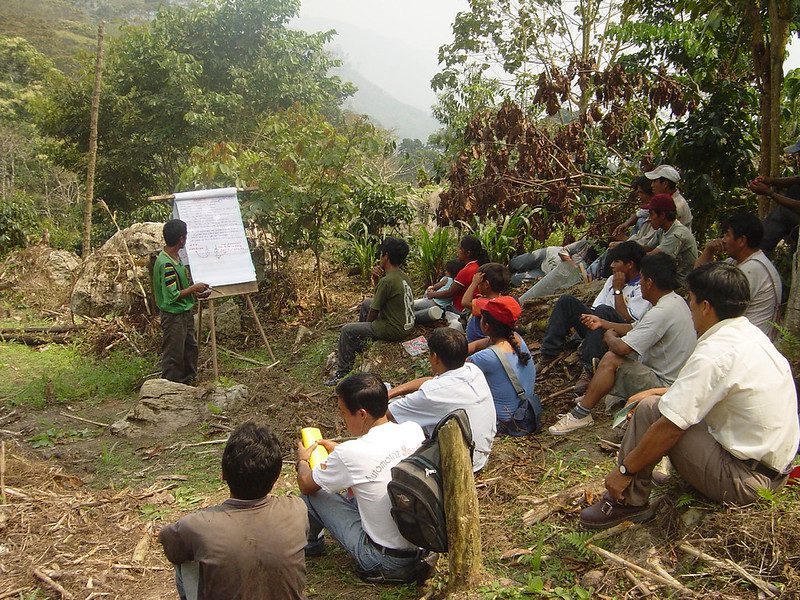
DeafKidz International (DKI) has been working in Zambia since 2013 to help children build resilience and improve education and safety for those who are hard of hearing. It aims to complete its mission in two parts: educating the children through workshops and training teachers to identify signs of abuse or confusion among individuals who are hard of hearing.

The six-hour workshop for children focuses on safety, boundaries and basic communication. The education of an average student in Zambia is not identical to that of a hard-of-hearing individual. Thus, this workshop uses role-plays, demonstrations, worksheets and interactive games to help children understand these topics. DKI also financially supported the purchase of laptops in 2024 for classrooms to help bridge educational gaps.

To ensure that educators are up to date, the DKI team communicates regularly with trained teachers. It does this by running brief sessions to verify that information translation is accurate and to gather feedback on the results of DKI’s programming. In early 2025, DKI staff observed that students ages five to eight were comprehending sign language at varying levels, indicating the program’s gradual progress.

DKI’s team values the feedback it receives from children, parents and educators alike. For instance, noting and adjusting the program to differentiate between “early warning signs” of abuse and symptoms of illness is important. DKI has taken a unique approach to hearing care in Zambia through adaptability and confidence-building.

Zambart: Building a Foundation for Research Advancements

Zambart, a research group that advances health care for all, has also begun piloting programs to study Chronic Suppurative Otitis Media (CSOM) and general hearing problems. The goal of the research study is to evaluate the effects and quality of life of individuals who are hard of hearing due to CSOM and other related hearing diseases. This would provide other organizations and the government with a clearer idea of the types of resources that would be helpful to these individuals.

As part of its initiative, Zambart begins by interviewing families in different communities in Zambia to understand their experiences with CSOM. Next, it will perform randomized trials of topical iodine treatment for ear discharge and analyze short- and long-term care. It will also pilot the introduction of a low-cost bone-conducting headset for 150 adults and children who experience hearing loss.

As a way to go hand in hand with DKI’s efforts, it will also conduct further studies and qualitative analyses to understand the lived experiences of people with hearing loss. The goal is to understand what enables or prevents them from feeling self-determined, empowered and resilient in their education and daily lives. The results of this study would be the implementation of tech-based learning for sign language.

Zambart accepts monetary donations to advance its research; however, the funds received go directly into its mission and action efforts. Though it does require significant money, training and time to achieve the necessary advancements in hearing care in Zambia, the Zambart team is actively working to address the root problems.

Focusing on Empowerment and Resilience

Overall, children and adults with hearing and ear illnesses have not received as much focus in Zambia as other diseases. However, when working with groups that focus on adaptability, resilience, community building and empowerment, these communities are given the chance to grow and learn. Though monetary donations go a long way toward advancing accessible clinics and medical professionals, providing the right tools and methods can further strengthen hearing care in Zambia.

– Simran Dev

Simran is based in Caledon, Ontario, Canada and focuses on Global Health and Celebs for The Borgen Project.

Photo: Flickr
February 19, 2026
https://borgenproject.org/wp-content/uploads/borgen-project-logo.svg 0 0 Precious Sheidu https://borgenproject.org/wp-content/uploads/borgen-project-logo.svg Precious Sheidu2026-02-19 07:30:102026-02-19 01:42:11Organizations Aiding Ear and Hearing Care in Zambia
Aid, Economy, Global Poverty

Venezuelans in Poverty: Life Under Maduro

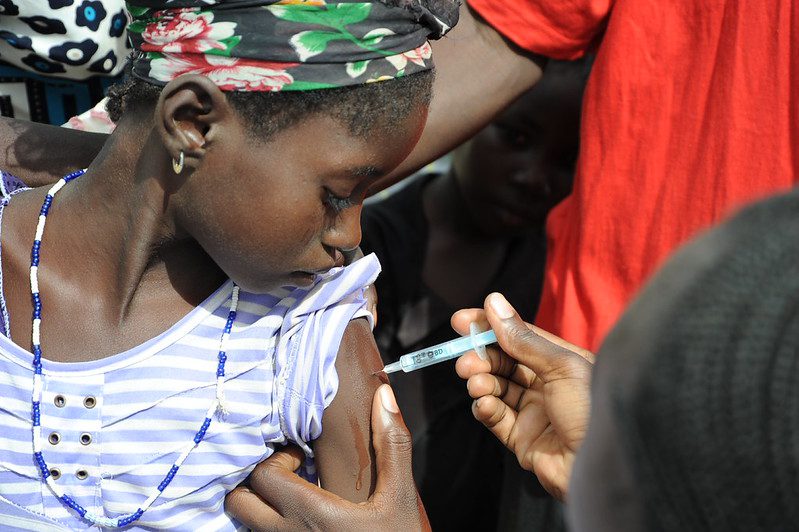
Venezuelans in Poverty: How Economic Collapse Shaped Life Under MaduroAt the turn of the New Year, the seizure of Nicolas Maduro by the United States (U.S.) military in an operation conducted in Caracas dominated the headlines. The move drew criticism from some who cited concerns about international law violations against a sovereign nation, as well as the fact that the executive branch of the U.S. directed the military action without prior congressional approval. Many in Venezuela, meanwhile, expressed support for the end of an administration widely blamed for declines in quality of life over the course of this century. Life for Venezuelans, particularly under the Maduro government, has been shaped by prolonged economic and humanitarian challenges.

A Population in Dire Need

Multiple sources highlight a longstanding humanitarian crisis in Venezuela. As of 2026, 7.9 million Venezuelans need humanitarian assistance. An additional 7.9 million Venezuelans have been forcibly displaced due to deteriorating economic conditions, a figure the United Nations High Commissioner for Refugees (UNHCR) describes as the “largest displacement situation in the recent history of the Americas.”

Furthermore, the United Nations Office for the Coordination of Humanitarian Affairs (OCHA) reports that 5.4 million people are projected to receive some form of international assistance, leaving 2.5 million Venezuelans, nearly 9% of the country’s population, without projected coverage. In addition, 56% of Venezuela’s population lives in extreme poverty.

The Driving Factors

Venezuela’s humanitarian crisis is closely tied to prolonged economic hardship. The Council on Foreign Relations (CFR) identifies the country as a petrostate, meaning it depends heavily on fossil fuel income. Petrostates face the risk of “Dutch disease,” where over-reliance on oil revenue contributes to the deterioration of other sectors of the economy.

Despite having the world’s largest oil reserves, Venezuela experienced significant economic contraction. Time reports that the U.S. first imposed sanctions in 2017 in response to democratic backsliding, further impacting an already struggling economy. From 2013 to 2021, Venezuela’s economy shrank by 70%. Former finance minister Jorge Giordani stated that between 2008 and 2014, officials redistributed two-thirds of oil profits into the economy, while one-third “slipped through the cracks.”

Support Venezuelans: Current Needs

A poll by Gold Glove Consulting indicates that a majority of Venezuelans report optimism following Maduro’s removal. However, economic recovery remains uncertain. The U.S. appointed Delcy Rodriguez as interim president. Although she served in the Maduro administration, she has pledged cooperation with Washington, though not without caveats.

According to Al Jazeera, the Venezuelan government no longer controls its income streams. Funds are deposited into a Qatari account subject to U.S. veto power. Venezuela must submit monthly budget requests for the distribution of those funds. Al Jazeera also reports that experts have raised concerns regarding transparency in the allocation of these funds.

OCHA projects a funding requirement of $606 million for 2026 and reports a funding gap of $587.1 million, constituting coverage of 3.12%. Continued humanitarian funding remains central to supporting Venezuelans facing displacement and poverty.

Looking Ahead

While Venezuela continues to face significant economic and humanitarian challenges, coordinated international assistance and transparent management of resources could help stabilize conditions. Sustained humanitarian funding and targeted support for vulnerable communities remain essential to improving living standards and promoting long-term recovery for Venezuelans living in poverty.

– Luca Hanlon

Luca is based in Brooklyn, NY, USA and focuses on Good News and Politics for The Borgen Project.

Photo: Flickr
February 19, 2026
https://borgenproject.org/wp-content/uploads/borgen-project-logo.svg 0 0 Precious Sheidu https://borgenproject.org/wp-content/uploads/borgen-project-logo.svg Precious Sheidu2026-02-19 03:00:202026-02-19 01:35:32Venezuelans in Poverty: Life Under Maduro
Global Poverty, Health, Technology

Medical Innovations in Ghana: Transforming Health Care

Medical Innovations in Ghana That Are Transforming The Health Care SystemIn Ghana, where 24.2% of people live below the poverty line, health issues and the adverse effects of poverty remain heavy burdens on the population. Disproportionate access to health care negatively impacts rural and low-income populations and exacerbates the health burden for these groups. Thus, investments in the development of various medical innovations in Ghana aim to alleviate the health burden and increase access to cost-effective services for rural communities.

The BioInnovation Center

Academic City University College in Ghana partnered with Northeastern University to establish the new BioInnovation Center. The center aims to improve the availability of medical equipment for more than 5,000 rural health clinics nationwide by developing low-cost biomedical devices. This on-campus center supports student-led research, prototype development and medical innovations in Ghana. Engineering medical devices within the country contributes to a more sustainable health care delivery system, given that the country imports more than 95% of its medical devices and supplies.

The BioInnovation Center manages several current projects being tested in Ghanaian clinics, including:

  • Neonatal care devices for rural birthing centers
  • Diagnostic tools requiring no electricity or consumables
  • Medical refrigeration using solar power for vaccine cold chains
  • Point-of-care testing platforms for infectious disease diagnosis
  • Surgical instruments optimized for resource-limited operating facilities

The Drug Innovation Group

Ghana is leading the formation of a research network in medicinal chemistry to develop treatments for malaria, tuberculosis (TB) and cancer. It is the second country in Africa, after South Africa, to carry out early-stage design of drug candidates. Ghana has a high burden of TB and ranks among the 15 countries with the highest malaria burden. These diseases disproportionately affect low-income countries, where drugs are often unaffordable to a significant portion of the population. As a result, commercial incentives to develop treatments can remain limited.

The Drug Innovation Group (DIG) works in a laboratory officially opened in May 2024 at the University of Ghana. The lab includes more than U.S. $100,000 worth of advanced technology funded by the Bill & Melinda Gates Foundation. DIG aims to train the next generation of scientists in Ghana, starting with undergraduate students, to combat malaria and TB in Africa.

Mental Health

Ghana faces challenges in its mental health care system due to inadequate clinical resources, infrastructure, stigma and personnel shortages. The country has only one psychiatrist for every 1.5 million people, far below the World Health Organization’s recommended ratio of one psychiatrist per 100,000 people. Shortages of clinical psychologists and psychiatric nurses and disparities in access to care, particularly between urban and rural areas, contribute to limited treatment access. While an estimated 3.8 to 6.6 million Ghanaians live with moderate to severe mental health disorders, approximately only 2% receive formal treatment.

The West African Digital Mental Health Alliance (WADMA) builds collaboration between technologists and clinical researchers to advance mental health services through digital innovations. Digital mental health services help bridge access gaps for rural populations and offer a more discreet option for individuals reluctant to seek treatment due to stigma.

Another digital innovation in mental health care is the M-Healer smartphone toolkit. This mobile app targets traditional healers and provides educational materials and tutorials on mental health management techniques, such as de-escalation, deep breathing and reframing anxious thoughts. The integration of evidence-based treatment techniques promotes practices that prioritize human dignity and safety. M-Healer includes a dark mode interface to reduce battery consumption and offline functionality to serve those with limited internet connectivity and high data costs. Studies report reductions in harmful practices such as chaining and improvements in psychiatric symptoms, psychological distress and stigma among patients.

Mosquito Net Mesh for Hernia Repair

Inguinal hernia repair is one of the most commonly performed procedures in Africa. The standard procedure uses synthetic mesh, but many patients in low-income countries cannot afford this material. A cost-effective alternative has emerged in sub-Saharan Africa in the form of sterilized mosquito net mesh. Trials conducted in multiple hospitals in Ghana found sterilized mosquito net mesh to be an effective alternative to synthetic mesh for hernia repair in resource-limited settings.

Tricycle Ambulances

Due to long distances from clinics and limited affordable transport, people living in rural communities often face barriers to accessing emergency health care services. In response, the Moving Health Foundation deploys tricycle ambulances equipped with GPS tracking technology and designed to remain stable on rough roads. These ambulances are manufactured locally and cost 1% to 2% of the price of a traditional ambulance.

Another initiative repurposes existing motor tricycles into ambulances. These vehicles include a mobile application with tracking features and a communication system between the driver and the health facility. The initiative is projected to assist 1,800 people within the first year, including 300 mothers and caregivers.

Rapid Diagnostic Tool

Point-of-care ultrasonography (POCUS) is a rapid diagnostic tool used to detect blood clots, internal bleeding, gallstones and heart or lung problems in emergency settings. Health care workers trained to use POCUS can make immediate obstetric treatment decisions, improving maternal and neonatal health outcomes for more than 450 people in the Western and Savannah regions of Ghana.

Digital App for Tracking Pregnancy Care

The University of Health and Allied Sciences developed a digital platform and smartphone app to improve early pregnancy detection, optimize the timing and use of prenatal care and reduce referral costs. The system uses artificial intelligence and health system intermediaries to track women’s referral experiences, log postpartum care and assess treatment outcomes. This project is expected to enhance maternal health care for 3,000 people in the Upper West and North East regions of Ghana.

Live Monitoring for Medicine Stocks

A newly designed national digital system facilitates livestock reporting of medicines through SMS and automated ordering based on historical demand data. The system monitors medicine availability, tracks stock-outs and measures replenishment efficiency. Additionally, a national monitoring system can improve emergency response efficiency, prevent essential medicines from running out of stock and support equitable distribution across Ghana.

Looking Ahead

Interventions utilizing medical innovations in Ghana aim to expand health services to rural areas and provide more affordable alternatives for the significant number of Ghanaians living in poverty. The establishment of technology centers and laboratories focused on medical device and drug innovation in local universities is training the next generation of scientists and innovators to develop solutions suited to resource-limited settings. While Ghana has seen general improvement in health outcomes since 2018, locally based solutions remain essential to creating more equitable access to health services, transportation, medical devices and medicines.

– Sarah Merrill

Sarah is based in Matthews, NC, USA and focuses on Good News and Global Health for The Borgen Project.

Photo: Flickr

February 19, 2026
https://borgenproject.org/wp-content/uploads/borgen-project-logo.svg 0 0 Precious Sheidu https://borgenproject.org/wp-content/uploads/borgen-project-logo.svg Precious Sheidu2026-02-19 01:30:492026-02-19 01:26:10Medical Innovations in Ghana: Transforming Health Care
Page 47 of 2162«‹4546474849›»

Get Smarter

  • Global Poverty 101
  • Global Poverty… The Good News
  • Global Poverty & U.S. Jobs
  • Global Poverty and National Security
  • Innovative Solutions to Poverty
  • Global Poverty & Aid FAQ’s
Search Search

Take Action

  • Call Congress
  • Email Congress
  • Donate
  • 30 Ways to Help
  • Volunteer Ops
  • Internships
  • Courses & Certificates
  • The Podcast
Borgen Project

“The Borgen Project is an incredible nonprofit organization that is addressing poverty and hunger and working towards ending them.”

-The Huffington Post

Inside The Borgen Project

  • Contact
  • About
  • Financials
  • President
  • Board of Directors
  • Board of Advisors

International Links

  • UK Email Parliament
  • UK Donate
  • Canada Email Parliament

Get Smarter

  • Global Poverty 101
  • Global Poverty… The Good News
  • Global Poverty & U.S. Jobs
  • Global Poverty and National Security
  • Innovative Solutions to Poverty
  • Global Poverty & Aid FAQ’s

Ways to Help

  • Call Congress
  • Email Congress
  • Donate
  • 30 Ways to Help
  • Volunteer Ops
  • Internships
  • Courses & Certificates
  • The Podcast
Scroll to top Scroll to top Scroll to top