Mental Health Support in Gaza: A Growing Humanitarian Priority
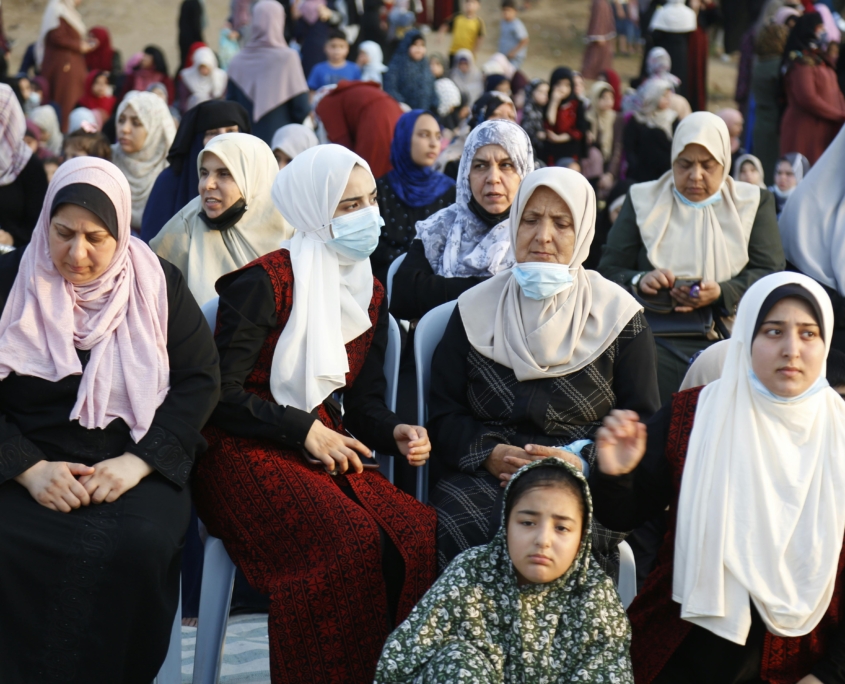 As the war in Gaza continues, about 2 million people have been displaced, many without access to essential services. While humanitarian organizations continue trying provide deliveries of food, clean drinking water and sanitation supplies, one critical need remains under-addressed: mental health support. A 2024 Lancet Psychiatry article reported that more than 50% of Gaza’s children showed signs of post-traumatic stress disorder (PTSD) even before the recent conflict. Prolonged exposure to trauma, displacement and instability has intensified mental health challenges across all age groups.
Mental Health in Gaza
During emergencies, mental health support often receives less attention than physical needs. However, psychological trauma, if left untreated, can have long-term consequences for individuals and communities. According to the United Nations Office for the Coordination of Humanitarian Affairs (OCHA), more than 495,000 children in Gaza are currently dealing with mental health issues. Without access to support, these issues may worsen and contribute to a cycle of poverty, as shown in a 2023 World Bank report that linked untreated mental health conditions to reduced economic opportunity in conflict zones.
Several barriers hinder access to care in Gaza. Health infrastructure has been severely damaged, psychiatric services are limited and stigma continues to discourage people from seeking help. Years of underinvestment and cultural misunderstanding have made it difficult for many to recognize mental health as a critical component of well-being.
The Gaza Community Mental Health Program
While organizations like WHO and Médecins Sans Frontières (MSF) have expanded mental health support, the Gaza Community Mental Health Programme (GCMHP) remains the only NGO in the region dedicated solely to mental health. Since 1990, GCMHP has provided community-based psychological services, working to break stigma and improve access.
The organization continues operating despite the destruction of several facilities. Its hotline offers free phone consultations, while field workers travel between camps to provide counseling. GCMHP has already delivered psychological first aid to more than 12,000 individuals affected by the conflict. Its teams report symptoms consistent with complex trauma, including emotional numbness, dissociation and social withdrawal. These conditions often worsen as people remain surrounded by reminders of their trauma in destroyed neighborhoods and overcrowded shelters.
What Success Looks Like
GCMHP’s impact becomes clear through individual stories. A case involved a six-year-old named Mohammad, who witnessed multiple bombings and suffered nightmares, anxiety and bedwetting. GCMHP diagnosed him with PTSD and designed a recovery plan involving drawing therapy and family sessions. Mohammad’s symptoms improved over time, reflecting the power of early intervention and consistent care. GCMHP continues helping survivors rebuild emotional stability, one patient at a time.
The Road Ahead for Mental Health Support in Gaza
Mental health recovery requires sustained commitment. Short-term interventions cannot fully address long-term psychological distress. Aid organizations aim to integrate mental health services into all levels of humanitarian response. GCMHP and UNRWA have both urged greater investment in mental health and psychosocial support (MHPSS) as part of emergency relief programs. Expanding access to these services not only reduces suffering but also supports long-term recovery and resilience. Ensuring mental health remains a central part of aid in Gaza could play a vital role in helping communities rebuild after conflict, both physically and emotionally.
– Collier Simpson
Collier is based in Savannah, GA, USA and focuses on Global Health for The Borgen Project.
Photo: Pexels
