
The President of the Academy of Science in South Africa, Daya Reddy, claims that scientists play a key role in global poverty reduction. The problem is that the number of scientists in Africa is significantly less than anywhere else in the world. In other parts of the world, for every 1 million people, there are 1,000 scientists. In Africa, this number is 80. The second problem is what Reddy calls “the brain drain,” where one-third of Africa’s scientists leave the continent to practice their research.
Because of this, Africa’s success in poverty reduction is significantly lower than elsewhere. While worldwide poverty has been reduced by 50 percent, in Africa it has only been reduced by 8 percent.
Scientists hold the key to unlocking great mysteries, which is why Reddy teamed up with the Association of Commonwealth Universities and the South African Research and Innovation Management Association at the Research and Innovation for Global Challenge conference in May to encourage students to pursue their interests in science. In his speech, he highlights the importance of interdisciplinary studies, encouraging a “healthy collaboration”.
Reddy encourages scientists to use their knowledge of research and apply it to the world at large. “Complex problems require broad transdisciplinary approaches for their solution,” said Reddy, explaining later that this is the business of bringing together scientists with the movers and shakers of the world—the decision-makers and policy-creators, the educators and the innovators.
Scientific advancements can help in many ways, from improving the daily lives of individuals to large-scale changes. From medicine to sanitation, to agriculture and transportation, science is a unifying factor with the potential to make big changes in the world.
Great advancements have already been made, thanks to interdisciplinary work. Since the Millennium Development Goals established in 2000, now 90 percent of children globally are going to primary school, more girls are getting an education than ever before, and the odds of a child dying before the age of 5 has been cut in half. Worldwide, poverty has improved since the goals were established.
Reddy spoke at a conference in May to inspire students to pursue science. He encouraged the next generation to collaborate and create an interdisciplinary culture in order to end global poverty.
– Hannah Resnick
Sources: African Business Review, United Nations Development Programme University World News
Photo: Flickr
 With an estimated value of between $16 and $54 trillion, the services provided by natural resources are an asset worth protecting. It is widely recognized that carbon dioxide from fossil fuel emissions threatens the environment and that reducing carbon emissions is a global necessity. A dominant strategy to reduce carbon is to make it more expensive which incentivizes individuals, companies and nations to use it more efficiently or switch to alternatives. Roughly 40 countries and over 20 subnational governments are either doing or planning to do so through legal mechanisms that increase carbon pricing. A recent analysis by the World Bank estimates that the value of these initiatives grew to nearly $50 billion this year.
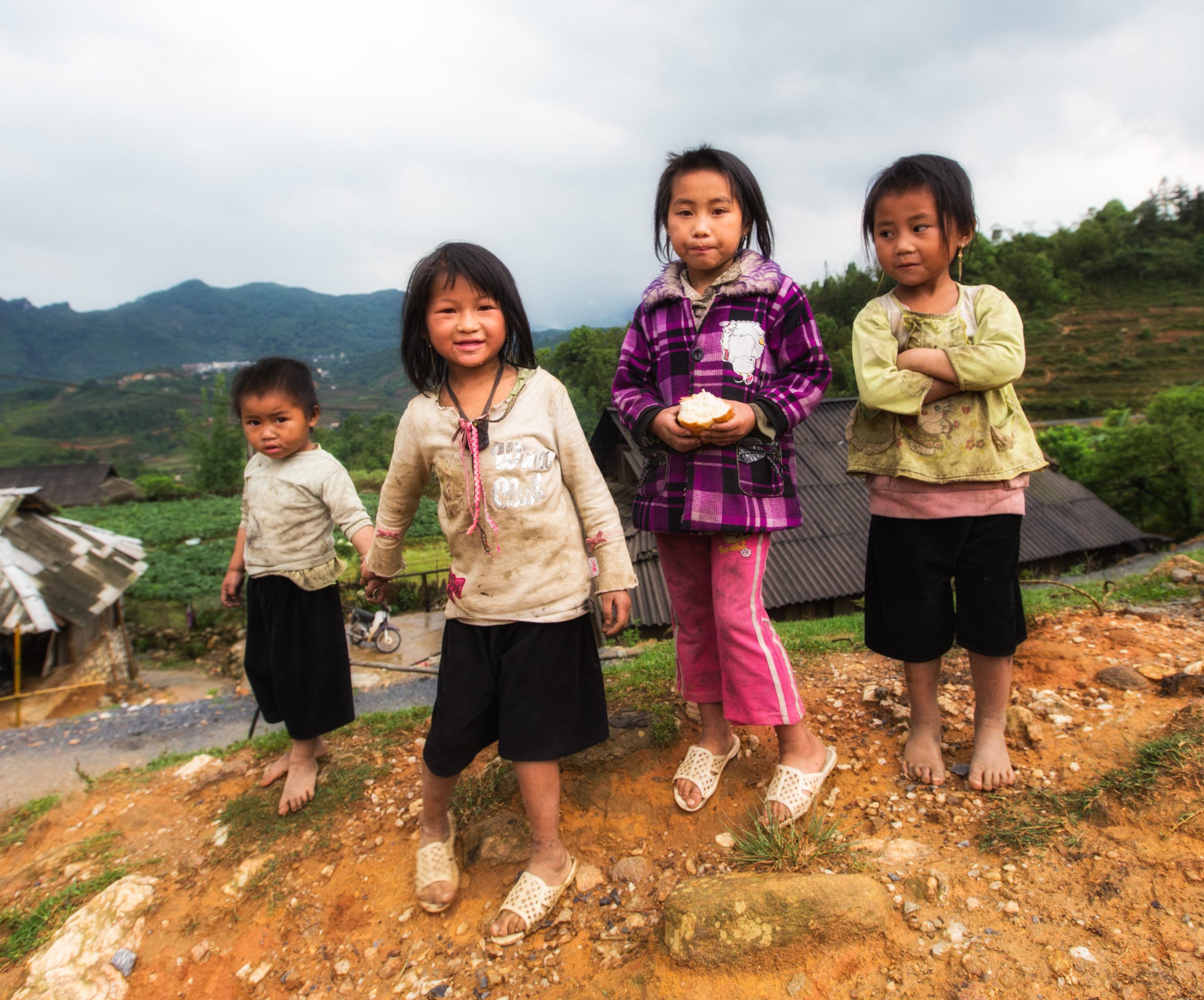 The following are ten poverty statistics that any advocate should know and be able to share with others. They describe the global poverty situation:
 In 2000, the U.N. agreed on eight Millennium Development Goals that it hoped to reach by 2015. Included among these goals: promoting gender equality and empowering women, reducing child mortality and improving maternal health. For the Philippines, improving maternal health is an extremely important goal since the maternal mortality rate of the Philippines was high—209 deaths per 100,000 live births as of 1993. The target for the Philippines is the reduction of the MMR to 52 deaths per 100,000 live births by 2015. However, while maternal mortality has been decreasing in the Philippines, it has not been falling at a fast enough rate.
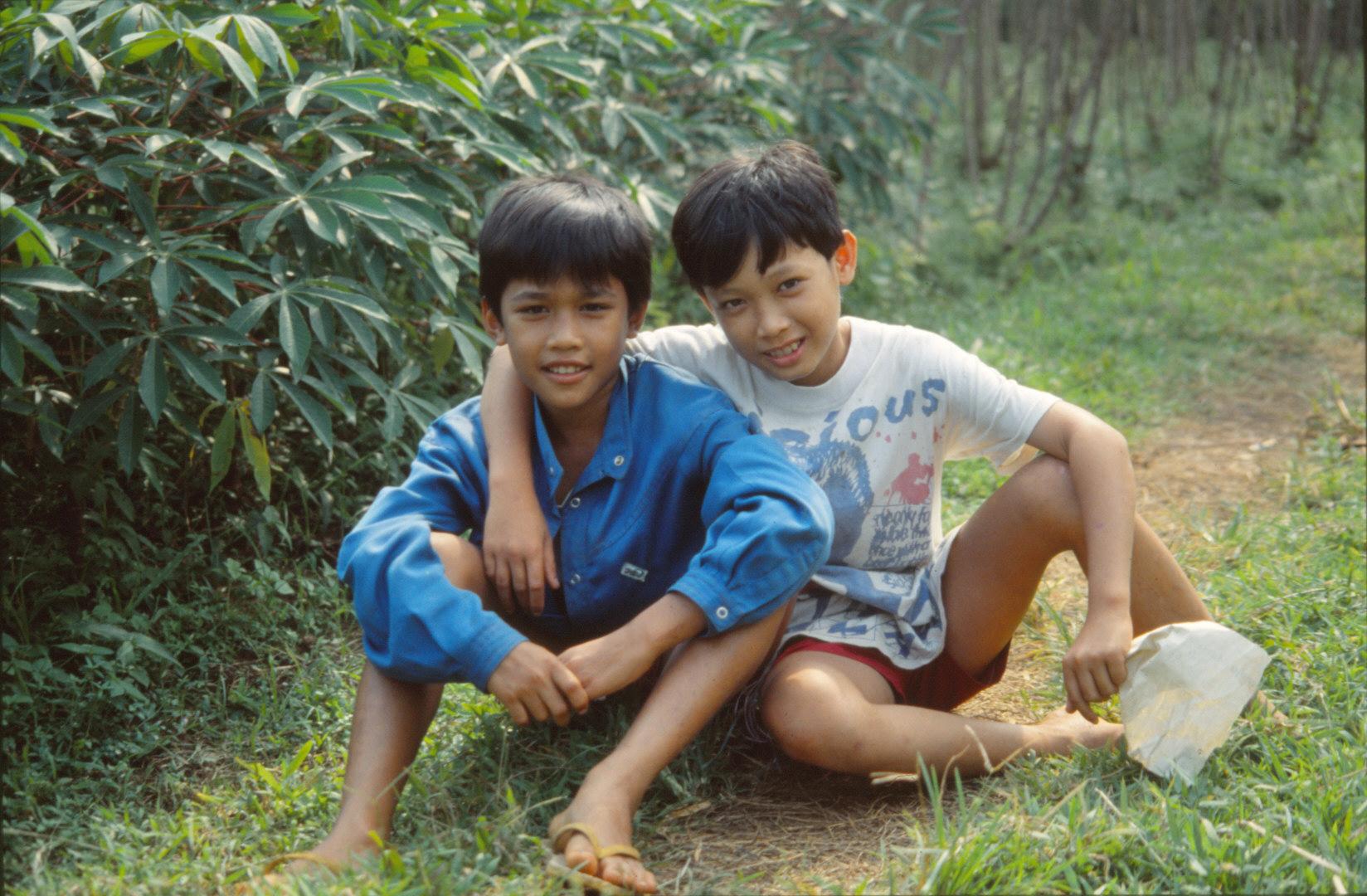 The Millennium Challenge Corporation is an independent, innovative foreign aid agency that is actively fighting global poverty. One of its projects, the Indonesia Compact, seeks to better the lives of those living below the poverty line in
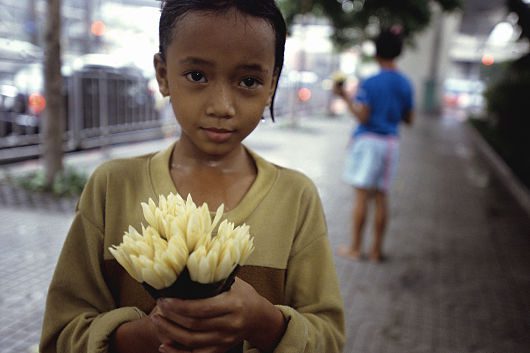 Most beggars in Bangkok are not from Thailand. They are migrants from neighboring countries, such as Cambodia or Burma, who are drawn to the city’s lucrative begging opportunities. These beggars must accept a high level of risk when they travel to Thailand; many are thrown in jail and then deported in a worse state than before. But the biggest issue arises when they bring their children with them. These children are often abandoned and left to work on the streets of Bangkok. They are at risk of being abused and exploited, are often unhealthy and are in danger of being hit by cars or motorcycles.
 The Lancet Commission on Women and Health, a report discussing ways of improving women’s health. The report on women’s vital contributions to healthcare, economic welfare, environmental protection and societal stability, was recently published after three years of research. The Commission, headed by Dr. Ana T. Langer from the Harvard T. H. Chan School of Public Health and Afaf Meleis from the School of Nursing at the University of Pennsylvania and composed of public health experts, social scientists, policymakers and advocates, not only highlights the importance of women’s work in the success of nations, but also promotes recognizing and protecting these roles to increase sustainable development in nations around the world.