• Link to X
  • Link to Facebook
  • Link to Instagram
  • Link to TikTok
  • Link to Youtube
  • About
    • About Us
      • President
      • Board of Directors
      • Board of Advisors
      • Financials
      • Our Methodology
      • Success Tracker
      • Contact
  • Act Now
    • 30 Ways to Help
      • Email Congress
      • Call Congress
      • Volunteer
      • Courses & Certificates
      • Be a Donor
    • Internships
      • In-Office Internships
      • Remote Internships
    • Legislation
      • Politics 101
  • The Blog
  • The Podcast
  • Magazine
  • Donate
  • Click to open the search input field Click to open the search input field Search
  • Menu Menu

Archive for category: Global Poverty

Key articles and information on global poverty.

Aid Effectiveness & Reform, Development, Global Poverty, Women & Children

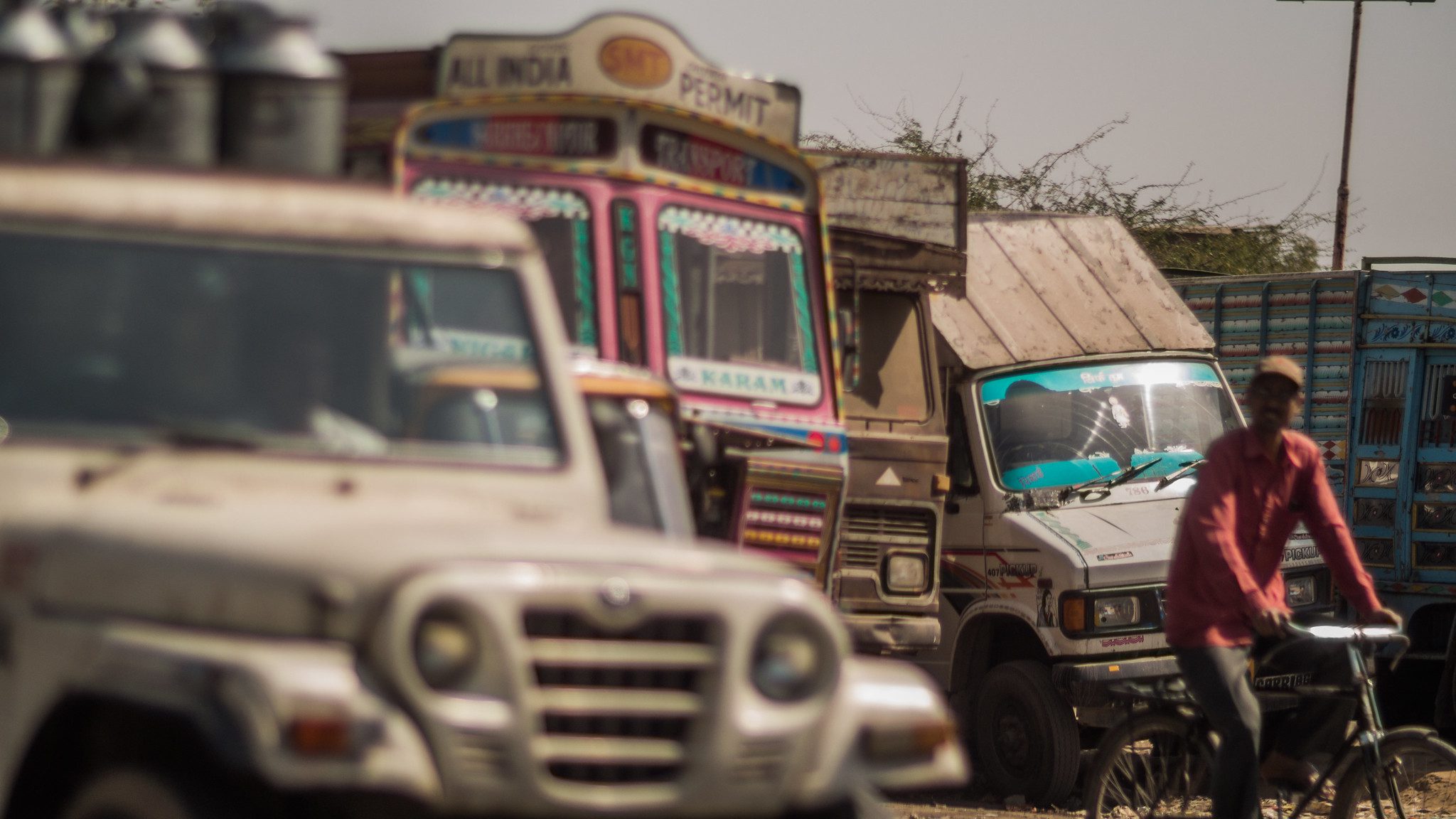
Poverty in Ahmedabad, India

Ahmedabad
With a population of around 8 million, the city of Ahmedabad is the largest in India’s western region of Gujarat. While India has long held a reputation for being one of the world’s least developed countries, it has steadily been shifting and is now one of the fastest growing developing countries. Poverty in India is starting to disappear; industry is thriving, literacy rates are increasing and the world community is beginning to see it as a real front-runner. There is no better example of this new shift in development than Ahmedabad.

Census information gathered in 2001 showed a literacy rate of around 79 percent. The next census, gathered in 2011, revealed a great increase, showing that around 85 percent of the population was literate. The first step in decreasing poverty is increasing education. For many years, India has faced issues with its large impoverished communities not allowing their children to attend school because they needed them to work in order to support the family. Now, with increased aid from various NGO’s and family structure organizations, Ahmedabad’s youth have been, for the most part, educated at least to an 8th grade level. This six percent gain is not the only leap that Ahmedabad has made.

When one imagines India, they might picture crowded streets, pollution, over-population, grand temples and the Taj Mahal, which would all suffice to describe it. However, recent census information has shown a 1.55 percent decrease in birthrates. While to some this may seem sad, it is quite the opposite. Many poor families will have upwards of 8 children in an attempt to have as many people working in order to support the family. Often, women are overwhelmed by the pressure to have kids, and with no safe methods of birth control available, many have more than ten in their lifetimes. While supporting 10 kids is hard enough, this amount of children can also be very detrimental to a woman’s health. Many women to die during childbirth. In the past few years, many women’s health organizations have gone to the slums of India to introduce birth control packs and condoms to the people. This decrease in birthrate is also accompanied by a 6 percent decrease in death rates of women during childbirth, as the amount of institutionalized deliveries has increased by 13 percent. While this may seem small, it marks a big change for the city of Ahmedabad and India as a whole.

As India continues to grow, poverty rates in Ahmedabad are decreasing. Occupying a large strip of the coastline, Gujarat is one of the best areas for businesses seeking to work overseas to take root. The business models in Gujarat and Ahmedabad have been described by UNICEF as “being a highly effective growth and private sector-driven model. In fact, the average growth rate of GDP in Gujarat over the past two decades has been higher than the national average, and more balanced than the other high growth-rate states.” This positive increase in GDP is primarily due to the agricultural and business sectors.

For now it looks like poverty is out and development is in for the great city of Ahmedabad, and this is a trend that the global community hopes to see a lot more of in the future.

— Sumita Tellakat

Sources: UNICEF India, Journal of Health Population and Nutrition, Ahmedabad Census 2011
Photo: Flickr

June 18, 2015
https://borgenproject.org/wp-content/uploads/borgen-project-logo.svg 0 0 Borgen Project https://borgenproject.org/wp-content/uploads/borgen-project-logo.svg Borgen Project2015-06-18 02:16:212024-05-27 09:24:15Poverty in Ahmedabad, India
Global Poverty

What’s ‘Musicogenic’ Got to Do with It?

What's 'Musicogenic' Got to Do with It?Countless amounts of people have probably been either uninformed or misinformed of the still-developing musicogenic epilepsy. One may think: what is this ‘musicogenic,’ and what does it have to do with poverty and world issues?
Musicogenic epilepsy is defined as a rare neurological disorder retaining seizures that are triggered by the onsets of different sounds layered in musical pieces.

Initially considered “reflex epilepsy” that stemmed from the right temporal lobe according to a 1989 study, it would be later proven in further research that the disorder stemmed from multiple temporal lobe foci, alongside holding ties with certain emotional reactions and additionally breaking loose from categorization as a “reflex” disorder.

As early as 1937, researcher MacDonald Critchley recorded three cases that attained a then unknown phenomenon that would become the ‘musicogenic’ disorder. Critchley noted that the disorder was “too rare,” but did assure that the seizures could not occur without the inclusion of music, also adding that certain types of music contributed to the cause.

Take note of Mariah Carey’s 1993 up-tempo classic, “Dreamlover,” for example.

The angelic recording would live up to its critical title as an “infectious tune,” when in 1998, a Japanese native woman alleged that three minutes into the piece triggered a seizure episode, resulting in a lengthy hospital visit accompanied by a series of medical tests. It would then be found that certain elements—allegedly the sound of the production’s bells—would play a role in the attack.

What soon followed was not only an alleged lawsuit launched against Ms. Carey’s recording label, but also a more redefined look into the mysteries concerning the neurological disorder.

In 2003, during infantile epileptic testing, the 6-month-old subject’s right-sided focal seizures were triggered by loud music performed by The Beatles. Researchers formulated that personal musicality and sensory response served as potential results for the causes of the attacks.

However, in a recent study conducted in 2014, it was reinstated that emotion served as a driving response when testing the playback of Russian music to a 32-year-old epileptic-sufferer. Further findings indicated that the dysregulation process of “musically-induced emotions” played a role in musicogenic seizures, rather than the musical stimulus itself.

More results from the testing theorized that the newfound discovery of cognitive dysregulation could hold potential links to other forms of epilepsy, such as reading epilepsy.

Though it is still a developing mystery, several forms of epilepsy still account as a large suffering and mortality rate in impoverished settings; two-times the amount when compared to high-income settings.

In lower-income regions, where high mortality rates are often associated with the lack of treatment in epilepsy, medical supplies to aid epileptic-sufferers have been scarce. This results in the growth of risk factors.

As developments continue to be designated, inexpensive interventions are at the forefront of ultimate factors in minimizing epileptic rates. Other solutions presented include risk factor prevention, improved access to biomedical treatment and continuous supply of high-quality antiepileptic drugs.

Medical analysts are determined and confident that progressive testing and newly discovered results will yield the musicogenic disorder into the right direction for the betterment of studying, and moreover, for the potential solution to accompanying epilepsy cases in poverty-stricken areas.

– Jeff Varner

Sources: NCBI 1, The Lancet, NCBI 2, Editors Choice Archive, NCBI 3, Brain, NCBI 4, NCBI 5
Photo: Wikipedia

June 18, 2015
https://borgenproject.org/wp-content/uploads/borgen-project-logo.svg 0 0 Borgen Project https://borgenproject.org/wp-content/uploads/borgen-project-logo.svg Borgen Project2015-06-18 01:09:242024-12-13 17:51:30What’s ‘Musicogenic’ Got to Do with It?
Education, Global Poverty

Afghanistan’s Rule of Law and Future Can Flourish

Afghanistan

Afghanistan is one of the most dangerous and impoverished nations in the world. What can be done to help to turn it around?

One of the biggest problems Afghanistan faces is its history of a weak rule of law. The rule of law has to do with the strength of legal institutions, as well as laws themselves. It also applies to how laws are carried out—equally or unequally.

When the rule of law is strong, it provides a basis for a society’s economic development, security, infrastructure and an accountable government. A strong rule of law also improves public health, alleviates poverty and improves education.

Weak rule of law leads to crime, corruption and the unequal application of laws across a society. Afghanistan has struggled with all these things, and improving and solidifying the rule of law is important to secure its future. For a country to flourish, a strong rule of law is needed.

It is a generally accepted idea, that for some, education is a pathway out of poverty. However, without a strong rule of law, which limits the Taliban preventing girls from going to school or corruption from impacting learner’s education, this pathway is fraught with difficulties. Corruption is a massive problem in Afghanistan—the country ranked last for the absence of corruption in the World Justice Project’s 2014 Rule of Law Index.

Sadly, the problem runs deeper than merely educating Afghan girls and boys with hopes that they will escape poverty. For Afghanistan to improve its rule of law and therefore it’s future, it’s legal education system must continue to be developed.

Because of Afghanistan’s five constitutions since 1964 along with Soviet occupation and the Taliban government, the country’s legal system been decimated and fallen behind the rest of the world. The legal education system has failed to produce a capable body of legal experts, instead a group of jurists who have made their best effort in recent times but are woefully unprepared.

Since U.S. military intervention and the fall of the Taliban in 2001, much has been done to try and improve both the university and legal education systems in the county. Strengthening these institutions can lead to fewer instances of land disputes—the main cause of conflict in Afghanistan. They are common because both informal and formal devices used to resolve the conflicts are fragile and weak.

Land disputes are also a perfect example of a weak rule of law because they illustrate an instance where a law says one thing, but in practice, it is not relevant, enforced or practical. The current land ownership law states the need for documents proving ownership of land, however, only 20 percent of land actually has these documents.

The U.S. State Department has played a role in developing the legal system in Afghanistan by bringing young lawyers to the U.S. to study, who have then gone back to their home country to set up legal practices. This is a good step, but improvement in the rule of law via more development of the legal education system in Afghanistan itself could go even further to improve its future as a safer, less impoverished country.

– Greg Baker

Sources: The Hague Institute for Global Justice, The New York Times, United States Institute for Peace, The World Justice Project, U.S. Department of State
Photo: Clarksville Online

June 17, 2015
https://borgenproject.org/wp-content/uploads/borgen-project-logo.svg 0 0 Borgen Project https://borgenproject.org/wp-content/uploads/borgen-project-logo.svg Borgen Project2015-06-17 21:21:272024-12-13 17:51:30Afghanistan’s Rule of Law and Future Can Flourish
Global Poverty, Health, Malnourishment

Malnutrition in Burundi

Malnutrition in BurundiPopulated with over 10 million people, Burundi is a densely packed, landlocked East African country with the worst rates of malnutrition in the world.

Burundi was rated the world’s leading nation affected by hunger, according to the 2014 Global Hunger Index (GHI), a score calculated annually by the International Food Policy Research Institute. Plagued with political turmoil and prone to natural disasters, Burundi has seen rates of malnutrition increase in recent years. Despite global strides in combating malnutrition in recent history, Burundi is one of only four nations that has seen an increase in GHI from 1990 to 2014, indicating a worsening situation in the country. With 67.3 percent of the overall population undernourished, it is one of two countries with a hunger situation labeled “extremely alarming” in the study.

As the vast majority of Burundi’s population relies on agriculture, many of the country’s inhabitants combat food insecurity and malnutrition due to climate hazards, limited land access and limited crop diversity. Despite a constantly growing population, food production has stagnated at pre-1993 levels, according to the World Food Programme. Additionally, due to the rising costs of food — the price of beans increased by nearly 50 percent in recent years — the average household now spends over 70 percent of its income on food. While the nation’s government has programs in place to assist in the fight against malnutrition, it is growing increasingly costly for the country to deal with the worsening problem.

Common causes of malnutrition in the country include kwashiorkor and marasmus, both of which can stunt development and can be life-threatening if not treated. Although women and young children are most at risk for diseases caused by malnutrition, many men are also affected.

Additionally, many children and women suffer from a lack of micronutrients in their diets. In the first two years of life, it is especially crucial for children to get sufficient amounts of micronutrients such as iron, Vitamin A, iodine and zinc. Such nutrients are critical for physical growth and intellectual development.

Anemia is one of the biggest deficiency problems currently faced in Burundi, with 56 percent of children under the age of 5, and 47 percent of pregnant women anemic, according to the World Bank. Additionally, nearly half of the population as a whole is at risk for insufficient zinc intake, and a quarter of the country’s children under 5 and 12 percent of women are Vitamin A deficient. Although the effects of these deficiencies are less dire in the short term, they contribute to life-threatening illnesses and issues.

In order to address the problems of malnutrition in Burundi, the World Bank recommends extensive vitamin A supplementation and deworming in children under 5-years-old and increased iron supplementation for pregnant women. While about 96 percent of households are already consuming iodized salt, the World Bank recommends “universal salt iodization” in order to control iodine deficiency and avoid IQ loss in young children. Working to increase market and infrastructure development to promote dietary diversity can also combat issues with malnourishment.

Education and counseling services can also serve to improve feeding habits for children under five years old. While Burundi sees a lack of gender equality in most sects of life, women are still seen to have a strong maternal role in the family. UNICEF found that children of mothers with at least a primary level of education have 94 percent of fewer risks of growth stunting from malnutrition than children of mothers with no education. The study showed that mothers with some level of education had been proactive in managing malnutrition than other mothers, recognizing the importance of good breastfeeding habits, clean living and staggering pregnancies.

Since 2005, the Ministry of Health has emphasized building community-based infrastructure to screen for and treat acute malnutrition. Many organizations are also working with the Burundi government to increase education programs for mothers in order to deal with the country’s chronic malnutrition. In 2012, Burundi signed on to the Scaling up Nutrition initiative, which works with the United Nations, civil society, donors, businesses and researchers to work with communities on this issue. The initiative involves an interdisciplinary approach to combating malnutrition. Burundi’s approach, as established through the initiative, involves working to protect maternity leave, create legislation on the marketing of breast milk substitute, establish national directives on food, diversify and increase its food production, and increase nutrition education. The established goal in 2012 was to reduce malnutrition rates by 10 percent by 2016. No information has been released by Scaling up Nutrition or by the Burundian government on the progress of this goal.

– Arin Kerstein

Sources: International Food Policy Research Institute, International Food Policy Research Institute, Iwacu-Burundi, Scaling Up Nutrition, World Bank, Wolrd Food Programme, UNICEF
Photo: The Guardian

June 17, 2015
https://borgenproject.org/wp-content/uploads/borgen-project-logo.svg 0 0 Borgen Project https://borgenproject.org/wp-content/uploads/borgen-project-logo.svg Borgen Project2015-06-17 13:21:342024-12-13 17:51:23Malnutrition in Burundi
Global Poverty

Solar-Powered iShack Lights Up South Africa

solar-powered_iShack
In 2012, South Africa’s subsidized housing program had built about 2.8 million houses since 1994. As impressive as that is, the country still faced a backlog of nearly 2 million homes. Facing these numbers, the government decided to shift its focus from providing new-made homes for every household to improving current living conditions. Approximately 1.2 million households, or 3 million people, are still living in informal homes today. These shacks have no electricity or running water. Many are uninsulated and poorly ventilated, creating unhealthy environments for those inside.

Mark Swilling decided to address this problem back in 2011. Swilling, the academic head of the Sustainability Institute in Stellenbosch, asked his students, “‘What can be done while people are waiting?’ We wanted to orientate [our research] towards what the average shack dweller could do while they are waiting for the state.”

His question led to the solar-powered iShack. The shiny metal walls of these ‘improved shacks’ stand out in shantytowns where wooden pallets and corroded sheets of zinc are the building norm. The shacks also feature insulation made of recycled plastic products, a layer of insulating bricks around the bases of the walls, windows designed to improve airflow, and a coat of fire-retardant paint.

The most popular feature by far, however, is the solar electricity. The shacks are equipped with a photovoltaic panel on the roof that powers a porch light and interior lights, as well as an electrical outlet that makes it possible for residents to charge their cell phones.

Damian Conway, manager and director of the Sustainability Institute Innovation Lab, the main team behind the implantation of the iShack, says that part of their research methodology was paying close attention to what they community really wanted. “Electricity is the number one thing that most people in Enkanini say they need,” Conway says. “The needs are all there: sanitation, water … but the main thing is energy.”

The iShack has been warmly received. Nosango Plaatjie, a mother of three living in one of the iShack prototypes, commented that the ability to keep her phone charged and her lights on has made a huge difference to her family.

“The solar [lights] are better,” Plaatije said. “Now we don’t need to go to sleep early anymore because now we have lights. My daughter must do her homework now, she doesn’t have any more excuses. And I like the light outside because we can see what is going on, I feel safer.”

The iShack model of incremental improvements to already-existing settlements has a lot of people excited. In 2013, the Bill and Melinda Gates Foundation supplied the organization with a grant that would allow the project to roll out across the informal settlement of Enkanini.

With much success and steadily rising support from the local community, other groups are beginning to take notice. Slum Dwellers International, a global nonprofit that serves the urban poor, is watching iShack with an eye toward implementing the project across many countries in Africa.

The secretariat-coordinator Joel Bolnick gave the impression of hopeful patience when he said, “Our intention is to give the institute some time to develop the model. They’re almost there now.”

– Marina Middleton

Sources: Mashable, The Guardian iShack Project CNN Live Science Mail & Guardian
Photo: Street News Service

June 17, 2015
https://borgenproject.org/wp-content/uploads/borgen-project-logo.svg 0 0 Borgen Project https://borgenproject.org/wp-content/uploads/borgen-project-logo.svg Borgen Project2015-06-17 12:00:532024-12-13 17:51:25Solar-Powered iShack Lights Up South Africa
Developing Countries, Global Poverty

How a Decline in Bees Affects the Developing World

decline_in_bees
This week, President Obama revealed a solution to a problem not many Americans knew existed: declining bee populations.

The plan, appropriately titled the “National Strategy to Promote the Health of Honey Bees and Other Pollinators,” was drafted by the Pollinator Health Task Force and runs for a solid 58 pages. It’s the sort of thing that prompts endless jokes and puns (“Plan B” is a popular one), but for farmers around the world, the decline in bees is serious business.

That’s because bees play an important role in our ecosystem. As pollinators, bees help plants reproduce by spreading pollen around, enabling the creation of seeds and fruit. Many crops rely on bee pollination, including coffee and apples. Larger farms rely on beekeepers who drive from farm to farm, leasing their bees for short bouts of pollination. All in all, 30 percent of the world’s crops rely on insect pollination, most often from bees.

If these pollinators were to suddenly disappear, the world would be in a lot of trouble. Yet that is exactly what is happening, in a mysterious phenomenon known to scientists as “colony collapse disorder.” Worker bees are vanishing and their hives are slowly dying off.

That’s leaving some farmers in the developing world scrambling to find new ways of pollinating their crops. In southeast China, for instance, bee populations have been diminished by habitat destruction and heavy doses of pesticides. Apple farmers in the region are now forced to pollinate their crops by hand. Armed with utensils resembling feather dusters, the workers climb along branches and pollinate the trees themselves.

It’s a painstaking and process that leaves Tang Ya, a researcher at Sichuan University, concerned about sustainability. “For fruit growers, artificial pollination can guarantee profits,” the scientist told China Daily. “But as more young people leave their homes to seek jobs in cities, I’m afraid that artificial pollination will be very difficult to achieve in less than two decades.”

But the problem goes beyond economics; it threatens to worsen global malnutrition as well.

A study published this year by Harvard University and the University of Vermont demonstrated how declining pollinator populations would disrupt human diets in the developing world. Vitamin A, for instance, comes from crops which mostly rely on insect pollinators. According to the World Health Organization, Vitamin A deficiency can have devastating consequences for children, including blindness and a much higher risk of illness and death from common childhood infections.

Though aware of the dangers involved, scientists aren’t entirely sure what causes colony collapse disorder. A wide range of explanations have been offered, including pesticide use, climate change, malnutrition and disease. Neonicotinoid, a type of pesticide, has attracted scrutiny recently and European countries have placed restrictions on its further use.

In the United States, President Obama’s plan calls for setting aside land for pollinators, further restricting pesticide use and increasing funding for research. How the developing world will cope, however, is less clear.

– Kevin Mclaughlin

Sources: Berkeley News, China Daily, Whitehouse.gov, University of Vermont, World Health Organization
Photo: Flickr

June 17, 2015
https://borgenproject.org/wp-content/uploads/borgen-project-logo.svg 0 0 Borgen Project https://borgenproject.org/wp-content/uploads/borgen-project-logo.svg Borgen Project2015-06-17 11:56:552020-07-15 18:22:55How a Decline in Bees Affects the Developing World
Economy, Global Poverty

World Bank Encourages Overseas Hiring Online

World Bank Encourages Overseas Hiring Online
A recent effort by the World Bank has helped make overseas hiring feasible for many interested parties – and has driven a surge of employment in Africa.

Unemployment has always been a boogeyman of modern culture. Whether a fully-developed or an emerging market, no economy thrives when it has a high rate of unemployment. According to the U.N., the challenge of unemployment is growing by the year. In 2014, the number of unemployed passed 201 million people worldwide. A disproportionate number of these were women and young people just entering the workforce.

The internet could change that. Like almost everything else the internet has affected, the job market is a very different place now than it was only three or four years ago. Digital entrepreneurs are increasingly common, and small businesses have access to better tools and faster communication than was ever possible before.

Entrepreneurship is not always an option, however. Being a digital entrepreneur requires social networking, strong skill development and a market to work with. On the other hand, companies are often looking for new talent pools of employees.

A study supported by the Rockefeller Foundation and done in partnership with Dahlberg Consulting has recently resulted in a new service. The World Bank is now helping interested individuals and companies find global employees through a new online toolkit. Companies seeking new talent can look abroad for the perfect fit for their employees. Meanwhile, people with technology skills in developing countries can now find jobs that allow them to use their full capacities.

This new business model, called “online outsourcing,” has the power to catalyze new economic growth. It also has the potential to drive a new wave of economic inclusion and equality, as typically underrepresented groups can join the workforce.

The collaboration between the World Bank and the Rockefeller Foundation is part of the Rockefeller Foundation’s Digital Jobs Africa Initiative. The mission of the initiative is to create new, sustainable employment opportunities for youth in Africa and the skills training to match. This is all working toward the ultimate goal of positively impacting 1 million lives in Egypt, Ghana, Kenya, Morocco, Nigeria and South Africa.

So far, the collaborations have been a success. The partnership has enhanced digital job creation in Africa in a number of ways, including the development of an information technology park and capacity building for the digitization of public records in Ghana.

Africa’s economy and population are both growing at an unprecedented rate. By 2050, 400 million people under the age of 25 will need to be gainfully employed in order for the continent’s economic growth to be sustained. Initiatives like the partnership between the Rockefeller Foundation and the World Bank could be the key to success – both of Africa’s economy and of Africa’s youth. The job market is becoming truly global, and everyone will reap the benefits.

– Marina Middleton

Sources: The World Bank, The Rockefeller Foundation
Photo: Flickr

June 17, 2015
https://borgenproject.org/wp-content/uploads/borgen-project-logo.svg 0 0 Borgen Project https://borgenproject.org/wp-content/uploads/borgen-project-logo.svg Borgen Project2015-06-17 11:47:512024-12-13 17:51:30World Bank Encourages Overseas Hiring Online
Global Poverty

5 Common Manifestations of Poverty

Manifestations-of-Poverty
Global poverty is nothing new, but some of its causes might be commonly overlooked or forgotten. Though there are many reasons for the manifestation of poverty, there are five largely important causes that need more attention from those who can make a difference.

1. Inadequate education is a highly agreed upon cause of poverty, both in first world nations as well as poverty stricken developing countries. Commonly, education quality differs between urban and rural areas, as well as between wealthy neighborhoods and poorer parts of cities. According to Project Partner of China, rural children are more likely to attend deteriorating school facilities and face insufficient materials. Meanwhile, urban children typically have outstanding educational experiences that allow them to prosper throughout their lives. Without a proper education, the cycle of poverty often continues. Children born into poverty have a difficult time receiving an education that will support them throughout life and pull them out of poverty.

2. Healthcare access varies around the world, but in a majority of poverty stricken countries little to no healthcare is provided, especially to those in extreme poverty. Inverse care, where those better off have more access to healthcare but fewer needs for it, benefits the wealthy and worsens conditions for the poor. Global Issues reported that “2.2 million children died each year because they are not immunized” due to lack of healthcare.

3. Disease goes hand in hand with healthcare, or lack thereof, and that makes it all the more obvious why healthcare is critical. Diseases quickly spread through areas that lack proper health education and offer little healthcare. As these diseases spread, it becomes more difficult for families to take care of themselves, much less thrive. According to Global Issues, “40 million people are living with HIV/AIDS, [resulting in] 3 million deaths in 2004,” leaving 15 million children orphaned. Though HIV/AIDS causes an extremely high number of fatalities, there are 350-500 million cases of malaria each year, with 1 million of those ending fatally. Notably, 90 percent of deaths from malaria are found in Africa alone. While prevention is desirable, a cure is needed to truly make a lasting difference.

4. Dependency is possibly the most overlooked issue on this list. Dependency is often associated with laziness or the concept that those dependent cannot support themselves, but it goes much deeper than that. First-world countries have created a system that keeps poverty riddled countries from being able to provide for themselves. That, however, does not mean the system was intended to push third-world countries further into poverty. Rather, the truck loads of secondhand items that are continuously shipped into third-world countries have crippled their industries, and thus made them dependent on aid. By investing in these countries to help them rebuild an economy that can flourish, more developed countries will no longer be handing them momentary help, but making a lasting impact on their livelihood.

5. Ignorance and apathy, though two different notions, result in similar outcomes. Lacking the knowledge to care or to make a difference is a sad reality among many people in the world. Apathy, on the other hand, is not wanting to gain the knowledge to improve the lives of others. It is often easiest to live a life of ignorance, so many do. Occasionally donating to your local food drive or clothing shelter are great ways to start improving the lives of others, but going the distance to educate yourself and learning how to permanently aid those less fortunate will make a lasting difference. All of the manifestations of poverty cannot simply be numbered to five, but these causes play a large role in the sad reality. Gaining education over what needs to be done to help the human race is the perfect place to start and improve the conditions of those in need.

– Katherine Wyant

Sources: Community Empowerment Collective, Project Partner of China Global Issues
Photo: Steve McCurry

June 17, 2015
https://borgenproject.org/wp-content/uploads/borgen-project-logo.svg 0 0 Borgen Project https://borgenproject.org/wp-content/uploads/borgen-project-logo.svg Borgen Project2015-06-17 04:00:392024-12-13 17:51:255 Common Manifestations of Poverty
Children, Food & Hunger, Global Poverty

1 in 5 Children in France Living in Poverty

Children-in-France-in-Poverty
A new report by UNICEF France has revealed that over three million children in France live in poverty. In a span of four years, the number of children living under the poverty line increased by 440,000. Also touched on, was the high level of discrimination and human rights violation of poor migrant children. The report also addressed France’s failure to implement a strategy for children, and suggested 36 policy adjustments.

We often think of France as a sturdy, developed world power, but the widening gap between the rich and the poor, lack of policies aimed at children and widespread discrimination against migrants, show that developing countries aren’t the only places for progress to be made. In fact, many European countries face higher rates of child poverty and an estimated 1 in 3 children lives in poverty in both the United Kingdom and Spain.

These findings seem astonishing, especially for a country with the financial status and power as France, but it goes to show how important policies are. Without the proper policies in place, countries will not make progress. This new report and the investigation as a whole will provide a prime example for governments all over the world. Policy is what gives a country the power to grow. For example, we have seen poverty reduction programs go into developing countries with the good intentions of providing or creating capital only to see it stop there because of a lack of regulation or policies in place to continue growth, and to protect that growth.

The lack of policy aimed at French youth is alarming from any standpoint. The high rate of poverty among children suggests a lack of investment in youth, which will hurt France in the long term. With 3 million impoverished children, the outlook on the future working generation is not good. The rates of homelessness and school dropouts should be a serious wake up call for the French government. As more and more children fall below the poverty line, fewer children are enrolled in school, which translates directly to less economic and political participation in the future. The decreased participation will make for a less productive nation and France, as a whole will face a number of resulting problems needing urgent attention.

France has a reputation for discrimination against migrants and foreigners and this report as a part of a broader investigation and the changes the French government makes as a result should hopefully loosen some of those longstanding divisions. In order to succeed and grow as a nation, France desperately needs to become more progressive. There needs to be less marginalization and more positive policy aimed at children and at migrants to encourage them to succeed, which will in turn help France as a whole to grow.

– Emma Dowd

Sources: Eurostat, France 24, Newsweek, World Bulletin
Photo: FarsNews


June 17, 2015
https://borgenproject.org/wp-content/uploads/borgen-project-logo.svg 0 0 Borgen Project https://borgenproject.org/wp-content/uploads/borgen-project-logo.svg Borgen Project2015-06-17 01:38:062024-06-05 03:46:341 in 5 Children in France Living in Poverty
Activism, Children, Education, Global Poverty

5 Organizations Fighting Poverty in Mexico

poverty_in_mexico
According to a study made by the Mexican government agency, Consejo Nacional de Evaluación de la Política de Desarollo Social (CONEVAL), there were 53.3 million people living in poor conditions in 2012.

This number equates to 45.4 percent of Mexico’s total population.

In Mexico, poverty is strictly linked to the decisions and actions that the government takes. According to a newspaper from Guadalajara, Jalisco, the secretaries of social development from the different Mexican states only invest between the four and five percent of their budget to social programs that do not just focus on poverty.

Education, health care, nutrition, shelter and clean water are some of the aspects that many organizations are working on to bring to the Mexican poor citizens:

1) VAMOS!

This is a non-profit organization based in Vermont that fights to offer education and job opportunities to the poor in Cuernavaca, Morelos, Mexico. The organization also offers basic human services to these people living in poor conditions.

2) Children International

This organization provides assistance to children and families that live in extreme poor conditions. Their mission is to bring real change to those living in poverty. This organization is based in Kansas, and operates in different countries such as Colombia, Ecuador, Guatemala, India, Honduras and, of course, Mexico. Their agency in Mexico is located in Guadalajara, Jalisco.

3) Flying Samaritans

This is a non-profit organization, based in California, that operates free medical clinics in the state of Baja California, Mexico. The organization counts with different professionals such as nurses, dentists, physicians, pilots, and translators that offer their work at no charge to people in rural areas that have no access to medical care.

4) Project Amigo

This is an organization founded by California businessman Ted Rose based in Cofradia de Suchitlan, Colima. The organization focuses in providing marginalized, disadvantaged, poor children in the state of Colima, Mexico with education. Project Amigo has the belief that education is a powerful key that can benefit the children’s future. The organization provides scholarships, material support, health care and supports the children to continue studying even during a college level.

5) TECHO

Techo is a non-profit organization present in Latin America and the Caribbean that focuses on eliminating poverty. This organization is lead by young volunteers that promote community development by providing solutions to families living in slums, foster social awareness and action, and advocate politically in order to promote changes that could stop poverty from emerging.

All these organizations focus on overcoming poverty and creating a better life quality for Latinos and Mexicans that live in poor conditions and lack of access to some basic needs.

According to CONEVAL, in the years of 2010 and 2012 there was a decrease in the percentage and number of people that had an educational backwardness, lacked access to health services, quality and living spaces, basic housing services, and nutrition.

The results and efforts that these individual non-profit organizations have obtained, each with their own beliefs, missions, and methods, are a big contribution to the Mexican poor community, creating change and providing opportunities to the ones in need.

– Diana Fernanda Leon

Sources: CONEVAL, INFORMADOR.MX, VAMOS!, Children International, Flying Samaritans, Project Amigo, Techo
Photo: Flickr

June 16, 2015
https://borgenproject.org/wp-content/uploads/borgen-project-logo.svg 0 0 Borgen Project https://borgenproject.org/wp-content/uploads/borgen-project-logo.svg Borgen Project2015-06-16 17:01:412024-06-04 03:53:025 Organizations Fighting Poverty in Mexico
Page 1950 of 2178«‹19481949195019511952›»

Get Smarter

  • Global Poverty 101
  • Global Poverty… The Good News
  • Global Poverty & U.S. Jobs
  • Global Poverty and National Security
  • Innovative Solutions to Poverty
  • Global Poverty & Aid FAQ’s
Search Search

Take Action

  • Call Congress
  • Email Congress
  • Donate
  • 30 Ways to Help
  • Volunteer Ops
  • Internships
  • Courses & Certificates
  • The Podcast
Borgen Project

“The Borgen Project is an incredible nonprofit organization that is addressing poverty and hunger and working towards ending them.”

-The Huffington Post

Inside The Borgen Project

  • Contact
  • About
  • Financials
  • President
  • Board of Directors
  • Board of Advisors

International Links

  • UK Email Parliament
  • UK Donate
  • Canada Email Parliament

Get Smarter

  • Global Poverty 101
  • Global Poverty… The Good News
  • Global Poverty & U.S. Jobs
  • Global Poverty and National Security
  • Innovative Solutions to Poverty
  • Global Poverty & Aid FAQ’s

Ways to Help

  • Call Congress
  • Email Congress
  • Donate
  • 30 Ways to Help
  • Volunteer Ops
  • Internships
  • Courses & Certificates
  • The Podcast
Scroll to top Scroll to top Scroll to top