Maternal Mortality in the Philippines
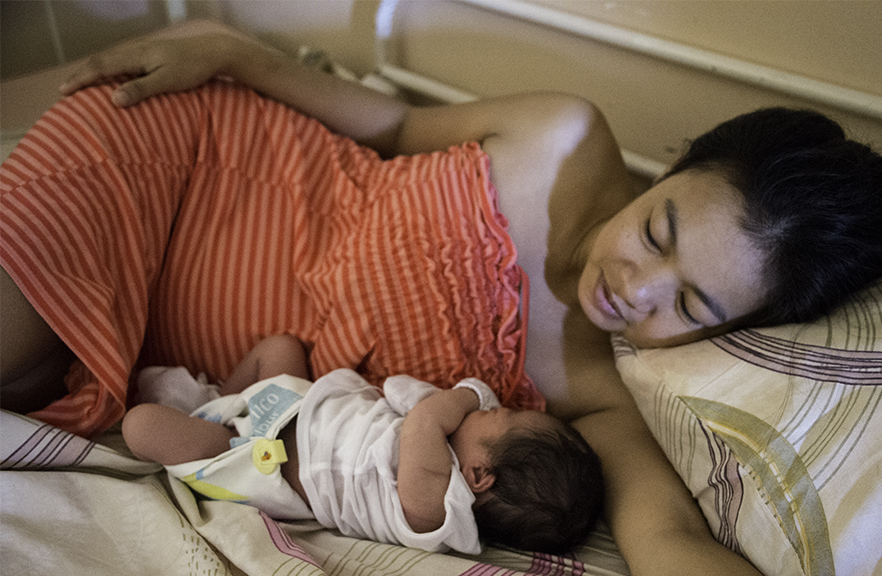 In 2000, the U.N. agreed on eight Millennium Development Goals that it hoped to reach by 2015. Included among these goals: promoting gender equality and empowering women, reducing child mortality and improving maternal health. For the Philippines, improving maternal health is an extremely important goal since the maternal mortality rate of the Philippines was high—209 deaths per 100,000 live births as of 1993. The target for the Philippines is the reduction of the MMR to 52 deaths per 100,000 live births by 2015. However, while maternal mortality has been decreasing in the Philippines, it has not been falling at a fast enough rate.
Maternal deaths are still a huge concern for the Philippines. By 2006, the maternal mortality rate decreased to a rate of 162 per 100,000 live births and currently, the MMR is 120 deaths per 100,000 live births—still nowhere near the target that the MDGs established.
Various factors are responsible for the high rate of maternal mortality that the Philippines face. According to the IRIN, some of the main causes of maternal deaths are hemorrhages, sepsis, obstructed labor, hypertensive disorders during pregnancy and complications associated with unsafe abortions. Having a physician, nurse or midwife who has had formal training present during the birth can decrease the maternal mortality rate, but currently, these skilled birthing attendants supervise only 60 percent of births in the Philippines. Others rely on traditional birthing attendants who do not have formal training and therefore are often unable to deal with complications.
Poor women and women in rural areas are at a disadvantage. Around 75 percent of the poorest quintile do not have a skilled birth attendant to help them through their pregnancy. Rural areas also have higher maternal mortality rates because many women in rural areas begin having children at a young age. Since adolescent women are normally not developed enough for childbirth, these young mothers face many complications during and after pregnancy and contribute to the high maternal mortality rate.
Another problem that adds to the high maternal mortality rate in the Philippines is the low level of contraceptive use. The Philippines is 80 percent Catholic, so birth control pills, condoms and other forms are contraceptive use are considered to be similar to abortion. This has led to limited access to contraceptives, since contraceptives were previously not widely available at health care clinics.
This limited access to contraceptives has negative effects. In 2006, there were three million pregnancies in the Philippines. Half of those pregnancies were unplanned, and one third of the unplanned pregnancies resulted in abortions. A higher rate of contraceptive use will prevent this from happening and will consequently decrease the maternal mortality rate.
While rates of contraceptive use have not risen much from 2006 to 2014, there is hope that contraceptive use will now increase dramatically due to a birth control law that the Philippine Supreme court approved in April 2014. The law requires the government’s health centers to have free condoms and contraceptive pills. It may be too soon to tell whether that law has a significant effect on maternal mortality. However, the law will hopefully help the Philippines to reach its MDG by the end of 2015. Other ways to help reduce maternal mortality are providing more antenatal care and more widespread access to health facilities.
– Ashrita Rau
Sources: UNDP, IRIN News, Philstar, WHO, Huffington Post, United Nations, BBC
Photo: Flickr
