Nonprofit organizations and philanthropists continue to look for innovative ideas that will bring the world closer to ending world poverty. Although donations and direct contributions provide immediate help to those suffering in developing countries, social businesses have become a popular way to help the poor. Introduced by Muhammad Yunus in 2006, social businesses provide individuals in poor countries with work, or focus on distributing food or clothing.
Social business is a cause-driven business that allows investors to receive the same amount of money they had initially invested. All other profits are reinvested into the business to cover any costs. “At the same time, it can achieve the social objective, such as, healthcare for the poor, housing for the poor, financial services for the poor, nutrition for malnourished children, providing safe drinking water, introducing renewable energy, etc. in a business way,” according to Yunus Centre.
Many companies have adopted social businesses to contribute to alleviating global poverty. Muhammad Yunus’ first business is Grameen Danone, a yogurt distributed in Bangladesh, that helps to prevent malnutrition for children. “The 10-year plan is to establish 50+ plants, create several hundred distribution jobs and self-degradable packaging,” says Yunus. Grameen has grown to develop technologies that help farmers grow crops more effectively.
Agricultural technologies include mrittikā, a soil testing software that helps farmers choose better fertilizer. Ankur is a similar software that focuses on seed selection. Healthcare software shumātā helps pregnant women follow up on personal care, and dolnā helps with vaccinations for children. These programs are examples of social businesses focused on helping the world’s poor in a new innovative way.
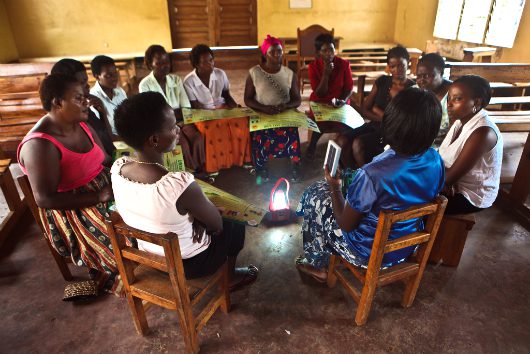
Other than Yunus’ programs, many companies are investing in social businesses to make a difference in the lives of the world’s poor. Popular social businesses include clothing lines based in developing countries that help to create jobs for people in rural areas. Hand Up Not Handouts is a company that works with artisans in Rwanda to create hand crafted jewelry, providing work for women to provide for their families.
As more social businesses grow, there are more opportunities available for people in developing countries. “Social businesses have created hopes for eliminating poverty from the world by generating employment,” according to the Daily Star. It is easy for organizations to donate money to the world’s poor; however, creating businesses creates jobs to provide dignity to those who may otherwise be hopeless.
– Kimberly Quitzon
Sources: Yunus, Social Business, The Daily Star
Photo: PhilStar