• Link to X
  • Link to Facebook
  • Link to Instagram
  • Link to TikTok
  • Link to Youtube
  • About
    • About Us
      • President
      • Board of Directors
      • Board of Advisors
      • Financials
      • Our Methodology
      • Success Tracker
      • Contact
  • Act Now
    • 30 Ways to Help
      • Email Congress
      • Call Congress
      • Volunteer
      • Courses & Certificates
      • Be a Donor
    • Internships
      • In-Office Internships
      • Remote Internships
    • Legislation
      • Politics 101
  • The Blog
  • The Podcast
  • Magazine
  • Donate
  • Click to open the search input field Click to open the search input field Search
  • Menu Menu

Archive for category: Global Poverty

Key articles and information on global poverty.

Entrepreneurship and Business, Global Poverty, NGOs, Nonprofit Organizations and NGOs

Maya Pedal: Bikes Transforming Lives in Guatemala

maya pedalIn a small, rural and predominantly Indigenous town in Guatemala, one NGO has found a new way to generate electricity whilst keeping costs low and fitness levels high. Maya Pedal began in 1997 in San Andrés Itzapa, 50 kilometres from Guatemala City, and takes old bikes which have been donated from the US and Canada and either sells them or repurposes them into bicimaquinas (bike machines). Local people and businesses then use these machines as makeshift water pumps, corn degrainers and blenders, among other things.

The name refers to the significant Indigenous population in Guatemala, who are primarily of Mayan descent, whilst ‘pedal’ has the same meaning in English. Mayans made up just under half of the national population, but studies suggest they remain one of the poorest and most oppressed groups in the country.

Local Projects

Not only do the bicimaquinas save local people money, time and effort, they also help some of the poorest and most vulnerable people in the area by providing work and a sense of purpose.

Women for Development in Action is a local organization that enables women to grow their own aloe plants before using the bicimaquina as a blender and producing shampoo. As Ana María Guch explains, “First, we cut the aloe, then we take off the skin, cut it into little pieces and put it in the blender. Next, we pedal!” The profits they make from selling their shampoo go towards supporting their families and funding their reforestation project.

Another organisation, Women’s Group for AZUCENA, supports women as they produce their own animal feed by using the bicimaquina as a corn degrainer. Aside from their agricultural projects, the organisation also runs Spanish literacy classes for Indigenous women, giving them a better chance of integrating into society and improving their social mobility, Maya Pedal reports on its website.

Mario Juarez, Director of Maya Pedal, also explains the environmental benefits of creating the bicimaquinas: “I believe with what we do we contribute a little to reduce the damage that as human beings we do to the planet.”

International Impact

Maya Pedal has received international acclaim for its innovative bicimaquinas – as Carlos Enrique Marroquin, Head of Maya Pedal, outlines: “We do not have to do any advertising, because the machine speaks for itself – and as such, the NGO receives volunteer engineers, translators and bike mechanics from all over the world.”

It has also made its machine designs free and available to download anywhere in the world, so that anyone can access them and learn to build and use them themselves, creating a brighter, more environmentally friendly future for everyone, starting with the Maya community in San Andrés Itzapa.

– Elsa Tarring

Elsa is based in London, UK and focuses on Good News and Global Health for The Borgen Project.

Photo: Flickr

September 5, 2025
https://borgenproject.org/wp-content/uploads/borgen-project-logo.svg 0 0 Naida Jahic https://borgenproject.org/wp-content/uploads/borgen-project-logo.svg Naida Jahic2025-09-05 03:00:472025-09-05 03:10:04Maya Pedal: Bikes Transforming Lives in Guatemala
Agriculture, Development, Global Poverty

Planting Prosperity: The Green Wall of China Combats Poverty

Green Wall of China Combats PovertyIn the Taklimakan Desert of Xinjiang, China, dunes shift as much as 20 meters each year due to powerful and relentless winds. The dunes creep across the land, consuming the environment and deepening the struggles of those living in poverty. But China is fighting back. The Green Wall of China combats poverty by pushing back the desert and restoring both land and livelihoods.

On November 28, 2024, the final stretch of the desert met its match. The last 100 meters of shifting sand along the southern edge of the Taklimakan Desert was planted with various seedlings like red willows, saxaul and desert poplar, sealing the gap in what is now a 3,046-kilometer-long green barrier. With that, the Green Wall stands as a living shield against desertification and poverty.

Drivers of Desertification in China

Desertification is “the transformation of fertile land into desert or arid waste” due to a combination of natural and human factors. Shifting climatic and weather patterns can intensify wind speeds and soil erosion, accelerating the spread of desertification. Human-driven climate change has intensified the problem. Specifically, China’s rapidly growing population has placed immense pressure on natural resources, with rising consumption leading to land degradation and creating conditions that allow desertification to swiftly creep up.

The Three North Shelterbelt System

Otherwise known as the Green Wall of China, the Three North Shelterbelt System is one of China’s most significant ecological and economic initiatives. The project carries calculated responsibilities such as improving the ecological environment, mitigating natural disasters and expanding habitable and arable land. These activities have led to its recognition as a key national project. 

Beyond environmental goals, it also plays a role in enhancing production conditions, reducing regional disparities and fostering shared prosperity among all ethnic groups. Additionally, the Green Wall of China combats poverty by supporting the restructuring of rural industries, accelerates poverty alleviation among farmers and contributes to long-term sustainable economic and social development.

After generations of sustained effort, the Three North Shelterbelt System has completed afforestation and conservation work across 31.7429 million hectares. As a result, forest coverage in the project area increased from 5.05% in 1977 to 13.84% by 2020. 

The initiative created the “Great Green Wall” along China’s northern frontier— serving as a barrier against wind and sand, conserving water and soil, protecting agriculture and supporting animal husbandry and has achieved ecological, economic and social benefits.

Protecting the People and Lands

According to the Xinjiang Uygur Autonomous Region Forestry and Grassland Bureau, the successful completion of the Green Wall along the Taklimakan Desert will enhance the region’s ecological barrier, stabilize agricultural production, improve urban living conditions and support both economic and social development.

Expanding tree cover helps stabilize water supplies, absorb carbon dioxide and offer communities sustainable access to resources like timber and other forest products. China has adopted scientific sand control technologies, including engineering sand fixation, biological sand control and photovoltaic sand control. While stabilizing and preventing the spread of sand, these efforts have also supported the development of local, sand-based industries– helping to improve lives and boost regional economies.

Looking ahead, Xinjiang plans to further build upon and strengthen the “edge-locking” efforts, contributing to the construction of a robust ecological security barrier in northern China.

How The Green Wall of China Combats Poverty

Along with the hardships of desertification, farmers were uneasy about losing their sole source of income and falling into poverty as the desert expanded. Their fears have been eased through local government subsidies and additional employment opportunities.

The Chinese government launched the “Returning Farmland to Forest Program,” also known as “Grain for Green.” This initiative provided financial incentives to farmers to cease cultivation on vulnerable land and instead plant trees. The program has a dual purpose: first, to reduce soil erosion and prevent further flooding; and second, to ensure that farmers’ quality of life continues to improve, even with the loss of arable farmland. In return for the protection of the newly planted trees, farmers received subsidies, as well as land rights to the fields and terraces that they managed.

The amount of compensation varies based on location and the type of land cultivated; however, according to the State Forestry Administration, the average household receives no less than 9,000 yuan, or $1,253. Households engaged in the program receive payments directly to their bank accounts after forestry officers conduct annual inspections of their forest plots.

Employment Diversification

In addition to providing subsidies, the Returning Farmland to Forest Program has helped diversify employment opportunities and broaden the industrial base in impoverished areas. A study conducted by four Chinese universities examining the program’s long-term impact on rural economic development found that there was a 10.9% increase in the value generated by local primary sectors, compared to similar counties that did not participate. Furthermore, rural employment in agriculture, forestry, animal husbandry and fishing rose by 8.2%.

The Three-North Shelterbelt System holds the title of the Green Wall of China and with it, the aid for poverty. The project has enhanced the region’s ecological environment, boosted grain production and achieved progress in developing forest product bases. Through the growth of forest and fruit-related industries, the project has helped lift tens of millions of local residents out of poverty.

The project has generated a wide range of job opportunities in areas such as tree planting and land maintenance, offering stable sources of income for local communities. This rise in employment has elevated living standards and stimulated economic growth in rural and impoverished regions.

The restoration of arable land has revitalized agriculture, allowing farmers to improve crop yields and diversify their production. The benefits of the Green Wall are evident in the rise of agricultural productivity, which has bolstered food security and aid for poverty. In 2023 alone, forest-related industries in China generated an annual output of 8.04 trillion yuan, exceeded $180 billion in forest product trade and directly employed 60 million people across the country.

Other Poverty Alleviation Initiatives

The Green Wall of China was among the first large-scale projects to link environmental restoration with poverty reduction, but it is not the only one. The following are other poverty alleviation initiatives: 

  • The Natural Forest Protection Project (1998). Aims to protect natural forests by stopping commercial logging to preserve ecological balance and biodiversity. To offset income loss, farmers and communities receive subsidies, while funds support forest conservation, habitat restoration and wildlife protection for long-term sustainability.
  • The South China Slopes Land Conversion Program (2002). Targets soil erosion on steep slopes in southern China by promoting the restoration of forests and grassland. Goals to reduce landslide risk, improve water retention, enhance ecosystem resilience and encourage sustainable land management for ecological stability.
  • The Ant-Forest Program (2011). Created by Ant Financial and the U.N. Environment Programme (UNEP), the app is connected to Alipay and rewards users with “green energy points” for eco-friendly actions. These points lead to the planting of virtual and real trees in degraded areas of China. The app encourages user engagement through tracking, competition and sharing, making environmental conservation interactive and rewarding.

Looking Ahead

The Green Wall of China shows how large-scale environmental projects can restore fragile ecosystems while improving livelihoods. By combining ecological restoration with poverty alleviation, China’s afforestation programs have created jobs, strengthened food security and offered long-term stability to millions. As these efforts expand, the Green Wall stands as a model of how investment in nature can build resilience against both environmental and economic challenges.

– Gabriella Luneau

Gabriella is based in Raleigh, NC, USA and focuses on Good News and Global Health for The Borgen Project.

Photo: Flickr

September 5, 2025
https://borgenproject.org/wp-content/uploads/borgen-project-logo.svg 0 0 Precious Sheidu https://borgenproject.org/wp-content/uploads/borgen-project-logo.svg Precious Sheidu2025-09-05 03:00:112025-09-04 11:06:31Planting Prosperity: The Green Wall of China Combats Poverty
Economy, Global Poverty

Behind the Beautiful Forevers: Books Redefining Poverty

Behind the Beautiful ForeversIn the current age characterized by rapid globalization and unprecedented wealth, extreme poverty remains one of humanity’s most pressing moral and economic challenges. Though statistics and policy papers offer one lens into the issue, books have an all-consuming power that can transcend the bounds of the cold measures of bureaucracy.

Alongside influencing readers and raising awareness, these books have also prompted policy executives to cite these works in designing aid strategies; NGOs have adopted their approaches; and readers have been moved to volunteer, donate and advocate.

Three landmark works in the world of literature, among the millions of others that this article is going to discuss, have played an enormous role in transforming how the world thinks about poverty, catalyzing public awareness and lacing it with public policy influence.

The End of Poverty

When economist Jeffrey D. Sachs published “The End of Poverty,” it was written with the primary purpose and goal of being a rally cry as well as a detailed blueprint for eradicating extreme poverty by 2025. Drawing on his experience advising governments and the United Nations (U.N.), Sachs argued that targeted investments in health, education and infrastructure could break the “poverty trap” for the world’s most impoverished nations.

The book popularized the Millennium Development Goals to audiences beyond policy circles, bringing them into mainstream discourse. By weaving the threads of real-life case studies from sub-Saharan Africa, South Asia and Latin America with the needle of economic theory, Sachs portrayed the fight against poverty.

This fight has plagued our world since time immemorial, with a raging urgency. He also portrayed it as a fight that is plausible and winnable. Its influence extended to advocacy campaigns like the ONE Campaign. It encouraged donor nations to re-examine their foreign aid commitments.

Poor Economics

Whereas on one hand, Sachs envisioned large-scale macroeconomic interventions, on the other, “Poor Economics” brought the conversation down to the micro level, to the average person’s household. Drawing on more than 15 years of field experiments in developing countries, Abhijit Banerjee and Esther Duflo, a duo who would go on to win the Nobel Prize in 2019, challenged conventional wisdom about people with low incomes.

They poignantly display that people living in poverty make rational choices within the constraints they face and that well-intentioned policies can fail if they ignore behavioral realities and societal factors. Their research pushed governments and NGOs to incorporate approaches rooted in evidence, such as small-scale randomized controlled trials, into program design. In doing so, the book shifted development economics toward a more empirical, human-centered methodology, one that prizes adaptation over a ubiquitous solution.

Behind the Beautiful Forevers

While Sachs and Banerjee and Duflo wrote from the perspective of economists, Pulitzer Prize-winning journalist Katherine Boo brought the indescribable power of narrative nonfiction to the issue. “Behind the Beautiful Forevers” follows the lives of residents in Annawadi, a makeshift settlement near Mumbai’s airport. Over three years, Boo documented the daily struggles and moral dilemmas of families navigating corruption, caste prejudice and economic precarity.

The book stripped away the ubiquitous and abstract notions of “the poor.” It replaced them with deeply personal stories of people, stories of ambition, betrayal, resilience, injustice and most of all, humanity.  The success of “Behind the Beautiful Forevers”, including a National Book Award, brought slum realities into the consciousness of readers who might never, without it, have considered the human cost of urban inequality. The work spurred into motion discussions in classrooms, book clubs and policy panels about the lived experience of poverty and the invisible barriers to upward mobility.

Conclusion

Individually, “Behind the Beautiful Forevers”, “Poor Economics” and “The End of Poverty” speak in different realms of writing: macro solutions, micro interventions and human narratives. Together, they form a powerful triad that has altered the global poverty discourse.

The books remind us that awareness is the first step toward change and that stories, whether told in any manner, can transform not just how we think, but how we act in the grand scheme of the world.

– Ruhani Rahul

Ruhani is based in Leander, TX, USA and focuses on Good News for The Borgen Project.

Photo: Pxhere

September 5, 2025
https://borgenproject.org/wp-content/uploads/borgen-project-logo.svg 0 0 Lynsey 2 https://borgenproject.org/wp-content/uploads/borgen-project-logo.svg Lynsey 22025-09-05 03:00:102025-09-04 11:20:19Behind the Beautiful Forevers: Books Redefining Poverty
Artificial Intelligence (AI), Global Poverty, Technology

Novissi: AI Fighting Global Poverty

NovissiHeadlines often cast artificial intelligence (AI) as a thief of jobs or a shadow over humanity’s future, yet in some of the world’s poorest communities, it has become a lifeline. In Malawi, AI-powered fetal monitoring is helping reduce one of the world’s highest neonatal death rates. Satellite data and mobile phone records in Togo are speeding up emergency cash transfers to families who would otherwise wait months for aid. In India, a digital platform is giving rural workers fair wages to build datasets in their own languages. Meanwhile, across Africa, solar-powered water pumps with AI-enabled monitoring are keeping clean water and electricity flowing in underserved communities. 

Newborns in Malawi

Malawi has long struggled with one of the world’s highest neonatal mortality rates. Between 2000 and 2015, the rate hovered around 27 deaths per 1,000 live births, far above the global average of 17. Conventional monitoring often missed early signs of distress, especially in overcrowded maternity wards with limited staff.

At Lilongwe’s Area 25 Health Centre, an AI-powered fetal monitoring system now tracks heart rate and oxygen levels continuously. It acts like a second pair of eyes, sounding the alarm before midwives can detect trouble. A six-month before-and-after study found that intrapartum stillbirths and early neonatal deaths dropped sharply once the system was introduced. At this single clinic, stillbirths and neonatal deaths have fallen by more than 82%.

For midwives, AI has become the colleague that never leaves the room; for mothers, it is the difference between heartbreak and hope. In Malawi, AI has stepped into the role of caregiver as a new angel for humanity, watching over the smallest lives.

Novissi Predicting Poverty

Before COVID-19, many poor households in Togo were invisible to social registries. Informal workers lacked paperwork or census records, so cash transfers often took months to arrange and often missed those most in need.

During the pandemic, the government built Novissi, a digital program that used satellite imagery and mobile-phone metadata to predict poverty at the household level. Families then received mobile-money transfers within days. Registration was simple, verification used voter IDs, and payments scaled quickly to hundreds of thousands of people. Independent evaluations found the AI-assisted targeting was both faster and more accurate than older methods. 

Offering Dignity in India

Rural India is home to millions who live on less than $2 a day, with unemployment and underemployment leaving families stuck in poverty. Even when work is available, it is often seasonal farm labor or insecure low-wage jobs.

The social enterprise Karya, backed by Microsoft and the Gates Foundation, is tackling this challenge by using AI to create dignified digital work. Villagers are paid to record speech and text in their own languages, building datasets that train global AI tools. Unlike most digital piecework, Karya guarantees above-minimum wages and shares royalties whenever the data is reused.

For workers, it means food on the table, children staying in school, and recognition that their voices matter. 

Carrying Water and Shining the Light in Africa

Across sub-Saharan Africa, more than 400 million people lack clean water and 600 million live without electricity. Even when solar pumps or mini-grids are installed, they often fail within months, leaving families hauling water long distances or studying by candlelight until repairs are made.

Organizations like Innovation: Africa, now fit solar-powered systems with remote monitoring sensors. These track water flow and electricity output, transmitting data over mobile networks. When a system falters, technicians receive alerts and can repair the problem within 48 hours instead of months. In one Ugandan village, a broken pump that once left families without water for weeks was repaired in two days after the system flagged the failure.

For families, it means reliable water and steady light to study at night, turning fragile systems into dependable lifelines.

– Diane Dunlop

Diane is based in Edmonton, Alberta, Canada and focuses on Good News and Technology for The Borgen Project.

Photo: Wikimedia Commons

September 5, 2025
https://borgenproject.org/wp-content/uploads/borgen-project-logo.svg 0 0 Lynsey 2 https://borgenproject.org/wp-content/uploads/borgen-project-logo.svg Lynsey 22025-09-05 03:00:042025-10-05 23:39:14Novissi: AI Fighting Global Poverty
Disease, Global Poverty, Health

Positive Steps in Reducing Cancer in the UAE

Cancer in the UAEThe United Arab Emirates (UAE) is known for its beautiful architecture, oil exporting and the emirates that form the country. The UAE has seven emirates: Abu Dhabi, Dubai, Sharjah, Ajman, Umm Al-Quwain, Fujairah and Ras Al Khaimah. Dubai is the most populous of the UAE, with Abu Dhabi being the capital. Although the UAE is one of the richest countries in the world, it still has issues of poverty and cancer.

The UAE has an estimated poverty rate of 19.5%, driven in part by rising living costs and low wages that fail to ensure sustainable conditions for workers. The leading causes of death in the UAE are COVID-19, ischemic heart disease, stroke and breast cancer (in the case of women).

Cancer in the UAE

Diseases and cancers are prominent in the UAE in part because health care is not free for expatriates and foreign residents, who make up 10.04% of the country’s 11.35 million people. This creates barriers to early detection, as many residents cannot afford regular checkups. When cancers are detected, they are often at advanced stages, making treatment more difficult.

Environmental factors also play a role. The UAE’s reliance on oil production and shipments increases the risk of air pollution, with higher levels of carbon in the atmosphere. Prolonged exposure to polluted air can cause labored breathing, skin irritation and, over time, elevate cancer risks.

The leading cancers in the UAE are breast, thyroid, colorectal, skin and leukemia. While cancers such as breast cancer and leukemia are not directly tied to environmental causes, conditions like skin and thyroid cancer may be linked to pollution and environmental exposure.

Expanding Access to Affordable Cancer Care

In response, hospitals in Abu Dhabi have expanded access to cancer care. Cleveland Clinic Abu Dhabi, located in the nation’s capital, houses 15 specialized institutes, including one focused on cancer treatment. The clinic is diverse, staffed with doctors from Western countries and operates in Arabic and English.

As a semi-government hospital, Cleveland Clinic Abu Dhabi offers care at significantly lower costs than private facilities. Government-owned hospitals typically charge between AED 250–400 ($60–$109), while privately owned hospitals cost around AED 600–800 ($163–$218).

Private treatment expenses are often unaffordable for individuals earning less than AED 80 ($22) a day. In contrast, government hospitals provide a more accessible option, particularly for costly treatments like cancer care.

What Does This Mean for People in Poverty?

Cleveland Clinic Abu Dhabi provides financial assistance for patients unable to afford treatment. Individuals whose annual family income is at or below 250% of the Federal Poverty Guideline (FPG) may qualify for free or discounted care. The clinic also collaborates with insurance providers, accepts multiple payment methods and allows for government assistance in covering medical expenses.

Through combined government and hospital support, people living in poverty can access necessary medical care without the overwhelming burden of bills. Early detection of cancers such as breast and skin cancer can ensure that low-income patients receive timely treatment, allowing them to live healthier, more fulfilling lives.

Final Remarks

Government-affiliated clinics like the Cleveland Clinic Abu Dhabi provide greater access to cancer screenings for impoverished people. Early detection not only reduces cancer-related mortality but also gives individuals in low-income communities the chance to pursue healthier, more productive lives, including improved career opportunities.

– Erin Lee

Erin is based in New York City, NY, USA and focuses on Global Health for The Borgen Project.

Photo: Wikimedia Commons

September 5, 2025
https://borgenproject.org/wp-content/uploads/borgen-project-logo.svg 0 0 Lynsey 2 https://borgenproject.org/wp-content/uploads/borgen-project-logo.svg Lynsey 22025-09-05 01:30:442025-09-04 10:46:50Positive Steps in Reducing Cancer in the UAE
Economy, Global Poverty, Innovations

Solutions to Rapid Urbanization in Wetlands

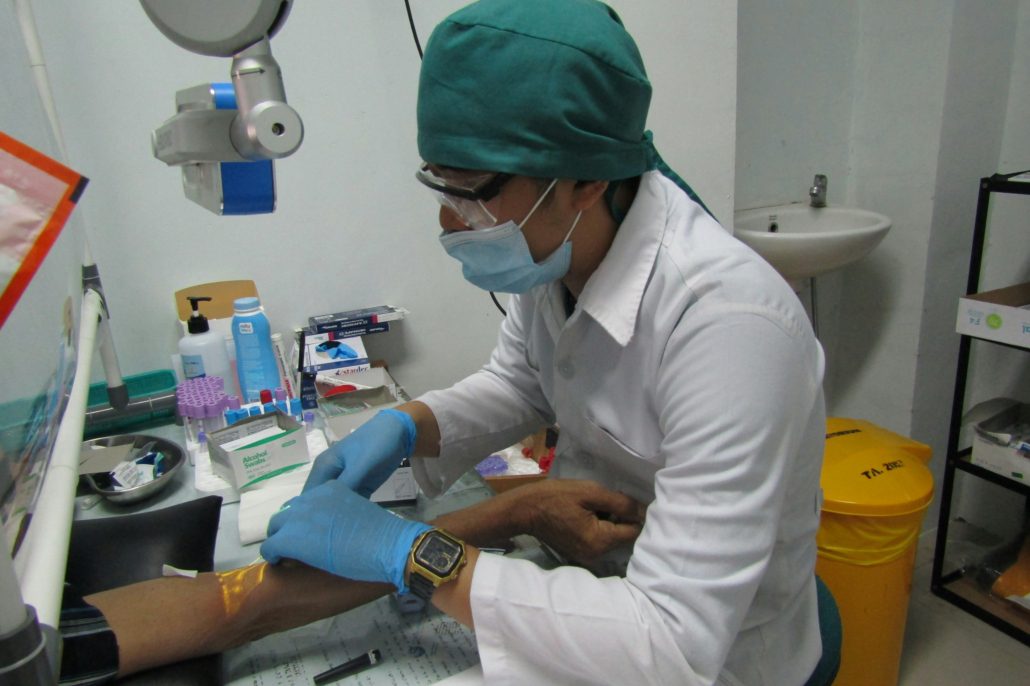
Rapid Urbanization in WetlandsRapid urbanization in wetlands is an increasing problem for multiple cities throughout sub-Saharan Africa and is often driven by population growth, economic development, infrastructure development and migration. Rapid urbanization in wetlands affects biodiversity loss, flooding and altered hydrology, water quality degradation and loss of livelihood. Some patterns identified with rapid urbanization affecting wetlands are informal settlements, fragmented urbanization and densification.

Lagos, Nigeria and Kinshasa in the Democratic Republic of Congo (DRC) experience some of these issues. However, they’ve developed sustainable solutions that help control and maintain livelihoods and infrastructures.

Lagos

Lagos, Nigeria, is a wetland area heavily affected by rapid urbanization. Housing and informal settlements, transportation infrastructures, solid waste management, environmental pollution and unemployment are all problems throughout the city.

Nigeria’s Federal Ministry of Housing and Urban Development has previously stated that it is committed to constructing more than 10,000 housing units nationwide, including Lagos, with the Renewed Hope Cities and Estates Program. This opportunity also created 252,800 jobs for Nigerians, contributing to the country’s economic landscape. The workers also received wages significantly above the national minimum wage.

Waste-to-energy plants offer sustainable solutions to water disposal and energy generation, many of which can be seen in Lagos. Harvest Waste Consortium has formalized a partnership with Lagos to construct a waste-to-energy plant using advanced technology to create clean energy from the state’s solid, commercial and industrial waste. Around 40,000 homes will be taken off the national electricity grid due to clean energy.

Kinshasa

Kinshasa, Democratic Republic of the Congo, is another wetland area that is impacted by rapid urbanization. Increased risk of flooding continues throughout the city due to population growth and improper drainage systems. Informal settlements also affect the quality of life in Kinshasa, making strategic urban planning essential to manage the city’s growth and transformation.

A Participatory Slum Upgrading Program works in Kinshasa to improve slum conditions while preventing the possibility of creating new slums. The program aims to ensure access to safe, adequate, affordable housing and basic services to upgrade the slums.

As rapid urbanization in wetlands continues, Kinshasa has developed nature-based solutions. These solutions help to build urban climate resilience, lower carbon emissions and provide socioeconomic benefits. Proper drainage systems that can handle channel runoff from heavy rains were developed and restoring soil fertility, creating jobs and providing food for locals are also possible because of these solutions.

Conclusion

Rapid urbanization in wetlands presents serious challenges for cities like Lagos and Kinshasa. Yet, both cities demonstrate that these impacts can be managed with strategic planning and sustainable solutions, such as housing initiatives, waste-to-energy projects and nature-based approaches.

Addressing rapid wetland urbanization requires long-term investment, innovative policies and community participation to balance urban growth with environmental protection and improved quality of life.

– Eva Wakelin

Eva is based in Atlanta, Georgia, USA and focuses on Good News and Technology for The Borgen Project.

Photo: Unsplash
September 5, 2025
https://borgenproject.org/wp-content/uploads/borgen-project-logo.svg 0 0 Lynsey 2 https://borgenproject.org/wp-content/uploads/borgen-project-logo.svg Lynsey 22025-09-05 01:30:182025-09-04 11:34:30Solutions to Rapid Urbanization in Wetlands
Disease, Global Poverty, Health

The New Deployment of the Malaria Vaccine in Mali

Malaria Vaccine in MaliThe Republic of Mali, more commonly referred to as simply Mali, is the eighth-largest country in Africa. Mali is located in the Western part of the continent and boasts a population of approximately 25 million as of 2025. Furthermore, Mali has one of the hottest, driest climates in the world.

The Malaria Vaccine in Mali

Mali has joined the growing list of African countries that have introduced the malaria vaccine to their people. Before joining, it accounted for approximately 3.1% of global malaria cases, highlighting the country’s urgent need for innovative health interventions and stronger immunization programs.

The new initiatives on supporting the hybrid approach to the malaria vaccine in Mali began on April 25, coinciding with World Malaria Day. The Ministry of Health is leading the initiative with support from UNICEF, the World Health Organization (WHO) and Gavi, the Vaccine Alliance.

Malaria has been a massive issue for sub-Saharan African countries for years. However, recent Gavi studies have shown that a hybrid vaccination approach is practical. Mali is now applying this strategy to protect its population.

What is the New Approach?

Instead of administering the malaria vaccine two doses over a few months, the new approach in Mali provides children ages 3 to 5 with three doses spread across the year, followed by a fourth and fifth dose administered in May or June.

Children are among the most at-risk groups for contracting malaria, which is why they are the primary focus of the new vaccine initiative. Lacking years of exposure, children have not developed natural immunity as many adults have, leaving them dangerously vulnerable.

As a result, malaria remains one of the leading causes of child mortality in sub-Saharan Africa, making widespread vaccination efforts essential to saving lives and reducing future transmission.

The seasonal doses will help ensure children are as protected as possible from malaria. May and June mark the beginning of the highest transmissions of malaria in the year. Indeed, having additional vaccine doses around these times every year can help ensure that the spread doesn’t begin at all.

Has the New Approach Been Successful?

The new approach to administering the malaria vaccine in Mali has been successful, showing strong potential for long-term impact. According to the WHO, “both [doses] of vaccine reduce malaria cases by about 75% when given seasonally in areas of highly seasonal transmission where seasonal malaria chemoprevention is provided.”

With the number of childhood deaths caused by malaria trending downward, the people of Mali are becoming more optimistic about improving their children’s lives. The new vaccine initiative, coupled with more traditional methods of malaria protection, mosquito nets and repellent, ensures that the number of malaria cases continues to drop.

– Zoe Felder

Zoe is based in Charlotte, NC, USA and focuses on Good News and Global Health for The Borgen Project.

Photo: Flickr

September 5, 2025
https://borgenproject.org/wp-content/uploads/borgen-project-logo.svg 0 0 Lynsey 2 https://borgenproject.org/wp-content/uploads/borgen-project-logo.svg Lynsey 22025-09-05 01:30:022025-09-04 10:55:46The New Deployment of the Malaria Vaccine in Mali
Disease, Global Poverty, Health

Expanded Care for Endometriosis in Poland

Endometriosis in PolandAn estimated 6-15% of women in Poland are believed to have endometriosis. This painful and immunological disease involves the growth of endometrial-like tissue outside of the uterus. This statistic is so broad because many women are often told that painful menstruation is simply part of life, which leads to few women seeking medical advice. For the women who do search for an answer to their pain, it can take an average of 8-10 years to get a diagnosis.

However, Poland is making much-needed improvements in care and support for women with endometriosis by launching a new national program.

Flaws in Endometriosis Care in Poland

Endometriosis requires an early diagnosis in order to receive the best care possible. However, the diagnostic process is often long, invasive and exhausting for patients. This process includes a gynecological exam, a transvaginal and transrectal exam, a magnetic resonance imaging (MRI), a computed tomography (CT), a laparoscopy and a histopathological exam. It is also important that these exams be done by a gynecologist specializing in treating endometriosis, which can be hard to find.

Overall, health care in Poland has many flaws. Though Polish citizens have access to a free public health care system, the sector is riddled with organizational problems, outdated technology, underfunded medical centers and a lack of physicians and specialists nationwide.

In Poland, wealth strongly influences health outcomes. About 71% of high-income citizens report being in good health, compared to just 53% of low-income citizens. The country’s life expectancy is around 77 years, ranking 24th in the European Union (EU).

New Care Program for Endometriosis in Poland

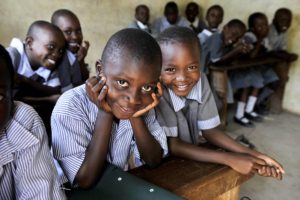
On July 1, 2025, Poland initiated its new national system for endometriosis care, including diagnostics and treatment. This program established eight new specialized medical centers throughout Poland where women can access care free of cost.

This program includes free consultations with various specialists and medical professionals, such as gynecologists, surgeons, psychologists, dietitians and physiotherapists. Women can now also easily access ultrasound and MRI diagnostics and pharmaceutical and surgical treatments. The newly established centers will provide surgeries, post-operative care and post-procedural health monitoring.

This wave of reform was set into motion after years of advocacy efforts from the organization Pokonać Endometriozę” (Conquer Endometriosis). The Polish Minister of Health, Izabela Leszczyna, credits Polish citizens and their efforts: “No regulation or law changes reality – it is we, the people, who change it,” she stated.

This new system will benefit lower-income Polish citizens by providing free specialized care. Opening eight new centers throughout the country means more women will have access to endometriosis care and will not have to travel extensive distances to receive medical advice.

Final Remarks

Poland’s new program for endometriosis is a breakthrough in women’s health. With eight specialized centers offering free diagnostics, treatments, and multidisciplinary support, thousands, especially low-income women, will finally access timely care. This reform marks a vital step toward equity. It sets a model for compassionate public health.

– Hannah Fruehstorfer

Hannah is based in Pittsburgh, PA, USA and focuses on Good News and Global Health for The Borgen Project.

Photo: Unsplash
September 4, 2025
https://borgenproject.org/wp-content/uploads/borgen-project-logo.svg 0 0 Lynsey 2 https://borgenproject.org/wp-content/uploads/borgen-project-logo.svg Lynsey 22025-09-04 07:30:352025-09-04 03:12:17Expanded Care for Endometriosis in Poland
Global Poverty, Women and Female Empowerment

A Voice for Gender Equity: Spotlighting Dr Murabit

Alaa MurabitIn a society that prioritizes the rights, freedoms, power, and authority of men, women and girls are all too often pushed to the margins. Due to socio-cultural values and systems that view women as disposable and distill their contributions to society to their reproductive capacity, women experience disenfranchisement and inequality across sectors.

Background

Unfortunately, the North African country of Libya is not excluded from its involvement in gender disparities and violence. The U.N. reports that the most prominent obstacles to gender equality are:

  • “Women face high rates of unemployment due to the lack of recognition of their contribution to the economy.”
  • “Women are significantly underrepresented in politics, humanitarian response, conflict resolution and peacebuilding.”
  • Women and girls experience violence and the current legal framework does not have adequate resources to protect these communities from the various forms of gender-based violence.
  • Humanitarian and protection crises often impact the most vulnerable populations at disproportionate rates, including women.

Transforming Communities

With the knowledge of the harm so many girls and women encounter daily purely because of their gender and where they come from, activists have invested in transformative work focused on giving gender equity the platform it deserves, showcasing it as necessary to the protection and livelihood of women globally. Global Strategist and activist, Dr Alaa Murabit, has done just this.

As a Canadian-born woman of Libyan descent, Murabit, from a young age, has been focused on social justice. Her work now stems from organizations, programs, and initiatives worldwide centered on health, innovation, equity, security and peace. Indeed, as the founder of Voice for Libyan Women, Murabit has first-hand experience in global policy and programs invested in gender equity, sustainable development, and more.

A Voice to be Heard

Dr Murabit founded the Voice of Libyan Women (VLW) in 2011, when she was 21. Having established the organization in response to the Libyan Revolt of 2011, Murabit described the VLW as a women’s rights organization that focuses on peace and security.

With this vision, the youth-led group invited girls and women of all backgrounds to radically imagine a different Libya where they were a part of political participation. These women envisioned gender equity by increasing political participation, economic empowerment and speaking out against gender-based violence.

In an article she wrote for New America Weekly and Yes! Solutions Journalism, Dr Murabit shared why it was so imperative to adopt a dialogue-driven approach for VLW. She writes, “It hands the community words and tools to fight against violence, poverty, fear, and corruption—weapons of strength and self-actualization. It offers youth weapons of peace against an enemy that wants to drag them into war.” This approach not only empowers girls and women, allowing them agency and the opportunity to use their voices towards social change, but also prioritizes dialogue as integral to international peace.

Supporting Rising Leaders

In addition to the Voice of Libyan Women, Dr Murabit is one of the founding leaders of The NewNow. Similar to the VLW, through collective action, The NewNow “tackles the world’s toughest challenges by amplifying, supporting, and developing” rising leaders. With a vested focus on the Global South, the mission of the organization includes:

  • Amplifying and supporting the voices of young leaders in their commitments to global transformation.
  • Challenging the status quo.
  • Sharing knowledge and approaches fostering “systems-thinking.”

As much of Murabit’s work illustrates, the perspective and methodology of The NewNow interrogates the systems of power that make up our society and cultures. Furthermore, by analyzing the disparities that emerge from these structures, leaders are better able to understand how the obstacles and challenges that foster poverty, climate change, racial discrimination, gender inequality, etc., are interlocking and interconnected.

Through a grassroots approach, the nonprofit empowers and supports young people in their mission to cultivate a sustainable, equitable future.

There is No Future Without Women

In a 2023 keynote speech for One Young World Manchester, Dr Murabit stresses the expansive effect and reach of devaluing women and girls. She says, “We cannot resolve poverty if women cannot access a bank account. […] And, we cannot build beyond COVID-19 or build back from it if women and girls don’t have access to health care.”

This exclusion and devaluing of women extends far beyond a so-called “single issue” or “women’s issue.” Gender inequality permeates all facets of life, shaping our socio-cultural, political, and environmental landscape. It is a matter of human rights and survivability.

The Future

Through her work, Dr Murabit asks of herself and of us, “Are you leveraging your sphere of power to create justice and opportunity and space for others?” Dr. Murabit is not the only one in this work. Indeed, worldwide, every day, people are taking action and speaking out to fill the gaps of disparity. Every day, human rights and our collective survival are at stake. And, voices speaking out against injustice have the power to make a lasting impact.

– McKenzie Rentie

McKenzie is based in Dallas, Texas, USA and focuses on Celebs and Politics for The Borgen Project.

Photo: Wikimedia Commons

September 4, 2025
https://borgenproject.org/wp-content/uploads/borgen-project-logo.svg 0 0 Naida Jahic https://borgenproject.org/wp-content/uploads/borgen-project-logo.svg Naida Jahic2025-09-04 07:30:142025-09-04 03:31:32A Voice for Gender Equity: Spotlighting Dr Murabit
Global Poverty, Health, Innovations

How Telemedicine in Sudan is Supporting Health care Workers

Telemedicine in SudanThe people of Sudan are enduring one of the most severe humanitarian catastrophes of modern times. After two years of a brutal war, this article explores how telemedicine initiatives in Sudan support health care workers at a time of untold struggle.

The Forgotten War

Following a legacy of colonialism, deep fragmentation and internal conflict, numerous disasters and political insecurities have ravaged Sudan’s public health infrastructures.

Despite being the second-largest producer of gold in Africa, the systemic leveling of homes, schools and hospitals, alongside climate shocks and desertification, are creating a complex crisis where 30.4 million Sudanese civilians are now in dire need of aid.

Here, overseas arms flows perpetuate networks of geopolitical competition and the extraction of natural resources at the cost of innocent human lives, all while Sudan’s health care system is on the verge of collapse.

In the shadows of ethnic cleansing in Darfur and the fall of Al-Bashir’s 30-year dictatorship, the conflict between the Sudanese Armed Forces (SAF) and the Rapid Support Forces (RSF) emerged as a fatal and multi-dimensional struggle.

Reports estimate that up to 150,000 civilians may have died directly or indirectly due to the conflict. As famine spreads, 12 million people had to flee their homes resulting in the largest displacement emergency of the 21st century.

A Health care System in Disarray

At a time when RSF allegedly targets doctors and medical workers for providing care for opposition soldiers, around 80% of health care facilities are out of service in the areas most impacted by the war.

According to Doctors Without Borders (MSF), a child died of hunger or malnutrition every two hours in the Zamzam refugee camp in North Darfur last year. These immense challenges have left a struggling health care system overburdened by the conflict, with patients in need of assistance.

Further restrictions and bureaucratic impediments imposed on Sudanese hospitals also highlight the need for rapid interventions and more robust long-term solutions, particularly due to the dramatic increase in reports of sexual and gender-based violence since the conflict began.

In the face of these intersecting challenges, Telemedicine initiatives are helping to support Sudan’s health care systems at a time of growing struggle.

Educast and Telemedicine Initiatives in Sudan

Today, telemedicine offers a wide range of practices such as consultations, triaging, prescriptions, counselling and other referrals. Initiatives like Educast facilitate virtual consultations through hotlines that are accessible to people living across the country.

During the COVID-19 pandemic, a network of remote doctors provided consultations for displaced populations, as well as disease surveillance support for clinics in war-affected areas. They also use WhatsApp to help provide information on patient health and well-being through the exchange of medical reports and analysis.

According to the World Health Organization (WHO), the Sudanese government focuses on expanding its telemedicine capabilities, while recognizing its growing potential to revolutionise and sustain healthcare delivery, particularly during moments of crisis.

The Future of Telemedicine

While there is still an existential need for aid intervention from the international community, the Sudanese government has taken proactive measures to implement programmes like the Gezira Family Medicine Project (GFMP).

The GFMP project trained qualified family physicians to provide accessible health care services by utilising E-Learning platforms. A two-year curriculum aims to train students to provide service provision within their communities.

Despite the progress of Telemedicine programmes, the people of Sudan are still facing untold challenges. Greater attention now goes to address the inequalities that inhibit access to online services, narrowing the digital divide in a nation with one of the lowest rates of mobile access on the planet.

In spite of these obstacles, the early implementation of telemedicine in Sudan is laying foundations for future initiatives, showing promising signs that it can assist health care professionals, facilitate future training and digital campaigns that can support Sudan’s struggling health care system at a time of great need.

Conclusion

While the survival of a nation hangs in the balance, telemedicine initiatives in Sudan offer a small step towards the integration of new and innovative health developments that can improve its emergency response mechanisms, while fostering a more resilient public health system for a people ravaged by war, instability and corruption.

– Gabriel John Gunn

Gabriel is based in Paisley, Scotland and focuses on Technology and Global Health for The Borgen Project.

Photo: Flickr

September 4, 2025
https://borgenproject.org/wp-content/uploads/borgen-project-logo.svg 0 0 Naida Jahic https://borgenproject.org/wp-content/uploads/borgen-project-logo.svg Naida Jahic2025-09-04 03:00:492025-09-04 03:06:00How Telemedicine in Sudan is Supporting Health care Workers
Page 118 of 2163«‹116117118119120›»

Get Smarter

  • Global Poverty 101
  • Global Poverty… The Good News
  • Global Poverty & U.S. Jobs
  • Global Poverty and National Security
  • Innovative Solutions to Poverty
  • Global Poverty & Aid FAQ’s
Search Search

Take Action

  • Call Congress
  • Email Congress
  • Donate
  • 30 Ways to Help
  • Volunteer Ops
  • Internships
  • Courses & Certificates
  • The Podcast
Borgen Project

“The Borgen Project is an incredible nonprofit organization that is addressing poverty and hunger and working towards ending them.”

-The Huffington Post

Inside The Borgen Project

  • Contact
  • About
  • Financials
  • President
  • Board of Directors
  • Board of Advisors

International Links

  • UK Email Parliament
  • UK Donate
  • Canada Email Parliament

Get Smarter

  • Global Poverty 101
  • Global Poverty… The Good News
  • Global Poverty & U.S. Jobs
  • Global Poverty and National Security
  • Innovative Solutions to Poverty
  • Global Poverty & Aid FAQ’s

Ways to Help

  • Call Congress
  • Email Congress
  • Donate
  • 30 Ways to Help
  • Volunteer Ops
  • Internships
  • Courses & Certificates
  • The Podcast
Scroll to top Scroll to top Scroll to top