Everything You Need To Know About Poverty in Malaysia
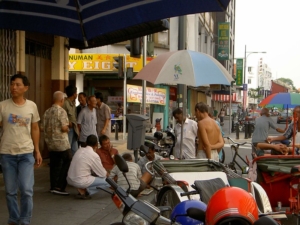 Over the past decades, the impressive economic strides have brought down the official poverty rate in Malaysia. Yet, significant challenges remain, especially across rural regions and within Indigenous communities.
Current Poverty Landscape
- National Progress: By 2019, Malaysia’s national poverty rate had declined to 5.6%, a testament to decades of targeted policy and development.
- Staying Above Global Benchmarks: Despite this progress, disparities persist compared to other countries. An October 2019 World Bank blog emphasizes the urgent need to update the country’s poverty line, which has not kept pace with cost-of-living changes.
Who Is Being Left Behind?
- Indigenous Communities – The Orang Asli: The Indigenous Orang Asli remain among Malaysia’s most disadvantaged groups. A 2021 report by Malaysia’s Department of Orang Asli Development (JAKOA) highlights this community’s staggering poverty rate of 89.4%.
- Historical Context: Earlier, in 1999, 50.9% of the Orang Asli population lived in poverty and 15.4% in hardcore poverty. This far exceeds the national averages of 7.5% (overall poverty) and 1.4% (hardcore poverty).
- Income Disparities: Earlier studies (2013–2014) showed that 34% of Orang Asli lived below the national poverty line and nearly one in three earned less than RM1,000 (about $236) per month.
Root Causes of Persistent Inequality
- Outdated Poverty Line: The outdated national poverty threshold fails to reflect rising living expenses, effectively underestimating the scale of deprivation.
- Structural Marginalization: The Orang Asli’s high poverty levels stem from limited access to education, economic opportunities and essential services. These include electricity, clean water and health care, which are especially lacking in remote settlements.
- Bureaucratic Hurdles: A 2024 Malay Mail assessment points to bureaucratic rigidity, inefficient service delivery and insufficient community participation as key barriers to progress.
Government Strategies and Frameworks
- Shared Prosperity Vision 2030 (SPV 2030): Launched in 2019 and formalized in 2020, SPV 2030 pledges “sustainable growth along with fair and equitable distribution” across income groups, ethnicities and regions. It includes the Orang Asli, women, youth and senior citizens.
- Policy Goals and Gaps: Analysis cautions that while SPV 2030 stresses equity, it sometimes remains too focused on income distribution and lacks clarity around enabling basic needs like health and education.
- Implementation in Planning: Malaysia’s Twelfth Malaysia Plan (2021–2025) aligns with SPV 2030, highlighting economic empowerment, environmental sustainability and social equity. However, critics question whether marginalized groups like the Orang Asli are effectively prioritized.
How Global Advocates Can Help
- Push for Poverty Line Revision: Advocate for Malaysia to revise its national poverty threshold to reflect current costs, making anti-poverty programs more impactful.
- Target Indigenous Inclusion: Support NGO, U.N. and community-led initiatives that empower the Orang Asli through education, infrastructure and cultural preservation, amplifying JAKOA’s efforts.
- Champion Equitable Implementation: Promote accountability in SPV 2030 and the 12th Malaysia Plan—ensuring that resources reach those most in need, not just top-down frameworks.
- Lift Marginalized Voices: Advocate for participatory policymaking, where Orang Asli communities shape programs designed for their benefit, ensuring sustainability and local relevance.
Conclusion
Malaysia’s battle against poverty has made remarkable progress. Yet, systemic inequities continue to constrain its most vulnerable citizens, particularly within Indigenous communities. By advocating for updated poverty measurement, better policy implementation and inclusive participation, global partners such as nonprofit organizations can support Malaysia in translating its commitment to shared prosperity into real change. This also helps ensure that no one is left behind.
– Paige Javor
Paige is based in Boulder, CO, USA and focuses on Global Health and Politics for The Borgen Project.
Photo: Flickr
