• Link to X
  • Link to Facebook
  • Link to Instagram
  • Link to TikTok
  • Link to Youtube
  • About
    • About Us
      • President
      • Board of Directors
      • Board of Advisors
      • Financials
      • Our Methodology
      • Success Tracker
      • Contact
  • Act Now
    • 30 Ways to Help
      • Email Congress
      • Call Congress
      • Volunteer
      • Courses & Certificates
      • Be a Donor
    • Internships
      • In-Office Internships
      • Remote Internships
    • Legislation
      • Politics 101
  • The Blog
  • The Podcast
  • Magazine
  • Donate
  • Click to open the search input field Click to open the search input field Search
  • Menu Menu

Archive for category: Development

Information and stories on development news.

Advocacy, Developing Countries, Development, Foreign Aid, Global Poverty

10 Facts About Foreign Assistance

10 Facts About Foreign Assistance
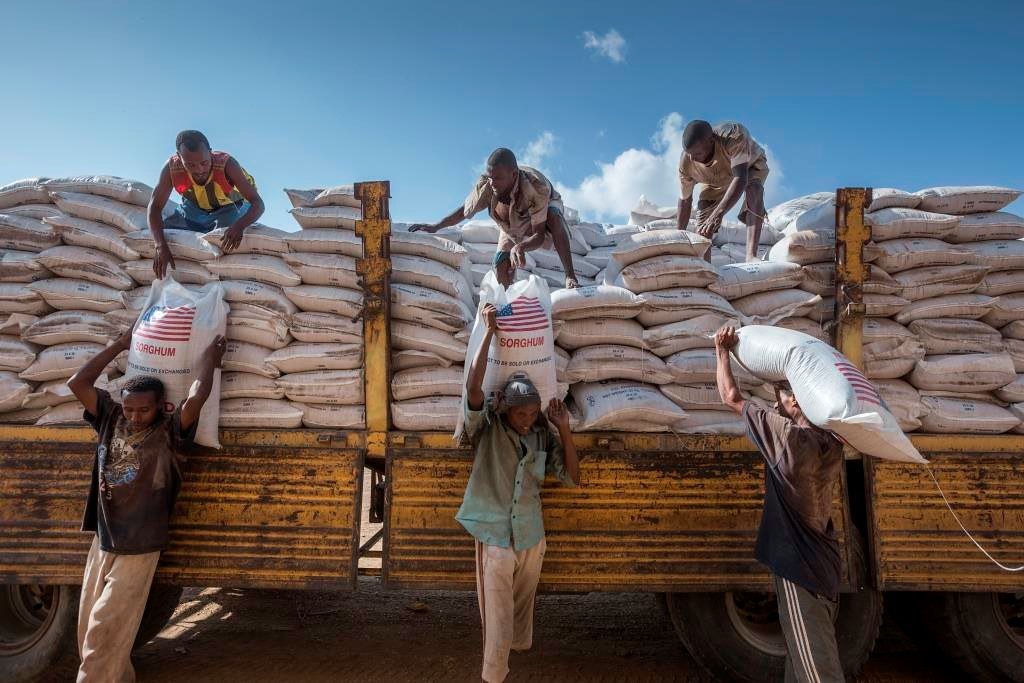
Foreign assistance is funding from one country to other countries for the purpose of security, development, humanitarian relief and/or bolstering of global diplomacy. Moreover, foreign assistance is an investment in global trade to increase the vitality of a country’s domestic economy through the support of the global economy. The following 10 facts about foreign assistance will paint a clearer picture of the history and scale of foreign assistance in the global economy.

10 Facts About Foreign Assistance

  1. The Marshall Plan: The Marshall Plan paved the way for the modern foreign assistance framework in 1948, financing more than $15 billion in assistance to help rebuild a war-ravaged Europe. Emerging from the Marshall Plan and the Conference of Sixteen, the Organization for European Economic Co-operation (OEEC) emerged in April 1948. The OEEC established an organization to work on a recovery program and a way to supervise the distribution of aid.
  2. Creation of the Development Assistance Group (DAG): In January 1960, the Special Economic Committee of the OEEC created the Development Assistance Group (DAG) to serve as a forum for a consultation to aid donors. In September 1961, the Organization for Economic Co-operation and Development (OECD) superseded the OEEC and the DAG became the Development Assistance Committee (DAC). Since then, the DAC has been the foreign assistance venue for the world’s major donor countries and the leading authority in foreign aid statistics. The DAC currently consists of 30 country members, such as Australia,  Canada, Japan, Korea and the United States along with other more developed nations. Without the OECD’s DAC, this list of 10 facts about foreign assistance would be dramatically different.
  3. The Official Development Assistance (ODA) Standard: The DAC defined and adopted the Official Development Assistance (ODA) in 1969 as the gold standard metric for foreign aid. The OECD maintains a list of developing countries and territories that receive ODA. If foreign assistance goes to a country or territory not on the list, people do not consider it ODA. The list is periodically updated and currently contains over 150 countries or territories with per capita incomes below $12,276, as of 2010.
  4. ODA Contributions: From 1960 to 2017, DAC countries contributed $29 trillion in ODA. In 2017 alone, DAC countries contributed $162 billion in ODA and the top three recipients were India, Afghanistan and Syria.
  5. Contribution Rates: People measure the contribution rate for each DAC country based on the country’s ratio of ODA to Gross National Income (GNI). The United Nations outlines in Sustainable Developments Goals, Goal 17 to revitalize the global partnership for sustainable development with a target contribution rate of 0.7 percent. In 2018, only three DAC countries exceeded this benchmark including Sweden (1.04 percent), Luxemburg (0.98 percent) and Norway (0.94). Averaged among the 30 DAC countries, reports determine that ODA is 0.31 percent of GNI.
  6. Africa and Global ODA: Between 2010 and 2017, African countries received the largest share of Global ODA, receiving over $27 billion. Ethiopia, Nigeria and Tanzania were the top three recipients of this foreign assistance. Within African foreign assistance, social sector investment receives the highest volume of commitments typically falling between 30 to 50 percent of the total ODA. Social sector commitments include investments for education, health, population, water quality, civil society and infrastructure services. These investments work to alleviate poverty and improve less developed country’s abilities to participate in the global market.
  7. China and ODA: Over the last three decades, China has transformed from a recipient of aid to one of the most influential foreign policy players in the world. Although not measured as ODA, China has contributed an estimated $354 billion in foreign assistance between 2000 and 2014, in comparison to approximately $394 billion in U.S. foreign aid (USAID). China has remained non-transparent in its funding of overseas projects, creating an informational black hole for those trying to understand where the country’s money goes.
  8. The United States and ODA: The United States of America currently and historically ranks as the highest-grossing ODA contributor of the DAC countries, investing $34 billion in 2018. Today, the U.S. maintains foreign assistance programs in over 100 countries across the globe through the oversight of more than 20 different U.S. government agencies. These investments further America’s foreign policy interests on issues ranging from free-market expansion, ensuring stable democracies, combating extremism and confronting the root causes of poverty, while simultaneously fostering global goodwill.
  9. USAID and Foreign Aid: By sector, USAID devotes the most spending to Emergency Response, HIV/AIDS and Operating Expenses. Since 1986, USAID’s HIV/AIDS program has been at the forefront of the global AIDS crisis. As a key implementer of the U.S. President’s Emergency Plan for AIDS Relief (PEPFAR), more than 13.3 million people are on life-saving antiretroviral treatment; 85.5 million people receive HIV testing and counseling, including more than 11.2 million pregnant women; 6.4 million orphans and vulnerable children receive care and support; and more than 250,000 health care workers have received training to deliver HIV and other health services.
  10. USAID Spending: By country, USAID spent the most ODA on Jordan ($815 million), followed by Ethiopia and Afghanistan. USAID devoted $519 million of this ODA to Government and Civil Society. Its development strategy focuses on programs in education, water, economic development and energy, democracy, rights and governance, health, gender equality, female empowerment and addressing challenges resulting from the influx of refugees.

These 10 facts about foreign assistance illustrate the international history of investing in other countries’ welfare as an extensive and time tested practice. Without ODA and other avenues of foreign investment, the global economy would likely be a less robust and democratic market. Foreign assistance is not simply charity, but a viable avenue for sustainable global development and international diplomacy. For these reasons, the Borgen Project advocates for the acknowledgment and expansion of USAID for the sake of the world’s future prosperity.

– Adam Weaver
Photo: Flickr

November 7, 2019
https://borgenproject.org/wp-content/uploads/borgen-project-logo.svg 0 0 Jennifer Philipp https://borgenproject.org/wp-content/uploads/borgen-project-logo.svg Jennifer Philipp2019-11-07 07:45:022024-05-29 23:13:3110 Facts About Foreign Assistance
Developing Countries, Development, Food & Hunger, Global Poverty, Health

The Maya Nut: Wild Food Consumption

Wild Foods Consumption
People considerably underlook wild food consumption when addressing the poor health epidemic. Lack of biodiversity in modern diets, especially the diets available to those living in poverty, is the main reason people have too few micronutrients and other key nutrients in their diet, which leads to an unnecessary number of preventable diseases and death.

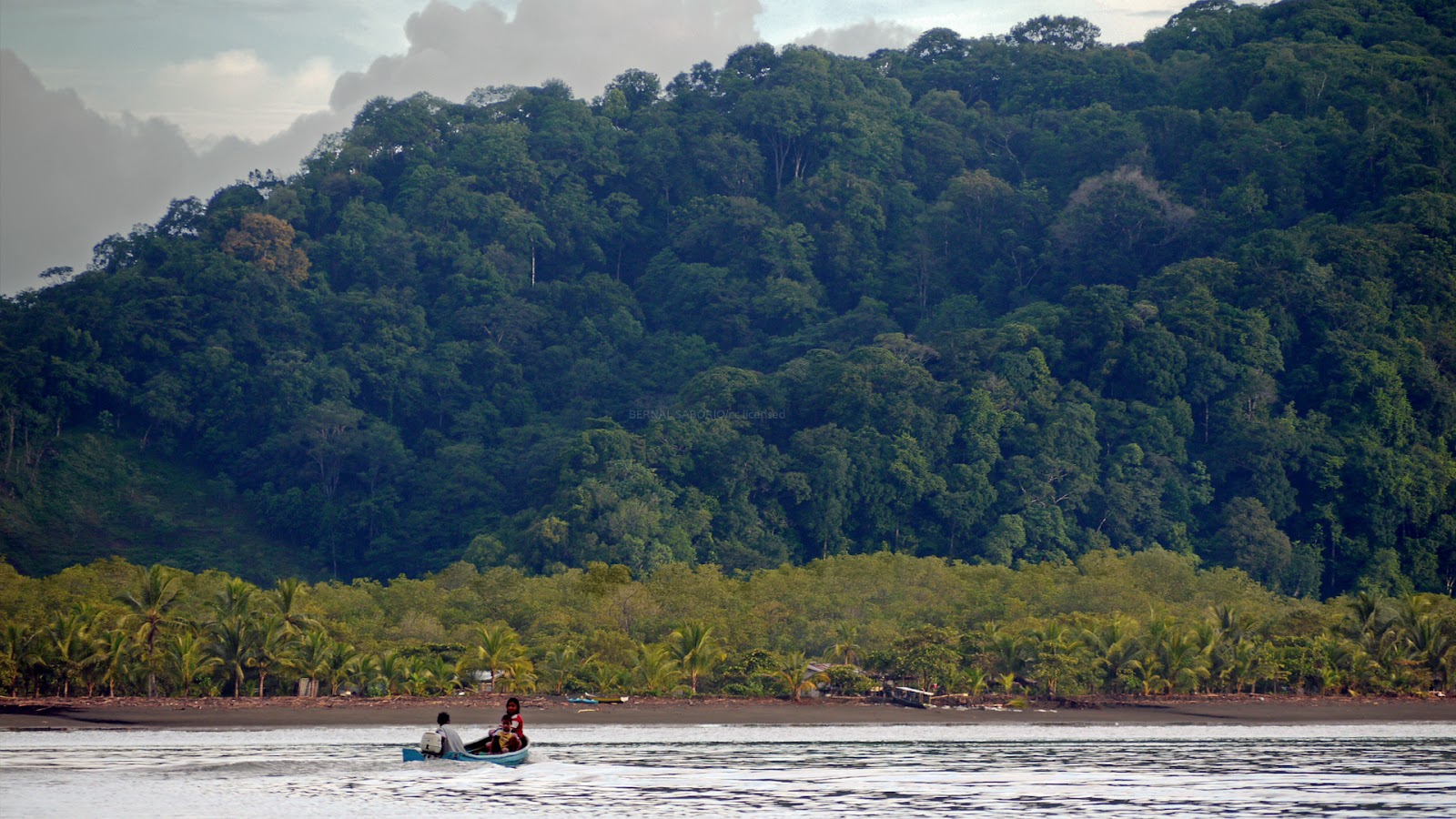
The Maya nut is one of the lesser-known wild forest foods. Found in Ramón trees native to the rainforests of Latin America and the Caribbean, the Maya nut is extremely versatile in its uses and benefits. The Maya nut receives praise for its nutritional value, but people also stigmatize the wild food due to it once having been a staple food in severe times of poverty. Regardless of the association, what is important to note is that the Maya nut is a wild superfood with massive nutritional and health benefits for all people regardless their class status.

Versatility and Sustainability

Some of the micronutrients that one can find in the Maya nut in abundance include calcium, fiber, potassium, iron and zinc; these are all crucial and critically nutrients lacking in most diets across the globe. A nutrient-dense diet is even less accessible to those living in poverty: a propeller of the cycle of poverty when considering that a poor diet is the leading cause of future health issues.

People can consume the Maya nut in a variety of ways, such as fresh, dried or even roasted. The entire plant is useful in that the sap is medicinal, people can eat the seed or pit or they can mill it into flour (similar to the avocado). Individuals can also chop the branches into firewood. Unfortunately, less than 5 percent of the modern diet of local communities includes the Maya nut because communities do not support it.

Wild Foods and Forest Conservation

Research shows that an increase in the consumption of these types of wild forest foods could be a mutually beneficial enterprise with respect to forest conservation and the people that inhabit those communities suffering from deforestation. Satellite evidence shows that communities that are cultivating the threatened plant species are experiencing lower deforestation rates than areas that are not accessing and consuming the versatile Maya nut. The leading cause of deforestation in the world is food production and the practices by which humans manufacture food, so this is a great place to start when analyzing the world’s environmental crisis. Environmental benefits of the consumption of the Maya nut include the planting of trees, as opposed to their removal.

How to classify the Maya nut in terms of its wildness is controversial since it is notably a wild food but growers have since started to grow it intentionally. Wild edible species are technically plant groups that people do not cultivate willfully. While some grow it deliberately (the Maya Nut Institute is responsible for much of this), the Maya nut does continue to grow without human intervention in certain rainforest areas; just not enough to keep it from being on the verge of extinction.

Looking to the Future

One Ramón tree has the ability to produce up to 200 kg of food per year. Living for more than 100 years, this plant has the potential to outturn upwards of 20,000 kg of food in its lifetime. And not only that, but the Maya nut can last up to five years (if dried and stored properly) and will maintain its nutrient properties in full value. In terms of world hunger, wild foods can only help improve current circumstances. Wild food consumption could be a part of the solution to help reduce global poverty, hunger and deforestation all at once.

The protection of wild foods, wild foods consumption and overall accessibility to wild foods in poor communities is a global issue that people must address. Emphasis placed on education, awareness and accessibility could help increase wild food consumption. Others should make the indigenous people in areas where the Ramon trees flourish and provide ample food for the community aware of the plant and its benefits.

– Helen Schwie
Photo: Flickr


November 7, 2019
https://borgenproject.org/wp-content/uploads/borgen-project-logo.svg 0 0 Kim Thelwell https://borgenproject.org/wp-content/uploads/borgen-project-logo.svg Kim Thelwell2019-11-07 07:30:442020-01-18 14:05:12The Maya Nut: Wild Food Consumption
Developing Countries, Development, Education, Global Poverty, Health

Sustainable Land Management Practices

Sustainable Land Management Practices

Roughly 2 billion people across the globe rely on agriculture to make a living. However, due to unprecedented amounts of soil degradation (nearly a quarter of the world’s productive land is degraded), the livelihoods of farmers around the world are being threatened. Out of which, 40 percent of these degraded areas are located in extremely impoverished areas.  The UN-supported project “Sustainable Land Management Practices to Address Land Degradation and Mitigate Effects of Drought” (SLM Project) is attempting to teach farmers around the world sustainable farming practices that will reverse soil degradation and increase productivity.

The Problem

As previously mentioned, many small subsistence farmers are unknowingly contributing to the degradation of their own soil. This not only leads to less productivity for their farms, endangering their livelihoods but also contributes to deforestation which has massive effects on our whole environment. In the Philippines, the past 100 years has seen a near 50 percent drop in their forest cover and a massive spike in degraded lands, affecting around 33 million Filipinos. The farmers who are contributing to soil degradation and poor land health should not be blamed for their practices. Instead, we should follow the lead of the SLM Project and attempt to teach farmers sustainable farming practices that will protect their soil.

The Solution

Partnering with the Philippino Government’s Bureau of Soils and Water Management, the SLM Project has undergone the task of teaching countless Filipino farmers tactics to reverse soil degradation. Rosita Adalim, a Filipino farmer from the Bukidnon Province, is a perfect example of SLM’s preferred solution to the soil degradation problem. According to her, “Seminars on SLM helped improve my farming practices. I learned to adapt contour farming to prevent soil erosion especially in slope lands similar to my farm, which also restores soil fertility.”

After she was taught the science of soil degradation, Rosita became a “farmer-cooperator” or a local farmer taught by the SLM project who spreads the information she learned to the farmers in her community. Farmers like Lorenzo Caca have claimed that implementing the sustainable farming practices taught to him by the SLM project has led to his farm yield doubling.

These success stories make it clear that the SLM project has discovered a successful approach to protecting soil fertility while benefiting local farmers

The Implications

Reports from the United Nations’ Convention to Combat Desertification have concluded that “Land restoration is the cheapest solution to climate change and biodiversity loss.”  The World Wildlife Fund claims that increased soil erosion and degradation will likely lead to increased pollution, increased vulnerability to flooding and a myriad of other negative effects. There is considerable evidence that the declining productivity of farms due to soil degradation is also exacerbating poverty for subsistence farmers around the world.

If the global community follows the SLM Project’s lead, it will empower hundreds of millions of farmers by teaching them Sustainable Farming Practices. This will not only curtail soil degradation and increase food production, but these practices will likely lead to millions of impoverished farmers seeing improvements in their living conditions.

– Myles McBride Roach
Photo: Flickr


November 6, 2019
https://borgenproject.org/wp-content/uploads/borgen-project-logo.svg 0 0 Kim Thelwell https://borgenproject.org/wp-content/uploads/borgen-project-logo.svg Kim Thelwell2019-11-06 06:51:212020-01-18 14:07:42Sustainable Land Management Practices
Activism, Developing Countries, Development, Global Poverty

Magatte Wade Fights Poverty in Africa

Magatte Wade Fights Poverty in Africa
As of 2019, poverty in Africa continues to be a prevalent issue. According to Brookings Institution, around one in three Africans, or 422 million people, live below the global poverty line. African people, in general, represent more than 70 percent of the world’s poorest people. While other parts of the world have dedicated some effort to combat the issue of poverty in places like Africa, it is apparent that these efforts are not enough. Thankfully, there are wealthy people from Africa who are trying to help make a difference, such as Senegalese businesswoman Magatte Wade.

Magatte Wade

Magatte Wade specializes in selling organic skincare products through her company, Tiossan. She believes that entrepreneurship is an important step in achieving economic prosperity throughout the world, including her home continent of Africa. Additionally, Magatte Wade fights poverty in Africa by providing TED Talks and documentaries on the issue of poverty in Africa and has spoken about what she believes are the core economic issues facing the continent. Wade attributes the primary issue of poverty in Africa to unemployment, which she believes is the result of people not being able to learn how to be entrepreneurs.

Wade Takes Action

Magatte Wade fights poverty in Africa in her home country as well. She has worked to bring the manufacturing of her products to Senegal, particularly to her hometown, Mekhe. In addition to her skincare products, Wade helps local businesses in Africa, such as CAWAAN, which produces the leather bags that hold Wade’s skincare products. The people in charge of CAWAAN now commit themselves to work harder and focus more on optimization due to Wade’s words.

Wade has also worked closely with the mayor of Mekhe to provide opportunities for things like farming, energy, training and education, including creating a business school in Senegal that aims to teach important entrepreneurial skills to young people. According to a 2018 annual report by the Fraser Institute, Senegal ranked at number 125 out of 162 countries in terms of economic freedom. While the country still has a long way to go, Wade’s efforts are helping to push the country in the right direction.

Center of African Prosperity

In 2019, Magatte Wade became director of the then-recent Center of African Prosperity, in association with Atlas Network. The purpose of this organization is to promote movements such as free markets, property rights and institutions to build strong economic reforms throughout Africa. According to the company website, Magatte Wade fights poverty in Africa by bringing about inclusive prosperity, a pushback against negative stereotypes and a message of freedom for an international audience.

While poverty in Africa continues to be a prevalent issue as of 2019, entrepreneurs like Magatte Wade are doing what they can to ensure that they create more jobs throughout the continent. According to World Bank, Senegal has experienced economic growth of around 6 percent since 2014 and the Brookings Institution report estimated that by the end of 2019, the rate of people escaping poverty in Africa per day will be around 3,000. This suggests that there may very well be brighter days ahead for Africa.

– Adam Abuelheiga
Photo: Flickr

November 5, 2019
https://borgenproject.org/wp-content/uploads/borgen-project-logo.svg 0 0 Lynsey Alexander https://borgenproject.org/wp-content/uploads/borgen-project-logo.svg Lynsey Alexander2019-11-05 10:30:182024-05-29 23:13:37Magatte Wade Fights Poverty in Africa
Developing Countries, Development, Global Poverty, Health

The Worldwide Fight Against Asthma

Fight Against Asthma
When people think of asthma, the first thought is usually a minor annoyance at worst. It is far more crippling in lower-income countries, however, than it is in regions with widespread access to health care facilities. The fight against asthma may be a tough conflict, but there are plenty of allies working to make asthma a manageable disease.

Asthma: The Facts

Asthma is a widespread disease, however, there are still common misconceptions about how it functions, perpetuating the fight against asthma.

  • Asthma is a respiratory disease that people commonly associate with fits of breathlessness and coughing. The intensity and frequency are different from individual to individual.
  • When an asthma attack occurs, the bronchial tubes swell, restricting airflow to and from the lungs. These recurring attacks can cause truancy, fatigue and decreased activity levels.
  • Approximately 235 million people have asthma across the world.
  • Asthma has been on the rise the past few decades, with industrialized nations suffering the brunt of it.
  • There is a multitude of risk factors when it comes to asthma. These risk factors include genetic predisposition, obesity, living in an urban environment and lack of exposure to infections during childhood (the hygiene hypothesis).
  • Triggers for asthma are numerous and they include but are not limited to smoke, air pollution, pet dander and even extreme emotional duress (fear, anger, etc.).

While asthma may not be curable, it is not nearly as fatal as other respiratory diseases like COPD. With proper medication and avoidance of certain triggers, it is possible to live a normal, fulfilling life with asthma.

Asthma, Children and Poverty

Asthma is a disease that occurs predominantly in children, with 10 to 20 percent of children aged 13 to 14 in sub-Saharan Africa exhibiting asthmatic symptoms. Asthma has become far more prominent in lower to middle-income countries; suggestions state that this is due to increasing amounts of children living in urban environments.

A study that Addo-Yobo et al conducted in 1993 showed that children in urban rich schools within Ghana had exercise-induced bronchospasms (EIB) at a percentage of 4.2 percent. This is rather high as urban poor and rural schools had an EIB percentage of 1.4 and 2.2 percentages respectively.

Another study that Odhiambo et al conducted in remote and urban Kenya found that rural children had lower rates of asthma (3.0 percent) while their urban counterparts had far higher rates (9.5 percent). The factors influencing asthma formation in children are extremely varied; while location certainly plays a role in asthma formation, so too does socioeconomic status and lifestyle choices.

Global Alliance Against Chronic Respiratory Diseases

Thankfully, there are groups working around the clock to spread medication and asthma awareness. One such group is the Global Alliance against Chronic Respiratory Diseases (GARD). GARD has recently enacted its Practical Approach to Lung Health in high-HIV prevalence countries (PALSA Plus) in South Africa to help combat asthma and other respiratory diseases. PALSA Plus works by ensuring primary care nurses have proper access to the corticosteroids that asthma sufferers need to manage their attacks while also giving guidelines for the treatment of high-priority respiratory diseases such as tuberculosis.

With the help of GARD and its PALSA Plus plan, the fight against asthma has never looked so promising. Asthma may be a debilitating disease, but with proper care, knowledge and support, anyone suffering from this disease can live a long, rich and prosperous life.

– Ryan Holman
Photo: Flickr

November 3, 2019
https://borgenproject.org/wp-content/uploads/borgen-project-logo.svg 0 0 Lynsey Alexander https://borgenproject.org/wp-content/uploads/borgen-project-logo.svg Lynsey Alexander2019-11-03 01:30:462024-05-29 23:13:17The Worldwide Fight Against Asthma
Developing Countries, Development, Global Poverty, Health

Brazil’s Fight Against Leprosy

Brazil’s Fight Against Leprosy
When people think of leprosy, they may think of an extinct disease; a Biblical sickness that has long lived in the past. This could not be further from the truth, as leprosy or Hansen’s disease affects millions of poverty-stricken individuals throughout the world.  One of the largest concentrations of leprosy in the world is in Brazil, which combined with India and Indonesia, accounts for 81 percent of all leprosy cases worldwide. Here is some information about Brazil‘s fight against leprosy.

What is Leprosy?

While leprosy is a debilitating disease that has existed for centuries, there is a myriad of misconceptions about how it spreads and functions due to its ancient status. Leprosy is an infectious disease that the pathogen, Mycobacterium leprae, causes. It affects the skin, eyes, peripheral nerves and upper respiratory tract of its victims. Common symptoms are skin lesions, often accompanied by sensory deprivation and weakness of muscles near the afflicted area.

People currently do not know how leprosy spreads, but physical contact with an infected person or creature was the predominant theory for a long time. Recently, the theory that leprosy spreads through respiratory routes (i.e. coughing and sneezing) has been gaining traction. Leprosy infection can happen regardless of age, but 20 percent of registered cases occur before a child turns 10. While leprosy is just as likely to infect boys as girls, adult rates for leprosy show a different story. In fact, leprosy is twice as prevalent among adult males than it is among females.

If a person with leprosy does not receive treatment, it will often lead to blindness, loss of extremities (i.e. fingers and toes) and arthritis. Leprosy has crippled 1 to 2 million people across the globe. There is hope, however, as leprosy is curable with antibiotics and if a person receives treatment early enough, they can expect a full recovery with little to no complications.

Poverty and Leprosy

Poverty and leprosy go hand in hand. Wherever there is leprosy, poverty is sure to follow. There are a plethora of reasons why poverty and leprosy often co-exist, and one of the main reasons is that those with leprosy and unable to receive a cure will very often find themselves unable to work due to the crippling disabilities of the disease. Once the serious disabilities from leprosy settle in, sufferers are hard-pressed to survive, let alone work to make enough money to afford proper treatment. This subsequently traps them in a brutal cycle of poverty, unemployment and social pariah status.

However, there are many NGOs working to eradicate leprosy by taking on poverty as well.  One such NGO is the No Leprosy Remains group (NLR), which has been working towards the complete elimination of Hansen’s disease in Brazil since 1994. As of 2017, NLR’s main mission is to achieve a 90 percent decrease in the number of people needing treatment for neglected tropical diseases (leprosy being one of them). To reach this goal, NLR has enacted the PEP++ plan to preemptively treat over 600,000 people and reach a 50 percent reduction in new leprosy cases compared to its starting year.

Why Brazil?

Brazil’s fight against leprosy has been a tumultuous one; with Brazil contributing to 93 percent of all leprosy cases in the Americas in 2018. One can attribute Brazil’s status as a hotspot for leprosy to the fact that it is a very large country with many remote areas in hard to reach places, leading to difficulties in diagnosing people with leprosy, let alone curing it.

However, there is one cause of leprosy that is entirely unique to Brazil, the armadillo. In Brazil, testing determined that 62 percent of nine-banded armadillos were hosts to Mycobacterium leprae. Furthermore, Brazilians who ingested nine-banded armadillo meat on a regular basis had higher concentrations of leprosy antibodies in their bloodstream. This is problematic given that armadillo meat is a common source of protein for Brazilians in lower socioeconomic areas where food is not as plentiful. To counteract this, NLR’s PEP++ program has a focus on community education that aims to teach about the social impact of leprosy as well as techniques and knowledge that are vital to curbing this disease.

The Future of Brazil’s Fight Against Leprosy

Brazil is making headway in its fight against leprosy.  The Brazilian government has been tackling the threat of leprosy with renewed vigor since 2003 and has shown remarkable improvement in the treatment and diagnosis of this disease. The Brazilian government, with the help of NLR and the World Health Organization, should meet PEP++’s 2030 end goal of a 90 percent reduction in leprosy cases annually.

– Ryan Holman
Photo: Flickr

November 2, 2019
https://borgenproject.org/wp-content/uploads/borgen-project-logo.svg 0 0 Kim Thelwell https://borgenproject.org/wp-content/uploads/borgen-project-logo.svg Kim Thelwell2019-11-02 07:30:242024-05-29 23:13:09Brazil’s Fight Against Leprosy
Advocacy, Children, Development, Global Poverty, Health

Female Empowerment Eliminating HIV In Kenya

Eliminating HIV In Kenya

The HIV/AIDS epidemic in Africa affects adolescent girls more than any other group within the population. As a public health response, a new approach for the elimination of HIV in Kenya emerged which addresses the gender and economic inequality that aid in spreading the disease. This new approach is related to female empowerment eliminating HIV in Kenya with new effective methods.

Health Care System in Kenya

Kenya is home to the world’s third-largest HIV epidemic. Kenya’s diverse population of 39 million encompasses an estimate of 42 ethnic tribes, with most people living in urban areas. Research shows that about 1.5 million, or 7.1 percent of Kenya’s population live with HIV. The first reported cases of the disease in Kenya were reported by the World Health Organization between 1983 to 1985. During that time, many global health organizations increased their efforts to spread awareness about prevention methods for the disease and gave antiretroviral therapy (ART) to those who were already infected with the disease. In the 1990s, the rise of the HIV infected population in Kenya had risen to 100,000 which led to the development of the National AIDS Control Council. The elimination of HIV in Kenya then became a priority for every global health organization.

The health care system in Kenya is a referral system of hospitals, health clinics, and dispensaries that extends from Nairobi to rural areas. There are only about 7,000 physicians in total that work within the public and private sector of Kenya’s health care system. As the population increases and the HIV epidemic intensifies, it creates more strenuous conditions for most of the population in Kenya to get the healthcare they desperately need. It is estimated that more than 53 percent of people living with HIV in Kenya are uninformed of their HIV status.

In addition, HIV disproportionately affects women and young people. After an initiative implemented by UNAIDS in 2013 to eliminate mother-to-child transmission of HIV through increased access to sex education and contraceptives, significantly fewer children are born with HIV. Today, 61 percent of children with HIV are receiving treatment. However, the young women (ages 15-24) in Kenya are still twice as likely to be infected with HIV as men their age. Overall HIV rates are continuing to decrease for other groups within the population, but studies show that 74 percent of new HIV cases in Kenya continue to be adolescent girls.

Female Empowerment Eliminating HIV in Kenya

Women’s empowerment is an overarching theme for the reasons that HIV is heavily impacting the young women in Kenya. A woman’s security in the idea that she is able to dictate personal choices for herself has the ability to hinder or help her well-being.
Female empowerment eliminating HIV in Kenya uses these four common conditions to eliminate HIV:

  1. Health Information – Many girls in Kenya lack adequate information and services about sexual and reproductive health. Some health services even require an age of consent, which only perpetuates the stigma towards sexual rights. Also, the few health services available are out of reach for poor girls in urban areas.
  2. Education – A lack of secondary education for young women and girls in Kenya often means that they are unaware of modern contraceptives. A girl that does not receive a secondary education is twice as likely to get HIV. To ensure that adolescent girls have access to sexuality education, the 2013 Ministerial Commitment on Comprehensive Sexuality Education and Sexual and Reproductive Health and Rights in Eastern and Southern Africa guaranteed that African leaders will commit to these specific needs for young people.
  3. Intimate partner violence –  Countless young women and girls have reported domestic and sexual violence that led to them contracting HIV. Something as simple as trying to negotiate contraceptive use with their partners often prompts a violent response. There has been an increased effort to erase the social acceptability of violence in many Kenyan communities. An organization called, The Raising Voices of SASA! consists of over 25 organizations in sub-Saharan Africa that work to prevent violence against women and HIV.
  4. Societal norms – Some communities in Kenya still practice the tradition of arranged marriages, and often at very young ages for girls. The marriages usually result in early pregnancy and without proper sex education, women and babies are being infected with HIV at a higher rate. In 2014, the African Union Commission accelerated the end to child marriages by setting up a 2-year campaign in 10 African Countries to advocate for Law against child marriages. Research suggests that eliminating child marriages would decrease HIV cases, along with domestic violence, premature pregnancies by over 50 percent.

Young women in Kenya face various obstacles in order to live a healthy life, and poverty acts as a comprehensive factor. Studies show that a lack of limited job opportunities leads to an increase in high-risk behavior. Transactional sex becomes increasingly common for women under these conditions, while they also become more at risk for sexual violence. An estimated 29.3 percent of female sex workers in Kenya live with HIV.

Solution

The most practical solution to tackling the elimination of HIV in Kenya combines HIV prevention with economic empowerment for young girls. The Global Fund to fight AIDS, Tuberculosis and Malaria is an organization that has worked hard at implementing strategies, and interventions across Africa that highlight women’s access to job opportunities and education. In 10 different countries in Africa (including Kenya), young women can attend interventions in which they learn about small business loans, vocational training and entrepreneurship training. One way that more women in Kenya are able to gain control over their financial resources is by receiving village saving loans. To participate in village saving loans it requires a group of 20-30 to make deposits into a group fund each week. Women within these groups can access small loans, which enables them to increase their financial skills while gaining economic independence. The Global Fund to fight AIDS has cultivated a space for numerous empowerment groups for young women out of school called the RISE Young Women Club. The young women in these clubs often live in poverty and receive HIV testing as well as sexual health education.

Overall, the global health programs that aid in the elimination of HIV in Kenya are continuously improving their strategies by including young women in poverty. The HIV/AIDS epidemic in Kenya steadily sees progress thanks to the collective efforts of programs that empower young women.

– Nia Coleman
Photo: Flickr

November 1, 2019
https://borgenproject.org/wp-content/uploads/borgen-project-logo.svg 0 0 Kim Thelwell https://borgenproject.org/wp-content/uploads/borgen-project-logo.svg Kim Thelwell2019-11-01 14:47:272024-05-29 23:12:57Female Empowerment Eliminating HIV In Kenya
Developing Countries, Development, Global Poverty, Poverty, Poverty Reduction

10 Facts about Poverty in Montenegro

Facts About Poverty in Montenegro

Montenegro has been an independent state since 2006. It is located in Southeastern Europe on the Balkan Peninsula. It is known for its magnificent coastline, limestone peaks and glacial lakes. However, the people of Montenegro face many challenges, including a national poverty rate of 22.6% in 2019. Below are 10 facts about poverty in Montenegro.

  1. Education: Most children in Montenegro attend primary school. In 2022, the enrollment rate of primary school-aged children was 101%. However, according to a World Bank press release, the quality of this education is not up to par. On average, students only get 8.6 years of quality education. Fortunately, recent action has occurred, resulting in reforms to the education policy that are in accord with the European Union (EU) legislation. The country is also working on programs to keep students from leaving school early. Educating the youth of Montenegro will improve their chances of having healthy and productive lives. It also boosts the economy and decreases poverty rates.
  2. Poverty in Urban and Rural Areas: Poverty has historically concentrated in the Northern, rural areas of Montenegro. The rural poverty rate was 11.3% in 2010. This was almost three times the urban rate of 4% that year. This is consistent with the global trend of development as many aspects of economic modernization only affect urban areas. In Montenegro, the rural population relies primarily on agricultural subsistence in the form of family farms. However, as urban development has spiked, young people have begun moving to the cities and suburbs. This has left the rural population to a generally older demographic, rendering the family farm model unsustainable.
  3. Gender Equality: While levels of education are relatively consistent across genders, the number of men in political positions largely outweighs the number of women who occupy only 24.7% of seats in parliament as of 2021. Men also tend to have higher incomes. 
  4. Tourism: The tourism industry accounts for about 25% of Montenegro’s gross domestic product (GDP). It currently brings in more than three times Montenegro’s population annually. Projections have determined that these numbers will increase as many new luxury tourism complexes are emerging along the coast. They will operate in conjunction with nearby boating and yachting facilities. This means that tourism, which currently generates approximately 7% of total employment, may provide 21.5% of jobs in Montenegro by 2028.
  5. Green Home: The future of the tourist industry in Montenegro relies on the natural health and beauty of the country. An organization called Green Home commits to addressing Montenegro’s existing ecological problems. It will use public advocacy to deal with issues like air and water pollution. Green Home has carried out many successful projects in Montenegro, including school recycling, strengthening hydropower regulations and the South East Europe Sustainable Energy Policy. Green Home has also contributed directly to the tourism industry with its support of local communities around Sasko Lake to implement tourist practices. Green Home’s projects allow tourism to flourish and, therefore, keep thousands of Montenegrins employed.
  6. Market Economy: Montenegro is transitioning to a market economy. So far, 90% of all companies and 100% of banking, telecommunications and oil companies have undergone privatization. Montenegro’s low corporate tax rate facilitated this process and encouraged foreign investors. Montenegro’s foreign investments per capita are now one of the highest in Europe, making it competitive on the international stage.
  7. The EU: Montenegro is a lead candidate for integration into the European Union. Projections have determined that it will be a member by 2025. This would solidify its trade relationships with other European countries and stimulate natural resource trade and production. This could lead to an increase in industry and create more jobs. Additionally, the EU’s rural development policy would help Montenegro lift its rural population out of poverty.
  8. Unemployment: Montenegro’s unemployment rate was 14.4% as of 2023. One of the main reasons that the rate is so high is that more than 16% of those living in Montenegro are unemployed. Some say it is a result of the high levels of education since most jobs in Montenegro are more blue-collar and often offered to foreign migrants. Regardless, unless unemployment decreases dramatically, especially for its youths, in the next few years, this could be a major challenge to Montenegro’s economic future.
  9. Welfare: State-sanctioned social welfare provides money and social work to those who struggle. However, there is not enough to go around. Only 44% of people under the poverty line receive welfare money. Additional help, such as child psychological services, is reportedly hard to come by. The United Nations (U.N.) has been working with the government in Montenegro to change this by providing funding through the #ENDViolence campaign. The campaign includes initiatives such as strengthening social work services and helping parents support their children through a variety of methods.
  10. NGO 4 Life: NGO 4 Life is a nonprofit organization working to help former drug addicts reintegrate into society in Montenegro. In 2012, the organization worked with Parliament to reverse a law that said people convicted of drug crimes had to go to prison. Through reforms, drug addicts were able to obtain rehabilitation in certain circumstances. The organization continues to launch projects to help recovering people with an addiction with the overarching goal of decreasing the unemployment rate in Montenegro.

These 10 facts about poverty in Montenegro show that the country’s future promises hope. In 2018, the World Bank Country Manager in Montenegro, Emanuel Salinas, stated, “We believe that the Government of Montenegro has understood that the prosperity of the country relies on equipping people with the skills and knowledge that are needed in a rapidly changing world.” He admits that this is no easy task but remains confident. Hopefully, the efforts of the government, along with those of various organizations mentioned above, will result in a significant change in the lives of Montenegrins.

– Madeline Esther Lyons
Photo: Flickr
Updated: May 27, 2024

October 31, 2019
https://borgenproject.org/wp-content/uploads/borgen-project-logo.svg 0 0 Jennifer Philipp https://borgenproject.org/wp-content/uploads/borgen-project-logo.svg Jennifer Philipp2019-10-31 01:30:192024-05-27 12:23:1010 Facts about Poverty in Montenegro
Developing Countries, Development, Food & Hunger, Global Poverty

Room for Improvement: Farming Systems in the Philippines

Farming Systems in the Philippines

Lack of technological prowess has historically been one of the key issues affecting farming systems in the Philippines. But there are other issues as well:

  • The input of harvests has not been matching up to the output of harvests which is leading to a loss in profits. This problem is due mainly to farm pests that are consuming or contaminating harvests, along with diseases ravaging the plantations. The disease problem, in particular, is further exacerbated by the fact that the main agricultural product that the Philippines produces is rice.
  • Due to a lack of crop diversity, large swaths of rice plantations often suffer from the same disease. Without the proper pesticides and fertilizer, there is not much that can be done for the Philippines to combat the problem. The national government has tried to solve this problem by importing other pesticides and fertilizers from other countries, but this is much more expensive than it would be for the country to make its own.
  • Many farmers lack the necessary education, training and skills to maintain thriving businesses. Inadequate infrastructure is an offshoot of this issue and many farmers do not have access to coveted irrigation systems or milling towers which are essential for creating a sustainable agricultural system in modern society.

Business Modernization

Thankfully, organizations and programs have been created or put in place to solve these specific issues. For instance, the Department of Science and Technology – Philippine Council for Industry, Energy and Emerging Technology Research and Development (DOST-PCIEERD) has put forward long term plans to educate farmers properly on their vocation. Preserving certain types of endangered plants is also a key agenda item.

DOST-PCIEERD is focused on three core areas: cryopreservation, micropropagation and hydroponics. Of note, the agency’s SPICE program also seeks to improve access to farming tools that would allow farmers to work at a less intensive rate while at the same time boosting profits. This is crucial since most farmers in the Philippines cannot afford their own improved equipment, to assist in farming.

These improvements are much needed, especially since the country experienced a 5.7 percent drop in crop production in the second quarter of 2019 alone. This is significant because out of all of the agricultural products that the Philippines has, the crop production field has seen the sharpest decline, while other areas of agriculture such as livestock and fisheries crops have grown.

Online Learning and Management

The SPICE program won’t have to shoulder the responsibility of reviving the agriculture industry alone, however. The Agricultural Training Institute (ATI) is especially focused on the training of farmers and allowing farmers to gain the knowledge to train their peers. ATI even goes so far as to include an e-learning system to give farmers a crash course on the new techniques and technology that they will be used to improve their farming businesses.

The initiative also utilizes an app that can be accessed via a computer or phone to better connect farmers and their potential customers. There is also an app that allows farmers to better manage their rice farms with crop and nutrient management guidelines. This is crucial since rice accounts for 20 percent of agricultural output in the country.

Though farming systems in the Philippines are in need of improvement the government is taking the necessary steps to equip  farmers with the tools and knowledge to remain competitive. This is necessary since more than 40 percent of the economy in the Philippines depends on the agricultural sector.

– Collin Williams
Photo: Flickr

October 30, 2019
https://borgenproject.org/wp-content/uploads/borgen-project-logo.svg 0 0 Jennifer Philipp https://borgenproject.org/wp-content/uploads/borgen-project-logo.svg Jennifer Philipp2019-10-30 01:30:242024-05-29 23:13:11Room for Improvement: Farming Systems in the Philippines
Children, Developing Countries, Development, Global Poverty

10 Facts About Child Labor in Iraq

 Facts About Child Labor in Iraq

Iraq is one of the largest recipients of U.S. aid. It has been wracked by violence for decades. Children in Iraq are particularly vulnerable to exploitation in this violent situation. These 10 facts about child labor in Iraq demonstrate just how dangerous it can be.

10 Facts About Child Labor in Iraq

  1. More than 575,000 children worked instead of going to school in Iraq in 2016. This is an increase of more than 250,000 since 1990 when the First Gulf War began and the ongoing violence within Iraq started. Approximately 75 percent of Iraqi children age 5 to 14 attend school, but attendance rates are unevenly distributed. In governates that have experienced violence, up to 90 percent of children are out of school.
  2. Children are coerced into various kinds of work. Some work in agriculture or industries such as construction, factory work and brick making. Children also work in the service industry and are involved in domestic work and street work, such as selling goods and pushing carts. It is estimated that 2 percent of children age 12-14 spend 28 hours or more a week on housework. The same number of children perform unpaid work for someone other than an immediate family member. About 12 percent work for their family’s businesses.
  3. Many children in Iraq are coerced into the “worst forms of child labor” as identified by the International Labour Organization (ILO). These include recruitment into armed conflict, use in illegal activities such as drug trafficking, forced begging, domestic work as a result of human trafficking and sexual exploitation. Forces on both sides of the current conflict in Iraq have used child soldiers, one of the worst forms of child labor. In 2018, ISIL was responsible for recruiting 39 children and detaining more than 900.
  4. The Popular Mobilization Forces, a militia officially endorsed by the Iraqi state, has reportedly trained more than 200 children to join the fight against ISIS. Human Rights Watch has documented 38 cases of children being recruited into forces affiliated with the PKK, some as young as 12. On the other side of the conflict, ISIS has consistently used children as suicide bombers and soldiers. ISIS recruits children as they are easiest to indoctrinate. Sometimes they will pay impoverished families hundreds of dollars a month to send their children to military training camps.
  5. Although the minimum age requirement to work in Iraq is 15, laws are not evenly enforced. Additionally, while forced labor and sexual exploitation of children are prohibited, there are no laws prohibiting human trafficking. Adding to the problem, children are only required to be in school for six years. This would typically end their education at age 12. This makes children age 12 to 15 especially at risk for exploitation since they are often out of school but cannot work legally.
  6. Problems such as poverty, lack of education and a shortage of economic opportunities increase child labor. Children living in rural areas are more likely to work than those living in cities due to the stark divide in poverty levels. About 39 percent of people living in rural areas in Iraq live in poverty while only 16 percent of urban dwellers are impoverished. Poverty is a driving factor behind child labor, as impoverished parents often need income from their children so the family can get by.
  7. Sexual exploitation is also one of the worst forms of child labor. In some parts of Iraq, girls are used as “gifts” to settle disputes between tribes. Additionally, growing poverty has increased the number of parents force girls into marriages. At least 5 percent of girls in Iraq are married before the age of 15. In regions controlled by ISIS, the terrorist group runs markets in which captured girls and women are sold as sex slaves. Yezidi women and girls are particularly vulnerable to sexual exploitation, facing capture and trafficking by ISIS fighters. Gender-based discrimination also contributes to the problem of the sexual exploitation of young girls.
  8. The worst forms of child labor can have physical and psychological effects on children. Because children are still developing, children risk stunted growth and physical atrophy as well as behavioral issues from performing physical labor. Performing hard labor in industries such as agriculture also involves working with dangerous equipment, carrying overly heavy loads and working with dangerous chemicals and pesticides. Being exposed to violence and cruelty as a young child can also result in psychological problems. Spending time at work instead of with their peers can also result in delayed social development, depression and isolation.
  9. Iraq has made efforts to get rid of child labor. It has opened 80 schools in West Mosul and created educational opportunities for Syrian refuges children. This has resulted in 60,000 more children attending school. Iraq has also created new policies meant to address child labor through education and social services. These include the creation of informal education programs, subsidies for law oncome families so that children do not have to work and shelters for human trafficking victims.
  10. Organizations such as UNICEF have been working with the Iraqi government to protect children and keep them in school. UNICEF is striving to expand access to schools and increase the quality of education within Iraq. The agency has provided e-learning for children in areas without schools and assisted the Iraqi government with the Accelerated Learning Programme for children who have missed school. UNICEF continues to work with Iraq to improve the quality of education within the country. Together, they are making revisions to curriculums and materials and extended training for teachers. Additionally, the organization calls for the strengthening of institutions meant to protect children. It wants to increase case management and other services meant to serve children and combat social norms that prevent children and their families from seeking help.

The ILO has declared that the long-term solution to child labor “lies in sustained economic growth leading to social progress, in particular, poverty alleviation and universal education.” This means that the U.S. has an opportunity to end child labor in Iraq through poverty-reducing measures. Currently, 80 percent of U.S. aid to Iraq goes to military assistance, with only 20 percent used to address humanitarian needs.

These 10 facts about child labor in Iraq demonstrate that an increase in aid focused on poverty-reduction and education could change the lives of thousands of children. By reducing poverty, there is a stronger chance of reducing child labor.

– Philip Daniel Glass
Photo: Flickr

October 30, 2019
https://borgenproject.org/wp-content/uploads/borgen-project-logo.svg 0 0 Jennifer Philipp https://borgenproject.org/wp-content/uploads/borgen-project-logo.svg Jennifer Philipp2019-10-30 01:30:102024-06-06 00:26:1910 Facts About Child Labor in Iraq
Page 70 of 163«‹6869707172›»

Get Smarter

  • Global Poverty 101
  • Global Poverty… The Good News
  • Global Poverty & U.S. Jobs
  • Global Poverty and National Security
  • Innovative Solutions to Poverty
  • Global Poverty & Aid FAQ’s
Search Search

Take Action

  • Call Congress
  • Email Congress
  • Donate
  • 30 Ways to Help
  • Volunteer Ops
  • Internships
  • Courses & Certificates
  • The Podcast
Borgen Project

“The Borgen Project is an incredible nonprofit organization that is addressing poverty and hunger and working towards ending them.”

-The Huffington Post

Inside The Borgen Project

  • Contact
  • About
  • Financials
  • President
  • Board of Directors
  • Board of Advisors

International Links

  • UK Email Parliament
  • UK Donate
  • Canada Email Parliament

Get Smarter

  • Global Poverty 101
  • Global Poverty… The Good News
  • Global Poverty & U.S. Jobs
  • Global Poverty and National Security
  • Innovative Solutions to Poverty
  • Global Poverty & Aid FAQ’s

Ways to Help

  • Call Congress
  • Email Congress
  • Donate
  • 30 Ways to Help
  • Volunteer Ops
  • Internships
  • Courses & Certificates
  • The Podcast
Scroll to top Scroll to top Scroll to top