• Link to X
  • Link to Facebook
  • Link to Instagram
  • Link to TikTok
  • Link to Youtube
  • About
    • About Us
      • President
      • Board of Directors
      • Board of Advisors
      • Financials
      • Our Methodology
      • Success Tracker
      • Contact
  • Act Now
    • 30 Ways to Help
      • Email Congress
      • Call Congress
      • Volunteer
      • Courses & Certificates
      • Be a Donor
    • Internships
      • In-Office Internships
      • Remote Internships
    • Legislation
      • Politics 101
  • The Blog
  • The Podcast
  • Magazine
  • Donate
  • Click to open the search input field Click to open the search input field Search
  • Menu Menu

Archive for category: Development

Information and stories on development news.

Developing Countries, Development, Global Poverty, Human Rights

Examples of Human Rights Violations

examples of human rights violations
A human rights violation is the disallowance of the freedom of thought and movement to which all humans legally have a right. While individuals can violate these rights, the leadership or government of civilization most often belittles marginalized persons. This, in turn, places these people in the cycle of poverty and oppression. Individuals who approach life with the attitude that not all human lives are of equal value then perpetuate this cycle. This article will explore examples of human rights violations, and what people can do about this phenomenon.

A Brief History

The Universal Declaration of Human Rights emerged in 1948. Of the 56 members of the United Nations at that time, eight of them did not vote in favor of equal human rights. Since then, international human rights have made monumental progress. This does not mean, however, that some do not violate these rights every single day.

The development of human rights advocacy is not a linear process; the last two decades have shown that human rights advancements have remained stagnant or declined in some parts of the world. Socially disadvantaged groups of society are especially susceptible to discrimination. This includes women, children, ethnic minorities, persons with disabilities, refugees, indigenous peoples and people living in poverty.

Discrimination

The ramifications of human rights violations disproportionately affect those living in developing nations due to compounding factors and difficulties. The marginalization of groups based on gender identity and sexual orientation has become a prevalent issue of the 21st century. Although there are exceptionally progressive parts of the world that have made advances toward the inclusion of the LGBTQIAPK (lesbian, gay, bisexual, transexual, queer, intersex, asexual, pansexual/polyamorous, kink) community, stigmatization remains a dilemma that lacks a clear resolution. Other stigmatized cases include persons living with HIV/AIDS and victims of rape or other forms of gender-based violence.

Abuse of the Death Penalty

There are countless examples of human rights violations. One example that is especially heartbreaking is the Islamic Republic’s execution of children. The United Nations special investigator of human rights in Iran, Javaid Rehmen, stated in his report to the U.N. General Assembly in October 2019 that the use of the death penalty continues to be at the top of global charts. This is despite significant progress in the two years prior.

Iran has a long way to go. This is considering that religious and ethnic minorities still face high levels of discrimination. Rehmen described the recent maltreatment of human rights activists: “[they] have been intimidated, harassed, arrested and detained.” Rehmen goes on to inform the assembly that between the months of September 2018 and July 2019, eight well-respected human rights defense attorneys were arrested and sentenced to an extended time in prison.

New Wave of Human Rights Violations

Those living in the least developed nations experience some of the worst human rights violations. The U.N. General Assembly adopted the Declaration on the Right to Development in 1986 to address this issue specifically. The declaration is radical in the sense that it acknowledges development as a right for all humans. This is something that people clearly do not enforce, although it is a legal right. This provides an understanding that development is a crucial component in reaching equality and protecting human rights.

Prisoners of war and torture victims are also examples of human rights violations. The War on Terror sparked a new influx of human rights abuse acts that has continued over the last two decades and supported the destabilization of international human rights. In order to recover this lost sense of humanity, a common understanding of the rights of human beings is essential.

The western mindset, which takes these rights and freedoms for granted, contributes to this issue as a whole. The question is how can leaders with limited resources enforce the protection of the people’s rights?

The Solutions

Achieving a sustainable, practical and effective method of protecting human rights around the globe that also allows local values and culture to remain intact is a difficult ambition. Humans must recognize the beauty of individual differences and attempt to understand each other before a change can happen. Starting with the smaller steps, like understanding victims of rape, violence and discrimination instead of perpetuating a victim-blaming culture, might be more influential than viewing the situation through such an expansive lens. Only then will these examples of human rights violations turn into examples of human kindness.

– Helen Schwie
Photo: Flickr

November 21, 2019
https://borgenproject.org/wp-content/uploads/borgen-project-logo.svg 0 0 Lynsey Alexander https://borgenproject.org/wp-content/uploads/borgen-project-logo.svg Lynsey Alexander2019-11-21 01:30:012024-06-04 01:17:54Examples of Human Rights Violations
Developing Countries, Development, Global Poverty, Health, Water

Top 10 Countries That Lack Access to Clean Water

lack access to clean water
About 2.1 billion people around the world do not have access to clean running water and sanitation facilities. Another 2.3 billion people do not have the luxury of accessing toilets. Clean water is important because it is directly linked to “better health, reductions in parasitic infections, increased child growth and lower morbidity and mortality.” Here are 10 countries that lack access to clean water.

10 Countries That Lack Access to Clean Water

  1. Afghanistan: With only 22 percent of its population having access to clean water, Afghanistan has one of the lowest rates of clean water access in the world. About 87 percent of the nation’s water is contaminated.
  2. Cambodia: Since the majority of the population is dependent on catching and storing rainwater, it leaves an estimated 84 percent of the population with no access to water. This leaves 5 percent of the population dependent on water deliveries.
  3. Congo: 75 percent of the country’s 51 million people do not have access to clean water. About 21 percent of people in rural areas can not reach pure water, which is double the level it was five years prior.
  4. Pakistan: Pakistan is known for having the biggest gap between the rich and poor when it comes to basic hygiene. This leaves 22 million people, or 64 percent of the nation, with no access to clean water.
  5. Uganda: About 40 percent of the population has to travel more than 30 minutes to reach drinkable water. A little over 61.1 percent of the 42.3 million population has access to safe drinking water.
  6. Ethiopia: The high mortality rate in Ethiopia is linked to the quality of water in the country. Due to poor water management and water-intensive farming, 60.9 percent of people have no access to water.
  7. Somalia: Water delivery systems have been destroyed due to post-war problems. This has left 60 percent of the population with no basic access to water and 11.7 percent of people consuming untreated surface water.
  8. Nigeria: Even though Nigeria is one of the fastest-improving countries in regards to water sanitation, 15 percent of its residents have no access to this vital resource.
  9. Chad: Chad has a square mileage of 800,000, which is three times the size of California. But only 15,000 square miles of the country has water. This leaves 33 percent of the nation’s population with the struggle of accessing clean running water.
  10. Syria: The Syrian conflict is hindering humanitarian aid agencies from delivering water and supplies. As of right now, only 10 percent of people lack access to water.

NGOs Helping On The Ground

While these populations of people are suffering due to their lack of access to safe, clean, drinkable water, there are many foundations and NGOs helping to fight this issue.

Water.org is an NGO focused on helping people find a way to be able to attain safe clean drinking water. The organization offers small and affordable loans called WaterCredit to help families obtain sanitized water. Water.org has helped more than 223,000 Ethiopians with improved water, sanitation and hygiene services. WaterCredit has also reached 40,000 people, providing them with clean water for five years.

UNICEF along with the Ministries of Rural Rehabilitation and Development, Public Health and Education, as well as local and global partners have come together to resolve the water crisis in Afghanistan. The plan is to end open defecation by 2025 by using their Community-Led Total Sanitation approach. This approach is a combination of “shock, shame, disgust and pride” to motivate people to build their own toilets. In 2017, the partnership has helped 300,000 Afghans reach clean and safe water. This initiative has also helped girls stay in school by installing washrooms so that they can manage their periods and feminine hygiene needs in school instead of staying home.

– Isabella Gonzalez
Photo: Flickr
November 18, 2019
https://borgenproject.org/wp-content/uploads/borgen-project-logo.svg 0 0 Jennifer Philipp https://borgenproject.org/wp-content/uploads/borgen-project-logo.svg Jennifer Philipp2019-11-18 08:14:092024-06-07 05:08:00Top 10 Countries That Lack Access to Clean Water
Development, Global Poverty

Understanding the Benefits of Cool Roofs

Cool Roofs

First researched in the 1980s, cool roofs only became a reality around 2001. This cooling technology naturally cools the house, while being cheaper and more energy-efficient than traditional roofs, prompting many parts of the world to consider shifting towards them. The world will benefit financially, environmentally and even comfort-wise from the addition of cool roofs.

The Problem

Over 1 billion people in developing countries face significant risks from extreme heat, with no access to electricity for cooling. Another 2.3 billion can only afford inefficient, unhealthy air conditioning models that use HFC gases that are thousands of times more polluting than carbon dioxide. The energy demand from developing countries is predicted to climb more than 33-fold by 2100. Americans alone consume the same amount of electricity for air conditioning as the total electricity used for all the needs of 1.1 billion people in Africa. The introduction of cool roofs, though a seemingly insignificant change, would not only help people in developing nations but those in developed countries as well.

How it Works

Cool roofs are created by using cool roof coatings, which are thick, white or reflective paint applied to the roof, it covers or shingles to protect the roof from UV light, chemical and water damage, maintaining and restoring the roof itself, making it last longer than traditional roofs. The paint reflects the sunlight, keeping the house cooler than can a traditional roof, which absorbs the sunlight instead. In so doing, cool roofs can reduce indoor temperatures by 3.6-5.4 degrees Fahrenheit (2-3 degrees Celsius) and can reduce the internal temperatures of individual rooms by 20 percent. As for urban heat island effects, they can reduce urban temperatures up to 7.2 degrees Fahrenheit (4 degrees Celsius).

Benefits

In addition to reducing cooling costs and increasing roof life, cool roofs are environmentally friendlier than traditional roofs. They reduce air temperature, retard smog formation and decrease power plant emissions (carbon dioxide, sulfur dioxide, nitrous oxides, mercury) and reduce electricity demand in the summer. When the house itself is already cool during the summer, people do not need to use as much air conditioning, thus reducing the usual strain on the electricity grid.

The people who would likely benefit first from the addition of cool roofs are the estimated 630 million people that may already have access to electricity, but have poor quality housing and may not be able to afford a fan or the money to run it. Regions with the highest population of these people are China, India, Nigeria, Brazil, Pakistan, Bangladesh, Indonesia, the Philippines, Sudan and Iraq.

Regions That Are Shifting To Cool Roofs

Mexico is participating in the Global Superior Energy Performance Partnership (GSEP) and is working towards installing more cool roofs. Mexican authorities are not yet aware of the advantages of cool roofs, thus the goal is to communicate the impact on energy efficiency, economy, health and comfort that cool roofs will have on the population. This technology saves energy and saves money on air conditioning as well.

South Africa is also part of the GSEP and has begun a Cool Surfaces Project, a collaborative agreement between the American and South African Departments of Energy. People in South Africa need technology that will provide them with the benefits that cool roofs provide (fire retardancy, passive-energy usage, waterproofing, low cost, low maintenance, cooling), making it a perfect fit for them. This project will save them a lot of money and energy, as well as influencing nearby regions to follow suit. Kheis, a rural community of about 15,000 in South Africa, is one of the leaders in developing this cool roof approach to provide a respite from the heat.

Globally, when less money and energy is devoted towards air conditioning either in the first or the third world, more can be done to confront other problems. The installation of cool roofs creates jobs, reduces the strain on electricity grids, naturally cools buildings and even lowers the net temperature of local areas.

– Nyssa Jordan
Photo: Flickr

November 13, 2019
https://borgenproject.org/wp-content/uploads/borgen-project-logo.svg 0 0 Kim Thelwell https://borgenproject.org/wp-content/uploads/borgen-project-logo.svg Kim Thelwell2019-11-13 10:18:322024-05-29 23:13:07Understanding the Benefits of Cool Roofs
Developing Countries, Development, Global Poverty, Health, Water, Water Quality, Water Sanitation

10 Facts About Sanitation in Africa

Sanitation in Africa

According to rehydrate.org, “One flush of your toilet uses as much water as the average person in the developing world uses for a whole day’s washing, cleaning, cooking and drinking.” This is the case in the second largest continent on Earth: Africa. It is home to bountiful wildlife, hot sun, and cultural life; but unfortunately, clean water and sanitation are not as boundless of a commodity. Here are 10 facts about sanitation in Africa to explain the depth of the issue.

10 Facts About Sanitation in Africa

  1. One of the starkest of the 10 facts about sanitation in Africa is just how widespread the problem is. Of the 54 countries in Africa, 16 have less than 25 percent sanitation coverage. While statistics vary depending on the country, the bottom line is that it isn’t an isolated issue. Nearly 45 percent of all people in Africa will face unclean sanitation conditions in their life.
  2. Not only is this an uncomfortable way of life, poor sanitation is a key cause in many of the prevalent diseases in Africa. Diarrhea, cholera, dysentery and typhoid are all transmitted by unclean water and account for a large majority of infant deaths. More than 315,000 children in Africa die annually from diarrheal diseases that result from a lack of sanitation. Providing clean water and proper sanitation could reduce diarrhea by 15 to 20 percent.
  3. A lack of clean drinking water causes more than disease. Multiple problems like swelling of the brain, seizures, kidney failure, and comas are extreme results of continuous dehydration. Additionally, daily life becomes much harder to live when basic needs like hydration are not first fulfilled. It’s hard to think and perform at your best when you are constantly thirsty.
  4. When water is available in most rural African villages, it is often in far away locations. This leaves children and women forced to walk many miles a day in order to access water. The United Nations estimates that Africa loses nearly 40 billion hours per year due to collecting water- roughly equivalent to a whole year of labor from France’s entire workforce. This is time that could be dedicated to education or pursuing careers if enough clean water was easily accessible for all.
  5. Most of Africa has yet to see a strong private sector develop for water and sanitation. Having a sturdy and ethical private sector would lead to a growth in affordable sanitation services for many people.
  6. Many issues with poor sanitation lie in the age-old cultural practices common in rural regions of Africa. Open defecation is one of the biggest of these. Though this is largely because of a lack of toilets and waste management systems, even when these systems are put into place, people’s beliefs must change with the infrastructure. Proper education and awareness is necessary to overcome sanitation habits ingrained in many people’s daily routine.
  7. Ultimately, governments of each individual African country must prioritize providing clean water and sanitation to their population for largescale progress to be made. It is encouraging to note that South Africa has made this a high priority goal and has already seen an improvement of 62 percent to 82 percent of households gaining access to improved sanitation.
  8. Having a lack of clean water makes life physically unbearable. Finding clean water takes precious time of out people’s lives. Drinking unclean water causes diseases and more physical discomfort. As a result, poverty in areas of poor sanitation remains stubborn. People cannot escape the vicious cycle of poverty without first having their basic needs met. Only when clean water becomes freely available can people in these places of Africa have enough time, energy and health to pursue a poverty-free future.
  9. One of the greatest bright spots in 10 facts about sanitation in Africa is the Reinvent the Toilet Challenge. Created by Bill and Melinda Gates, the Reinvent the Toilet Challenge asks innovators to create affordable solutions to poor sanitation in developing countries. As a result, 20 different engineering companies created low-cost and sanitary toilets. These projects still need work being implemented on a large scale, but nevertheless they offer hugely promising results for our future world.
  10. Along with this hopeful initiative, other improvements to sanitation in Africa have been made. Open defecation has dropped from 32 percent in 1990 to 25 percent in 2006. Additionally, between the years of 1990 and 2006, 146 million people in Africa gained access to sanitation. Finally, in 2006, 354 million of the 1.2 billion people in Africa used an improved sanitation facility.

– Hannah Stewart
Photo: Wikimedia

November 12, 2019
https://borgenproject.org/wp-content/uploads/borgen-project-logo.svg 0 0 Kim Thelwell https://borgenproject.org/wp-content/uploads/borgen-project-logo.svg Kim Thelwell2019-11-12 08:01:582024-05-29 23:13:0910 Facts About Sanitation in Africa
Activism, Developing Countries, Development, Global Poverty, Health, Water, Water Quality

8 Companies Working to End the Global Water Crisis

Global Water CrisisWater is a fundamental resource for the sustainment of human life. The accessibility of clean water throughout many underdeveloped countries is rapidly becoming a detrimental humanitarian problem, a direct result of exponential population growth. And with such swift consumption, usable water sources are quickly drying up and diminishing. Over the past couple of years, daily conservation of water has become a global plea to help preserve water sources for future generations. This may seem like a bleak issue, but there is hope. Many corporations and nonprofit organizations around the world are invested in ending to the global water crisis. Here are eight companies working to end the global water crisis.
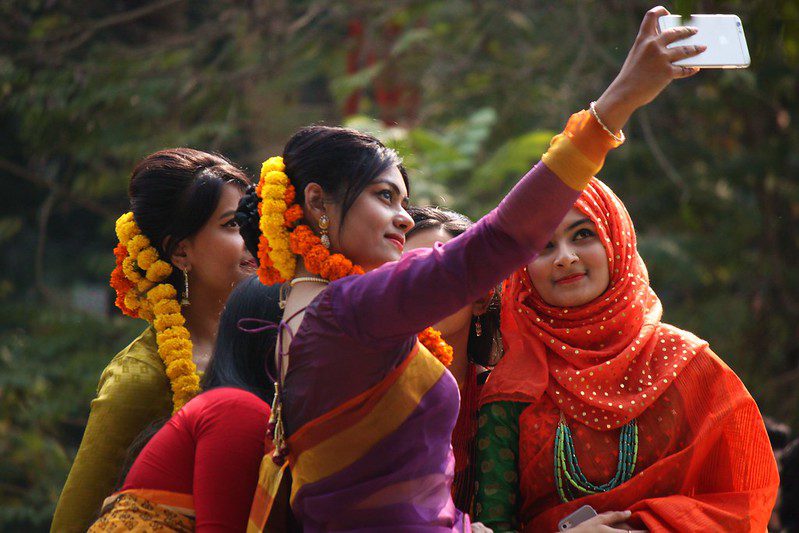
8 Companies Invested in Putting an End to the Global Water Crisis

  1. charity: water – Founded in 2006, this nonprofit organization is working to end the global water crisis by providing clean drinking water to citizens in 24 developing countries. charity: water focuses on three methodologies for providing clean water to communities in need: hand-dug wells, drilled wells and rainwater catch equipment that collects the water and sanitizes it. In addition, by collaborating with a number of local partners, the organization has funded more than 24,000 successful water projects as of 2018. Instead of just accepting donations, charity: water inspires people to start their own campaigns to raise money for clean water. Overall, the organization’s efforts have benefitted approximately 8.2 million people and counting.
  2. Global Water Challenge – The Global Water Challenge, also known as the GWC, is part of a leading team of organizations heavily invested in bringing clean water, for both consumption and hygiene purposes (WASH Sustainability Program), to each corner of the globe. While the GWC’s programs benefit entire communities, women’s empowerment is an important area of focus. After all, women are typically responsible for spending a huge portion of their days gathering water to sustain their families. Thanks to its public-private partnerships, the organization has reached more than 1 million individuals to date.
  3. water.org – The organization’s WaterCredit Initiative works with local businesses to provide loans to people who lack adequate water and sanitation resources. The organization mainly works with people through financing safe access to water in efforts to diminish the global water crisis, more sustainable methods and have effectively enabled more than 25 million people to obtain access to clean water and sanitation services.
  4. Drop in the Bucket – Similar to the previous organization, Drop in the Bucket also operates on a community loan basis to fund wells.  The organization has built 300 wells in schools in East Africa since its founding in 2006, recognizing this area as one in need when seeking to address the global water crisis.
  5. PepsiCo – Through partnerships with NGOs such as WaterAid and 2030 Water Resources Group of the World Bank, Pepsi has made it a priority to invest in ending the global water crisis. The company is focused on helping developing communities in the United States, Latin America, India and China by offering strategic grants that teach various methods for effectively conserving water. As of the middle of 2018, the company has donated $40 million to these organizations.
  6. The Nature Conservancy – One of the biggest charitable environmental organizations in North America, the Nature Conservancy concentrates its efforts on the preservation of land and water sources. The organization works in three continents — specifically focusing on Europe, as well as in Latin America and India. With more than one million members actively working to conserve natural landscapes through science and technological means, this group instills hope for future generations.
  7. UN Water – An arm of the United Nations, this agency works in more than 30 countries to provide clean water and sanitary techniques to assist the underprivileged. UN Water uses a data-driven approach to effect change in the countries where it operates.
  8. World Resources Institute – The World Resources Institute (WRI) is focused on the “mapping, measuring and mitigating global water challenges.” One of the organization’s current projects utilizes aqueduct systems as a method for preserving and sustaining water sources. The group is also working to rehabilitate ecosystems, to lessen the burden on diminishing water sources. The WRI is active in more than 50 countries and has global offices in Brazil, China, Europe, India, Indonesia, Mexico and the United States.

– Joanna Buoniconti
Photo: Flickr

November 11, 2019
https://borgenproject.org/wp-content/uploads/borgen-project-logo.svg 0 0 Kim Thelwell https://borgenproject.org/wp-content/uploads/borgen-project-logo.svg Kim Thelwell2019-11-11 12:39:192024-05-29 23:13:108 Companies Working to End the Global Water Crisis
Developing Countries, Development, Global Poverty, Health, Malaria

Human Behavior Can Help Eradicate Malaria

Studying Human Behavior Can Help Eradicate Malaria

Bed nets. Insecticide. Preventative medicine. These are the tools that are most known for fighting malaria—and for good reason. Tactics like these have saved millions of lives. However, when a country manages to eliminate most incidences of malaria, the traditional techniques lose their impact. One group of researchers, realizing the need for new strategies against malaria, decided to not focus on mosquitoes (the traditional tactic) but on humans themselves. Ultimately, studying human behavior can help eradicate malaria by targeting weak spots in preventative plans and providing a clearer implementation of resources. To better understand malaria, its far-reaching impacts and the importance of a new human-centered technique, it is helpful to start from the beginning.

What is Malaria and How Was it Treated in the Past?

Malaria has plagued humans for, quite literally, as long as humanity remembers. The earliest written records  — Mesopotamian cuneiform tablets — describe symptoms characteristic of the disease. Scientists found human remains dating back to 3200 BC with malaria antigens. Ancient scholars called the illness the “king of diseases.” It certainly lives up to the title. It is thousands of years old and it has killed hundreds of millions of people.

Anopheles mosquitoes, most active at dusk and night-time, are responsible for the malaria parasite’s spread. Carried in the insect’s stomach, the parasite enters the human bloodstream through the mosquitoes’ saliva (the same substance that makes bites itch and swell) as they feed.

Humans first exhibit symptoms a week or so after infection. If untreated, the disease quickly becomes serious. Sufferers feel flu-like symptoms, including body aches, fatigue, vomiting and diarrhea. Patients can die within 48 hours after they first exhibit symptoms.

In 1820, chemists developed quinine, the first modern pharmacological treatment for malaria. In the 1900s, the men who identified the malaria parasite, demonstrated that mosquitoes were responsible for transmission and developed the mosquito-repelling insecticide DDT all won Nobel Prizes for their respective discoveries. Understanding and preventing malaria were matters of great international importance.

What is Malaria’s Global Presence Today?

Fighting this disease remains a top global priority. Modern preventative measures now include insecticide-treated bed nets (to keeps the nocturnal malaria-carrying mosquitos away) and indoor sprays. Children in high-transmission areas are also eligible for seasonal malaria chemoprevention. Thanks to a surge in global humanitarian attention, the disease’s presence has fallen worldwide. Between 2010 and 2017, malaria incidence decreased by nearly 20 percent and fatalities decreased by nearly 30 percent.

However, the World Health Organization (WHO) estimates that 216 million clinical cases still occurred worldwide in 2016 alone, resulting in 445,000 deaths. The disease causes a massive drain on economies, due to healthcare costs and loss of workforce efficiency. In sub-Saharan Africa, where potent strains of the parasite thrive, those damaging effects are especially notable. Malaria and its effects cost Africa a stunning $12 billion every year and, because people living near unclean water sources and insecure housing are most at risk, malaria disproportionally affects the impoverished. By prohibiting individuals from attending work or school, let alone its potential to kill, malaria perpetuates the cycle of poverty. While reducing prevalence is a key factor, eradication continues to be the ultimate goal. That means the end to malaria’s ill-effects on communities, particularly impoverished ones.

How Studying Human Behavior Can Help Eradicate Malaria

When regions successfully employ traditional tactics, as many have, they find themselves with a new problem. “Lingering cases” is a term used to describe when a region no longer experiences outbreaks, but that the disease still exists locally. In general, eliminating any illness gets harder the fewer instances of it that occur. Tracking the carrier mosquitoes is infeasible, if not impossible. However, researchers in Zanzibar took a new approach – they decided to track humans instead.

In July 2019, the Johns Hopkins Center for Communication Programs published an article in Malaria Journal that details the reasoning behind the new technique. While indoor measures work, people are not necessarily confined to the home at nighttime. One Zanzibari woman remarked in an interview, “When you are outside, you can’t really wear the bed nets, can you?” Existing steps against malaria are not effective outdoors, which makes it nearly impossible to eliminate the last few cases.

Researchers conducted over 60 in-depth interviews and studied routine human movements: between homes, stores, public spaces, religious services and even special events, like weddings. They found many insights. For example, men were at the highest risk for infection because they most often work or socialize outside after dark. There is also a notable population of seasonal workers that come to Zanzibar from Tanzania’s mainland. These individuals rarely own mosquito nets nor insecticides to spray their residences. Better understanding the movements of people vulnerable to malaria, as well as those that find themselves periodically unprotected, is important. That information allows scientists to create better-targeted interventions, including community support programs, outdoor areas with preventative measures, and basic indoor resources for those without.

Small scale use of these techniques has proven effective, and the researchers behind this investigation believe they could be scaled up successfully. Best of all, 26 other countries have similarly low rates of malaria incidence. If Zanzibar, a high-transmission area for the parasite, could push back against this disease so successfully, other countries could benefit greatly from the same changes.

Conclusion

Malaria, a disease that has lasted for around 5000 years, has never been closer to eradication. The last century has seen a great surge in momentum for fighting this illness. The results are stunning; millions of lives saved, several countries eliminated the disease entirely, and dozens more are nearing that goal. In turn, people have prospered. For every dollar invested in African malaria control, the continent sees 40 dollars in economic growth. Much of that prosperity goes back to impoverished people, who can thrive with less illness and more economic efficiency. Now, researchers are pursuing the “last mile” strategies. Studying human behavior can help eradicate malaria by preventing remote cases. Total eradication and the end of malaria’s drain on the impoverished has never been closer.

– Molly Power
Photo: Wikimedia

November 9, 2019
https://borgenproject.org/wp-content/uploads/borgen-project-logo.svg 0 0 Jennifer Philipp https://borgenproject.org/wp-content/uploads/borgen-project-logo.svg Jennifer Philipp2019-11-09 08:41:262024-05-27 09:34:09Human Behavior Can Help Eradicate Malaria
Developing Countries, Development, Global Poverty

Energy Use in Sub-Saharan Africa

Energy Use in Sub-Saharan Africa

Energy demand is estimated to increase by 85 percent in Africa between 2010 and 2040. To compensate for growing infrastructure and population, the cheapest and most environmentally-friendly energy sources are in high demand as well. Countries within sub-Saharan Africa have taken numerous measures to improve affordable living through receiving aid and implementing programs to promote efficient energy use. However, challenges hinder the implementation of efficient energy use in these countries. For example, the trained workforce that could take on massive energy projects is very small. There is also very minimal awareness of the benefits of efficient energy use so many people prefer to stick to traditional sources. Governments and global organizations are combating these challenges as they work to advance energy efficiency and indirectly reduce poverty and over-spending in sub-Saharan Africa.

Energy Efficiency in Emerging Economies Training Week

The International Energy Agency and the Department of Energy of South Africa hosted the very first Energy Efficiency in Emerging Economies (E4) Training Week for sub-Saharan Africa in Pretoria, South Africa from Oct. 14 to Oct. 17, 2019. The objective of the training was to educate junior policymakers from all over sub-Saharan Africa to model future politicians into environmental activists. The week included courses on the ability of energy-efficient sources to reduce extra expenses and, therefore, improve living conditions. The courses taught participants about energy efficiency policy in buildings, appliances, equipment, industry, cities and indicators and evaluation. E4 Training Week also made a key point to encourage women to apply for the program.

Numerous organizations supported the E4 Training Week, including Global Environment Fund (GEF), United Nations Industrial Development Organization (UNIDO), Swedish International Development Cooperation Agency (SIDA), East African Centre for Renewable Energy and Energy Efficiency (EACREEE) and SADC Centre for Renewable Energy and Energy Efficiency (SACREEE).

The Domestic Energy and Rural Access to Basic Sources Project

The World Bank’s Domestic Energy and Rural Access to Basic Sources Project (PEDASB) worked to install a 52-kilowatt plant in Zantiébougou, south of Bamako in the Sikasso region. The plant has provided electricity to 765 people and allows women to carry out other economic activities and trades as they are no longer concerned about gathering fuel, such as wood. PEDASB also implemented a hybrid electricity system that combines solar photovoltaic and diesel power in Niena. The system improved the quality of health care in local clinics and increased school performance in students. This energy sector as a whole is contributing to the economy of sub-Saharan Africa and increasing the wealth of its people.

Compact Fluorescent Light Bulbs

Ethiopia’s government is taking the initiative to improve efficient energy use. Through a collaboration with the World Bank Project, the Ethiopian government introduced compact fluorescent light bulbs (CFL), which help rural families save money. 80 fewer megawatts of electricity is used by distributing 2.5 million CFL bulbs, which quantifies as $100 million saved. Through a $4 million investment, 5 million CFL bulbs were distributed all over the country. Households under the poverty line were able to reduce their energy usage by 55 percent which significantly cut utility costs for families. Beyond lightbulbs, 2.5 million efficient cookstoves were distributed in Ethiopia, reducing 40 to 60 percent of wood fuel. This not only helps the environment but also boosts families’ lifestyles all over the country.

The Electrify Africa Act

In 2016, President Barack Obama signed the Electrify Africa Act (S.2152) into law. The Electrify Africa Act ensures that the Obama Administration’s Power Africa initiative remains in effect, providing millions of sub-Saharan Africans with access to electricity which in turn, increases economic growth and development.

So far, the Electrify Africa Act is a great success. As of January 2019, Power Africa, with the support of the Electrify Africa Act, achieved the following results in sub-Saharan Africa:

  • 20.5 billion invested in Power Africa transactions
  • 58,552,435 beneficiaries gaining access to electricity
  • 10,095 megawatts (MW) reaching financial close
  • 2,652 MW moved from financial close to operation

In conclusion, sub-Saharan countries are breaking the cycle of poverty through creatively implementing efficient energy sources. From educating young policymakers to governments distributing free equipment and implementing laws, numerous countries are able to benefit from efficient energy use in sub-Saharan Africa.

– Haarika Gurivireddygari
Photo: Flickr


November 8, 2019
https://borgenproject.org/wp-content/uploads/borgen-project-logo.svg 0 0 Kim Thelwell https://borgenproject.org/wp-content/uploads/borgen-project-logo.svg Kim Thelwell2019-11-08 11:43:082024-05-29 23:13:14Energy Use in Sub-Saharan Africa
Development, Global Poverty, Technology

India’s Digital Transformation

India’s Digital Transformation
Over the last decade, India has tackled barriers like undocumented citizen identities and minimal access to formal banking and new technologies with a series of innovative programs and digital services. This article will explore India’s digital transformation.

Digital Identification and Financial Inclusion

Efforts to digitize India first took off in 2009 with the launch of a digital identity system called Aadhaar. Aadhaar aimed to provide every citizen with a digital identity. Aadhaar obtained IDs through a biometric-authenticated 12 digit number that created them according to applicant’s iris and fingerprint scans. Aadhaar has provided over 600 million voluntary applicants with UID’s (unique identifications) since its launch. The success of Aadhaar gave even the most rural populations the ability to identify themselves and avoid the hassle of ineffective systems.

Although the majority of citizens obtained digital IDs, a portion of the population still lacked access to digital banking services. Limited access excluded citizens from participating in formal banking that could improve their lives. With the demand for digital banking services increasing, India embarked on its next phase of digital innovation.

In 2014, with added backing from the Modi government, India created the Jan Dhan financial inclusion program. Jhan Dhan sought to get as many Aadhaar identity holders to participate in digital banking as possible. Within the first day of the program’s launch, Aadhaar identifications set up 10 million paperless bank accounts. The program also promised account holders accident insurance for up to 100,000 rupees (or $1,500) and an overdraft capacity of 5,000 rupees ($80).

Empowered with digital identification and banking, citizens could digitally access government services with more ease. The increase in mobile banking also created new layers for India’s digital transformation.

Demonetization and BHIM

By 2017, Aadhaar identification had become a required function for formal banking, SIM connections and income tax returns. With the majority of the population using digital services, the need for India to demonetize became more apparent. India’s total demonetization seemed daunting, but it appears to have worked well for the country. India’s decision to demonetize was so abrupt, the demand for services like Aadhaar and Jan Dhan, among others, increased rapidly. With the replacement of its old currency and the demand for digital services rising so quickly, India’s digital transformation took its next steps.

To help with the transition of demonetization, India’s Prime Minister launched BHIM (Baharat Interface For Money) in 2016. The app serves as a digital payment platform in tandem with the country’s UPI interface. BHIM also works with a 2G network, meaning that people even the most rural parts of India can access this service. This network allows UPI account holders to send and receive instant payments from non-UPI holders, which cushioned the shock of demonetization for more of the population.

The app also offers a wealth of diverse services for users and businesses. Currently, it allows users to shop/pay for services online, transfer money to family and friends, receive customer payments with no additional cost and check transaction history and account balance at any time.

Three years after its launch, BHIM collaborated with over 100 banks nationwide and in early 2018 people downloaded the app 21.65 million times for Android phones and over a million for Apple. Data that RBI and the National Corporation of India collected also demonstrated that out of 145 million UPI transactions that year, BHIM carried out 9.1 million of them.

Although India requires more work, it has dedicated itself to improvements through innovative technology and creative solutions over the last decade. As it continues its efforts, the country’s citizens should have increased access to banking services.

– Ashlyn Jensen
Photo: Flickr

November 8, 2019
https://borgenproject.org/wp-content/uploads/borgen-project-logo.svg 0 0 Lynsey Alexander https://borgenproject.org/wp-content/uploads/borgen-project-logo.svg Lynsey Alexander2019-11-08 07:30:542020-01-18 14:01:44India’s Digital Transformation
Developing Countries, Development, Global Poverty

A Look at Major Efforts to Preserve Rainforests in Gabon

Rainforests in Gabon

Gabon is a country on the west coast of Central Africa, the equator passing through its center. The country is known first and foremost for its rainforests, which cover more than 80 percent of its terrain. Due to a historic deal with Norway, there now exists a financial incentive for preserving rainforests in Gabon.

Preserving Rainforests in Gabon

The deal, which took place at the 2019 Climate Action Summit in New York, will reward Gabon with $150 million over the course of the next 10 years. In preserving Gabon‘s rainforests, the U.N. hopes to reach net-zero greenhouse gas emissions by the middle of the century.

Norway has been involved in similar preservation efforts in the past, most notably through its partnership with Liberia in 2014. Much of Norway’s partnership with Gabon is mirrored in its work with Liberia, in which Liberia was offered a maximum of $150 million by 2020. The main difference between the two deals involves their retroactive and proactive natures: the deal with Liberia was based on future preservation efforts, whereas the deal with Gabon is based on past accomplishments, as well as future goals for the nation.

Gabon has a quickly developing reputation for preservation. In 2002, the country established its first national park system. The national park system is comprised of 13 parks, one of which, Lope-Okanda national park, is a registered UNESCO natural heritage site.

The new deal was announced by a representative for the Central African Forest Initiative (CAFI). CAFI is a partnership between six Central African countries, the U.N. Development Program (UNDP), the Food and Agriculture Organization of the United Nations (FAO), the World Bank, and a coalition of foreign donors, including the Kingdom of Norway, France, Germany and the United Kingdom.

CAFI was launched at the U.N. Sustainable Development Summit in September of 2015. Its goal, to put it simply, is to assist the governments of the six partnered Central African countries (Gabon, Cameroon, Equatorial Guinea, the Central African Republic, the Republic of Congo and the Democratic Republic of the Congo) and to aid in reform efforts. These reforms are far-reaching, addressing issues of climate change, food insecurities and poverty.

How Does Preservation Help Address Poverty?

Preserving Gabon’s rainforests is currently a central focus of CAFI. What follows are just a few of the ways in which preservation can help alleviate the symptoms of poverty:

  • Climate change and the progressive loss of natural environments have a drastic impact on the availability of food and water. Land set aside for agricultural use often experiences extreme flooding or droughts as the problem worsens. Approximately 80 percent of drought damage was absorbed by agricultural land. By preserving the natural environment in Gabon, this danger can be largely avoided.
  • Conflict is one of the leading causes of poverty and tends to further divide the classes. By maintaining Gabon’s natural resources, and in turn reducing scarcities of resources, the country will likely continue to be largely at peace.
  • When the climate changes, so do prices. As shortages occur, prices rise, and the world’s poor are the most heavily affected by this. It is estimated that those living below the poverty line have experienced a 62 percent spike in their budgets for food in recent years. By preserving Gabon’s rainforests and the country’s environment as a whole, Gabonese people will likely avoid the impacts of further volatility in the market.

– Austin Brown
Photo: Flickr

November 7, 2019
https://borgenproject.org/wp-content/uploads/borgen-project-logo.svg 0 0 Kim Thelwell https://borgenproject.org/wp-content/uploads/borgen-project-logo.svg Kim Thelwell2019-11-07 12:23:302024-05-29 23:13:10A Look at Major Efforts to Preserve Rainforests in Gabon
Children, Developing Countries, Development, Education, Global Poverty

7 Facts About Education in Vietnam

Read more
November 7, 2019
https://borgenproject.org/wp-content/uploads/borgen-project-logo.svg 0 0 Lynsey Alexander https://borgenproject.org/wp-content/uploads/borgen-project-logo.svg Lynsey Alexander2019-11-07 10:44:302026-04-09 11:47:187 Facts About Education in Vietnam
Page 69 of 163«‹6768697071›»

Get Smarter

  • Global Poverty 101
  • Global Poverty… The Good News
  • Global Poverty & U.S. Jobs
  • Global Poverty and National Security
  • Innovative Solutions to Poverty
  • Global Poverty & Aid FAQ’s
Search Search

Take Action

  • Call Congress
  • Email Congress
  • Donate
  • 30 Ways to Help
  • Volunteer Ops
  • Internships
  • Courses & Certificates
  • The Podcast
Borgen Project

“The Borgen Project is an incredible nonprofit organization that is addressing poverty and hunger and working towards ending them.”

-The Huffington Post

Inside The Borgen Project

  • Contact
  • About
  • Financials
  • President
  • Board of Directors
  • Board of Advisors

International Links

  • UK Email Parliament
  • UK Donate
  • Canada Email Parliament

Get Smarter

  • Global Poverty 101
  • Global Poverty… The Good News
  • Global Poverty & U.S. Jobs
  • Global Poverty and National Security
  • Innovative Solutions to Poverty
  • Global Poverty & Aid FAQ’s

Ways to Help

  • Call Congress
  • Email Congress
  • Donate
  • 30 Ways to Help
  • Volunteer Ops
  • Internships
  • Courses & Certificates
  • The Podcast
Scroll to top Scroll to top Scroll to top