• Link to X
  • Link to Facebook
  • Link to Instagram
  • Link to TikTok
  • Link to Youtube
  • About
    • About Us
      • President
      • Board of Directors
      • Board of Advisors
      • Financials
      • Our Methodology
      • Success Tracker
      • Contact
  • Act Now
    • 30 Ways to Help
      • Email Congress
      • Call Congress
      • Volunteer
      • Courses & Certificates
      • Be a Donor
    • Internships
      • In-Office Internships
      • Remote Internships
    • Legislation
      • Politics 101
  • The Blog
  • The Podcast
  • Magazine
  • Donate
  • Click to open the search input field Click to open the search input field Search
  • Menu Menu

Archive for category: Developing Countries

Information and stories about developing countries.

Developing Countries, Global Poverty

5 Places to Ethically Shop Online

Ethically Shop
Fighting poverty can seem an impossible task, but the truth is that organizations exist all over the world working to alleviate suffering by providing employment. It is also easy to partner with these organizations by ethically shopping. Below are five places to ethically shop while alleviating poverty in their countries.

The LifeStitches Project

The LifeStitches Project sells beautiful tabletop décor and other fabric products. Arua, Uganda is home to a vibrant and extensive fabric market. The LifeStitches workshop utilizes the fabrics to create skillfully sewn products. Brightly patterned tablecloths, potholders, aprons and bags show off the culture and skill of the women who create them.

LifeStitches began as a support group for women with HIV/AIDS. In Uganda, 1.2 million citizens have HIV/AIDS.  According to the website’s “LifeStitches Uganda Documentary,” 95% of “children living with HIV acquire it from their… mother.”

The documentary goes on to explain that, tragically, deep stigma often causes the women to stay silent about their condition. In 2000, a hospital worker, O’daru Grace Yiti, faced the dreaded diagnosis. Three years later, she brought other women living with HIV/AIDS together to support one another. They met “under the mango tree on the hospital grounds” and created a community for each other.

Two years later, Katherine Gnauck, M.D came to Arua and met the support group. She noticed a need for economic stability since the women faced such a strong stigma. Together, Gnauck and the support group began a project for the women to support themselves and their children.

Now, the women struggling with AIDS/HIV in Arua, Uganda have a place to make a living. Their products are available online via an Etsy shop.

Aarong

Aarong, an incredibly popular retail chain in Bangladesh, is another business that provides a way to ethically shop. Aarong sells clothing, jewelry and leather merchandise along with many other products.

The heart behind Aarong, according to its website, is to provide a “productive outlet for the marginalized artisans while celebrating quality work.” In order to accomplish this goal Aarong gives people training to become artisans. Shondhya Rani Sarkar joined Aarong to provide for her son. She worked her way up and is now training new employees. Aarong has helped over 65,000 artisans like Shondhya.

Aarong originally started as just a few artisans that BRAC, a development organization, employed to create unique goods. The beginning, in 1976, was quite slow, but over the course of time, Aarong became a well-known brand. Still employing local artisans, Aarong’s products are both ethical and well-made.

Its website provides an opportunity to ethically shop. It also has an app available for more convenient shopping.

Azizi Life

For home décor and kitchen wares in addition to bags and jewelry, the Rwandan company, Azizi Life, is a wonderful place to ethically shop. Its woven bowls and baskets have both simple and intricate designs, giving options for every style. In addition, the wooden kitchenware gives an artistic flair to everyday objects.

Azizi Life strives to build a family of businesses that would then feed into local efforts to alleviate poverty within the local community. With its roots in the organization Food for the Hungry, Azizi Life grew into a self-sustaining business that provides employment to artisans across Rwanda. In fact, Rwandan artisans create each of the products at Azizi Life.

Jeannine Umutoniwase became CEO in 2016 when the founder, a member of the nonprofit that founded the business, wanted to hand it over to local leadership.

The organization hopes to assist with “the national vision for growth and development.” According to its website, three of Azizi Life’s hallmarks are commitments to fair trade, sustainability and the environment. In addition, the artisans use natural products, and the company even ships the products in recyclable packaging.

To ethically shop at Azizi Life, visit its website.

Vi Bella

Vi Bella offers an easy way to shop ethically for jewelry, sewn and home products. Lovely and simple, the products span from stylish handbags to beaded earrings. Vi Bella also offers a wide selection of home décor.

Vi Bella started in 2011 when the founder, Julie Hulstein, saw terrible devastation in Haiti after a major earthquake. Because of the sudden poverty, she saw a need to sell goods from Haitian craftsmen. Additionally, she wanted to sell them at a fair wage and to a larger client base. Vi Bella offers a way for craftsmen to sell their products overseas.

Not long after, the organization expanded to Mexico and the U.S., employing over 60 craftspeople.

Vi Bella’s products are available on its website.

Ten Thousand Villages

Ten Thousand Villages is a store that sells beautiful handmade gifts from all over the world. With the aim to end generational poverty and bring about social change, Ten Thousand Villages sells everything from soap from Israel to hammocks that artisans made in Nicaragua.

The organization started in the 1940s when a few women from La Plata, Puerto Rico met an American by the name of Edna Ruth Byler. The women needed a go-between to export their embroidery. It started simply with Byler bringing products home to sell. Those simple acts resulted in Ten Thousand Villages, which, over 70 years later, is still thriving by employing local artisans all over the world who otherwise would have little means to export their goods.

Ten Thousand Villages provides a simple and often inexpensive place to shop on its website.

There are dozens of organizations that offer ways to ethically shop. In addition to the five above, there are a great many that have the heart to pull themselves and their neighbors out of poverty all while celebrating beautiful art and style.

– Abigail Lawrence
Photo: Flickr

June 28, 2020
https://borgenproject.org/wp-content/uploads/borgen-project-logo.svg 0 0 Jennifer Philipp https://borgenproject.org/wp-content/uploads/borgen-project-logo.svg Jennifer Philipp2020-06-28 01:30:552024-06-06 00:38:115 Places to Ethically Shop Online
Developing Countries, Global Poverty

7 Ways Ghana is Minimizing COVID-19 Cases


Amid the widespread pandemic, nations worldwide have been operating under similar prevention measures to combat COVID-19. Yet, some are more effective than others, and the results are clear. From the start of the COVID-19 pandemic, Ghana showed how it is collectivistic and holds personal responsibility for its citizens. On March 16, Ghana began to lockdown non-essential businesses and schools to prevent an outbreak as COVID-19 reached the nation.  As of June 4, 2020, Ghana confirmed 8,297 cases and 38 deaths. In the process of easing restrictions, Ghana allowed communities to reopen schools and universities on June 5 with social distancing guidelines. Here are seven ways Ghana is minimizing COVID-19 cases and is rearing up reopen.

7 Ways Ghana is Minimizing COVID-19 Cases

  1. On March 16, Ghana banned public gatherings altogether. The government also implemented travel restrictions to prevent any further spread of COVID-19. Ghanaian residents who traveled outside the country were required to quarantine for 14 days. All schools and universities were also closed indefinitely.
  2. On March 23, Ghana shut down all borders to travelers. This measure kept tourists from other countries from bringing the virus into the nation and allowed Ghana to focus on the infected citizens at hand. The border closures also assured COVID-19 did not spread from Ghana to other countries. By closing its borders, Ghana was able to determine diagnosed cases and isolate them from other populations.
  3. On April 2, Ghana received a donation from the World Bank to support its short-term and long-term responses to COVID-19. The overall contribution amounted to $100 million. Of this donation, $35 million was used for emergency improvements to the nation’s healthcare systems that they have in place for pandemics.
  4. The Ghana Emergency Preparedness and Response Project (EPRP)  launched through the World Bank’s provisions. The EPRP will be the blueprint for developing technologies that detect and survey COVID-19. Additionally, EPRP will cover outbreak reports to keep essential information streamlined. The initiative provides free support for COVID-19 patients who cannot afford medical or social care. The project will work to raise awareness on COVID-19 prevention measures and safety guidelines for any future outbreaks.
  5. As of April 13, Ghana administered approximately 44,000 tests for the COVID-19 virus. The comprehensive testing put Ghana significantly ahead of the curve. Making sure the majority of citizens tested for the coronavirus was how Ghana was able to obtain an accurate number of COVID-19 cases and quarantined as needed.
  6. In early April, the president announced a 50% salary increase for any healthcare workers on the front line. Nana Akufo-Addo, the present of Ghana, also told the public early on in the pandemic that Ghana would be tax-free for at least three months. Free water was also promised and supplied to anyone in need of it while on lockdown.
  7. Urban areas within metropolitan cities like Accra shut down late March to prevent any further spread of the virus through public transit. The Ghanian government kickstarted an awareness campaign to encourage social distancing and constant sanitation, such as washing your hands, to prevent viral transmissions. Wearing masks when going out for essential supplies was also highly emphasized in the campaign.

While countries worldwide are following similar prevention measures to stop the spread of COVID-19, Ghana, among other nations, was able to reopen earlier than expected. Ghana is minimizing COVID-19 cases and can reopen because of citizens’ and health workers’ commitment to implemented prevention measures. The Ghanaian government has also worked diligently to raise awareness and create proper prevention measures for rural and metropolitan areas alike. Ghanian citizens are provided with clean water, medical treatment and free counseling services to ensure social distancing measures are followed, and citizens remain healthy amid the unexpended circumstances. Due to its early lockdown and comprehensive testing, Ghana continues to lessen its COVID-19 cases and is heading toward a promising future.

–Kim Elsey
Photo: Flickr

June 27, 2020
https://borgenproject.org/wp-content/uploads/borgen-project-logo.svg 0 0 Kim Thelwell https://borgenproject.org/wp-content/uploads/borgen-project-logo.svg Kim Thelwell2020-06-27 12:15:212020-08-31 15:25:037 Ways Ghana is Minimizing COVID-19 Cases
Developing Countries, Global Poverty

Renewable Energy in Nicaragua

renewable energy in NicaraguaLocated in Central America, between Honduras to the north, and Costa Rica to the south lies Nicaragua. Over the past few years, the country has taken steps to further its already growing renewable energy sector. In 2015 alone, the country was able to produce 54% of its electricity from renewable energy sources. Growth in this sector is notable and is expected to continue.
The Emergence of Renewable Energy in Nicaragua

Nicaragua’s government has turned to renewable energy for a few key reasons. One is the country’s natural abundance of renewable resources. Nicaragua experiences powerful winds and large amounts of sunlight on a regular basis. The country is also home to 19 volcanoes—a reliable source of geothermic heat.

The second reason for turning to renewable energy resources is to become energy independent. Nicaragua itself does not produce oil. As a result, Nicaragua has historically relied on imports of fossil fuel resources. While the country still imports foreign oil, the increased production of renewable energy, like geothermal energy from Nicaragua’s volcanoes, has reduced that dependency.

These two reasons have led Nicaragua to increase its consumption of renewable resources over the past few years. Much of the renewable energy that is produced in Nicaragua is sugarcane biofuel, which accounts for 33.2% of the renewable energy sector. The second most used form of renewable energy is geothermal, which comes in at 24.6%, followed by wind energy at 22.5%. The least used forms of renewable energy are solar energy at 0.5% and hydroelectric energy at 0.25%. As the percentages show, Nicaragua is using more renewable energy leading to a diversification of its energy sector. Nicaragua also has the potential to expand the amount of renewable energy produced, particularly from wind. Wind alone produces over 1,000 megawatts.

Benefits of Renewable Energy in Nicaragua

Nicaragua is an extremely poor country with high poverty rates, especially in rural areas. Fortunately, renewable energy has the potential to help the impoverished people of Nicaragua and provide a model for other impoverished nations.

People who live in poverty tend to have a harder time gaining access to electricity because of their inability to afford it. Some forms of renewable energy are becoming more affordable than fossil fuels. Take geothermal energy for example—the second largest form of renewable energy in Nicaragua. This form of energy is 80% cheaper than fossil fuels. Solar energy is on its way to becoming cheaper than fossil fuels as well. While installation of the technology needed to produce renewable energy is initially expensive, once installed, it lowers the cost and increases the accessibility of electricity for impoverished people.

Nicaragua is continuing to develop its renewable energy sector. The reward of this action will be a cleaner environment and cheaper electricity for its impoverished citizens.

– Jacob E. Lee 
Photo: Wikimedia

June 26, 2020
https://borgenproject.org/wp-content/uploads/borgen-project-logo.svg 0 0 Lynsey Alexander https://borgenproject.org/wp-content/uploads/borgen-project-logo.svg Lynsey Alexander2020-06-26 09:19:212020-06-26 09:19:21Renewable Energy in Nicaragua
Developing Countries, Global Poverty, Hunger

5 Facts About Hunger in Haiti

hunger in Haiti
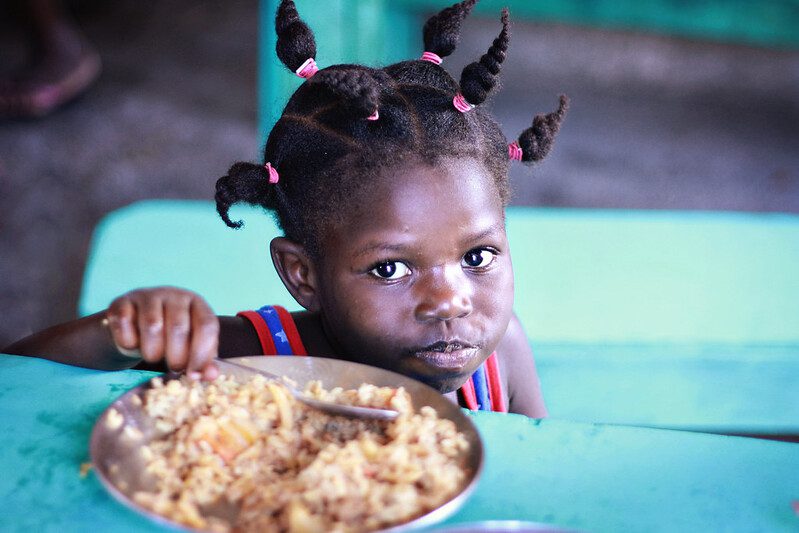
Haiti, a Caribbean country with a population of more than 11 million, is one of the most food-insecure countries in the world. Political and economic crises, combined with natural disasters and extreme weather events, have contributed to the rise of poverty and hunger in Haiti. About 1 million Haitians are severely food insecure, and more than one-fifth of Haitian children are chronically malnourished. Here are five facts about hunger in Haiti.

5 Facts About Hunger in Haiti

  1. Haiti is one of the most impoverished countries in the Americas. According to the World Food Program U.S.A., almost 60% of the Haitian population lives below the poverty line and 25% of it experiences extreme poverty. Furthermore, more than 5 million Haitians earn less than $1 per day. This means that about half of the population cannot afford to buy food and other necessities. The hunger crisis is most prevalent in regions with the highest levels of poverty, particularly in the northwest.
  2. One-third of Haiti’s population is in urgent need of food assistance. Around 3.7 million Haitians did not have reliable access to adequate food in 2019. According to the United Nations, this number increased from 2.6 million in 2018. In 2019, the U.N. Office for the Coordination of Humanitarian Affairs (OCHA) stated that, without immediate food assistance for Haitian people living in poverty, “1.2 million people will only be able to eat one meal every other day and about 2.8 million people might eat just one meal a day” in 2020.
  3. Frequent natural disasters and droughts contribute to widespread hunger. Haiti is one of the most weather-affected countries worldwide. In 2010, a magnitude 7.0 earthquake had a huge negative impact on food security in the region. In 2016, Hurricane Matthew was devastating for Haiti’s agricultural production and its citizens. It caused more than 800,000 people to require immediate food assistance. Severe droughts have also decreased agricultural production and left more people hungry and malnourished in recent years.
  4. Political instability and poor economic conditions have decreased the accessibility of food aid and caused food prices to rise. In the last year, political gridlock and corruption have created obstacles to the distribution of food aid, according to Global Citizen. Protests in major cities, violence and the economic recession have caused businesses and schools to close, blocking many citizens from access to affordable meals and food assistance. Also, in 2019, the cost of staple foods like rice, wheat flour, sugar, vegetable oil and beans rose by about 34%.
  5. Climate change and the COVID-19 pandemic are likely to exacerbate the hunger crisis in Haiti. As a small island state, Haiti is particularly vulnerable to the effects of climate change. Rising sea levels can bring about devastating floods. More frequent extreme weather events can devastate significant parts of the country’s agriculture and infrastructure. Therefore, climate change poses a significant threat to food security and agricultural production in Haiti. Unfortunately, this threat will only increase in future years. The COVID-19 pandemic also threatens to raise inflation further, increasing the prices of staple foods. Haiti imports about 80% of its rice, so the pandemic’s impact on global supply chains could further restrict access to staple foods.

Solutions

As the hunger crisis in Haiti continues to grow, multiple organizations have implemented programs to provide food and financial assistance. For example, the World Food Program U.S.A. delivers meals to 1,400 Haitian schools every day. This program benefits students in 1,400 schools, and the Haitian government plans to take over the initiative by 2030. Feed the Children also provides school meals, including three hot meals each week, in an effort to reduce hunger and motivate students to prioritize their education. While these student-focused food assistance programs help reduce malnourishment and hunger, they also motivate children to continue pursuing an education.

Furthermore, the United States has provided more than $5.1 billion to Haiti since the 2010 earthquake. In the last 10 years, U.S. assistance has helped fund food security programs, increase crop yields and improve child nutrition in Haiti. OCHA hopes to receive $253 million in humanitarian aid for Haiti in 2020. With the financial assistance they urgently need, impoverished Haitians can better prepare for natural disasters. They can also gain reliable access to sufficient food. Both of these necessities will be more necessary than ever in 2020 and beyond.

Overall, these facts about hunger in Haiti show that it is a growing issue that affects millions of people. Now, the current COVID-19 pandemic is amplifying this problem. However, with humanitarian aid and food assistance from NGOs and members of the international community, including the United States, food insecurity in Haiti can reduce.

– Rachel Powell
Photo: Flickr

June 17, 2020
https://borgenproject.org/wp-content/uploads/borgen-project-logo.svg 0 0 Kim Thelwell https://borgenproject.org/wp-content/uploads/borgen-project-logo.svg Kim Thelwell2020-06-17 01:30:302024-05-29 23:17:515 Facts About Hunger in Haiti
Developing Countries, Education, Global Poverty, Poverty, Women

5 Ways that Global Poverty Affects Women

women are more affected by global poverty
Women often make up the backbone of home and society, however, global poverty often affects women the most. Women across the globe are still fighting for equality in their workplaces, general society and in their own homes. This inequality is a significant factor why women make up the bulk of the impoverished population in the world.

According to data that the U.S. Census Bureau released in 2017, the maximum rate of poverty for men was 7% while the minimum poverty rate for women was 9.7%. Depending on the race and demographics, this rate only tends to increase. Here are five ways that global poverty affects women.

5 Ways that Global Poverty Affects Women

  1. Gender Wage Gap: The availability of equally paid jobs is critical in making women independent and hence improving any economy. According to the World Economic Forum, the annual average earnings of the men around the world was $23,000 in 2018. In contrast, the global average of annual earnings of women was only $12,000. The international intergovernmental economic organization G7 inferred from collected data that the gender wage gap is prevalent throughout the world. Furthermore, G7 determined that the gender wage gap does not depend on the current financial status of any country. The G7 claimed that the global average gender wage gap was still 17% in the year 2016. Moreover, discrepancies in the wages that employers paid to women, even in developed countries, affected women in economically weaker countries and low-paying jobs significantly.
  2. Job Segregation:  The International Labor Organization (ILO) found that nearly 80% of the female labor force works in the service sectors and less-paid clerical jobs contrary to managerial, professional or leadership roles. More women in administrative positions would bring in diverse and complementing perspectives into the idea pool. An increase in females in administrative positions would also allow an insight into the female consumers’ psyche. All of these benefits, plus an increase in creativity, would consequently increase revenue. In most countries, including many developed countries, the number of women in STEM (Science, Technology, Engineering and Mathematics) is unquestionably lesser than men. Only 28% of employees in STEM fields, which are the fastest-growing with higher paid jobs, are women. In addition to conservative social norms and gender bias, the lack of female role models also contributes to the smaller women labor force in STEM fields.
  3. Motherhood: Pregnancy can often be the tipping point in any woman’s career path. While women may face wage penalties, men might win salary premiums. Women frequently choose to take time off to stay at home and care for their children. However, the career break adversely affects their salaries even after they return to work. From the data that a study in Denmark conducted, a country with high gender equality measures, the salary of women sharply dropped nearly 3% after the birth of the first child and never recovered.
  4. Unpaid Caregiving: Another way that global poverty affects women is that they often don the role of caregivers for the elders and children in a family more than men, which is unpaid work. This extra work, nearly twice to 10 times the work that men do, is worth almost $11 trillion per year. Although women’s unpaid work amounts to nearly four years more work than men, women still earn less at their paid jobs. This is most likely due to the fact that women prefer part-time and easily transferable jobs after having a baby, in order to provide proper care for the child. Policies targeting lower childcare costs might help women in the long run. Additionally, policies focusing on incentives for men in sharing the childcare and domestic chores would also help women greatly. In general, providing any sort of assistance to alleviate the extra work of women would help in the long run. For example, women in Malawi spend 54 minutes a day on average collecting water. Providing labor-saving infrastructure results in less time obtaining water and more paid hours for women. Gender inequality in developing countries costs their economies $9 trillion per year. In Latin America, women’s paid work increased between 2000 and 2010. This resulted in a 30% reduction in poverty.
  5. Gender-biased Illiteracy: In low-income countries, the average literacy rate of men is 70% and 50% for women. In the 2014 World Value Survey, 26% of people across the world said that university education is comparatively more essential for a boy than a girl. A 2016 study in Nepal revealed that the poorer households sacrificed the literacy of daughters for better job prospects for sons.

How Organizations are Helping

Countries around the world have begun to realize that the inclusion of women, especially in leadership roles, is necessary for sustained, overall development. LivelyHoods, a nonprofit organization, noticed that the women were mainly the ones who dealt with household energy. In Kenya, indoor pollution due to smoke from conventional stoves causes 13,000 deaths per year. In an effort to combat indoor pollution, LivelyHoods employed the rural women population in Kenya to distribute life-improving, affordable, clean-energy products to the local population. The network of saleswomen that the organization employed distributed eco-friendly products like solar products, clean-burning cookstoves and many others. Of the top 10% of the salesforce, 90% are women who earn up to $1,000 per month. Over 1,500 trained women employees have distributed 26,000 clean energy products so far. This is an inspiring example of how indispensable women are to global development.

Ideas for Moving Forward

To help impoverished women improve their quality of life, governments could offer publicly financed schemes of extended leaves of absence for new mothers; replace individual taxation with family taxation so that the burden on the secondary earners, who are mostly women, lifts; provide tax benefits for low-wage earners; reduce the childcare cost for working women; encourage businesses to develop better practices like pay transparency and regular wage assessment based on gender; conduct free workshops for women to impart vocational skills as well as to spread awareness of various available job opportunities; offer equal job opportunities to women; conduct workshops in the men’s workplaces to show them how their personal and nation’s economy will flourish by sharing the childcare and domestic duties. Even implementing just a few of these tactics could help reduce the inequality women around the world face.

– Nirkkuna Nagaraj 
Photo: Flickr

June 16, 2020
https://borgenproject.org/wp-content/uploads/borgen-project-logo.svg 0 0 Kim Thelwell https://borgenproject.org/wp-content/uploads/borgen-project-logo.svg Kim Thelwell2020-06-16 07:30:202024-05-29 23:17:275 Ways that Global Poverty Affects Women
Children, Developing Countries, Global Poverty, Health

Childhood Obesity in Poverty-Stricken Africa

childhood obesity in poverty-stricken AfricaChildhood obesity is a major issue in middle-income countries. However, this issue is growing in low-income countries as well now. In Africa, micronutrient deficiency and wasting are among the biggest challenges associated with children’s health. However, with sugary foods and snacks becoming cheaper and more accessible, childhood obesity is becoming more of an issue in Africa. A 2000 survey revealed that 10% of low-income countries had a 10% rate of teenagers who were overweight. Just between 2014 to 2016, that number jumped from 40% to 75%. It is quite clear that this issue is quickly increasing.

The Problem of Childhood Obesity

According to the World Health Organization (WHO), childhood obesity in poverty-stricken Africa is one of the most pressing issues of this century. Without intervention, this issue will only continue to spread.  Along with it, long-term health problems associated with obesity, such as diabetes, will also increase. Furthermore, not only are obese people at risk of contracting preventable health conditions but they are also at risk of early death. According to WHO, obesity takes more than two million lives every year worldwide.

Despite the growing economy in Africa, millions still suffer from poverty. This poverty, coupled with the growth of obesity, has Africa simultaneously facing two major challenges. These two challenges have led to a significant increase in diseases throughout Africa. Since the 1980s, diabetes has grown by 129% in Africa. To combat the spread of diabetes and the consumption of high sugar beverages, South Africa has passed a bill that taxes such beverages.

Combating Childhood Obesity

A few organizations are taking steps to combat childhood obesity in poverty-stricken Africa. The World Health Organization places its focus on what types of foods to consume, the number of physical activities that are being completed and overall health. The organization believes that in order to avoid the increasing amount of childhood obesity that Africa is experiencing, there must be corrections to all three factors mentioned above.

WHO created the “Global Strategy on Diet, Physical Activity and Health” to reduce obesity and improve overall health. The strategy focuses on four major goals that will ultimately help combat childhood obesity, diseases and death. The four main goals are to reduce risk, increase awareness, develop policies and action plans and monitor science. Though created 16 years ago, this strategy will only begin to make an impact after several decades. In order for the strategy to succeed, all levels of life and business must assist in the effort.

Childhood obesity in poverty-stricken Africa continues to be an issue. Although a relatively new issue in developing countries, obesity is quickly increasing. Africa is now combatting both ends of the nutritional spectrum, with malnutrition and childhood obesity now prevalent throughout the continent. Despite increases in these issues, organizations such as WHO are working diligently to reduce childhood obesity in Africa.

– Jamal Patterson 
Photo: Pixabay

June 14, 2020
https://borgenproject.org/wp-content/uploads/borgen-project-logo.svg 0 0 Lynsey Alexander https://borgenproject.org/wp-content/uploads/borgen-project-logo.svg Lynsey Alexander2020-06-14 01:30:272024-05-29 23:16:00Childhood Obesity in Poverty-Stricken Africa
Children, Developing Countries, Global Poverty, Health

How Surfing Helps Relieve Global Poverty

surfing helps relieve global poverty Surfing is one of the oldest but most under-appreciated sports in the world. In California and Hawaii, it is more widespread than in the rest of the U.S. combined. Australia is the only other country that hails surfing as one of its national pastimes. The birth of the sport came about in Polynesia where natives would draw cave paintings of people riding on waves as far back as the 12th century. At some point, the Polynesians traveled to the Hawaiian Islands. There, the Polynesians transferred the sport of surfing where it transcended to religious-like status for Pacific Islanders everywhere. Surfing has become an altruistic tool for the less fortunate around the world. Despite surfing’s lesser-known status in America, the sport has made an impact in underprivileged countries, particularly regions in Southeast Asia. Here is how surfing helps relieve global poverty.

SurfAid

SurfAid, a nonprofit organization founded in 2000, comes from a grassroots background. It has grown in the U.S., Australia and New Zealand. Over the years, it has become one of the top charities in surfing, assisting local governments and communities to prevent mother and child deaths. In Indonesia, a mother dies every three hours and 20 babies die every other hour. SurfAid offers support by providing materials to observe the health of mothers and children.

For example, a simple, yet important material like a weighing scale allows doctors to ensure that patients’ body weight is on par with their age. Other materials include measuring tapes, record books and materials for teaching. Most importantly, SurfAid helps improve water and sanitation issues through building water tanks, water taps and toilets. Having clean water and sanitation prevents diarrhea for children under the age of five, giving them a better chance to survive.

SurfAid staffers also provide equipment and seeds for gardens as well as malaria nets. With this increase in practical support, basic hygiene has decreased diarrhea by more than 45%. Antenatal care also has been implemented into programs to educate mothers about healthy pregnancies. This care and education help prevent complications from occurring during pregnancy and childbirth. Additionally, through birth spacing, the process of mothers giving birth every two to three years, women can potentially “reduce infant mortality by 20%.”

SurfAid’s Work in Indonesia

SurfAid has also aided the island of Sumba. Located in Eastern Indonesia, the island is plagued by poverty, food insecurities and famine, making daily lives difficult. This has resulted in more than 60% of its children under five suffering from malnutrition.

SurfAid developed a project called the HAWUNA program, meaning ‘unity’ in Indonesian. The program works with more than 7,500 people in 16 different communities in the sub-district of Lamboya Barat to improve food insecurity. Additionally, the program educates parents on childcare in order to combat malnutrition. With access to clean water, sanitation and healthcare, there have been massive improvements in healthcare and healthy weight gain across the community.

SurfAid’s project development also includes the availability of support services. The organization’s collaborations with the communities are developed through detail-oriented results. Collaborations take into account the health, livelihoods, beliefs and social structure the people of each community have.

The Story of Dharani Kumar and Moorthy Meghavan

Another way to see how surfing helps relieve global poverty is through the story of Dharani Kumar. A 23-year old native Indian fisherman, Kumar started surfing in his teens in Kovalam Village using polystyrene foam as surfboards. After surfing for nine years under his mentor, Moorthy Meghavan, Kumar became a surfing champion in his homeland in 2015. The hobby he picked up as a teen did more than just provide an outlet for Kumar’s talent. Surfing also allowed Kumar to improve his networking opportunities around the world, as well as learn the English language.

In 2012, Kumar’s mentor, “Moorthy Meghavan founded the Covelong Point Social Surf School.” As a result of this school, Kumar and his group of friends pledged to stay away from drugs and alcohol. As a rule, if students started using or drinking, they were kicked out. Through this school, Meghavan was able to turn his dream of guiding poor, disadvantaged children away from addiction into a reality.

When Meghavan dropped out of school in sixth grade, he started fishing for a living to provide for his family. Though passionate about surfing, Meghavan was virtually unknown in the international surfing community. However, he still forged a plan to help children fight their way out of poverty through surfing.

Meghavan’s slogan, “No Smoke, No Drink, Only Surf”, has become instilled in the program. The program has paid dividends for locals looking for direction in their lives. Though substance abuse is somewhat prevalent in Kovalan Village, his guidance through his own experiences mixed with his passion for the sport has reflected on others. Though not a household name in surfing, Moorthy Meghavan has become a local legend by not only helping Dharani Kumar rise as a surfing star but also in guiding children to a better life.

The Impact of Surfing

What started out as an ancient art form by native Polynesians has now become an international phenomenon. Whether it’s providing assistance to those living in impoverished conditions or guiding children to a better lifestyle, there is no doubt that surfing helps relieve global poverty.

– Tom Cintula 
Photo: Flickr

June 13, 2020
https://borgenproject.org/wp-content/uploads/borgen-project-logo.svg 0 0 Jennifer Philipp https://borgenproject.org/wp-content/uploads/borgen-project-logo.svg Jennifer Philipp2020-06-13 01:30:062020-06-12 18:55:51How Surfing Helps Relieve Global Poverty
Developing Countries, Global Poverty

10 Facts About Agriculture in Madagascar


Agriculture in MadagascarMadagascar is one of the most bio-diverse nations on the planet and grows a variety of valuable crops. Yet, too often, farmers struggle from poverty and food insecurity. Holly Tapani serves as a Peace Corps agricultural extension agent on Madagascar’s eastern coast, Tapani trains women with young children to cultivate permaculture gardens and promote sustainable agricultural practices. “There is a major gap in the type of knowledge available to farmers,” Tapani told The Borgen Project. “However, Malagasy farmers are eager for solutions and willing to go out of their way to accommodate learning.” These 10 facts about agriculture in Madagascar highlight a predominant way of life and discuss common challenges and emerging solutions.

10 Facts About Agriculture in Madagascar

  1.  Agriculture is vital to life. Agriculture is the leading source of employment for both men and women in Madagascar. Indeed, roughly 64% of the country’s population works on either individually or family-owned farms. In more rural regions, this largely takes the form of subsistence farming.
  2. There is not much land to go around. Because Madagascar’s terrain is mountainous, farmers can only cultivate up to 5% of the country’s total land area. As a result, smallholders make up the majority of farm owners, and the “average farm size is 1.3 hectares.”
  3.  Frequent natural disasters threaten agricultural productivity. Over the past four decades, Madagascar has experienced more than 50 natural disasters, including “cyclones, droughts and locust infestations.” As a consequence, this has eroded land and damaged soil quality. With the prospect of a good harvest now even more difficult to achieve, Madagascar now faces rampant food insecurity.
  4.  Rice has a special place in Malagasy culture. Rice is cultivated on roughly half of all agricultural land in Madagascar. Farmers grow it largely for subsistence, and it is a staple of the Malagasy diet. “Most people eat roughly three packed cups of rice per meal with a small side,” Tapani said. “This is a major part of the culture, and nutrition initiatives from the government have been trying to combat the lack of diversity in a standard Malagasy diet.”
  5. Madagascar is the world’s largest producer of vanilla. Despite being just under one third the size of Mexico, the island nation accounts for 60% of the vanilla supply globally. Thus, to prevent theft and provide protection for vanilla farmers, the Malagasy government has enacted strict regulations on those handling the crop. This means that vanilla pods can now only be transported during the daytime, and “there are harsh penalties for stealing.” In certain cases, some farmers even go the extra mile, tattooing their vanilla beans with distinct features to make it easier to trace their origins.
  6. Nearly 60% of rural families rely on livestock for income. Cattle are especially important in this regard. One subspecies known as the zebu can be found on farms all throughout the island. “Zebu represent wealth to the Malagasy, so many farmers raise them for both work and meat,” Tapani said. Other livestock, including pigs, sheep, goats and turkeys, are also kept by smallholders.
  7. Farmers often supplement their farm produce with fishing. In many cases, families in Madagascar will raise different fish in fish ponds they build on their land. Others catch fish in local freshwater rivers and lakes. As with the cultivation of rice, the majority of this fishing is done for subsistence because of the steep cost of transportation to the capital. This makes the market price of fish much too costly for most local consumers.
  8.  Slash-and-burn agriculture threatens Madagascar’s forests. Known as ‘tavy’ in Malagasy, slash-and-burn agriculture is a traditional farming technique that remains widely practiced in Madagascar. Farmers clear mountainous regions and set fire to the land in order to turn forests into fertile ground. However, this ultimately leads to depletion of the nitrogen in the soil and the loss of fertility. This forces farmers to move on to new land, reinforcing the cycle of land destruction and poverty.
  9. The Food and Agriculture Organization is working to strengthen farmers’ resilience. FAO is helping farmers by collecting data on agro-weather conditions and food security. It is also working with Madagascar’s government to integrate nutritional awareness into school systems and strengthen the sustainability of the country’s natural resources. Ultimately, the goal of these efforts is to pave the way for measures that mitigate the impact of natural disasters on crop production and economic security.
  10.  Peace Corps Madagascar’s Food Security Project is promoting sustainable agriculture and healthy nutrition. Although Madagascar’s economy is largely agricultural, rural communities too often face food shortages and insecurity. Thus, to tackle this dire issue, Peace Corps volunteers work with farmers, schools and nonprofits to train communities on new methods to make sure their basic food needs are met. This includes training on how to grow bio-intensive gardens and holding cooking demonstrations that focus on nutritional education. “As an agriculture volunteer, one of my primary responsibilities involved promoting personal permaculture gardens for mothers with children under the age of five,” Tapani said. Tapani hopes this work will help prevent nutrient deficiencies among the Malagasy population.

These 10 facts about agriculture in Madagascar underscore the importance of farming to economic prosperity and personal wellbeing. Therefore, improvements within the industry remain a major path to reducing poverty in Madagascar.

– Kayleigh Rubin
Photo: Wikimedia

June 11, 2020
https://borgenproject.org/wp-content/uploads/borgen-project-logo.svg 0 0 Kim Thelwell https://borgenproject.org/wp-content/uploads/borgen-project-logo.svg Kim Thelwell2020-06-11 01:30:572024-05-29 23:17:2210 Facts About Agriculture in Madagascar
Developing Countries, Global Poverty, Health

5 Facts About Healthcare in Guatemala

Healthcare in Guatemala
For far too many citizens living in Guatemala, healthcare is not feasible and the results of this are catastrophic. Guatemala has the fourth-highest rate of malnutrition, and although the Guatemalan constitution guarantees healthcare, many fail to access the care that they need. Here are five facts about healthcare in Guatemala.

5 Facts About Healthcare in Guatemala

  1. The Guatemalan government spends very little money on healthcare. In fact, Guatemala only spends about $97 per person on healthcare. Comparatively, the United States spends $7,825 per person, and healthcare is not even an explicit “right” under the U.S. constitution. This leads to an underfunded, understaffed and underpaid system that oftentimes does not have the resources necessary to deal with complex diseases. According to a 2017 Health Policy Plus report, the Guatemalan government simply does not have the economic ability to fully fund its healthcare system. The report states that “Limited public resources have inhibited the Government of Guatemala’s ability to meet the health needs of the growing population and comply with its constitutional obligation to provide health services as a public good.”
  2. If a person wants specialists, they have to travel. About 80% of doctors in Guatemala work in Guatemala City. As a result, rural and poorer areas of Guatemala lack the resources they need to get the proper care. Subsequently, in order to receive certain tests, people living in rural areas often have to travel long distances, sometimes taking a day or two off of work. In many cases, people live paycheck to paycheck and cannot afford to miss out on a day of pay.
  3. There is a language barrier. Medicine is complex, and trying to explain medical treatment to someone who does not speak the same language is oftentimes impossible. Guatemala possesses a whopping 25 languages. In Guatemala City, where the specialty doctors are located, the primary language is Spanish. As a result, a person who does not speak Spanish and needs special treatment may have serious challenges.
  4. Rural areas are less advanced. As previously mentioned, the overwhelming majority of doctors work in Guatemala City. For those living in rural areas, access to care is often non-existent. This can lead to a slew of medical ailments, but it also means that these people practice a less advanced version of medicine. For example, in 2009 only 46% of rural Guatemalans utilized modern contraceptives.
  5. Maternal mortality is higher among minorities. Despite making up 43% of the population, more indigenous people suffer from maternal mortality than any other group. Of the 452 maternal deaths in 2013, 68% were indigenous women. In addition, the indigenous maternal mortality ratio was 159 per 100,000 and only 70 per 100,000 for non-indigenous women. One possible explanation is the language barrier. Most doctors work in Guatemala City with a primary language of Spanish. In cases where an indigenous person speaks one of the other 24 languages, it can be difficult for doctors and patients to communicate.

Looking Forward

Although the Guatemalan government considers healthcare in Guatemala a right, for a large fraction of the population it is not. People simply do not have the means to travel or take a day off of work just go see a specialist. Thankfully NGOs are stepping up. One NGO, The GOD’S CHILD Project, is currently fundraising to fight malnourishment in Guatemala. This NGO claims to have helped 4,000 orphaned and impoverished children, as well as 7,000 widowed, abandoned and single mothers and their dependents across Guatemala.

Another NGO named Wings fights exclusively for issues relating to Guatemalan healthcare. Wings’ subsidizes things like contraception and education in rural areas with patients who have serious medical conditions. In 2018 alone, this group helped 3,658 adolescents and young adults with contraceptive access and education. With the help of these NGOs, improved healthcare for Guatemala is on the horizon.

– Tyler Piekarski 
Photo: Flickr

June 6, 2020
https://borgenproject.org/wp-content/uploads/borgen-project-logo.svg 0 0 Jennifer Philipp https://borgenproject.org/wp-content/uploads/borgen-project-logo.svg Jennifer Philipp2020-06-06 07:30:382024-05-29 23:15:575 Facts About Healthcare in Guatemala
Developing Countries, Global Poverty, Health

5 Apps Changing Lives in Southeast Asia

apps that are changing lives
Technology continues to march onward, bringing with it exciting new opportunities to make a difference in the lives of others. Indeed, in Southeast Asia, innovative minds are utilizing the power of smartphones to enrich lives in ways previously unthinkable. From health to finance, from the dense forests of Cambodia to the food markets of Vietnam, here are five apps changing lives in Southeast Asia.

5 Apps Changing Lives in Southeast Asia

  1. It’s Our Forest Too: Illegal logging is a dire issue in Cambodia’s Prey Lang Forest, where in some cases up to 80% of villagers’ income derives from the extraction of resin from the forest’s many trees. To help combat this problem, Web Essentials has developed an Android app called It’s Our Forest Too. Its goal: to give activists the tools they need to discreetly monitor and report illegal activity within the Prey Lang. Here is how it works. Villagers use the app to take photos and record audio they deem suspicious. Then, after categorizing the recordings with the aid of a user-friendly pictorial decision-tree, users upload the data and its associated GPS coordinates to an encrypted Dropbox database. Since the entire process is quick and anonymous, activist organizations like the Prey Lang Community Network can then make use of the information they receive from the app without putting at risk any of the villagers who recorded the data. Thus, saving both lives and livelihoods.
  2. Halodoc: Recent years have seen a severe doctor shortage in Southeast Asia. This has led to excruciating wait times for patients and difficult travels for those living outside of the region’s urban areas. Enter Halodoc, the Indonesian app that allows patients to consult their doctors from the convenience of their own homes. The way it works is surprisingly simple. Patients select a doctor from a list, then immediately receive an option to schedule a video call. In many cases, the meeting lasts no more than 10 minutes. Patients can also use the app to purchase medicine, which is then delivered directly to the location of their choosing. This combination of convenience and user-friendly design has made the app a favorite of Southeast Asia’s medical community. As a result, Halodoc is now home to more than 2 million users and a database of 20,000 doctors.
  3. Foody: With a stated goal of being the Yelp! of Vietnam, Foody has more than surpassed expectations. Indeed, aside from serving as a community where users can review, discuss and order from Vietnam’s restaurants, Foody also plays an important role in the country’s struggles with food safety. The World Bank currently estimates that food safety issues cost Vietnam $740 million in productivity losses. The topic also frequently tops the list of the Vietnamese public’s biggest concerns, surpassing even corruption and cost of living. As a result, many have turned to Foody as a vital source of knowing where it is safe to eat. Foody’s user reviewers are careful to detail the food practices of the restaurant they cover, and by reporting incidents of food poisoning, their readers gain the ability to make smart decisions about where they eat.
  4. Spean Luy: Only 27% of the Southeast Asian population currently possesses a bank account, with the number as low as 5% in nations like Cambodia. With so many lacking access to financial services, start-ups like DIGICRO’s Spean Luy are looking to fill the gap by offering smart, technological solutions for Southeast Asia’s disadvantaged. Specifically, Spean Luy tackles two major problems that depress financial service: a lack of bank availability in the region’s remote, rural regions, and a lack of official documentation or collateral to provide for loans. How does it accomplish this? For one, although physical bank branches are hard to come by, more than 60% of Cambodians have internet access, which makes a mobile banking option attractive. Secondly, thanks to the clever application of machine learning techniques, Spean Luy is able to offer microloans to those who would otherwise be turned away by more stringent documentation requirements. So far, the results have been promising. Since its launch in early 2019, Spean Luy has disbursed more than $400,000 to users, with a repayment rate of 97%.
  5. Mind Palace: The growth of Virtual Reality (VR) technology has become a major talking point in recent years. More than just a tool for gaming, however, people are using VR apps like Eugene Soh’s Mind Palace to bring promising new benefits to those not typically thought of as VR consumers. For dementia patients, Mind Palace offers an immersive virtual environment in which they can revisit the familiar sights and sounds of their youths. This helps relieve the social isolation that burdens many with dementia, while also expanding their physical boundaries. Thus far, Mind Palace has seen extensive testing among Singaporean hospitals and nursing homes with very promising results. While not yet available on smartphones, Soh sees a mobile future for the app in the years to come.

These five apps offer a glimpse into the many ways that tech experts are using technology for social good in Southeast Asia. As the world’s brightest minds continue to innovate, the region will likely benefit from even more apps that are changing lives.

– James Roark
Photo: PxHere

June 6, 2020
https://borgenproject.org/wp-content/uploads/borgen-project-logo.svg 0 0 Jennifer Philipp https://borgenproject.org/wp-content/uploads/borgen-project-logo.svg Jennifer Philipp2020-06-06 01:30:552024-05-29 23:15:575 Apps Changing Lives in Southeast Asia
Page 83 of 157«‹8182838485›»

Get Smarter

  • Global Poverty 101
  • Global Poverty… The Good News
  • Global Poverty & U.S. Jobs
  • Global Poverty and National Security
  • Innovative Solutions to Poverty
  • Global Poverty & Aid FAQ’s
Search Search

Take Action

  • Call Congress
  • Email Congress
  • Donate
  • 30 Ways to Help
  • Volunteer Ops
  • Internships
  • Courses & Certificates
  • The Podcast
Borgen Project

“The Borgen Project is an incredible nonprofit organization that is addressing poverty and hunger and working towards ending them.”

-The Huffington Post

Inside The Borgen Project

  • Contact
  • About
  • Financials
  • President
  • Board of Directors
  • Board of Advisors

International Links

  • UK Email Parliament
  • UK Donate
  • Canada Email Parliament

Get Smarter

  • Global Poverty 101
  • Global Poverty… The Good News
  • Global Poverty & U.S. Jobs
  • Global Poverty and National Security
  • Innovative Solutions to Poverty
  • Global Poverty & Aid FAQ’s

Ways to Help

  • Call Congress
  • Email Congress
  • Donate
  • 30 Ways to Help
  • Volunteer Ops
  • Internships
  • Courses & Certificates
  • The Podcast
Scroll to top Scroll to top Scroll to top