• Link to X
  • Link to Facebook
  • Link to Instagram
  • Link to TikTok
  • Link to Youtube
  • About
    • About Us
      • President
      • Board of Directors
      • Board of Advisors
      • Financials
      • Our Methodology
      • Success Tracker
      • Contact
  • Act Now
    • 30 Ways to Help
      • Email Congress
      • Call Congress
      • Volunteer
      • Courses & Certificates
      • Be a Donor
    • Internships
      • In-Office Internships
      • Remote Internships
    • Legislation
      • Politics 101
  • The Blog
  • The Podcast
  • Magazine
  • Donate
  • Click to open the search input field Click to open the search input field Search
  • Menu Menu

Archive for category: Developing Countries

Information and stories about developing countries.

Developing Countries, Global Poverty

Poverty in Nepal: 4 Affected Groups

poverty in nepal
Nepal is a landlocked country in South Asia along the Himalayan Mountain Range. According to the United Nations, it is one of the least developed nations in the world. Natural disasters, geographical isolation, ongoing political conflict and poverty exacerbate the challenges of large populations in Nepal.

4 Major Groups that Poverty in Nepal Affects

  1. The Dalit people live outside of the caste system and have no social mobility, facing extreme discrimination. Lower members and untouchables experience restrictions from moving up in the caste system; 46% of the Dalit people in Nepal experience poverty. Dalit women are poorer than Dalit men. Women work for their landlords while men work low social status jobs. Some women are unpaid because they work in Haliya Pratha (bonded labor) or Khala Pratha (forced labor). The Dalit population does not receive equal job opportunities and earns unfair wages. Nepal should enforce laws against discrimination to improve the lives of the Dalit.
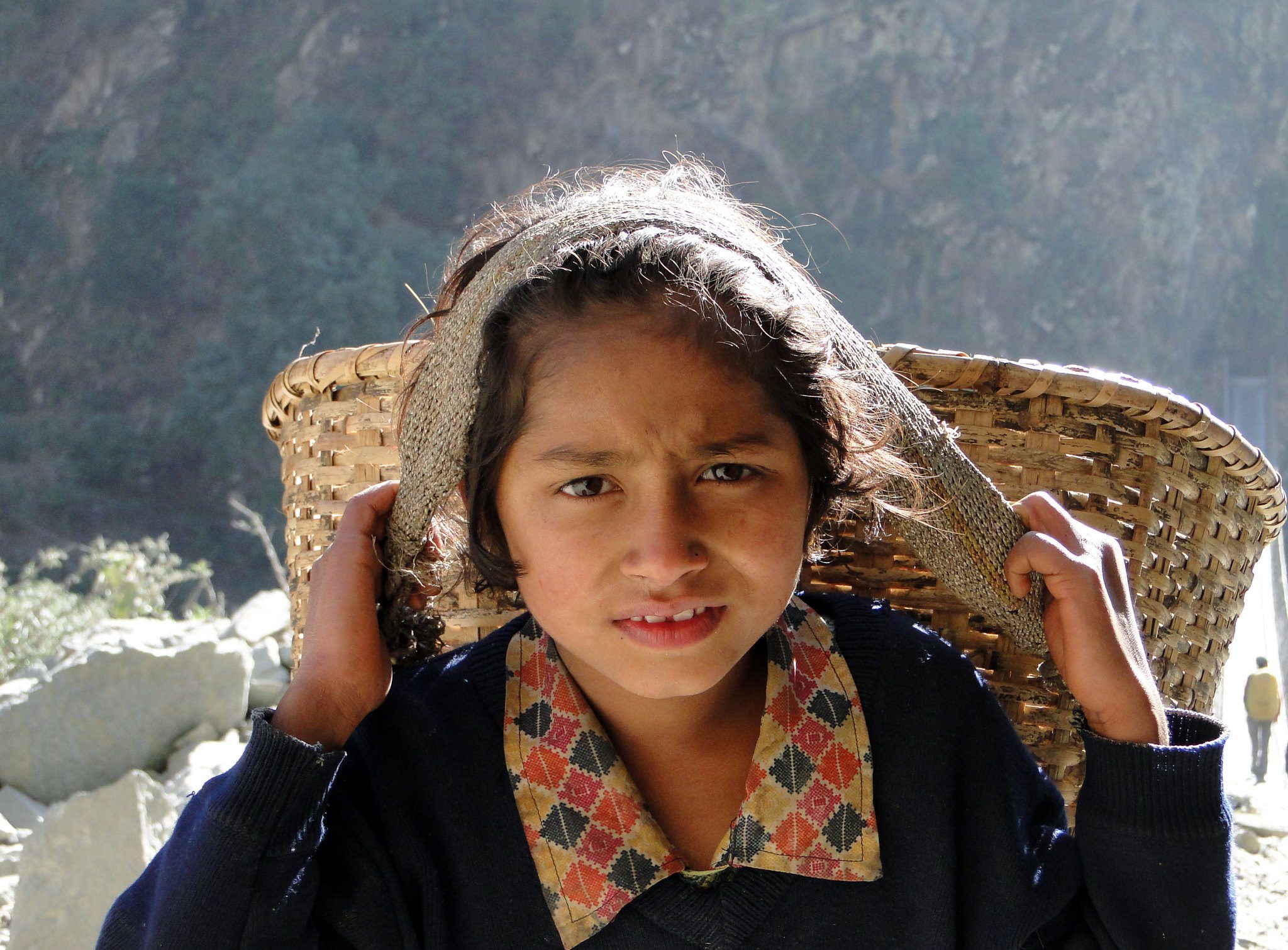
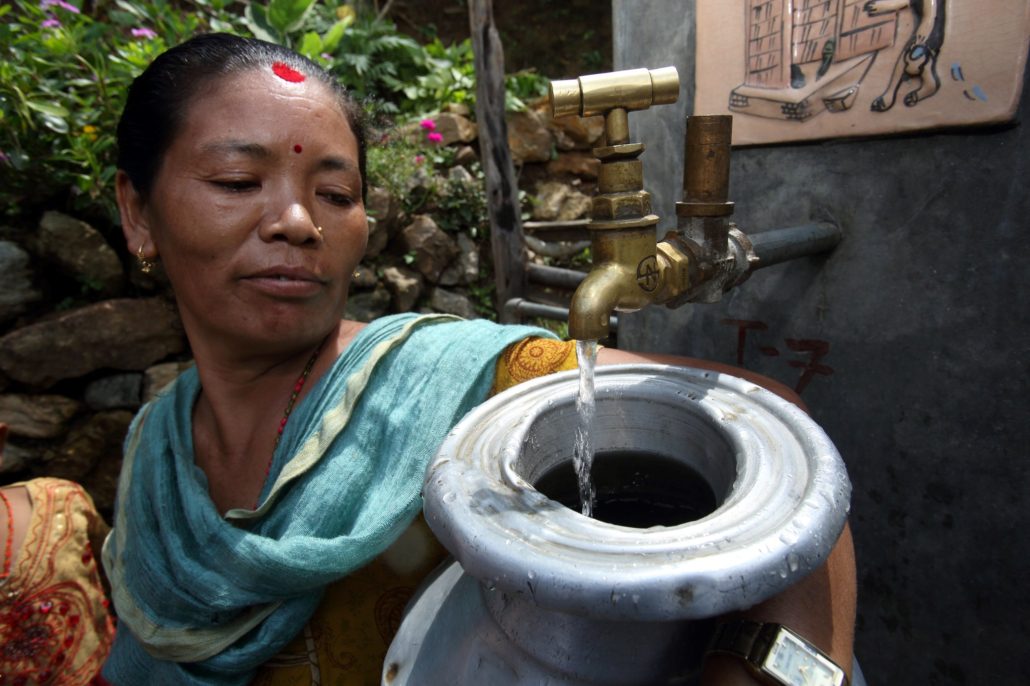
  2. Women and girls in poverty need stronger government protections to prevent crime. There is little legal accountability for those who commit violence and rape against women. Girls who have the responsibility of walking miles to get clean water are often at risk of human trafficking. In 2018, authorities refused to recognize the rape and murder of a 15-year-old Dalit girl. Gender discrimination is legal in Nepal and the 2015 Constitution grants men a higher legal status than women. Unfortunately, the government does not strongly enforce laws against chhaupadi (menstrual seclusion) and child marriage.
  3. Landlords control the land-poor or landless people in rural areas. Land ownership results in food access and control over one’s own resources. The feudalistic land system contributes to the fact that the top 5% of people own 37% of the land. Tenants constantly face the threat of face eviction and have no land to grow food on. Landless people do not get access to services such as running water and electricity in their homes whether on private or public property. Nearly 25% of the population owns no land and 85% of people living in rural areas are land poor. Women and Dalits make up a large portion of landless people that poverty in Nepal affects.
  4. The struggling middle class is at risk of falling back into poverty. Although people in the middle class have overcome adversity, chronic poverty still threatens a significant portion. For every two people that overcome poverty, one falls back into poverty. This means that even though Nepal has been successful at reducing poverty, 45% of people are in the vulnerable class that is struggling to stay above the poverty line. If Nepal can provide more social safety nets, it can prevent the vulnerable class known as the struggling middle class from falling back into poverty.

The Poverty Alleviation Fund

The Poverty Alleviation Fund is working in 55 districts to improve Nepali lives. Community building and social inclusion methods uplift groups customarily discriminated against, including the Untouchables, women, rural land-poor and the vulnerable middle class. Using approaches to provide relief and resources to communities, the Poverty Alleviation Fund is working directly with those experiencing poverty in Nepal.

– Hannah Nelson
Photo: Flickr

August 26, 2020
https://borgenproject.org/wp-content/uploads/borgen-project-logo.svg 0 0 Kim Thelwell https://borgenproject.org/wp-content/uploads/borgen-project-logo.svg Kim Thelwell2020-08-26 07:30:062022-05-06 14:34:20Poverty in Nepal: 4 Affected Groups
Developing Countries, Global Poverty, Health, Water Sanitation

4 Technologies Improving Water Sanitation

Improving Water Sanitation
According to the World Health Organization (WHO), 3.4 million people die annually from water-related diseases. These illnesses disproportionately affect children, making up 90% of the 2.2 million deaths that diarrhea causes every year. Trachoma, another condition that unclean water causes, is the leading cause of preventable acute blindness across the world. Simple filtration mechanisms can prevent all of these water-related diseases. Yet, the world’s poor lack access to the life-saving filtration devices available in other parts of the world, leaving them with high numbers of water-borne diseases. New technologies improving water sanitation are reaching the impoverished and saving new lives each day. Here are four innovative technologies helping to guarantee clean water for all.

4 Technologies Improving Water Sanitation in Developing Countries

  1. The Drinkable Book. The effect of The Drinkable Book is two-fold. First, it provides vital water sanitation information to readers in the developing world who would not otherwise receive such education. Second, the pages of the book themselves act as water filters. These filters are incredibly effective, removing 99.9% of all bacteria to make water safe to drink. The books have experienced distribution across Haiti, India and several countries in sub-Saharan Africa. One book can produce 5,000 liters of clean drinking water to users, or enough to last up to four years.
  2. Fog Catchers. The Morocco-based nonprofit Dar Si Hmad has developed a revolutionary new technology that improves water sanitation by harvesting water from fog. The device consists of large nets built on the sides of mountains that collect moisture from the air and store it for later use. Dar Si Hmad has intentionally involved women in the organization and maintenance of the project in order to provide a holistic community impact. The new technology can produce up to 6,300 liters of water per day and has garnered attention from international investors across the world.
  3. Livinguard Water Filter. The India-based company Livinguard developed an innovative way to fight water-related diseases in India and across the world. The Livinguard water filter has a design suitable for remote locations and depends only on gravity to function. The installation process takes under three hours and the filter lasts up to seven years, making it reliable easy to use. The Livinguard filter uses microscopic knives rather than potentially hazardous chemicals to provide safe drinking water for consumers.
  4. Ceramic Filters. Places across the world are using ceramic water filters as affordable ways to limit the spread of water-related diseases. With microscopic pores that filter out bacteria and other impurities, potable water can pass through. Many have touted these filters as the most cost-effective water sanitation devices and have thus been in wide use worldwide. Ceramic filters caused a 50% reduction in diarrheal disease in Cambodia since 2002, demonstrating the power of this technology in combating water sanitation issues.

These devices exhibit the innovation necessary to rid the world of prevalent yet avoidable water-related diseases. Entrepreneurs across the world are challenging the deaths that lack of clean drinking water causes head-on. With the continued development of new technologies aimed at improving water sanitation, there is hope that water-related diseases might become preventable for all.

– Garrett O’Brien
Photo: Flickr

August 24, 2020
https://borgenproject.org/wp-content/uploads/borgen-project-logo.svg 0 0 Kim Thelwell https://borgenproject.org/wp-content/uploads/borgen-project-logo.svg Kim Thelwell2020-08-24 11:30:432024-05-29 23:18:584 Technologies Improving Water Sanitation
Developing Countries, Global Poverty

Giving Businesses Incentives to Invest in Developing Countries

Incentives to Invest in Developing CountriesIn an era of large corporate business and capitalism, many low-income nations are struggling to increase economic growth. Although industries like fast fashion utilize cheap labor in developing countries, these companies neither invest in local economies nor help improve living standards for their employees. Businesses have the potential to play a major role in strengthening low-income economies and bringing citizens out of poverty. Thus, it is critical to create and publicize incentives to motivate businesses to invest in developing countries.
Incentives for Investing

  1. Fiscal Incentives. Fiscal incentives are one of the most common incentives used to attract businesses to developing countries. Fiscal incentives include tax exemptions, tax holidays and loans. Other examples include reduced restrictions on shareholders and stocks, as well as greater access to domestic and international partners. These rewards can be provided by local or city governments, and are designed to encourage businesses to expand into developing countries. The presence of fiscal incentives in these nations can draw in new investors, skilled workers and economic growth.
  2. Privileged Treatment. Some businesses, especially major corporations, may ask for “preferential treatment in the domestic market.”  Privileges could include increased access to resources, less regulation and priority for business decisions.
  3. Resources and Infrastructure. If a business opens in a developing country, it may possess the authority to demand lower infrastructure costs or resources. These businesses can also request lower interest rates on imports and exports in order to expand their international networks, as well as request resources to increase long-term investment domestically and internationally. Large corporations often have the power to request assistance in increasing local ties with other firms and organizations. Overall, due to developing countries’ strong desire for economic investment, companies choosing to establish this presence gain access to a plethora of resources.

Potential Risks

While incentives for businesses to invest in developing countries are certainly important, disadvantages to this practice are also worth noting. Incentives can distort the market and even create dominant monopolies. Monopolistic competition makes it difficult for small businesses to gain traction and thrive long-term, which can lead to unemployment for many local workers and business owners. Furthermore, with fiscal incentives come greater risks for inflation, corruption and fraud. Therefore, although incentives may be critical in creating economic growth and development, it is important to address their drawbacks.

Deciding Whether to Provide Incentives

In sum, encouraging large businesses to operate in low-income countries boosts profits and yields exposure to new markets. Perhaps more importantly, though, developing countries themselves benefit immensely. Corporate presence from just one company opens the door for other businesses to expand into these countries, attracting new jobs, income, resources and opportunities. This economic growth can help reduce extreme poverty by involving more citizens in the job market.

However, it remains essential for developing countries to acknowledge the potential drawbacks of corporate investment and make economic decisions accordingly. Regardless, providing incentives for business investment has the potential to give hope to low-income countries aiming to improve life for their citizens.

– Sophia McWilliams
Photo: Flickr

August 24, 2020
https://borgenproject.org/wp-content/uploads/borgen-project-logo.svg 0 0 Kim Thelwell https://borgenproject.org/wp-content/uploads/borgen-project-logo.svg Kim Thelwell2020-08-24 10:37:512020-08-24 10:37:51Giving Businesses Incentives to Invest in Developing Countries
Child Marriage, Children, Developing Countries, Global Poverty

Eradicating Child Marriage in Malawi

Child Marriage in MalawiChild marriage rates in Sub-Saharan Africa are the highest in the world, with an average of 35% of girls married before the age of 18. In the sub-Saharan nation of Malawi, the rate of child marriage in 2015 was the ninth highest worldwide. The widespread issue of child marriage in Malawi has impacted many young girls and their futures. One of the major contributors is widespread poverty. Over half of the Malawi population lives below the poverty line, causing girls to be married off in hopes of economic advancement. However, these marriages perpetuate the cycle of poverty in the nation as girls are unable to continue their education: 55% of girls in Malawi do not return to school after eighth grade. However, recent successes are working to end child marriage in Malawi.

Changes to Malawi’s Constitution

The Malawi government has been making strides against child marriages within the nation. In 2015, the Marriage, Divorce and Family Relations Act raised the minimum marriage age from 15 to 18. Nevertheless, a loophole limited this law from fully eradicating child marriage by allowing children between the ages of 15 and 18 to get married as long as their parents gave consent.

Luckily, in February of 2017, the country’s government addressed this loophole. A vote ensued in the nation’s Parliament to pass a constitutional amendment banning child marriage in Malawi for those under the age of 18. The amendment passed unanimously, making child marriage officially illegal in the nation.

The Road to Change

In recent years, organizations around the world have shown increasing interest in eliminating child marriage in Malawi. For example, Plan International, an organization dedicated to advancing equality for children with a focus on girls, joined the movement by supporting Malawian youth groups that spoke up against child marriage.

The United Nations has also spoken out against this issue. U.N. Women Malawi engaged through lobbying efforts, holding consultations with different Malawian agencies about banning child marriage. The organization is continuing to support the ban by aiding in the law’s implementation.

Government Efforts

Local leadership and government have also proven a fighting force against child marriage. Many chiefs within the nation have created specific rules regarding child marriages for their communities. For example, Chief Kapolona of Machinga, Malawi has seen success as the number of child marriages in his community decreased from 10-15 a year to just two cases in 2017.

On the national level, the Malawian government has made commitments to ensure a complete ban on child marriages. For instance, the government has pledged to a United Nations Sustainable goal to “achieve gender equality and empower all women and girls.” Through this goal, the nation plans to eradicate all child marriage in Malawi by 2030. Malawi’s government also created the National Plan of Action to Combat Gender-Based Violence in Malawi. This document includes many smaller goals, all of which are designed to end child marriages.

Although Malawi has a robust history of child marriage, the nation has made drastic progress in eradicating the issue. Hope now exists for young girls across the country to escape poverty, finish their education and gain financial independence.

– Erica Burns
Photo: Flickr

August 24, 2020
https://borgenproject.org/wp-content/uploads/borgen-project-logo.svg 0 0 Kim Thelwell https://borgenproject.org/wp-content/uploads/borgen-project-logo.svg Kim Thelwell2020-08-24 07:31:512024-05-29 23:22:23Eradicating Child Marriage in Malawi
Developing Countries, Sustainable Development Goals

Finding Sustainable Solutions to Poverty

Sustainable Solutions
The United Nations recognizes the success of The Millennium Development Goals in decreasing the world’s extreme poverty in half. With the intention of contributing to that success, the UN has developed a 2030 Agenda for Sustainable Development and 17 Sustainable Development Goals (SDGs) that aim to ensure the prosperity of poor countries and secure environmental protection in these regions through the implementation of sustainable solutions.The SDGs were scheduled to begin being implemented on January 1, 2016, and continue over the next 15 years.

The first item on the list is ending poverty. The UN points out that accomplishing such a challenging goal requires strategies that foster economic growth as well as address core issues such as health, social protection and employment.

What is Biomimicry?

Biomimicry is a way of looking at design through engineering that occurs in nature. The idea is to mimic the way organisms have been adapting and surviving on this earth. These natural adaptations provide a guide to life on earth in the long haul.

Biomimicry can be used in favor of disenfranchised populations living in harsh climates. Finding water in deserts, for example, can be quite a difficult task. Biomimicry might be used to disclose a solution to this problem through observation of a Namibian Beetle which lives in the desert of southern Africa and collects water from fogs. This particular beetle has special structures on its wings scales that condense water out of the air. This beetle’s wing design is ten times more efficient at collecting eater than the fog-catching nets humans have used in the past.

New technologies developed out of Biomimicry provide more opportunities for green economies to flourish. Green economies are those in which all economic activities, such as exporting goods and services, occur with little environmental impacts. This would provide more opportunities for developing countries and improve global trade which, in turn, allows developing countries to acquire more technology.

The Global Design Challenge

The Biomimicry Institue inspired innovators from all over the globe to use biomimicry and apply nature-inspired designs as sustainable solutions to urgent global issues. The groups who made it to the final round presented their projects at the Biomimicry Global Design Challenge in 2015.

  1. Hexagro (Milan, Italy): The Hexagro team designed a “groundless” growing system made of recycled and biodegradable materials. The hexagon-shaped structure mimics the geometric pattern found in nature produces 342 lettuce plants per two square meters whereas ground farming produces only 80 lettuce plants in the same conditions. The project includes an automatic irrigation system that prevents plants from being dried out or overfed. The system will soon be connected to a digital application.
  2. Holonic Integrated Produce Swarm (South Africa): HIPS is a peer to peer networking app. It mimics the way flocks of birds and other well-coordinated groups of animals function. The app facilitates small scale intensive food production to be coordinated. A swarm of food producers allows people to share resources and conduct local transactions. The app connects these local swarms to create regional ones in order to establish a produce hub. It also records surplus produce for sale and helps members do the distribution logistics. Finally, the app provides a medium fair exchange value and provides incentives to food producers to employ the best practices.
  3. Biopatch  (Valparaiso, Chile): This project won first place in the design challenge for their soil restoration solution. Its design mimics the Yareta plant. This plant is known as a “nurse” plant that thrives in cold and windy conditions and provides shelter and nutrients to other species. Biopatch mimics the plant’s protective mechanisms to shield seedlings from the wind and ultraviolet radiation while enhancing the soil’s ability to retain water and nutrients. This design is biodegradable and low cost. After a year’s operation, the plants that have grown under its protection become independent and capable of maintaining the restored soil on its own.

The three aforementioned designs offer agricultural development and greater access to food. Other designs included devices that provide freshwater resources and nutrient sources that come from insects. All of these designs not only increase the amount of food available to those in need but guaranteed the freshness and nutritious qualities of the food offered.

The Sustainable Development Goals are a “call for action.” In order to fulfill the UN’s goal of eradicating poverty by 2020, it is necessary to help poor countries develop resilience and adopt sustainable strategies as they move out of poverty. With such solutions, the environment is protected and is sure to provide for future generations. Sustainable solutions offer an entirely new outlook on designs that could eradicate poverty. As new editions of the Global Design Challenge, more environmentally-friendly solutions for global poverty are developed each year.

– Zoe Schlagel
Photo: Pixabay

August 24, 2020
https://borgenproject.org/wp-content/uploads/borgen-project-logo.svg 0 0 Kim Thelwell https://borgenproject.org/wp-content/uploads/borgen-project-logo.svg Kim Thelwell2020-08-24 01:30:362020-08-20 07:58:49Finding Sustainable Solutions to Poverty
Developing Countries, Global Poverty, Health, Technology

3 Ways Silicon Valley is Combating COVID-19

Silicon Valley Combating COVID-19
Silicon Valley is highly regarded as a center of entrepreneurship that has solved many of the world’s problems. Recently, these innovators have shifted their attention to COVID-19 through a variety of strategies like creating safer and more efficient ways to treat patients, shortening the supply chain of personal protective equipment and donating money to help mitigate the virus’ effects. The sector boasts produces $275 billion in profit every year, deeming it one of the wealthiest regions on Earth and underscoring its immense financial power. Silicon Valley is mobilizing its resources to create innovations and provide financial firepower to help eliminate the virus globally. Here are three ways Silicon Valley is combating COVID-19.

Robots

Robot production, an already increasingly popular industry worldwide, is playing a significant role in COVID-19 prevention. Robots are capable of performing a myriad of tasks that could help mitigate the virus. For example, machines programmed with ultraviolet disinfection techniques are being used to clean medical areas in a way that is faster and more effective than human workers. Knightscope, a Silicon Valley company that produces security robots, recently updated its fleet to spread COVID-19 information through speaker systems.

Robots have proven especially beneficial in many developing countries for disinfection and testing purposes, highlighting how technology  can help the impoverished. In Rwanda, for instance, robots record temperatures and deliver supplies to medical facilities across the capital city of Kigali. Similarly, Egypt is using remote-controlled robots to administer COVID-19 tests to minimize the risk of virus transmission during testing. With technological innovations like these from Silicon Valley, there is hope for reducing the spread of COVID-19 in countries across the world.

3D Printing

Silicon Valley is home to some of the world’s largest 3D printing companies like HP and Formlabs and is widely regarded as the leader of innovation in the field. Now, 3D printers are being used to quickly and affordably generate personal protective equipment such as masks and face shields for health care professionals. 3D printers are especially efficient in bringing needed equipment directly to medical facilities by bypassing government bureaucracy. This is an especially valuable asset for developing nations, as critical supplies are often not available due to government corruption or inadequacy. 3D printing technologies are currently being made more affordable so more developing countries can invest and benefit from their advantages. 3D printing is another way how Silicon Valley is addressing COVID-19 t internationally.

Donations

Many Silicon Valley billionaires have contributed some of the biggest donations for COVID-19 mitigation efforts. These philanthropic actions have shown how Silicon Valley is addressing COVID-19 beyond its technological endeavors. The CEO of tech giant Twitter, for example, has pledged over $1 billion in stock of his online payment company Square to global COVID-19 relief. This donation represents 28% of his wealth, inspiring other tech moguls to make similarly substantial donations. Renowned Microsoft founder and philanthropist Bill Gates has allocated at least $350 million to COVID-19 relief through Bill and Melinda Gates Foundation. However, these generous moves by Silicon Valley elite are not enough: less than 11% of all billionaires have provided financial assistance for COVID-19 relief. With its notorious wealth, Silicon Valley has the power to great;y help solve the world’s problems through philanthropy.

Silicon Valley is combating COVID-19 through its world-renowned innovation and financial capabilities. While robots and 3D printing are especially helpful in supporting the world’s poor in and the fight against COVID_19, these innovations cannot end with the pandemic. To truly eradicate global poverty, Silicon Valley must take a continued vested interest in the world’s poor.

– Garrett O’Brien
Photo: Flickr

August 20, 2020
https://borgenproject.org/wp-content/uploads/borgen-project-logo.svg 0 0 Kim Thelwell https://borgenproject.org/wp-content/uploads/borgen-project-logo.svg Kim Thelwell2020-08-20 12:16:452020-08-20 12:16:453 Ways Silicon Valley is Combating COVID-19
Developing Countries, Education, Global Poverty

Private Education in Developing Nations

Private Education in Developing Nations
Education can make or break someone’s ability to be successful. It is important to provide education universally, but education must be of quality. Private education has been able to provide this higher quality education to children in low-income areas internationally. Here is some information about private education in developing nations like India.

Private Education in India

In a study involving 918 schools in three “slum” zones in Hyderabad’s Old City, 24% of people receive public education while 11.4% attend private schools while receiving assistance with funding. Meanwhile, 23.1% attend private schools (unregistered) and 41.5% attend private institutions (registered). The majority of funding for private schools comes from charitable trusts, societies or community groups.

The student to teacher ratios for private schools was much less than public schools. In fact, registered private schools had a 27:1 student to teacher ratio while public schools had a 42:1 ratio. Teacher absenteeism was also higher for public schools than private schools. In recognized private schools, teachers were absent 2.5% of the time, whereas public schools had a 25.4% absent rate among teachers. Private schools also had better access to resources including clean drinking water with 99.5% of private school students having access to clean water while only 57.5% of public school students have clean water access.

In India, there is a pattern of private schools having better access to resources. These resources include desks, chairs, fans, technology, blackboards, playgrounds, toilets, libraries, lighting, televisions and computers. With better access to resources, one can see why private school students scored 22-23% higher in maths than public school students and even higher in English. The lack of resources could also explain why private school teachers tend to have more dedication to their work, even though they receive less pay. One can surmise that a teacher may find it difficult to dedicate themselves to their work without the correct tools to do their job.

India is no outlier. In fact, countries like Ghana, China and Nigeria have also seen significantly better results and quality of education for students attending private schools rather than public ones.

Why Do People Go Private?

Many can acknowledge that the key to economic prosperity is education. For many developing nations, this involves investing in public education. If the investments that governments make are not enough to provide good quality schooling, then the people attending public schools simply have to wait for the government to invest more. This is inefficient and has led to the creation of many private schools globally. These frequently exist in developing nations’ poorer neighborhoods.

A misconception is that private education in developing nations would cost more to low-income families than public schools. Though this may be true in some cases, public schools often operate so poorly that parents still have to pay for school supplies, transportation and tutors because of high rates of teacher absenteeism. Private school is a better investment. Additionally, many of these private schools have given scholarships to orphans or children of the heavily impoverished. In Hyderabad’s slums, 20% of children attend private schools on a need-based scholarship.

How Do Private Schools Succeed?

The reason that private schools can succeed is that they provide more resources to their teachers. Children taking part in private education perform better than those in public schools, despite costing a third of what public schools do. Even though private education can be extremely cheap, sometimes at $1 per week, they can budget and invest in resources. This might be because private schools pay their teachers less so they can reallocate funds to resources. This is not necessarily bad for the teachers as they are able to do more in their job with more resources, which means they enjoy it more.

An Example

Peace High school is a private school with 285 students and 13 teachers in Hyderabad run by Mohammed Wajid. Wajid began teaching in 10th grade while attending another private school in the area. The school has a courtyard, slides and pet rabbits. The school used to be an old home, and though the infrastructure needs much work, the school’s staff has a genuine desire to better the lives of children in the neighborhood through education. Many of the staff dedicate their weekends to science competitions and cyber-Olympics. Many of the challenges with the school were external including pollution, loud streets and temperature. The school charges $1.33 to $2.22 per month which many parents have been able to pay.

The Role of Donating

Some private schools do very well with philanthropic aid from charities and organizations globally. Education is a key tool in being able to invest in countries, create jobs and help people provide for themselves in the long term. It is important to acknowledge that many of the issues public schools face are because of their poor funding and inability to attract students who can spend more time studying. The world must not only invest in private education in developing nations but also support developing nations to invest in public education.

– Hope Arpa Chow
Photo: Flickr

August 20, 2020
https://borgenproject.org/wp-content/uploads/borgen-project-logo.svg 0 0 Kim Thelwell https://borgenproject.org/wp-content/uploads/borgen-project-logo.svg Kim Thelwell2020-08-20 10:26:042020-12-16 10:26:17Private Education in Developing Nations
Developing Countries, Global Poverty

7 Ways 5G Internet Could Reduce Poverty

5G Internet Could Reduce Poverty
With the “fourth industrial revolution” underway as technology rapidly advances and changes the global outlook, fifth-generation (5G) internet has proved to be a breakthrough that could potentially pull millions out of poverty. One can characterize 5G internet by its high speed, high capacity and low latency with a bandwidth almost 10 times more than fourth-generation (4G) internet. Peak download speeds for 5G internet are around 20 gigabits per second, allowing users to download full movies, videos, advanced Internet of Things (IoT) software or artificial intelligence (AI) in minutes. 5G internet could reduce poverty significantly if countries implement the correct infrastructure for it.

Many countries have already begun building 5G networks. According to a report by Cisco, at the end of 2019, 26 countries were commercially selling 5G programs, 14 of which were developing countries. Countries with high rates of poverty could especially benefit from 5G internet as it would provide a stable internet connection and allow them to access a wealth of online resources. Below are seven ways 5G internet could reduce poverty.

7 Ways 5G Internet Could Reduce Poverty

  1. 5G internet could further advance the Sustainable Development Goals set for completion by 2030, especially surrounding “inclusive and equitable” education for all. The communities that live in rural locations most commonly face difficulties accessing educational resources. According to the World Economic Forum, construction of a school would have to happen every hour for 11 years in order to ensure enough schools for all of the children living in sub-Saharan Africa. 5G internet could connect those in unreachable locations to online teaching resources and remote learning opportunities. The speed of 5G internet could allow students to tune in live to classrooms globally.
  2. Healthcare, which has lagged far behind in many developing countries, could see massive reforms as part of 5G internet access. New AI and IoT devices could revolutionize the industry. New surgeons in training can wear haptic gloves that track hand movement to send to professionals across the globe so they can correct and mentor them. Virtual reality and 3D imaging allow medical professionals to aid in surgeries in rural areas. AI could even enable remote surgeries or checkups.
  3. Compared to 4G networks, 5G can reduce energy consumption by 50% to 95%, said the European Investment Bank. Energy poverty is already a prevalent issue, which is a lack of access to energy as a result of its high cost. Reducing energy usage further would allow 5G to be more affordable and sustainable.
  4. The internet has already allowed massive globalization to take place which has expanded global output by millions of dollars. 5G will continue this revolution – by 2035, IHS economics and technology has determined that 5G internet will enable $12.3 trillion in global economic output. In addition, it should allow the creation of 22 million jobs, meaning a vast new market could open up for employment in all countries.
  5. With new AI and IoT devices monitoring factors, such as rainfall, water content, nutrients in the soil, ground temperature and more, 5G internet should encourage the rise of “smart” agriculture. This technological push to increase farmer efficiency has already begun but faster data speeds and larger bandwidth that allow the installation of more sensors and larger-scale technology should accelerate it. Intel estimates that the global smart agriculture market will rise to $23.44 billion by 2025 and that 55% of data on farms will come from IoT devices. Impoverished countries could especially benefit from these advancements as they will allow higher crop yields, saving money and feeding a larger portion of people.
  6. People could use unmanned aerial vehicles (such as drones) in combination with 5G internet to supply a larger area. Especially in rural areas where built-in infrastructure would not provide for all of the people who need it, traveling drones could circulate 5G networks to all that need it. A farmer who is trying to use a cellular device on a large plot of land could have a personal unmanned aerial vehicle that would travel with them as they inspect the whole field, ensuring that their 5G network never experiences an interruption.
  7. Emerging countries are especially willing to build 5G infrastructure as it is more affordable than previous internet structures and proves to have a large payoff. The implementation of 4G networks is often more expensive with less energy efficiency, sustainability and economic increase, causing developing countries to jump straight into adding 5G infrastructure. India, Turkey, Brazil, Saudi Arabia, Mexico, Russia, Qatar, Oman and Uruguay have been some of the first countries to modify their industrial transformation programs. In addition, due to the fact that many western developed countries have banned or restricted 5G data networks until recently, major 5G players such as China have increasingly marketed to developing nations.

Currently, 5G internet is accessible mostly in urban areas due to population density, but rural areas will not lag far behind if areas put the right infrastructure in place. South African cities and Cape Town were the first in Africa to see 5G due to the growth of Rain, a South African company. These seven facts about how 5G internet could reduce poverty show that it holds a bright future for many of the developing countries and will be a key player in the coming years.

– Nitya Marimuthu
Photo: Flickr

August 19, 2020
https://borgenproject.org/wp-content/uploads/borgen-project-logo.svg 0 0 Kim Thelwell https://borgenproject.org/wp-content/uploads/borgen-project-logo.svg Kim Thelwell2020-08-19 13:45:562020-08-19 13:45:567 Ways 5G Internet Could Reduce Poverty
Developing Countries, Global Poverty, Health, Technology

10 Health Care Apps in Developing Countries

Healthcare Apps
The relationship between phones and medical care evolved rapidly with the rise of smartphones. Not only do people now have an effective means of communication at their fingertips, but they also have information and, lately, an increasing number of medical tools as well. Here are ten health care apps making a significant impact in developing countries.

10 Health Care Apps in Developing Countries

  1. Peek: Peek has its sights set on helping people with vision impairment issues and blindness, a problem exacerbated in developing countries by a lack of resources. Peek can identify people with vision problems and work with health care providers to pinpoint an economically feasible way to supply the treatment they need. Currently, the International Centre for Eye Health uses Peek at the London School of Hygiene. Tropical Medicine is also administering a population-based survey of blindness and visual impairments in Cambodia.
  2. SASAdoctor: SASAdoctor is making health care consultations more accessible in Kenya, where only 12% of the population is insured. The app is available to all Kenyans with an Android smartphone or tablet (65% of the population). For the uninsured, using SASAdoctor is cheaper than an in-person consultation, bringing costs down to the equivalent of $4.66. Patients have their medical history, list of medications and other medical notes in the app. This ensures that the consulting professionals will have the information they need to create an informed medical opinion. A projected 80% of Kenyans will have smartphones in the next few years, making the app increasingly beneficial.
  3. iWander: The purpose of iWander is to help keep track of dementia patients. Set with tracking technology that can be discretely worn by the patient, the app gives users more control over the care of loved ones, which can be vital in countries where health care may be less accessible. By helping families be proactive to crises, iWander can help cut costs, as home care for dementia patients is often expensive.
  4. Kenek O2: Kenek O2 allows the user to monitor their oxygen levels and heart rate while they sleep. Built for iPhones, the app also requires a pulse oximeter which connects to the phone. Together, the cost for these two items is around $100. In contrast, a regular hospital oximeter and similar products could cost upward of $500. Having been used effectively in North America, South America, Asia and Africa, Kenek O2 is currently working on developing a special COVID-19 device to watch for early signs of hypoxia, or the deficiency of oxygen reaching tissues.
  5. First Derm: First Derm also requires a smartphone-connected device called a dermatoscope. This enables patients to take detailed pictures of skin conditions for effective teleconsultations. In places where patients have little access to health care facilities, this makes getting a second medical opinion much easier. So far, First Derm has helped in more than 15,000 users from Sweden, Chile, China, Australia and Ghana. Of these, 70% could be treated without a doctor, most often by over-the-counter treatments available at local pharmacies.
  6. Ada: Functioning as a personal health assistant, Ada provides medical advice to users who input their symptoms. The app is intended to assist those who don’t have the means to seek an in-person consultation right away. Currently, 10 million people around the world are using Ada for symptom evaluation.
  7. Babylon: Another app that’s intended to mitigate the obstacle of going to see a doctor in person, Babylon allows users to input their symptoms. The app specializes in non-emergent medicine, allowing patients to skip a trip to the doctor’s office entirely if their condition allows it. This is beneficial in places where doctors are sparse, or the patient lacks the financial means to get to the hospital. Babylon caters to users across the U.S., U.K., Canada, Rwanda and several countries across Asia-Pacific and the Middle East. The goal is to expand to even more countries in the coming years.
  8. MobiSante: When connected to its ultrasound device, MobiSante provides quality diagnostic imaging. The ultrasound is then sent directly to the patient, enabling them to receive health care outside the confines of a hospital or clinic. The app brings more holistic and informed treatments to people who may have previously struggled in finding a place with the proper resources to diagnose them.
  9. Go.Data: Go.Data is a tool released by the WHO specifically for collecting data during global health emergencies. During the Ebola outbreak in Africa, Go.Data, praised for tracing points of contact, also tracked infection trends and helped in arranging post-contact follow up.
  10. Mobile Midwife: A digital charting app that stores information in the cloud, Mobile Midwife ensures midwives have access to pertinent patient information. Mobile Midwife is designed to function even where an internet connection isn’t reliable. It is beneficial in areas with high mother and infant mortality, helping health providers give high-quality care.

Bridging health care with smartphone apps isn’t a perfect solution, as it often comes with accessibility issues of its own. However, these apps can help people connect virtually with medical professionals, increasing access to health care and often reducing costs. The result is a more equal distribution of power between the health care system and the patient, empowering a healthier (and more health-conscious) population.

– Catherine Lin
Photo: Flickr

August 14, 2020
https://borgenproject.org/wp-content/uploads/borgen-project-logo.svg 0 0 Kim Thelwell https://borgenproject.org/wp-content/uploads/borgen-project-logo.svg Kim Thelwell2020-08-14 08:00:142024-06-06 00:38:1610 Health Care Apps in Developing Countries
Children, Developing Countries, Global Poverty

Preventing Hearing Loss in Developing Countries

Hearing Loss in Developing CountriesAs of 2018, an estimated 466 million people around the globe suffer from hearing loss. Access to technology and medical care to aid those with hearing loss is rather limited in developing nations. Language barriers, stemming from a lack of sign language interpreters, prevent communication between patients and doctors. By identifying the signs of hearing loss earlier, individuals may have opportunities to receive medical help and progress in their communities. Addressing hearing loss in developing countries through public health measures and advocacy will aid the economy and overall well-being of developing countries.

Causes of Hearing Loss in Developing Countries

The two primary kinds of hearing loss in developing countries are congenital and acquired. Congenital causes can come from a family history of hearing loss, prenatal factors or complications during childbirth. Severe infection during pregnancy often passes onto the baby. Low birth weight, a lack of oxygen during birth, premature birth or preeclampsia are all contributors to hearing loss in newborns.

Acquired causes of hearing loss happen at birth, during childhood or from aging. Old age or exposure to loud noises during one’s lifetime can destroy sensory cells in the ear. Trauma from an accident or even severe, recurring ear infections can also lead to deafness in one or both ears. For example, chronic ear infections in South-East Asia, the Pacific Islands and Africa affect up to 46% of their populations. In a study in Brazil involving 70 subjects, the Zika virus caused hearing loss for 7% of the children between 0-10 months.

Effects on Children

Unlike further developed countries, mothers and families are unable to screen their newborns during and after pregnancy. Approximately 34 million children have disabling hearing loss, and the majority of these children suffer socially and emotionally. Without the ability to communicate effectively, these children end up isolated within their homes. They can not receive an education, so in their adult life, they remain illiterate. A lack of education means higher unemployment rates throughout the country.

Some forms of prevention against disease may also put newborns at risk of developing deafness. Around 660,000 out of 219 million people die each year from malaria. Chemoprophylaxis is one of several forms of medication to prevent contracting the illness. Malaria can lead to low birth rate and deafness, but so can antimalaria medication such as Chemoprophylaxis. Other medicines used for infections during pregnancy or tuberculosis can similarly result in deafness for newborn children.

Organizations and Advocacy

Children must be immunized against severe diseases to aid hearing loss in developing countries. Mothers must be encouraged to take medications needed during their pregnancies properly, and earlier screenings on newborns need to be readily available. World Wide Hearing provides affordable hearing aids to countries lacking hearing clinics. With less than 10% of hearing aid distribution worldwide, World Wide Hearing ensures the deaf’s social inclusivity.

Partners for a Greater Voice built a school for the deaf in the Dominican Republic and also provides hearing aids to those with lower incomes. The trained teachers prioritize oral education and thus communicate effectively with students. Grand Challenges Canada pairs with Hearing Access World to distribute hearing loss diagnostic kits, and provide affordable screenings coupled with hearing aids. Along with donations and massive investments, projects involving Audio Techs also refer some patients to doctors that will cater to severe needs.

By preventing disease and providing needed resources, these organizations can limit the detriment of hearing loss in developing countries. Starting with the youth will benefit the economy as more children go to school and have jobs readily available. Age-related hearing loss must be managed through implementing active communication catered towards the deaf. Young or old, the deaf community will attain a better quality of life and socioeconomic confidence with accessible programs.

– Sydney Stokes
Photo: Wikimedia Commons

August 12, 2020
https://borgenproject.org/wp-content/uploads/borgen-project-logo.svg 0 0 Jennifer Philipp https://borgenproject.org/wp-content/uploads/borgen-project-logo.svg Jennifer Philipp2020-08-12 01:30:092024-05-29 23:18:34Preventing Hearing Loss in Developing Countries
Page 81 of 157«‹7980818283›»

Get Smarter

  • Global Poverty 101
  • Global Poverty… The Good News
  • Global Poverty & U.S. Jobs
  • Global Poverty and National Security
  • Innovative Solutions to Poverty
  • Global Poverty & Aid FAQ’s
Search Search

Take Action

  • Call Congress
  • Email Congress
  • Donate
  • 30 Ways to Help
  • Volunteer Ops
  • Internships
  • Courses & Certificates
  • The Podcast
Borgen Project

“The Borgen Project is an incredible nonprofit organization that is addressing poverty and hunger and working towards ending them.”

-The Huffington Post

Inside The Borgen Project

  • Contact
  • About
  • Financials
  • President
  • Board of Directors
  • Board of Advisors

International Links

  • UK Email Parliament
  • UK Donate
  • Canada Email Parliament

Get Smarter

  • Global Poverty 101
  • Global Poverty… The Good News
  • Global Poverty & U.S. Jobs
  • Global Poverty and National Security
  • Innovative Solutions to Poverty
  • Global Poverty & Aid FAQ’s

Ways to Help

  • Call Congress
  • Email Congress
  • Donate
  • 30 Ways to Help
  • Volunteer Ops
  • Internships
  • Courses & Certificates
  • The Podcast
Scroll to top Scroll to top Scroll to top