• Link to X
  • Link to Facebook
  • Link to Instagram
  • Link to TikTok
  • Link to Youtube
  • About
    • About Us
      • President
      • Board of Directors
      • Board of Advisors
      • Financials
      • Our Methodology
      • Success Tracker
      • Contact
  • Act Now
    • 30 Ways to Help
      • Email Congress
      • Call Congress
      • Volunteer
      • Courses & Certificates
      • Be a Donor
    • Internships
      • In-Office Internships
      • Remote Internships
    • Legislation
      • Politics 101
  • The Blog
  • The Podcast
  • Magazine
  • Donate
  • Click to open the search input field Click to open the search input field Search
  • Menu Menu

Archive for category: Developing Countries

Information and stories about developing countries.

Developing Countries, Global Poverty

Type 2 Diabetes in Developing Countries

Diabetes in Developing Countries
Type 2 diabetes results from the body’s ineffective use of insulin, a hormone that the pancreas makes and allows the body to either convert glucose into energy or store it. Insulin prevents one’s blood sugar from getting too high since it effectively removes glucose from the bloodstream. Diabetes is a major cause of blindness, kidney failure, heart attacks and stroke among other conditions. While there are many risk factors for diabetes, physical inactivity and excess body weight are two of the most significant contributors to type 2 diabetes across the globe. However, there is an increasing prevalence of type 2 diabetes in developing countries where investments in health care are often inadequate.

Diabetes in Developing Countries

Globally, the number of people with diabetes increased from 108 million in 1980 to 433 million people in 2019. Estimates determine that the global prevalence of diabetes is 9.3 percent, and about one in two people with diabetes are undiagnosed. The International Diabetes Federation projects that global prevalence will increase by 25 percent in 2030 and by 51 percent in 2045 if prevention methods and treatment programs remain unchanged.

Type 2 diabetes relates to obesity and overeating. Therefore, people in the past have associated it primarily with high-income countries, but this viewpoint is changing. The prevalence of diabetes in developing countries has been rising rapidly. In 2019, 79 percent of adults with diabetes were living in middle-low income countries.

Risk Factors of Diabetes in Developing Countries

A majority of type 2 diabetes cases are in advanced nations. However, the disease is becoming a serious problem in developing countries. Diabetes prevalence in low-middle-high SDI countries is 1.48, 3.74, and 3.42 percent, respectively. SDI refers to the Sustainable Development Index as an updated version of the human development index and measures the ecological efficiency of human development. Middle SDI countries also have the highest annual rate of increase in prevalence. The prevalence of diabetes in developing countries is growing with westernization and with the urbanization of rural areas. In Pakistan, for example, a recent study found that urban areas have a prevalence rate of 28.3 percent which was just higher than the rate of 25.3 percent in rural areas.

Obesity, a main contributor to the diabetes epidemic, is increasing rapidly in developing countries. This shift also connects with the nutrition transition. The nutrition transition results from changes in agricultural systems. Specifically, there is a decrease in fruit and vegetable consumption. There is also a rise in processed foods such as refined carbohydrates, added sweeteners, edible oils and animal products.

In many Asian populations, the risk of diabetes starts at a lower BMI than for Europeans. Additionally, increased intake of meat, oils, highly saturated ghee (a type of butter used in Asian cooking) and added sugar have also marked diet shifts in Asia. Before urbanization, physical activity counteracted the effects of high fat and sugar diets. Unfortunately, physical activity has also decreased as a result of the shift from agricultural labor to working in manufacturing services.

Preventive Methods

The current trends show that type 2 diabetes in developing countries will likely significantly increase, but these outcomes are preventable through lifestyle and dietary changes. Since treatments such as drugs and insulin are costly and developing countries have limited resources, people must prioritize prevention. It is crucial to raise awareness about the effects of lifestyle shifts on obesity and type 2 diabetes globally. Low-cost innovations include training non-medical health professionals and using mobile devices to spread awareness about type 2 diabetes prevention. In addition to technology, countries should develop solutions using networks of community health workers.

Accredited social health activist (ASHA) workers are an example of this type of intervention in Asia, where 70 percent of the population lives in rural areas with very limited access to health care facilities and skilled health workers. ASHA workers are health educators in their own communities and have the ability to care for patients at home while also providing guidance regarding diet and physical activity. Telemedicine and the use of technology support this system and keep the ASHA workers in touch with medical professionals. This intervention also offers employment to people with some medical knowledge. ASHAs are able to make money by charging low fees for their services and provide for their families.

Making cities more walkable or cyclable through urban planning can increase physical activity while taking some of the prevention weight off of health systems, especially in countries with limited health resources. Making healthy food more affordable through redesigning subsidies needs to be a priority. This is because industrialization makes processed food cheaper and more accessible. These actions require political will and an understanding of the negative implications of the growing diabetes prevalence. Such actions could make a significant difference in decreasing the epidemic globally.

– Maia Cullen
Photo: Pixabay

April 21, 2020
https://borgenproject.org/wp-content/uploads/borgen-project-logo.svg 0 0 Lynsey Alexander https://borgenproject.org/wp-content/uploads/borgen-project-logo.svg Lynsey Alexander2020-04-21 07:30:232024-06-07 05:08:03Type 2 Diabetes in Developing Countries
Developing Countries, Global Poverty

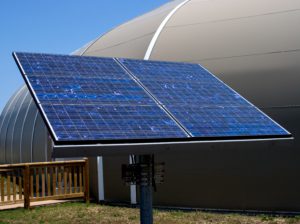
5 Developing Nations Harnessing Solar Power

5 Developing Nations Harnessing Solar Power
Approximately 840 million people lack access to electricity, most of whom live in developing nations in South Asia, Latin America and rural Africa. In India, around 300 million people live without electricity. In addition, the number is twice as high in sub-Saharan Africa. Yet, the majority of developing nations have enormous solar power potential. Almost all of Africa receives 325 days of strong sunlight a year. Countries in Central Asia have an average of 250 days of sunlight a year. Additionally, many nations are capitalizing on that resource to increase access to electricity and alleviate energy poverty. In 2017, the developing world surpassed first world countries in renewable energy production, largely due to investments in solar. Here are examples of five developing nations harnessing solar power.

5 Developing Nations Harnessing Solar Power

  1. China: China has more solar energy capacity than any other nation in the world, with 130 gigawatts of solar photovoltaic (PV). If all the solar grids were to operate at once, it would generate enough electricity to power the entire United Kingdom several times over. In addition, China is home to many solar farms, including the world’s largest solar plant located in the Tengger Desert. The advent of solar power has directly benefited more than 800,000 poverty-stricken families. Since 2014, when the Chinese government launched a Solar PV for Poverty Alleviation Program, more than 7.9 gigawatts of power has gone to impoverished rural areas. These solar-powered facilities provide employment opportunities and boost household income, in addition to supplying affordable and reliable electricity.
  2. India: Although India’s power system is one of the largest in the world, per capita electricity consumption is less than one-third of the global average. This is largely due to the need for reliable, affordable and sustainable power. To alleviate energy poverty, the Indian government announced an ambitious target of 175 gigawatts of power. Additionally, around 100 gigawatts would come from solar by 2022. Starting with less than 1 gigawatt of solar in 2010, India has around 34 gigawatts of solar power today. In addition to alleviating energy poverty, estimates determined that this project could create over 670,00 new, clean-energy jobs.
  3. Bangladesh: Bangladesh is pursuing solar home systems and microgrid programs to alleviate energy poverty in rural areas. The country has installed more than 5.2 million solar-home systems. This provides electricity to almost 12 percent of Bangladesh’s 160 million people. In cooperation with the World Bank and other private organizations, the government supplies more than 1,000 solar irrigation pumps and microgrids. Off-grid solar power is rapidly transforming the lives of Bangladesh’s rural population, where more than a quarter still lack access to electricity. The introduction of solar power has brought reliable, sustainable energy to households, allowing families to work, study and go out after dark.
  4. Kenya: More than a quarter of Kenyans still lack access to electricity. In response to this challenge, the Kenyan government launched the Kenya National Electrification Strategy. This strategy outlines a plan to achieve universal access to electricity by 2022. Additionally, this roadmap emphasizes the importance of solar power as a means for electrifying rural areas. The government’s commitment to increasing access to clean electricity and partnership with private institutions is working to alleviate energy poverty. For instance, a local company called Solibrium provides affordable solar panels and lamps to more than 50,000 households. Another example is M-KOPA Solar, a private Kenyan corporation, that has installed 225,000 solar energy products in the country.
  5. Rwanda: Rwanda is home to Africa’s fastest built solar power project, which builders constructed within six months in 2014. The power plant has some 28,360 solar panels that produce 8.5 megawatts of energy. The grid increases Rwanda’s generation capacity by 6 percent and powers more than 15,000 homes. Other solar plants across the country provide sustainable and affordable electricity. Rwanda is conducting feasibility studies on the development of further solar power plants in Rwanda.

Energy poverty or the lack of, including electricity and clean cooking facilities, remains a barrier to global prosperity and individual well-being. That is why ensuring basic energy for 100 percent of the world’s population by 2030 is one of the United Nation’s Sustainable Development Goals. These five developing nations harnessing solar power are leading the way in turning the lights on.

– Kayleigh Rubin
Photo: Flickr

April 20, 2020
https://borgenproject.org/wp-content/uploads/borgen-project-logo.svg 0 0 Lynsey Alexander https://borgenproject.org/wp-content/uploads/borgen-project-logo.svg Lynsey Alexander2020-04-20 07:30:532024-05-29 23:15:415 Developing Nations Harnessing Solar Power
Developing Countries, Development, Global Poverty

A Look At Agricultural Development in Mali

Agricultural Development in Mali
Mali is a subsistence farming-based economy in West Africa. Approximately 80 percent of the population works in the agriculture industry, yet low productivity, natural disasters and poor crop yields prevent many Malians from rising out of poverty. The 40 percent poverty rate includes farmers that rely on outdated farming techniques for their livelihoods while also depending on favorable crop prices that fluctuate based on Mali’s fragile economy. Since agriculture is the main industry, USAID and the World Bank are working towards agricultural development in Mali.

Importance of Crops

The main crops in Mali are cotton, corn, cereal, peanuts and tobacco. It exports cotton to neighboring countries like Senegal on the Ivory Coast, and various types of cereal remain important due to their ability to withstand droughts. Since the Sahara Desert covers the northern portion of Mali, it is difficult to find suitable land for farming and livestock. Most farmers rely on the Niger River and its surrounding area for fertile land, as about 65 percent of the country is desert or semi-desert.

Mali cultivates less than 5 percent of its land, yet almost half of its GDP is from agriculture. Most of the cultivated land involves various types of cereals, such as sorghum and millet. One issue that affects the agriculture sector in Mali is desertification, which overgrazing livestock, droughts and deforestation can cause. Farmers rely on rainfall, yet rainfall in Mali is rare and droughts are common. Since the agriculture sector in Mali remains the most important industry for the majority of Malians with more than 40 percent of its GDP comprising of the agriculture sector, further agricultural development in Mali could benefit its people and economy by increasing income and reducing poverty.

USAID Projects

As part of its strategy to end world hunger, the U.S. Government’s Feed the Future initiative in Mali focuses on cereal for food security and poverty reduction, as well as rice production to improve income and livestock for food security and another source of income. To date, the Feed the Future initiative has benefitted approximately 500,000 Malians. In 2019, USAID used two methods as part of its Fertilizer Deep-Placement Micro-Dosing. This project aims to improve crop production through fertilizer deep placement and micro-dosing technology. More than 453 jobs emerged in rural areas due to the success of the two productivity methods.

Another project in the Mopti region helped increase farming productivity by 60 percent. The goal of the Large Scale Diffusion of Technologies for Sorghum and Millet Systems project was to increase sorghum and millet income. Seed treatment, hybrids of sorghum and millet and soil fertility improvement were among the reasons for the high productivity. Sorghum and millet were the focus crops due to their climate resilience and drought tolerance.

Nah Drame benefitted from the project in the Mopti region after receiving training on fertilizer, irrigation, sowing, land preparation and harvesting. She replicated what she learned on her own five-acre farm. Production and income increased so much that she expanded her farm to 12 acres and hired three employees to help with her expansion. Drame used some of the money she earned to buy clothes and school kits for her grandchildren. She also used the money to help her daughter start a business of her own, and it was all thanks to USAID’s involvement in the agriculture sector in Mali.

The World Bank’s Involvement

The World Bank’s $150 million Fostering Agricultural Productivity Project for Mali began in 2010 with the goal of improving productivity and crop yields. The project proved successful as crop yields increased from 27 million pounds in 2016 to 34 million pounds in 2018. The project also benefitted 668 farms and 4,300 producers in Sabalibougou, and it developed more than 6,600 acres of land for agriculture in M’Bewani and Sabalibougou.

USAID, the World Bank and various other organizations are continually working towards agricultural development in Mali. Economic development is slow, yet improving income for millions of farmers in Mali could help reduce poverty and develop the economy. If more Malians like Nah Drame obtained training on improved farming techniques, an even greater impact could take place, as increased income would help millions afford better education, health care, necessities and many other things that those in developed countries often take for granted.

– Lucas Schmidt
Photo: Wikipedia

April 20, 2020
https://borgenproject.org/wp-content/uploads/borgen-project-logo.svg 0 0 Lynsey Alexander https://borgenproject.org/wp-content/uploads/borgen-project-logo.svg Lynsey Alexander2020-04-20 01:30:042024-05-29 23:15:37A Look At Agricultural Development in Mali
Developing Countries, Development, Education, Global Poverty

How eLearning Can Help Developing Countries

eLearning Can Help Developing Countries
Education is a human right and a basic need that children and adults alike do not always receive in developing countries. In 1820, only 12 percent of the people in the world could read. By 2016, the percentages reversed and only 14 percent of the world population was illiterate. However, in countries like Niger, South Sudan and Burkina Faso, the rate of literacy is below 30 percent. With eLearning or electronic learning, these countries might be able to hope for a better future and potentially change their country’s path into a better economy and education system. Here is some information about how eLearning can help developing countries.

eLearning and its Benefits

eLearning is a form of learning through electronic devices like computers, tablets or any other electronic device that one can connect to the internet. Essentially, it is education online. 

eLearning can help developing countries because it is not only incredibly adaptable but also cost-effective as it removes the need for buying printed course materials. It also helps improve performance and productivity as it gives the user flexibility to learn at their own pace as they can repeat lectures as many times as they desire. It also facilitates students by cutting the transport factor when countries struggle with public transport and other logistics.

The Department of Higher Education and Training in South Africa said that it has committed itself to “an expansion of online resources” for more colleges and universities to adapt to and reach rural communities so students study and learn at a time and place convenient for them. There are 14.8 million people without access to transport in rural areas.

eLearning is also environmentally friendly. In fact, it consumes 90 percent less power and has generated 85 percent less CO2 emissions compared to onsite education.

Costs of eLearning

However, while eLearning has many benefits for developing countries, it also comes at a cost. The biggest setback is that some developing countries cannot adapt to eLearning due to the lack of access to high-speed internet, trained IT personnel or access to electrical power.

Another setback is that governments need to approve and adapt their education system to deploy eLearning, which relies heavily on investing. According to Market Research, some states in Africa have been investing heavily in eLearning, growing at a rate of 15 percent per year.

South Africa has the largest open distance eLearning institution, The University of South Africa, with a student headcount of over 300,000. In 2011, 91 percent of its students were from South Africa.

UNESCO and other GNO’s initiatives have been aiding countries to obtain access to the internet to be able to utilize eLearning. Senegal and Zambia should grow up to 30 percent in the developing and deployment of eLearning. 

India and Latin America are Catching Up

With a population of over 1.2 billion in India, the customer size should grow from 370 million to 500 in 2020.  Another factor of this growth is that eLearning has also reached rural areas, promoting India’s economical and educational growth, booming the market.

One can greatly attribute much of this to India’s government work on promoting online sources and eLearning. The Ministry of Electronics and Information Technology said that eLearning is one of the “key tools for imparting education.”

According to Business Wire, Latin America is expecting to create revenues of $3 billion by 2023, a growth of more than 4 percent in the use of eLearning.

Countries like Brazil, Mexico, Chile and Argentina have adopted eLearning and overall, revenues should reach $2.2 billion and are growing at an annual rate of 14.6 percent. The increase in these percentages of eLearning use has also been possible with the help of the increasing rise in the use of smartphones and the exchange of audio and text-based applications.

From this revenue, Brazil has been investing in eLearning to adapt it into the educational curriculum, and now 51 percent of institutions utilize eLearning. Overall, technology and innovation are at the forefront of investments in Brazilian schools.

 With the help of governments and NGOs, eLearning can help developing countries by helping education reach children and adults alike. Subsequently, this could aid the growth of country’s economies and education systems with eLearning as a key tool as more and more countries adapt to online resources, adding themselves to the eLearning market.

– Merlina San Nicolás Leyva
Photo: Flickr

April 19, 2020
https://borgenproject.org/wp-content/uploads/borgen-project-logo.svg 0 0 Kim Thelwell https://borgenproject.org/wp-content/uploads/borgen-project-logo.svg Kim Thelwell2020-04-19 07:30:562020-04-19 08:48:14How eLearning Can Help Developing Countries
Developing Countries, Economy, Global Poverty

Democracy in Ghana: An Evolution of Freedom and Stability

Democracy in GhanaGhana, formerly known as the Gold Coast, was Sub-Saharan Africa’s first nation to declare the end of British colonial rule. Kwame Nkrumah led the country into independence in 1957. The newly formed country became a catalyst for independence movements across the continent. Ghana was seen as a stronghold for a well-functioning democracy that few other nations have established since garnering their independence. Since holding its first elections in 1992 under Jerry Rawlings, democracy in Ghana has had a strong influence on the standard of living in the country and on its political and economic institutions.
Country Profile: Then and Now

When Jerry Rawlings won the 1992 election with the National Democratic Congress, it the beginning of a road to change in Ghana. A referendum pushing for a new constitution passed in April of 1992 that allowed for the reintroduction of a multiparty system. The first democratic elections were representative of the future development the country would undergo in the coming years. Previously, the nation underwent a series of military-led coups that ultimately undermined efforts to create a unified nation after independence. Ghana struggled, as most countries have, after the throws of colonial rule and the quick, jarring shift from little independence to that in full.

Under Jerry Rawlings and his Provisional National Defense Council (PNDC), Ghana created “a structural adjustments economic reform” in 1983 that carried them into a new democratic regime and greatly affected the economic development of the country. Empirical data concerning factors such as GDP, life expectancy and primary school enrollment rates can give valuable opportunities for analysis of the upward trajectory that Ghana experienced after 1992.

In 2018, Ghana’s GDP was $65.56 billion while, in 1992, it was almost 10 times lower at $6.4 billion. Life expectancy has risen from 57.4 years to more than 63. The infant mortality rate, a common indicator of development and the degree of public service provisions in developing countries, has dropped drastically from 75.6 percent to 35 percent. Furthermore, primary school enrollment has undergone a 24 percent increase.

Influence of Democracy

When Jerry Rawlings ended his two terms as president in 2000, the handover of government to John Kufuor was peaceful and without incident. In the 2008 election between former Foreign Minister Nana Addo Dankwa Akufo-Addo and former Vice-President John Atta-Mills, the Electoral Commission did as they had done for previous elections and invited foreign observers to oversee the production of the election. Again, the transition was smooth and transparent.

Advancements in democracy in Ghana are due, in part, to the fact that it puts politicians in a position to appeal to the needs of their constituents. The 1992 election is a prime example of this. The PNDC became popular with rural Ghanaians because of its role in the allocation of government funds to development projects in rural areas that were headed by local District Assemblies. The rural sector represents a large majority of Ghanaians, a majority that previous administrations had long since neglected.

The representation of all Ghanaians strikes at the core of the importance of providing democratic practices to transfer power to those who have traditionally and historically had none. Political incentives for leaders to invest in the needs of their people allow for the decentralization of economic power so citizens can keep their governmental institutions accountable.

Enhancing the Lives of Ghana’s Citizens

Democracy in Ghana has provided more than a baseline of free and fair elections. The day to day aspects of people’s lives change when they are accurately represented in their leadership. According to a transformation index set by a project by Bertelsmann Stiftung, which aims to understand the transition from authoritarianism to democracy in various countries, Ghana stands at 32 in a list of 129.

Indicators are measured on a scale from 1-10 and demonstrate the degree to which the country has made advancements in their transformation to inclusive institutions. Political participation and the stability of their democratic institutions are 8.5. International cooperation comes in at 8.3 while political and social integration is 7.8. These measurements provide evidence that democracy in Ghana has extended beyond promises on paper to protect civil liberties and the wellbeing of its citizens.

Perhaps the most important change that has come out of Ghana’s transition to democracy is the shift in reality for the millions of citizens who depend on their governmental institutions to provide inclusion and transparency. The implications of democracy run through their daily lives, specifically through increased attention by their leaders to the protection of human rights, civil liberties and the provision of public services. Democracy in Ghana has granted opportunities for representation and participation. Ghana’s economic, societal and political future beam with promise as the nation continues to make its way as an example of democratic rule in a developing country.

– Jessica Ball
Photo: Flickr

April 18, 2020
https://borgenproject.org/wp-content/uploads/borgen-project-logo.svg 0 0 Lynsey Alexander https://borgenproject.org/wp-content/uploads/borgen-project-logo.svg Lynsey Alexander2020-04-18 01:30:362024-06-04 01:08:40Democracy in Ghana: An Evolution of Freedom and Stability
Developing Countries, Development, Global Poverty

E-Commerce in Africa: Emerging Markets

E-commerce in AfricaAfrica’s recent growth in online technology has allowed the continent to join in on a new, digital economy. There are an estimated 264 start-ups in Africa as of January 2020. Currently, these e-commerce startups in Africa are active in at least 23 countries and are projected to expand into the rest of Africa.

The Importance of E-Commerce

The growth of e-commerce in Africa opens the door to new jobs. By 2025, Africa could see as many as three million jobs emerge from digital markets. These jobs would focus directly on online marketplaces, online services and other byproducts of economic activity.

Moreover, this new market will allow rural communities access goods that were previously inaccessible, helping establish the continent’s growing consumer class. According to the UNCTAD, Africa’s number of online shoppers has increased by 18 percent every year since 2014, six percent higher than the world average.

While e-commerce in Africa generates greater consumer gains, the young entrepreneur also benefits from this emerging market. Particularly, it opens the door to new revenue-generating jobs.

Challenges Facing E-Commerce in Africa

Although the future of e-commerce in Africa is bright, there are challenges blocking this booming market. Most of these are logistical. For instance, many countries in Africa lack proper national address systems. This complicates the delivery of purchased goods. Additionally, road conditions are less than ideal for deliveries. Deliveries are often delayed or canceled due to traffic jams, resulting in a loss of revenue.

Another significant challenge comes in the form of weak internet connections and an overall lack of trust in internet payment. Africa’s internet penetration rate falls at a median of 41 percent, meaning that less than half of the continent has internet access. For those who do, the absence of consumer protection makes it difficult for consumers to pay in any way besides ‘cash on delivery.’ Additionally, only 10 to 15 percent of those living in Africa have a bank account. As a result, 90 percent of online purchases are paid in cash. This, coupled with a lack of trust due to a history of scammers, complicates the success of e-commerce in Africa.

Solutions to E-Commerce Issues in Africa

Some large e-commerce players are taking steps to improve the road networks and overall infrastructure in Africa. Companies, like Jumia and Zipline, are implementing techniques in drone delivery to combat these logistical challenges. Further, Safe.Shop South Africa, a new trustmark, has worked to increase trust between consumers and online stores. Safe.Shop allows e-merchants to be verified by lawyers against South African laws and the standards of the trustmark. Once verified, the e-merchants carry the trustmark as a guarantee that their business is legitimate.

The Future of Africa’s E-Commerce

Although Africa still faces logistical challenges, the future looks bright for the continent’s role in e-commerce. The World Economic Forum supports the UN’s statistics regarding the increase of jobs by 2025. As of September 2019, the WEF created an agenda for the future of e-commerce in Africa.

This agenda highlights that seven growing internet populations are found in Africa, giving e-commerce the support it needs to grow throughout the continent. With this in mind, the WEF calls for entrepreneurs, negotiators and regulators to work together to build e-commerce in Africa. By joining forces, these actors are aiming to create jobs across the continent and to increase Africa’s presence in the global economy.

Overall, e-commerce is positively impacting Africa’s economy and infrastructure. The work being done to help standardize addresses, increase internet access and create better road networks is helping increase the continent’s standard of living. In turn, these changes are creating new opportunities for those living in Africa.

– Ariana Davarpanah

Photo: Pixabay

April 15, 2020
https://borgenproject.org/wp-content/uploads/borgen-project-logo.svg 0 0 Kim Thelwell https://borgenproject.org/wp-content/uploads/borgen-project-logo.svg Kim Thelwell2020-04-15 04:00:042020-04-14 10:50:16E-Commerce in Africa: Emerging Markets
Activism, Developing Countries, Global Poverty

Durian Fruit Will Transform Electricity

Durian Fruit Will Transform ElectricityAround the world, millions rise with sunlight and go to bed with the moonlight, not because of preference, but because of lack of choice. In 2016, 13 percent of people around the world did not have electricity. Lack of electricity hampers the development of impoverished nations around the world. Developed nations’ sustainability relies on electricity. According to the World Bank, lack of electricity hampers developments in healthcare, education, gender equality and occupations. However, many third world nations may not see electricity in their neighborhoods for many years to come. With approximately 940 million people living without electricity, a significant gap has developed between the haves and the have-nots. Upon observation of the gap, it was important for scientists to figure out how durian fruit will transform electricity everywhere.

What Is Durian?

Durian is a valued fruit native to tropical regions around the world, but most commonly found in Southern Asia in Malaysia, Indonesia and Thailand. Durian is most widely known as the smelliest fruit in the world, but it is also very nutritious. In fact, in many countries, different places have restrictions on where this fruit can and cannot go. Many South Asian cultures value durian fruit, but have no need of the skin; it is simply thrown away. Excitingly, experts figured out how durian fruit will transform electricity everywhere. Scientists discovered that durian fruit’s surface is transformable into something called aerogels—a part commonly used inside batteries.

According to Sydney University, the method is entirely non-toxic. The aerogels can replace parts of a standard phone battery. They perform much more efficiently than modern-day batteries do. While this non-toxic method will allow smartphones to charge at astonishing rates more consistently, it also opens up possibilities to provide impoverished communities with low-cost electricity initiatives.

This method differs from any others because of its convenience. Communities that value durian are already throwing out the skin. This means there is a cost-effective way to provide materials and a non-toxic manner of production, resulting in low-cost access to energy.

Benefits Of Electricity

With electricity, communities develop communication services. According to the Food and Agriculture Organization (FAO), this allows people to build their quality of living rapidly. If there is a lack of supplies or an important governmental initiative, communication services allow for this information and materials to be accessed much quicker than traditional methods. Along with communication services, electricity allows people to preserve goods for longer.

With the ability to produce low-cost energy, impoverished communities are more capable of accessing electricity into their daily lives. The implementation of electricity into underprivileged communities allows them to develop their quality of life.The durian may be the key to cheaper and more readily available electricity. This could provide people in developing countries with lower-cost electricity for everyday items. With objects such as refrigerators and freezers, underprivileged people can stock up on food, thus helping to diminish high rates of starvation. Furthermore, cleaner forms of electricity can provide light, heat and easier cooking.

– Cleveland Lewis

Photo: Unsplash

April 15, 2020
https://borgenproject.org/wp-content/uploads/borgen-project-logo.svg 0 0 Kim Thelwell https://borgenproject.org/wp-content/uploads/borgen-project-logo.svg Kim Thelwell2020-04-15 01:30:102020-04-09 18:18:58Durian Fruit Will Transform Electricity
Developing Countries, Food & Hunger, Food Aid, Global Poverty

9 Organizations Fighting South Sudan’s Hunger Crisis

South Sudan’s Hunger Crisis
South Sudan gained independence in 2011, and in 2013 a civil war broke out. The civil war has displaced approximately more than 4 million people and caused extreme poverty. With the country still stuck in the throngs of conflict and the population on the verge of starvation, humanitarian aid has been especially important during this time. Here are nine organizations fighting South Sudan’s hunger crisis.

9 Organizations Fighting South Sudan’s Hunger Crisis

  1. Action Against Hunger: Action Against Hunger is a nonprofit organization that emerged in 1979 in Paris, France. Currently, Action Against Hunger is fighting emergencies in many countries in Africa with South Sudan being a focus area. The nonprofit has been working in South Sudan since 1985 and has focused its efforts on the recent civil war conflict and treating malnutrition. In 2018, it provided nutrition and other health services to 178,000 people; 46,607 children received malnutrition screenings and 3,250 obtained treatment in hard-to-reach-areas.
  2. International Medical Corps: International Medical Corps is a nonprofit that has been working in South Sudan since the mid-1990s. It provides seeds, tools and food to families in need to support a better livelihood as well as 24-hour stabilization centers that provide health care services. The organization works in five of the country’s 11 states providing outpatient and inpatient treatment for acute malnutrition. Nutrition programs are in Unity, Jonglei, Upper Nile, Central Equatoria and Western Bahr-el Ghazal states and have implemented a blanket supplementary feeding program to prevent malnutrition in countries children.
  3. Save the Children: Save the Children is a U.S.-based nonprofit that has been working to better the lives of children all over the world since 1932. It provides food assistance following natural disasters, builds economic and food security within communities, strengthens socio-economic conditions and gives youths the means and information to earn a sustainable income. In South Sudan, Save the Children is the lead provider in six of 11 states with 61 primary health care facilities, 45 outpatient centers and 58 feeding programs for infants and children suffering from malnutrition. Over the years, it has given 466,579 children vital nutrition.
  4. International Rescue Committee: The Emergency Rescue Committee and the International Relief Association created the International Rescue Committee in 1942, joining forces. The organization has been working in South Sudan since 1989 but has doubled its efforts since the country gained independence and civil war followed quickly behind. It mainly works in the Central Equatoria, Northern Bahr el Ghazal, Unity and Lakes states where it has opened health clinics and is providing nutrition and sanitation services to the communities. In 2018, the International Rescue Committee assisted 900,000 people in South Sudan.
  5. World Food Programme: The World Food Programme is the leading organization dealing with food assistance and providing communities with the ability to improve nutrition. Established in 1961, the World Food Programme works in over 83 countries a year. The first development program launched in Sudan and since then food assistance has increased over the years. The organization works to deliver food to hard-to-reach communities, provide school meals and treat malnutrition in children throughout the country with the help of 12,000 nutrition volunteers in South Sudan; in 2019, it assisted 5 million people.
  6. World Food Program U.S.A.: The World Food Program U.S.A. is a United State-based nonprofit that came into being in 1995. It has a partner in the United Nations World Food Programme. World Food Program U.S.A. works with U.S. policymakers, corporations and foundations to fight global hunger. The organization provides funding for the use of air-drops, all-terrain vehicles and river barges to get food to people. An average of eight air-drops, which can feed 2,000 each, occur in South Sudan. Also, it uses blockchain technology, called Scope, to monitor nutrition success cases. Over 1.4 million people have registered in the system.
  7. Humanity and Inclusion: Humanity and Inclusion, previously known as Handicap International, emerged in 1983. This nonprofit works with the disabled and handicapped communities within places facing extreme poverty, disaster and conflict. It provides services, rehabilitation and nutrition health information. Humanity and Inclusion has worked in South Sudan since 2006. The facilities had to close in 2013 due to the civil war, but have returned and now focus their efforts on rehabilitation of the country’s disabled or injured. Humanity and Inclusion work in South Sudan states Yambio, Lankien, Malakal, Bor, Bientu and Yida.
  8. Care: Care started out in 1945 and works to aid communities in emergencies. It also helps farmers, fishers and pastoralists ensure the nutrition of their families. Care has been working in South Sudan since 1993. The organization delivers emergency food assistance with care packages including sorghum, lentils and cooking oil. It also provides agricultural support, cash and environmental awareness-raising training.
  9. Oxfam International: A group of independent organizations founded Oxfam in 1995. Oxfam works to help fight global poverty worldwide, and it supports over 500,000 people in South Sudan. The organization provides emergency food distribution centers and clean, safe water to communities. In 2017, Oxfam built a solar-powered water treatment plant that reaches 24,000 people within the state of Juba. It also provides families with assets like livestock, tools, seeds and fishing gear to help people provide food for themselves, and give training on better farming methods.

South Sudan’s hunger crisis is a man-made tragedy and 60 percent of the population still faces severe hunger. Still, South Sudan is a great example of humanitarian action making a tremendous impact on communities. South Sudan has avoided famine with the help of many organizations providing food assistance, emergency aid and ways to have a better livelihood.

– Taylor Pittman
Photo: Flickr

April 12, 2020
https://borgenproject.org/wp-content/uploads/borgen-project-logo.svg 0 0 Kim Thelwell https://borgenproject.org/wp-content/uploads/borgen-project-logo.svg Kim Thelwell2020-04-12 01:30:072020-04-07 13:03:029 Organizations Fighting South Sudan’s Hunger Crisis
Developing Countries, Education, Gender Equality, Global Poverty

Bicycle Libraries Raise Literacy Rates in Afghanistan

Literacy Rates in Afghanistan
Afghanistan, a landlocked country in south-central Asia, houses many different ethnic groups and extremely important trade routes. The country also has a longstanding history in literature, with poets such as Reza Mohammadi and Khaled Hosseini. Unfortunately, due to the spread of the Taliban regime and devastating wars, literacy rates in Afghanistan are among the lowest in the world at about 45 percent for men and 17 percent for women. In 2018, Idress Siyawash had the vision to raise literacy rates in Afghanistan with the implementation of his mobile bicycle libraries.

Mobile Bicycle Libraries

Read Books, or Ketab Lwast, is a program that Idress Siyawash started to provide books and learning experiences for children in Afghanistan, especially in rural areas. Siyawash is a student at Jahan University in Kabul, Afghanistan. Each week, he and his team travel to rural areas in Afghanistan to deliver books to children. They ride around town on bright blue bicycles with baskets full of books in order to excite the children and motivate them to learn. Then, they gather all the kids and teach them to read, write, speak and understand the importance of learning. Female volunteers travel from home to home working to encourage mothers and fathers to send their daughters to school. The female volunteers serve as models for parents who want a better, more equal life for their daughters.

Motives and Inspiration

Education rates in Afghanistan are significantly lower than those of other countries. For example, Afghanistan has an average literacy rate of 38 percent, while the international average is 84 percent. Education in rural areas is especially low. Gender inequality also affects education in Afghanistan, as many women do not have permission to attend schools, and in most provinces, the amount of female teachers is below 10 percent.

Siyawash had the determination to raise literacy rates in Afghanistan and also change Afghani attitudes regarding gender equality in terms of education. In an interview, Siyawash said, “Our idea is to show that reading is fun and explain why education is so important. If we give the children books, it might help end the way of thinking that is holding this country back.”

Obstacles and Solutions

One of the main obstacles to education in Afghanistan is distance. Some children, especially in rural areas, must walk for hours to reach their schools. For example, children in the Badakhshan province walk four hours each day to go and come back from the closest government-supported school. Siyawash’s bicycle idea tackles this obstacle effectively, bringing education straight to the children.

Another obstacle is the fear of the Taliban regime in Afghanistan, especially among females. Unfortunately, Taliban members have confronted and threatened Siyawash and his team twice, but they continue to travel and provide services to children because they believe in a “different future for Afghanistan.”

Read Books has had success in its goal to raise literacy rates in Afghanistan. Over the span of just a few years, the literacy rate in Afghanistan grew from 38 percent in 2015 to 43 percent in 2018. Overall, the future of education in Afghanistan is looking brighter.

– Shveta Shah
Photo: Flickr

April 11, 2020
https://borgenproject.org/wp-content/uploads/borgen-project-logo.svg 0 0 Lynsey Alexander https://borgenproject.org/wp-content/uploads/borgen-project-logo.svg Lynsey Alexander2020-04-11 07:30:462020-04-07 12:24:55Bicycle Libraries Raise Literacy Rates in Afghanistan
Developing Countries, Global Poverty, Health

5 Facts About Eyesight in Nigeria

Eyesight in NigeriaAccording to the “World Report on Vision” by the World Health Organization (WHO), about one billion of the approximately 2.2 billion cases of visual impairment or blindness are preventable. Individuals still experience visual impairment because of the financial strain they would face for seeking medical help in sight-related issues. However, Nigeria has improved access to eye care. Considering there are about 4.25 million people over the age of 40 with vision impairment, the topic of eyesight in Nigeria is pertinent. To better understand Nigeria’s story and approach to battling vision impairment, here are some facts about eyesight in Nigeria:

5 Facts About Eyesight in Nigeria

  1. The healthcare system for eyesight in Nigeria is largely unequal for low-income and rural populations. Financially, the cost of eye exams and transportation to eye clinics are not affordable for many Nigerians. Moreover, people in rural communities lack education, information and resources that would better explain the facts behind vision impairment. This is amplified by the lack of trained, dispersed staff who would otherwise introduce the available resources for vision care. Overall, all of these factors disproportionally obstruct people in rural communities from getting the care that they need.
  2. The most common impairments for eyesight in Nigeria include cataracts, glaucoma and other preventable diseases. With early diagnosis, many of these diseases can be corrected with the use of medicines and glasses. Routine check-ups are not a norm in Nigeria. In turn, this has adversely impacted eyesight for many Nigerians. As a result, conducting studies, spreading awareness and international pressure have led Nigeria and other developing countries to create task forces that specifically focus on access to vision care.
  3. From 2005 to 2007, the “National Blindness and Visual Impairment Survey” was conducted to measure eyesight in Nigeria. This was the first survey to calculate vision data of individuals over 40 in the country. The survey results helped the state mobilize appropriate resources towards vision rehabilitation. Additionally, the study provided data for international initiatives, such as the World Health Organization’s “Vision 2020: The Right to Sight,” that also hope to alleviate impaired vision.
  4. WHO and The International Agency for the Prevention of Blindness (IAPB) launched “Vision 2020: The Right to Sight” in 1999. Over the past two decades, this project made eye care a primary public health issue. The project set a target to reduce avoidable visual impairment by 25 percent by 2019. Nigeria’s participation in Vision 2020 allowed it to increase vision care accessibility for low-income individuals. Due to Nigeria’s overwhelming success in vision care, it has established eye care standards that other developing countries are striving to achieve.
  5. Companies, such as VisionSpring, help to provide eyewear to low-income communities around the world. VisionSpring sees the earning potential of an individual with the proper eyewear. From being able to see course work as a student to being able to drive safely as an adult, there are many possibilities in adequate eyewear. The average cost of glasses that address nearsightedness in Nigeria is around $0.85 per pair. As of 2018, VisionSpring has distributed about 6.8 million glasses to 43 countries. The impact of companies that are focusing on affordable prices for underserved communities has been enormous in the effort to alleviate global vision impairment.

Eyesight is fundamental to the quality of life and productivity of an individual. Nonetheless, eye care still does not garner as much attention it should in low and middle-income countries. Fortunately, international organizations, companies and efforts from individual countries, like Nigeria, have emerged to ensure better access to eyesight for vulnerable populations.

– Ashleigh Litcofsky
Photo: Flickr

April 9, 2020
https://borgenproject.org/wp-content/uploads/borgen-project-logo.svg 0 0 Lynsey Alexander https://borgenproject.org/wp-content/uploads/borgen-project-logo.svg Lynsey Alexander2020-04-09 09:00:572024-05-29 23:15:325 Facts About Eyesight in Nigeria
Page 85 of 157«‹8384858687›»

Get Smarter

  • Global Poverty 101
  • Global Poverty… The Good News
  • Global Poverty & U.S. Jobs
  • Global Poverty and National Security
  • Innovative Solutions to Poverty
  • Global Poverty & Aid FAQ’s
Search Search

Take Action

  • Call Congress
  • Email Congress
  • Donate
  • 30 Ways to Help
  • Volunteer Ops
  • Internships
  • Courses & Certificates
  • The Podcast
Borgen Project

“The Borgen Project is an incredible nonprofit organization that is addressing poverty and hunger and working towards ending them.”

-The Huffington Post

Inside The Borgen Project

  • Contact
  • About
  • Financials
  • President
  • Board of Directors
  • Board of Advisors

International Links

  • UK Email Parliament
  • UK Donate
  • Canada Email Parliament

Get Smarter

  • Global Poverty 101
  • Global Poverty… The Good News
  • Global Poverty & U.S. Jobs
  • Global Poverty and National Security
  • Innovative Solutions to Poverty
  • Global Poverty & Aid FAQ’s

Ways to Help

  • Call Congress
  • Email Congress
  • Donate
  • 30 Ways to Help
  • Volunteer Ops
  • Internships
  • Courses & Certificates
  • The Podcast
Scroll to top Scroll to top Scroll to top