• Link to X
  • Link to Facebook
  • Link to Instagram
  • Link to TikTok
  • Link to Youtube
  • About
    • About Us
      • President
      • Board of Directors
      • Board of Advisors
      • Financials
      • Our Methodology
      • Success Tracker
      • Contact
  • Act Now
    • 30 Ways to Help
      • Email Congress
      • Call Congress
      • Volunteer
      • Courses & Certificates
      • Be a Donor
    • Internships
      • In-Office Internships
      • Remote Internships
    • Legislation
      • Politics 101
  • The Blog
  • The Podcast
  • Magazine
  • Donate
  • Click to open the search input field Click to open the search input field Search
  • Menu Menu

Archive for category: Developing Countries

Information and stories about developing countries.

Developing Countries, Global Poverty, Health, Poverty

5 Facts About Tuberculosis in Eastern Europe

tuberculosis in Eastern Europe
One of the oldest diseases, tuberculosis is still prevalent in hundreds of countries and nearly every continent. Although many countries have been able to reduce their number of cases through medical intervention and policies, Eastern Europe remains affected by the disease. Despite the rising cases of tuberculosis in Eastern Europe, European and other governments are coming up with new solutions to better treat individuals with TB and potentially eradicate the disease. Here are five facts about tuberculosis in Eastern Europe.

5 Facts About Tuberculosis in Eastern Europe

  1. Most of Europe’s tuberculosis cases are in Eastern Europe. According to the World Health Organization (WHO), Europe has the lowest incidence of tuberculosis in the world. However, the cases that do exist concentrate in Eastern Europe. The WHO found that 18 countries in Eastern Europe bear 85% of the tuberculosis burden for the continent. Over the past decade, cases of tuberculosis have halved throughout Europe. Despite this decrease, however, the number of cases in Eastern Europe is almost eight times higher than that of Central and Western Europe.
  2. Eastern Europe has the highest rates of drug-resistant tuberculosis. Multidrug-Resistant Tuberculosis (MDR tuberculosis) is currently the most prevalent form of TB in Eastern Europe. MDR tuberculosis occurs when the bacteria that causes tuberculosis becomes resistant to at least isoniazid and rifampin, the two most common drugs doctors use to treat tuberculosis patients. Typically, this resistance occurs when patients do not finish their antibiotics or when tuberculosis infects a person more than once. In all of Europe, 99% of MDR tuberculosis cases occur in Eastern Europe. As a result, scientists need to develop new antibiotics or treatments for patients in that region.
  3. Tuberculosis outbreaks are more common in poorer regions. In general, researchers tend to find tuberculosis in poorer and developing countries. Similarly, the levels of TB in Eastern Europe could connect to the overall poverty rates in the region. The poverty rates in Central and Western European countries such as the Czech Republic are as low as 10%. However, in Eastern European countries, such as Romania, the poverty rates are as high as 25%. In poorer countries, access to medical treatment and preventative care decreases. Thus, in Eastern Europe, a common struggle for individuals with tuberculosis is finding health care that is effective and affordable.
  4. Problems with tuberculosis are worsening due to COVID-19. The COVID-19 pandemic has led countries to implement social distancing and stay-at-home policies. As a result, the circumstances for individuals with tuberculosis in Eastern Europe may worsen. A recent modeling study looked at the rate of incidence of tuberculosis and the tuberculosis mortality rate during the lockdown. The study predicted that both the number of cases and the number of deaths will rise as people remain in close quarters. For example, imagine the lockdown in a high-risk country such as Ukraine lasting for 3 months with a 10 month recovery period. The rate of incidence would increase by 10.7% and the mortality rate would increase by 16%. One reason for this increase is the lack of medical care available during the pandemic. As more supplies and medical officials go towards fighting COVID-19, other diseases such as tuberculosis could go unchecked during the lockdown.
  5. Better diagnostic services are currently in progress. This year, in 2020, the European Lab Initiative (ELI) on tuberculosis, HIV and Viral Hepatitis, a regional center that has dedicated itself to the treatment of those three diseases, released its goals for 2020 and 2021. These goals, which include improved drug treatments and better tracking algorithms, hope to allow doctors in Eastern Europe to diagnose patients with tuberculosis faster. By diagnosing people earlier, the transmission of tuberculosis will slow, and those who test positive for tuberculosis will have a higher chance of recovery.

Although the rates of TB continue to drop in Western and Central Europe, wealth inequality and the COVID-19 pandemic are keeping the number of cases up in Eastern Europe. However, if progress on better diagnostic services continues, the occurrence of tuberculosis there will decrease.

– Sarah Licht 
Photo: Flickr

May 31, 2020
https://borgenproject.org/wp-content/uploads/borgen-project-logo.svg 0 0 Kim Thelwell https://borgenproject.org/wp-content/uploads/borgen-project-logo.svg Kim Thelwell2020-05-31 07:30:322024-05-29 23:17:355 Facts About Tuberculosis in Eastern Europe
Developing Countries, Global Poverty, Health, Sanitation, Water Sanitation

6 Facts About Sanitation in Chad

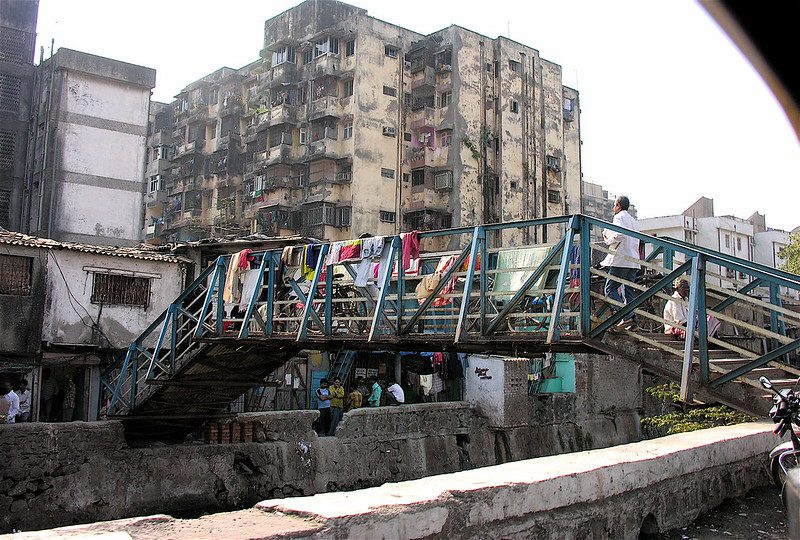
facts about sanitation in ChadChad is a country highly dependent on agriculture with two-thirds of the population employed in such a capacity. For agriculture to thrive, water must be plentiful. However, for Chad, ensuring access to adequate water supplies has and continues to be a challenge. Additionally, the citizenry at large suffers from a lack of sanitized water, which increases the danger of disease transmission. Here are 6 facts about sanitation and access to water in Chad.
6 Facts About Sanitation in Chad

  1. Basic water services: In 2019, 61% of Chad’s population lacked access to basic water services. Many had to obtain drinking water from an improved source like a well or piped water.
  2. Open defecation: 69% of Chad’s population practices open defecation, a result of Chad being the country with the largest percentage of its population without access to a toilet. Among the poorest Chadians, access to toilets improved by 7% between 2000 and 2017. However, 88% of them still practice open defecation.
  3. Hand washing: Chad is one of 19 countries where more than 50% of the population does not have a handwashing facility. Additionally, 76% of Chad’s people have no handwashing facility in their home. This is especially salient today since the World Health Organization recommends hand hygiene as “the most effective single measure to reduce the spread of infections”.
  4. Lake Chad: This body of water borders Nigeria, Niger, Cameroon and Chad and supports the existence of 30 million people. This economically important source of water, however, has shrunk by 90% since the 1960s. For communities reliant on fishing, farming and herding, a diminishing Lake Chad translates into resource constraints and sometimes conflict.
  5. Refugee crisis: Conflict caused by Boko Haram and other insurgent groups in the region has displaced thousands of Chadians and others. For example, in Kobiteye, a refugee camp bordering the Central African Republic, 24,000 refugees live without adequate access to water.
  6. Lethality: The inability to consume clean water is costly, taking the lives of thousands in Chad. A U.N. report found children under five in conflict-affected states were “more than 20 times more likely to die” from unsafe water or lack of sanitation than from the conflict itself.

Solutions

In response to Chad’s water crisis, some organizations and governments have stepped up assistance. In 2019, World Vision Chad redirected 70% of its funding to providing safe water access. They reached 18,000 displaced refugees with 45 boreholes. A few years ago, USAID dug 113 wells that reached 35,000 people since 2008.

Other organizations are focusing on leveraging technology to improve water access. Chad’s Ministry of Water and Sanitation and the Swiss Agency for Development and Cooperation partnered to fund the ResEau project, a 10-year 3D mapping initiative designed to improve borehole drilling. Before ResEau began, boreholes successfully reached water 30 to 40% of the time. Now, boreholes successfully reach water over 60 percent of the time.

Additionally, ResEau also contributed to creating a master’s degree program in Hydrology and GIS at the University of N’Djamena in Chad. This program has benefited more than 100 students so far, many of whom work for Chad’s Ministry of Water and Sanitation. Leapfrog, the 3D technology company that ResEau used for its geological modeling, stated that the project “will enrich the livelihood of all those who live in Chad, by providing the skills and knowledge needed for a robust integrated water management system”. Steps like these represent successes that individual donors and donor governments need to build upon.

– Jonathan Helton 
Photo: Flickr

May 26, 2020
https://borgenproject.org/wp-content/uploads/borgen-project-logo.svg 0 0 Kim Thelwell https://borgenproject.org/wp-content/uploads/borgen-project-logo.svg Kim Thelwell2020-05-26 07:30:032024-05-29 23:17:236 Facts About Sanitation in Chad
Children, Developing Countries, Global Poverty, Health

9 Facts About Healthcare in Sierra Leone 

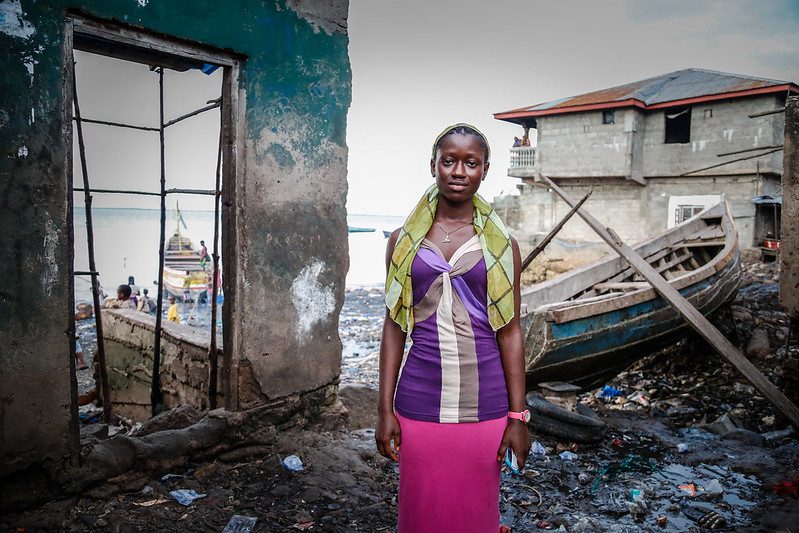
Healthcare in Sierra LeoneSierra Leone is a small nation located on the coast of West Africa. While the country boasts an abundance of natural resources, it is also a poor nation, with a healthcare system in dire need of improvement. Here are 9 facts about healthcare in Sierra Leone.
9 Facts About Healthcare in Sierra Leone

  1. Sierra Leone has one of the lowest life expectancies on the globe. In 2018, the average life expectancy in Sierra Leone was 54.3 years. This places the nation among the bottom five in the entire world. In comparison, the average global life expectancy is 72.6 years.

  2. Sierra Leone faces high rates of infant and maternal mortality. Similar to life expectancy, infant and maternal fatality rates help gauge the quality of a nation’s health care system. In 2015, 87.1 infants died per 1,000 births in Sierra Leone, while 1,360 mothers died per 100,000 births. In the U.S., just 5.4 infants died per 1,000 births, and only 14 mothers died for every 100,000 births. Birth-related deaths generally occur when there are delays in women seeking, reaching and receiving care.

  3. All people living in Sierra Leone are at risk of malaria. Malaria is endemic to the nation, and poses a great health risk. In fact, four out of every ten hospital visits in Sierra Leone are due to malaria. Children are at particular risk, and the disease contributes to the nation’s high number of child fatalities. However, rates of the illness are falling across the country due to preventative practices such as sleeping under insecticide treated nets. Earlier diagnoses and treatments also contribute to the lowered rates of illness. By the end of 2020, the Ministry of Health and Sanitation in Sierra Leone hopes to have decreased cases by 40 percent.

  4. The Ebola outbreak of 2014 hit Sierra Leone particularly hard. Despite its relatively small population, there were more cases of Ebola in Sierra Leone than any other country. To be exact, there were a total of 14,124 cases in the country, including nearly 4,000 deaths. The first case was reported in May 2014, and Sierra Leone was not declared Ebola-free until February 2016. According to the World Health Organization, the virus was able to spread so widely due to the weaknesses of the healthcare in Sierra Leone. These weaknesses included too few healthcare workers, not enough oversight and a lack of resources.

  5. Disabled residents face tough conditions. Approximately 450,000 disabled people live in Sierra Leone, including those who were maimed in the decade-long civil war that ended in 2002. The government does not currently provide any assistance to the disabled. Those with disabilities resort to begging on the streets of Freetown, the nation’s capital. Disabled youth turned away from their families (due to the family’s inability to support the youth) often form their own communities on the streets. Employment can also be hard to achieve due to discrimination. Julius Cuffie, a member of Parliament who suffers from polio, brings awareness to the disabled’s struggles. Hoping to bring the disabled’s issues to the forefront, Cuffie pushes for the Persons with Disabilities Act.

  6. Corruption exists in Sierra Leone’s healthcare system. According to a 2015 survey, 84 percent of Sierra Leoneans have paid a bribe just to use government services. Additionally, about a third of the funds given to fight the Ebola crisis are not accounted for. This translates to roughly 11 million pounds, or almost 14 million dollars. Sierra Leone has a literacy rate of about 40 percent. As a result, many health care services overcharge unknowing residents for basic services. A new initiative, put together by the nation’s Anti-Corruption Commission, advises residents to report cases of bribery.

  7. In 2010, Sierra Leone began offering free health care. The Free Healthcare Initiative (FHCI) aims to decrease the nation’s high maternal, infant and child mortality rate. The government also hopes the initiative improves general health across the country. The ordinance provides a package of free services for pregnant women, lactating mothers and children under the age of five. The program has not been without its challenges, however, due to the aforementioned weaknesses of previous systems of health care in Sierra Leone. That said, the initiative has resulted in a number of positive changes. For example, there has been an increase in the number of healthcare staff, a larger willingness for parents to seek care for their children and a reduction in mortality for those under five.

  8. There has been an increase in efforts to strengthen emergency medical response in Sierra Leone. Road accidents kill thousands each year in the country. In response to this, the First Responder Coalition of Sierra Leone (FRCSL) was created in 2019 to improve the state of urgent medical care. Five national and international groups in Makeni, a city in northern Sierra Leone, founded the coalition. The group aims to provide emergency care, treat the high numbers of injuries and resolve the low amount of pre-hospital treatment in Sierra Leone. In its first two months, the FRSCL trained 1,000 Makeni residents, equipping each one with a first aid kit. The coalition hopes to train 3,500 more in the next six months. It also plans on expanding out of the northern province in the next five years. Hopefully, the FRCSL’s efforts will save thousands of lives from vehicle accidents in the coming years.

  9. CARE is working to improve sexual and reproductive health for women and girls in Sierra Leone. The humanitarian agency began working in the country in 1961. Goals of the organization include providing medical supplies and contraceptives, giving training to healthcare workers and working with the community to eliminate attitudes that prevent women from discovering their rights to sexual and reproductive health. CARE is currently present in approximately 30 percent of the country’s communities, particularly in areas that have high rates of HIV infection and teenage pregnancy. One Sierra Leonean mother, named Fanta, credits CARE with educating her about proper breastfeeding and health practices, leading to the survival and continued health of her daughter.

Healthcare in Sierra Leone is an issue that is complicated by the nation’s high rates of poverty, many endemic diseases and tumultuous political history. While shocking statistics, such as the country’s low life expectancy and high maternal and infant mortality rates paint a grim picture, there are signs of progress being made, and there is potential for much more change on the horizon.

– Joshua Roberts

Photo: Flickr

May 25, 2020
https://borgenproject.org/wp-content/uploads/borgen-project-logo.svg 0 0 Jennifer Philipp https://borgenproject.org/wp-content/uploads/borgen-project-logo.svg Jennifer Philipp2020-05-25 01:31:342024-05-29 22:53:319 Facts About Healthcare in Sierra Leone 
Developing Countries, Global Poverty, Poverty, Sanitation, Water Sanitation

10 Facts About Sanitation in Ecuador

sanitation in Ecuador
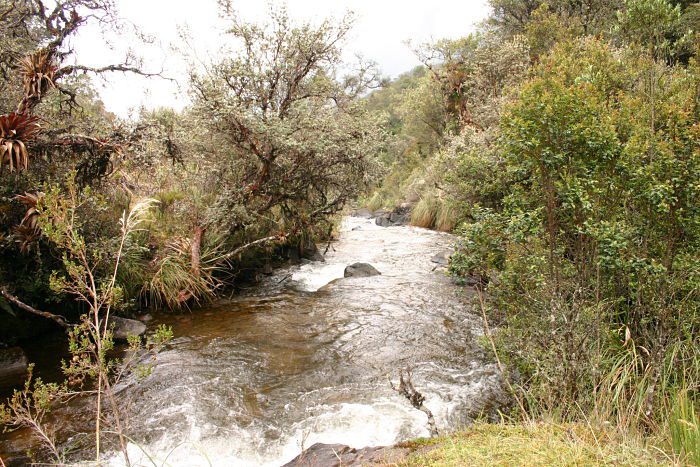
Located at the western top of South America, Ecuador has improved water regulation and overall sanitation within the last couple of decades. Here are 10 facts about sanitation in Ecuador.

10 Facts About Sanitation in Ecuador

  1. Before 2007, organic loads, toxic substances and hydrocarbons contaminated large bodies of water. Ecuador’s government devised a plan to increase overall healthy water flow. The plan consisted of using financial support to create sustainable water management. The lack of healthy water flow led to the exploitation of aquifers on Ecuador’s coast, which melted approximately 33% of the country’s glaciers. Moreover, the lack of water flow led to a reduction of at least 25% of Paramos’ regular water flow, which is a historical area. The improvement of water sustainability allowed Ecuador’s people to access healthy water easily.
  2. In 2019, Ecuador received an $87 million loan from the U.S. to improve water regulation. The loan from the U.S. allowed Ecuador’s government to expand and improve drinking systems. Ecuador has directed the loan towards the achievement of universal access to piped sanitation services.
  3. The country created a National Development Plan in 2007 which prioritized the integration of water management. Many saw Ecuador’s lack of easy access to clean water and sanitation as a detrimental factor that slowed the development of the country’s sustainability. The National Development Plan encouraged a more developed culture for Ecuador’s sanitation. One main goal was to build 1.5 kilometers of sewage networks in Quitumbe and 26 kilometers of interceptors for wastewater management in Checa and la Merced.
  4. Ecuador’s national sectoral strategy established that the country should reach equitable access to potable Water and Sanitation Services by 2030. In the national sectoral strategy, the country strived to divide loans into different sections with regards to water management. As a result, vast improvement has occurred in the country’s economy. In July 2019, approximately 39,197 additional citizens in urban areas obtained new access to improved sanitation services.
  5. The government’s new project hopes to achieve country-wide access to piped sanitation services. The Guayaquil Wastewater Management Project for Ecuador aims to install wastewater catch basins of the urban cities such as Guayaquil. As a result, 2 million citizens will gain access to proper sanitation. Ecuador’s government hopes to ensure that 100% of the wastewater within these basins receive treatment in an environmentally sustainable way.
  6. Currently, 93% of Ecuador has access to basic drinking water. Ever since 2007, there has been more focus on safely managing sanitation services as well as water waste treatment. Due to the implementation of basic sanitation needs in Ecuador’s sustainability plan, improvement is evident within urban and rural areas throughout the country.
  7. Ecuador upgraded and amplified the sewage system and sanitation networks throughout municipalities in Quitumbe, Checa and La Merced. By building several drinking water treatment plants, the government and local workers introduced 39 kilometers of raw water transmission lines from natural reservoirs. Within agricultural systems, Ecuador also installed and put over 400 flow meters for larger consumers. Installing hundreds of flow meters allow farmers and other agricultural workers to maintain and limit the amount of water needed for efficient agriculture.
  8. Ecuador’s improvement within sanitation allowed basic water regulation within schools to improve immensely. Before, numerous schools lacked access to clean sanitation, flushing water and dry toilets. The government’s development plan focused on nationwide sanitation, which involved the implementation of basic water and clean sanitation to just under 7,000 students.
  9. The overall share of people living in poverty in Ecuador has dropped to roughly 4%. Compared to 1998, the poverty line has dropped significantly. Approximately 10% of Ecuador’s population lived in poverty in the late 1900s. Today, only 4% of the population lives in poverty.
  10. Awareness of female sanitation has increased in the last decade. In 2015, the government responded to a higher demand for easier access to female products. Female products such as towels (pads), tampons and pantyliners are more easily accessible in grocery stores within urban and rural areas.

Throughout the last decade, sanitation and easier access to water has increased immensely. While sanitation within the country has improved, with over 90% of the country having access to clean water, the government hopes to close the entire gap and provide accessible water for the country as a whole by 2030.

– Elisabeth Balicanta 
Photo: Wikimedia Commons

May 24, 2020
https://borgenproject.org/wp-content/uploads/borgen-project-logo.svg 0 0 Jennifer Philipp https://borgenproject.org/wp-content/uploads/borgen-project-logo.svg Jennifer Philipp2020-05-24 01:30:352024-05-29 23:17:2810 Facts About Sanitation in Ecuador
Developing Countries, Global Poverty, Homelessness

Combating Homelessness in El Salvador

homelessness in El Salvador
In 2001, a major earthquake struck El Salvador leaving many helpless and on the streets. El Salvador is the smallest country in Central America despite having a dense population of 6 million people. Now, homelessness in El Salvador is at an all-time high. Currently, over 40% of the population live in run-down homes with dirt for floors. This roughly translates to upwards of 2 million people living in disheveled and decrepit homes. Luckily, there are organizations working towards rebuilding El Salvador.

3 Organizations Combatting Homelessness in El Salvador

  1. Habitat for Humanity: Through two large-scale community projects, Habitat for Humanity has helped homelessness in El Salvador by building homes and making improvements to current houses. Juntos Construyendo mi Casa (Building my House Together), is a project that primarily focuses on constructing new homes for those who are currently in inadequate living situations. It also helps to improve existing homes by replacing dirt floors with tile or wooden flooring. Its second project, Construyendo Empoderamiento con Mujeres (Building Empowerment with Women), works on building new homes while also teaching women about their rights. This project teaches women to perform in jobs typical for males, thus providing career opportunities as well. Around 97,760 Salvadorans have received help through Habitat for Humanity’s programs.
  2. New Story Charity: In 2018, New Story Charity printed its first 3D house in Austin, Texas in under 24 hours. New Story partnered with the robotics construction company, ICON. Together, they began working to expand this construction to countries that need it most, such as El Salvador. Currently, a 3D house costs around $10,000, but New Story Charity’s goal is to reduce that price to $4,000. New Story is raising $1 million to be able to begin the construction of more homes. Though the introduction of 3D homes is new, New Story Charity has constructed over 850 non-3D homes in Haiti, El Salvador, Mexico and Bolivia. 3D homes in Tabasco, Mexico have already created an entire community of these low-cost homes. In the upcoming years, New Story Charity will begin bringing 3D homes to El Salvador. Through the development of 3D homes, homelessness in El Salvador could drastically reduce.
  3. La Carpa: Tim Ross and Erica Olson founded La Carpa, meaning “The Tent,” in the summer of 2018. Though being a Christian based organization, Ross welcomes any religious backgrounds. La Carpa provides food for many of the homeless in the community. It began with distributing coffee, food and water, but is now expanding to creating hospitality houses with the hopes of building a better and closer community. On average, 30 people visit La Carpa daily to receive coffee and a meal. La Carpa aims at not only provide food and housing to the most vulnerable but also friendship and a sense of belonging.

Though El Salvador faced great destruction in the past, it is working towards rebuilding. Through organizations like Habitat for Humanity, New Story Charity and La Carpa, homelessness in El Salvador is reducing and many of the displaced are moving off the streets and into homes.

– Erin Henderson 
Photo: Flickr

May 23, 2020
https://borgenproject.org/wp-content/uploads/borgen-project-logo.svg 0 0 Jennifer Philipp https://borgenproject.org/wp-content/uploads/borgen-project-logo.svg Jennifer Philipp2020-05-23 07:30:532020-05-19 08:27:07Combating Homelessness in El Salvador
Developing Countries, Global Poverty, Poverty, Poverty Reduction

6 Facts About Poverty in Indonesia

Poverty in Indonesia
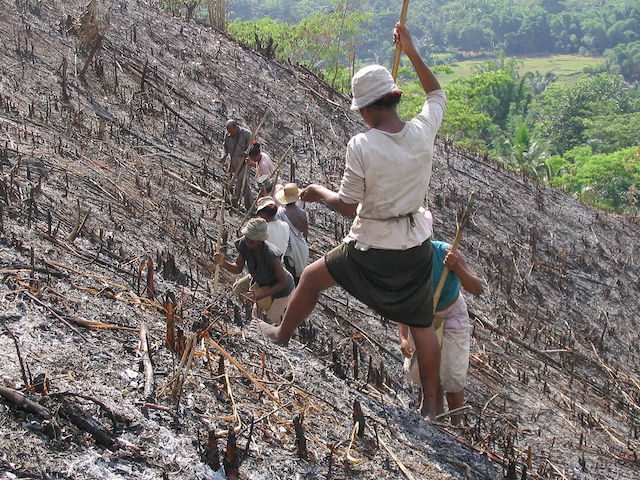
Since the devastating impact of the 1997 Asian Financial Crisis (AFC), Indonesia has shown profound economic growth. Since 1998, it has boasted a greater than 5% compound annual GDP growth rate, ahead of the global average of below 3%. Indonesia now ranks as the 16th largest economy in the world, up from 36th in 1998. Concomitant with this economic improvement has been a noticeable reduction in poverty in the country. Most recently, poverty in the country is below 5% of the population versus 67% 30 years ago. By comparison, approximately 10% of the global population lives below the international poverty line. Yet despite this promising data, poverty in Indonesia remains a major issue. Here are six facts about poverty in Indonesia.

6 Facts About Poverty in Indonesia

  1. The rate of poverty reduction is slowing, but poverty is low. Indonesia’s efforts to grow its economy showed great results in the years immediately following the AFC. Rapid industrialization, increased global integration and a focus on domestic infrastructure all helped in this regard. This resulted in relatively dramatic improvements in poverty. After an eight-year period of decline, however, the rate of reduction has slowed to 9% in recent years. Despite a slowing in the rate of reduction, the percentage of the Indonesian population living in poverty is at the lowest level since 1984 (4.6%).
  2. CARE, an international humanitarian agency, has been working to assist Indonesia’s poor particularly during emergencies. Indonesia is prone to natural disasters like earthquakes and floods, so CARE has worked to provide Indonesians with food, shelter, water and medical supplies. After the 2004 Indian Ocean tsunami, CARE aided 350,000 Indonesians and helped them rebuild their communities. Non-governmental organizations like CARE are key to assisting the government in protecting Indonesia’s poor after frequent disasters and emergencies.
  3. Income disparity is growing. Indonesia’s economic growth has flowed disproportionately to the wealthy. The country’s Gini coefficient, a measure of a country’s income disparity, has increased from 28.5 in 2000 to 38.1 in 2017 (lower is better). Oxfam reported that in 2014, the richest 1% of Indonesians owned 50% of the nation’s wealth. Not surprisingly, Indonesia’s rural inhabitants are worse off than their urban counterparts, with about 1.5 times more incidences of poverty on an absolute basis. One can also see this in the geographic distribution of poverty. Eastern Indonesia, the more rural part of the country, fares worse. President Joko Widodo has noted that improving income inequality is one of his top priorities. He has taken some steps to decrease income disparity, including providing direct cash transfers through its Program Keluarga Harapan, creating more social assistance programs, investing in infrastructure and creating health and education protections.
  4. The near-poor are a significant group in Indonesia. While Indonesia’s reduction in poverty is impressive when including those who are near-poor, the results are not as positive. Many in Indonesia live precariously close to the poverty line and are at risk of falling back into poverty. The Asian Development Bank highlights that over half of the poor in Indonesia were not poor the year before. Furthermore, a quarter of Indonesians will suffer from poverty at least once every three years. Even though only 5% of Indonesians live below the poverty line today, as many as 25% live just above it.
  5. Indonesia must watch inflation. Since 2016, inflation in Indonesia has been below 4%. The government and the Bank of Indonesia established the range of 3% to 4%. However, with so many living at or close to poverty, changes in prices can have deleterious impacts, disproportionately so on the poor. Statistics Indonesia notes that food represents a 43% weight in Indonesia’s CPI basket, putting a degree of focus on food prices, especially given their historical volatility. The Indonesian government has focused in this area, recognizing that stable rice prices are essential for steady economic prosperity. Nevertheless, food prices remain exposed to exogenous shocks.
  6. COVID-19 is having a huge impact. The Indonesian government did not impose restrictions relating to the COVID-19 pandemic until April 10, 2020, almost six weeks after the identification of the first case in West Java. Unfortunately, the economic fallout from COVID-19 will have material effects on Indonesia’s poor and near-poor, underlining the fragility of the last 30 years of Indonesia’s efforts. In mid-April 2020, Indonesia’s finance minister predicted that Q2 GDP growth could fall to about 1%, after the weakest rate of growth in nearly 20 years in Q1. COVID-19 cases surged rapidly after President Widodo hesitated to implement a nationwide lockdown. In response, he declared a national health emergency and worked to increase the number of test kits, personal protective equipment and ventilators available in the country. Additionally, he passed a stimulus package worth $8 billion to stimulate the economy, with $324 million going towards helping low-income households.

These six facts about poverty in Indonesia have shown that Indonesia’s government has put much effort into improving the conditions for its poor. Against a backdrop of economic growth, President Widodo increased spending on social assistance, health, education and infrastructure. Additionally, CARE’s continual aid has substantially reduced poverty in Indonesia since the AFC.  However, with so many near the poverty line, those results are fragile. With the unprecedented impact of COVID-19, much of that work could become obsolete.

– Harry Yeung
Photo: Flickr

May 21, 2020
https://borgenproject.org/wp-content/uploads/borgen-project-logo.svg 0 0 Jennifer Philipp https://borgenproject.org/wp-content/uploads/borgen-project-logo.svg Jennifer Philipp2020-05-21 09:45:202024-05-29 23:17:296 Facts About Poverty in Indonesia
Developing Countries, Global Poverty

7 Facts About Overpopulation and Poverty 

Facts about overpopulation and poverty Overpopulation is defined as “the presence of excessive numbers of a species, which are then unable to be sustained by the space and resources available.” While many definitions of poverty exist, the simplest is that it all but guarantees struggle, deprivation and lost opportunity.

Contemporary understandings of poverty are more holistic, rather than just quantitative measures of income. Considering factors such as health care and education helps broaden the view of poverty and its causes. Here are 7 facts about overpopulation and poverty.

7 Facts About Overpopulation and Poverty

  1. Population growth and poverty present the classic “chicken or egg” dilemma. According to Dr. Donella Meadows, “poverty causes population growth causes poverty.” Her eponymous 1986 essay explains why the classic “chicken or the egg” dilemma regarding overpopulation and poverty leads to different conclusions on how best to intervene. Dr. Meadows ultimately concludes that the question itself is less of an “either/or” and more of a “both/and” question.
  2. There is a cycle of poverty and overpopulation. One factor causes the other and vice-versa. For example, when child mortality is high (usually due to living in impoverished conditions), the overall birth rate is also high. Therefore, it is in everyone’s best interest to lower the child mortality rate by reducing poverty.
  3. There is a correlation between declining birth rates and rising living standards. Declining birth rates and rising living standards have occurred simultaneously in the developing world for decades. This relationship between fertility and economic development results in a virtuous circle, meaning “improvements in one reinforce and accelerate improvements in the other.” As a result, this pattern between fertility and economic development helps reduce poverty.
  4. By the end of this century, the population is expected to grow by 3 billion people. Over the next 80 years, the majority of the increasing population will live in Africa.
  5. Although Africa has experienced record economic growth, the much faster rate of fertility still leaves much of the population impoverished. While Africa’s economy continues to grow, the Brookings Institute notes that “Africa’s high fertility and resulting high population growth mean that even high growth translates into less income per person.” The most effective strategy to combat this is to reduce fertility rates.
  6. The number of megacities has more than tripled since 1990. Megacities are cities with more than 10 million people. Although there are currently 33 megacities in the world, that number is expected to increase to 41 by the year 2030. Of those 41 megacities, five will appear in developing countries. Megacities are susceptible to overpopulation and concerns about disease control. Furthermore, some megacities relieve poverty while others exacerbate it.
  7. A sense of taboo surrounds discussions about overpopulation. Is talking about overpopulation still taboo? Some experts believe so, citing the 17 goals and 169 targets of the UN Sustainable Development Agenda that have been silent on the issue. Luckily, philanthropists and voters are leading the way in normalizing frank discussions regarding facts about overpopulation and poverty.

Despite gradually increasing developments, global overpopulation and poverty continue to remain prevalent. Steps such as viewing poverty holistically and working to end the stigmatization and taboo surrounding discussions about overpopulation help further the much-needed improvements for overpopulation and poverty.

– Sarah Wright 
Photo: Flickr

May 20, 2020
https://borgenproject.org/wp-content/uploads/borgen-project-logo.svg 0 0 Lynsey Alexander https://borgenproject.org/wp-content/uploads/borgen-project-logo.svg Lynsey Alexander2020-05-20 07:30:252024-05-29 23:15:557 Facts About Overpopulation and Poverty 
Developing Countries, Global Poverty, Sanitation, Water Sanitation

10 Facts About Sanitation in Colombia

Sanitation in Colombia
Colombia is a fast-growing country with a population of 49 million. In the last 10 years alone, the population has increased by 5 million people. As a result of the added pressure on the country’s infrastructure, many citizens may not have access to basic water, sanitation and hygiene (WASH) facilities. In recent years, Colombia has been working to increase its population’s access to WASH facilities. The country continues to develop initiatives on how to increase this accessibility. Here are 10 facts about sanitation in Colombia.

10 Facts About Sanitation in Colombia

  1. Access to Clean Water: Exactly 1.4 million citizens do not have access to clean drinking water. This accounts for around 3% of the population. There is a large discrepancy between urban and rural populations and their access to clean water. In fact, 100% of the urban population has access to basic drinking water. In the rural population, however, only 86% have access to basic drinking water.
  2. Increase in Water Access: Colombia has seen an increase in the population that has access to basic drinking water services from 90% in 2000 to 97% in 2015. The Colombian government plans to increase water accessibility to rural regions such as La Guajira by 2024. Additionally, in 2019, over 8,000 indigenous people living in rural Colombia gained access to basic water facilities through the development of reservoirs and ancillary infrastructure.
  3. Rural Water Usage: Around 19% of the rural population use water from rivers, lakes or wetlands for drinking, washing and cooking. Colombia has over 514,800 sites where farmers raise livestock. Unfortunately, the animals easily contaminate water from natural resources such as lakes and rivers. This can lead to illness and disease in these rural areas. 
  4. Rural and Urban Water Management: There is currently a discrepancy between the access to clean water between rural and urban communities. In 2017, 81% of water access in urban areas had a designation of safely managed while 19% had basic water management status. In comparison, rural areas only had 40% of their water with a safely managed label and 46% had basic water management.
  5. Health Implications: Due to poor access to WASH facilities, 2% of the national GDP goes toward health-related costs. In 2016, there were 366 deaths due to the poor sanitation and water conditions in Colombia. In 2012, there were 119 deaths in children under 5-years-old due to inadequate access to water and sanitation. 
  6. Toilet Access: Currently, 4.9 million people do not have access to a toilet in Colombia. In rural areas, three in 10 people do not have access to safe toileting facilities. Tierra Grata is an organization that is helping rural communities by installing waterless eco-toilets. These eco-toilets aim to decrease the pollution of natural water-ways and increase the population’s health and well-being.
  7. Household Hygiene: Out of a population of 49 million, only 28 million people in urban communities and 3.3 million people in rural communities have access to basic hygiene services. Basic hygiene includes access to bathing facilities and the ability to wash hands prior to food preparation and after toileting. Between both rural and urban communities, there are 14 million citizens who are without access to hygiene facilities.
  8. Hygiene at School: UNICEF identified the issues that prevented student hygiene as an inconsistent water supply, poor sanitation systems and lack of hand-washing facilities. Only one in five schools had both soap and toilet paper available for student use. The School Sanitation project was able to improve school hygiene and decrease diarrhea-related absences by 30%.
  9. Sanitation Improvement: In 2000, 12% of urban sanitation was managed safely and 66% had basic management. In 2017, this number had risen to 15% having safe management and 77% having basic management. In rural areas, open defecation decreased from 25% in 2000 to 13% in 2017.
  10. Water Recycling: El Salitre wastewater treatment plant is on the Bogotá River. The river collects wastewater from 10 million people. The plant is currently treating and recycling the river water to provide for safe water access to millions of households. Studies show that water treatment plants increase both public and environmental health. 

Despite the improvements, there is still a large number of Colombia’s population that do not have access to safe or basic WASH services, especially when considering the country’s rural communities. Luckily, with the government and organizations continuing to work to improve sanitation in Colombia, a brighter, cleaner future is on the horizon. 

– Laura Embry 
Photo: Flickr

May 19, 2020
https://borgenproject.org/wp-content/uploads/borgen-project-logo.svg 0 0 Kim Thelwell https://borgenproject.org/wp-content/uploads/borgen-project-logo.svg Kim Thelwell2020-05-19 14:46:302024-06-04 01:17:5610 Facts About Sanitation in Colombia
Developing Countries, Global Poverty, Health, Poverty, Refugees

COVID-19 in Colombia: 3 At-Risk Groups

COVID-19 in Colombia
Officials have reported 16,295 cases of COVID-19 in Colombia and 592 deaths as of May 19, 2020. In an effort to contain the virus, the government has closed all international travel. It has also recently extended its nationwide stay-at-home order through May 25. Testing is available at the Colombian National Institute of Health facilities.

Most public locations remain closed. Individuals over the age of 70 will need to self-isolate until at least the end of May 2020. Municipal authorities allow one hour per day of exercise, at prescribed times, for individuals ages 18 to 60. Though the virus poses a nationwide public health threat, here are three particularly at-risk groups in Colombia.

COVID-19 in Colombia: 3 At-Risk Groups

  1. Indigenous Peoples: With historically limited access to food, shelter and health care, indigenous communities on the outskirts of cities and towns remain unprepared for the pandemic. A scarcity of clean water and hygiene products has left many without the means to maintain personal cleanliness and prevent infection. In addition, some of these semi-nomadic groups are now at risk of starvation. Due to quarantine restrictions, indigenous communities cannot move around to access their means of subsistence. They may be unable to grow their own food or survive by working temporary jobs. Organizations such as Amnesty International (AI) are working to raise awareness about this urgent issue and garner support from Colombian authorities. Along with the organization Human Rights Watch (HRW) and the Colombian Ministry of the Interior, AI petitioned the government to deliver food and supplies to at-risk indigenous groups. In response to these efforts, Colombian officials initiated a campaign to provide indigenous communities with food and supplies. The first round of deliveries went out in April 2020 but still left many without aid. AI and partner organizations will continue working with leaders of the campaign to reach more people in future deliveries.
  2. Refugees: Venezuelan refugees are another group at high risk due to the outbreak of COVID-19 in Colombia. The virus has compounded instability from low wages and rampant homelessness. Many have lost temporary jobs as economic concerns heighten nationwide. With fear and social unrest on the rise, refugees also face increased stigmatization. Some states, for example, are forcibly returning refugees in response to the virus. The U.N. Refugee Agency (UNHCR) and the International Migrant Organization (IOM) have instigated a call to action. Eduardo Stein, joint UNHCR-IOM Special Representative for refugees and migrants from Venezuela, explained in an April 2020 statement that “COVID-19 has brought many aspects of life to a standstill – but the humanitarian implications of this crisis have not ceased and our concerted action remains more necessary than ever.” U.N. representatives are seeking out innovative ways to protect Colombia’s migrant population and provide refugees with information, clean water and sanitation. Some organizations have also set up isolation and observation spaces for those who have tested positive. Others, including the World Health Organization (WHO), are distributing food and supplies to refugees and their host communities.
  3. Coffee Farmers: As COVID-19 continues to spread throughout South America and the world, Colombian coffee farmers are grappling with new economic uncertainties. Since extreme terrain limits the use of mechanized equipment, these farmers tend to rely on manual labor. In a typical year, some farms hire between 40% and 50% of their workforce from migrant populations. Now, however, travel restrictions have left many with a shortage of manpower. Large-scale farms are seeking out unemployed retail and hospitality workers from local areas, offering pay rates at a 10% to 20% increase. On smaller farms, family members can manage the crops. However, medium-sized operations, in desperate need of labor and unable to match the wages of larger competitors, are feeling a significant strain. Even the largest farms could struggle to meet their expected harvest in 2020. Public health officials have ordered strict distancing measures in the fields, which reduces picking capacity. Though disruptive in the short term, these efforts should help contain the spread of the virus and allow farmers to resume full operation as soon as possible.

COVID-19 in Colombia has undergone rapid growth, bringing economic and social challenges in its train. Now more than ever, it is incumbent upon world leaders to support vulnerable populations in Colombia and help the nation emerge from this world crisis.

– Katie Painter
Photo: Flickr

May 19, 2020
https://borgenproject.org/wp-content/uploads/borgen-project-logo.svg 0 0 Jennifer Philipp https://borgenproject.org/wp-content/uploads/borgen-project-logo.svg Jennifer Philipp2020-05-19 11:19:202020-05-19 11:19:20COVID-19 in Colombia: 3 At-Risk Groups
Developing Countries, Global Poverty

Ecobricks: Turning Waste Into Infrastructure

Ecobricks Turning Waste Into InfrastructureAs the population grows, environmentally-friendly building materials are becoming more and more necessary. Ecobricks are just that. Ecobricks are reusable building bricks that are made by packing clean, non-recyclables (including single-use plastics and styrofoam, which can be toxic to the environment) into a plastic bottle. The bottles are then used to build things such as furniture, walls and buildings. Ecobricks are a mechanism of turning waste into infrastructure.

Ideally, a long-term solution to protect the environment would require a massive decrease in global production and the use of single-use plastic. Ecobricks do not offer a solution to this problem; however, they are an efficient short-term solution for plastics that already exist or are currently in production. In addition to upcycling plastic, the process of making Ecobricks is far better for the environment than the brick and cinder block. This makes putting industries in developing countries a cheaper option for building material.

Ecobricks In Latin America

Communities around the world are turning to Ecobricks as an efficient and responsible option for building infrastructure affordably. Hug it Forward is an organization working in Latin America that focuses its attention on access to education and how modern consumer culture generates billions of tons of inorganic waste on a yearly basis.

The organization uses Ecobricks as a solution to both by constructing bottle classrooms with the materials. These classrooms provide safe and comfortable learning environments at a lower price than if they were to be strictly brick and mortar structures, and it is more environmentally-friendly. Hug it Forward believes that working with communities to implement these classrooms is an investment in the community’s resilience and self-empowerment.

Ecobricks in Africa

Ecobricks are building infrastructure in Africa. Greyton, a township in South Africa, is the country’s first transition initiative in an effort to address the issues many townships face as a result of apartheid and social inequalities. These issues include a lack of affordable housing and effective waste management systems. The goal of this transition initiative is to turn Greyton into an eco-village through projects like creating community gardens and banning plastic bags.

Ecobricks are a huge part of Greyton’s efforts and are being used to build schools, furniture and other necessities. At the same time, they reduce the number of non-recyclables that would make their way to nearby landfills. The township has even started a Trash to Treasure Festival, which is a music festival that increases environmental awareness. At this festival, people make, exchange and even submit Ecobricks to win prizes. After each festival, the Ecobricks are added to Greyton’s infrastructure projects, such as adding an Ecobrick classroom to the town.

Eco-Future

Ecobricks are building resources that are affordable and better for the environment. They provide attainable infrastructure for the communities that need it most. These bricks are an effective short-term solution to the abundant non-recyclables littering the planet. They are an avenue of development for communities around the world. Ecobricks are a sustainable solution that provides resources by turning waste into infrastructure.

– Treya Parikh
Photo: Wikimedia Commons

May 4, 2020
https://borgenproject.org/wp-content/uploads/borgen-project-logo.svg 0 0 Lynsey Alexander https://borgenproject.org/wp-content/uploads/borgen-project-logo.svg Lynsey Alexander2020-05-04 07:30:302024-05-29 23:15:08Ecobricks: Turning Waste Into Infrastructure
Page 84 of 157«‹8283848586›»

Get Smarter

  • Global Poverty 101
  • Global Poverty… The Good News
  • Global Poverty & U.S. Jobs
  • Global Poverty and National Security
  • Innovative Solutions to Poverty
  • Global Poverty & Aid FAQ’s
Search Search

Take Action

  • Call Congress
  • Email Congress
  • Donate
  • 30 Ways to Help
  • Volunteer Ops
  • Internships
  • Courses & Certificates
  • The Podcast
Borgen Project

“The Borgen Project is an incredible nonprofit organization that is addressing poverty and hunger and working towards ending them.”

-The Huffington Post

Inside The Borgen Project

  • Contact
  • About
  • Financials
  • President
  • Board of Directors
  • Board of Advisors

International Links

  • UK Email Parliament
  • UK Donate
  • Canada Email Parliament

Get Smarter

  • Global Poverty 101
  • Global Poverty… The Good News
  • Global Poverty & U.S. Jobs
  • Global Poverty and National Security
  • Innovative Solutions to Poverty
  • Global Poverty & Aid FAQ’s

Ways to Help

  • Call Congress
  • Email Congress
  • Donate
  • 30 Ways to Help
  • Volunteer Ops
  • Internships
  • Courses & Certificates
  • The Podcast
Scroll to top Scroll to top Scroll to top