• Link to X
  • Link to Facebook
  • Link to Instagram
  • Link to TikTok
  • Link to Youtube
  • About
    • About Us
      • President
      • Board of Directors
      • Board of Advisors
      • Financials
      • Our Methodology
      • Success Tracker
      • Contact
  • Act Now
    • 30 Ways to Help
      • Email Congress
      • Call Congress
      • Volunteer
      • Courses & Certificates
      • Be a Donor
    • Internships
      • In-Office Internships
      • Remote Internships
    • Legislation
      • Politics 101
  • The Blog
  • The Podcast
  • Magazine
  • Donate
  • Click to open the search input field Click to open the search input field Search
  • Menu Menu

Archive for category: Developing Countries

Information and stories about developing countries.

Developing Countries, Global Poverty, Poverty

10 Facts About Poverty in Niger

Poverty in Niger
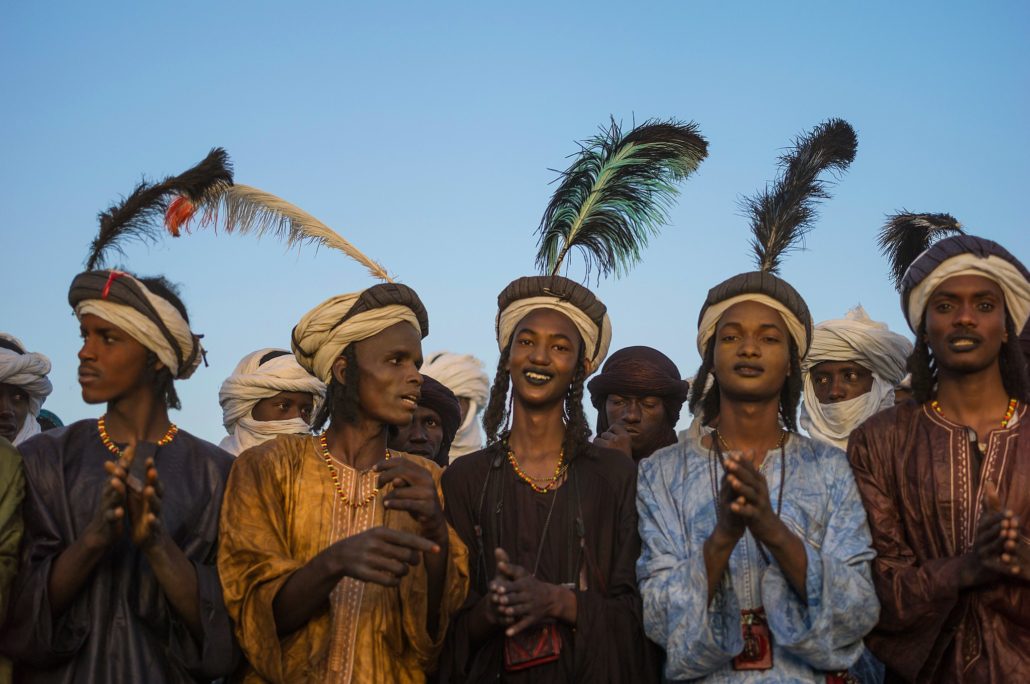
Niger is a country in West Africa and is one of the world’s most impoverished nations. Although the country has made a significant effort in poverty reduction, Niger’s extreme poverty rate was 41.4% in 2019, affecting 9.5 million people. Here are the top 10 facts about poverty in Niger.

Top 10 Facts About Poverty in Niger

  1. Niger’s fast-growing population adds to its high poverty rate. The United Nations expects Niger’s population to triple by 2050. As a result, the country’s inability to break the cycle of poverty for impoverished families will increase.
  2. Population Services International (PSI) Corporation promotes family planning resources in Niger. In 2019, PSI partnered with the Nigerien Ministry of Public Health to administer an outreach mission for voluntary family planning to rural areas of Niger. For example, the operation provided long-acting contraception methods and health education.
  3. Niger battles hunger. As of 2015, with a population of 18 million, 81% of Niger’s population lives in rural areas. Due to the rurality, most of the community does not have access to a food market. This exacerbates the problem of food security for the 20% of citizens who do not have enough food.
  4. Action Against Hunger aided 429,301 Nigeriens in 2018. The program provided better access to food markets and seasonal cast-for-work opportunities. Action Against Hunger assisted families by donating seeds and agricultural tools to those in need.
  5. Niger encounters climate challenges. As a country in West Africa, the Sahara Desert covers 80% of Niger, causing challenges for agriculture. The dry climate and minimal crop growth force 40% of Nigerien children under the age of five to experience malnutrition.
  6. Frequent droughts harm Niger’s economy. Niger’s economy relies heavily on agriculture, accounting for more than 40% of its GDP. As a result, when the country faces continuous short rainy seasons, there are food and job shortages.
  7. The World Food Programme (WFP) assists Niger’s farmers. The WFP buys produce from local Niger farmers and connects the farmers with corporate markets. This program helps the farmers to gain a steady income and reduce poverty.
  8. CARE Niger transforms the lives of Nigerien citizens. Since 1973, CARE Niger has reduced hunger through its Food Security and Nutrition and Management of Natural Resources Program. The plan established farmer field schools that advocated for markets and nutrition.
  9. Conflicts near Niger’s borders affect its citizens. Thousands of Nigerians have fled Nigeria to Niger due to violent extremism. As a result, almost 23,000 Nigerian refugees arrived in Niger in April 2020 alone.
  10. The United States Agency for International Development (USAID) establishes nutritional opportunities for Niger. In April of 2020, USAID announced a five-year plan titled the Yalwa Activity, which plans to bolster the capabilities of Nigerien farmers by mandating access to affordable, safe food. Additionally, the Yalwa Activity will enhance food storage for farmers, allowing farmers to sell their produce at markets across Niger.

With its growing population, harsh climate and troubled borders, Niger remains one of the world’s most impoverished nations. Nevertheless, through outreach and international aid, Niger hopes to reduce its extreme poverty rates.

– Kacie Frederick 
Photo: Flickr

July 28, 2020
https://borgenproject.org/wp-content/uploads/borgen-project-logo.svg 0 0 Lynsey Alexander https://borgenproject.org/wp-content/uploads/borgen-project-logo.svg Lynsey Alexander2020-07-28 14:30:042024-05-29 23:18:1010 Facts About Poverty in Niger
Developing Countries, Global Poverty, Hunger

Hidden Hunger in Georgia

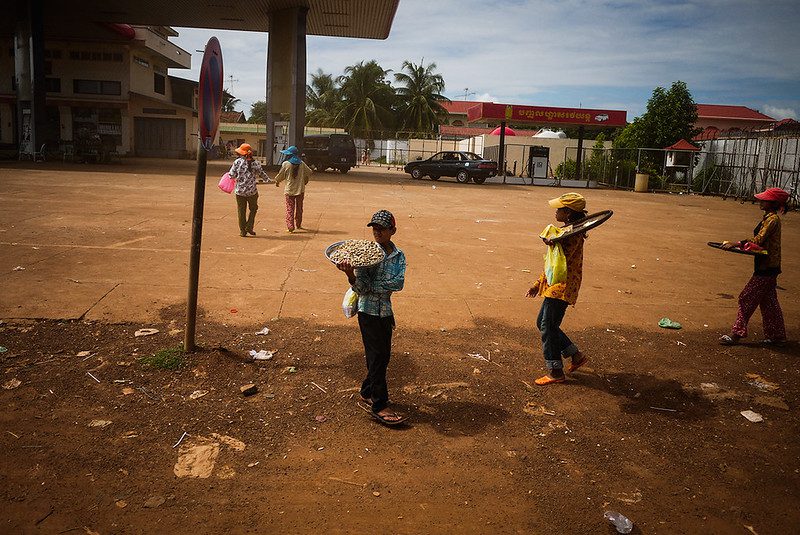
Hidden Hunger in GeorgiaLocated in the Caucasus Mountains of Eastern Europe, Georgia is a transcontinental country in Asia and Europe, where 15.6% of the population lives below the poverty line. While the people of Georgia receive enough food, some suffer from stunted growth and undernourishment due to the quality of their diet, leading to hidden hunger in Georgia.
Background

Hidden hunger in Georgia results from a lack of essential vitamins and minerals in its accessible food. It occurs when people do not consume enough protein, iron and vitamin A consistently, which can cause tangible issues. For example, half a million Georgians are malnourished and infant mortality is twice the EU average. Additionally, a significant number of children under 5 years old are anemic.

Most of the foods that Georgians eat are high in starch and have little nutritional value. The two most popular dishes in rural Georgia are fried potatoes and lobio, which are made of boiled beans. Overreliance on these types of foods has made cardiovascular disease the most common chronic disease in the country. Currently, it accounts for 69% of Georgia’s mortality.

The leading cause of the dietary insufficiencies in Georgia is a lack of access to meat and meat-based products. Unfortunately, these products are relatively expensive in local markets. The average household income is just $6 per day (⅓ of the population earns only $2.5 per day), so meat consumption is impractical for most people.

Furthermore, the gross domestic product of Georgia was just $16.21 billion in 2018, with a per capita GDP of $4,723. For comparison, the 2018 GDP per capita for the European Union was $35,616.

Although the country’s GDP is growing overall, economic downturns, such as the 2008 Russo-Georgian War, the 2015 stagnation, the 2020 pandemic and the Russia-Ukraine war, have reduced the value of the Georgian Lari. These shifts can create vulnerable conditions for Georgia’s population and reduce food security.

The Impact of COVID-19 and the Russia-Ukraine War

Amid the global pandemic, widespread lockdowns and food shortages significantly impacted local markets in Georgia. While the country has subsistence farmers, most of the population relies on purchasing food from street markets or bazaars. The combination of lockdowns and supply chain disruptions posed a severe risk of food insecurity for the population. However, the government took prompt action to mitigate this risk by implementing the following measures

  • Provision of subsidies to local farmers
  • Government procurement of food from private companies to prevent shortages.
  • Subsidizing the import of food items such as pasta, oil, wheat, milk powder, and sugar.

Georgia relies on neighboring countries Russia and Ukraine for its wheat, sunflower oil, milk and dairy products. The disruption of the supply chain has reduced imports and increased food prices in the country, leading to an inflation rate of “17.9% in 2022”. 

Solutions

Fortunately, governmental and nonprofit organizations worldwide are taking steps to improve dietary standards and combat hunger in Georgia. Action Against Hunger has had a Food Security Program in the country since 1994, established shortly after the dissolution of the USSR and the collapse of collective farming in the region. It helped 5,937 people in 2018.

BRIDGE is a Georgia-based NGO that publishes comprehensive studies detailing Georgians’ dietary habits. It also publishes policy recommendations, ranging from developing the Georgian diet monitoring systems to embedding nutrition into the Ministry of Education’s agenda.

The Georgian Agricultural and Rural Development Alliance (GAARD), of which BRIDGE is a member, registered a “Food Security Bill” in Parliament in 2017. This bill aims to reduce Georgia’s reliance on imported food and improve the country’s nutrition self-sustainably.

Hidden hunger manifests in various symptoms and diseases in Georgia, including obesity and cardiovascular issues. Cardiovascular disease represents 69% of Georgia’s mortality, and rising food prices could worsen this situation. While Georgia grapples with hidden hunger, organizations such as Action Against Hunger, BRIDGE and GAARD are actively working to enhance food quality in the country and make a positive impact.

– Christopher Bresnahan
Photo: Flickr
Updated: October 9, 2024

July 28, 2020
https://borgenproject.org/wp-content/uploads/borgen-project-logo.svg 0 0 Kim Thelwell https://borgenproject.org/wp-content/uploads/borgen-project-logo.svg Kim Thelwell2020-07-28 13:30:592024-10-09 09:14:43Hidden Hunger in Georgia
Developing Countries, Global Poverty, Health

What to Know About Tuberculosis in Somalia

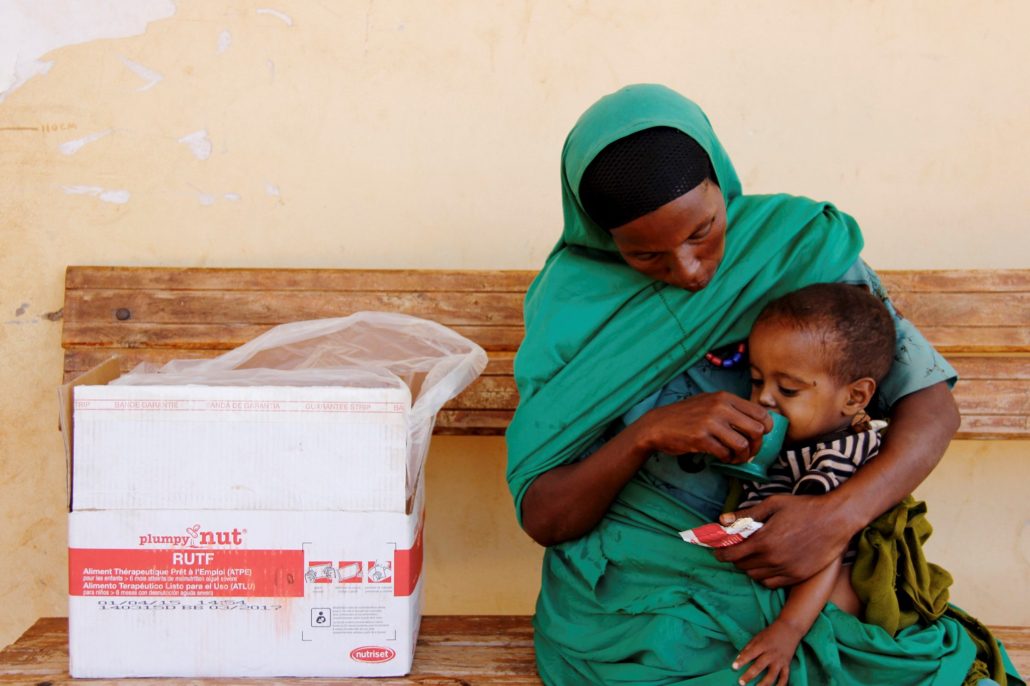
Tuberculosis is a disease caused by bacteria that spreads through the air. While it can also be spread through the consumption of unpasteurized milk contaminated with the bacteria, the most prevalent form of the TB infection is pulmonary TB. In rare cases, TB can also affect the lymphatic system, central nervous system, urogenital region, joints and bones.

In Somalia, one of the world’s most poverty-stricken nations, less than half of estimated cases of TB are detected. Not all tuberculosis strains are equal, making diagnosis and treatment more difficult. While antibiotics typically treat TB, studies have shown that the prevalence of drug-resistant TB has increased. Somalia has a recent history of a tumultuous political climate, exacerbating obstacles that might prevent the delivery of efficient healthcare, like fund allocation and accessibility.

Diagnosis

In a cultural profile of Somalia conducted in 2006, many believed the disease was spread through airborne particles resulting from coughing or sneezing. These same people often believed that the contraction of TB also comes from a variety of things including it being inherited or the result of a loss of faith, creating stigmas around the disease.

Many people distinguished TB from other ailments with respiratory symptoms through weight loss and the presence of blood in the mucus. Until these symptoms are found in addition to an existing cough, it is assumed to be a chest infection. In cases when a fever is apparent, some confuse TB with malaria.

While the primary symptoms (cough, weight loss and bloody mucus) follow the same way the west symptomatically views TB, Somalians understand the progression of symptoms and the disease a little differently. For example, they separate coughing as a symptom into different phases based on the nature of the cough. They focus on whether or not chest pains accompany a cough, or how it sounds. Based on what phase the symptom is in, it might dictate different treatment plans.

Drug-Resistant Tuberculosis

As of 2011, 5% of first-time infected tuberculosis patients had a drug-resistant strain of TB. In comparison, 41% of previously infected patients had this more robust form of TB. These strains are resistant to several drugs used in the treatment of TB. This resulted in the highest recorded instances of multidrug-resistant TB in Africa at the time.

World Vision

World Vision is a global poverty mitigating initiative with boots-on-the-ground efforts. The organization provides healthcare resources, clean water and education to impoverished communities around the world.

Partnering with the Global Fund to Fight AIDS, Tuberculosis and Malaria, the organization has created 33 tuberculosis grants valued at a total of $160.6 million. World Vision has been the primary recipient of tuberculosis grants in Somalia.

In Somalia, World Vision works to fight the frequency of tuberculosis and its drug resistance. With the help of the Global Fund, the organization has treated more than 115,000 people. Additionally, it has trained 132 health professionals in DOTS, the directly observed treatment, short course, as recommended by the WHO. The organization has also helped 30 laboratories with TB microscopy, which resulted in the national health authority documenting 6,505 cases. World Vision continues to strive to strengthen resources within Somalia so that the government and community have a better capacity in which to deal with TB.

– Catherine Lin 
Photo: Flickr

July 24, 2020
https://borgenproject.org/wp-content/uploads/borgen-project-logo.svg 0 0 Jennifer Philipp https://borgenproject.org/wp-content/uploads/borgen-project-logo.svg Jennifer Philipp2020-07-24 13:30:302024-05-29 23:17:46What to Know About Tuberculosis in Somalia
Developing Countries, Global Poverty, Health

Tackling Tuberculosis in Cambodia

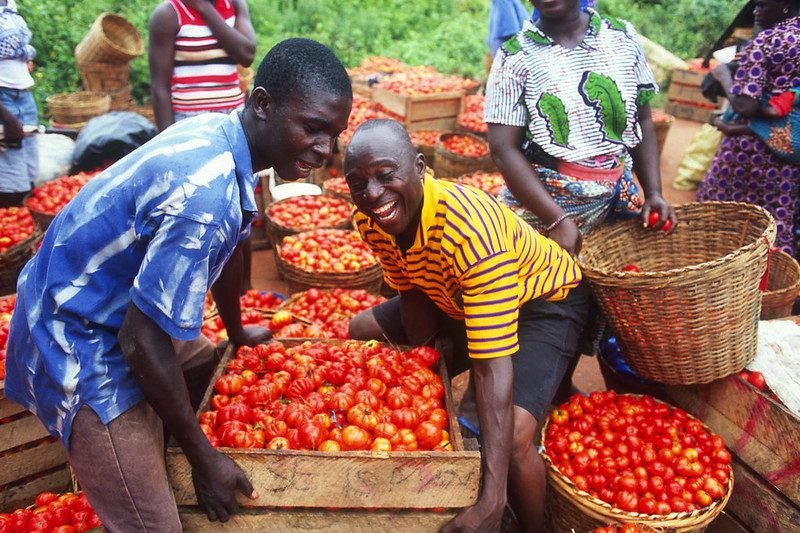
Tuberculosis In Cambodia To the nearly 17 million people living in Cambodia, tuberculosis is no stranger. In 2007, it was the seventh leading cause of death in the country. In 2012, it caused nearly 8.6 million Cambodians to fall ill. Today, despite the ongoing threat of tuberculosis in Cambodia, eradication efforts continue to prove that solutions to complex health problems can oftentimes start with the simplest of interventions—take, perhaps, a new washing machine.
A Clean, New Discovery

For the staff at the Khmer Soviet Friendship Hospital in Cambodia’s capital, such a realization came around because of Nhib Chhom. Nhib Chhom, the Deputy Infection Control Coordinator, asked nurse educator Kareeen Dunlop to test the bacterial residue of hospital linens. She discovered an extremely minor reduction in the amount of bacteria on washed laundry. This was a surprising finding no doubt, but to the hospital’s many employees, less than so.

“Staff have been pleading with me in regards to their laundering,” describes Dunlop in a 2019 report. “Nhib Chhom again said how the washing was coming back from the laundry dirtier than it went.”

Seeing as the hospital specializes in the treatment of infectious diseases, the nurses’ frustration is particularly understandable. Without the proper means to sanitize linens, curbing disease transmission is made unnecessarily more difficult. Furthermore, the lack of sanitization unnecessarily ignites yet another outbreak of tuberculosis in Cambodia.

What to Know About Tuberculosis in Cambodia

Globally, the WHO approximates that 1.8 billion people have TB. Cambodia in particular is still home to one of the largest TB infection rates in the world. Cambodia has approximately 13,000 TB-related deaths per year. Cases of tuberculosis in Cambodia have decreased by 45% between 2002 and 2011. Despite this decrease, however, Cambodia continues to remain among the world’s 22 high-burden tuberculosis countries. The Pasteur Institute in Cambodia estimates a TB prevalence of 36,000 cases out of a population of 16 million in 2015 alone. Coupled with an estimated 40% TB under-diagnosis rate according to research at the National University in Singapore, the TB threat in Cambodia is certainly far from passed.

Thankfully, however, such staggering numbers have not gone unchecked. In fact, together the national TB program and international partners have achieved an 85% TB treatment success rate. They continue to address eradication efforts. In the case of the Khmer Soviet Friendship Hospital’s laundry problem, the officials involved were Michael and Jodie Flowers. Michael and Jodie Flowers, managers of Commercial Laundry Solutions LTD., who volunteered to install four washing machines and donate a drier to the hospital. Aided by $6,000 worth of spare parts from Electrolux, the Flowers spent three weeks refurbishing their washing appliances. They ultimately granted nurses the ability to deliver sparkling clean laundry for the first time.

How the Cambodian Health Committee is Combatting Tuberculosis in Cambodia

Many others works to empower healthcare providers with the materials necessary to deter global health threats. A nonprofit NGO, the Cambodian Health Committee (CHC), has also been working long hours to eradicate tuberculosis in Cambodia. Additionally, they also strive to eradicate HIV/AIDS from Svay Rieng, Kompot and Kandal, three of Cambodia’s poorest and most war-affected provinces.

Founded by research immunologist Dr. Anne Goldfeld, in collaboration with healthcare professional Dr. Sok Thim, the CHC has treated more than 32,000 people with tuberculosis in Cambodia since its founding in 1994. The CHC has also screened over 2,000 people for drug-resistant TB infection. With an integrated emphasis on healthcare, clinical research and education, the CHC implements a community-based healthcare model to provide direct TB care, in addition to investigating the effectiveness of new innovations.

For example, the CHC designed a research study regarding the effects of treatment timing in outcomes for TB and HIV-infected patients. The study, CAMELIA, found that beginning TB drug therapy two weeks prior to administering AIDS medications decreases mortality by 34%.

The Borgen Project recently spoke with Dr. Sarin Chan, a clinical investigator for CAMELIA. According to Dr. Chan, the study has since progressed out of the experimental phase and into the clinical one. The study is involved with early ARV treatment for co TB and HIV-infected patients now recognized in the national guidelines for clinical care of HIV patients. The National Center for Tuberculosis and Leprosy Control’s development of a TB prevention strategy is similarly a promising step forward in the fight against tuberculosis in Cambodia, says Chan.

Looking Ahead

At the end of the washing cycle, much good can be said about the progress against tuberculosis in Cambodia. Despite the country’s high TB infection rate, increased access to community-based healthcare as provided by the CHC and improvement of hospital sanitation practices all point towards a brighter future.

– Petra Dujmic 
Photo: Flickr

July 21, 2020
https://borgenproject.org/wp-content/uploads/borgen-project-logo.svg 0 0 Kim Thelwell https://borgenproject.org/wp-content/uploads/borgen-project-logo.svg Kim Thelwell2020-07-21 01:31:232024-06-06 00:38:11Tackling Tuberculosis in Cambodia
Developing Countries, Global Poverty, Technology

6 Facts About Technological Improvements in Ghana

technological improvements in GhanaGhana is a nation located just west of Nigeria, with a population of 31 million people. Of those people, six million are food insecure, most living in rural areas. However, Ghana has been working harder than many of its neighbors to use technology to combat food insecurity. Over the last decade, the country has worked to improve its technologies and sustainable food sources. These are six facts about technological improvements in Ghana.
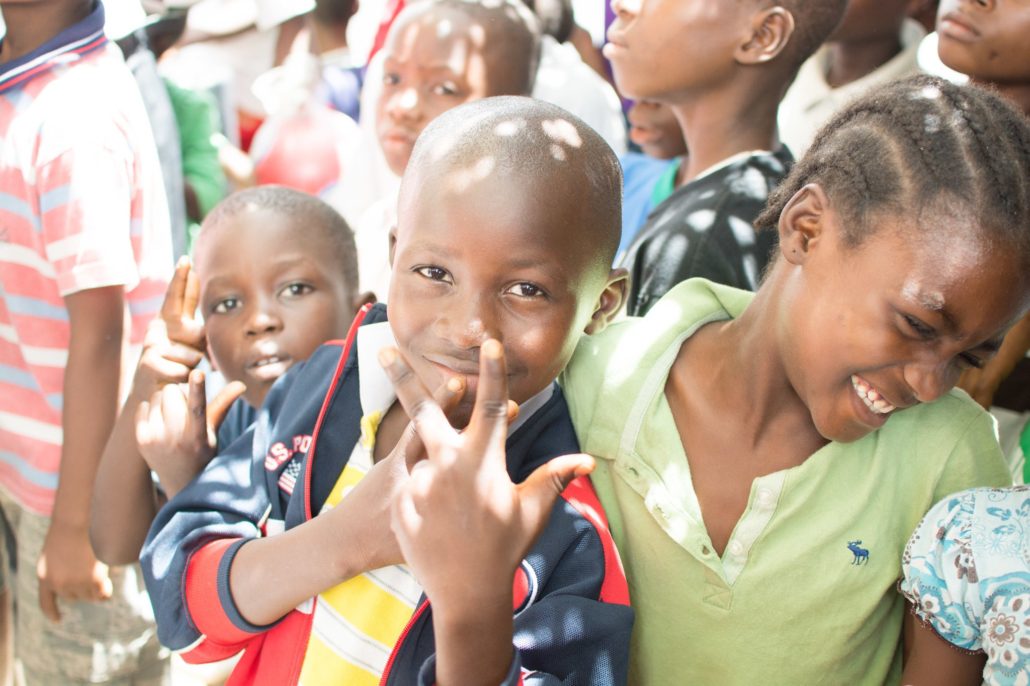
6 Facts About Technological Improvements in Ghana 

  1. Ghana has made plans to boost economic growth. Ghana aims to achieve low- to middle-income status in the upcoming decade. Agriculture is the ticket to a sustainable living environment. The issues hindering productivity in Ghana are related to inadequate infrastructure, as well as a lack of fundamental training in land management and equipment. Ghana has been investing in this future through eduction; around 6% of Ghana’s gross domestic product goes toward education, one of the highest percentages in the world.
  2. Productivity in Ghana is at a higher rate than neighboring nations. Ghana is a member of the United Nations and is a part of world trade. Gold, cocoa and oil are three of the country’s primary exports, and this keeps profits high enough to continue to educate and train younger citizens to farm and harvest. Ghana is one of the first countries in the region to achieve these milestones, with neighboring countries looking up to them. The GDP of neighbor country Togo is lower than that of Ghana. About 30% of the population in Togo live below the poverty line. In comparison, Ghana’s poverty percentage is 23.4%.
  3. Ghana must shift to incentive-driven economic policies to improve leadership. In order to do this, smaller land rural farmers must be able to identify and voice their needs, such as crop production, needing improvement on harvest and post-harvest procedures and finding the value in their commodities. When farmers feel heard, their incentive to increase productivity will grow. A non-governmental organization (NGO) project was conducted to open sustainability training centers in Ghana to expand knowledge. This project resulted in the improved health and livelihood of everyone involved.
  4. In 2017, there was a breakthrough in the development of a solar-powered vehicle for transportation. The breakthrough, called “aCar”, was developed by students at the Kwame Nkrumah University of Science and Technology. The prototype was developed to further explore the transportation-related needs of the country. This did astronomical things for the environment and farmers alike. The vehicle caters towards the farmers’ local needs. The aCar has become a convenient way to transport goods and trade with other farmers at markets in town. The car is solar powered and does not require fuel, which, in turn, saves farmers money. Furthermore, the vehicle is affordable and has the ability to use local materials to maintain the car.
  5. Accra is becoming a hub for technology advancement and the future of the nation’s development. The capital city of Ghana is the home of many tech firms and startup ideas. The city of Accra boasts companies such as mPedigree, a pharmaceutical company, and Rancard, which provides telecommunication services with other companies in the region. It has helped thousands of students growing up in Ghana find a path and way of learning.
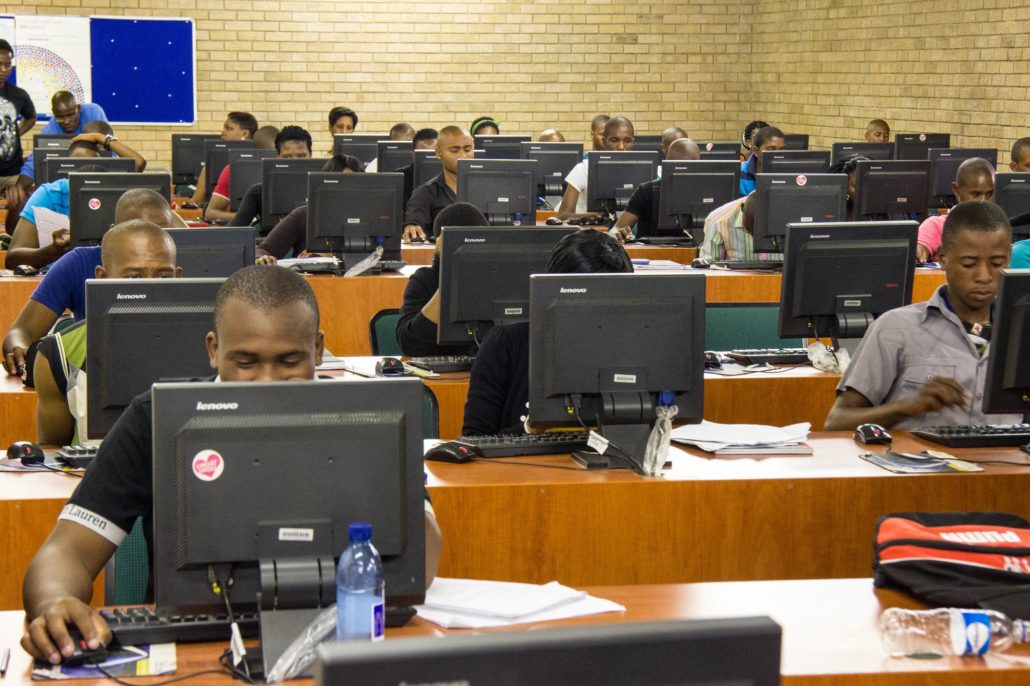
  6. Meltwater Entrepreneurial School of Technology in Accra is providing complete IT training, funding for software startups and even mentorships for all students. Having more young people trained in IT is helpful for the growth of technology and productivity within the nation. These schools and programs give young Ghanian innovators hope and inspiration, ultimately giving hope for the future of their nation. As a result, students in cities are learning skills that they can use internationally or locally to solve environmental and technological problems. Tech companies like hubAccra, Ispace and MEST are a working to hone the skills of those who want to learn to develop their communities.

Technology improvements in Ghana continue to increase today. Ghana is shaping the future by instilling all the skills and foundations into its youngest citizens to continue growing, developing and improving. The median age for Ghana’s capital city is 21 years old. The Ghanaians are young and flourishing, constantly learning new things and adding programs to their hub for technological development.  In the next decade, Ghana hopes to be a self-sustaining, middle-class economy through advanced technological improvements.

– Kimberly Elsey

Photo: Flickr

July 15, 2020
https://borgenproject.org/wp-content/uploads/borgen-project-logo.svg 0 0 Kim Thelwell https://borgenproject.org/wp-content/uploads/borgen-project-logo.svg Kim Thelwell2020-07-15 20:00:472024-06-06 00:38:106 Facts About Technological Improvements in Ghana
Developing Countries, Global Poverty, Health

Treating Tuberculosis in Liberia

Tuberculosis in Liberia
As COVID-19 spreads across the world, it is still not the leading cause of death from a single infectious agent. According to the CDC, that title belongs to tuberculosis, a respiratory illness that the bacteria species Mycobacterium tuberculosis causes. It usually targets the lungs but can attack any part of the body. Tuberculosis in Liberia, among other impoverished countries, remains a predominant issue that the country needs to address.

While tuberculosis is largely curable, it can be lethal if left untreated. The disease still affects populations of developing nations due to their lower capacity health care systems. According to the CDC, tuberculosis is the eighth leading cause of death in Liberia. The disease infects over 300 people per 100,000 Liberians.

Poverty in Liberia

 An article in the Lancet explains that tuberculosis is the “archetypal disease of poverty,” remaining prevalent largely in developing nations such as Liberia. Over 90% of the Liberian population lives under the international poverty line of $5.50 per day. Poverty not only makes treatment costs excessively burdensome for many people, but it also contributes to risk factors that further the spread of the infection.

According to Dr. Saurabh Mehta, Associate Professor of Global Health, Epidemiology and Nutrition at Cornell University, conditions that weaken the immune system are risk factors for tuberculosis transmission. These conditions include HIV infection, diabetes and malnutrition, all of which correlate with a lower socioeconomic status.

Dr. Mehta explains that overcrowding is another risk factor that facilitates TB transmission. In a crowded setting, a person infected with tuberculosis has a higher potential to interact with susceptible people.

Both malnutrition and overcrowding could contribute to the impact of tuberculosis in Liberia. One in three Liberian children experience stunting due to malnutrition, and over half of Liberia’s urban population lives in slums. The World Food Program is working to alleviate hunger in Liberia by providing meals in schools, supporting refugees through direct food aid and creating food reserves in food-insecure communities. The World Food Program provided over 66,000 pounds of rice as an initial reserve, which community members can access at a low-interest rate.

Rebuilding Health Care System Capacity

In order to treat tuberculosis in Liberia, the Liberian government needs a robust health system. However, civil war and outbreaks of other illnesses, such as Ebola, have weakened Liberia’s health system leaving fewer than four physicians per 100,000 people.

From 1989 to 2003, a civil war wreaked havoc throughout the nation, killing more than 250,000 people. Because many either died or fled, the number of trained doctors in Liberia declined from 237 to less than 20 by the end of the war.

While training programs that the country established after the war helped increase the number of nurses, Liberia only had a few dozen of its own doctors at the outset of the 2013-2016 Ebola outbreak. Ebola killed 4,809 people and further damaged Liberia’s health systems, among other West African countries. In a few years, the disease killed at least 600 health care workers across Liberia, Sierra Leone and Guinea.

To expand and safeguard its health care system’s capacity, Liberia collaborated with the WHO and other organizations to invest in Ebola treatment units as well as training for over 21,000 health workers.

Multidrug-resistant Tuberculosis Treatment

Drug-resistant pathogens are a serious public health concern globally. As existing medications become less effective, previously treatable illnesses become more deadly.

Over 2.5% of people with tuberculosis in Liberia have a multidrug-resistant form of the illness, making their condition higher risk and their treatment more expensive. Additionally, according to Mehta, treatment for multidrug-resistant tuberculosis is less effective and takes two to four times as long to complete as the treatment for tuberculosis that is not drug-resistant.

Taking an incomplete course of tuberculosis treatment increases the risk that someone could develop multidrug-resistant tuberculosis. This risk would decrease, however, if patients had more affordable treatment options.

The Liberian National Leprosy and Tuberculosis Control Program has worked to expand access to the international standard of care for tuberculosis, DOTS (Directly Observed Treatment Short courses). Although the treatment success rate for those who received treatment was at 80%, less than half of people with tuberculosis obtain treatment.

Tuberculosis Comorbidity with HIV/AIDs

The World Health Organization reports that 53 out of every 100,000 people in Liberia have a particularly lethal combination of tuberculosis and HIV/AIDs. People who have both diseases face a higher risk of their tuberculosis becoming active rather than remaining latent/asymptomatic. This is because HIV/AIDS weakens the immune system. As a result, tuberculosis causes 40% of deaths in HIV/AIDS patients.

While treatment to prevent tuberculosis for HIV/AIDs patients exists, only 21% of HIV positive patients receive such treatment. Expanding access to preventative treatment has the potential to significantly reduce mortality for people with tuberculosis in Liberia who also have HIV/AIDs.

– Tamara Kamis
Photo: Flickr

July 14, 2020
https://borgenproject.org/wp-content/uploads/borgen-project-logo.svg 0 0 Jennifer Philipp https://borgenproject.org/wp-content/uploads/borgen-project-logo.svg Jennifer Philipp2020-07-14 07:30:292024-05-29 23:17:54Treating Tuberculosis in Liberia
Developing Countries, Disease, Global Poverty, Poverty, Poverty Reduction

Decreasing Poverty in Ethiopia

Decreasing Poverty in Ethiopia
There have been both strides and setbacks in recent years in the process of decreasing poverty in Ethiopia. Poverty in the region has been steadily falling. Several factors, including increased agriculture and a decreasing fertility rate, are responsible for this decline. However, the developing nation needs to do much more to stay on track.

The poverty rate in Ethiopia has been on a steady decline for the last 10 years. As a result, the country’s health and quality of life have been improving. The World Bank reported that the national poverty rate decreased from 29.6% to 23.5% between 2011 and 2016. Here is a breakdown of what is decreasing poverty in Ethiopia. 

The Agricultural Factor

One of the main ways that Ethiopia has improved its poverty rate is through increased agricultural activities, which are the backbone of its economy. Data from 2018 shows that the majority of the population, approximately 80%, live in rural areas. Additionally, the World Bank estimated that in 2018, approximately 67% of employment was in agriculture. For Ethiopians, agriculture is a vital part of their income. As a result, one of the most effective ways of targeting poverty in Ethiopia is stimulating the agricultural industry. 

The Ethiopian Agricultural Transformation Agency has been identifying and remedying obstacles in Ethiopia’s agricultural industry since 2010. According to the ATA’s website, it operates “in order to provide a platform to address the most critical systemic bottlenecks constraining fulfillment of agriculture sector goals and targets identified by the government.”

Another project that is positively impacting Ethiopia’s agricultural industry is the Second Agricultural Growth Project. This project began in 2015 and aids in commercializing and increasing agricultural production.

All of this work has been paying off. According to a report published by the International Food Policy Research Institute, Ethiopia’s total agricultural output in 2013/14 had risen an impressive 124% since 2004/5. With agriculture playing such a large role in Ethiopia’s economy, a continued focus on expanding and commercializing this sector of the economy should continue to help eradicate poverty in the country.

The Fertility Rate Factor

Another factor affecting Ethiopia’s poverty rates is a decrease in the fertility rate. The fertility rate is a measure of the average number of children per woman. In Ethiopia, the fertility rate has fallen from approximately 6.5 children in 2000 to 4.2 children in 2018. Fertility rates often correlate with poverty because the birth of fewer children results in a smaller drain on the nation’s resources. Countries with lower fertility rates can often offer better resources to citizens because more resources are available to each child.

Setbacks

While the nation is working towards overcoming poverty, it still plagues daily life in many ways. One particular effect of poverty on public health is a lack of resources for maintaining hygiene, which is particularly vital in the era of COVID-19. A lack of running water in the country has led a chunk of the population, around 22%, to practice open defecation. This practice has many health risks for the Ethiopian public, as it often leads to people coming into contact with fecal pathogens.

Another hygiene-related issue tied to poverty in Ethiopia is a lack of running water to wash hands. In Ethiopia, approximately 30% of the population is without a facility in which they can practice basic hand washing. During the era of COVID-19, hand washing is more important than ever, and this lack of washing facilities could be detrimental to the country.

Steps Forward

The Water, Sanitation and Hygiene Project at World Vision Ethiopia has made great strides in providing clean drinking water and sanitation to Ethiopia. WVE’s project “principally aims to reach children and families with a holistic suite of WASH interventions.”

WVE has made a big difference since it started the WASH project in 2011. Between 2011 and 2018, WVE successfully provided 2.4 million Ethiopians with dignified sanitation. In addition to this success, it was also able to make sure that 2.45 million Ethiopians are practicing good hygiene.

In addition to the WASH project, WVE also works to fight disease and sickness. The organization’s programs contribute to the health of more than 3.5 million vulnerable children in Ethiopia. Over the past 10 years, the organization has successfully built a hospital, 55 health centers, 257 health posts and 131 additional maternity blocks. The programs also renovated 11 outdated facilities and worked to provide the facilities with the necessary equipment.

WVE has also committed itself to combat illiteracy in Ethiopia, a necessity in any developing country. It offers a literacy program to children in Ethiopia, which is to help the children further their reading skills.

Over the past 10 years, there have been great steps forward towards decreasing poverty in Ethiopia. While these improvements are cause for celebration, it is also vital to address the poverty that still exists in the developing nation. All too often, people see progress as a sign that efforts are working and that they can simply maintain them or even cut them back. Ethiopia’s recent success is an encouraging sign, but one that needs to spur, not curtail further action.

– Sophia Gardner
Photo: Flickr

July 12, 2020
https://borgenproject.org/wp-content/uploads/borgen-project-logo.svg 0 0 Kim Thelwell https://borgenproject.org/wp-content/uploads/borgen-project-logo.svg Kim Thelwell2020-07-12 08:51:372022-04-20 15:28:39Decreasing Poverty in Ethiopia
Clean Water Access, Developing Countries, Disease, Global Poverty

How Origami Provides Access to Clean Water 

origami provides access to clean waterPaper for Water is a non-profit organization located in Dallas, Texas that transforms lives through origami practices. In 2011, two sisters, Katherine and Isabelle Adams, ages five and eight years old, discovered that millions of people in the world do not have clean water resources. Furthermore, in impoverished countries, young women often skip school to walk miles in search of clean drinking water. So, the Adams sisters decided to make a difference by handcrafting origami ornaments for donations to build a well for an Ethiopian community. After raising more than $10,000, when their original goal was to raise $500, the Adams sisters established their corporation, Paper for Water. Here is how origami provides access to clean water.

Now, Katherine and Isabelle Adams, ages 14 and 16, work alongside hundreds of volunteers across North Texas. Since 2011, Paper for Water has raised over $2 million, helping fund 200 water projects in numerous countries. Paper for Water has trained over 1,000 people the art of folding origami. It has graced over 48,000 people with access to clean water through implementing water wells in deprived communities.

Paper for Water and Education

Additionally, Paper for Water educates local communities in the global water crisis. There are approximately 2.5 billion cases of diarrhea every year in children less than five years old. Diarrhea accounts for about 760,000 deaths in children under five years old annually. Diarrhea is now the second leading cause of death in children across the world, advancing AIDs, malaria and measles combined. Caused by unsafe drinking water and poor sanitation conditions, diarrhea is one obstacle developing communities across the globe face.

Paper for Water stresses the importance of clean water well building through their past 120 educational talks, which reached 14,000 people. Paper for Water’s informational efforts gained the attention of influential social media platforms, such as Nickelodeon’s HALO Effect, the Kleenex Corporation, Martha Stewart Living, People Magazine and CBS.

Where Paper for Water Does Business

Paper for Water currently sells its origami ornaments on their online store and in some temporary stores as specified online, such as Neiman Marcus and Galleria Dallas. The beautiful, ornate decorations are Paper for Water’s primary source of financial donations. Each profit from an ornament sold goes straight into Paper for Water’s efforts of water well building abroad. So, with each paper folded, with each origami created, Paper for Water provides access to clean water. Nevertheless, Paper for Water relies on monthly donors of $10 a month to help maintain its goal of installing one water well per month.

Paper for Water has partnered with businesses across North Texas, instituting large installations of their elegant crafts. In 2017, Paper for Water constructed 350 origami ornaments for Neiman Marcus’ Christmas Book. This partnership with Neiman Marcus enabled two schools in Kenya to receive water wells. Galleria Dallas and Mo Wax Visual partnered with Paper for Water in 2018, crafting over 4,000 origami butterflies for their “Fold to Flight” display. Galleria Dallas Mall provided Paper for Water with a temporary store during the summer installation. The Crow Museum of Asian Art’s Lotus Shop in Downtown Dallas also installed a Paper for Water exhibit. The magnificent origami piece exhibits a collaborative project with Ekaterina Lukasheva, a famous origami artist.

Current Partnerships and Success

Paper for Water also has partnerships across the United States through its essential volunteer base. Multiple groups of volunteers appear across the nation, consisting of the Well Wishers Group, the Paper Dolls Group, Paper for Water’s Youth Representatives Worldwide, NorthPark Presbyterian Church, Volunteers of All Ages Group and several families and school clubs across America. With the help of volunteers making origami ornaments, the organization can make a difference and administer clean water resources globally.

Paper for Water is transforming lives one piece of paper at a time. Through designing origami pieces, the organization combines art and philanthropy, supplying the world’s thirsty with clean water wells. Paper for Water hopes to end the world water crisis and continues to make and sell origami ornaments every day. Paper for Water’s website provides multiple options to get involved in the cause, from purchasing origami ornaments to learning how to make origami to volunteering or donating monthly. 

– Kacie Frederick 

Photo: Flickr

July 9, 2020
https://borgenproject.org/wp-content/uploads/borgen-project-logo.svg 0 0 Jennifer Philipp https://borgenproject.org/wp-content/uploads/borgen-project-logo.svg Jennifer Philipp2020-07-09 14:47:532020-07-09 14:47:52How Origami Provides Access to Clean Water 
Developing Countries, Global Poverty, Poverty

The Organization Advocating for Developing Countries

Advocating for Developing Countries
The Chicago Council on Global Affairs commits itself to raising awareness on “global issues of the day” and advocating for developing countries. Founded in 1922, the organization has raised awareness for global poverty through social media, podcasts, articles and rallies. The organization has not only raised money and awareness to the cause of global poverty, but it has also educated the world on how individuals can shape the future of the earth without bias. It shows how a person has the ability to provide aid to another who is starving, undereducated, ill or impoverished. The organization exhibits how to turn people’s lives around through supporting global initiatives and programs that aid the world’s poor.

Raising Awareness

Weekly podcasts focusing on various international issues allow listeners to gain knowledge of the problems facing developing nations. The podcasts allow listeners to find out about service events happening near them, giving them the ability to act and support what is going on to help developing nations.

Listeners and supporters can also submit questions to the council on global issues. Following the same podcast format, the council educates the public on international problems, solutions to those problems and how the listeners have the chance to support the cause as well. This weekly podcast has an open submission throughout the week and tackles a new topic during each session.

As well as podcasts, the Chicago Council on Global Affairs also uses social media resources to educate people. For the last three years, the council has released public surveys, asking questions regarding the importance of global affairs. The organization allows those surveyed to state his/her opinion on why he/she thinks it is important to aid the world’s poor. Additionally, the survey also asks questions and public opinion on global, political issues facing countries.

As well as using social media sources, the council holds events globally to raise awareness of global issues. These events tackle problems such as immigration, hunger in developing countries, the need for education in developing nations, and various other topics. These events allow everyday individuals to serve people globally, whether that be through the donation of time or money. Furthermore, these events give the opportunity to make a difference and help the problem.

How the Council Fights Hunger Internationally

In addition to advocating for developing countries by reaching out to the public, the Council focuses on how its own efforts can benefit the poor. For example, in 2009, the council lent its voice in support of Feed the Future, the Obama Administration’s USAID’s food security initiative. This initiative focuses on solving food scarcity for 23.4 million people living under the poverty line, globally. This program set in motion a task force within the Chicago Council on Global Affairs that examined how the application of technology to agriculture could facilitate “food system transformations,” that would potentially usher in a new agriculturally urbanized world.

Through the efforts of this task force and many others, over 900 innovations have emerged to feed the hungry and impoverished. These innovations have lifted approximately 5.2 million families out of hunger. Meanwhile, its efforts also raised over $3 billion to stunt food scarcity between 2011 and 2018. Additionally, agricultural sales have generated $12 billion across the globe. This program has economically supported countries such as Ethiopia, Ghana, Tanzania, Bangladesh, Benin, Kenya and many others.

Looking Forward

While the Chicago Council on Global Affairs works on advocating for developing countries by highlighting the needs of those facing starvation, extreme dehydration, political misconduct and other debilitating circumstances, it goes a step further. It also provides solutions to fix those problems, supplying resources for those who want to help but do not know how to do so, such as by providing donations to those in need and utilizing social media to raise awareness. Through these efforts, the Council shows that an individual does not need wealth or pomp but a willing heart and some time to make a difference in this world.

– Alexis LeBaron 
Photo: Flickr

July 9, 2020
https://borgenproject.org/wp-content/uploads/borgen-project-logo.svg 0 0 Lynsey Alexander https://borgenproject.org/wp-content/uploads/borgen-project-logo.svg Lynsey Alexander2020-07-09 07:30:452024-06-06 00:38:13The Organization Advocating for Developing Countries
Developing Countries, Global Poverty, Poverty

Mushroom Farming Combats Global Poverty

mushroom farming combats povertyIn the United States, mushrooms pop up on pizzas, in salads and as a side to any number of popular dishes. Most people do not give much thought to where the fungus on their fork came from. However, mushrooms are not an afterthought to many around the globe. Indeed, mushroom farming combats poverty globally, providing both a source of nutrition and income.

How Mushrooms are Farmed

Unlike most crops, mushrooms are not grown in a field. Instead, these edible fungi thrive in dark, warm places. Thus, many people farming mushrooms on a small scale do so in their homes or in an outbuilding.

Mushrooms thrive off decaying vegetation and other agricultural waste, and they can be raised in stacked beds, making them fairly low maintenance, especially compared to fruits or vegetables. They can also grow three times as quickly as some other crops, so they provide a steadier source of food or income.

Successfully cultivating mushrooms can yield a return of up to four times the initial investment. Additionally, mushrooms are a source of “potassium, calcium, magnesium and iron” as well as fiber and protein. This makes them an adaptable and potent tool in fighting malnutrition.

Successes in East Asia

Mushrooms provide an alternative income source for many women in Bangladesh. One such woman is Kajal. At a young age, both her legs were paralyzed. After she married, Kajal discovered Access Bangladesh, an initiative designed to teach disabled people practical skills they could use to earn money.

One such skill was mushroom cultivation, which provides Kajal and her family around 3,000 taka ($35) monthly. For a country with a GDP per capita of around $1,200, this additional income can be a deciding factor in a family’s subsistence. With funding from Canada, the Bangladesh Skills for Employment and Productivity Project and Access Bangladesh have helped nearly 600 people learn mushroom cultivation, around 300 of whom are women.

In Nepal, mushrooms possess the power to play a critical role in alleviating poverty. However, many communities lack the key resources needed to successfully cultivate mushrooms. These resources include sufficient upfront investment, current technologies and high-quality mushroom spawn.

To address these barriers, PHASE Worldwide, an NGO operating in Nepal, provides high-quality mushroom spawn and teaches cultivation methods to impoverished communities. In addition to their work with mushrooms, PHASE has trained more than 1,000 farmers in vegetable cultivation.

A Growing Market in Africa

As in East Asia, mushrooms are helping farmers in Africa combat poverty and create sustainable agriculture. In Rwanda, Laurent Demuynck, a former New York brewery operator, started Kigali Farms in 2010. His goal was to create a commercial mushroom enterprise in Rwanda. African mushroom farmers commonly ran into trouble with low yield and high costs, something Demuynck wanted to solve. Kigali Farms started growing oyster mushrooms, and in 2016, USAID’s Feed the Future Initiative partnered with Kigali to establish button mushroom production as well. Today, Kigali Farms is exporting mushrooms to Kenya and Uganda, as well as selling them locally.

One input needed for mushroom cultivation is straw, which Demuynck purchased from local wheat farmers, mainly women. This proved a boon for the wheat farmers since the straw left over after the harvest had previously held little value. USAID assisted in the effort and established three collection centers for farmers to store their straw before selling it to Kigali.

How Mushrooms Made One Girl Famous

In Tibet, matsutake mushrooms—one of the most valuable mushrooms in the world—grow at elevations of 13,000 feet or more. Faced with increasing bills, Geru Drolma went searching for matsutakes and live-streamed the search. That video received a large number of views in a short period of time and requests for matsutakes and cordyceps, another type of fungus, poured in.

This led Drolma and other villagers in her remote Tibetan community to set up a cooperative. They made more than $500,000 harvesting fungi in their first year. Drolma’s initial mushroom video also led her to concentrate on filming and posting snippets of Tibetan life. She has garnered 1.9 million followers since then.

Mushrooming Success

People like Laurent Demuynck and Geru Drolma all started with an idea that grew into something that impacted those around them. Additionally, initiatives in Bangladesh and Nepal also helped kickstart similar ideas. Thanks to ideas with backing, East Asian and African mushroom farming combats poverty at an extremely successful rate.

– Jonathan Helton
Photo: Pixabay

June 30, 2020
https://borgenproject.org/wp-content/uploads/borgen-project-logo.svg 0 0 Kim Thelwell https://borgenproject.org/wp-content/uploads/borgen-project-logo.svg Kim Thelwell2020-06-30 09:34:572024-06-06 00:33:25Mushroom Farming Combats Global Poverty
Page 82 of 157«‹8081828384›»

Get Smarter

  • Global Poverty 101
  • Global Poverty… The Good News
  • Global Poverty & U.S. Jobs
  • Global Poverty and National Security
  • Innovative Solutions to Poverty
  • Global Poverty & Aid FAQ’s
Search Search

Take Action

  • Call Congress
  • Email Congress
  • Donate
  • 30 Ways to Help
  • Volunteer Ops
  • Internships
  • Courses & Certificates
  • The Podcast
Borgen Project

“The Borgen Project is an incredible nonprofit organization that is addressing poverty and hunger and working towards ending them.”

-The Huffington Post

Inside The Borgen Project

  • Contact
  • About
  • Financials
  • President
  • Board of Directors
  • Board of Advisors

International Links

  • UK Email Parliament
  • UK Donate
  • Canada Email Parliament

Get Smarter

  • Global Poverty 101
  • Global Poverty… The Good News
  • Global Poverty & U.S. Jobs
  • Global Poverty and National Security
  • Innovative Solutions to Poverty
  • Global Poverty & Aid FAQ’s

Ways to Help

  • Call Congress
  • Email Congress
  • Donate
  • 30 Ways to Help
  • Volunteer Ops
  • Internships
  • Courses & Certificates
  • The Podcast
Scroll to top Scroll to top Scroll to top