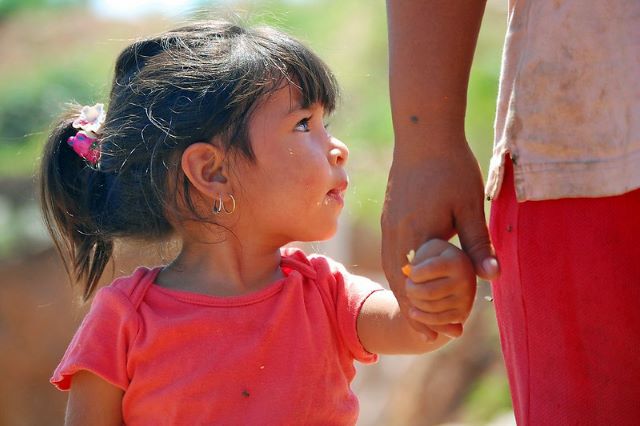
 The United States’ Migrant Protection Protocols (MPP) program, better known as “Remain in Mexico,” is a policy that requires those seeking asylum within the United States entering from the southern border to wait outside of the United States in Mexico while their cases are reviewed by immigration judges. Since its implementation in January 2016, this policy has led to the build-up of camps of asylum seekers around Mexico. These U.S.-Mexico border camps are ridden with crime, disease and other dangers.
Rampant Crime in US-Mexico Border Camps
The NGO, Human Rights First, has reported more than 1,314 cases of rape, kidnapping, murder, torture and other violent crimes against migrants forced to return to Mexico. Of those cases, 318 have been kidnappings or attempted kidnappings of children. Rampant police corruption in border cities means nothing is done to protect migrants. Crimes including extortion, assault and sexual harassment have all been reported against members of the Mexican police. These reports come from individual interviews held by Human Rights First in order to determine the scale of crime within migrant camps. Given that about 55,000 individuals have been returned to Mexico as part of the Migrant Protection Protocols program, the organization believes that those 1,314 cases are only the tip of the iceberg when it comes to violent crime in U.S.-Mexico border camps.
The Dangers of Mexican Regions
The United States Department of State periodically releases travel advisories on countries and regions throughout the world to warn citizens of dangers they may face when traveling there. This includes the Mexican state of Tamaulipas, Matamoros, a hotspot for gathering migrants awaiting entrance into the United States. Thousands of migrants, returned to Mexico by immigration officials to await their trials, live in tented border camps in a place that the United States considers dangerous. This has led to scrutiny by organizations such as the American Civil Liberties Union (ACLU) for endangering asylum seekers by sending them to places that the United States admits are dangerous.
Vulnerable Populations in Camps
Despite the fact that vulnerable populations are supposed to be exempt from the “Remain in Mexico” program, many individuals that should not have been sent back have shown up in U.S.-Mexico Border camps. The period from the programs start through June 2019 saw 13 pregnant women and 4,780 children sent to await their trials in Mexico according to Human Rights Watch. Human Rights Watch also reports that people genuinely afraid of returning to Mexico, including kidnapping and assault victims, have been denied exemption from the Migrant Protection Protocols program and were sent back across the border anyway. Human Rights Watch, the ACLU, Human Rights First and others, have all found that people including the disabled, the young, the sick and members of the LGBTQ+ community, have all been sent back to Mexico despite qualifying for an exemption from the policy.
Unsanitary Conditions Spread Disease
The unsanitary conditions along the U.S.-Mexico border have led to diseases spreading among migrants. Reportedly, there is little clean water and migrants often bathe in the Rio Grande River, which is known for containing E. coli, other bacteria and human feces. Few cases of COVID-19 have been officially recorded. However, with border camps’ proximity to COVID-19 hotspots both in the U.S. and Mexico, there is likely an abundance of unknown cases.
NGOs Assist Migrants
Immigration to the United States has basically come to a complete standstill as the border between the two countries has remained closed throughout the course of the pandemic. Because of this, NGOs have gone into border camps in order to assist those in need. The UNHRC has set up hand-washing stations and isolation areas in some migrant camps. It has also provided cash relief to migrants who have lost jobs due to the pandemic. Other organizations like Global Response Management and Doctors Without Borders have provided medical assistance by building medical centers, distributing PPE and providing medical treatment for those infected with COVID-19.
The United States Migrant Protection Protocols, or the “Remain in Mexico” policy, has without a doubt led to an increase in concerns for the health and safety of people along the U.S.-Mexico border. Now, with the COVID-19 pandemic bringing the already slow asylum process to a standstill, poverty and disease has spread throughout these camps. However, NGOs like the UNHRC have been stepping up and providing assistance to those most in need.
– Aidan Sun
Photo: Flickr
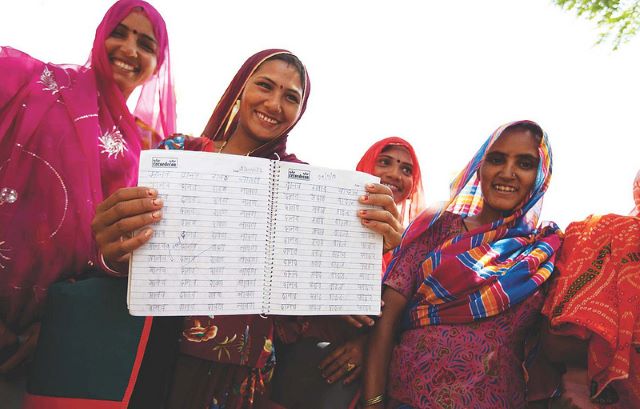 Globally, women are faced with the invisible burdens of gender inequality which are entrenched deeply within institutional structures and communities as a whole. These prejudices may limit a woman’s access to higher employment and assistance programs, ultimately leading to higher rates of poverty, especially among women of color. As of 2018, the
 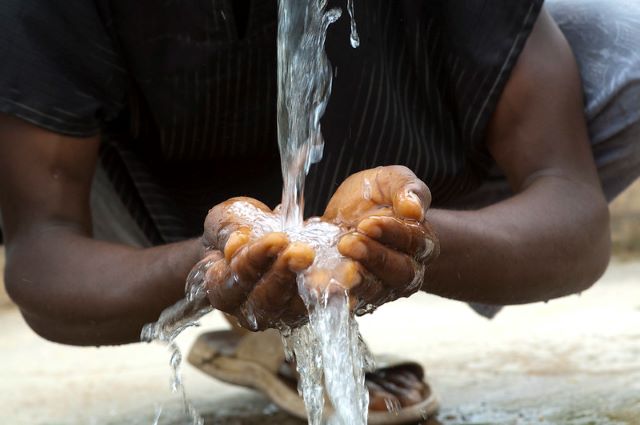 According to the World Health Organization (WHO),
 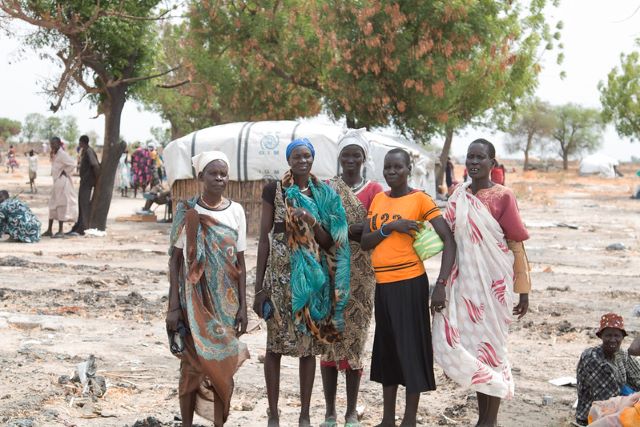 South Sudan, a country in East Africa, gained independence in 2011. This gave more power and
 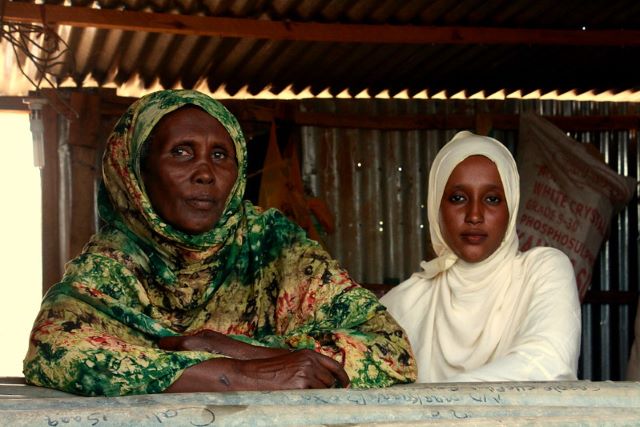 It is estimated that 11.5 million, or
 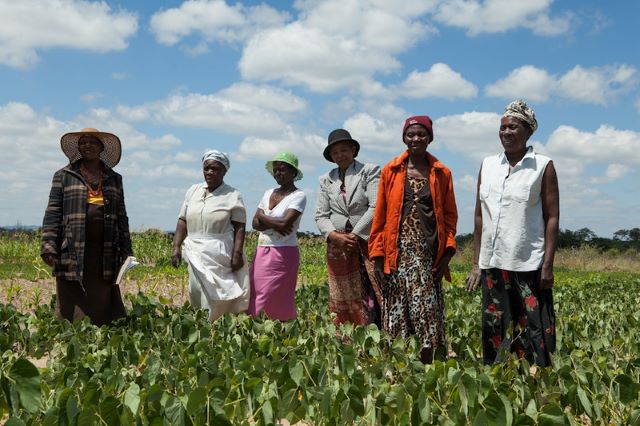 Like many other African nations, Zimbabwe faces an ongoing battle for women to see equal opportunity and protections as men. Traditionally, society considers women dependent on men. Because of this historical reliance, women often find themselves in abusive or harmful relationships and the marriage of girls younger than the legal age often comes from necessity. As of 2019, cases of marriages of girls younger than 15 have
 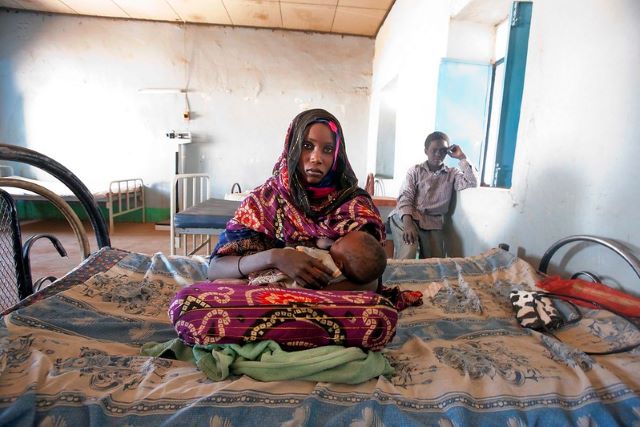 The movement for
 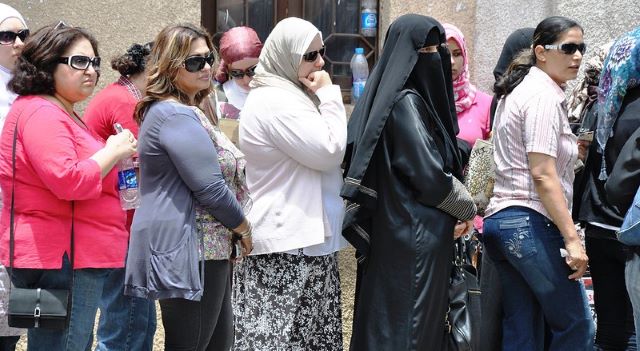 Egypt recently launched the “
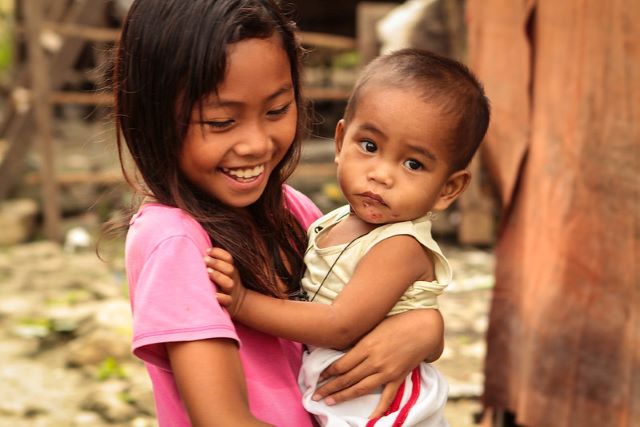 The Philippines is a country in the Pacific Ocean that is made up of over 7,000 small islands. The Philippines struggles with issues of global poverty, healthcare and education. However, progress has been made in recent years to combat these issues and ensure that every Filipino citizen is able to live a healthy and happy life.
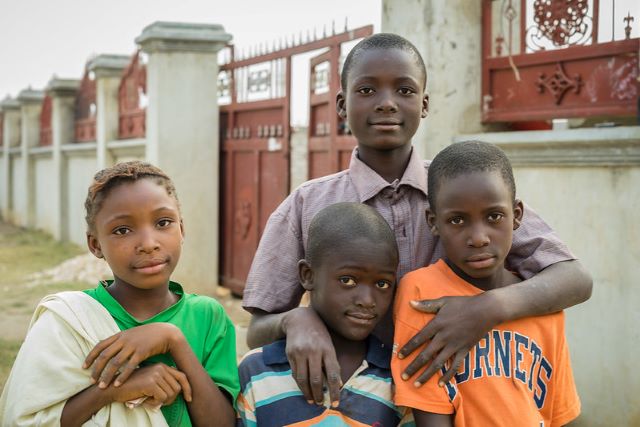 Northern parts of Nigeria have become the epicenter of brutal and violent attacks carried about by the notorious militant ISIS group, Boko Haram. Many victims are left with painfully traumatic memories that develop into post-traumatic stress disorder (PTSD). Functioning normally is impossible for those affected by PTSD and northeast Nigeria only has a single mental health institute. Nonprofits advocating for mental health in northern Nigeria have taken to Twitter and other forms of social media to provide guidance and healing to help bridge the gap.