• Link to X
  • Link to Facebook
  • Link to Instagram
  • Link to TikTok
  • Link to Youtube
  • About
    • About Us
      • President
      • Board of Directors
      • Board of Advisors
      • Financials
      • Our Methodology
      • Success Tracker
      • Contact
  • Act Now
    • 30 Ways to Help
      • Email Congress
      • Call Congress
      • Volunteer
      • Courses & Certificates
      • Be a Donor
    • Internships
      • In-Office Internships
      • Remote Internships
    • Legislation
      • Politics 101
  • The Blog
  • The Podcast
  • Magazine
  • Donate
  • Click to open the search input field Click to open the search input field Search
  • Menu Menu

Archive for category: Developing Countries

Information and stories about developing countries.

Developing Countries, Global Poverty, Women, Women's Empowerment

SWEDD Project Empowers Women in Sahel

SWEDD projectThe Sahel Women’s Empowerment and Demographic Dividend SWEDD) regional initiative was launched in 2015 with its conclusion set for 2018. The call for the initiative came from six African presidents to accelerate the empowerment of women as a transitional power in the region. The Sahel region is reeling from a host of issues like climate issues, terrorism, organized crime and much more. Lack of food, clean water and medicines are prevalent concerns and the region has suffered a set of humanitarian crises in response. The region’s crises garnered the attention of the United Nations and the World Bank Group, which initiated the SWEDD project and its phase two continuation.
Sahel Women’s Empowerment and Demographic Dividend (SWEDD)

The main objective of the SWEDD project is to increase women and adolescent girls’ empowerment and their access to quality reproductive, child and maternal health services. It also seeks to promote social and behavioral change and reinforcement of advocacy at policy development levels to support these objectives.

Nine countries are currently involved in the SWEDD project, creating an inclusive economy that centers on gender equality issues. These countries are Benin, Burkina Faso, Cameroon, Chad, Côte d’Ivoire, Guinea, Mali, Mauritania and Niger.

As of 2014, women made up a majority of the population in every country listed in the program. Based on this fact, the future envisioned by policymakers would have to embrace and empower the female population, driving a new paradigm for the Sahel.

SWEDD’s Impact

Through this initiative, the establishment of improved societal, financial and health structures have developed in the region. The benefits of the program are seen in various key development sectors.

  • The completion rate for girls in secondary schools rose from 35.1% to 40.3% between 2015 and 2018.
  • The program led to increased access and use of contraception, with more than 4,302,000 women using more modern methods.
  • A whole 10,154 midwives have gained training in new technologies, increasing the overall growth of the field by 15.2% in the initiative’s first four years of existence.
  • The completion rate for girls in secondary schools rose from 35.1% to 40.3% between 2015 and 2018.
  • The program created 1,640 clubs for husbands and husband-to-be in the region, which sets its aims on the education and participation of men and boys for gender equality.
  • The average income of women in the region has risen.
  • A notable decrease in the number of child marriages has been linked to educational attendance.

Continuation of SWEDD

The impact of the SWEDD project in the Sahel region is substantial. The changes stemming from the initiative, have begun a societal restructuring of communities throughout the Sahel, at a critical moment in African post-colonial history. The overwhelming success of the initiative has been rewarded by continuing well beyond its initial end in 2018 to 2023. Phase two of the program ensures that even more women in the region are empowered.

– Christopher Millard
Photo: Flickr

December 28, 2020
https://borgenproject.org/wp-content/uploads/borgen-project-logo.svg 0 0 Lynsey Alexander https://borgenproject.org/wp-content/uploads/borgen-project-logo.svg Lynsey Alexander2020-12-28 01:30:332021-01-11 04:17:00SWEDD Project Empowers Women in Sahel
Developing Countries, Education, Global Poverty, Technology

Raspberry Pi Innovates Developing Countries

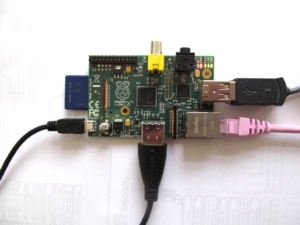
Raspberry Pi“Ciudad de Ariel” is an elementary school in the rural town of Duran, Ecuador. In this small school, people are studying a computer substitute that could change the world called Raspberry Pi. This life changing computer is a small chip that can fit in a hand.
The Technological Gap

For many developing countries, technology is out of the picture. The general growth in technology proficiency has evaded developing countries. They often cannot afford internet access and computers in all schools, so children and young adults suffer in technological skills. Furthermore, other challenges of poverty, like food insecurity and lack of water, take priority to learning how to use a computer.

The problem is that technology can actually provide large benefits for developing countries. The internet offers vast amounts of information and programming to serve any need. If developing countries have access to computers, the ability to decrease poverty levels can be more feasible. Unfortunately, most computers are specialized, expensive and hard to produce. Previously, developing countries lacked the budget for technology advancement and access. But now, the Raspberry Pi offers tech opportunities to people all over the world.

The Device

There are many unique aspects of the Raspberry Pi that separate it from normal computers. First, its price is affordable; it has a base cost of $35. This is significantly cheaper than any other computer chip on the market. As such, some schools in areas of poverty are using Raspberry Pis in their computer labs.

Another unique aspect of the Raspberry Pi is it’s small form. The Raspberry Pi 4, the most recent model, is only 3.37 inches high and 2.22 inches wide. An entire computer lab of Raspberry Pis can fit in a suitcase. Not only is the computer chip small, it is also incredibly light, weighing only 46 grams. Therefore, the Raspberry Pi is easily portable. This is an important factor as many schools in developing countries are in rural, hard-to-reach areas.

Finally, the Raspberry Pi is famous for its versatility. Most computers are made to do specific tasks. Whether it is running a server, rendering 3D graphics, or browsing the internet, each computer has distinct hardware for its purpose. The Raspberry Pi, on the other hand, is capable of handling almost any task. For example, it can be used as a traditional desktop computer, a server or as a basic computer chip to automate mechanical devices. This allows people to use the device for any function they need.

Due to the Raspberry Pi’s unique capabilities, it has the capability to be highly successful in advancing technology for developing countries.

Real-World Examples

A recent study found that the Raspberry Pi provides a cost-effective approach in building computer labs for schools in developing countries. The success of the pilot project conducted in the elementary school in Duran, Ecuador corroborated this finding. Computer labs have also been built in Cameroon and West Africa. It’s not an entire lab, but a project called Malinux Télé donated Raspberry Pis to children in Mali.

The computer has impacts beyond education. An automated loom was developed using a Raspberry Pi. The designers of this loom found it to be cheaper than traditional automated looms. Another project found a cheap way to purify water using a Raspberry Pi.

The little computer has been able to accomplish tremendous things. From computer labs in Ecuador and West Africa to automated looms and water purifiers, the Raspberry Pi has proven to be a force for good and can change how developing countries access technology.

– Evan Weber
Photo: Flickr

December 21, 2020
https://borgenproject.org/wp-content/uploads/borgen-project-logo.svg 0 0 Kim Thelwell https://borgenproject.org/wp-content/uploads/borgen-project-logo.svg Kim Thelwell2020-12-21 01:30:152020-12-17 11:47:45Raspberry Pi Innovates Developing Countries
COVID-19, Developing Countries, Global Poverty, Health

COVID-19 in India: Pandemics in the Global South

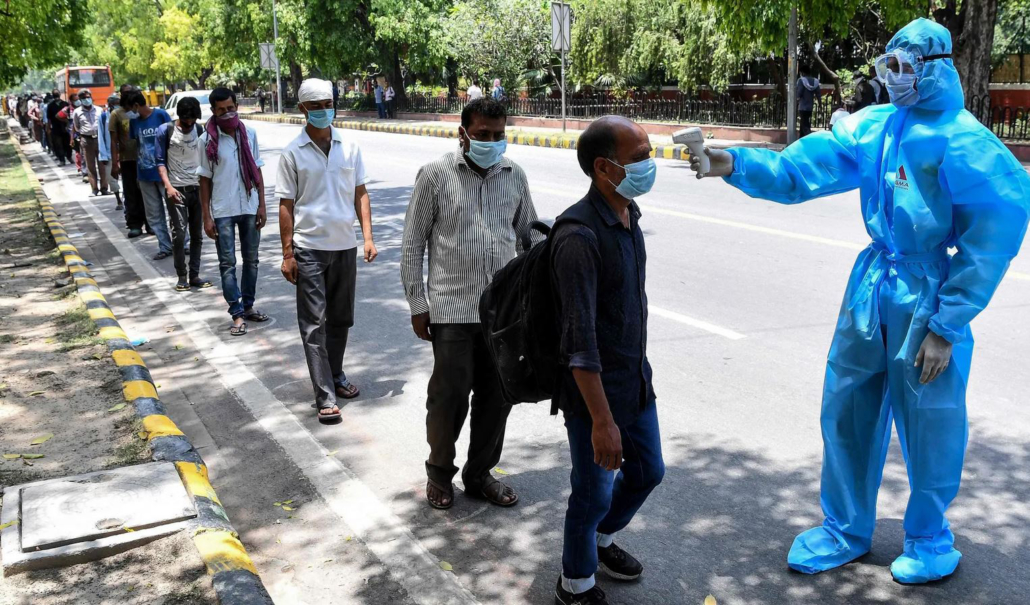
COVID-19 in IndiaThe COVID-19 pandemic has been devastating to nations all over the world, but especially the Global South. India, for example, has an enormous population of 1.3 billion people, with labor forces large enough to create the world’s fifth-largest economy. However, as of September 3, 2020, total confirmed cases across the country had reached 3.85 million, with 67,376 total deaths. As COVID-19 spreads throughout India, it leaves behind long-term effects on issues from medical resources to economic scarcity.
Income and Unemployment

Even before the COVID-19 pandemic in India, economic disparity existed in many forms. In 2019, the average per capita monthly income was approximately 10,534 Indian rupees.

To put this in perspective, 10,534 Indian rupees equals $143.42 USD, meaning the annual income of the average Indian citizen was just $1,721.04. Over the past five years, India’s unemployment rate has been increasing steadily, but in April 2020, it skyrocketed to 23.5%. Factories and construction sites, known for housing and feeding temporary employees, threw their workers onto the streets. About 95% of employed women worked in informal positions, but many lost jobs as households and businesses determined outside workers were too dangerous. As restrictions are slowly lifting across the country, frightened people return to work because fears of starvation hold more weight than fears of COVID-19 infection.

Lack of Medical Resources

For those in need of COVID-19 medical care, options for help are slim. According to reports from The New York Times, public hospitals are so immensely overwhelmed that doctors have to treat patients in the hallways.

For those with non-COVID-related medical needs, options are almost nonexistent. On March 24, Prime Minister Narendra Modi announced that to “save India,” a nationwide lockdown to curb the spread of the virus is necessary as well as the postponement of non-essential surgeries. For Ravindra Nath Singh, a 76-year-old man with Parkinson’s, this meant being discharged from the ICU in a hospital in Lucknow just minutes after becoming stable on a catheter and feeding tube. For a young woman in New Delhi, this meant eight hospitals turning her away while in labor for 15 hours, only to die in the back of an ambulance.

Child Labor and Education

The spread of COVID-19 in India forced schools to shut down, which proved unhelpful to students’ already low attendance rates. According to a study in 2018 by DHL International GmBH, India hosts the highest population of uneducated children with a  staggering 56 million children out of school. As restrictions across the country lift, one of the biggest hurdles will be encouraging enrollment, especially with uncertain learning conditions. Enrollment hesitation enables another widespread issue in India: child labor. Experts claim the most significant spike in child labor is yet to come as immense economic losses will compel large corporations to seek cheap labor.

The lack of in-person education also has a significant impact on child mental health. An Indian girl, 12-year-old Ashwini Pawar, once had dreams of becoming a teacher, but now must reconsider her life’s ambition. In an interview with TIME magazine, she considers her family financial burdens, saying “even when [school] reopens I don’t think I will be able to go back…” These circumstances push concerns of economic inequality as the pandemic might dissolve great strides made in development over the past decade.

Deaths and Infection Rates

In very little time, India has become the new epicenter of the coronavirus. The daily number of confirmed cases shot up from about 40,000 to 80,000 in just a few weeks. Unlike most of the world, this virus is heavily affecting the workforce demographic. More than 50% of COVID-19 deaths in India have occurred between the ages of 40 and 64, an interesting contrast to developed countries where 70% of deaths have occurred in age groups 70 and older.

According to Sanjay Mohanty, a lead scientific author from the Union Ministry of Health and Family Welfare, this contrast is due to India’s age distribution. Mohanty states, “the median age in the country is 24 years and therefore more younger people are available for virus transmission…” Unfortunately, the road to recovery is a long one as millions of people are still susceptible to infection.

The Good News

Despite the seemingly daunting situation, there are many reasons to have hope for India. Well-known organizations such as UNICEF and Give2Asia are focusing aid on India, pushing the nation’s needs into the limelight.

Newly-risen charities are also making impressive strides on the ground. Snehalaya ‘Home of Love’ is a charity based out of Ahmednagar dedicated to feeding impoverished families during the pandemic. In Ahmednagar’s 17 official slums, the organization has fed more than 17,000 families and raised more than $80,000 of aid in just six months.

Hope also goes beyond organized help. As seen in various reports, neighbors are sharing all types of resources, from food to hygiene products. Amid a global pandemic, and even beyond it, India’s path to healing will accelerate with charity aid and attention.

– Amanda J Godfrey
Photo: Flickr

December 19, 2020
https://borgenproject.org/wp-content/uploads/borgen-project-logo.svg 0 0 Kim Thelwell https://borgenproject.org/wp-content/uploads/borgen-project-logo.svg Kim Thelwell2020-12-19 07:30:032022-04-08 06:33:24COVID-19 in India: Pandemics in the Global South
Developing Countries, Global Poverty, Migration

BetterTogether Challenge Offers Hope to Venezuelans

BetterTogether ChallengeSince 2015, roughly five million people have left Venezuela in hopes of finding a better life. This marks the largest displacement of people in the history of the Western Hemisphere. Its economic collapse has rendered the local currency practically worthless and thrown Venezuelans into rampant poverty and hunger. The average Venezuelan lost about 25 pounds of weight in 2017 when 80% of the population lacked reliable access to food. The BetterTogether Challenge aims to support struggling Venezuelans.
The Collapse of the Venezuelan economy

Despite having one of the largest oil reserves in the world, the Venezuelan government’s mismanagement of its resources and economy led to a cataclysmic collapse. When measured by income, 96% of Venezuelans live in poverty and the average citizen lives off a paltry 72 cents a day. The 2019-2020 National Survey of Living Conditions found that 65% of Venezuelans live in multidimensional poverty, an increase of 13% from the previous year. Multidimensional poverty incorporates measurements such as access to health care and education, in addition to income.

A Mass Exodus of Venezuelans

The abject poverty Venezuelans have experienced has led to mass emigration to neighboring countries. Colombia and Peru collectively have had over two million Venezuelan immigrants. The integration of Venezuelans and their culture has been abrasive in countries such as Peru, where negative attitudes persist toward Venezuelans.

The displacement of millions of Venezuelans has disrupted a highly educated generation. A whole 57% of Venezuelans living in Peru have received higher education and roughly 25% have university degrees.

While negative views of Venezuelan immigration have limited the number of incoming Venezuelans, neighboring countries would be wise to recognize the inherent value possessed by the Venezuelan people. The displaced Venezuelans carry massive potential, which if properly harnessed, can have a substantial impact on local economies and innovation. Furthermore, the integration of Venezuelans into the labor markets of their host communities would provide additional cash flow that could boost local economies.

BetterTogether Challenge Empowers Venezuelan Innovation

As a strong and steady champion against poverty, USAID has partnered with the InterAmerican Development Bank to create the BetterTogether Challenge to support Venezuelans. The goal of the challenge is to fund innovative solutions from Venezuelans to support their resilience, test solutions to be integrated and promote communication between Venezuelans and their new communities. In August 2020, the BetterTogether Challenge Award winners in South American countries were collectively awarded $2.97 million.

The BetterTogether Challenge awardees are focused on increasing social cohesion, fighting xenophobia, empowering women, improving employment opportunities and improving access to health care, education and food. These solutions are crucial to rebuilding Venezuela and reducing poverty in their communities.

International Rescue Committee in Colombia

One of the most impactful organizations chosen for funding was the International Rescue Committee (IRC) in Colombia. Nearly 1.5 million Venezuelans have found refuge in Colombia, with roughly 35,000 crossing into Colombia daily to purchase supplies. The IRC supports Venezuelans in Colombia by providing safety, access to healthcare and economic assistance while protecting the women and children that may be disproportionately vulnerable. A key initiative launched by the IRC is the Families Make A Difference Program, which provides essential management and support to children who have been harmed and educates families to prevent harm.

Supporting organizations such as the IRC are vital for fortifying Venezuelan resilience and providing people with life-changing resources during times of need. Furthermore, initiatives like the BetterTogether Challenge empower Venezuelans while addressing poverty.

– Adrian Rufo
Photo: Flickr

December 17, 2020
https://borgenproject.org/wp-content/uploads/borgen-project-logo.svg 0 0 Kim Thelwell https://borgenproject.org/wp-content/uploads/borgen-project-logo.svg Kim Thelwell2020-12-17 07:36:582024-05-30 07:55:28BetterTogether Challenge Offers Hope to Venezuelans
Developing Countries, Global Poverty, Women's Empowerment

Agriculture: TechnoServe is Alleviating Poverty

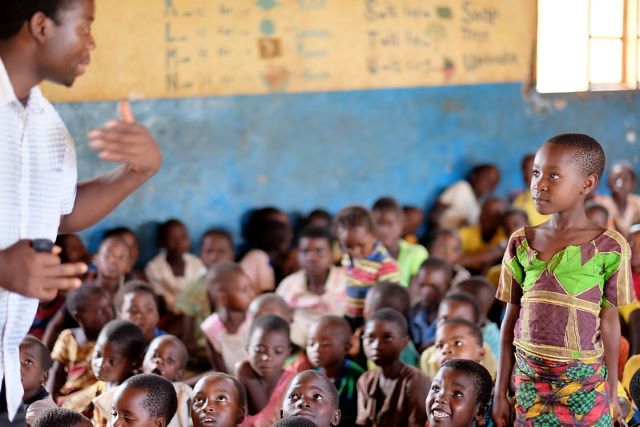
TechnoServe is Alleviating PovertyNearly two-thirds of developing countries rely heavily on the economic profit of agriculture to support local financial infrastructure. The industry holds high profitability but farmers rarely have the means to create a profitable business. TechnoServe works closely in agricultural advancements, creating capitalizing markets for countries to grow upon. Technoserve is alleviating poverty through its initiatives in the agricultural sector.
Training Skills for Farmers

Kenya, Haiti and Zambia are some of the many developing countries rich in natural resources that are in high consumer demand, such as mangos and cashews. The support and training skills implemented by TechnoServe work to profit on the supply and demand. These natural resources could provide significant economic growth if farmers are given the skills to create a profitable business. Technoserve has partnered with nearly 4,000 businesses and upwards of 300,000 farmers each year.

TechnoServe’s mission is to implement training methods that these regions lack, such as skills in management training, finance and secure markets that are needed to create profitable enterprises. The implementation of training skills and knowledge allows individuals and communities to continue to carry the skills for a lifetime.

TechnoServe has made a lasting impact for millions of individuals and in 2019 it was rated the number one nonprofit fighting poverty by ImpactMatters.

Focusing on Women’s Empowerment

The annual report from 2019 reveals an increase in entrepreneurship for farmers and women, highlighting specific countries, and more specifically, women’s impact. In 2019, 38% of beneficiaries were women or women-owned businesses. Overall, 317,493 individuals and companies, as a result of Technoserve’s help, display increased profitability and financial benefits of $200,579.

In developing countries, women face gender barriers that are disproportionally more likely to affect them. Women’s economic empowerment is vital for alleviating poverty and creating employment opportunities. Investing specifically in women’s economic opportunities, such as access to training, knowledge and resources, could impact farm production up to 30%, allowing for increased employment opportunities. Studies estimate that this change could impact the global GPD by 26%, or $28 trillion.

Women in Business (WIN)

Working closely with businesses and organizations, Technoserve is alleviating poverty by proactively working to create social equity within communities. Breaking the barrier of gender inequality to empower women-run institutions through funding and support, improves the quality of life and financial status. For instance, Technoserves five year program designed for women, called Women in Business (WIN), focuses on female entrepreneurs in Mozambique. Similar training is also provided for men through Technoserve, to create complete gender balance.

“More than three-quarters of economically active Mozambicans are involved in small and informal businesses, 60% of whom are women.” Despite most business owners being women, their businesses are less likely to employ as many people and are relatively smaller than their male counterparts. Highlighting gender barriers, women face higher demands at home due to families and are not likely to receive the same networks, information and opportunity. The WIN program utilizes a market systems approach to produce partnerships with private sector companies, associates and service providers, to create an inclusive market for women. WIN is able to provide these women resources through the partnership established with the Swedish International Development Cooperation Agency (Sida). Sida assists TechnoServe’s initiative through funding, providing resources such as creating employment opportunities, equipment, financial services and products needed.

Overall, TechnoServe is alleviating poverty with initiatives in the agricultural industry and acknowledges the important role of women in this endeavor.

– Allison Lloyd
Photo: Flickr

December 17, 2020
https://borgenproject.org/wp-content/uploads/borgen-project-logo.svg 0 0 Kim Thelwell https://borgenproject.org/wp-content/uploads/borgen-project-logo.svg Kim Thelwell2020-12-17 05:08:292020-12-17 05:08:29Agriculture: TechnoServe is Alleviating Poverty
Developing Countries, Education, Global Poverty

A Promise to Prioritize Teachers in Nigeria

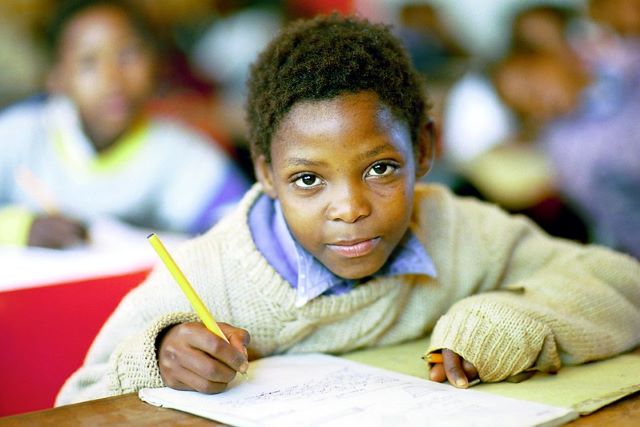
Teachers in NigeriaWhile Nigeria’s population makes up only 2.8% of the world, 20% of the children not in school live in Nigeria. Education in Nigeria is especially lacking in the northern states, where more than 50% of the children are not in school. Although education is supposedly free and mandatory, the Nigerian government has long failed to provide its citizens with the tools to improve their education. The president of the country has recently made a commitment to prioritize teachers in Nigeria.
Unrest in the North Affects Schools

The northeastern Nigerian states of Borno, Yobe and Adamawa, have been victims of significant violence from the Boko Haram insurgency, a terrorist group whose name translates to ‘Western Education is Forbidden.’ Currently, 800 schools in this region are closed and 500 more have been destroyed due to conflict. Furthermore, less than 50% of girls in the north are in school due to cultural practices and attitudes discouraging girls from receiving an education.

The Link Between Poverty, Population & Education

The lack of education in Nigeria has deep effects on the nation’s present condition and future direction. There is a close correlation between girls receiving less education and fertility rates soaring. In 2018, Nigeria’s total fertility rate was 5.4 children per woman. This rate is far higher than the global average of 2.5 and above the sub-Saharan African average of 4.7. Consequently, Nigeria is one of the most rapidly growing countries in the world, with a population of about 200 million people and an average age of 18. Furthermore, the population is projected to double to more than 400 million by 2050.

Although Nigeria is Africa’s biggest exporter of oil, its economy’s growth rate has stagnated since oil prices collapsed five years ago. In developing countries, when population growth overtakes economic growth, resources become scarce and the people suffer. Nigeria’s population growth rate of 2.6% is outpacing its economic growth rate of 2%, thus further perpetuating the already widespread poverty. In 2019, 82 million Nigerians lived below the poverty line.

A Commitment to Education in Nigeria

While past Nigerian leadership has failed to emphasize education or recognize it as a means to reduce poverty and provide opportunity, President Muhammadu Buhari has signaled a commitment to establishing education as the backbone of society and prioritize teachers in Nigeria. In order to strengthen education in Nigeria, the government has committed to guaranteeing employment for students graduating with a Bachelor’s of Education. President Buhari underlined the need to incentivize students to become teachers by providing fiscal stability to the profession. He believes that this will attract a higher quality and quantity of teachers, which will in turn improve the system as a whole.

Additionally, these graduates will receive a university stipend and a special teacher’s salary. The retirement age and duration of service will both be extended by five years as well. The effects of Nigeria’s new commitment to prioritize teachers in Nigeria and education remain to be seen but certainly is a step in the right direction for the country to progress out of poverty.

– Adrian Rufo
Photo: Flickr

December 17, 2020
https://borgenproject.org/wp-content/uploads/borgen-project-logo.svg 0 0 Yuki https://borgenproject.org/wp-content/uploads/borgen-project-logo.svg Yuki2020-12-17 03:19:042020-12-17 03:19:04A Promise to Prioritize Teachers in Nigeria
Children, Developing Countries, Education, Global Poverty

Links Between South African Poverty and Education

South African poverty and educationSouth Africa is a country with 19.6 million children, making up about 35% of its total population of 56.5 million people. Of these 19.6 million children, about 98% have “attended some form of an educational facility.” However, these high attendance rates do not mean high-quality education and lack of academic resources is a large contributing factor to the correlation between South African poverty and education.

Education in South Africa

Despite having high rates of education enrollment, the quality of education in South Africa is poor. Reports have shown that of the students who attended school for five years, only half can do basic math. Furthermore, there are little to no standards for the teachers to be held at. About 10% of teachers across the country are absent from school on any given day and 79% of grade six math teachers do not have the content knowledge to be teaching at their respective level.

Education is compulsory until grade nine, and over the years, there have been increasing numbers of drop-out students, for a variety of reasons. The main reason is unequal access to resources as a result of poverty. The disparities between female and male students also continually present issues in the South African education system, especially with low percentages of girls pursuing careers in science, math or technology.

In addition, South African schools have struggled to teach basic skills such as reading and writing as well as early development for young children. Only 38.4% of children ages zero to four attended a school system such as day-care, playgroup or pre-kindergarten programs. The early development issue is further seen as 46.8% of parents say they do not read with their children and 43.15% say that they do not color or draw with their children.

South African Poverty and Education Correlation

South Africa has struggled with high rates of poverty for many years and the correlation between South African poverty and education is present in many different aspects of the relationship. In rural areas in the former homelands, about 81% of children are below the poverty line and 44% of children in urban areas live in poverty as well. Education in rural areas suffers especially, simply as a result of the barriers presented by the location. For example, critical resources such as water, electricity, books and technology are missing from many schools, which present obstacles for South African children to have a complete educational experience. Furthermore, the location of schools in comparison to students’ homes, present long commutes. Without reliable transportation, students and teachers both struggle to consistently arrive at school.

Why Low Education Enables Poverty

Poor education is a leading factor in continuing the cycle of poverty. Research continually supports the idea that children who suffer from high rates of poverty are more likely to drop out of school after grade nine as a result of the barriers poverty creates. Increasing the quality of education results in a growing economy, lowers income inequalities and decreases the risk of disease and violence. Without a basic education, South African children struggle to become members of the workforce, and as a result, cannot escape poverty. Education not only teaches basic skills such as reading and writing but helps to develop important qualities such as strong communication and social skills. Without this, it is difficult for children to become working members of society. Furthermore, education differences between the poor and the rich as well as males and females, increases inequality, resulting in poor systems that cannot fix the underlying issues.

Partners for Possibility

Partners for Possibility is an example of a grassroots organization that works to fix the issues between South African poverty and education all while improving businesses in the United States. Business leaders from companies in the United States go overseas to South Africa for a 12-month program in which they teach principals and leaders of schools about leadership and engagement. By doing so, business professionals help to change the unstable and ineffective system of South African education, while simultaneously learning about poverty and culture in South Africa. The program has had extremely positive outcomes as education leaders, teachers and parents become more invested and engaged in the school system, which in turn, benefits the children.

South African poverty and education are strongly linked and this presents many issues for children. However, it is not an impossible mission to address and Partners for Possibility demonstrates the mutual return for U.S. businesses and South Africans that comes with finding these solutions.

– Alyssa Hogan
Photo: Flickr

December 17, 2020
https://borgenproject.org/wp-content/uploads/borgen-project-logo.svg 0 0 Kim Thelwell https://borgenproject.org/wp-content/uploads/borgen-project-logo.svg Kim Thelwell2020-12-17 02:44:402020-12-17 02:44:39Links Between South African Poverty and Education
Developing Countries, Global Poverty, Health, Human Rights

Life in US-Mexico Border Camps

border campsThe United States’ Migrant Protection Protocols (MPP) program, better known as “Remain in Mexico,” is a policy that requires those seeking asylum within the United States entering from the southern border to wait outside of the United States in Mexico while their cases are reviewed by immigration judges. Since its implementation in January 2016, this policy has led to the build-up of camps of asylum seekers around Mexico. These U.S.-Mexico border camps are ridden with crime, disease and other dangers.

Rampant Crime in US-Mexico Border Camps

The NGO, Human Rights First, has reported more than 1,314 cases of rape, kidnapping, murder, torture and other violent crimes against migrants forced to return to Mexico. Of those cases, 318 have been kidnappings or attempted kidnappings of children. Rampant police corruption in border cities means nothing is done to protect migrants. Crimes including extortion, assault and sexual harassment have all been reported against members of the Mexican police. These reports come from individual interviews held by Human Rights First in order to determine the scale of crime within migrant camps. Given that about 55,000 individuals have been returned to Mexico as part of the Migrant Protection Protocols program, the organization believes that those 1,314 cases are only the tip of the iceberg when it comes to violent crime in U.S.-Mexico border camps.

The Dangers of Mexican Regions

The United States Department of State periodically releases travel advisories on countries and regions throughout the world to warn citizens of dangers they may face when traveling there. This includes the Mexican state of Tamaulipas, Matamoros, a hotspot for gathering migrants awaiting entrance into the United States. Thousands of migrants, returned to Mexico by immigration officials to await their trials, live in tented border camps in a place that the United States considers dangerous. This has led to scrutiny by organizations such as the American Civil Liberties Union (ACLU) for endangering asylum seekers by sending them to places that the United States admits are dangerous.

Vulnerable Populations in Camps

Despite the fact that vulnerable populations are supposed to be exempt from the “Remain in Mexico” program, many individuals that should not have been sent back have shown up in U.S.-Mexico Border camps. The period from the programs start through June 2019 saw 13 pregnant women and 4,780 children sent to await their trials in Mexico according to Human Rights Watch. Human Rights Watch also reports that people genuinely afraid of returning to Mexico, including kidnapping and assault victims, have been denied exemption from the Migrant Protection Protocols program and were sent back across the border anyway. Human Rights Watch, the ACLU, Human Rights First and others, have all found that people including the disabled, the young, the sick and members of the LGBTQ+ community, have all been sent back to Mexico despite qualifying for an exemption from the policy.

Unsanitary Conditions Spread Disease

The unsanitary conditions along the U.S.-Mexico border have led to diseases spreading among migrants. Reportedly, there is little clean water and migrants often bathe in the Rio Grande River, which is known for containing E. coli, other bacteria and human feces. Few cases of COVID-19 have been officially recorded. However, with border camps’ proximity to COVID-19 hotspots both in the U.S. and Mexico, there is likely an abundance of unknown cases.

NGOs Assist Migrants

Immigration to the United States has basically come to a complete standstill as the border between the two countries has remained closed throughout the course of the pandemic. Because of this, NGOs have gone into border camps in order to assist those in need. The UNHRC has set up hand-washing stations and isolation areas in some migrant camps. It has also provided cash relief to migrants who have lost jobs due to the pandemic. Other organizations like Global Response Management and  Doctors Without Borders have provided medical assistance by building medical centers, distributing PPE and providing medical treatment for those infected with COVID-19.

The United States Migrant Protection Protocols, or the “Remain in Mexico” policy, has without a doubt led to an increase in concerns for the health and safety of people along the U.S.-Mexico border. Now, with the COVID-19 pandemic bringing the already slow asylum process to a standstill, poverty and disease has spread throughout these camps. However, NGOs like the UNHRC have been stepping up and providing assistance to those most in need.

– Aidan Sun
Photo: Flickr

December 17, 2020
https://borgenproject.org/wp-content/uploads/borgen-project-logo.svg 0 0 Yuki https://borgenproject.org/wp-content/uploads/borgen-project-logo.svg Yuki2020-12-17 01:55:392024-05-30 07:53:22Life in US-Mexico Border Camps
Advocacy, Developing Countries, Education, Global Health, Global Poverty, Poverty Reduction, Women, Women and Female Empowerment, Women's Empowerment

Why Women are More Likely to Live in Poverty

Women Are More LikelyGlobally, women are faced with the invisible burdens of gender inequality which are entrenched deeply within institutional structures and communities as a whole. These prejudices may limit a woman’s access to higher employment and assistance programs, ultimately leading to higher rates of poverty, especially among women of color. As of 2018, the poverty rate for women was 12.9% compared to the 10.6% rate among men. There are several reasons why women are more likely to live in poverty.

Educational Inequalities

In many developing countries, women are more likely to be denied an education, as nearly 25% of all girls have not completed primary school education and two-thirds of women make up the world’s illiteracy rate. In Somalia, for example, only 7% of girls are enrolled in primary school. The lack of education among women may result in higher pregnancy and poverty rates. According to the United Nations Girls’ Education Initiative, a girl’s education is a driving force in their economic well-being. Somalia suffers from one of the world’s worst educational systems and is one of the poorest countries as well, having a poverty rate of 73%. With education, females can increase their access to higher-paying jobs, and thus, benefit the family’s income., which results in a positive cycle for generations, bettering the economy overall.

Women Are Paid Less

Despite having the same qualifications and working the same hours, women are more likely to get paid less than men. Worldwide, women earn nearly 20% less than men. These variances within wages affect women in low-paying jobs and poorer countries dramatically. Closing the gender wage gap can result in overall equal income distribution. In the United States alone, closing the wage gap would mean that half the poverty rate of working women and their families would be cut.

Period Poverty

Around the world, many females may suffer from period poverty: inadequate access to hygienic menstrual products and menstrual education. The lack of education is related to the stigma periods carry. Periods have been associated with immense shame for a long time and this stigma is carried throughout communities, deeply limiting girls’ opportunities. Globally, periods are the reason why girls are absent from school at a disproportionate rate, as two out of three girls in developing countries are skipping school during their period. In India, 23 million menstruating girls drop out of school annually because of a shortage in hygienic wash facilities and products. Without an education, females are less likely to obtain a high-paying job and escape poverty.

Domestic Violence and Sexual Exploitation

One in three females globally fall victim to some form of domestic or sexual violence in their lifetime. Girls and women who grow up in poverty are also at an increased risk of experiencing such crimes. Victims of domestic or sexual violence can be impacted through the degradation of their physical or mental health, loss of employment or are ultimately driven into homelessness. Globally, females lose out on nearly eight million days of employment every year as a direct result of violent acts committed against them. According to a survey by the U.S. Conference of Mayors, domestic violence was the root cause of women becoming homeless in half of all the cities surveyed.

Pregnancy

Economically, females are potentially burdened with the costs of pregnancy, including the additional fees of caring for a child, more significantly than men. Custodial mothers are twice as likely to be poor compared to custodial fathers. Further, unplanned pregnancies can be detrimental to a woman’s income as being unable to work immediately after giving birth means no pay, especially in the informal working sector. In the developing world, nearly 12 million girls aged 15-19 give birth each year, which often results in the end of the girls’ education and the beginning of child marriage. Children who are born from early pregnancies or marriages more often than not enter the same cycle of poverty and no education.

Organizations for Female Empowerment

Malala Yousafzai started the Malala Fund after members of the Pakistani Taliban shot her for advocating the right for girls to be educated. Since then, Malala has built her project into a global initiative that furthers the goal of providing free quality education to young girls in developing countries.

The Orchid Project is a global initiative to end female genital mutilation (FGM). The Orchid Project functions as a platform that raises awareness of the areas where FGM is most prevalent and advocates against the practice. The Orchid Project has brought together more than 193 countries with the collective goal of abolishing FGC by 2030.

Women for Women is an NGO that works to aid those who are in hostile conflict zones and are the victims of collateral damage. Women for Women helps to uplift these victims of violence by providing them with tools, support and education so that they may earn a living and remain stable through the direst of circumstances. Women for Women has helped more than half a million women in countries that have been directly impacted by war and conflicts.

Empowering Women Means Reducing Global Poverty

Females in developing countries experience complexities that restrict their development and progression. Organizations are helping to raise awareness of these complexities and aid women in need. Since women are more likely to experience inequalities that push them into poverty, empowering women ultimately means alleviating global poverty.

– Maya Falach
Photo: Flickr

December 17, 2020
https://borgenproject.org/wp-content/uploads/borgen-project-logo.svg 0 0 Jennifer Philipp https://borgenproject.org/wp-content/uploads/borgen-project-logo.svg Jennifer Philipp2020-12-17 01:30:312024-05-29 22:43:04Why Women are More Likely to Live in Poverty
Clean Water Access, Developing Countries, Global Poverty, Water Crisis

Safe Water: Sunlight-Powered Desalination

Sunlight-Powered Desalination ProcessAccording to the World Health Organization (WHO), 2.1 billion people around the world lack access to clean sources of drinking water. This figure is often quite surprising to many because it is difficult to comprehend how water can be so scarce when it is seemingly so bountiful. However, in truth, only 3% of Earth’s water is freshwater. Additionally, with current trends of rising temperatures and increasing worldwide consumption of freshwater, by 2025, two-thirds of the world’s population could face water scarcities. For this reason, researchers in Australia have developed a sunlight-powered desalination process to quickly convert tainted water into a safe, drinkable form.

The Process of Sunlight-Powered Desalination

In August 2020, a team of Chinese and Australian researchers based at Monash University in Australia announced via the science journal, Nature Sustainability, that they had developed a new sunlight-powered desalination process. The method uses their self-developed metal-organic framework (MOF), an extremely porous metal, called PSP-MIL-53. Once exposed to sufficient sunlight, this MOF is “activated” and absorbs particles like salt and bacteria from brackish water to create water that can be consumed by humans.

This sunlight-powered desalination process, according to the scientists participating in the study, produces water cleaner than WHO standards. WHO sets the standard for drinking water at having less than 600 parts per million (ppm) of dissolved solids. Meanwhile, this new method was able to reduce the number of dissolved solids from 2,233ppm to 500ppm of dissolved solids.

Clean Water in 30 Minutes

Along with creating water cleaner than WHO standards, the new sunlight-powered desalination process can desalinate brackish water in less than 30 minutes. This approach is more efficient than other methods of desalination with it generating nearly 37 gallons of potable water per day from only one kilogram of PSP-MIL-53.

Benefits for the Impoverished

By using sunlight for activation energy, the newly developed method does not require heat or electricity to jumpstart the active desalination. While other technologies that use processes like reverse osmosis require sophisticated energy infrastructure and dangerous chemicals to operate, the Australian-developed procedure does not. This will allow poor, rural areas in developing nations, places where water is increasingly becoming most scarce, to use this sunlight-powered desalination process to obtain drinkable water without needing to create a robust power grid nearby. Lack of chemicals and reliance solely on sunlight also makes this type of desalination energy-efficient and environmentally-friendly, minimalizing damage to surrounding ecosystems.

Further Potential for Developing Countries

With the potential to quickly and efficiently provide millions with safe, drinkable water, Monash University researchers are continuing to perfect the technology. According to lead scientists on the project, the sunlight-powered desalination process can be cheaply distributed to areas in dire need overcoming the cost barrier of desalination plants that have previously prevented developing countries from purchasing desalination technology. Professor Huanting Wang, one of the lead scientists, also stated that the byproducts of the desalination process, those being the minerals and other materials extracted from the water, could function as a secondary benefit of the technique by providing an environmentally-friendly source of raw materials that could help boost the economies of poor regions.

The Future of PSP-MIL-53

Much is still to be done by researchers at Monash University before PSP-MIL-53 is ready for widespread distribution. Despite this, it is clear that this new discovery provides hope for impoverished communities who face threats of drought or unclean water. The cost and energy requirements have always been an entry barrier to gaining access to potentially life-saving desalination plants. These scientists are gunning to change the world by providing the poor with access to clean, drinkable water.

– Aidan Sun
Photo: Flickr

December 17, 2020
https://borgenproject.org/wp-content/uploads/borgen-project-logo.svg 0 0 Kim Thelwell https://borgenproject.org/wp-content/uploads/borgen-project-logo.svg Kim Thelwell2020-12-17 00:54:082020-12-17 00:54:51Safe Water: Sunlight-Powered Desalination
Page 70 of 157«‹6869707172›»

Get Smarter

  • Global Poverty 101
  • Global Poverty… The Good News
  • Global Poverty & U.S. Jobs
  • Global Poverty and National Security
  • Innovative Solutions to Poverty
  • Global Poverty & Aid FAQ’s
Search Search

Take Action

  • Call Congress
  • Email Congress
  • Donate
  • 30 Ways to Help
  • Volunteer Ops
  • Internships
  • Courses & Certificates
  • The Podcast
Borgen Project

“The Borgen Project is an incredible nonprofit organization that is addressing poverty and hunger and working towards ending them.”

-The Huffington Post

Inside The Borgen Project

  • Contact
  • About
  • Financials
  • President
  • Board of Directors
  • Board of Advisors

International Links

  • UK Email Parliament
  • UK Donate
  • Canada Email Parliament

Get Smarter

  • Global Poverty 101
  • Global Poverty… The Good News
  • Global Poverty & U.S. Jobs
  • Global Poverty and National Security
  • Innovative Solutions to Poverty
  • Global Poverty & Aid FAQ’s

Ways to Help

  • Call Congress
  • Email Congress
  • Donate
  • 30 Ways to Help
  • Volunteer Ops
  • Internships
  • Courses & Certificates
  • The Podcast
Scroll to top Scroll to top Scroll to top