• Link to X
  • Link to Facebook
  • Link to Instagram
  • Link to TikTok
  • Link to Youtube
  • About
    • About Us
      • President
      • Board of Directors
      • Board of Advisors
      • Financials
      • Our Methodology
      • Success Tracker
      • Contact
  • Act Now
    • 30 Ways to Help
      • Email Congress
      • Call Congress
      • Volunteer
      • Courses & Certificates
      • Be a Donor
    • Internships
      • In-Office Internships
      • Remote Internships
    • Legislation
      • Politics 101
  • The Blog
  • The Podcast
  • Magazine
  • Donate
  • Click to open the search input field Click to open the search input field Search
  • Menu Menu

Archive for category: Developing Countries

Information and stories about developing countries.

Developing Countries, Global Poverty, War and Violence, Women's Empowerment

Women Peacemakers in South Sudan

Women PeacemakersSince the beginning of the Sudanese civil war in 1983 that split the north from the south, the conflict in South Sudan has cost thousands of civilian lives and fractured the society in the region. The fallout from the civil war led to tribal conflict that is still ongoing and oftentimes the victims of these “total wars” are women. For this reason, women peacemakers in South Sudan are very important.
Feminist Movements in South Sudan

Prior to the civil war, feminists movements were gaining ground in South Sudan, so much so that South Sudan was seen as the center of African feminism during the 60’s and 70’s. These activists secured legal equality for all women across the country, though, with a change of leadership in the late 70’s, women saw their positions in society diminish. With the beginning of the civil war, South Sudanese feminists began to pursue outside avenues to affect policy.

One such group was a collective of female South Sudanese refugees who fled to Nairobi, Kenya. There they drafted a document that outlined how women were essential to the peacemaking and governing process. These women called for the government to acknowledge that “It is first and foremost women who suffer during wars or conflicts. Because of this, they are best placed to act as agents for a conclusive peace process and to spread a culture of peace in the country.” This was the first declaration of its kind, and its message has continued to be influential in how South Sudanese women advocate for increased involvement of women.

Feminist Organizations

Throughout the war period, multiple feminist organizations emerged that called for peace and women’s rights, such as Nuba Women for Peace, Women Empowerment for Peace and Development Network and the National Democratic Alliance. At the turn of the century, many women who had previously participated in these groups came together to form the Sudanese Women Empowerment for Peace (SuWEP), which is an organization with branches in North and South Sudan that collaborate to empower women in the region and promote the role of women peacemakers in South Sudan.

Sudanese Women Empowerment for Peace (SuWEP)

SuWEP’s main goals are to promote the inclusion of women from all layers of society, train women in conflict resolution and mediation, raise awareness, write position papers on its work to be presented to international bodies and advocate for and publicizing its message of gender equality. Due to these efforts, peace centers have now been established throughout both North and South Sudan, food aid has been able to reach the most vulnerable populations throughout the region and the legislature of South Sudan met its quota of 25% of its seats belonging to women.

UN Women Africa

U.N. Women Africa has also been one of the larger advocates for gender equality in South Sudan, with its focus primarily being on increasing female involvement in democracy, increasing literacy and protecting women and girls from gender-based violence. The organization has come before the Security Council to demand greater protections for women because it believes women are essential to the peacemaking process as they have been the greatest advocates of peace since the inception of the conflict. In addition, in a report to the Security Council, it was brought up that the women of these warring tribal and ethnic factions have been able to cooperate and make change together, meaning they can help the rest of the country do so.

Moving into the future, many women peacemakers in South Sudanese see the Revitalized Agreement as the best option for lasting peace because it would require that women hold 35% of government seats and the country would transition towards an expanded democracy. With more women in positions of power, feminists believe there would be an increased focus on women’s issues as well as a greater emphasis on diplomacy and peace.

– Mary Buffaloe
Photo: Flickr

December 14, 2020
https://borgenproject.org/wp-content/uploads/borgen-project-logo.svg 0 0 Kim Thelwell https://borgenproject.org/wp-content/uploads/borgen-project-logo.svg Kim Thelwell2020-12-14 01:21:102020-12-14 01:30:21Women Peacemakers in South Sudan
Developing Countries, Gender Equality, Global Poverty, Women's Empowerment, Women's Rights

An Introduction to Women’s Rights in Somalia

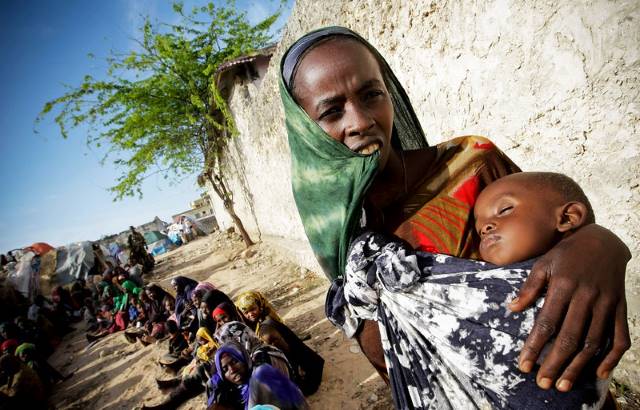
women's rights in SomaliaSomalia is a country located in the Horn of Africa with a population of almost 14 million people. Although women and girls in Somalia consist of 50% of the country’s population, women and men are far from equal. Globally, Somalia places fourth highest on the gender inequality index. In Somalia, gender inequality is exacerbated by poverty, disability, social class and harmful practices that violate women’s rights in Somalia. Today, women in Somalia are susceptible to gender-based violence and sexual violence, an issue that is heightened in areas of conflict.
Genital Mutilation in Somalia

Common problems that perpetuate gender inequality in Somalia include female genital mutilation, child marriage, maternal mortality rates and a lack of access to fundamental tools for success, such as education, health care, credit and more. Women in Somalia, especially adolescent girls, are susceptible to undergoing genital mutilation. Often, these girls undergo this procedure before turning 13 years old, according to a 2013 report by the World Health Organization.

Somalia has the highest rate of genital mutilation, with 98% of girls undergoing the procedure. With the upsurge in coronavirus cases, girls in Somalia are forced to stay home. This leads to higher rates of genital mutilation. According to the United Nations Population Fund, the coronavirus could contribute to 2 million more instances of genital mutilation over the next decade that could have been stopped. Although genital mutilation remains legal in Somalia, the practice has no health benefits and harms women in girls in a plethora of ways as it poses health risks and robs women of the full capacity of their reproductive organs.

Maternal Mortality in Somalia

Another issue plaguing Somalia that perpetuates gender inequality is the maternal mortality rate, which is the highest of any country in the world. For children in Somalia, four in 100 infants die within the first month of their lives. Women in Somalia suffer high rates of maternal mortality due to poor health care infrastructure within the country and a lack of access to adequate services. In the United Nation’s 2030 Agenda, the central principle is “leaving no one behind.” This commitment from the United Nations involves prioritizing the rights, access and abilities of Somalian women.

Lack of Education and Leadership

In Somalia, there is a lack of women involved in political and social leadership roles. One of the reasons behind this is a lack of education. In Somalia, primary schools have one of the lowest rates of enrollment, with only 30% of children in school. Of the children in school, less than half of them are females. For girls living in rural areas, these numbers are lower. Compared to men, women in Somalia have much lower literacy levels. In Somalia, only 26% of women can read compared to 36% of men.

The Future of Women’s Rights in Somalia

Somalia remains a state of male power but there is hope that the country will become more focused on gender equality. The Somali Provisional Constitution, created in 2012, is undergoing revision. In 2021, the country is participating in a one-person-one-vote election. With the revision of the Somali constitution, there is an opportunity for empowering women and girls across the country by implementing gender equality provisions. It is hopeful that 2021 may promise more widespread opportunities for women and girls in Somalia.

– Caitlin Calfo
Photo: Flickr

December 12, 2020
https://borgenproject.org/wp-content/uploads/borgen-project-logo.svg 0 0 Kim Thelwell https://borgenproject.org/wp-content/uploads/borgen-project-logo.svg Kim Thelwell2020-12-12 03:11:352024-05-29 23:00:12An Introduction to Women’s Rights in Somalia
Developing Countries, Food Aid, Food Security, Global Poverty, Hunger

The Rising Case of Hunger in Swaziland

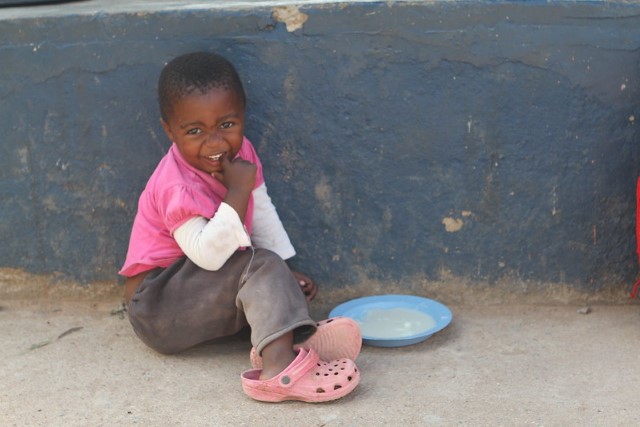
hunger in swazilandIn 2017, it was recorded that 58.9% of people in Swaziland were living below the poverty line. Despite the country’s lower-middle-class status, the poverty rate continues to persist. Challenges such as low economic growth, severe weather patterns, high unemployment, high cases of HIV/AIDS and a high amount of malnutrition, the Swaziland population is struggling with an immense amount of poverty. A whole 42% of the population lives on less than $1.90 a day. With people in Swaziland struggling to make ends meet, hunger in Swaziland continues to be prevalent.

Food Insecurity in Swaziland

Many Swazis are chronically food insecure. One out of three people face severe hunger, and with the COVID-19 pandemic, hunger is only increasing. With severe weather conditions, Swaziland faces poor harvest years, decreasing the amount of food that can be produced. The Integrated Food Security Phase Classification (IPC), a tool used to improve food security, reported that 32% of the population will experience “high acute food insecurity” within the coming months due to the pandemic. COVID-19 has compounded the food insecurity situation, causing restrictions that disrupt the already limited food supply for Swazi households.

Rise Against Hunger

Humanitarian assistance programs have been a huge support system for the lack of food supplies in Swaziland during the COVID-19 pandemic. Rise Against Hunger is a movement that mobilizes resources to improve poverty and create solutions for hunger in Swaziland. This movement provides life-saving aid to the world’s most vulnerable, Swaziland being one of the most vulnerable countries. Rise Against Hunger now partners with Salesian Missions, a humanitarian organization that gives hope to millions of youth globally, to provide food and aid to those living in poverty in Swaziland. Together, these organizations provide meals for the hungry. Beginning in 2011, this partnership has been successful, providing food and life-saving aid to malnourished individuals in Swaziland.

USAID Food Relief

As the Swaziland government struggles to deliver aid and food relief, USAID has partnered with World Vision to provide emergency food assistance. USAID is making an effort to reach 45,000 food insecure people in Swaziland by providing monthly food rations. These food rations include cornmeal and beans and vegetable oil.  Not only are USAID and World Vision providing food rations to decrease the percentage of hunger in Swaziland, but they are also working to increase the agricultural production of families that need assistance in recovering from previous droughts. With USAID stepping in to provide as much relief as possible, these efforts will produce longer-term resilience.

Hunger in Swaziland has caused many to succumb to hunger at a faster rate since the COVID-19 pandemic hit, making hunger a widespread issue. Organizations and charities are working together to provide the necessary aid essential to eradicate hunger in Swaziland.

– Kendra Anderson
Photo: Flickr

December 12, 2020
https://borgenproject.org/wp-content/uploads/borgen-project-logo.svg 0 0 Kim Thelwell https://borgenproject.org/wp-content/uploads/borgen-project-logo.svg Kim Thelwell2020-12-12 02:43:282024-05-30 07:53:18The Rising Case of Hunger in Swaziland
Child Marriage, Children, Developing Countries, Global Poverty

Ending Child Marriage in Kyrgyzstan

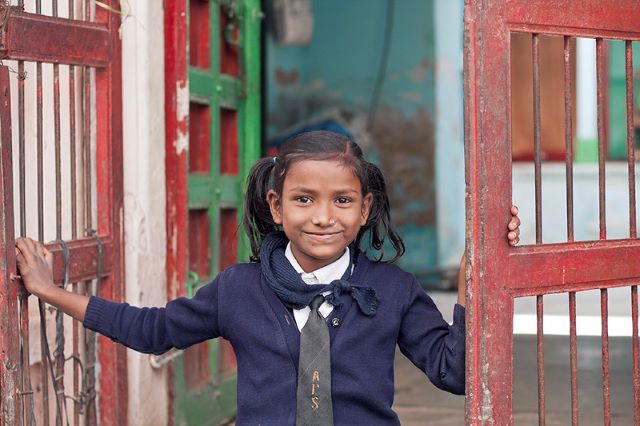
Child Marriage in KyrgyzstanPatriarchal culture and deep-rooted traditions within the country have contributed to child marriage in Kyrgyzstan. Despite the legal age for marriage being 18, an estimated 19% of girls in Kyrgyzstan are married before this age. Due to the country’s history and various social factors, child marriage in Kyrgyzstan remains an issue. Organizations such as the National Federation of Women’s Communities of Kyrgyzstan, are fighting for girls’ rights in the country.
History of Child Marriage in Kyrgyzstan

Kyrgyzstan was formerly a member of the Soviet Union. Under Soviet control, many of the traditions and values of the country were repressed. Following the 1989 collapse of the Soviet Union, the government of Kyrgyzstan attempted to maintain power by appealing to nationalism and reviving the traditions of the country. One of these traditions was the practice of child marriage, which has seen increases in many Central Asian countries following the collapse of the Soviet Union.

Factors Associated with Child Marriage

Social issues, including poverty, lack of education, cultural emphasis on honor and practices of bride kidnapping, contribute to the practice of child marriage. In Kyrgyzstan’s poorest households, 16% of girls are married as children compared to 9% of girls from families with higher incomes. Girls with primary or no education are more likely to be married by the age of 18 than girls with a more substantial education – 4% compared to 33%, respectively.

Kyrgyzstan culture emphasizes family honor and child marriage is linked to the desire to ensure that girls do not engage in premarital sex. Child marriage is also linked to the practice of bride kidnapping, where the girl is taken by force to the house of a man who wants to marry her and is slowly convinced by him and his family to agree to the marriage. An estimated 12,000 bride kidnappings occur each year and it is believed that many girls agree to child marriages in an attempt to avoid being kidnapped.

Effects of Child Marriage in Kyrgyzstan

Child marriage causes many hardships for women and girls in Kyrgyzstan. Due to the unequal nature of child marriages, domestic violence is common for child brides. Child brides often face difficulties during pregnancy and childbirth due to their young age and immature physical development. These marriages often put an end to girls’ education as they have to drop out of school to raise children and undertake domestic tasks. This limits their future ability to find jobs and become financially independent, putting them at risk of being unable to leave abusive relationships.

In addition, because child marriages are illegal under Kyrgyzstan’s laws, many of these marriages are not officially registered with the state until both parties are over the age of 18, the legal age for marriage. Since women in unregistered marriages do not have access to resources such as property, alimony and child support, they are limited in their independence and ability to leave a marriage.

The National Federation of Women’s Communities of Kyrgyzstan

A key organization combatting child marriage in Kyrgyzstan is the National Federation of Women’s Communities of Kyrgyzstan (NFFCK). NFFCK is an organization created by teenage girls with the mission of giving girls throughout the country the tools and knowledge necessary to avoid child marriages and other forms of gender discrimination. The organization provides sex education and awareness programs regarding health issues, smoking and drugs, in addition to teaching leadership skills. NFFCK also is an advocacy organization, conducting awareness campaigns on social issues such as child marriage to create policy changes.

A grant provided to NFFCK by the U.N. Trust Fund to End Violence Against Women allowed the organization to create an educational program, Educating Girls Through Education, Art and Media, in three villages. The program had benefited 600 people as of 2016.

Over the course of just two years, NFFCK worked with 41 girls to avoid child marriage through its education and leadership-building programs. NFFCK provided nearly 500 girls with some form of “practical support” and more than 1,600 girls with “consultations on child marriage and bride kidnapping.” Overall, NFFCK has educated 12,000 girls on their rights.

Governmental Efforts to End Child Marriage

The government is also committing to do more to end child marriages. In 2016, President Almazbek Atambayev passed Article 155, which creates a legal basis for the punishment of adults who perform marriage ceremonies involving minors. The 2015-2017 National Action Plan on Gender Equality also included awareness programs for the public and the military on the harmful effects of child marriage. Still, an estimated 14% of girls under the age of 18 were married in 2019, indicating that child marriage in Kyrgyzstan remains a serious issue. With ongoing efforts and commitments from the government and organizations, child marriage in Kyrgyzstan can be successfully combated.

– Sydney Leiter
Photo: Flickr

December 11, 2020
https://borgenproject.org/wp-content/uploads/borgen-project-logo.svg 0 0 Jennifer Philipp https://borgenproject.org/wp-content/uploads/borgen-project-logo.svg Jennifer Philipp2020-12-11 09:25:032024-05-30 07:53:28Ending Child Marriage in Kyrgyzstan
Developing Countries, Global Poverty, Women's Empowerment

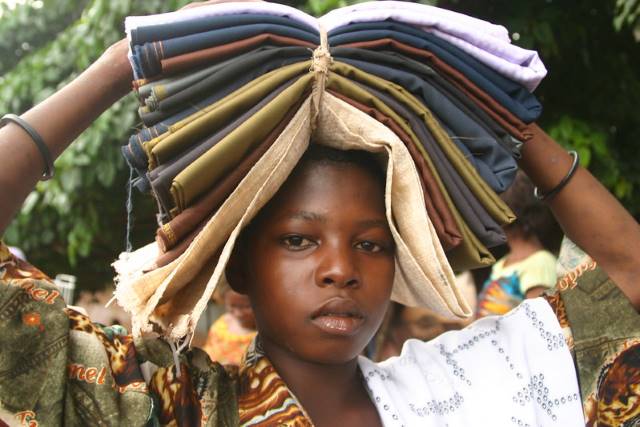
4 Facts About the Nike Foundation’s Girl Effect

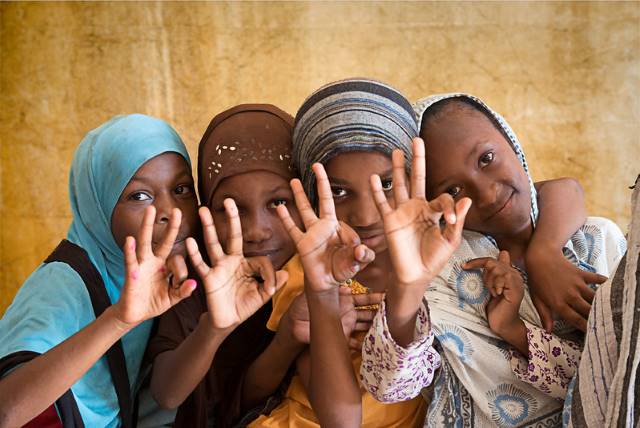
The Nike Foundation’s Girl EffectAround the world, many young girls are without access to basic health and educational resources. Research has shown that gender equality and women’s empowerment initiatives are key to alleviating global poverty. Over the years, organizations have developed across the globe committed to providing such resources in order to improve the quality of life for millions. One of those organizations is The Nike Foundation’s Girl Effect. This organization is a creative nonprofit working where girls are marginalized and vulnerable.
4 Facts About Girl Effect

1. Girl Effect has been in operation for 12 years. The Nike Foundation launched Girl Effect in 2008 at the World Economic Forum. According to its website, “The Girl Effect is about the unique potential of adolescent girls to end poverty for themselves and the world.” Nike designed the organization to inspire the most influential leaders in the world to get girls in vulnerable nations on the global development agenda and help increase the drive of resources to them. Girl Effect also aims to create media resources for girls around the world in order to increase their access to resources surrounding education and healthcare. Through partnerships with prominent organizations and creating branded media content, Girl Effect has provided millions of girls access to life-saving information.

2. It uses media and the internet to reach girls in developing nations. Girl Effect creates branded media for girls around the world that helps to “navigate the pivotal time of adolescence so they can make positive choices about their health, education and economic future.” Girl Effect currently operates seven different digital programs to reach girls around the world; Chhaa Jaa, Ni Nyampinga, Springster, TEGA, Tujibebe, Yegna and Zathu. The Chhaa Jaa program, which means “go forth and shine” in Hindi, is a “digital-first youth brand that inspires, informs and equips girls in India with the right skills and confidence to navigate adolescence.” These resources include helping girls access information about sexual and reproductive health, how to negotiate with parents about their choices for continuing their education, and how to prepare for their first job. Tujibebe is a program that was born from Tanzanian culture and is a mobile-based brand focused on helping provide adolescent girls with information and resources they need to make positive choices about their future. This includes how to finish their education and setting up their own small business.

3. It partners with numerous organizations to share its message. Girl Effect has worked with organizations from a variety of industries, from nonprofits to social media networks, to help effectively spread its message to girls across the world. One of the largest nonprofit organizations that it partners with is UNICEF. Together the organizations support and promote the Ni Nyampinga program in Rwanda. Through this partnership, UNICEF and Girl Effect have been able to make Ni Nyampinga a nation-wide movement with 80% of the population of Rwanda aware of it, which is almost 6.6 million Rwandans. Another prominent partner of the organization is Facebook. Through the use of Facebook’s Free Basics platform, which provides people with full access to services on their mobile phones, Girl Effect is able to promote its Springster program on a worldwide scale. Through this partnership, Facebook and Girl Effect have been able to reach over 12 million users in the past year alone. The program is available in over 50 countries, including South Africa, Nigeria, the Philippines and Indonesia. A few additional Girl Effect partners include the Bill and Melinda Gates Foundation, Gavi and Mastercard Foundation.

4.  The Nike Foundation’s Girl Effect made great strides reaching developing countries. Since its introduction in 2008, Girl Effect has been able to reach millions of girls in developing nations to provide education and resources. In India and South Africa, its online chatbots have responded to over 1.2 million messages asking for advice on sex and healthy relationships. It has helped connect over 15,000 girls in India with efficient sexual and reproductive health information and services online. In Malawi, girls who read Girl Effect magazine are 32% more likely than non-readers to go to a medical provider and receive their first dose of HPV medication. In Indonesia, those who have seen Girl Effect’s digital nutrition campaign are 32% more likely to make healthier food choices than those who did not view it.

Girl Effect Closes the Gender Gap

Since its beginning, The Nike Foundation’s Girl Effect has helped to create media for girls around the world to provide resources on how to improve their education, healthcare and well-being. For years, the world has struggled to include girls in the many advances that have been made in healthcare and education. However, organizations like Girl Effect help to close this gap.

– Sara Holm
Photo: Flickr

December 11, 2020
https://borgenproject.org/wp-content/uploads/borgen-project-logo.svg 0 0 Kim Thelwell https://borgenproject.org/wp-content/uploads/borgen-project-logo.svg Kim Thelwell2020-12-11 08:55:042024-05-30 07:53:144 Facts About the Nike Foundation’s Girl Effect
Developing Countries, Development, Global Poverty

3 Innovative Plans From the Government of Ghana

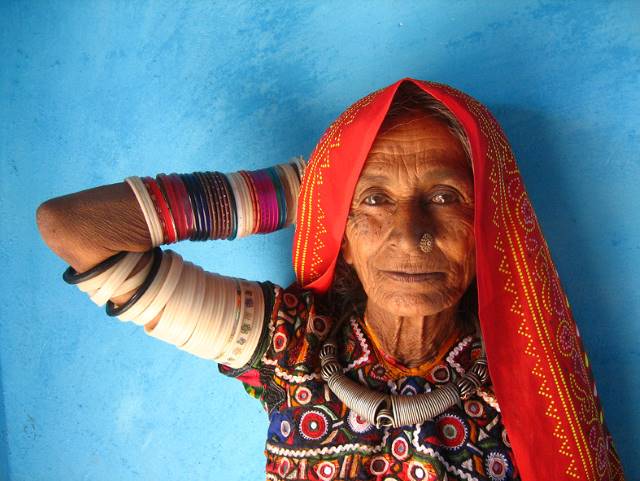
Government of GhanaThe African country of Ghana, home to more than 30 million people, is a particularly influential nation in the region and a capable force for innovation. It is recognized as the third most peaceful country in sub-Saharan Africa and the U.S. State Department asserts that Ghana’s economy has been “historically  regarded as one of the drivers for West Africa.” Unfortunately, due in major part to the COVID-19 pandemic, this economy has suffered robust declines, with Ghanaian annual GDP growth falling almost 80% between 2019 and 2020. National leadership from the government of Ghana, and particularly the Ministry of Environment, Science, Technology & Innovation, stands as a testament to still capable strides being made in gender equality initiatives, natural resource protection and climate action spheres.
3 Innovative Plans From the Government of Ghana

  1. GIRC Centre. The Ministry of Environment, Science, Technology & Innovation (MESTI) is heavily involved in promoting both research opportunities and funding the next great wave of Ghanaian technology to put the country on the cutting edge. To that end, the newly established Ghana Innovation and Research Commercialisation (GIRC) Centre is already inspiring initiatives to introduce to the national parliament. Support for Ghana’s modernization and continued movement into the research effort has been given by the Science Granting Councils Initiative, which “aims to strengthen the capacities of 15 science granting councils in sub-Saharan Africa.” The GIRC Centre, to begin its ambitious scientific goals and in conjunction with the government of Ghana, will also be setting up a National Research Fund, into which financial backing measured by Ghana’s GDP will be introduced. The fund aims to be all-inclusive and only has the pursuit of scientific development in its intentions; notably, equal disbursement, regardless of gender or disability, is a focal point in the ministry’s announcement, signaling that the nation’s STEM-based progress is also progressive toward inclusion.
  2. National Biodiversity Steering Committee. An already critical part of Ghana’s relationship with poverty is its relationship with natural resources. The country’s strong development propelled its poverty trends into lower and lower bounds, from a national poverty rate of more than 50% in 1991 to a rate of less than 10% in 2013. Urbanization, reliant on oil, gas and other natural resources, also requires a careful level of balance with the environment, particularly for long-lasting sustainability. Recognizing this, the government of Ghana has established a recently equipped National Biodiversity Steering Committee. Functioning under MESTI, the Committee’s primary directive is to maintain policy that ensures Ghana’s environmental strength, which is a particularly staggering responsibility in a nation whose primary exports of cocoa, gold and sawn wood, are all dependent on conscientious management of Ghana’s environmental resources.
  3. Climate Development Revision Goals. Equally in line with Ghana’s focus on future resiliency is a national push for redevelopment under the Paris guidelines for climate-aware policy. Ghanaian efforts have faced logistical and financial difficulty but meaningful steps help deliver more efficient energy to areas and even supply grants to northern areas in order to facilitate community-wide adaptations to projected climate changes. Partnered efforts with the UNDP have also led to cross-cultural inroads to other nations, such as Switzerland, which lends the government of Ghana greater resources, greater economic strength that the nation can then use to weather poverty and health crises while establishing greater international legitimacy.

These combined efforts all play into larger plans for Ghana’s advancing growth, particularly in light of the COVID-19 pandemic. Many poverty and health alleviation goals inexorably tie to the status of the government and the country at large. Progressive policies that put growth on track, encourage innovation from all sectors and actively ensure natural balances between communities, protect not only a government but an entire country.

– Alan Mathew
Photo: Flickr

December 11, 2020
https://borgenproject.org/wp-content/uploads/borgen-project-logo.svg 0 0 Kim Thelwell https://borgenproject.org/wp-content/uploads/borgen-project-logo.svg Kim Thelwell2020-12-11 08:10:092022-03-31 05:47:223 Innovative Plans From the Government of Ghana
Developing Countries, Global Poverty, Women, Women's Empowerment

Kudumbashree: Creating a Future for Indian Women

Future for Indian WomenIn 1997, a Kerala state project, recognizing the significance of channeling a significant, often underutilized demographic, began Kudumbashree, a widespread and comprehensive program that seeks to vastly reduce poverty and empower women at the same time. In a state of about 35 million people, Kudumbashree set out on a path to establish local, self-functioning levels of organization that could bring women together, provide access to resources regardless of education, economic status or caste and connect a willing workforce to new and old professional options, opening the future for Indian women across entire regions. In Malayalam, the local language of Kerala, Kudumbashree comprises two unique words, that when combined, translate to “prosperity of the family.” The structure, scale and significance of an enterprise like this is widespread and compelling, not just for one state in India but for an entire country and global community.

Kudumbashree: History and Goals

Kudumbashree is more than just one specific government program; rather, it is also a particular umbrella for cooperating efforts that fall under the jurisdiction of a unifying task force proposition known as the State Poverty Eradication Mission (SPEM). Kudumbashree and SPEM are interchangeable and the second has largely evolved into the first. By one definition, Kudumbashree is a charitable society; by another, it is a facilitator for work. All these descriptions are because of the fundamental and indispensable goal of a budding institution that secures a future for Indian women and their families. Though it may be ambitious and certainly easier said than done, Kudumbashree unabashedly seeks to “eradicate absolute poverty from the State over a period of 10 years.” Even if this goal has not been met yet, a significant amount of resources, community structures and cooperative dynamics have been put into place that brings Kerala closer to success every year.

Programs, Practices and Plans

A little less than half a century ago, Kerala’s poverty levels were at 59.74%. As of 2011 to 2012, that percentage dropped to 11.3%, less than half the national average. A wide range of factors led to this drastic and fortuitous decline and focused public attention and effort have been key among them.

Kudumbashree utilizes the role of the public in a particularly localized, community-centered way, as evidenced by the principal three-tier system the program uses. The three levels in the framework, in order of smallest to largest in terms of local duties, are “Neighborhood Groups,” “Area Development Societies,” and “Community Development Societies.” These hierarchies build upon each other and provide for different prioritizations of tasks.

For instance, Neighborhood Groups are small units with typically less than 30 women members. They meet frequently and are essential in the disbursement of microloans, which the members often save and distribute among themselves. At district-spanning Community Development Societies, more administrative concerns are paramount, such as directing state-financed aid or liaising with governmental bodies. A future for Indian women among Kudumbashree means support and access, not only from the local bodies but from fellow female members of their community.

The Future for Kerala’s Women

At over four and a half million Neighborhood Group members, Kudumbashree spans villages, towns and cities, but more importantly, with every notable award and new business enterprise, it raises greater national awareness. With agribusiness ventures alone, Kudumbashree boasts 778 units serving communities and expanding constantly. The future for Indian women is diverse and full of opportunity, and thanks to initiatives like Kudumbashree, the future is locally-led and integrally focused on the capacities of all people, regardless of gender.

– Alan Mathew
Photo: Flickr

December 11, 2020
https://borgenproject.org/wp-content/uploads/borgen-project-logo.svg 0 0 Kim Thelwell https://borgenproject.org/wp-content/uploads/borgen-project-logo.svg Kim Thelwell2020-12-11 07:14:032020-12-11 07:14:03Kudumbashree: Creating a Future for Indian Women
Developing Countries, Gender Equality, Global Poverty, Women's Empowerment, Women's Rights

Cafe Femenino Foundation Empowers Women

Cafe Femenino FoundationEstimates place women’s involvement in coffee production at as high as 70% of all the labor, making women an integral part of the coffee industry. However, women face high levels of gender discrimination within the industry in terms of access to “land, credit and information”, resulting in lower incomes and crop yields when compared to men. The Cafe Femenino Foundation looks to change this.

Cafe Femenino Foundation

Noticing the inequity, Garth and Gay Smith founded the Cafe Femenino Foundation in 2004 to empower women working in the coffee industry. The nonprofit organization provides grants to women’s coffee collectives in nine countries: Bolivia, Brazil, Colombia, the Dominican Republic, Guatemala, Mexico, Nicaragua, Rwanda and Sumatra. The grants can be used for a vast range of initiatives including food security, income diversification and health, to empower women socially, politically and economically.

Food Security Initiatives

Cafe Femenino Foundation provides grants to combat food insecurity in multiple countries’ coffee-growing regions, which also helps women earn extra income. In Peru, training sessions teach women how to preserve fruits to prevent spoiling and extend the period during which they can be eaten. Preserved fruit can also be sold at markets when the supply of fresh fruit is diminished, allowing the women to sell for higher prices. Women who participated in the training sessions went home with 10 cans of each fruit they preserved, which is credited with helping lower rates of child malnutrition in the regions.

Similarly, in the Dominican Republic, Cafe Femenino Foundation grants supported women’s coffee collectives to start growing passionfruit and breed both cows and goats. Passionfruit is used in many foods and drinks, making it popular among the women themselves and at the markets. Since 2009, more than 200 women and their family members have benefitted from access to passionfruit. The goat and cow breeding initiatives provide women with milk and meat to feed their families and to sell for additional income. As of 2013, almost 30 women participated in the animal breeding programs.

Health Initiatives

In Colombia, grants have been given by Cafe Femenino Foundation to the COSURCA coffee cooperative to improve women’s health through kitchen remodeling. Since kitchens are traditionally women’s spaces, they are often not remodeled and are constructed of poor materials with dirt floors. The kitchens of 18 women have been remodeled as of 2013 to include outdoor ventilation that prevents smoke inhalation and running water to improve cleanliness and hygiene.

Cafe Femenino Foundation has provided similar grants in Peru to improve health conditions by improving stoves. The new stoves decrease smoke inhalation and respiratory illnesses that occur as a result.

Women’s Empowerment Initiatives

Also in Peru, Cafe Femenino Foundation grants have supported the building of community safe spaces, called Casa Cafe Femenino, for women in multiple coffee-growing communities. These spaces provide women with opportunities to meet and talk in places that are not “borrowed from the men”, promoting women’s independence and agency. Casa Cafe Femeninos are also able to act as temporary shelters for women facing domestic violence. As of 2013, these spaces benefitted more than 800 women from two coffee collectives.

Cafe Femenino Foundation also supports the education of women. In Peru, the nonprofit helped five women complete training to be promoted to the role of internal coffee inspector, giving these women more power within the coffee industry. In the early years of the nonprofit, a grant provided scholarships for 600 girls, all of who were the daughters of coffee producers, to attend school.

Equality in the Coffee Industry

The coffee industry is made up largely of women yet these women face gender discrimination and inequality. Cafe Femenino Foundation strives to eliminate the gender gap in coffee production by providing grants to women’s coffee collectives in a range of areas, including food security, health and women’s empowerment based on the needs of the women. The projects, while benefitting the women, also help to teach leadership and problem-solving skills through a democratic process of distribution, furthering women’s empowerment.

– Sydney Leiter
Photo: pixabay

December 11, 2020
https://borgenproject.org/wp-content/uploads/borgen-project-logo.svg 0 0 Kim Thelwell https://borgenproject.org/wp-content/uploads/borgen-project-logo.svg Kim Thelwell2020-12-11 04:49:442024-05-30 07:53:09Cafe Femenino Foundation Empowers Women
Developing Countries, Development, Global Poverty, USAID

Global LEAD: Next Generation World Changers

Global LEAD InitiativeAs a demographic, over one-sixth of the global population are between the ages of 15 and 24. Because of its sheer size, this group plays a critical role in forging the next steps for global development. The United States Agency for International Development (USAID) introduced the Global Leadership and Education Advancing Development (Global LEAD) Initiative in August of 2020 in order to support and empower the world’s youth. Youth help shape the future of their respective nations. As a result, USAID’s Global LEAD Initiative aims to increase youth participation in building resilient and self-supporting communities. The Initiative serves as an umbrella project, with several programs branching out.

Key Subgroups of Global LEAD

  • New Partnerships Initiative (NPI): A fundamental goal of USAID’s Global LEAD Initiative is to make connections between young people, the communities they serve and other related groups and organizations. The NPI is a separate initiative led by USAID that removes access barriers to various USAID resources and funding. NPI impacts USAID’s Global LEAD Initiative by allowing for diversification of available partnerships, helping youth connect with the organizations that serve them.
  • YouthPower2 (YP2): Part of the process for USAID’s Global LEAD Initiative is to proactively support young people, providing them with training and resources to give them the skills they need to foster healthier communities at the start. YP2 uses what is known as a “positive youth approach,” meaning that adolescents are empowered to participate and play active roles in societal endeavors. Under this model, YP2 works with groups and organizations that are run by youth, or that serve youth. Another program that emerged from YP2 is YouthLead, which puts a strong emphasis on building leadership abilities among youth. YouthLead connects youth with opportunities to engage in service and advocacy projects within their communities. The program also provides information on funding, grants and scholarships so that young people have the financial resources to make positive changes for their futures.
  • HELIX: Higher Education for Leadership, Innovation and Exchange, or HELIX, is another mechanism of USAID’s Global LEAD Initiative that supports its mission to encourage nations and communities to prepare themselves on the “Journey to Self-Reliance.” Under this program, the focus is on bettering the capacity of higher education institutions and systems to find innovative solutions to cultivating increased development within communities. Various partners of the HELIX program aim to provide opportunities for global youth to access higher education, such as through scholarships, internships, research and fellowships. USAID believes that having better access to higher education is fundamental for a nation’s development, where a nation can experience sustainable progress by nurturing the cognitive and creative capacities of its youth.

Leaders of Tomorrow

The youth of today will be the leaders of tomorrow so it is vital that they are included in the process of bettering communities. USAID’s Global LEAD Initiative is taking steps to ensure that the world’s youth have access to the necessary resources to be able to innovate and lead further international development.

– Melanie McCrackin
Photo: Flickr

December 11, 2020
https://borgenproject.org/wp-content/uploads/borgen-project-logo.svg 0 0 Kim Thelwell https://borgenproject.org/wp-content/uploads/borgen-project-logo.svg Kim Thelwell2020-12-11 04:11:012024-05-30 07:53:09Global LEAD: Next Generation World Changers
Developing Countries, Global Poverty

GiveDirectly’s Cash Transfer Project for Kenyans

GiveDirectly’s cash transfer projectIn March 2020, GiveDirectly launched The Kenya Emergency Cash Fund to protect vulnerable Kenyan communities by sending recipients cash through mobile wallets. GiveDirectly is a nonprofit organization operating in East Africa that works to alleviate extreme poverty. Since its founding in 2009, GiveDirectly has given over $160 million to 170,000 families in the region, eventually earning a 100% rating from Charity Navigator. GiveDirectly’s cash transfer project is an initiative to help low-income Kenyans, especially during COVID-19.

Kenya Emergency Cash Fund

The Kenya Emergency Cash Fund, also known as the Kenya COVID-19 Fund, was formed in partnership with the Shikilia Initiative, which is a collaboration between the Kenyan private sector and nonprofit organizations. In coordination with GiveDirectly’s cash transfer project, Shikilia’s goal during the pandemic is to provide 200,000 people with monthly transfers of $30 for the next three months.

“We currently have enrolled 11,000 adults into the program and have disbursed around $300 to these recipients,” Director of Recipient Advocacy, Caroline Teti, told The Borgen Project. Teti joined GiveDirectly in 2016. She hopes to put an end to the devastating and disempowering nature of poverty across Africa through innovative projects such as GiveDirectly’s cash transfer project.

GiveDirectly has already launched settlements in Mathare, Kibera, Korogocho, Mukuru and Kawangware. This is crucial since resident families of these settlements live on $2 or less and are therefore expected to take the hardest economic hit as a result of the pandemic. For example, Teti reported that as a result of COVID-19, 95% of people in Mathare are eating less.

Recipients barely had savings before the pandemic. So, without GiveDirectly’s cash transfers made available to low-income communities by the Emergency Cash Fund, Teti believes that “families would have snuck back to the villages, increasing transmission risks to older people living in the countryside.”

Making Cash Transfers Efficient

In order to ensure that these cash transfers made to recipients are efficient, GiveDirectly is partnering with Shining Hope for Communities, a grassroots movement that catalyzes large-scale transformation in urban slums in Kenya.

Methods GiveDirectly and SHOFCO use to reach recipients more rapidly include using existing databases of low-income households, using rosters provided by local vetted NGO partners and using rosters of mobile money subscribers recruited through partner mobile network operators.

Project 100

Though GiveDirectly’s priority is getting cash to hard-hit families in extreme poverty in Kenya, it also organized Project 100 to raise funds for U.S. families impacted by COVID-19. For this project, GiveDirectly partnered with Propel, a company that helps recipients of the Supplemental Nutrition Assistance Program manage their benefits. The project aims to raise a total of $100 million for recipients.

The Road Ahead

According to the World Bank, poverty in Kenya may still remain above 20% by 2030 if it continues on a minimal growth path. More job opportunities for youth and infrastructure investments that improve transportation and service deliveries would be necessary to raise Kenya’s productivity.

Through GiveDirectly’s cash transfer project, an efficient and simple method of delivering cash, small-scale businesses will have the opportunity to grow, especially when food insecurity is no longer an obstacle. As Teti says, “We must rethink recipient empowerment and consider cash as a model for changing the lives of people living in poverty.”

– Joy Arkeh
Photo: Flickr

December 11, 2020
https://borgenproject.org/wp-content/uploads/borgen-project-logo.svg 0 0 Kim Thelwell https://borgenproject.org/wp-content/uploads/borgen-project-logo.svg Kim Thelwell2020-12-11 03:15:252024-05-30 07:53:08GiveDirectly’s Cash Transfer Project for Kenyans
Page 72 of 157«‹7071727374›»

Get Smarter

  • Global Poverty 101
  • Global Poverty… The Good News
  • Global Poverty & U.S. Jobs
  • Global Poverty and National Security
  • Innovative Solutions to Poverty
  • Global Poverty & Aid FAQ’s
Search Search

Take Action

  • Call Congress
  • Email Congress
  • Donate
  • 30 Ways to Help
  • Volunteer Ops
  • Internships
  • Courses & Certificates
  • The Podcast
Borgen Project

“The Borgen Project is an incredible nonprofit organization that is addressing poverty and hunger and working towards ending them.”

-The Huffington Post

Inside The Borgen Project

  • Contact
  • About
  • Financials
  • President
  • Board of Directors
  • Board of Advisors

International Links

  • UK Email Parliament
  • UK Donate
  • Canada Email Parliament

Get Smarter

  • Global Poverty 101
  • Global Poverty… The Good News
  • Global Poverty & U.S. Jobs
  • Global Poverty and National Security
  • Innovative Solutions to Poverty
  • Global Poverty & Aid FAQ’s

Ways to Help

  • Call Congress
  • Email Congress
  • Donate
  • 30 Ways to Help
  • Volunteer Ops
  • Internships
  • Courses & Certificates
  • The Podcast
Scroll to top Scroll to top Scroll to top