• Link to X
  • Link to Facebook
  • Link to Instagram
  • Link to TikTok
  • Link to Youtube
  • About
    • About Us
      • President
      • Board of Directors
      • Board of Advisors
      • Financials
      • Our Methodology
      • Success Tracker
      • Contact
  • Act Now
    • 30 Ways to Help
      • Email Congress
      • Call Congress
      • Volunteer
      • Courses & Certificates
      • Be a Donor
    • Internships
      • In-Office Internships
      • Remote Internships
    • Legislation
      • Politics 101
  • The Blog
  • The Podcast
  • Magazine
  • Donate
  • Click to open the search input field Click to open the search input field Search
  • Menu Menu

Archive for category: Developing Countries

Information and stories about developing countries.

Children, Developing Countries, Global Poverty, Health

BRAC: Improving Maternal Care in Bangladesh

Maternal Care in BangladeshBack in 1972, Fazlé Hasan Abed started a small organization called the Bangladesh Rehabilitation Assistance Committee (BRAC). Originally dedicated to helping refugees after Bangladesh’s war for independence against Pakistan, the organization has since grown to serve 11 countries across Asia and Africa. One of the key focuses of BRAC is poverty alleviation and includes categories such as improving maternal care in Bangladesh.

BRAC’s Strategies for Poverty Reduction

BRAC engages several strategies to combat poverty, such as social enterprises. Social enterprises are self-sustaining cause-driven business entities that create social impact by offering solutions to social challenges and reinvesting surplus to sustain and generate greater impact. Some social enterprises include those seeking to promote access to fisheries, give people access to jobs in the silk industry and businesses that give seed access to farmers.

BRAC also prioritizes social development. These initiatives refer to BRAC’s on-the-ground programs. Social development efforts aim to build communities up by attempting to foster long-term development through the promotion of microfinance and gender equality and by eradicating extreme poverty.

The third focus of BRAC is investments. BRAC seeks to invest in local companies in order to create as much social impact as possible. This includes initiatives to expand affordable internet access for all and a range of other financial support services.

Finally, the organization founded a tertiary education institution called Brac University. The University, located in Bangladesh, aims to use its liberal arts curriculum in order to try and advance human capital development and help students develop solutions to local problems.

The BRAC Manoshi Maternal Care Initiative

Founded in 2007, the Manoshi program is specifically tailored to serve mothers and newborns by providing accessible care. There are a couple of unique methods that make this maternal healthcare initiative especially effective in reaching its goals of improving maternal care in Bangladesh.

One-third of people in Bangladesh live under the poverty line and a greater part of this group live in slums, making it difficult to access and afford necessary healthcare. Manoshi focuses primarily on empowering communities, particularly women, in order to develop a system of essential healthcare interventions for mothers and babies.

Manoshi’s Focal Areas for Community Development

  • Providing basic healthcare for pregnant and lactating women, newborns and children under 5
  • Building a referral system to connect women with quality health facilities when complications arise
  • Creating women’s groups to drive community empowerment
  • Skills development and capacity building for healthcare workers and birth attendants
  • Connecting community organizations with governmental and non-governmental organizations to further their goals

The main methods used in the Manoshi project to achieve desired outcomes are social mapping, census taking and community engagement.

Manoshi’s Impact on Maternal Care in Bangladesh

BRAC projected that improvement in healthcare access would cause neonatal mortality to decline by 40-50% and the most recent data from the Manoshi program shows just that. Manoshi’s data shows that from 2008 to 2013, both the maternal and neonatal death rates dropped by more than half. From 2007 to 2011, the percentage of births at health facilities increased from 15% to 59%, while national averages only increased from 25% to 28%, suggesting that mothers served by Manoshi have more access to resources and facilities for safe deliveries. Prenatal care also increased from 27% to 52% in the same years.

With the substantial impact of organizational programs like Manoshi prioritizing the wellbeing of women and children, advancements with regard to maternal care in Bangladesh will hopefully only continue upward.

– Thomas Gill
Photo: Flickr

January 5, 2021
https://borgenproject.org/wp-content/uploads/borgen-project-logo.svg 0 0 Yuki https://borgenproject.org/wp-content/uploads/borgen-project-logo.svg Yuki2021-01-05 05:17:502021-01-05 05:17:50BRAC: Improving Maternal Care in Bangladesh
Children, Developing Countries, Global Poverty

Ending Child Labor in Cocoa Production

Ending Child Labor in cocoaGhana and Côte d’Ivoire are responsible for collecting around 70% of the world’s supply of cocoa beans and the industry as a whole is worth over $100 billion. However, despite the economic importance of cocoa farming for these nations, there has been controversy surrounding the people doing the farming. A large proportion of those working at these cocoa farms are children, some as young as 5 years old. These children are subjected to health and safety hazards in the form of unsafe pesticides and dangerous tools. They are also exploited and paid less than adults doing the same job. Additionally, this practice pulls children away from possible education. In a broad sense, this issue of child labor in cocoa production has gone unsolved and ignored by the governments of Ghana and Côte d’Ivoire as well as the companies profiting off of the work. The World Cocoa Foundation has asserted its commitment to ending child labor in cocoa production.

Child Labor in Cocoa Farms

According to a recent study done by NORC, the number of children working in cocoa farms has not been improving and could possibly have increased in the past few years. It found that nearly 45% of children living in agricultural homes of Ghana and Côte d’Ivoire work in cocoa production. This adds up to about  1.5 million children. The same study found that in the last decade, the proportion of child labor in cocoa production has increased from 31% to 45%. As the cocoa industry continues to rapidly grow, there are no signs that child labor will decrease unless there is immediate and substantial intervention.

Past attempts to eradicate child labor in cocoa production have been poorly implemented. In 2001, a number of the largest producers of African cocoa agreed to end 70% of child labor by 2020. Significant progress toward this goal has not been achieved. A similar pledge was made in 2010 but has seen the same shortcomings. When asked of past failures in these areas, the president of the World Cocoa Foundation, Richard Scobey, said that targets were set “without fully understanding the complexity and scale” of issues of poverty and child labor in these African countries. With studies by the NORC and other groups, it seems as though the issues are better understood now than they were in past decades.

Response by the World Cocoa Foundation

In October 2020, the World Cocoa Foundation responded to the situation of child labor in cocoa farming. The Foundation came out strongly against the practice of child labor in cocoa production and set new goals to deal with the issue. Focused on Ghana and Côte d’Ivoire, the first goal set is an increase in the availability of anti-child labor monitoring to 100% of locations and farms by 2025.

The World Cocoa Foundation has also announced other efforts to combat child labor that include efforts from companies, the governments of Ghana and Côte d’Ivoire and other stakeholders. Firstly, the Living Income Differential pricing policy is expected to provide $1.2 billion in additional revenue for cocoa farmers. For children specifically, the government of Côte d’Ivoire will launch a $120 million pooled funding facility for primary education that aims to reach five million children, with $25 million expected from the cocoa industry. Additionally, to boost household incomes and yields, leading companies will supply training, coaching or farm development plans to local farmers.

The Road Ahead

Past attempts to end child labor show that the situation in the cocoa industry is severe and complicated and therefore must be prioritized. As the World Cocoa Foundation recommits to ending child labor in cocoa production, collaboration and commitment will serve as important factors for the success of the endeavor.

– Matthew McKee
Photo: Flickr

January 5, 2021
https://borgenproject.org/wp-content/uploads/borgen-project-logo.svg 0 0 Yuki https://borgenproject.org/wp-content/uploads/borgen-project-logo.svg Yuki2021-01-05 04:13:272021-01-05 04:13:27Ending Child Labor in Cocoa Production
Developing Countries, Food Insecurity, Food Security, Global Poverty, Poverty Reduction

How Agroforestry Can Reduce Global Poverty

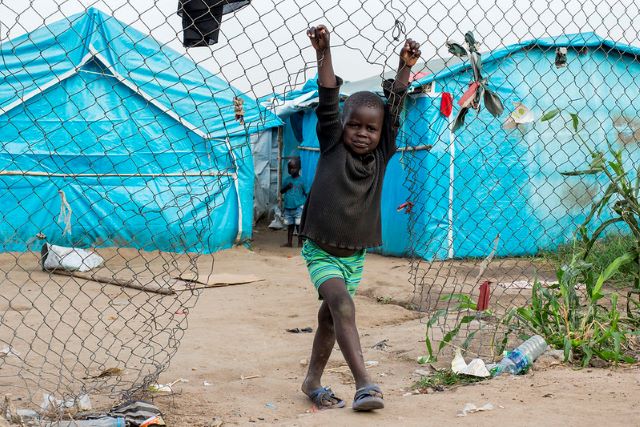
Agroforestry Can Reduce Global PovertyForests provide food, medicine, fodder and energy for 250 million of the world’s extreme poor. If utilized properly, the method of agroforestry can reduce global poverty. The resources and benefits that forests can provide are often inaccessible to those in poverty due to the private ownership of forests.
Ownership of Forests

Approximately 77% of the world’s forests are owned and administered by governments that do not recognize the claims of indigenous peoples and local communities to the land. Since government priorities do not always align with community needs, the locals who need the forests to survive do not receive the benefits that they should. For example, the timber and ecotourism industries in Africa are skyrocketing but the locals do not share in the profits.

Agroforestry

Agroforestry, the agricultural practice of growing trees and shrubs around crops or pastureland, can ameliorate this problem. Agroforestry builds on existing agricultural land already owned by communities to create new forests not owned by the government, thereby circumventing the ownership problem and guaranteeing that profits remain in the community. Agroforestry systems are smaller in scale than typical forests but they still deliver many of the same positive results: they diversify production, restore soil fertility and increase biodiversity.

The benefits of agroforestry extend beyond environmental issues. Agroforestry can reduce global poverty by increasing food resources and security, improving nutrition and increasing profits for farmers.

3 Countries Using Agroforestry

  1. Bolivia uses agroforestry to reduce food insecurity. Bolivia is one of the biggest producers of organic cacao, which despite being edible, is not a major food crop. Cacao is grown mostly wild or in monocultures, though there is a growing shift to agroforestry systems where cacao trees are intercropped with shade trees and other by-crops like bananas and avocados. Over 75% of Bolivian households lack regular access to basic foods. Thanks to agroforestry, 40% of the population who depend on agriculture for their livelihoods can both produce more food and earn more money to buy what they do not grow. The Research Institute of Organic Agriculture (FiBL) found that the return on labor was double for agroforestry systems compared to monocultures even though the cacao yields were 40% higher in the monocultures. The revenue difference came from the sale of the by-crops, which offset the lower cacao yield. The by-crops helped farmers earn a profit but also represented a food source for the communities.

  2. Burkina Faso uses agroforestry as a means of women’s empowerment. The U.N. Development Program estimates that an average of three million African women work directly or indirectly with shea butter. Women have historically played an important role in the extraction of shea butter but they have not always been compensated for their work, even as the industry and profits grew. Agroforestry allows for more community involvement in farming, which in turn opens up opportunities for women. NGOs like CECI and WUSC help to train women in shea harvesting as part of the Uniterra project, which aims to get women involved in entrepreneurial ventures such as developing their own shea butter businesses for international exports. As a result of agroforestry, more women are empowered to take themselves out of poverty.

  3. India is a global leader in agroforestry policy. India was the first country to create a national agroforestry policy in 2014 despite existing policies that were unfavorable to agriculture, weak markets and a lack of institutional finance. The country set the ambitious goal of increasing national tree cover to 33% as a way to make agriculture more sustainable while optimizing its productivity. Agroforestry is currently in use on 13.5 million hectares in India but the government hopes to expand it to increase benefits like reducing poverty and malnutrition by tripling crop yields. Already, agroforestry provides 65% of the country’s timber and almost half of its fuelwood. Timber production on tree farms generates 450 employment days per hectare per year, which can reduce rural unemployment, and in turn, rural poverty.

The Potential of Agroforestry in Poverty Reduction

Many other rural communities in Latin America, Sub-Saharan Africa and Southeast Asia have relied on agroforestry throughout history, with and without government backing. As a whole, agroforestry is underused in the fight against global poverty. Nations with large agricultural sectors need to adopt agroforestry policies and promote the training needed to help farmers implement agroforestry on a large scale. These agroforestry efforts have the potential to significantly contribute to global poverty reduction.

– Brooklyn Quallen
Photo: Flickr

January 5, 2021
https://borgenproject.org/wp-content/uploads/borgen-project-logo.svg 0 0 Yuki https://borgenproject.org/wp-content/uploads/borgen-project-logo.svg Yuki2021-01-05 02:20:002024-12-13 18:05:16How Agroforestry Can Reduce Global Poverty
Children, Developing Countries, Education, Global Poverty

Transforming Education in South Sudan

Transforming Education in South SudanAround 1.8 million children in South Sudan are not in school; the majority of children do manual work to provide for their families. This prevents millions of children, especially young girls, from receiving an adequate education. As the world’s youngest country, South Sudan struggles with many pressing issues, such as an unstable political environment and scarce food access. However, the need for educational reform grows increasingly urgent every day. These inadequate educational circumstances can be attributed to many years of war leaving behind devastating conditions for the country and its civilians. However, organizations have committed to transforming education in South Sudan.
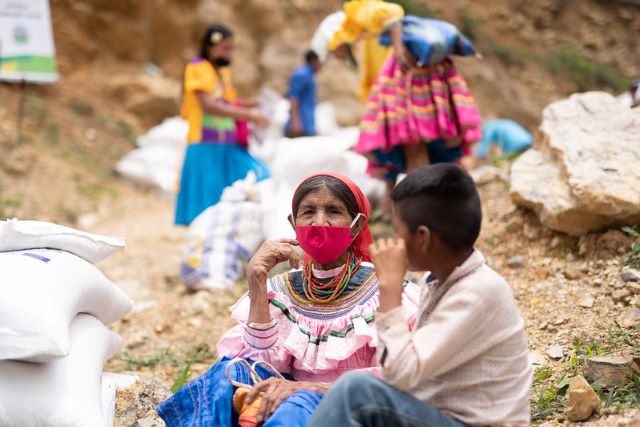
The Humanitarian Aid Relief Trust (HART)

Founded in 2004, HART exists to help countries suffering from national conflicts that major aid organizations do not typically serve. A significant amount of HART’s aid is directed toward South Sudan and addressing the country’s unfavorable education status. In its 2020 report, the organization emphasized how many leaders in South Sudan are unable to access funds from large-scale donors. In response to this, the organization stresses that donating funds for essential services in South Sudan should take top priority, especially education funds, considering the substantial number of children displaced from normal learning environments. The organization works directly with partners in South Sudan to solve problems through direct communication.

According to HART, a girl raised in South Sudan is more likely to die from pregnancy or childbirth than to complete her primary education. More than 2 million children are not in school, which is the worst number the country has seen yet. If these rates continue, the future generation of South Sudan will not have the skills that come from an educational background, which also statistically increases the risk of falling into generational poverty. Organizations such as HART use advocacy as the strongest tool. By bringing light to these startling statistics, it hopes to educate the public on the dire need to allocate funds to South Sudan and reform the educational system through donations.

United Nations Children’s Fund (UNICEF)

UNICEF has been a global leader in transforming education in South Sudan as it provides funds for classroom materials and teacher training. A primary focus is to intervene in South Sudanese communities to emphasize the importance of educating their children. The organization understands that when children receive an education, it benefits not only them but the entirety of the country.

However, learning in South Sudan has been extremely different since the start of COVID-19 as roughly 1.5 million children are learning through radio lessons instead of the traditional classrooms. In 2020 alone, UNICEF provided more than 40,000 radio sets to be distributed to underprivileged children who do not have access to radios in their homes. Amid these unconventional education times, UNICEF continues to deliver essential services to benefit learning in remote locations under the Government of South Sudan’s “Back to School Initiative”. At the end of 2020, UNICEF plans to have provided access to education to 729,000 out-of-school children in crisis.

Global Partnership for Education (GPE)

The Global Partnership for Education has partnered with South Sudan since 2012. It emphasizes the high demands placed on the education system in South Sudan’s national plans. The General Education Strategic Plan (GESP), developed by the Ministry of General Education and Instruction of South Sudan, lays out situation analyses, policy frameworks, implementation structures and financing plans. However, there is insufficient public expenditure to cover these projects. In fact, South Sudan possesses one of the lowest education funds in the world.

The GPE recognizes this need for funding and believes in the vision of the General Education Strategic Plan. In March 2020, the GPE gifted $7 million in support of the Ministry of Education’s learning plan in response to COVID-19. In particular, the grant goes to support guidelines and policies in place to reopen schools in South Sudan. Other focal points revolve around awareness campaigns on COVID-19 prevention, remote learning materials for students, radio programs for at-home learning, hygiene facilities and back-to-school campaigns. As the GPE continues backing the General Education Strategic Plan, the nation expects an expansion of secondary and technical education and the institutionalization of teacher training within the next three years.

The Need for Improved Education

Right now, more than 80% of the South Sudanese population lives on less than a dollar per day. In the middle of a humanitarian crisis, this vulnerable population fails to meet many basic necessities. An increasing urgency around transforming education in South Sudan has caused an abundance of organizations to take a special interest in reforming the education system in the world’s youngest country. While the road to a prospering education system is still long, South Sudan is taking substantial steps toward a better future for its children with the help of humanitarian organizations.

– Hope Shourd
Photo: Flickr

January 4, 2021
https://borgenproject.org/wp-content/uploads/borgen-project-logo.svg 0 0 Kim Thelwell https://borgenproject.org/wp-content/uploads/borgen-project-logo.svg Kim Thelwell2021-01-04 08:56:572024-05-29 23:13:49Transforming Education in South Sudan
Developing Countries, Global Poverty, Hunger

Indigenous Poverty in Guatemala

Indigenous PovertyGuatemala is one of Latin America’s most unequal countries, with an indigenous population that has been especially impacted by COVID-19. Indigenous groups make up more than 40% of Guatemala’s population, which equates to more than 6.5 million people. Poverty rates average 79% among indigenous groups, with 35% suffering from food insecurity.

COVID-19 Exacerbates Indigenous Poverty in Guatemala

COVID-19 has only exacerbated the suffering of indigenous Guatemalans. Not only have indigenous families been pushed further into poverty, but reports of gender-based and intrafamily violence, murders and child pregnancies have also increased during Guatemala’s stay-at-home orders, which were intended to control the spread of COVID-19. The only exception to note is that there has been a drop in violent crime since lockdowns were imposed.

Child labor rates have increased, which is a concern since a child’s education is their channel to achieve social mobility and is key to reducing poverty. At the start of the lockdown, remote learning was promoted. However, less than 30% of Guatemala’s population has internet access. Only 21% of the population has access to a computer. In effect, COVID-19 is widening the economic gap between the indigenous population and those in urban Guatemala.

OCHA, the United Nations emergency aid coordination body, reported in April 2020 that seasonal hunger rates have worsened in eastern Guatemala due to lockdown measures. Compared to a year ago, health ministry figures point out that acute malnutrition cases in the department of Chiquimula increased by roughly 56%.

Oxfam Assists Guatemala

Oxfam, a confederation working to alleviate global poverty, has been on the ground in Guatemala, delivering food, sanitary and medical products, particularly to Guatemala’s indigenous communities.  However, Oxfam is working a little differently than in the past due to COVID-19 measures. Instead of risking the spread of the virus by sending outside people in, Oxfam is employing local Guatemalans by transferring credit to their phones and having them collect and distribute two months’ worth of necessary goods to those requiring assistance.

Insufficient Governmental Support

Guatemala’s government offers little help to relieve the effects of COVID-19 in its rural zones. In 2017, a study by the Guatemalan health ministry reported that the government spends fractions of its health budget in its rural zones compared to its wealthiest, urban cities.

The United States has increased its level of deportations under COVID-19-related regulations, leading Guatemala to trace 20% of its infections to those returnees. With the lack of governmental support and social safety nets, many poor Guatemalans are looking to flee the country.

Hopes for an Inclusive Society

Although the indigenous in Guatemala are creating their own solutions, using traditional knowledge and practices to contain COVID-19, the Guatemalan government must treat its indigenous population equally and include those who have been historically excluded by implementing strategies and operations to prevent and contain COVID-19 as well as alleviate its indigenous poverty rates overall.

– Danielle Lindenbaum
Photo: Flickr

January 4, 2021
https://borgenproject.org/wp-content/uploads/borgen-project-logo.svg 0 0 Yuki https://borgenproject.org/wp-content/uploads/borgen-project-logo.svg Yuki2021-01-04 07:14:122021-01-04 07:14:12Indigenous Poverty in Guatemala
Developing Countries, Global Poverty, Health

Digital Revolution: Telehealth in India

Telehealth in IndiaIn 2017, around 60% of the population in India faced poverty, with around 1.3 million people living on less than $3.10 a day. India is one of the most populous countries, right behind China. As the COVID-19 pandemic swept through the nation, India was hard hit by the pandemic. The International Labor Organization (ILO) has estimated that with the economic halt in India, around 400 million people are at risk of falling into poverty. As people struggle with access to food and healthcare services, digital and technological resources are being  implemented to reach those most at risk. The COVID-19 pandemic has necessitated the use of telehealth in India.
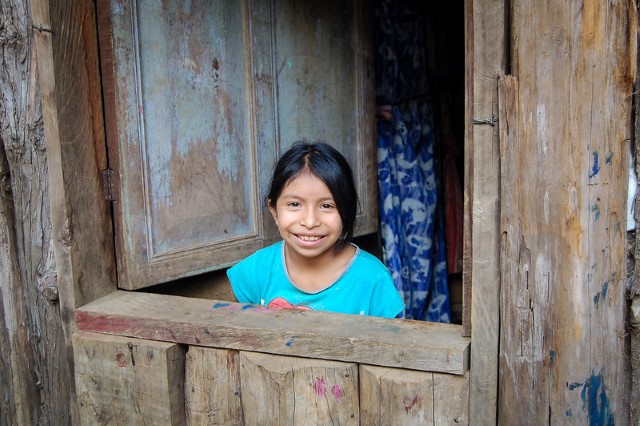
Telehealth in India

Telehealth in India has had a substantial impact on communities. Following the COVID-19 outbreak, the Indian government initiated telemedicine to help healthcare professionals reach everyone in need, even those living along the lines of poverty and those in rural locations. Telehealth in India gives the poor a chance to receive adequate healthcare without an in-person visit, especially during the COVID-19 pandemic. India has made great strides in improving technological resources in the country. With these resources being improved, telemedicine can bring specialized care to even the most remote places in India.

There have been recent technological advances within India, such as the proliferation of fiber optic cables and the licensing of private internet service providers. These new technological advances have encouraged the Indian Space Research Organization to set up an exclusive satellite called HealthSAT that can bring telemedicine to the poor on a larger scale.

Telemedicine Systems

A telemedicine system in a small health center consists of a computer with custom medical software connected to essential medical diagnostic tools. Through the computer, digitized versions of patients’ medical images and diagnostic details are dispatched to specialist doctors through the satellite-based communication link. The information is received and examined to diagnose and suggest appropriate treatment through video-conferencing. With all of these services being offered, reaching the poor in the most remote places has become more of a possibility.

The Impact of Telehealth

Though the COVID-19 pandemic has brought about negative effects for India, it has also compelled India to utilize more digital and technological resources to expand its reach. Telehealth in India has brought some relief to overburdened healthcare systems, relieving the pressures of increased caseloads due to the pandemic. Medical centers now have the ability and capacity to reach long-distance patients. The Indian government issued the Telemedicine Practice Guidelines in March 2020, allowing for registered medical practitioners to provide healthcare services using telecommunication and digital technologies.

The Future of Telehealth in India

Telehealth in India is bringing about new growth within the medical arena. The prolonged pandemic and the absence of a vaccine means telemedicine and telehealth services are integral and will be useful for the foreseeable future. Not only will the middle-class and the wealthy have access to healthcare but healthcare services will also be able to reach the poor in the most remote places.

– Kendra Anderson
Photo: Flickr

January 4, 2021
https://borgenproject.org/wp-content/uploads/borgen-project-logo.svg 0 0 Yuki https://borgenproject.org/wp-content/uploads/borgen-project-logo.svg Yuki2021-01-04 06:30:362024-06-04 01:03:18Digital Revolution: Telehealth in India
Developing Countries, Food Insecurity, Foreign Aid, Global Poverty

Dual Disasters: International Aid to El Salvador

International Aid to El SalvadorEl Salvador faces threats from multiple angles as heavy tropical flooding has been compounded by the ongoing COVID-19 crisis. While El Salvador has managed to curtail infection rates by imposing strict restrictions, in October 2020, more than 32,000 people had COVID-19, with around 1,000 deaths. Due to the stringent measures to protect against the pandemic, economic growth has been stifled and poverty reduction efforts have waned. Organizations are stepping in to provide international aid to El Salvador.

Dual Disasters in El Salvador

In May and June of 2020, the tropical storms Amanda and Cristobal wreaked havoc on the people of El Salvador. Nearly 150,000 people were affected by heavy rain, flooding and severe winds. Developing countries such as El Salvador have poor building infrastructure and during natural disasters homes are more likely to be destroyed by storms. The World Food Programme (WFP) has estimated that about 380,000 people in El Salvador do not have sufficient access to nutritious food due to the dual disasters that have weakened infrastructure and the economy. An estimated 22,000 farmers have suffered from the destruction of flooding, with over 12,000 hectares of agricultural crops being destroyed.

COVID-19 Pandemic Increases Poverty

El Salvador has been moderately successful with poverty reduction, marked by a consistent decline in poverty over the past 13 years, as poverty rates plummeted from 39% to 29% between 2007 and 2017. Extreme poverty was cut from 15% to 8.5% over this time period as well. Additionally, El Salvador has increased its level of equality and is now the second most equal country in Latin America.

Despite this positive trend in poverty reduction, El Salvador has suffered from forced economic restrictions due to the pandemic. Its GDP is projected to decrease by 8% this year due to economic restrictions, a weakened international market and diminished funds sent from El Salvadorians abroad in the United States. Additionally, low income and marginalized individuals are becoming more vulnerable to health issues and wage deficiencies and are falling victim to predatory loans. El Salvador’s economic shutdown and destruction from tropical storms have prompted calls for international aid to alleviate the crisis.

Swift Action to Mitigate COVID-19

El Salvador has seen relatively low COVID-19 cases as a result of its swift response to the pandemic. It adopted strict containment measures faster than any other Central American country and invested heavily in its health system. The government has provided cash distributions to the majority of households, food for low income households and payment deferrals for rent and mortgages in order to curb the effects of the pandemic on citizens.

International Aid to El Salvador

Requests for international aid to El Salvador have been granted in the form of assistance from USAID and the WFP. These organizations are providing disaster relief and bringing in resources to those affected by the storms and the COVID-19 pandemic. USAID has donated $3 million to be dispensed by cash in stipends for vulnerable citizens to buy food. This stipend will boost local economies and reinforce food security for impoverished citizens affected by the dual disasters.

– Adrian Rufo
Photo: Flickr

January 4, 2021
https://borgenproject.org/wp-content/uploads/borgen-project-logo.svg 0 0 Yuki https://borgenproject.org/wp-content/uploads/borgen-project-logo.svg Yuki2021-01-04 03:18:382021-01-04 03:18:37Dual Disasters: International Aid to El Salvador
Children, Developing Countries, Education, Gender Equality, Global Poverty

Challenges in Education in Guinea-Bissau

Education in Guinea-BissauWith a population of 1.8 million, about 69% of people in Guinea-Bissau live below the poverty line and 25% experience chronic malnutrition. In addition to working toward reducing poverty, there is a focus to improve education in Guinea-Bissau, which faces many struggles, including low enrollment rates, limited financial support and gender inequality.

Education Statistics in Guinea-Bissau

In Guinea-Bissau, the literacy rate is around 53%. Only 30% of children begin school at the specified age of six. According to a study conducted by UNICEF, as a result of late enrollment, a significant proportion of children in lower primary grades are overage. As of 2010, 62% of children finished their basic education. About 14% of those in grade one end up completing grade 12. Additionally, out of the 55% of children who attend secondary school, about 22% complete it. As of 2014, the net primary school attendance was 62.4%. Lack of accessibility to school, especially in terms of secondary education outside of urban areas, contributes to these statistics.

Schools also receive insufficient funds for quality education and have to rely on families for support. Adequate standards for physical school buildings and textbooks are also lacking. Teachers tend to lack a proper level of competency in regard to the subject they teach and have insufficient teaching materials. According to a text published by the United Nations Educational, Scientific and Cultural Organization (UNESCO), “At a level corresponding to the fifth year of primary education, teachers fail to answer a quarter of the questions on Portuguese and under a half of those in mathematics arising from the syllabus for their pupils.” Furthermore, many schools fail to offer a full curriculum and 46% of teaching days from 2016 to 2017 were lost because of teacher strikes. More than 20% of students aged 7 to 14 years old reside over half an hour from a school and distance decreases their likelihood of attending. Furthermore, many students, the majority being girls, drop out of school due to early marriage and child labor.

Gender Inequality

A gender gap is prevalent within Guinea-Bissau’s education system. Of children aged 10 to 11 years old, 17.5% of boys are not attending school as opposed to 25.7% of girls. Among impoverished families, boys are 1.8 more likely to reach grade six than girls. In general, boys are 1.5 times more likely than girls to take part in General Secondary Education. Moreover, boys obtain 59% of public resources for education, while girls get 41%.

The gender inequality in Guinea-Bissau’s education system leads to consequences, such as child marriage among girls. About 54% of women without an education experienced child marriage, as opposed to the 9% of women who achieved secondary education or higher. The average age of a woman without education for the first delivery of a child is 18.2 years old as opposed to 21.4 years old for a woman who studied for 14 years. Women who received an education of 14 years have an average of about 1.2 kids. On the other hand, women without education have an average of 3.3 children.

Decreasing the gender gap in Guinea-Bissau’s education system would lead to benefits for not only women but the entirety of the population. Women who achieve higher education are 50% likely to vaccinate their children under the age of 5, whereas the likelihood for women without an education is 26%. Furthermore, the likelihood of women who did not attend school using a net to prevent malaria for their children under the age of 5 is 71%, as opposed to 81% among women who studied for at least six years.

The Quality Education for All Project

In July 2018, the World Bank developed the Quality Education for All Project in Guinea-Bissau. The goal of the Project is to improve the overall environment of schools for students from grade one to grade four. Through the Project, the World Bank aims to reduce teacher strikes by providing training. The World Bank also plans to update the curriculum taught as well as educational supplies and materials. Furthermore, the Project encourages greater community involvement in the management of schools.

UNICEF’s Educational Efforts

UNICEF aims to improve the quality of education in Guinea-Bissau, especially with regard to early childhood, through partnership and the rehabilitation of classrooms. Alongside PLAN international, Handicap International and Fundação Fé e Cooperação (FEC), UNICEF monitors schools by training 180 inspectors who are responsible for over 1,700 schools. The monitors focus on teacher attendance as well as the process in the classroom. In order to establish standards, such as National Quality Standards and Early Learning Development Standards, UNICEF also partnered with the Ministry of Education. UNICEF launched Campaign “6/6” to encourage the enrollment of children in school beginning at age 6 and maintaining their attendance throughout primary education.

Response to COVID-19

The Global Partnership for Education (GPE), which coordinates with UNICEF, allocated $3.5 million to Guinea-Bissau for a COVID-19 response from 2020 to 2021. Through its grant, GPE plans to achieve greater health standards in schools and training among community members to increase awareness of COVID-19 prevention. GPE also supports a radio distance education program as well as a distance program that addresses gender-based violence and the inclusion of children with disabilities. UNICEF broadcasts programs three times a day for radio distance learning. Additionally, GPE aims to assess preschool and primary age students to gather further information about learning loss and to create a program for children out of school.

– Zoë Nichols
Photo: Flickr

January 4, 2021
https://borgenproject.org/wp-content/uploads/borgen-project-logo.svg 0 0 Lynsey Alexander https://borgenproject.org/wp-content/uploads/borgen-project-logo.svg Lynsey Alexander2021-01-04 01:15:252021-01-04 01:15:25Challenges in Education in Guinea-Bissau
Developing Countries, Global Poverty, Health

Destigmatizing HIV/AIDS in Jamaica

HIV/AIDS in JamaicaAs of 2018, 32,000 people were living with a positive HIV diagnosis in Jamaica, with 44% of this population receiving treatment. This has been attributed to the stigmatization of HIV/AIDS, which can make those who live with it unwilling to pursue help. In response, Jamaican activists have campaigned and advocated for the destigmatization of HIV/AIDS because they believe it is the first step to completely eradicating the disease in Jamaica.

USAID’s Health Policy Project

International initiatives, such as the Health Policy Project, have been an important resource for activists because it focuses on training and educating. This project is a part of USAID’s mission to counter HIV/AIDS around the world and USAID is its chief source of funding. Within the Health Policy Project, HIV positive individuals have been invited to larger conferences where they are able to learn more about how to counter stigmatization and how to mobilize others. Because these individuals are Jamaican and their stories are personal, their message tends to be more positively received by audiences. This has allowed for a greater discussion of HIV/AIDS because it gives faces to those who are being discriminated against.

Governmental Initiatives for Anti-Discrimination

On a legislative level, the Jamaican Government has pushed multiple initiatives and studies to better the living conditions and access to care for those living with HIV. For example, healthcare discrimination is countered through the Client Complaint Mechanism and the Jamaica Anti-Discrimination System by educating the population, monitoring minority communities and training healthcare workers. In addition to that, these organizations collect reports of discrimination from around the country and help to investigate and correct them. These bodies are also working to provide free HIV treatment across the country and hope to accomplish this in the coming years.

Jamaica AIDS Support

Jamaica AIDS Support is the largest non-governmental organization working to counter and destigmatize HIV/AIDS in the country. Besides the promotion of education and treatment, the organization also provides access to mental health treatment for those who are HIV positive. This has allowed for a larger discourse about mental health and how it relates to this disease as well as a greater social acknowledgment of how stigmatization hurts others. In 2016, Jamaica AIDS Support began the Greater Treasure Beach Area pilot project, which aims to educate young people on HIV/AIDS so that in the coming generations there will be more tolerance and acceptance of those living with HIV.

Eve for Life

Local organizations, such as Eve for Life, have also been instrumental in the fight against HIV/AIDS discrimination by approaching the issue through empowerment. Eve for Life specifically works to empower women living with HIV through multiple education initiatives as well as smaller groups meant to support these women. One such group, Mentor Moms, works to help young mothers living with HIV to secure treatment and it provides smaller meeting groups where these similar women can find community. So far, it seems these initiatives have been overwhelmingly successful as more female activists have become involved in the fight against HIV/AIDS, which has led to greater social consciousness about the disease.

Conquering Stigma and Countering HIV/AIDS

Destigmatization initiatives in Jamaica are the key to countering HIV/AIDS and the country is off to a promising start. By utilizing personal narrative and education, activists hope to secure a world that is more welcoming for their children than it was for them. In the words of UNAIDS country director, Manoela Manova, “The more we do to ensure that people feel safe and respected, the closer the country will come to ending AIDS.”

– Mary Buffaloe
Photo: Flickr

January 3, 2021
https://borgenproject.org/wp-content/uploads/borgen-project-logo.svg 0 0 Kim Thelwell https://borgenproject.org/wp-content/uploads/borgen-project-logo.svg Kim Thelwell2021-01-03 23:15:222026-05-30 11:17:15Destigmatizing HIV/AIDS in Jamaica
COVID-19, Developing Countries, Global Poverty, Homelessness, Humanitarian Aid

Hurricanes in Honduras: 7 Responses to Eta and Iota

Hurricanes in HondurasIn November 2020, Hurricane Eta and Hurricane Iota made landfall just two weeks apart in northeastern Nicaragua. The hurricanes spread across Central America. Honduras was one of the countries hit with severe destruction. In the wake of these storms, homelessness in Honduras reached all-time highs and an active humanitarian crisis unfolded as humanitarian organizations and policymakers struggled to contend with flooding, displacement and the spread of COVID-19. The aftermath of hurricanes in Honduras requires urgent humanitarian aid.

Poverty in Honduras

Nearly half of Honduras’ population lives in poverty. The poverty rate is higher in rural parts of the country than it is in urban centers. Whereas half of all Hondurans who live in the countryside subsist in varying states of poverty, less than half of all Hondurans who live in urban areas lead lives plagued by poverty,

The disparity between rich Hondurans and poor Hondurans is overwhelmingly large. A robust middle-class has yet to take shape in Honduras so Hondurans filter into one of two polarized class groups. A high rate of violence makes life treacherous for the poor.

Seasonal flooding has a detrimental effect on economic growth. Flooding from Hurricane Eta and Hurricane Iota combined with seasonal flooding make 2020 one of the worst years in Honduras’ history. Livestock and farmlands were swept away and Hondurans have had to search desperately for other means to feed themselves.

Homelessness and Hurricanes in Honduras

In 1998, three million Hondurans were made homeless by Hurricane Mitch and tens of thousands were forced to flee to the United States. The devastation that was unleashed by Hurricane Mitch is the closest analog to the combined effects of Eta and Iota. Reports on the rate of homelessness in Honduras after Eta and Iota remain incomplete, but it is undoubtedly high, similar in scope to the rate of homelessness in Honduras after Hurricane Mitch.

7 Responses to Hurricane Eta and Hurricane Iota

  1. Public Investment in Infrastructure and Social Programs. Honduran President Juan Orlando Hernandez plans to engage “four times the nation’s annual budget in infrastructure and social programs to help Hondurans recover from devastating storms.” His plan will put thousands of Hondurans to work rebuilding the nation’s infrastructure, so it works on two important levels. First, his plan creates jobs for Hondurans whose livelihoods were lost as a result of the hurricanes. Second, it will lead to necessary rebuilding projects.

  2. USAID Funding. By the beginning of December 2020, USAID had committed close to $50 million for humanitarian aid to meet the needs of Honduras’ relief efforts. Funding goes to securing “emergency food, shelter, urgent medical care, clean water, sanitation and hygiene.”

  3. USAID’s Honduras Emergency WASH and Shelter (HEWS) Program. In mid-December 2020, USAID announced that it will send packs of materials to “select families” through its HEWS program, which families can use to rebuild damaged or destroyed homes. Experts will also be sent to teach families how to use the material that has been sent and to work alongside families during the initial stages of the rebuilding process.

  4. Project HOPE Emergency Medical Teams. In remote villages, where poverty rates tend to be highest, villagers have scarce access to medical services. Project HOPE medical teams focus on these locations because unsanitary water supplies have been identified there. Also, cases of COVID-19 have been reported.

  5. Project HOPE WASH Program. Potable water is provided to 3,000 families through Project HOPE’s WASH program. Additionally, resources for sanitizing water, including chlorine and training materials, are provided to families so that water purification practices can be carried out indefinitely.

  6. AMDA Emergency Relief. Relief supplies, including food, coverings and hygienic supplies, were distributed to several dozen families through a partnership between AMDA and AMDA-Honduras. The rate of homelessness in Honduras is so high that many people have taken shelter in nursing homes. Hondurans who lost their homes as a result of Eta and Iota live side by side with Honduras’ elderly. Similar AMDA relief packs were distributed throughout such facilities.

  7. Distribution of KN95 and Surgical Masks. Concerns about the spread of COVID-19 have accompanied the disastrous effects of Hurricane Eta and Hurricane Iota. Project HOPE distributed hundreds of thousands of KN95 and surgical masks to activists, doctors and frontline workers throughout Honduras to help contain the spread of COVID-19.

Hope on the Horizon for Honduras

Hurricanes in Honduras coupled with COVID-19 created severe consequences for people living there. Long-term concerns include the effect that lack of adequate health services will have on mothers, pregnant women, newborns and young children. Many humanitarian organizations are prioritizing aid to remote parts of the country to mitigate the effects of isolation. The spread of disease is an additional concern. A comprehensive solution to the crisis at hand will involve combined efforts.

– Taylor Pangman
Photo: Flickr

January 1, 2021
https://borgenproject.org/wp-content/uploads/borgen-project-logo.svg 0 0 Lynsey Alexander https://borgenproject.org/wp-content/uploads/borgen-project-logo.svg Lynsey Alexander2021-01-01 01:30:352024-05-30 07:56:06Hurricanes in Honduras: 7 Responses to Eta and Iota
Page 69 of 157«‹6768697071›»

Get Smarter

  • Global Poverty 101
  • Global Poverty… The Good News
  • Global Poverty & U.S. Jobs
  • Global Poverty and National Security
  • Innovative Solutions to Poverty
  • Global Poverty & Aid FAQ’s
Search Search

Take Action

  • Call Congress
  • Email Congress
  • Donate
  • 30 Ways to Help
  • Volunteer Ops
  • Internships
  • Courses & Certificates
  • The Podcast
Borgen Project

“The Borgen Project is an incredible nonprofit organization that is addressing poverty and hunger and working towards ending them.”

-The Huffington Post

Inside The Borgen Project

  • Contact
  • About
  • Financials
  • President
  • Board of Directors
  • Board of Advisors

International Links

  • UK Email Parliament
  • UK Donate
  • Canada Email Parliament

Get Smarter

  • Global Poverty 101
  • Global Poverty… The Good News
  • Global Poverty & U.S. Jobs
  • Global Poverty and National Security
  • Innovative Solutions to Poverty
  • Global Poverty & Aid FAQ’s

Ways to Help

  • Call Congress
  • Email Congress
  • Donate
  • 30 Ways to Help
  • Volunteer Ops
  • Internships
  • Courses & Certificates
  • The Podcast
Scroll to top Scroll to top Scroll to top