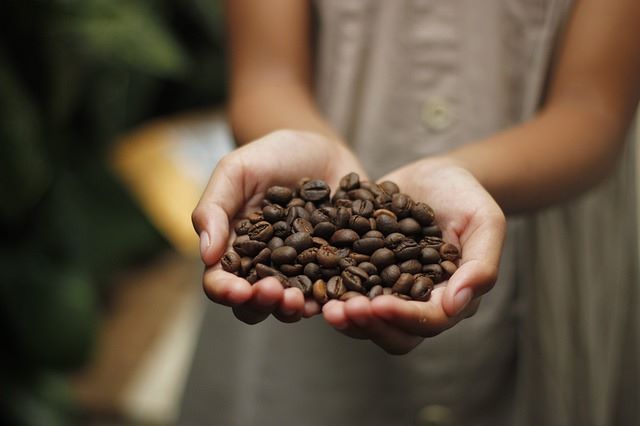
 Estimates place women’s involvement in coffee production at as high as 70% of all the labor, making women an integral part of the coffee industry. However, women face high levels of gender discrimination within the industry in terms of access to “land, credit and information”, resulting in lower incomes and crop yields when compared to men. The Cafe Femenino Foundation looks to change this.
Cafe Femenino Foundation
Noticing the inequity, Garth and Gay Smith founded the Cafe Femenino Foundation in 2004 to empower women working in the coffee industry. The nonprofit organization provides grants to women’s coffee collectives in nine countries: Bolivia, Brazil, Colombia, the Dominican Republic, Guatemala, Mexico, Nicaragua, Rwanda and Sumatra. The grants can be used for a vast range of initiatives including food security, income diversification and health, to empower women socially, politically and economically.
Food Security Initiatives
Cafe Femenino Foundation provides grants to combat food insecurity in multiple countries’ coffee-growing regions, which also helps women earn extra income. In Peru, training sessions teach women how to preserve fruits to prevent spoiling and extend the period during which they can be eaten. Preserved fruit can also be sold at markets when the supply of fresh fruit is diminished, allowing the women to sell for higher prices. Women who participated in the training sessions went home with 10 cans of each fruit they preserved, which is credited with helping lower rates of child malnutrition in the regions.
Similarly, in the Dominican Republic, Cafe Femenino Foundation grants supported women’s coffee collectives to start growing passionfruit and breed both cows and goats. Passionfruit is used in many foods and drinks, making it popular among the women themselves and at the markets. Since 2009, more than 200 women and their family members have benefitted from access to passionfruit. The goat and cow breeding initiatives provide women with milk and meat to feed their families and to sell for additional income. As of 2013, almost 30 women participated in the animal breeding programs.
Health Initiatives
In Colombia, grants have been given by Cafe Femenino Foundation to the COSURCA coffee cooperative to improve women’s health through kitchen remodeling. Since kitchens are traditionally women’s spaces, they are often not remodeled and are constructed of poor materials with dirt floors. The kitchens of 18 women have been remodeled as of 2013 to include outdoor ventilation that prevents smoke inhalation and running water to improve cleanliness and hygiene.
Cafe Femenino Foundation has provided similar grants in Peru to improve health conditions by improving stoves. The new stoves decrease smoke inhalation and respiratory illnesses that occur as a result.
Women’s Empowerment Initiatives
Also in Peru, Cafe Femenino Foundation grants have supported the building of community safe spaces, called Casa Cafe Femenino, for women in multiple coffee-growing communities. These spaces provide women with opportunities to meet and talk in places that are not “borrowed from the men”, promoting women’s independence and agency. Casa Cafe Femeninos are also able to act as temporary shelters for women facing domestic violence. As of 2013, these spaces benefitted more than 800 women from two coffee collectives.
Cafe Femenino Foundation also supports the education of women. In Peru, the nonprofit helped five women complete training to be promoted to the role of internal coffee inspector, giving these women more power within the coffee industry. In the early years of the nonprofit, a grant provided scholarships for 600 girls, all of who were the daughters of coffee producers, to attend school.
Equality in the Coffee Industry
The coffee industry is made up largely of women yet these women face gender discrimination and inequality. Cafe Femenino Foundation strives to eliminate the gender gap in coffee production by providing grants to women’s coffee collectives in a range of areas, including food security, health and women’s empowerment based on the needs of the women. The projects, while benefitting the women, also help to teach leadership and problem-solving skills through a democratic process of distribution, furthering women’s empowerment.
– Sydney Leiter
Photo: pixabay
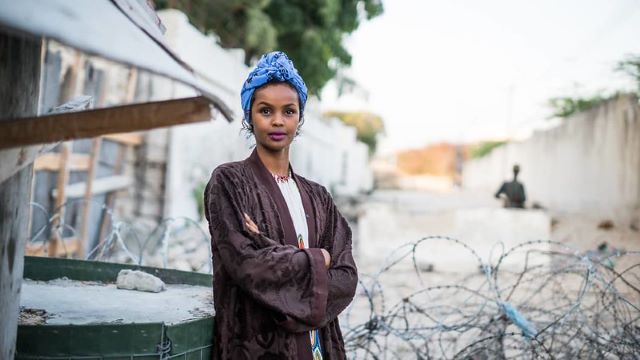 As a demographic, over one-sixth of the global population are between the ages of 15 and 24. Because of its sheer size, this
 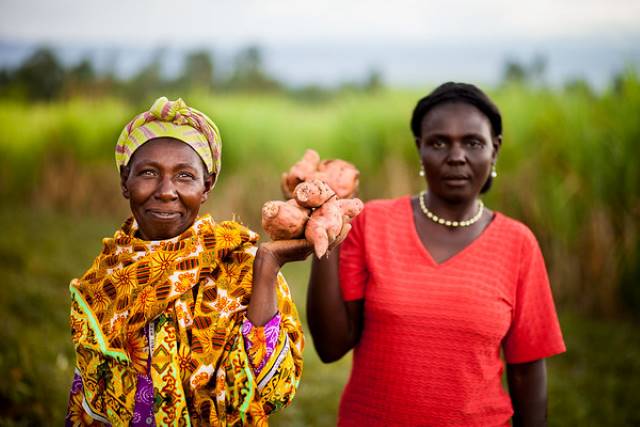 In March 2020, GiveDirectly launched The Kenya Emergency Cash Fund to protect vulnerable Kenyan communities by sending recipients cash through mobile wallets.
 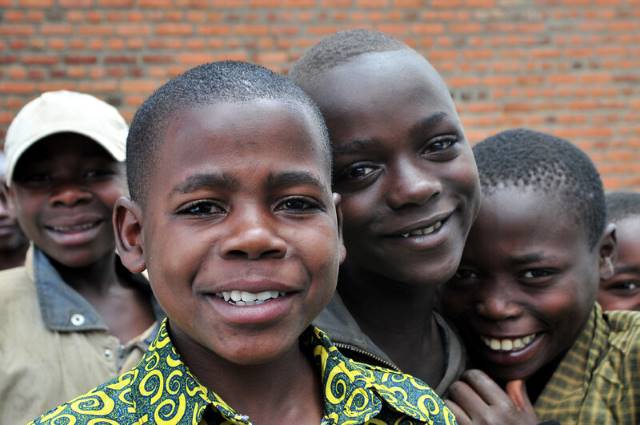 Rwanda, an East African country, has a population of about 12.3 million. Around 45% of the country’s population, roughly 5.4 million, are under the age of 18. The rate of poverty has decreased from 59% to 40% since 2000. Additionally, the rate of extreme poverty was
  On November 30, 2020, USAID announced a joint operation with the Swiss Agency for Development and Cooperation and the IKEA Foundation to contribute $30 million to Aceli Africa to help bridge the financing gap experienced by many African agribusinesses. The grant is estimated to have a tremendous impact and will unlock $700 million in financing for up to 750 African agribusinesses in Tanzania, Kenya, Rwanda and Uganda.
 The period of 2018 to 2020 brought with it a series of difficulties for the people of Afghanistan, including droughts, floods and pandemics. A severe drought in 2018 impacted 95% of the country’s farmland and dried up crucial water sources. More than
  Access to education is a global issue that is deeply connected to issues of global poverty. Education often provides impoverished people with a way to escape poverty through improved job opportunities and better knowledge of healthcare. In this way, reducing poverty in developing countries often requires improving access to education. The World Bank is currently implementing a program called the Learning Assessment Platform, or LeAP, which it hopes will allow world leaders to better track how effective and efficient their nations’ educational systems are. Through the LeAP initiative, the World Bank hopes to improve global education.
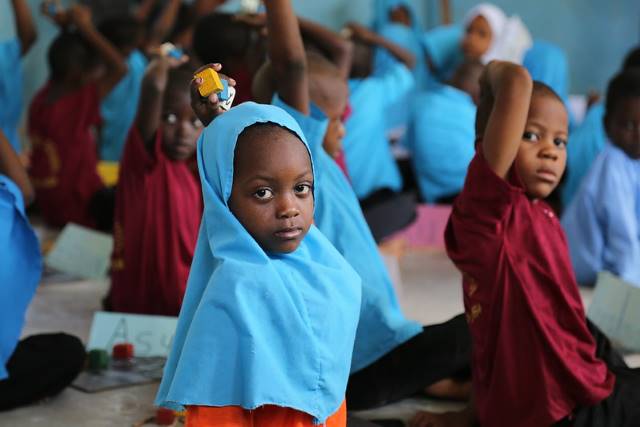 Tanzania has faced difficulty in promoting its own economic development in the past. While Tanzania has made progress, its progress has slowed over the past decade. As a result, Tanzania is improving its education to reduce poverty in the country.
 Breastfeeding is the most effective way to maximize infant health and provide the best possible start in life for babies, showing that the common phrase ‘breast is best’ rings true. Not only is breast milk the ideal food for infants but it is also the number one way to ensure their health and survival. Human milk banks allow infants access to necessary breast milk.
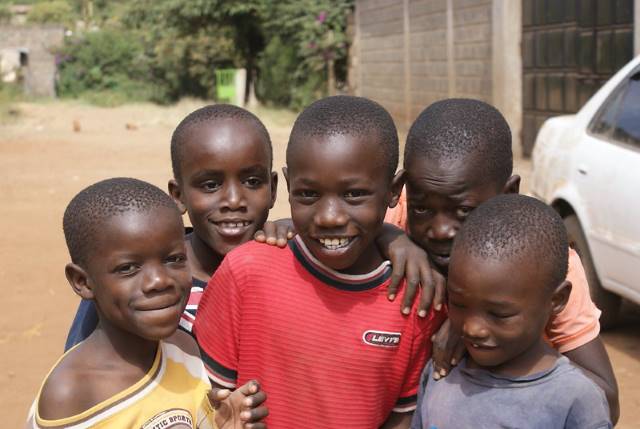 In 2017, Tennessee Titans’ player, Kenny Vaccaro, traveled to Kibera, a division of Kenya, to help build schools. Alongside him was Kansas City Chiefs’ player and friend, Alex Okafor. Together, the two joined the Blessed Hope Project’s mission to make education more readily available to all children in the Kibera slums. Vaccaro’s journey does not stop there, though, as his time in Kibera sparked what is now his personal devotion to creating educational opportunities for African children.