The Top 10 Most Important Facts About Poverty in Haiti
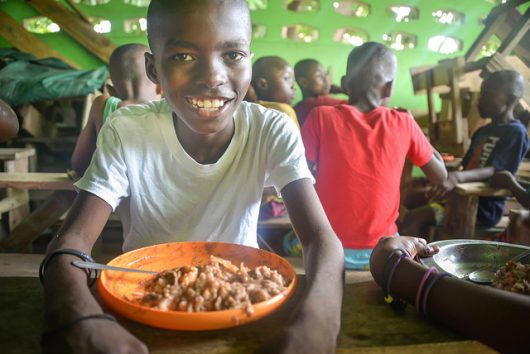 As the poorest country in the western hemisphere, citizens of Haiti suffer many hardships. Here are 10 of the most important facts about poverty in Haiti.
Facts About Poverty in Haiti
- Haiti has high poverty rates.
The first of the 10 facts about poverty in Haiti is in regards to the rate of poverty in the Caribbean nation. According to United Nations Development Program, 24.7 percent of Haitians live in extreme poverty, which is less than $1.25 per day. Even more, approximately 59 percent of Haitians live on less than $2 a day. However, the rate of extreme poverty has started to decline since 2000. - Haiti has a large wealth disparity.
Haiti is ranked fourth on the CIA World Factbook for income inequality. This measurement is based on the Gini coefficient, a ratio of highest to lowest incomes. For Haiti, this means that the top 20 percent of households hold 64 percent of the total wealth in the country. - Haiti is prone to natural disasters.
Haitian residents are all too familiar with natural disasters, such as hurricanes and earthquakes. Hurricane Matthew, a category four storm which struck Haiti in October 2017, killed 546 people and affected two million more. However, the consequences of the hurricane spanned over many months. In turn, the destruction of buildings and crops, a major source of income for Haitians, cost the country greatly. - Haiti’s GDP growth has slowed.
Haiti’s GDP growth slowed from 1.5 percent in 2016 to 1.2 percent in 2017. This is largely due to crop loss following Hurricane Matthew. - Haitians suffer from energy issues.
Haitians suffer from lack of or unreliability of electricity. According to USAID, the two key energy issues for Haiti are a broken electricity sector and a dependency on charcoal. This means that a large percentage of the population is without power and those who do have it have unreliable power. The issue remains at a standstill as a quarter of the population did not have power before the 2010 earthquake and that figure remains the same to this day. - Haiti has poor leadership.
Haiti has been led by a poor line of leaders since gaining independence from France. Pierre Esperance, director of the National Human Rights Defense Network in Haiti, said of the leaders in the L.A. Times, “They don’t really want to work for the Haitian people, to improve them. They work for themselves once they get to power. They want to steal money.”The country will need strong, dedicated leaders to better conditions, which it has never had before. However, the current president, Jovenel Moïse, has vowed to do just this. His plans include streamlining agriculture and addressing corruption. - Many Haitians are malnourished.
Approximately 100,000 children under the age of five are malnourished, while 30 percent of the overall population is considered food insecure. This means that citizens do not have ample access to nourishing food. - Many Haitians do not have access to clean water.
About one in two Haitians use unsanitary water, which has been proven to cause illnesses. In fact, about 80 percent of illnesses in developing countries are due in part to unsanitary water. - Many Haitians lack an adequate education.
Only 50 percent of children in Haiti attend school, making it more difficult to find employment in the future. - Haiti has a large unemployment rate.
In part due to the lack of education, many Haitians, about two-thirds, do not have formal jobs, resulting in unsteady incomes.
These important facts about poverty in Haiti have been prominent in Haiti for many years now. Though these issues are still severe, improvements have been made, including a leader who seems determined to better the lives of his citizens and a slowly declining poverty rate.
– Olivia Booth
Photo: Flickr
