• Link to X
  • Link to Facebook
  • Link to Instagram
  • Link to TikTok
  • Link to Youtube
  • About
    • About Us
      • President
      • Board of Directors
      • Board of Advisors
      • Financials
      • Our Methodology
      • Success Tracker
      • Contact
  • Act Now
    • 30 Ways to Help
      • Email Congress
      • Call Congress
      • Volunteer
      • Courses & Certificates
      • Be a Donor
    • Internships
      • In-Office Internships
      • Remote Internships
    • Legislation
      • Politics 101
  • The Blog
  • The Podcast
  • Magazine
  • Donate
  • Click to open the search input field Click to open the search input field Search
  • Menu Menu

Archive for category: Child Poverty

Child Poverty, Children, Developing Countries, Education, Food Insecurity, Global Poverty

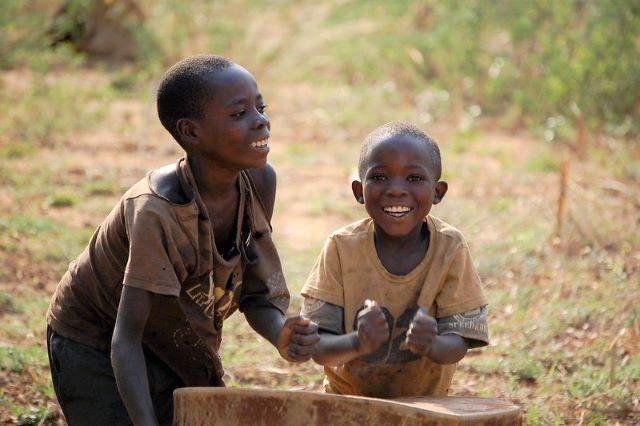
The Issue of Child Poverty in Burundi

Child Poverty in BurundiThe East African country of Burundi is one of the poorest in the world. Its meager economy relies heavily on rainfed agriculture, which employs approximately 90% of the people there. Burundi is Africa’s most population-dense country and nearly three out of every four people live below the poverty line. One of the lamentable realities of Burundi’s poverty is the effects it has on children. Child poverty is a serious issue in Burundi and the country has a current score of 5.46/10 on Humanium’s “Realization of Children’s Rights Index.”  Burundi is deemed a black level country by Humanium, meaning that the issue of children’s rights is very serious.

The State of Child Poverty in Burundi

In Burundi, 78% of children live in poverty. Poverty especially affects children in the rural parts of the country. Poverty also disproportionately affects children of the indigenous Batwa people. Additionally, child poverty in Burundi has seen an unfortunate and notable increase since 2015, when violent unrest occurred following President Pierre Nkurunziza’s announcement of a third term, which was unconstitutional. The roots of the poverty problem in Burundi stem from a few different factors, the most predominant one being hunger.

Chronic Hunger in Burundi

Despite having an agriculture-centric economy, more than half of Burundians are chronically hungry.  The lack of food in the country is due to the fact that even at the peak of the harvesting season, food production is too low to sustain the population. Food production in Burundi can only cover a person for 55 days of the year. The lack of food also means prices are much higher. As a result, it is not uncommon for households to spend up to two-thirds of their incomes on food, even during harvesting season. One reason for Burundi’s difficulties in growing enough food has been frequent natural disasters that destroy crops and yields.

Hunger and Education

Hunger is so prevalent and intense in Burundi that despite having free and compulsory school for children between the ages of 7 and 13, the country faces growing dropout rates due to hunger. Another problematic issue for Burundian children facing poverty is schooling after the age of 13. After 13, school is neither free nor compulsory, making it exponentially less accessible and thus reducing opportunities for upward mobility. Much of Burundi’s education system has been negatively affected by Burundi’s civil war, as schools were destroyed and teachers were unable to teach.

Street Children in Burundi

Burundi has many “street children.” As the name suggests, these children live on the streets and are incredibly poor, left to fend for themselves. Street children have no humanitarian assistance from the government and consistently face police brutality, theft and arrests. Kids in Burundi become street children because families are sometimes too poor and hungry to stay together or they have to flee from child abuse or family conflict.

Organizations Addressing Child Poverty in Burundi

Although the reality of the child poverty situation in Burundi is dire, there are good things being done to improve the situation. While the government in Burundi is not providing adequate help, there are several humanitarian organizations providing assistance to those in need.

The NGO, Humanium, works on raising awareness, partnering with local projects to help children and providing legal assistance to victims of children’s rights abuses. The World Food Programme (WFP) has also been working in Burundi since 1968 by providing food such as school meals, malnutrition rehabilitation to starved children and helping to improve food production. Additionally, organizations like Street Child are working to build schools and eliminate as many barriers to education as possible for children in Burundi and elsewhere. Groups like the WFP, Humanarium and Street Child do substantial work to help children in Burundi. It is vital that the work continues and that more organizations participate in alleviating child poverty in Burundi.

– Sean Kenney
Photo: Flickr
February 10, 2021
https://borgenproject.org/wp-content/uploads/borgen-project-logo.svg 0 0 Lynsey Alexander https://borgenproject.org/wp-content/uploads/borgen-project-logo.svg Lynsey Alexander2021-02-10 07:30:242021-02-08 05:07:38The Issue of Child Poverty in Burundi
Child Poverty, Children, Developing Countries, Development, Education, Global Poverty

Organizations Ensuring Toys for Children in Poverty

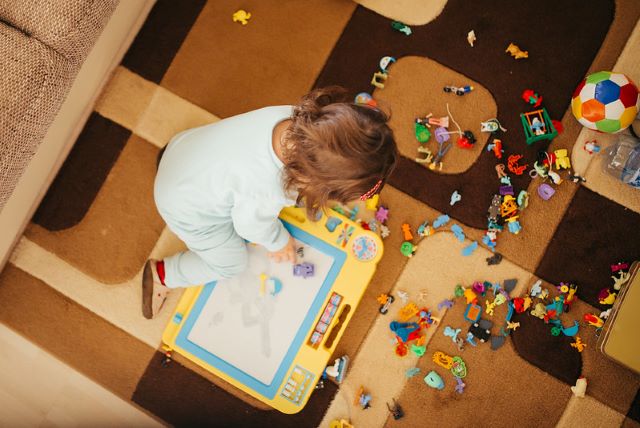
Toys for ChildrenFor kids of all ages, making a list of toy requests for Santa is one of the most exciting times of the year. Yet for children living in the world’s poorest regions, there is no Santa, presents or toys. UNICEF estimates that across the world, nearly one billion children live in multidimensional poverty. That equates to 13% of the global population. During the holiday season, three organizations are working to make sure that impoverished children have toys to call their own.
Samaritan’s Purse

For more than 25 years now, the Samaritan’s Purse annual “Operation Christmas Child” has provided toys for children living in poverty. Franklin Graham, the president of this organization, began the tradition in 1993 by sending gifts to young kids experiencing the violence of war in Bosnia. Since then, the project has grown to spread gifts all across the world to more than 150 countries, including some of the poorest areas. Samaritan’s Purse asks donors to fill a shoebox with various gifts for either a boy or girl which then gets distributed to congregations located in these impoverished nations.The initiative has brought more than 178 million children toys throughout the years. In many cases, the gifts provided by Samaritan’s Purse will be the only toys these children receive in their childhoods. The work done by this organization embodies the true meaning of the holidays and acts as a Santa for the poor.

Play Well Africa

One of the most successful companies in the toy industry is Lego. Lego’s plastic colored bricks are educational and creative opportunities for children. Play Well Africa is dedicated to bringing these Lego pieces to the less fortunate living in Africa. Unlike other toys, which can break, stop working or require electricity, Lego’s offer a unique ability to allow children to play in any circumstances. Young Micah Slentz, a child himself, started Play Well Africa when he asked his father to buy his favorite toy, Lego bricks, and donate it to children in Africa. A simple kind gesture has grown into a massive project that receives both new and used Lego bricks and sends them to impoverished children in developing countries. With offices in both the United States and Australia, Play Well Africa is a multinational organization. Thousands of children in countries such as Uganda will build, create and have fun with Lego bricks, all thanks to a boy who wanted to share his favorite toy with the world.

The Toy Foundation

For decades now, the Toy Foundation has strived to create avenues to bring children of the world toys to play with. One of its most successful campaigns has been the “Toy Bank” which started back in 2003. The foundation relies on donations from top toy companies and in turn spreads these gifts to existing agencies located in impoverished countries. Donations come from all sorts of brands, including Hasbro, Lego and Mattel. Children surviving some of the worst living conditions receive brand new toys, an opportunity made possible by the Toy Foundation. Children with diseases, orphans and those in war-torn nations are the top priority for the Toy Bank, making the organization’s work imperative. Ensuring toys for children in the most vulnerable situations is the organization’s focus.

Toys for the Most Vulnerable Children

Toys can be a healthy outlet for children who live in some of the world’s poorest regions. Toys can provide both emotional support and stress relief. Whether it be a teddy bear to hug, a doll to dress up or Legos to build, the psychological benefits of playing with toys are something all children need. These organizations all help to make dreams come true for the young children who need toys the most.

– Zachary Hardenstine
Photo: Flickr

February 9, 2021
https://borgenproject.org/wp-content/uploads/borgen-project-logo.svg 0 0 Lynsey Alexander https://borgenproject.org/wp-content/uploads/borgen-project-logo.svg Lynsey Alexander2021-02-09 03:16:032024-05-30 07:56:19Organizations Ensuring Toys for Children in Poverty
Child Poverty, Global Poverty, Refugees

Lessening Poverty in Jordan

Poverty in Jordan
While known for political stability in a region associated with civil wars and political violence, the Hashemite Kingdom of Jordan does have its fair share of struggles when it comes to the economy. Poverty in Jordan is the outcome of many factors shaping the country’s economic struggles. The kingdom has a scarce amount of natural oil stock in its eastern desert and the country is heavily reliant on foreign importing to meet its energy needs, constituting up to 30% of its total imports.

The country also happens to experience a wide range of issues, such as the inability to meet half of the population’s water demand, only 2.6% of its land being arable, an average labor participation rate of 38.1%, an unemployment rate of 23.9%, millions of refugees from Iraq, Palestine and Syria and a debt crisis consisting of 95% of the kingdom’s gross domestic product. All of these issues exacerbate poverty in Jordan.

Effects of Poverty on Jordan’s Youth

While poverty in Jordan affects people of all ages, a look at Jordan’s children tends to give a grim view. The population of children in Jordan is around 3 million. Of this number, 0.6% endure multidimensional impoverishment, which occurs when one suffers multiple deprivations at one time, and includes facets such as health, education and living standards. Poor quality of work, hazardous environments, disempowerment and the threat of violence also form part of these deprivations.

Poverty in Jordan disproportionately affects the refugee populations. The number of Syrians in Jordan living below the country’s poverty line is 78%. Among Syrian children, 94% of those younger than 5 experience multidimensional poverty. When it comes to malnutrition, 17% of the children face malnourishment due to poverty in Jordan. In addition, the infant mortality rate is 31 per 1,000 children.

Green Innovation

A significant issue that relates to poverty in Jordan is the issue of resource shortage. Addressing this is one way to combat some of the effects of poverty in Jordan. To overcome these challenges, the Hashemite Kingdom is spending more than $5 billion on renewable energy so that the nation can move toward self-sufficiency. Solar energy is already saving money for the local population with one religious clerk saying the bills necessary to generate electricity for his mosque used to be up to $18,350 per year. Now, that cost has been reduced to near zero.

In 2012, Jordan launched 11 renewable energy projects in the Maan province alone. Since then, the growth of the kingdom’s reliance on green power has resulted in 11% of the nation’s total power deriving from renewables in 2019. It is estimated that 15% of today’s Jordanian households have solar-based water heating systems. This investment in renewable energy will make Jordan less dependent on foreign oil markets. It will also drive economic growth through job creation — an estimated 40 million new jobs could exist by 2050. Meeting energy demands and achieving self-sufficiency while reducing the costs of power and igniting economic growth will help to alleviate poverty in Jordan. This will have a direct effect on children, the most powerless and vulnerable to the effects of poverty in Jordan.

– Mustafa Ali
Photo: Flickr

February 3, 2021
https://borgenproject.org/wp-content/uploads/borgen-project-logo.svg 0 0 Jennifer Philipp https://borgenproject.org/wp-content/uploads/borgen-project-logo.svg Jennifer Philipp2021-02-03 08:49:172024-05-30 07:55:48Lessening Poverty in Jordan
Child Poverty, Children, Developing Countries, Education, Global Poverty

5 Facts About Child Poverty in Jamaica

Child Poverty in JamaicaA whole 2.8 million people live in poverty in Jamaica. The strain of poverty is heavy on all people, however, for children, it is more severe. Jamaica is yet to tackle the many factors impacting child poverty.

Facts About Child Poverty in Jamaica

  1. At least 25% of Jamaican children live under the poverty line. With the struggling economic state in Jamaica, it is difficult for the government to prioritize increasing investment in children. Instead, a large amount of the country’s national budget is dedicated to debt repayment. Because poverty is most widespread in rural Jamaica, hidden from the eyes of tourists, issues impacting children are rarely addressed.
  1. Jamaica does not have equal access to education. Minors living in rural areas may not have the option to attend school at all. While primary school is free, secondary and higher education is not, meaning that schooling beyond the primary level is often too expensive for underprivileged families. Beyond accessibility, Jamaican schools often lack resources for proper learning which means children are not able to thrive in an educational setting.
  1. Jamaica has a high incidence of HIV/AIDS affliction. This contributes to an overall high child mortality rate. In numbers, 10% of Jamaicans who have HIV/AIDS are under the age of 18, often as a result of mother-to-child transmission. In addition, AIDS deaths in adults result in many children becoming orphaned.
  1. High unemployment rates lead to unstable socio-economic conditions. Without a way to earn a stable income, many in Jamaica turn to gang activity and crime to survive. Exposure to extreme violence is common for Jamaican children, and because of high poverty levels, many young boys often join gangs themselves. In addition, many unemployed residents are forced to live without access to running water and proper sanitation which means children and families live in unacceptable conditions.
  1. Child labor is widespread and often essential for a family’s survival. With high poverty rates across Jamaica’s rural communities, some families must send their children to work, purely out of desperation. In cities, children are often seen selling merchandise, washing car windshields and begging for money. For many, living the life of a child is an unaffordable luxury.

The Jamaican Childcare and Protection Act

Jamaica still has some work to do in terms of protecting its children from the harsh realities of poverty. However, the country has progressed in this regard, by implementing crucial legislation for the protection of children. The Jamaican Childcare and Protection Act was passed in 2004 and promotes the safety and best interests of children in the country. The Office of the Children’s Advocate (OCA) and the Children’s Register was established under this Act. The OCA was established with the purpose of protecting and enforcing the rights of children and the Children’s Register consists of the information reported regarding suspected ill-treatment of a child. Child labor is also specifically addressed in the Act.

While child poverty in Jamaica is still a significant concern, the country has made progress and will continue to do so in the future as key issues affecting the country’s most vulnerable populations are addressed.

– Natasha Cornelissen
Photo: Flickr

January 25, 2021
https://borgenproject.org/wp-content/uploads/borgen-project-logo.svg 0 0 Yuki https://borgenproject.org/wp-content/uploads/borgen-project-logo.svg Yuki2021-01-25 01:30:282021-01-25 02:29:175 Facts About Child Poverty in Jamaica
Child Poverty, Education, Global Poverty

Tackling Child Poverty in Germany

Child Poverty in Germany
Germany is located in west-central Europe and has a population of more than 83 million people and rising. Despite being a wealthy country, child poverty in Germany persists and impacts millions of children all across the nation. Here are some facts about the issue and examples of how the German government and nonprofit organizations are trying to fix it.

Single-Parent Households and Immigrants Suffer the Most

A total of 2.8 million children in Germany live in poverty. This means that approximately 21.3% of those under 18 grow up without the resources and living standards their peers enjoy. The families that poverty most impacts are those that only have one parent to provide for the children. In fact, 44% of single-parent households are struggling with poverty. This percentage is even higher for immigrant families and large families.

Poverty in Germany Equals Severe Life Restrictions

While child poverty in Germany does not necessarily mean that all children affected are starving, it often presents noticeable consequences for their lives. Growing up poor often results in children lacking access to basic things such as cars or electronics that are increasingly necessary for education. It further impacts the children’s social lives, since they often cannot afford to participate in clubs and activities or do not live in places big enough to have friends over. Child poverty also links to an increased risk of health problems due to families not being able to afford nutritious foods and having less balanced lifestyles.

The Strong Families Act

The German government introduced and passed the Strong Families Act in 2019. The act intends to help families with financial struggles by reforming the child benefit supplement system. A total of one billion euros ($1.2 billion) that the German government spent between 2019 and 2021 is supporting the reform. The reform includes making it easier for families to access aid that the government provides and to have the maximum supplement increased to 185 euros ($224) a month. The Strong Families Act further encourages parents of low-income families to make more money, as the child benefit supplement no longer instantly reduces due to the extra amount they earn.

Child poverty in Germany has a significant impact on education and future perspectives for those it affects. A study from 2019 showed that 36% of 25-year-olds who had experienced poverty as children were still living in poverty due to a lack of resources. For reference, only 20% of 25-year-olds who did not grow up poor were having the same financial struggles. The German government is attempting to change that by investing 220 million euros ($265 million) yearly through the Strong Families Act. The money will pay for school meals and transport for families in need and further raises the aid for school materials from 100 euros ($121) to 150 euros ($182) each year.

SOS Children’s Villages Help Children in Poverty

Outside of the government, there are several nonprofit organizations that are trying to help children who grow up in poverty. A very well-known organization is SOS Children’s Villages, an Austrian organization with more than 40 locations in Germany. It provides a wide variety of services to families in need, including daycare, counseling and aid to help prepare poor children for their future. SOS Children’s Villages was especially supportive of unattended youth in need who came into the country as a result of the refugee crisis in 2015. The organization offered language courses, integration support and cared for the children’s emotional needs.

– Bianca Adelman
Photo: Flickr

January 22, 2021
https://borgenproject.org/wp-content/uploads/borgen-project-logo.svg 0 0 Jennifer Philipp https://borgenproject.org/wp-content/uploads/borgen-project-logo.svg Jennifer Philipp2021-01-22 07:30:482024-05-30 07:56:21Tackling Child Poverty in Germany
Child Poverty, Global Poverty, Slavery

Combating Child Poverty in Mauritania

Child Poverty in Mauritania
Mauritania in coastal west Africa is among the most impoverished countries in the world, with 31% of its 4 million people, or around 1.2 million people, living beneath the poverty line as of 2014. Consequently, child poverty in Mauritania is likely to be one of the gravest situations in the world, even though reliable data regarding child poverty is scarce due to the fact that 56% of births in Mauritania do not have legal documentation.

The Background

Despite the abundance of natural resources present in the lands and waters of Mauritania, decades of political and social instability coupled with corruption, oppression and a centuries-long history of ethnicity-based enslavement have created conditions that continually exacerbate child poverty and poverty in general. Other factors such as frequent droughts in and around the Sahara Desert in Northeastern Mauritania also deprive people of food and income to feed themselves or their children. Accordingly, one reliable indicator of the severity of child poverty in Mauritania is the fact that an estimated 19.2% of children under the age of 5 were underweight in 2018.

Child Poverty and Slavery in Mauritania

Poverty and slavery in Mauritania interconnect. Though Mauritania abolished slavery in 1981 and criminalized it in 2007, the persistence of the oppressive ethnic caste system continues to deprive the Haratine population, an ethnic minority in Mauritania, of receiving the social and economic freedoms that the rest of the country receives. As a result, 20% of Mauritania’s total population––and half of all Haratines–– remain enslaved, either explicitly through the threat of punishment or de facto due to socioeconomic discrimination and indentured servitude in 2018.

People inherited and often still inherit slave status in Mauritanian society. As a result, many children are born into slavery to serve the slave masters of their parents or the masters sell them to other families where they often suffer neglect and injury. This continuing cultural practice of hereditary slavery perpetuates a self-sustaining cycle of poverty in the Haratine population of Mauritania. This is one of the ways by which child poverty in Mauritania manifests itself––and by which the practice of slavery continues to maintain itself.

Education

As slaves, children do not receive an education that could provide them with valuable knowledge and skills to improve their living situation. As a result, the threat of living in near-certain poverty if they were to leave their master’s household traps children with their masters. With few viable alternatives to make enough money to live, “former [child] slaves (commonly descendants of slaves) continue to endure slave-like practices, including working for their former masters in exchange for food, money, and lodging” according to the U.S. Department of Labor’s Bureau of International Labor Affairs.

In 2014, estimates determined that 18.2% of children in Mauritania, ages 5 to 14 years old, were working and not receiving an education. An additional 10.8% of children in the same age group were reportedly splitting their time between work and school. Furthermore, UNICEF estimates that the primary school completion rate in Mauritania is 63% indicating that more than one-third of children in Mauritania do not receive a sufficient education.

Solutions

One promising solution that focuses on reinvesting in childhood development in order to break the poverty cycle is providing direct transfer payments to people––primarily mothers–– in impoverished villages on the condition that they attend classes on hygiene, nutrition and early childhood development. This program is jointly funded by the Mauritanian government, the World Bank, the U.K. Department for International Development and the French Agency for Development. Households receiving the payments have seen their families’ and their village’s living conditions improve as they take more care to prevent disease and malnutrition. One of the main objectives of the program is “to invest in the next generation and break the poverty cycle by tackling intergenerational poverty.”

Though Mauritania is currently one of the most impoverished nations in the world, its young population and abundance of natural resources should help the country achieve long-term prosperity.

– Willy Carlsen
Photo: Flickr

January 21, 2021
https://borgenproject.org/wp-content/uploads/borgen-project-logo.svg 0 0 Kim Thelwell https://borgenproject.org/wp-content/uploads/borgen-project-logo.svg Kim Thelwell2021-01-21 07:30:092021-01-27 08:19:26Combating Child Poverty in Mauritania
Child Poverty, Global Poverty

The Fight Against Child Poverty in Madagascar

Child poverty in Madagascar
Madagascar is among the developing countries experiencing high rates of poverty. Child poverty in Madagascar remains a pressing issue as the living conditions continue to push children into taking on work. Below are a few facts about how child poverty leads to child labor and what initiatives some have taken to eliminate both child labor and child poverty in Madagascar.

Child Poverty Overview

According to the Global Multidimensional Poverty Index 2020 (MPI), estimates have determined that 70.7% of the Malagasy population is living under the national poverty line. Malagasy children under the age of 18 suffer the most from multidimensional poverty.

Also concluded in the MPI 2020 report, of the 75 countries measured, 60 experienced a reduction in multidimensional poverty which includes Madagascar. However, child poverty in Madagascar showed the slowest reduction compared to other age groups in Sub-Saharan Africa.

Child Poverty Normalizes Child Labor

As a consequence of widespread poverty, Malagasy children must work to support their families. With limited access to education and other social services, the families and children have little choice other than work.

As the Bureau of International Labor Affairs reported, 32% of children between the ages of 5 and 17 work in hazardous conditions. The data also indicates that 68.8% of children aged 5 to 14 attend school and 38.8% of children attending school are also working. The three main sectors in which Malagasy children work are agriculture, mining industry and services such as domestic work and market vending.

According to recent studies, many end up working in agriculture or in mining and brick-making. In the U.S. Department of Labor’s 2020 List of Goods Produced by Child Labor, Madagascar goods appear four times including vanilla, sapphire, stone and mica. Mica first emerged on this list in 2020. The U.S. Department of Labor (USDOL) estimates that 10,800 children work in mica mining and sorting.

Solutions

In terms of policy and regulation, Madagascar has met all international standards on child labor since 2018. Extensive policies such as the National Action Plan to Eliminate the Worst Forms of Child Labor noted the government efforts. Although this is the case, enforcement of such laws and regulations remains weak. The Madagascar Ministry of Mines expressed that it was aware of the problem but lacked the resources for better regulation.

How the International Community Helps Reduce Child Labor

To counteract the lack of resources and weak enforcement, international organization and governments have implemented social programs addressing child labor in Madagascar and other effects of multidimensional poverty throughout the country.

Some notable programs include the Social Support and Reintegration Centers and the UNICEF Country Program. International organizations like the ILO, UNICEF and the World Bank support these projects.

SAVABE

Powerful countries like the U.S. also hold important roles in some of these projects. For example, USDOL funds a $4 million ILO project called Supporting Sustainable and Child Labor Free Vanilla-Growing Communities in the Sava region (SAVABE). SAVABE aims to reduce child labor in the production of vanilla.

To achieve its objectives, the project works with vanilla exporters to implement anti-child labor policies. In addition, the project trains local authorities to enforce child labor laws and develop a child labor database. The community outreach part of the project creates child protection committees to provide educational services. To improve child poverty in Madagascar, the project also provides vocational training programs targeting 15,000 impoverished households.

According to the 2019 SAVABE Project Interim Evaluation, the vocational programs extended to 9,893 households. The programs had 140 children aged 14 to 17 enrolled. Along with collaboration with local authorities on formulating and enforcing child labor policies, SAVABE also implemented local enforcement training, which had 48 participants in 2018.

The evaluation report concluded that the project had insufficient evidence to indicate improvement in living conditions due to incomplete implementation. However, there are enough indications to show that continued effort and complete implementation can lead to a reduction of child labor in Madagascar.

Looking Ahead

Continued support at the international front is evidently critical to the successful implementation of policy and social projects. For example, the operation and continuation of the SAVABE project depend on U.S. foreign aid which demonstrates the importance of funding to global poverty initiatives. International efforts like SAVABE contribute to protection from child exploitation and ultimately toward total eradication of child poverty in Madagascar.

To ensure the continuation of these projects, email Congress now in support of protection of the International Affairs Budget.

– Malala Raharisoa Lin
Photo: Flickr

January 20, 2021
https://borgenproject.org/wp-content/uploads/borgen-project-logo.svg 0 0 Jennifer Philipp https://borgenproject.org/wp-content/uploads/borgen-project-logo.svg Jennifer Philipp2021-01-20 07:30:492024-05-30 07:56:27The Fight Against Child Poverty in Madagascar
Child Poverty, Global Poverty

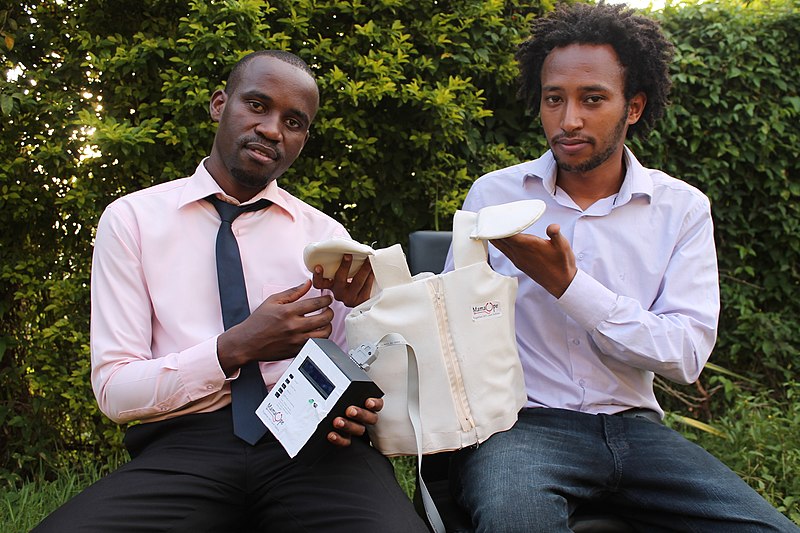
MamaOpe: Child Pneumonia in sub-Saharan Africa 

Child Pneumonia in sub-Saharan Africa 
Pneumonia is the greatest cause of death for children globally. About 16% of deaths among children under 5 relate to this deadly condition. Every year, 500,000 cases of child pneumonia in sub-Saharan Africa occur within this age group. Many of these fatalities occur due to incorrect or delayed diagnoses. Brian Turyabagye, a Ugandan inventor, has created a solution for these inconsistencies; enter  “MamaOpe,” a biomedical smart jacket.

What is Pneumonia?

Pneumonia is a type of respiratory disease that primarily affects the lungs. Within the lungs are small sacks called alveoli, which fill with air when one is healthy. However, when a person is sick with pneumonia, pus and fluid convolute the alveoli, making it very difficult to breathe. Minor side effects include chest pain, incessant coughing and fever.

Child Pneumonia in Sub-Saharan Africa

Despite the tragic death rates due to pneumonia, medical professionals often misdiagnose it as malaria. Particularly in remote areas, malaria is also common and has similar symptoms to pneumonia. Many times, medical professionals do not discover the pneumonia prognosis until after a child has died. Furthermore, many communities in sub-Saharan Africa lack the proper equipment and medicine to adequately provide treatment. Although pneumonia is the most dangerous disease among children, it receives very low funding. According to UNICEF, “for every global health dollar spent in 2011, only [two] cents went to pneumonia.”

Solution: MamaOpe

Ugandan inventor Turyabagye created a biomedical smart jacket that increases the speed and accuracy of detecting pneumonia. “MamaOpe” means ‘mother’s hope’; the device received the name to honor the 27,000 Ugandan children who die of pneumonia each year. Through the utilization of this jacket, treatment can begin before the patient is too far gone. While Turyabagye invented this jacket, MamaOpe Medicals, of which Turyabagye is a co-founder, represents it. This organization continues to research and create digital solutions for respiratory diseases.

How Does it Work?

The child wears the jacket and a health care worker operates the corresponding controller unit. All it takes is the simple push of a button, and within three minutes, the results display. The device can detect signs unique to pneumonia, such as rate of breath, the sound of lungs and temperature. This technology avoids human error and provides an accurate diagnosis three to four times faster than a medical professional. Eventually, the goal is to program the jacket to work long distance. With this added feature, the patient does not need to travel to a doctor’s office and doctors can monitor the results from a distance.

The Effects

Currently, most major hospitals in Uganda have implemented this jacket. Moreover, expectations determine that the jacket will help at least 50,000 pneumonia patients each year. This invention eventually won first prize at Pitch@Palace Africa in 2017. Moreover, CNN ranked it as one of the top 12 African innovations that could change the world. Ultimately, while pneumonia is a complex disease, MamaOpe is an effective start for lowering rates of child pneumonia in sub-Saharan Africa.

 – Ella Kaplun
Photo: Wikipedia Commons

January 19, 2021
https://borgenproject.org/wp-content/uploads/borgen-project-logo.svg 0 0 Jennifer Philipp https://borgenproject.org/wp-content/uploads/borgen-project-logo.svg Jennifer Philipp2021-01-19 01:30:242024-05-30 07:56:26MamaOpe: Child Pneumonia in sub-Saharan Africa 
Child Poverty, Global Poverty, Poverty Eradication

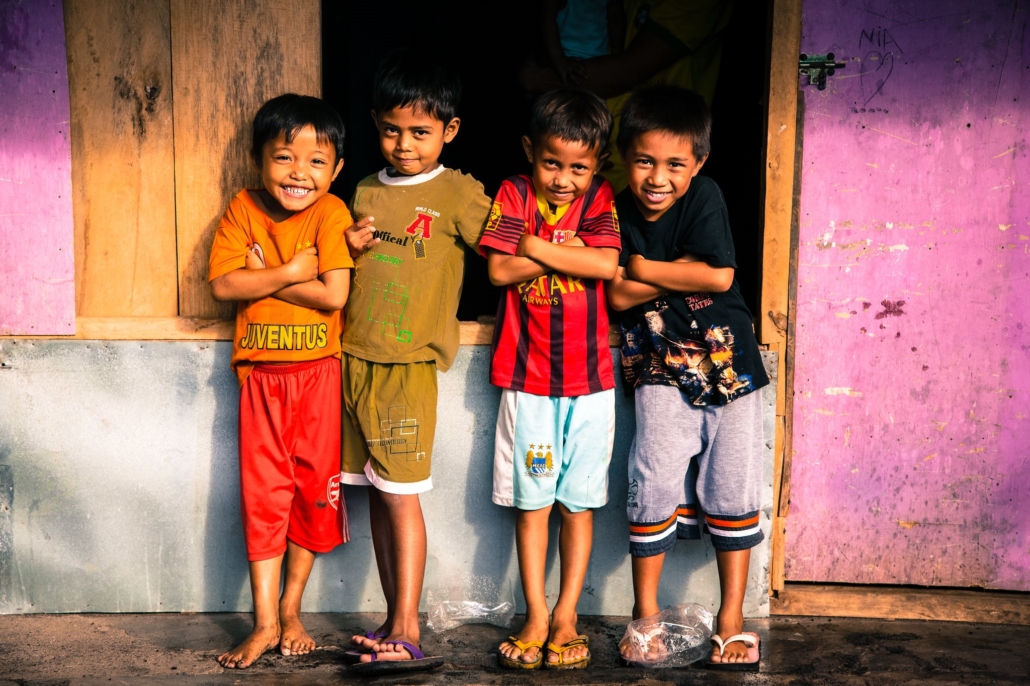
Fighting Child Poverty in Indonesia

Child Poverty in Indonesia
As a burgeoning upper-middle-income country that has dedicated decades to development, Indonesia has made remarkable strides in poverty reduction. However, the tragedies of poverty still plague Indonesia and, in particular, are affecting children across the archipelago. Even so, Save the Children in Indonesia is doing life-changing work to mitigate child poverty in Indonesia through a holistic approach that includes immediate relief and programs that help develop young people to subsist in a 21st-century economy.

Indonesian Development: 1960 to 1997

Today, Indonesia is the 10th-largest economy and a member of the coveted G20 organization, making it one of the world’s largest and most influential economies. Yet, to get to this economic level, Indonesia has had to marshal many economic ups and downs over the last six decades.

Between 1960 and 1967, Indonesia’s GDP per capita was a measly -.05%. This was largely due to the economy having a heavy focus on agricultural production. Nonetheless, the economy’s structure substantially changed over the next couple of decades, moving toward a process of urbanization, industrialization and a general opening up of the economy to the outside world. The reformation of the economy resulted in the GDP per capita jumping to 5.3% between 1983 and 1996.

Still, the 1997 Asian financial crisis substantially reversed decades of progress. Although the crisis began in Thailand when the government turned the local currency, the baht, into a floating currency; it had destructive effects on the rest of the Asian economies, particularly on Indonesia’s economy. By 1998, the rupiah, Indonesia’s national currency, lost 30% of its value, its private-sector debt exploded, inflation reached 65% and GDP growth was at a staggering -13.6%.

Naturally, the financial shock increased the rate of poverty in the country. The poverty rate jumped to 24.2% in 1998 from 17.7% in 1996, and in 1998, the GDP per capita contracted by 13%.

Indonesia’s Successful Fight Against Poverty: 2005 to 2025

After years of a slow and fragile post-crisis recovery, in 2005, the Indonesian government stepped up its fight against economic contraction and poverty with the National Long-Term Development Plan 2005-2025 (RPJPN). The plan set up three general development goals for Indonesia that the country codified in the preamble of the Indonesian constitution of 1948. These goals include an Indonesia developed and self-reliant, just and democratic and peaceful and united. The plan comprises four stages with each stage correlating with a newly elected administration that will tailor the project to its agenda.

The plan’s implementation over 15 years has included investment in infrastructure, human capital, health and wellness, science and technology, improving exports and developing Indonesia’s competitive advantages.

The plan’s success is borne out in the numbers: between 2014 and 2018, the GDP grew by 5% annually and, as one might expect, the unemployment rate decreased significantly with more than 9 million jobs created in the process. As a result, the poverty rate has been cut by nearly half since 1999 to 9.78%.

What About the Children?

Although Indonesia’s development strategy has paid dividends in reducing poverty, it has not been sufficient to keep many from falling through the cracks. Nowhere is the need to do more, more tragically clear than with the plight of children. For instance, 57% of Indonesian children “grow up in families living on less than twice the national poverty line.”

Moreover, although Indonesia has reached a near-universal education status, 14% of school-age children are out of school while 7% work in child labor.

Regarding health, one in 21 girls between ages 15 and 19 gives birth and 36% of children suffer from stunted growth due to malnutrition. Most sobering, however, is that one child in 40 dies before their 5th birthday, a rate that is four times that of the United States of America.

Save the Children and Child Poverty in Indonesia

Save the Children in Indonesia has been working in Indonesia for more than three decades to assist the government in providing relief for children across the country. The organization provides immediate relief in disasters, such as in 2019 after a deadly earthquake and tsunami. Just six months following the disaster, it set up shelters, clinics and temporary schools to provide necessary health care, water and hygiene supplies.

The organization has also managed a more holistic approach that meets immediate survival needs and cultivates young people to thrive in a modern economy. For example, the organization provides sponsorship programs that support “knowledge, behavior and physical growth” while also training teachers and principals on classroom management and academic skills. To this end, it also contributes to healthy learning environments by providing educational materials and hygienic supplies.

Perhaps Save the Children’s most ambitious and vital program for reducing poverty is its Youth Employment Program. Targeted toward the youth between the ages of 15 and 24, this program teaches skills to foster employability to create economic opportunities. The program has seen 5,000 young people graduate from employability skills training and has enrolled 3,600 in vocational training.

Indonesia has made significant strides in reducing poverty since the Asian financial crisis of 1997. However, the benefits of development often leave children out. As the government strives to fill in the cracks of those left behind, Save the Children in Indonesia is actively working toward eliminating child poverty in Indonesia by giving children a chance.

– Vincenzo Caporale
Photo: Flickr

January 15, 2021
https://borgenproject.org/wp-content/uploads/borgen-project-logo.svg 0 0 Kim Thelwell https://borgenproject.org/wp-content/uploads/borgen-project-logo.svg Kim Thelwell2021-01-15 18:32:242024-05-30 07:56:00Fighting Child Poverty in Indonesia
Child Poverty, Education, Global Poverty

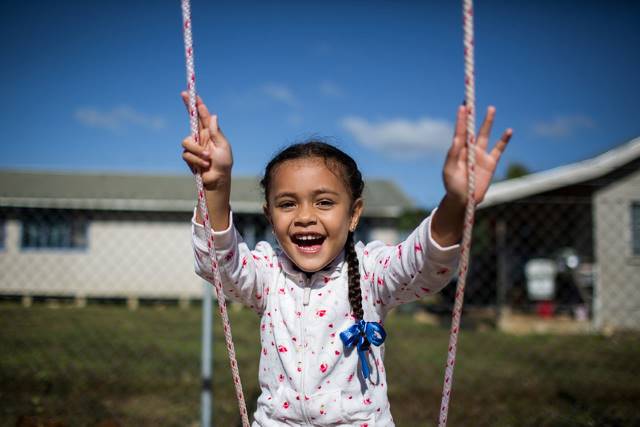
Child Poverty in Tonga

Child poverty in TongaTonga is a lower-middle-income Polynesian kingdom known for its 172 islands, 36 of which are permanently inhabited. Although child poverty in Tonga has greatly reduced, it remains a significant issue. Poverty continues to affect the children of Tonga in particular.

In 2015, 22.1% of the Tongan population lived below the poverty line. To put this into perspective, 4% of the Tongan population live on less than $1 daily and 6.7% of households fall below the dietary poverty line. Therefore, many families are unable to financially cover the cost of their daily food needs. Alarmingly, in most countries, there is a larger percentage of children in poverty than adults. This holds true with child poverty in Tonga, where 36% of children (~12,000 children) live in poverty compared to around 22% of adults (~63,000 adults). Poverty can impact multiple aspects of a child’s life, including their education and health. Consequently, many children in Tonga face disadvantages on account of poverty.

Education

First, children are dropping out of school to support their families as a result of child poverty in Tonga. Around 8% of children live in a household that cannot afford to provide three meals a day for all their children, while 13% cannot afford daily fruit and vegetables.

When the most vulnerable families cannot afford food, they simply live off their own produce. As a result, children must drop out of school to work in fields and plantations. Regardless of Tonga’s excellent education record, students from impoverished backgrounds often remain in their parent’s positions to survive.

By missing the opportunity to receive an education, children feel the effects of poverty for a lifetime. Thankfully, Tonga’s government implemented the Tonga Education Support Program, which seeks “equitable access” and “universal basic education” for its children.

Nutrition and Obesity

Second, the cases of obesity and other non-communicable diseases in children are increasing. According to 2016 estimates, 17% of Tongan children are overweight. While data on childhood obesity is more limited, a 2010 school-based survey found that one in five surveyed students were obese.

Nutritious food and regular time intervals for children’s meals are necessary components of developmental health, which impacts children’s ability to live up to their potential as adults. Even with groups such as the Ma’alahi Youth Project, which aims to decrease rates of child obesity, a study found that community-based intervention is not sufficient in preventing the increase of unhealthy weights. Longer and more intense changes are necessary on a sociocultural level.

Illness

Third, children are at risk of communicable diseases. WHO Global Health Observatory data show gaps in immunization coverage for all 12 universally recommended vaccines in Tonga. Data reveals a downward trend in immunization rates for some vaccines. This could reflect either a reduction in uptake or access issues. From 2000 to the present day, WHO recorded a 10% decrease in rates for several vaccinations. Prescribed medication also provides a monetary barrier.

Additionally, a lack of basic sanitation, hygiene and safe drinking water is an issue of mortality in the Pacific region. This tends to contribute to the spread of water-related diseases like diarrhea and impedes child development. There is growing evidence that clean water and sanitation facilities at home and in schools can improve school attendance and even learning outcomes for boys and girls.

Key deficiencies have been filled with funding from the Australian Aid-funded Tonga Health Systems Support Program (THSSP), which helps address critical staff deficiencies and stipulates that the Ministry of Health focuses on preventative measures. Thankfully, data shows that improvements are visible. In 2012, nearly one in four children lived in a household that could not afford their prescribed medication. Today, 15% of children live in such a household, a decrease of 10%.

The decrease in child poverty in Tonga can, in part, be attributed to the community-level organizations fighting poverty in Tonga. The largest is the Tonga Family Health Association, followed by ‘Aloua Ma’a Tonga, Vaiola Hospital Board of Visitors and Tonga Red Cross. They aim to provide health services directly to households through financing, training and education. Despite moderate success, child poverty in Tonga persists. It seems additional work is needed to successfully eradicate poverty in what is known as “The Friendly Islands.”

– Elizabeth Qiao
Photo: Flickr

January 14, 2021
https://borgenproject.org/wp-content/uploads/borgen-project-logo.svg 0 0 Jennifer Philipp https://borgenproject.org/wp-content/uploads/borgen-project-logo.svg Jennifer Philipp2021-01-14 01:30:172024-05-29 23:18:40Child Poverty in Tonga
Page 9 of 15«‹7891011›»

Get Smarter

  • Global Poverty 101
  • Global Poverty… The Good News
  • Global Poverty & U.S. Jobs
  • Global Poverty and National Security
  • Innovative Solutions to Poverty
  • Global Poverty & Aid FAQ’s
Search Search

Take Action

  • Call Congress
  • Email Congress
  • Donate
  • 30 Ways to Help
  • Volunteer Ops
  • Internships
  • Courses & Certificates
  • The Podcast
Borgen Project

“The Borgen Project is an incredible nonprofit organization that is addressing poverty and hunger and working towards ending them.”

-The Huffington Post

Inside The Borgen Project

  • Contact
  • About
  • Financials
  • President
  • Board of Directors
  • Board of Advisors

International Links

  • UK Email Parliament
  • UK Donate
  • Canada Email Parliament

Get Smarter

  • Global Poverty 101
  • Global Poverty… The Good News
  • Global Poverty & U.S. Jobs
  • Global Poverty and National Security
  • Innovative Solutions to Poverty
  • Global Poverty & Aid FAQ’s

Ways to Help

  • Call Congress
  • Email Congress
  • Donate
  • 30 Ways to Help
  • Volunteer Ops
  • Internships
  • Courses & Certificates
  • The Podcast
Scroll to top Scroll to top Scroll to top