• Link to X
  • Link to Facebook
  • Link to Instagram
  • Link to TikTok
  • Link to Youtube
  • About
    • About Us
      • President
      • Board of Directors
      • Board of Advisors
      • Financials
      • Our Methodology
      • Success Tracker
      • Contact
  • Act Now
    • 30 Ways to Help
      • Email Congress
      • Call Congress
      • Volunteer
      • Courses & Certificates
      • Be a Donor
    • Internships
      • In-Office Internships
      • Remote Internships
    • Legislation
      • Politics 101
  • The Blog
  • The Podcast
  • Magazine
  • Donate
  • Click to open the search input field Click to open the search input field Search
  • Menu Menu

Archive for category: Child Poverty

Child Poverty, COVID-19, Global Poverty, Poverty Eradication

Innovations to Reduce Poverty in Iraq

Poverty Reduction in Iraq
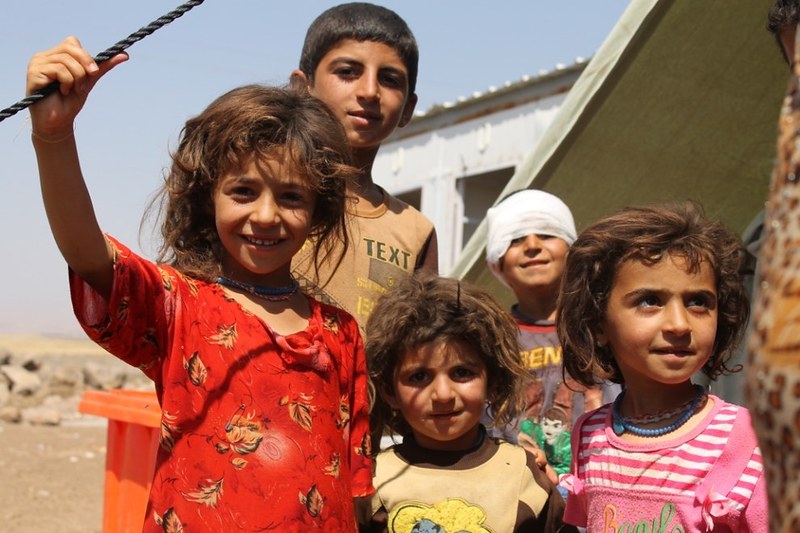
The Middle East has been one of the world’s hardest-hit regions to date when it comes to COVID-19. Unfortunately, Iraq, and other low-income countries, bear the brunt of the damage resulting from economic recession and humanitarian woes. Since the summer of 2019, 4.5 million Iraqis have fallen into extreme poverty, increasing the total number of people in poverty to more than 11 million. The majority of those falling into poverty are children, with reports claiming two out of every five children in Iraq live in desolate conditions. Nevertheless, despite new challenges, the international community and regional actors are preparing to jump-start new innovations to reduce poverty in Iraq.

Previous Progress

Over the past 10 years, Iraq has undergone a series of changes. In 2015, the Committee on World Food Security (CFS) outlined a series of initiatives designed to reduce Iraq’s poverty and hunger. From creating job opportunities to building a more robust social safety net, the CFS set the groundwork for crucial innovations to reduce poverty in Iraq.

Additionally, in 2018, Iraq worked with regional and international partners such as the World Bank to introduce a $300 million social fund designed to reduce poverty and inspire sustainable development.

While previous efforts are laudable, in the wake of COVID-19 and the recent economic recession, global and local actors need to do more to reduce Iraqi poverty. This is especially true when considering how, in 2020 alone, Iraqi poverty was expected to double to 40% of the population.

Poverty Reduction Innovations for Refugees

In an effort to reduce poverty in Iraq, many international and regional actors have banded together to create innovative approaches. For instance, the U.N. High Commissioner for Refugees (UNHCR) recently launched a water, sanitation and hygiene (WASH) program. The WASH program sets up water sanitation systems in vulnerable refugee camps, Iraq hosting many of them. According to the UNHCR, “The system uses a series of networked, ultra-sonic water-level sensors that are installed in the tanks of water delivery trucks as well as static water tanks in refugee settlements to provide real-time data on water deliveries and consumption. It is based on the ‘Internet of Things.’ Physical objects are fitted with sensors in order to connect and exchange data over the Internet.”

The system maximizes inter-regional coordination and saves Iraq money, all while minimizing the effect of Iraqi poverty. Although these programs are now widespread across other countries, Iraq is one of the ‘pilot phase’ countries. The UNHCR is thus allowing Iraq to harness the findings and help one of its largest groups of victims of poverty, refugees.

While crumbling infrastructure and lack of access to food are primary causes of poverty, the inability to care for Iraqi refugees has hindered any development progress. In essence, in order to reduce poverty in Iraq, one must also consider poverty among Iraqi refugees.

Innovating Through Technology

Another innovation in poverty reduction is a medical app designed to connect Iraqis to affordable medication. The military conflict in Iraq has destroyed numerous hospitals, so medical care in the country is exceedingly scarce. This led Ameen Hadeed and developer Ammar Alwazzan to create the Pharx Pharmacy app. The app connects patients to more than 200 Iraqi pharmacies. This eliminates the private medical middleman that makes drugs so expensive. Moreover, the Iraq Response Innovation Lab recently decided to sponsor the future development of the Pharx app. This will allow it to expand all across the country, far beyond urbanized areas such as Mosul.

As technological innovations become more frequent in Iraq, the fight against poverty is a primary focus for tech innovators. Take, for example, Miswag, the Middle East’s oldest online market platform. Miswag has recently taken a new direction in Iraq. The market members made the market more affordable to buy food, groceries, clothing, books and many other daily necessities. While Miswag was not explicitly designed for poverty alleviation, its growing market of 700,000 customers makes goods more affordable while allowing locals to sell their products more efficiently, which helps innovate the fight against poverty.

Looking Forward

Building more robust markets that encourage investment and innovation is crucial to continue poverty reduction in Iraq. It will also ensure sustainable growth in the long term. Poverty is not a simple problem and Iraq has weathered many conflicts in the past couple of years. However, if the international community works together, the world can make a difference in reducing global poverty.

– Juliette Reyes
Photo: Flickr
January 13, 2021
https://borgenproject.org/wp-content/uploads/borgen-project-logo.svg 0 0 Jennifer Philipp https://borgenproject.org/wp-content/uploads/borgen-project-logo.svg Jennifer Philipp2021-01-13 12:38:532022-04-22 08:29:09Innovations to Reduce Poverty in Iraq
Child Poverty, Children, Developing Countries, Education, Global Poverty, Health, Poverty

Things to Know About Child Poverty in Costa Rica

child poverty in costa ricaDespite being one of the most progressive countries in Latin America in terms of free education, no military and access to health care, there are still many people living in poverty in Costa Rica and the youngest people are oftentimes hit the hardest. More than 65% of impoverished Costa Ricans are younger than 35 years old and children younger than age 18 make up the largest group of the impoverished. Additionally, many of the children facing child poverty in Costa Rica are Indigenous. When it comes to children, issues include child labor, child mortality and disparities in education.

4 Things to Know About Child Poverty in Costa Rica

  1. Primary school in Costa Rica is free and mandatory. Free primary level education gives many children access to the education system. However, many children who come from impoverished families or rural areas miss out on education because they need to work to provide for their families. In 2020, 316 primary-aged children were not attending school and about 4% of lower secondary school-aged children were out of school. As a country that is a major producer of coffee, agricultural work and harvesting is a priority in Costa Rica. In fact, during the coffee bean harvest, the teachers and students in impoverished regions in Costa Rica go to the farms to work in order to afford school supplies.
  2. Costa Rica has a large number of child trafficking victims. In 2011, Costa Rica noted 36,000 orphans. Due to lacking family structures or dysfunctional families, many vulnerable children are at risk of exploitation, drug abuse and gang violence.
  3. Low child mortality rates. Costa Rica has the longest life expectancy in Latin America and an effective health care system and has also made strides in child mortality. In 2020, the mortality rate of children younger than 5 stood at 7.9 per 1,000 lives births, according to World Bank data, down from 96 in 1960. Child mortality rates are higher among children who are born into families living below the poverty line, Indigenous families or rural families.
  4. Violence against children in Costa Rica is a concern. In fact, Costa Rica noted about 700 sexual violence cases in 2009, according to Humanium, though organizations believe many more cases go unreported. The physical and psychological abuse and violence that children endure have serious consequences for their development and health.

SOS Children’s Villages

SOS Children’s Villages initially started with a commitment to caring for orphaned or abandoned children throughout the world. There are SOS Children’s Villages in three cities in Costa Rica: San José, Limón and Cartago. SOS Children’s Villages aim to address child poverty in Costa Rica.

The organization provides Costa Rican children with daycare, education, medical services and vocational training, sports facilities and playgrounds. SOS Children’s Villages takes in children whose parents cannot take care of them. The organization has a comprehensive approach: preventing child abandonment, offering long-term care for children in need and empowering young people with the resources to reach their full potential.

The organization’s YouthCan! program trains adolescents to enhance their skills and competencies in order to achieve employment. In Costa Rica, where almost 100,000 young people faced unemployment in 2016, the youth development program lasts for three to 12 months. The program consists of life skills training, employability training and helping the youth find jobs and further training opportunities.

Through organizations like the SOS Children’s Villages, child poverty in Costa Rica can reduce.

– Naomi Schmeck
Photo: Flickr

January 12, 2021
https://borgenproject.org/wp-content/uploads/borgen-project-logo.svg 0 0 Yuki https://borgenproject.org/wp-content/uploads/borgen-project-logo.svg Yuki2021-01-12 07:30:112022-03-23 03:41:36Things to Know About Child Poverty in Costa Rica
Aid, Child Poverty, Children, COVID-19, Education, Global Poverty, Homelessness

Child Poverty in Argentina: A Crisis that Needs Action

Child poverty in ArgentinaPrior to the COVID-19 pandemic, many children in Argentina had been living in poverty. The pandemic has caused poverty numbers to soar due to COVID-19’s many negative effects. When considering the long-term presence and future impacts of poverty, it is all the more critical to help the children in this country and around the world. This article highlights facts about child poverty in Argentina and the work of some organizations on the ground helping such children.
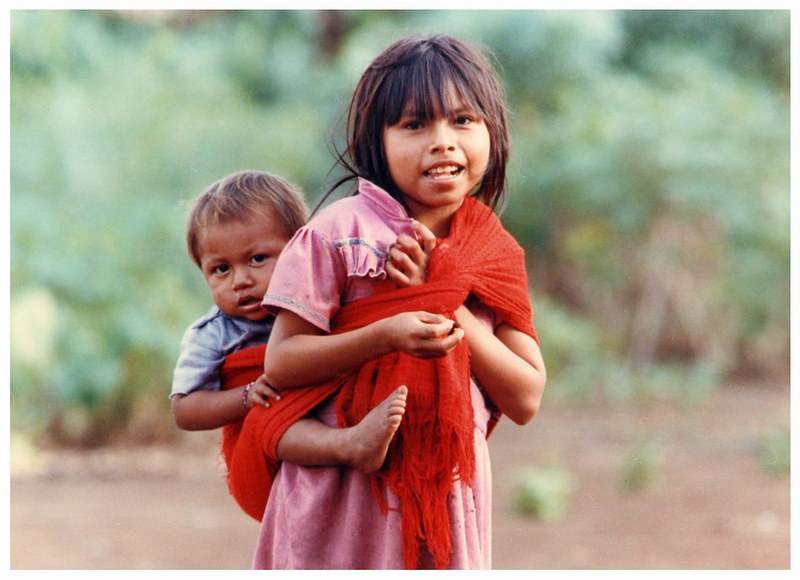
The Current Situation

There has never been a more critical time for action than now. UNICEF estimates that 63% of Argentinian children will be living in poverty by the end of 2020 due to COVID-19. In August 2019, child poverty reached more than 50%, with 13% of children in a state of hunger. As compared to the year prior, this is an 11% increase. UNICEF estimates that, at the end of 2020, there will be an increase of 18.7% in extreme poverty among children and teenagers.

Child Poverty Statistics

The above figures depict that one in every two Argentinian children lives in poverty, which amounts to 5 million children. One million of these children are homeless. Those who do have homes often deal with difficult household circumstances. Many children are subject to child labor, which includes work as domestics or “house slaves.” These children end up working in illegal textile workshops, mining, construction or agriculture. The exploitation of child labor is commonly related to sexual exploitation. In response, Argentina has passed laws and social programs to end child labor and sexual exploitation. However, the fight to end these practices must continue.

As of 2017, nearly 20% of Argentinian children do not attend school. After the collapse of the economy nearly 20 years ago, funding for education was heavily reduced. Children living in poverty were the first to be affected as they had to work in order to provide for their families. There are also issues with violence occurring in schools. Corporal punishment still takes place when young school children misbehave, which can cause further behavioral problems while instilling the belief that violence is the norm.

As compared to the rest of the population, native children are at high risk for poverty, illiteracy and unemployment. For example, in the province of Tucumán, the Indigenous children and families live well below the poverty line and also endure illegal evictions from their ancestral lands. Additionally, these children are exposed to violence, malnutrition, disease and a lack of proper education.

Child Poverty Aid

Child poverty in Argentina seems rather defeating considering these statistics. However, there are multiple organizations that are on the ground fighting for the human rights, safety, health and happiness of Argentinian children.

One is Mensajeros de la Paz, a temporary home for vulnerable girls. Another is the Sumando Manos Foundation, which extends pediatric visits out to more than 7,000 at-risk children and their communities. The foundation also supplies food, provides critical medical and dental attention and teaches fundamental health care. There is also Fundacion Oportunidad. This organization increases opportunities for economic and social integration of young Argentinian women in situations of social vulnerability. Involvement in these organizations, as well as donation opportunities, are endless.

There are five dimensions of well-being that are vital to the success of childhood development: adequate nutrition, education, safe areas to live and play, access to health services and financial stability. The fight cannot stop until there is an end to child poverty in Argentina and until each child has access to the resources necessary for a healthy and prosperous life.

– Naomi Schmeck
Photo: Flickr

January 12, 2021
https://borgenproject.org/wp-content/uploads/borgen-project-logo.svg 0 0 Yuki https://borgenproject.org/wp-content/uploads/borgen-project-logo.svg Yuki2021-01-12 01:31:332022-04-22 05:58:20Child Poverty in Argentina: A Crisis that Needs Action
Child Poverty, Global Poverty

Fighting Child Poverty in Ecuador

Fighting Child Poverty in EcuadorChild poverty in Ecuador is on the rise in Ecuador, resulting in poorer standards of living and higher rates of child mortality. Efforts from organizations around the world are successfully fighting against this, promoting the health and education of Ecuador’s youth.
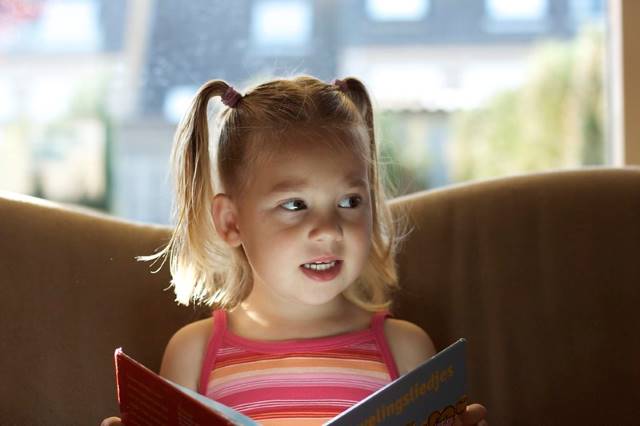
Ecuador’s Poverty Rate

Ecuador is a South American country located on the West Coast of the continent. Northwest of Peru and southwest of Colombia, Ecuador is home to 17.4 million people. Ecuador’s name is derived from its location on the Equator, and the nation is located in both hemispheres of the world.

Ecuador’s poverty rate has fluctuated over the past several years. In 2007, 36.7% of its people lived in poverty. Additionally, Ecuador’s poverty was reduced to 21.5%. However, poverty started rising again recently, and as of 2019, over 25% of Ecuador’s population was impoverished. This means that over a quarter of Ecuador’s 17.4 million people, or about 4.4 million people, live under the national poverty line.

Child poverty in Ecuador is a severe issue. Children in Ecuador are disproportionately impoverished in comparison to the general population. Over 40% of children in Ecuador live in poverty, which is well above the 25% poverty rate of the general population.

Malnutrition does the most damage in adolescence, creating health difficulties that can last for a lifetime. Poverty in adolescence also sets up children to have a lower standard of living, as they are denied crucial education opportunities that would allow them greater future success. Child poverty is also strongly correlated with poor academic performance and early school abandonment.

Children International: Fighting Child Poverty

Fighting child poverty in Ecuador is a focus of multiple organizations in the United States. These initiatives focus on targeting the malnutrition and dwindling health of Ecuador’s children.

Children International, a non-governmental organization (NGO), aims to transform the lives of Ecuador’s youth by addressing hunger, among other necessities. Through its “Nutrition Program,” tens of thousands of children in Ecuador that are malnourished or at-risk for malnourishment are supported. Not only are the children fed, but Children International also provides medical check-ups and holds nutritional training workshops.

The organization also targets impoverished children’s educational opportunities as they “typically don’t have the skills, resources or knowledge to succeed.” Through its Social and Financial Education program, children in Ecuador are learning the skills to secure successful careers, how to be more resourceful and even how to “believe in themselves.” Through this, Children International is breaking the cycle of generational poverty.

Looking Forward

Other organizations are leading the fight against poverty as well. United to Benefit Ecuadorian Children International (UBECI), another NGO, is a prime example. UBECI takes independent action to address the lacking educational, medical and emotional support resources available to Ecuador’s youth. The United States Agency for International Development (USAID) has also been a key proponent in addressing child poverty in Ecuador. USAID funding has increased access to medicinal treatments for mothers and children in Ecuador, as well as support child education through the creation of schools and higher education programs.

Assistance from various organizations around the world is paramount toward combatting child poverty in Ecuador. While these projects have substantially improved the health and welfare of Ecuadorian children, there is still much to be done to address the child poverty that accounts for one in four children in Ecuador.

– Asa Scott
Photo: Flickr

January 9, 2021
https://borgenproject.org/wp-content/uploads/borgen-project-logo.svg 0 0 Kim Thelwell https://borgenproject.org/wp-content/uploads/borgen-project-logo.svg Kim Thelwell2021-01-09 07:30:212024-05-30 07:55:22Fighting Child Poverty in Ecuador
Child Poverty, Global Poverty

Top 6 Facts about Child Poverty in France

child poverty in FranceChildren are among the first victims of poverty. Even in France, one of the world’s most affluent countries, child poverty is still a serious issue today, if not an increasingly urgent emergency. Here are six facts about child poverty in France.

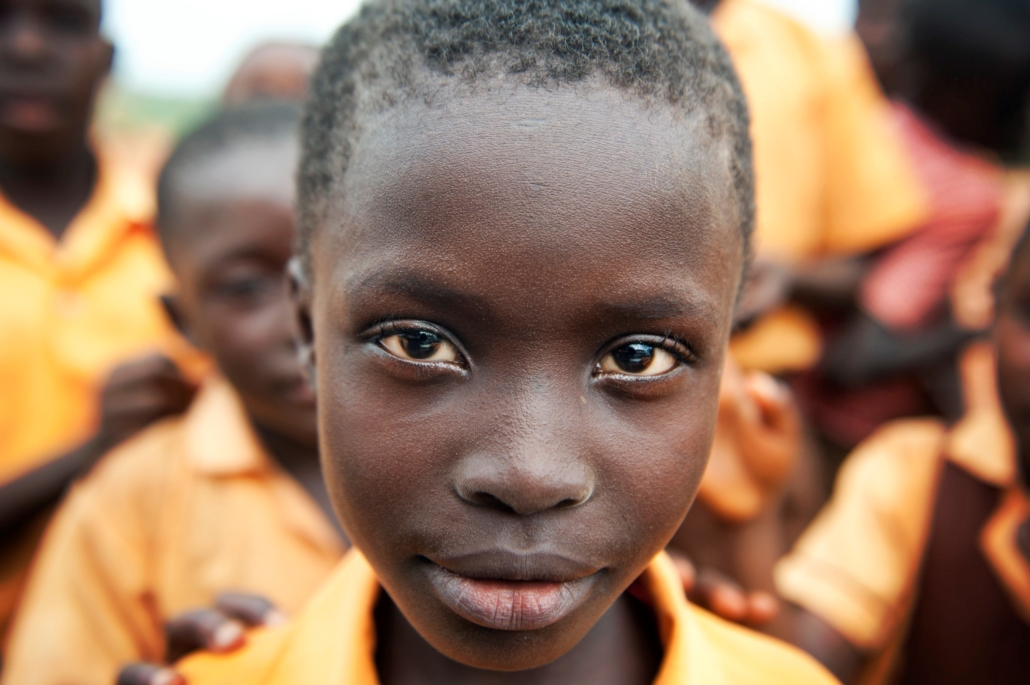
6 Things to Know about Child Poverty in France

  1. According to a 2015 report by the United Nations Children’s Fund (UNICEF), one out of five children younger than 18 years old in France lives below the poverty line. This means that more than 3 million children in France suffer from their parent’s financial struggles and live on roughly less than €1,000 per month, with many actually living on much less. This statistic is astonishing, especially considering that the total population in poverty in France was 8.8 million in 2017.
  2. In France, 20% of households have difficulties paying for their children’s meals at the school canteen. To cope with this problem, French President Emmanuel Macron announced an €8 billion national anti-poverty plan in September 2018. As a result of this plan, primary schools provided free breakfast to the most impoverished students along with subsidized lunches for €1 each in the school canteen.
  3. Child poverty in France is more common in single-parent families as these households usually lack financial resources in comparison to conventional families. One-third of impoverished children live in single-parent families, especially those made up of single women and children. As of 2018, single mothers are among the most affected by poverty in France, before immigrants and elderly people. The fraught financial situation and high educational expenses even lead some young women to pay for their children’s studies through prostitution. The students’ union SUD Etudient estimated in 2006 that the number of single mothers struggling to pay for their children’s education was around 40,000 and continues to rise.
  4. The impoverished family background may produce further inequalities in education and employment. According to the 2015 UNICEF report, 140,000 children were dropping out of school each year. UNICEF also criticized France’s educational system, in which children from unprivileged families have less chance to enter universities, for failing to gear up social mobility and widening the gap between the wealthy and the impoverished instead. UNICEF estimated that it takes six generations for children born in impoverished families to attain an average income in France.
  5. There are about 30,000 children in France who are homeless and 9,000 who live in slums, many of whom are foreigners without legal status. The charitable organization Secours Catholique, which helps more than 67,000 impecunious people in need in France, claims that more than 40% of the families it assists are immigrants and less than half of them have legal status in France. As a result, they do not have the right to work or benefit from social welfare.
  6. Nevertheless, thanks to its social service and health care, France remains one of the countries with the lowest child mortality rates despite its issue of child poverty. In fact, the 4% rate of child mortality in France is the same as that in Germany, Spain and Italy, lower than 6% in Canada and 8% in the United States.

These six facts about child poverty in France shed light on the growing poverty problem in a country that is as wealthy as France. However, by shedding light on child poverty in France the government and charity organizations will work to alleviate youth poverty in its early stages.

– Jingyan Zhang
Photo: Flickr 

January 6, 2021
https://borgenproject.org/wp-content/uploads/borgen-project-logo.svg 0 0 Yuki https://borgenproject.org/wp-content/uploads/borgen-project-logo.svg Yuki2021-01-06 01:31:562024-05-30 07:53:30Top 6 Facts about Child Poverty in France
Child Poverty, Children, Economy, Global Poverty, Government, NGOs

Child Poverty in Taiwan is Almost Eliminated

Child Poverty in Taiwan 
Taiwan is an island off the coast of China. Globally, it has received praise for its exceptionally low household poverty rate, which is under 1%. While child poverty in Taiwan is rare, further reducing it is a priority for the Taiwanese government.

Measurement Methodology

Taiwan uses an absolute threshold to calculate the poverty rate. The country uses estimated monthly living expenses calculated in each province for its measurement. For example, residents in Taipei, a highly urbanized city, must earn over $337 for them to be over the poverty line. On the other hand, residents only need to earn above $171 monthly on the small island of Kinmen County. Such geographically-adjusted measures help ensure that Taiwanese families in expensive areas can afford basic necessities, including food, clothing and shelter.

Successful Tactics

Economic downturns do not render Taiwan helpless, such as the one in 2013. Instead, the Taiwanese government quickly raised welfare spending to help people who lost their jobs when factories relocated to China. Additionally, Taiwanese banks gave out microloans with extremely low-interest rates to help families start businesses. To this day, organizations outside of the government also participate in the fight against child poverty in Taiwan.

The Taiwan Fund for Children and Families (TFCF) is an NGO dedicated to eradicating child poverty in Taiwan. This fund sponsored 48,601 children in Taiwan, and 66, 417 children abroad. TFCF began helping children in Taiwan in 1964 by building orphanages. It has since introduced Family Helper Programs and other programs to deliver donations to families in need of assistance. Similarly, TFCF has provided thousands of families with cash, supplies, emergency relief, vocational training and house repairs or reconstruction. Already, the TFCF appears to have helped successfully alleviate child poverty in Taiwan.

The global community can learn from Taiwan’s anti-poverty programs, which have almost completely weeded out child poverty in Taiwan. A recent study found that only 6% of Taiwanese children living in poverty — an already smaller group comparatively — experienced persistent poverty compared to 13.8% in the U.K. and 15.9% in Canada.

Room for Improvement

Child poverty in Taiwan is incredibly low due to effective country policies. However, there are a few areas where the state could improve. One problem is that many citizens make just above the poverty rate and are struggling to get by. Some of these families could earn more if they found lower-paying jobs and went on welfare.

Another problem is that a lot of immigrant families, particularly Southeast Asian immigrant families, primarily find low-skilled jobs and experience persistent discrimination. Similarly, many Aboriginal Taiwanese are also victims of racism, which can make it difficult to find jobs. This led to an approximated 60% poverty rate for Indigenous peoples in Taiwan. Every country, Taiwan included, could improve its anti-poverty strategy. Fortunately, the Taiwanese government is actively trying to help many of the groups that experience high levels of poverty.

Taiwan is one of the few countries in the world that retains a low poverty rate, particularly such a low child poverty rate. Taiwan can implement further improvements, but the country is a model for the international community in eradicating poverty.

– Madelynn Einhorn
Photo: Flickr

December 28, 2020
https://borgenproject.org/wp-content/uploads/borgen-project-logo.svg 0 0 Jennifer Philipp https://borgenproject.org/wp-content/uploads/borgen-project-logo.svg Jennifer Philipp2020-12-28 07:30:032024-05-30 07:56:10Child Poverty in Taiwan is Almost Eliminated
Child Poverty, Children, Education, Global Poverty

Defining and Eradicating Child Poverty in Kenya

Child Poverty in Kenya
Charitable organizations and the Kenyan government have long recognized child poverty as a dire issue. Due to this recognition, Kenyan child poverty rates have steadily reduced since 2008. Meanwhile, governmental policies and constitutional highlights, along with funding and research headed by establishments like UNICEF, have improved the lives of countless children within Kenyan communities. UNICEF has conducted extensive research on the main causes of child poverty in Kenya. Its hope is that this research will be a basis for child poverty reduction progress. Here are some of the main contributors that UNICEF identifies as factors relating to child poverty rates in Kenya.

4 Major Definers of Child Poverty in Kenya

  1. Poor Sanitation: Children living in Kenya often do not have access to proper plumbing facilities. In fact, more than half of individuals younger than 18 still lack this basic resource.
  2. Lack of Clean Water: Children, especially those living in rural areas, lack access to water that is clean enough to drink. There are also many schools throughout Kenya that do not have drinking water for their students, which creates a high health risk.
  3. Lack of Education: Around 25% of the children living in Kenya have not been able to gain a decent education as of 2014. Along with this, many children who were attending school were registered at the wrong learning level.
  4. Insufficient Housing: Many children in Kenya live in housing that has no insulation or ventilation. Lack of ventilation, in particular, can lead to harmful indoor air pollution as a result of inefficient cooking utilities.

The Basic Education Act

The government of Kenya has taken many efforts to help with the eradication of child poverty over the years. The 2010 Kenyan Constitution made a point to emphasize that children have the right to basic needs, including shelter, health care and food. It further states that children should have access to free education at the basic level. Since 2010, the Kenyan government-endorsed programs along with the passing of the Basic Education Act in 2013, ensured that educational equality truly occurs within the country. Due to this emphasis, the number of educated children rose by 11% by the year 2014.

The Food and Nutrition Policy

In 2011, the Food and Nutrition Policy emerged in Kenya with the objective of creating food equity for all citizens. This policy has helped improve food access within the country by making it more abundant and making sure that Kenyan citizens receive education about proper food consumption. For infants, the nutrition policy targeted the reduction of women’s workloads so that they could be more available to breastfeed their children. Companies began vigorously marketing breast milk substitutes because of this policy. For children in school, the 2011 policy ensured that government-run educational facilities provided meals during school days. This policy also established programs for young women in need of nutrient supplementation before pregnancy.

Kenya’s National Nutrition Action Plan

Kenya’s National Nutrition Action Plan occurred from 2012 to 2017. This plan focused on the education of governmental policymakers by emphasizing the correlation between food security and the many factors that contribute to child poverty in Kenya. It also highlighted nutrition as a fundamental and constitutional human right.

One key initiative that the National Nutrition Plan promoted was awareness of the benefits of lobbying for greater nutritional funding. This plan included 11 key elements, all of which highlighted the improvement of nutritional status and education on proper nutrition for women and children in Kenya. This plan further ensured that each of its key elements received implementation and support through various agencies, with government planning and budgeting processes accounting for each agency. A result of these implemented strategies included a raise from 39% to 67% of children eating three or more food groups in a day.

Save the Children’s Efforts

Save the Children is a program that has worked toward the direct relief of child poverty in Kenya since 1950. Along with a variety of resources providing services, the organization has worked to establish and grow women and youth programs in Kenya. These programs directly improve income within households, job prospects for children’s futures and overall nutrition among children. Save the Children has also worked to help improve livestock conditions. The prosperity of livestock has a large correlation with sustainable incomes for many households in Kenya. These households are then able to provide stability for their developing children.

Sustainable Development Objectives

While much work has already occurred to help solve child poverty in Kenya, organizations like the U.N. are working to fund initiatives that support its 17 Sustainable Development Goals (SDGs) in order to help eradicate all child resource injustices by 2030 and reduce global poverty overall. With ongoing commitments to upholding the rights of children in Kenya, the nation can reduce child poverty.

– Olivia Bay
Photo: Flickr

December 27, 2020
https://borgenproject.org/wp-content/uploads/borgen-project-logo.svg 0 0 Jennifer Philipp https://borgenproject.org/wp-content/uploads/borgen-project-logo.svg Jennifer Philipp2020-12-27 07:30:022024-05-30 07:56:10Defining and Eradicating Child Poverty in Kenya
Child Labor, Child Poverty, Global Poverty, Human Rights, Human Trafficking

How IOM is Reducing Human Trafficking in Ghana

Human Trafficking in Ghana
Human trafficking is a wicked global business that involves kidnapping people for slavery, forced labor or exploitation, robbing millions of people (largely women and kids) of their homes. Many children experience human trafficking in Ghana.

Human Trafficking in Ghana

Human trafficking in Ghana is a nationwide affair but is more prominent in the Volta region and the oil-producing Western region. Research from August 2016 reported that 35.2% of households consisted of trafficked children with 18% working in the fishing industry, 10% in domestic servitude and a few reports of early and forced marriage.

Since 2002, the International Organization for Migration (IOM), along with several NGOs and international organizations, has aimed to combat human trafficking in Ghana. These organizations mainly work towards rescuing, sheltering and rehabilitating victims.

The Importance of Community Outreach and Education

International Organization for Migration (IOM) organizes programs in the Volta, Central, Greater Accra and Brong-Ahafo Regions of Ghana to strengthen the ties between communities to effectively condemn and prosecute traffickers, provide intensive care for distressed victims and prevent trafficking altogether. The programs intend to educate the villagers about the dangers of child trafficking, international and national legislation on child rights and human trafficking as a culpable offense.

Traffickers do not always realize the immorality of keeping the kids away from their parents and schools. “For instance, Benjamin Tornye, a fisherman for 15 years, used to visit parents and ask them if their children could help him with his work. As he said, “children are good fishers.” He would teach them how to use the boat, swim and dive, and he believed he was doing the right thing.”

Therefore, rescuing trafficked children is much more than just freeing them from the clasps of exploitation. To make a real impact, the authorities must sensitize and educate people about human-trafficking; and create and maintain a peaceful environment for the well-being of the children.

Rehabilitation and Reintegration

The International Organization for Migration (IOM) and APPLE, a Ghanaian NGO founded in 1977, both rescue children from trafficking and bring them back to their families. Rescued children first go to a government-run shelter for up to three months before they reunite with their parents. At the shelter, they receive medical checks, health treatment, psychological counseling and basic education.

Additionally, a clinical psychologist inspects the victims to identify the ill-treatment that they have experienced which informs the creation of a personalized plan for rehabilitation. Next, the children attend school or undertake an apprenticeship with the necessary supplies. Otherwise, if they are fortunate enough, they go back home to their parents.

The children who return to their parents get to fulfill the fundamental right of all the children in this world: to grow up with a family. The authorities organize a background test and a compatibility test to ensure that the caretakers are suitable before handing over the child.

The development of the kids –in the family environment, school and apprenticeship– receives monitoring over a period of 2.5 years to ensure the safety and well-being of the child. Further, watchdog groups and surveillance teams have merged to prevent re-trafficking of children. Parents also receive livelihood assistance upon the homecoming of the children.

International Organization for Migration (IOM) educates the locals, national government officials, and the traffickers about the appalling effects of human-trafficking on a child. Further, it raises awareness on the issue and encourages a shift in the mindset of the people.

Accomplishments

With these wonderful initiatives and generous donations by people and organizations from all over the world, the International Organization for Migration (IOM), along with its partner NGOs, has been able to help victims of human trafficking in small ways.

As of now, IOM has rescued 732 trafficked children in Ghana and rehabilitated and reintegrated them into their respective communities. Additionally, of these children, 690 have been able to attend school with 20 graduating high school. Moreover, 10 have completed apprenticeships and are supporting themselves now, while 191 children have been able to reintegrate due to the sponsorship of private donors.

Beyond the apparent benefits to child victims of human trafficking, IOM has aided in other ways as well. In fact, it has granted education regarding trafficking to 130 communities and 48,533 community members. It has also benefitted 468 parents/guardians of trafficked children with micro-business assistance.

Finally, IOM has offered training to 50 social workers in the rehabilitation of child and adult victims of trafficking. It has also provided technical assistance in capacity-building on human trafficking issues to 150 government officials from the Police, Immigration, Naval and Judicial Services.

Government Support

The Government of Ghana introduced several policies, legislation and programs to address the main grounds of human trafficking. Consequently, to set up an all-inclusive approach, the government devised the Human Trafficking Act, 2005 (Act 694), providing a robust authorized framework to prevent human trafficking, prosecute the perpetrators and protect the victims.

The government of Ghana and the NGOs have had a modest impact in curbing the enormity of human trafficking by implementing preventive strategies. The government successfully established a capable board and conducting training sessions for law enforcement, immigration officials and the citizenry. Despite the best efforts to eradicate human trafficking and persecute domestic and international offenders, the number of human trafficking cases remains disappointingly high.

– Prathamesh Mantri
Photo: Flickr

December 22, 2020
https://borgenproject.org/wp-content/uploads/borgen-project-logo.svg 0 0 Borgen Project https://borgenproject.org/wp-content/uploads/borgen-project-logo.svg Borgen Project2020-12-22 07:30:222020-12-23 14:50:31How IOM is Reducing Human Trafficking in Ghana
Activism, Aid, Child Poverty, Child Poverty, Children, COVID-19, Global Poverty

The Reality of Child Poverty in Haiti

Child poverty in Haiti
Haiti, a small country that borders the Dominican Republic on the Hispaniola island, suffers greatly from poverty. Natural disasters, systemic inequality and diminishing economic opportunities create a dire state of extreme poverty. Specifically, child poverty in Haiti is the major poverty crisis.

More than half of Haiti’s 11.2 million population live on less than $3 a day, and malnutrition affects 65,000 children under 5 years old. Many children under 14 — more than a third of Haiti’s population — do not have ready access to health care, clean water, food security or the right to fair and decent work. The question stands: What does child poverty in Haiti look like today, and what obstacles persist in ending it?

It is easy to forget that statistics reflect the experience of real, living people. Please keep this in mind. Considering this, here are five facts about child poverty in Haiti.

The Statistical Perspective

  1.  Malnutrition: Caloric and nutritive malnutrition affect nearly a third of children in Haiti. Out of every five children, one child is malnourished and one out of 10 is acutely malnourished. Before the age of five, one child out of 14 will die. Those who live deal with the effects of inadequate food supplies. Poor access to vital nutrients means that children are subject to poor health, growth and development.
  2. Education: Despite Haiti’s free publication education, only half of the elementary-aged children are enrolled in school. Millions of disadvantaged parents have very few with little resources to secure education for their children. This is a result of Haiti privatizing 92% of schools.
  3.  Labor and Human Trafficking: Nearly half a million children are orphans in Haiti. A significant proportion of these “lost” children experience exploitation for labor in dangerous conditions. “Host households” take in children whose families cannot provide for them. Many of these children — known colloquially as “restaveks” — end up as victims of human trafficking.
  4.  Health Care: Adequate health care is hard to come by in Haiti. Child immunization has stagnated at 41%. The proportion of children who die before their first birthday has risen by 2% in the last year – from 57% to 59%. HIV, tuberculosis and a variety of other chronic, crippling diseases ail an estimated 20,000 children in Haiti, and treatment is increasingly difficult to obtain.

COVID-19

Haiti is particularly prone to natural disasters, in large part due to its geographical situation in Bermuda. A magnitude 7.0 earthquake ravaged the island of Hispaniola in 2010. A slew of tropical storms, hurricanes and additional earthquakes further compromised Haiti. Nearly 10 years later, Haiti still struggles with recovering from its 2010 earthquake and hurricane Matthew alongside dealing with recent social unrest and COVID-19.

Humanitarian aid efforts are nearing an all-time high for the country, but the efficacy of these programs and endeavors has been questioned. The threats of COVID-19 are not the only ones Haiti must face. The future is increasingly uncertain for millions of Haitians and their children, due to equipment shortages, lack of qualified health care professionals and a worsening economic climate.

Solutions

UNICEF has been implementing relief efforts to provide aid in the aftermath of earthquakes. Additionally, it has helped improve sanitation, nutrition and health care for children. However, if one would like to aid Haiti themselves, for free, they can create momentum on social media to raise awareness about the dire situation in Haiti. A number of ways exist to combat child poverty in Haiti; it just takes action.

– Henry Comes-Pritchett
Photo: Flickr

December 22, 2020
https://borgenproject.org/wp-content/uploads/borgen-project-logo.svg 0 0 Kim Thelwell https://borgenproject.org/wp-content/uploads/borgen-project-logo.svg Kim Thelwell2020-12-22 01:30:352024-05-29 22:53:34The Reality of Child Poverty in Haiti
Child Poverty, Children, COVID-19, Food & Hunger, Food Aid, Global Poverty

Open Heart Orphanage Suffers During the Pandemic

Open Heart OrphanageIn the midst of COVID-19 sweeping through Uganda, six children at Open Heart Orphanage have died. However, it was not the virus that claimed their lives. The tragic deaths were a result of hunger and fever, collateral effects of the pandemic.

Food Struggles During the Pandemic

The people of Uganda must fight to stay healthy during the pandemic as well as combat food insecurity. The issue of food affordability is not only an organic result of the pandemic. Back in April, four Ugandan government officials were arrested for conspiring to inflate COVID-19 relief food prices. The effects are far-reaching. According to UNICEF, 6.7 million children under the age of five could suffer from life-threatening malnutrition in 2020.

The Hidden Victims

Uganda has consistently ranked among the countries with the greatest number of orphaned children in the world, and it has not gone without its controversy. Last year, VICE reported that there are at least 300 “children’s homes” operating without government oversight. Four out of five of these orphans have at least one living parent. Questions arise over the exploitation of these children and the quality of the care they receive. During the coronavirus pandemic, the children are even more vulnerable. Orphans are oftentimes the faces of Facebook scams targeting donors from Western countries.

Children are the “hidden victims” of the virus. They are not particularly susceptible to contracting the disease, but they will be the ones to bear its effects on the social and economic systems. Domestic struggles within the family, surging food prices and a shortage of available medical care have led to malnutrition and displacement, especially in developing countries like Uganda. The result is many children are being left in orphanages.

Open Heart Orphanage

The Borgen Project interviewed Hassan Mubiru, a pastor at Open Heart Orphanage in Bulenga, Kampala, Uganda. Its mission is to help orphans experience a full and productive life. Currently, the organization serves 175 “needy” or orphaned children. The Christian nonprofit aims to provide these children with education, medical assistance, housing, clothing, food and water and the love of God. Due to the pandemic, there have been some obstacles in achieving these goals.

“Coronavirus has crippled most of our activities because we were absolutely unprepared when the lockdown was announced,” said Mubiru. The pastor explains that the organization has always worked below its budget and did not store supplies ahead of time. When COVID-19 hit, they did not have enough resources to sustain themselves.

Even more challenging was the shortage of volunteers. Mubiru stated, “Those who used to individually help are no longer helping. We cannot guarantee salary or their payments.” Unstable payments met with mandates to stay in quarantine have deterred many volunteers from coming to Open Heart Orphanage.

Mubiru says that the biggest issue for Open Heart Orphanage is the lack of available food. “It is extremely difficult or impossible to get food as prices went higher and almost nothing was coming into us. We have so far lost six children due to hunger and fever since the pandemic started. These are things we would have prevented if we had enough food and means of getting treatment in time.”

Open Heart Orphanage strives to help children reach their fullest potential. The nonprofit is a stepping stone for the children and not a final destination. Mubiru believes that children are better off in a home than an orphanage, especially in these times. Mubiru emphasized, “We encourage families to adopt even if this is another crisis because the law governing adoption is tough and high fees.”

– Miska Salemann
Photo: Flickr

December 22, 2020
https://borgenproject.org/wp-content/uploads/borgen-project-logo.svg 0 0 Kim Thelwell https://borgenproject.org/wp-content/uploads/borgen-project-logo.svg Kim Thelwell2020-12-22 01:30:222020-12-17 14:46:54Open Heart Orphanage Suffers During the Pandemic
Page 10 of 15«‹89101112›»

Get Smarter

  • Global Poverty 101
  • Global Poverty… The Good News
  • Global Poverty & U.S. Jobs
  • Global Poverty and National Security
  • Innovative Solutions to Poverty
  • Global Poverty & Aid FAQ’s
Search Search

Take Action

  • Call Congress
  • Email Congress
  • Donate
  • 30 Ways to Help
  • Volunteer Ops
  • Internships
  • Courses & Certificates
  • The Podcast
Borgen Project

“The Borgen Project is an incredible nonprofit organization that is addressing poverty and hunger and working towards ending them.”

-The Huffington Post

Inside The Borgen Project

  • Contact
  • About
  • Financials
  • President
  • Board of Directors
  • Board of Advisors

International Links

  • UK Email Parliament
  • UK Donate
  • Canada Email Parliament

Get Smarter

  • Global Poverty 101
  • Global Poverty… The Good News
  • Global Poverty & U.S. Jobs
  • Global Poverty and National Security
  • Innovative Solutions to Poverty
  • Global Poverty & Aid FAQ’s

Ways to Help

  • Call Congress
  • Email Congress
  • Donate
  • 30 Ways to Help
  • Volunteer Ops
  • Internships
  • Courses & Certificates
  • The Podcast
Scroll to top Scroll to top Scroll to top