• Link to X
  • Link to Facebook
  • Link to Instagram
  • Link to TikTok
  • Link to Youtube
  • About
    • About Us
      • President
      • Board of Directors
      • Board of Advisors
      • Financials
      • Our Methodology
      • Success Tracker
      • Contact
  • Act Now
    • 30 Ways to Help
      • Email Congress
      • Call Congress
      • Volunteer
      • Courses & Certificates
      • Be a Donor
    • Internships
      • In-Office Internships
      • Remote Internships
    • Legislation
      • Politics 101
  • The Blog
  • The Podcast
  • Magazine
  • Donate
  • Click to open the search input field Click to open the search input field Search
  • Menu Menu

Archive for category: Child Poverty

Child Poverty, Global Poverty

Projects and Initiatives Addressing Child Poverty In Liberia

Child poverty in Liberia
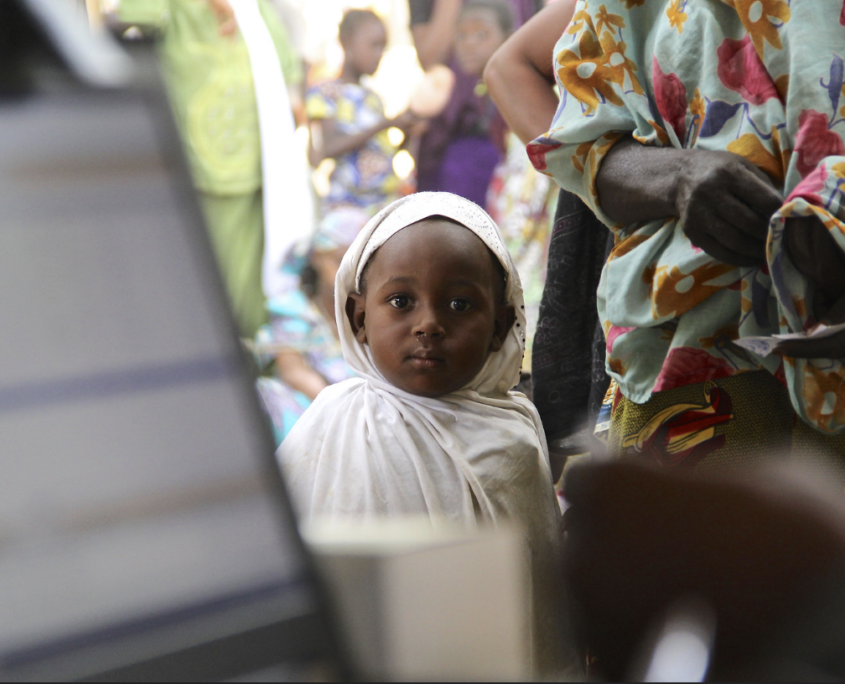
Faced with two civil wars, Liberia has experienced years of poverty. With more than 80% of Liberians living in poverty, the country has been trying to revitalize its economy. Child poverty in Liberia is significant as well. Moreover, the mortality rate for children is high. In addition to this, Liberia ranks in the bottom 10 countries on the Human Development Index. The Human Development Index considers life expectancy, education and income.

Child Poverty in Liberia

According to Action Against Hunger, a stable environment for those living in Liberia has yet to emerge. Funding for healthcare facilities has significantly decreased. Liberian children often do not have proper access to education and healthcare and frequently face abuse or trafficking. As a result of this, many children live on the streets. Furthermore, 40% of children suffer from malnutrition and one in five do not receive proper nourishment. Meanwhile, about 84% of Liberians live below the international poverty line and make around $1.25 a day.

Uncertain Employment Positions

The Liberia Institute for Statistics and Geo-Information Services (LISGIS) collected the following data. The overall information reveals that over 50% live in extreme poverty. In addition to this, 51.2% of families experience food shortages. This survey also shows that unemployment stands at 3.9%, meaning that Liberia has a low unemployment rate. However, the survey characterized around 79.5% of people as having uncertain employment positions whereas 79.9% of people had an informal form of employment.

While Liberia may have a low unemployment rate, many Liberians find it difficult to provide a stable life for their children and family as women average around 5.2 children. Due to small daily wages, women cannot meet children’s financial needs, reiterating the high mortality rate and low life expectancy that Liberian children experience. Due to a parent’s inability to care for a large family, children end up working at young ages.

Organizations Helping Liberian Children

For the past two decades, Save the Children has been addressing Liberian children that the civil war affected. This organization provides aid in areas such as healthcare and protection. It also assists children by providing them tools such as education and spearheading advocacy for child rights. The United States Agency for International Development (USAID) is one of many donors that helps Save the Children.

Action Aid is another organization that is assisting impoverished children in Liberia. Action Aid strives to attain social justice and equality and mitigate poverty. This group focuses on women and the younger generations to improve the quality of healthcare, education and children’s rights.

Many efforts have emerged to address the conditions in Liberia, including child poverty. The World Bank has provided $54 million International Development Association (IDA) credit to improve Liberia’s health services for women and children. The IFISH (Institutional Foundations to Improve Services for Health) project has spearheaded the expansion and operations of hospitals. An example is the Redemption Hospital located in Montserrado County. The multiple projects and initiatives should hopefully aid in the elimination of child poverty in Liberia.

– Nicole Sung
Photo: Flickr
May 1, 2021
https://borgenproject.org/wp-content/uploads/borgen-project-logo.svg 0 0 Jennifer Philipp https://borgenproject.org/wp-content/uploads/borgen-project-logo.svg Jennifer Philipp2021-05-01 11:50:292024-06-04 05:25:36Projects and Initiatives Addressing Child Poverty In Liberia
Child Poverty, Global Poverty

Child Homelessness in Cameroon

Child Homelessness in Cameroon
A violent civil crisis over regional separatism, known as the Anglophone Crisis or Cameroonian Civil War, has decimated the Central African nation of Cameroon since 2017. One of the most disheartening consequences of the conflict is the extreme number of homeless children. As of 2019, Cameroon had over 900,000 internally displaced people, 51% of whom were children. Child homelessness in Cameroon has been a serious problem for many years, but the government has redoubled its efforts to combat housing shortages and population displacement.

Street Children

Homeless or impermanently housed “street children” are a growing problem in the urban centers of many developing countries. In Cameroon, where about 37.5% of the population lives below the poverty line, street children have been a prominent humanitarian concern for years. The escalation of the Anglophone crisis has produced significant increases in the number of children fending for themselves on the streets of Cameroon’s cities. In the past 10 years, the number of street children increased from around 1,000 to over 10,000.

A study that researchers at the University of Kwa Zulu-Natal conducted found that most street children in Cameroon subsist on less than $0.85 USD per day. Many street children rely on begging, drug use and sex work to survive their harsh conditions. Less than 1% of the street children who the researchers surveyed considered the public’s attitude toward them to be supportive. These children are dangerously vulnerable, especially in active war zones. Conflict-induced devastation is one of the most significant causes of child homelessness in Cameroon.

Impact of COVID-19

The COVID-19 pandemic has hit Cameroon, worsening conditions for all citizens but hitting street children especially hard. Urban centers are less sanitary and more harmful than ever before, something that the homeless and under-housed feel most keenly. Over 40,000 confirmed cases of COVID-19 have occurred in Cameroon and over 600 deaths.

Furthermore, the COVID-19 pandemic may have exacerbated the worst impacts of the Anglophone Crisis. As the global health crisis distracted the international community, both the military and armed separatist groups enacted more violence on civilians. This behavior endangers civilians directly but also causes many to flee their homes out of fear for their safety, increasing the number of Cameroon’s homeless dramatically. This surge in displaced individuals also stretches Cameroon’s already thin resources even more direly, worsening conditions for those already homeless.

Though the pandemic has increased the instability of living conditions for those on the streets, it has also given Cameroon’s government a stronger incentive to house street children, accelerating existing plans to provide housing to those who violence or poverty have displaced.

Initiatives to House Street Children

Cameroon’s Ministry of Social Affairs is partnering with the Ministry of Health to house and support thousands of street children while screening them for COVID-19 in the process. It began clearing the streets in April 2020, with plans to find housing for 3,000 street children in the near future.

The children will either return to their families or enter housing or job training programs to develop skills like cooking and sewing. Regardless of their specifics, this program will provide shelter, safety and opportunities to thousands of street children. This initiative will house not only displaced or abandoned children but also orphans and children who are seeking asylum from nearby countries.

Street Child, a U.K. charity, is also working in Cameroon to help provide protection and education for homeless children. The organization emerged in 2008 and operates by partnering with local organizations in areas with high rates of child homelessness to make education more accessible. Street Child has helped over 330,000 children go to school. Now the initiative is working with local organizations and the Cameroonian government to help provide COVID-19 relief, and developing specific programs to improve the wellbeing of children who the conflict has directly affected. Street Child focuses on expanding access to education and alleviating the symptoms of child homelessness in Cameroon.

– Samantha Silveira
Photo: Flickr

March 28, 2021
https://borgenproject.org/wp-content/uploads/borgen-project-logo.svg 0 0 Jennifer Philipp https://borgenproject.org/wp-content/uploads/borgen-project-logo.svg Jennifer Philipp2021-03-28 07:31:082021-03-24 11:01:10Child Homelessness in Cameroon
Child Labor, Child Marriage, Child Poverty, Children, Education, Global Poverty

Factors of Child Poverty in the Dominican Republic

Child Poverty in the Dominican Republic
The Dominican Republic is a major tourist destination, reeling in an estimated 6.5 million visitors in 2018. However, it also hosts a largely divided society with 40% of its population falling under the poverty line. Due to this poverty, Dominican children struggle considerably, dealing with several issues that do not allow them to succeed and confine them to a life of poverty. Here is some information about child poverty in the Dominican Republic.

Limited Access to Proper Education

One of the hardest struggles Dominican children must deal with is a lack of proper public education. These children in poverty attend public schools which often provide low-quality education with a lack of resources and poorly trained professionals. Due to a lack of financial resources, these schools also suffer from ill-suited scholastic programs and buildings in need of repair. Consequently, “more than 40% of Dominican children are uneducated,” and just 60% of enrolled children complete their primary education. Another problem worth addressing is the Dominican Republic’s high rate of repetition, especially in rural areas, with 44% of students in grades one to five, being three or more years older than the appropriate age and 60% of students in grades six to eight, again being older than the age they should be. 

Child Labor

 These children are then must work in order to support their struggling families. In fact, 2.1% of Dominican children from ages 10-14 are obliged to join the workforce. In fact, 28.1% of working children work in agriculture, 8.6% work in industries such as construction and producing baked goods and 63.4% have employment in public services. Many of these jobs are unsafe for children and some even suffer sexual trafficking and exploitation, especially Haitian children who traffickers frequently send to the Dominican Republic. 

Mistreatment and Abuse

Due to a lack of enforcement and prohibition, Dominican children frequently suffer from abuse. As of 2014, reports determined that 62.9% of children experienced physical or psychological mistreatment by their caregivers. This treatment of children in the Dominican Republic is concerning and leads to adults who deem it right to use violence to solve conflict and gain power. In fact, 8% of Dominican men from ages 15 to 49 consider it justified to physically abuse their wives for at least one reason, while 2% of Dominican women in the same age range agree with this justification of abuse. 

Child Marriage

Another significant issue young Dominican women struggle with is the regularity of child marriage. In fact, 36% of Dominican girls must marry before they turn 18 and 12% marry before they turn 15. Furthermore, as of 2014, 21% of girls from ages 20-24 reported having given birth before the age of 18. These marriages are harmful to these young women, who must place their own education and goals to the side to become wives and mothers against their will. 

Lack of Identity

Another huge problem for Dominican children is the number of births that are not on the official record. “More than a quarter of births in the Dominican Republic are not officially reported,” concluding in a large number of children with no identity or nationality. This leads to huge difficulties for these children who will never be able to fully enjoy their rights as citizens. For example, the Ministry of Education requires students to have a birth certificate to graduate high school, forcing all unidentified children to be unable to get a degree, leaving them with the least amount of opportunities to succeed. 

Solutions

Several organizations have emerged and the Dominican Republic is passing legislation to aid and raise awareness on these critical issues regarding child poverty in the Dominican Republic. Some of these organizations include Save the Children and UNICEF, which raise money to support poor communities by providing potable water and promoting health and hygiene.

Save the Children also focuses on improving education for Dominican children, using its platform to refurbish school buildings, build gardens, enhance teacher’s knowledge and improve sanitary infrastructure. It has protected 1,665 children from harm and provided 27,318 children a healthy start to their lives. Furthermore, The Ministry of Labor has increased the number of hired inspectors from 148 to 205 in 2019, demonstrating moderate improvement in decreasing child labor. More than anything, the Dominican Republic has made considerable improvements in healthcare, providing healthcare to 366,236 poor citizens who had previously lacked it through the Health Sector Reform APL2 (PARSS2). These improvements target the Dominican Republic’s most critical issues, including education, child labor and sanitation, helping alleviate the prominent issue that is child poverty in the Dominican Republic.

– Juan Vargas
Photo: Flickr

March 28, 2021
https://borgenproject.org/wp-content/uploads/borgen-project-logo.svg 0 0 Kim Thelwell https://borgenproject.org/wp-content/uploads/borgen-project-logo.svg Kim Thelwell2021-03-28 01:31:412024-06-06 00:59:31Factors of Child Poverty in the Dominican Republic
Child Labor, Child Poverty, Global Poverty

Addressing Child Poverty in Greece

Child poverty in Greece
Child poverty in Greece is a prominent issue. About 40% of children under the age of 17 are at risk. According to Eurostat, Greece ranks at the top of the child poverty scale. Furthermore, Greece’s poverty rate is the third-highest within the European Union. This article will explore the state of child poverty in Greece and efforts to address it.

Education

The economic crisis in Greece is one of many reasons for the rising child poverty rate. Access to education has decreased as well. As a result, many children are unable to attend school and unemployment rates have skyrocketed.

State education is free until university in Greece and education is compulsory between the ages of 6 and 15. In spite of this, approximately 11.4% of students dropped out of school in 2010. Moreover, an average of 30,000 students never enter high school. The highest high school dropout rate is in the Dodecanese islands and Rhodope.

Child Abuse

Giorgio Nikolaidis is a child psychiatrist and head of the Mental Health Department of the Institute of Child Health. He stated that inadequate child protection services were further undercut long before the economic crisis. Authorities are often aware of domestic, sexual abuse against children; however, they do not take the correct measures to protect children.

“I have seen cases where four-year-old kids were treated for sexually transmitted rectal HPV for over a year and no investigation had been undertaken to determine how they got it,” Nikolaidis said. The reality is that there is no coherent system to effectively protect victims.

The Greek constitution prohibits forced labor, but the minimum age for work is as low as 12 for people working in a family business. Thus, families often send their children to the streets to beg for money. Although Greece ratified the Worst Forms of Child Labor Convention, these activities remain unpunishable by law. Children who spend more time on the streets are also at an increased risk of child trafficking.

Together for Children

Together for Children is an NGO that provides assistance to young people and their families. The organization is comprised of nine member organizations that work in child welfare. Its mission is to provide immediate support for children, families and individuals with disabilities.

The organization established a child helpline that provides free counseling services and emotional support for children and their families. Together for Children strives to tackle child poverty in Greece and create sustainable living conditions. Additionally, the organization ensures access to free education through various programs such as a nursery school for children with cerebral palsy, a development playgroup for children with cerebral palsy and other disabilities, a special primary school for children with cerebral palsy and productive workshops for adults with cerebral palsy. Together for Children also has activities and programs to support unaccompanied minors who are refugees.

Assisting more than 30,000 children every year, Together for Children has received the Silver Medal of the Academy of Athens for its social contribution. In 2019, it also received a BRAVO Award for engaging with thousands of citizens in support of its initiative: Equal Opportunities for Children: Actions for Health and Education in Remote Areas of Greece.

Looking Forward

Organizations like Together for Children help create a better society for children to flourish. It focuses on improving the health and well-being of impoverished children, creating opportunities for quality education and supporting refugees. This organization has taken great strides in alleviating child poverty in Greece.

Poverty in Greece remains high due to the lack of education, child abuse and labor exploitation. Sexual and labor exploitation impoverishes children mentally and physically. Although the Greek financial crisis is often blamed for inadequate social services, there is much more that the country should be doing to protect children. Moving foward, it is essential that the government and other humanitarian organizations prioritize addressing child poverty in Greece.

– Marielle Marlys
Photo: Flickr

March 20, 2021
https://borgenproject.org/wp-content/uploads/borgen-project-logo.svg 0 0 Jennifer Philipp https://borgenproject.org/wp-content/uploads/borgen-project-logo.svg Jennifer Philipp2021-03-20 07:31:112024-05-30 07:56:46Addressing Child Poverty in Greece
Child Poverty, Global Poverty

The Fight Against Child Poverty in Sudan

Child Poverty in Sudan
Sudan, a country in northeast Africa, is Africa’s third-largest country by area. After years of conflict and political instability, this vast country continues to suffer from underdevelopment and poverty despite its Human Development Index increasing by 52% from 1990 to 2017. One group that suffers the effects of poverty the most is Sudan’s children. Despite making recent gains in development, child poverty is still a major concern throughout Sudan because of its various humanitarian crises. Here are some important things to know about child poverty in Sudan.

Child Poverty Overview

According to UNICEF, 36% of Sudanese live under the poverty line. When children live in poverty in Sudan, they face violence, lack of schooling and health problems. In 2018, 1 million Sudanese children encountered global acute malnutrition because of food insecurity, poor health services and unclean water supply. The financial status of families often dictates access to resources. In Sudan’s poorest families, children have 2.1 times the risk of death in comparison to children in financially stable homes. To combat malnutrition, UNICEF has partnered with local farmers and communities to cultivate peanuts. Using peanuts, UNICEF creates Ready to Use Therapeutic Food (RUTF), a peanut paste that provides sufficient nutrients for malnourished children. UNICEF and partnering communities’ procurement of RUTF is making significant advances in addressing malnutrition.

Inter-Communal Violence

Violence and conflict harm many Sudanese children. Over a single weekend in January 2021, an inter-communal conflict in Darfur, Sudan killed 83 people, including children, and forced many families into displacement. Often separated from their families, displaced children live in horrible conditions and do not have access to health services. Some Sudanese children, mainly boys, even participate in armed conflict.

Registration of Children

In Sudan, 33% of children 5 and under have not registered with civil authorities. Registering a child at birth means the child is eligible for schooling, health services and other government activities. Parents often find obtaining registration difficult because of registration fees and insufficient registration centers. Registration rates vary by state with the average rate of registration being 67%. The highest rate of registration is in the Northern state with 98.3% and the lowest rate is in Central Darfur with only 30.9% of children registered.

UNICEF works in Sudan to ensure Sudanese children have appropriate registration. In 2019, UNICEF registered over 175,000 children in states with low registration rates like East Darfur, Gedaref, North Darfur and White Nile.

Child Labor and Overwhelmed Schools

Past political instability in Sudan led to a struggling economy. Because of this, many families struggle financially causing children to leave school to support their families. The government banned child labor but often leaves the ban unenforced in the informal sector. About 25% of Sudanese children participate in child labor. Common jobs for children are trading and carpentry. In Khartoum, Sudan, children earn $1 to $1.50 per day.

 Of all Sudanese children, aged 5-13, 3 million of them do not attend school. Although Sudanese law ensures free education, headmasters at schools often charge a fee meaning families cannot afford school to send their children to school.

In addition to children leaving school due to their families’ financial concerns, poverty overwhelmed Sudan’s school system. UNICEF’s Ministry of Education reported that Sudan built its school system to hold only 60% of the children which left 40% of children without the opportunity to receive an education. The government does not have the resources to accommodate all Sudanese children. Beginning in 2015, The African Development Bank (AfDB) implemented a project in Sudan that works to improve learning conditions by enhancing teaching capacity and developing technology training. AfDB plans to complete this project by the end of 2021.

Child Protection Programme

Within the past few decades, Sudan increased its Human Development Index and transitioned to a lower-middle-income country. While Sudan accomplished major developments, child poverty in Sudan continues to be an issue. UNICEF’s Child Protection Programme (CPP) in Sudan is making strides toward relieving child poverty in Sudan. CPP began in 2018 and plans to achieve results by the end of 2021. One way UNICEF accomplishes this is by working with national and state governments in Sudan to ensure that it appropriately meets the budgetary needs for children’s health, education and social protection. The program plans to ensure all children in Sudan have protection by offering care services and social support. Thus far, CPP provided services to over 1 million children.

UNICEF’s CPP utilizes the ‘whole child’ approach. The ‘whole child’ approach acknowledges that children need protection throughout their childhood, from infancy to teenagehood.

The ‘whole child’ approach recognizes that Sudanese teens face violence and danger because of the ongoing conflict. UNICEF’s CPP in Sudan intends to support Sudanese children who the armed conflict affected. In 2019, CPP provided 1,039,769 children with child protection services. CPP increased the number of social service workers in Sudan from eight to 12 per 100,000 children. Social service workers collaborate with the Ministries of Social Welfare and Justice to protect children from violence. In all, UNICEF’s Child Protection Programme works to form an environment free of violence and neglect, that supports all Sudanese children. Organizations, like UNICEF, continue to advance Sudan toward a country free of child poverty.

While child poverty in Sudan continues to evoke concern, the country has progressed and will continue to do so in the future as organizations, like UNICEF, address crucial problems affecting Sudan’s children.

– Bailey Lamb
Photo: Flickr

March 20, 2021
https://borgenproject.org/wp-content/uploads/borgen-project-logo.svg 0 0 Jennifer Philipp https://borgenproject.org/wp-content/uploads/borgen-project-logo.svg Jennifer Philipp2021-03-20 07:30:082024-12-13 17:51:28The Fight Against Child Poverty in Sudan
Child Poverty, Global Poverty

Children and Wales’ Waking Poverty

Children and Wales’s Waking Poverty
Of any nation in the United Kingdom, Wales has had the highest increase in child poverty. Approximately 200,000 children (in households up to 60% of median income) live in poverty, or one in three. Likewise, 90,000 children (in households up to 50% of median income) live in severe poverty. In total, from 2017-2018, 29% of children suffered from poverty. This is due to high living costs, unemployment, public spending and benefit cuts. As a result of the U.K. government’s tax and welfare reforms, experts predict a continuous rise of Wales’ waking poverty.

Poverty-Reduction Legislation

To combat this waking poverty, some legislation has been and is currently undergoing implementation. For example, the Children and Families (Wales) Measure 2010 and the Rights of Children and Young Persons (Wales) Measure 2011 legislation have helped children in need.

In addition, the Childcare Funding (Wales) Bill provides funding 30 hours per week, up to 48 weeks per year, to working parents to assist in the education and childcare of their three- and four-year-old children. Westminster had also passed the Children and Families Act 2014, which provides flexible working for parents and focuses on family justice.

The rights and welfare of children go hand-in-hand. Addressing this, the Children (Abolition of Defense of Reasonable Punishment) (Wales) Bill ensures children’s rights in the face of any domestic assault or punishment that parents inflict, as well as instilling parenting guidelines and counseling.

COVID-19

COVID-19 has contributed to this waking poverty. Due to the pandemic, more children have suffered mentally, emotionally and physically. It has severely affected the educational system, as countless children have had to stay at home due to the outbreaks. The tight governmental restrictions have kept children at home, but at the expense of their emotional well-being.

In response, Wales’s First Minister Mark Drakeford announced that children may participate in their organized sports if games and practices take place outside their county boundaries. Additionally, children under the age of 11 will not have to social distance since their risk of transmission is low. As the cases lessen, guidelines will gradually ease in Wales and people can return to work and healthy, recreational activity.

ECPN and Moving Forward

While such legislation has occurred, Wales needs to take more steps to decrease Wales’ waking poverty. Change lies with the Welsh and U.K. government. In Wales, The End Child Poverty Network Cymru (ECPN) appeals to Wales for better, new strategies to combat this poverty.

ECPN, operating since 2004, is a coalition that Children in Wales manages. It specifically addresses the state of impoverished Welsh children by increasing public awareness, implementing measures to support children and ensuring all governmental policies are intact to eliminate child poverty. ECPN’s work brought the issue to the forefront at the United Nations Committee, which inquired and made recommendations on child welfare reform.

Organizations like the ECPN call for child poverty pledges from political parties nearing the 2021 election to the National Assembly for Wales. Meanwhile, in the U.K., coalitions appeal to respective political parties for reduction strategies, in addition to closing the link between benefits and inflation.

All this aid will ensure better survival, physically and mentally, for Welsh children. In time, Wales’ waking poverty will fall with more action and policy on the part of the United Kingdom and Welsh government.

– Shelby Gruber
Photo: Flickr

March 14, 2021
https://borgenproject.org/wp-content/uploads/borgen-project-logo.svg 0 0 Jennifer Philipp https://borgenproject.org/wp-content/uploads/borgen-project-logo.svg Jennifer Philipp2021-03-14 01:30:172024-05-30 07:55:59Children and Wales’ Waking Poverty
Child Poverty, Children, Developing Countries, Education, Global Poverty

Improving Education for Children in Cambodia

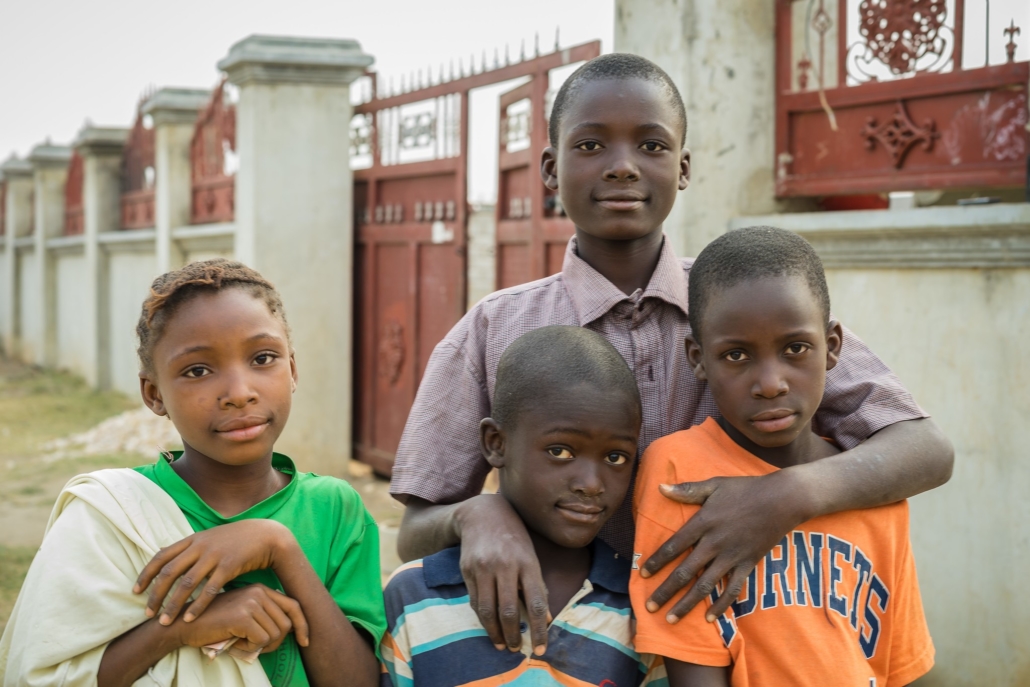
Education for Children in CambodiaAround 30% of the population in Cambodia lives below the poverty line. Poverty affects children significantly. More than 10% of children in Cambodia do not have access to education and roughly 44.8% (1.52 million) of children aged 5-14 are economically active. Organizations are working to improve access to education for children in Cambodia, especially those living in poverty.
The Prevalence of Child Labor in Cambodia

The reason child labor is so prevalent is that many Cambodian families cannot afford to send their children to school and are in desperate financial circumstances. The costs involved in sending children to school include textbooks, uniforms and transport which families cannot afford. In the rural areas of Siem Reap Province, many people live below the poverty line on less than a dollar each day. As a result, they have to choose between food or education for their children. This forces children to work instead of going to school so they can help support their families.

Lack of education along with insufficient nutrition leaves children developmentally behind. Education is a lifeline for children to rise out of poverty but some children simply cannot afford the luxury of learning.

Rebuilding School’s in Cambodia

Part of the problem is the lack of schools in Cambodia. In the rural areas, there are few schools. One can trace this back to when the Khmer Rouge took control in Cambodia in 1975. Not only did schools close but the buildings either underwent destruction or the government took them over for use.

Many Cambodian teachers and students lost their lives at this time as well because intellectuals posed a threat to the society the Khmer Rouge was trying to create. Roughly 75-90% of teachers, 96% of university students and 67% of all primary and secondary school students died in the massacre that lasted from 1975 to 1979.

Rebuilding has been an essential part of improving Cambodian children’s education, a process that continues to this day. In 2020, the Cambodia International Charity Organization, a Chinese-run NGO, constructed a two-classroom school building for Treap Primary School in a remote village. The school headmaster said the existing school building has been deteriorating, making it difficult for children to learn when it rains.

The Cambodian Children’s Fund

This nonprofit organization emerged in 2004 with the mission of “transforming the lives of the most impoverished, marginalized and neglected children in Cambodia through high-quality education, leadership training and direct support programs.” The Cambodian Children’s Fund (CCF) works on the ground directly with children who are the most affected by poverty most effects and its programs have positively impacted the education of many impoverished Cambodian children.

In 2019, 1,855 children enrolled in programs that the CCF offered. The pass rate for students taking their grade 12 exams who had involvement with the organization was 84% in comparison to the nation’s 67%. The program also saw 33 university graduates in 2019, marking a total of 84 CCF graduates who have moved on from the program as successful young adults.

Sophy’s Story

Sophy Ron is one of the many people the Cambodian Children’s Fund has helped. Sophy was 11 years old when the organization found her. She did not go to school and made a living selling items she could salvage from a landfill site. After the Cambodian Children’s Fund took her in and sponsored her, Sophy was able to pursue an education. In 2019, Sophy completed her first year of university after earning a scholarship to Trinity College at the University of Melbourne in Australia and gave the valedictorian speech for the graduating class of 2019.

While education is a key factor to help children like Sophy rise out of poverty, without the opportunities and resources available to impoverished families, education remains out of reach. Organizations like the Cambodian Children’s Fund and the Cambodia International Charity Organization make education for children in Cambodia a priority, ensuring that the cycle of poverty can break.

– Celia Brocker
Photo: Flickr

March 4, 2021
https://borgenproject.org/wp-content/uploads/borgen-project-logo.svg 0 0 Jennifer Philipp https://borgenproject.org/wp-content/uploads/borgen-project-logo.svg Jennifer Philipp2021-03-04 07:30:302021-03-04 06:26:39Improving Education for Children in Cambodia
Child Poverty, Education, Global Poverty, Sanitation

5 Facts About Child Poverty in Nigeria 

Child Poverty in Nigeria
Settled on the western coast of Africa is the country of Nigeria. Despite being Africa’s wealthiest country, Nigeria is home to nearly 83 million people living in poverty. With half the country’s population comprising of people under the age of 15, poverty in Nigeria disproportionately affects children. Extreme poverty has disturbed nearly every aspect of child development including education, nutrition, safety and hygiene. These five facts about child poverty in Nigeria offer insight into the struggles that plague children living in poverty and highlight the humanitarian efforts to come in 2021.

5 Facts About Child Poverty in Nigeria

  1. The majority of children in Nigeria live in poverty. According to the Harmonized Nigeria Living Standard Survey (HNLSS) in 2010, 70.3% of Nigerian children lived in poverty while 23.2% lived in extreme poverty. Those living in poverty live under the national poverty line. In Nigeria, the poverty line sits at just $381.75 USD. Despite living on such a small income, people living in poverty often still have access to government facilities for shelter, food and hygiene needs. Children living in extreme poverty, on the other hand, are not able to satisfy basic human needs like food, shelter and safety.
  2.  Only 26.5% of the country uses improved drinking water sources and sanitation facilities. Access to clean water, sanitation and hygiene are extremely necessary elements to life, as they directly affect one’s health and safety. Nigeria’s small amount of sanitation facilities are predominantly located in urban areas, making them accessible to a limited amount of people. Most Nigerians live in rural areas and do not have access to these government facilities. Like most poverty-related issues, this disproportionately affects children and their health. Contaminated drinking water and unsanitary living conditions are the prime contributors to the 70,000 annual deaths of children under the age of 5 due to waterborne illnesses.
  3. Nigerian children have poor access to education. Despite a national mandate for compulsory education, 10.5 million children do not receive formal schooling. Many children do not attend school because they work to support their families. Meanwhile, other children do not go to school because armed conflict has severely affected or destroyed their schools. Poor funding, lack of teachers and long commutes are among other reasons so many children do not attend school in Nigeria. Out of the 10 million mentioned, 60% of those without access to education are girls. This, unfortunately, frequently subjects young girls to child marriage, poverty and gendered roles that limit their potential as citizens.
  4. Millions are suffering from severe acute malnutrition. In 2020, UNICEF estimated that 2 million children in Nigeria suffer from severe acute malnutrition, making 32% of children under 5 stunted or severely impaired. Currently, only about two out of every 10 malnourished children receive medical treatment.
  5. Only 16% of children in rural areas have full immunizations. Routine immunization continues to be a struggle for the children of Nigeria, specifically in inaccessible rural areas. Immunization efforts have decreased significantly over the years, and unfortunately, diseases that had previously undergone eradication have returned to the country.

UNICEF’s Humanitarian Action for Children Appeal

With the COVID-19 pandemic devastating developing countries like Nigeria, the child poverty rates are only increasing. In response to this worsening crisis, UNICEF has created a comprehensive plan of humanitarian efforts in Nigeria and a list of goals for 2021.

Malnutrition and Disease

Malnutrition continues to be one of the leading causes of death for children in Nigeria. Food insecurity plagues rural regions of the country where government facilities are not accessible. To combat this crisis, by the end of 2021, UNICEF plans to admit 386,926 children under the age of 5 to UNICEF health facilities for severe acute malnutrition treatment.

Due to the worsening disease rates, UNICEF will be working with the Nigerian government to implement routine immunization efforts. These efforts will focus on rural areas as these are the regions that have the lowest percentage of vaccinations and see the least amount of service aid from the government. UNICEF projects this plan will result in 385,196 children receiving vaccinations against measles.

Sanitation

Contaminated water and unsanitary living conditions have been major contributors to child deaths in Nigeria. In 2021, UNICEF will focus on improving sanitary conditions and access to clean water in rural areas. UNICEF plans to focus these efforts on gender and disability sensitivity. In 2021, an estimated 850,000 people will receive access to clean water and sanitation facilities that are gender-specific and disability-friendly. In more rural, inaccessible areas, an additional 1.9 million people will obtain education on hygiene practices and receive hygiene tools and/or money for hygiene tools.

Education

As for education, UNICEF’s 2021 action plan accounts for access to formal or non-formal schooling for 1,345,145 children. In addition, 1,000 schools will implement infection prevention protocols and almost 700,000 children will receive individual learning materials. Education is vital to the UNICEF plan as it is the greatest resource for long-term progress and gives children the greatest chance to leave poverty later in life.

This comprehensive plan has the potential to bring essential humanitarian aid to 4.3 million people, including over 2 million Nigerian children that until now, have seen little to no aid due to the region where they live.

– Kendall Couture
Photo: Flickr

February 27, 2021
https://borgenproject.org/wp-content/uploads/borgen-project-logo.svg 0 0 Jennifer Philipp https://borgenproject.org/wp-content/uploads/borgen-project-logo.svg Jennifer Philipp2021-02-27 07:30:272021-02-23 08:52:585 Facts About Child Poverty in Nigeria 
Child Poverty, COVID-19, Global Poverty

The Effects of COVID-19 on Child Poverty in New Zealand

Child poverty in New Zealand
During the international struggle of dealing with COVID-19, New Zealand stood out as one of the few nations able to effectively and quickly minimize the virus. But the effects of COVID-19 on child poverty in New Zealand have worsened one of the country’s biggest social problems. More than 235,000 children live in poverty in New Zealand, a striking number considering New Zealand’s population of 4.8 million.

Child poverty in New Zealand is among the nation’s most dominant social issues. Tackling child poverty was a key tenant of Prime Minister Jacinda Ardern’s Labour Party Platform prior to her 2020 reelection. However, the economic fallout from the pandemic has hampered the government’s ability to deal with widespread poverty. Still, the government’s pandemic population assistance could be useful for taking on child poverty in the long term.

The Pandemic of Child Poverty

The New Zealand government defines child poverty across three measures. The first two include children living in low-income families before and after factoring in housing costs. The other encompasses children facing “material hardship.” Material hardship is a condition that a list of 17 factors in a child’s day-to-day life measures, such as owning two pairs of good shoes or having financial access to a doctor. If a child does not meet six of these items, the government considers them as living in material hardship. The government estimates that 13.4% of children in New Zealand were in material hardship in 2019 and that 20.8% of children lived in poverty after factoring in housing costs.

Even before COVID-19, the reduction of child poverty in New Zealand was challenging for the federal government. Even though Ardern and the Labour Party ran on the promise they would halve child poverty and material hardship by 2028, the percentage of children living below the poverty rate dropped by only 1.6% between 2018 and 2019. Early in 2020, UNICEF ranked New Zealand as having the 33rd worst record on child poverty out of 37 nations in the Organization for Economic Cooperation and Development (OECD).

COVID-19 Response and Alleviating Poverty

The New Zealand government’s response to COVID-19 provided a number of economic and social safety nets to those the pandemic affected, dedicating 4% of its GDP to pandemic relief. New Zealanders received a weekly relief payment until June 30, 2020. The amounts ranged from $585 a week for full-time employees and $350 a week for part-time employees. The government also introduced wage subsidy programs for employers and employees, allowing families to earn their pre-pandemic income even if they were unable to work regular hours or at their place of employment.

According to the government’s 2020 Wellbeing Budget, these relief programs kept several families from slipping into poverty throughout the pandemic. In managing the COVID-19 crisis, Jacinda Ardern’s government found effective ways to manage child poverty in New Zealand. It did this through the subsidization of wages and relief programs with the intention of protecting household economic stability. In addition to wage subsidies and relief packages, the government has worked to fight poverty during the pandemic through:

  • Doubling the “Winter Energy Payment,” a welfare program with a design of helping low-income families and pensioners pay for energy bills.
  • Introducing a rent freeze to prevent low-income or unemployed households from eviction.
  • Negotiating with major banks on deferring mortgages.

The Future of Child Poverty Response

These benefits are temporary, with the purpose of shielding New Zealanders from the economic impact of the pandemic. However, the government is incorporating economic relief into its long-term plans to tackle child poverty in New Zealand. Labour’s 2020 Manifesto, which the government’s response to the pandemic shaped, includes extensive plans to assist low-income New Zealand households and workers. This includes extensions of COVID-19 relief programs, such as wage subsidies for those seeking employment.

Child poverty in New Zealand remains a high national priority for the government and the people of New Zealand. The government’s fast response to COVID-19 mitigated what could have been a disastrous increase in child poverty. Should Jacinda Ardern’s coalition government between Labour and the Green Party continue to follow the success of its COVID-19 response, New Zealand could take major strides in tackling child poverty.

– Kieran Graulich
Photo: Flickr

February 24, 2021
https://borgenproject.org/wp-content/uploads/borgen-project-logo.svg 0 0 Kim Thelwell https://borgenproject.org/wp-content/uploads/borgen-project-logo.svg Kim Thelwell2021-02-24 06:40:002024-05-30 22:23:03The Effects of COVID-19 on Child Poverty in New Zealand
Child Poverty, Children, Developing Countries, Education, Global Poverty, Poverty Eradication

5 NGOs Improving Education in Cambodia

Improving education in CambodiaCambodia has come a long way in eliminating poverty. From 2007 to 2014, Cambodia’s poverty rate decreased by about 30% and it is now a middle-income country. However, one pressing issue that continues to trouble the country is access to education, particularly for those living in extreme poverty and rural areas. The good news is that several organizations are improving education in Cambodia by increasing access and tackling obstacles head-on.

Cambodian Children’s Fund

The Cambodian Children’s Fund (CCF) works in Phnom Penh, Cambodia’s Stung Meanchey district. Though the organization’s focus is on improving education in Cambodia, CCF starts by providing basic needs to the families living in the highly impoverished area that was once a dumping ground. This meant building suitable shelters and homes for families living in makeshift tents.

Once CCF helped provide essentials, the focus turned toward providing stable education for children, while their parents scavenged the junkyard to earn whatever income they could. Children that started in extreme poverty were now attending primary school through high school due to CCF. In 15 years, CCF provided education for more than 3000 children, and of those that started early in the program, nearly 70% were attending college.

Pour un Sourire d’Enfant (PSE)

French expatriates Christian and Marie-France des Pallières, created PSE when the couple traveled to Cambodia and noticed the number of children experiencing extreme poverty. The couple spent two decades advocating for children living in poverty in Cambodia, commuting between there and Europe.

Initially starting in Phnom Penh, PSE now has more than 6000 students benefitting from the organization’s projects throughout Cambodia, including more rural areas near Siem Reap and Sihanoukville. PSE provides everything from food to healthcare and enrolls children in state or corrective schools depending on their needs. Cambodia’s Ministry of Education has noticed success in PSE’s remedial schools. The PSE approach, now utilized by the government, will be improving education in Cambodia for 6000 children per annum.

Khmer NGO for Education (KHEN)

In 2014, KHEN changed direction from being a health education organization to highlight children’s rights. Now, KHEN is a large-scale NGO focused on improving education in Cambodia’s rural Battambang province for traditionally unprotected children, including those with disabilities, girls, minorities and children living in extreme poverty.

KHEN operates in more than 100 schools, most of which were built by the group, and serves more than 10,000 children. It has a long-term focus on education while also protecting children from human trafficking and poor health. Facing the COVID-19 pandemic, KHEN acted swiftly to modify its schools to be open-air and socially distanced, with sanitation stations. Teachers and volunteers received education on preventing the spread of COVID-19 and home-learning tactics changed as well.

Cambodian Community Dream Organization

The Cambodian Community Dream Organization (CCDO) was founded by U.S citizen, Jenni Lipa, who exclusively worked on building water wells in the rural areas around Siem Reap. Now, CCDO improves lives by providing sanitary services, health programs and extensive education systems. CCDO keeps costs low by using local and international volunteers and local paid staff.

There are three schools CCDO operates in, centered on English learning. CCDO offers a schooling experience like most developed countries, with physical education, libraries, playgrounds, arts and crafts and computer workshops. Children enrolled in the programs are particularly fond of the library. CCDO also provides early childhood education programs and gives students who excel in their classes opportunities for high school and university scholarships.

People Improvement Organization

Since 2002, the People Improvement Organization (PIO) has operated in poverty-stricken areas of Phnom Penh. Phymean Noun, a native Cambodian, believed the children scrounging through junk piles to make a living deserved a chance to achieve their dreams. The decision she made was to improve education in Cambodia in order to end child poverty.

PIO believes in providing high-quality education to all children in need. All students attend PIO schools voluntarily, but PIO provides clothes, food, clean water, full social care and health services. Many children who scavenged through junkyards to survive have been pulled out of poverty and are now attending PIO high schools and even university.

NGOs have helped reduce child poverty in Cambodia through better access and improvements in education. The low costs in Cambodia allow new organizations to form rapidly and successfully. Through similar philanthropic efforts toward improving education in Cambodia, child poverty can be successfully combated.

– Zachary Kunze
Photo: Flickr

February 10, 2021
https://borgenproject.org/wp-content/uploads/borgen-project-logo.svg 0 0 Kim Thelwell https://borgenproject.org/wp-content/uploads/borgen-project-logo.svg Kim Thelwell2021-02-10 07:30:502021-02-08 06:54:505 NGOs Improving Education in Cambodia
Page 8 of 15«‹678910›»

Get Smarter

  • Global Poverty 101
  • Global Poverty… The Good News
  • Global Poverty & U.S. Jobs
  • Global Poverty and National Security
  • Innovative Solutions to Poverty
  • Global Poverty & Aid FAQ’s
Search Search

Take Action

  • Call Congress
  • Email Congress
  • Donate
  • 30 Ways to Help
  • Volunteer Ops
  • Internships
  • Courses & Certificates
  • The Podcast
Borgen Project

“The Borgen Project is an incredible nonprofit organization that is addressing poverty and hunger and working towards ending them.”

-The Huffington Post

Inside The Borgen Project

  • Contact
  • About
  • Financials
  • President
  • Board of Directors
  • Board of Advisors

International Links

  • UK Email Parliament
  • UK Donate
  • Canada Email Parliament

Get Smarter

  • Global Poverty 101
  • Global Poverty… The Good News
  • Global Poverty & U.S. Jobs
  • Global Poverty and National Security
  • Innovative Solutions to Poverty
  • Global Poverty & Aid FAQ’s

Ways to Help

  • Call Congress
  • Email Congress
  • Donate
  • 30 Ways to Help
  • Volunteer Ops
  • Internships
  • Courses & Certificates
  • The Podcast
Scroll to top Scroll to top Scroll to top