• Link to X
  • Link to Facebook
  • Link to Instagram
  • Link to TikTok
  • Link to Youtube
  • About
    • About Us
      • President
      • Board of Directors
      • Board of Advisors
      • Financials
      • Our Methodology
      • Success Tracker
      • Contact
  • Act Now
    • 30 Ways to Help
      • Email Congress
      • Call Congress
      • Volunteer
      • Courses & Certificates
      • Be a Donor
    • Internships
      • In-Office Internships
      • Remote Internships
    • Legislation
      • Politics 101
  • The Blog
  • The Podcast
  • Magazine
  • Donate
  • Click to open the search input field Click to open the search input field Search
  • Menu Menu

Archive for category: Child Poverty

Child Poverty, Children, Economy, Global Poverty

Poverty in the UK Fought Through Film

The United Kingdom is known for being a popular city for tourists with sites, such as Big Ben, the London Eye and Buckingham Palace. However, what may not be as well-known is the fact that the UK struggles with a significant class difference. It has an ever-widening gap between the poor and the affluent, which leads to high rates of poverty in the UK, specifically for children.

Child Poverty

Child poverty is one of the most notable effects of overall poverty in the UK. This poverty crisis struck Britain hard in 1999. Its child poverty proportion became the highest out of all of the western European countries.

In 2016-17, poverty impacted nearly 30% of children — 4.1 million — in the UK. In the following year — 2018-19, the number of children in poverty in the UK increased by 100,000. The trend is on an upward spike rather than its 2003 downward rate when child poverty was made a priority. Poverty in the UK needs to be addressed, especially among the youth. It leads to increased hardships in life from education to mental and physical health to employment and so much more.

Use of the Film Industry

Films produce major results in ending poverty. The film industry has positively impacted poverty in the UK in many ways. For one, the film industry creates many job opportunities. In 2009, the core UK film industry created or impacted nearly 100,000 jobs relating to film production, sales and tourism. Furthermore, portrayals of the UK in films contribute heavily to tourism and yearly account for about £1.9 billion. That brings the total UK film industry contribution in 2009 to raising the GDP by more than £4.5 billion.

The improved economy can be a promising solution for aiding the UK’s children out of poverty. The country can use the funds to help out the struggling citizens, focusing specifically on the poor. In this way, films pose as a promising solution for poverty aid in other countries as well.

“Poor Kids”

The amount of money and the impact the film industry has on the UK is astounding and a promising solution for poverty. However, the impact one film made for children in poverty is even more remarkable.

The film, “Poor Kids,” has made great strides toward improving the lives of impoverished UK children. The film illustrates the living situations of three families in poverty through the lens of the children. Courtney (age 8), Paige (age 10) and Sam (age 11) give detailed and heart-wrenching accounts of their experiences growing up in poverty. The film received much acclaim. It was a Broadcast Best Documentary Nominee, a Learning on Screen Nominee, a Televisual Bulldog Best Documentary Nominee and received the Chicago Film Festival Gold Plaque for Social and Political Documentary in 2012.

Films awards aside, “Poor Kids” sparked change in the community. Make Lunch is a program that began after Poor Kids debuted as a direct result of the film. The program contributes free meals to children during the times when school is not in session and when children could potentially go for a long period without food. In the summer of 2012, as many as 13 lunch kitchens were providing the free lunches.

And That’s A Wrap

The effects of poverty in the UK are prevalent, notably in the large number of impoverished children. The worsening situation provides a sense of sorrow to the country, but a solution presents itself. Films not only contribute to the wealth of a country, but they provide jobs as well. Both of these aspects could be potential resources to utilize when fighting poverty.

Additionally, films bring about emotion, and that creates change. The inspiration that “Poor Kids” ignited contributed to a charity that helps the children in poverty. With results, such as the Make Lunch program, films can yield great benefits for poverty in the UK and the world.

– Hailee Shores
Photo: Flickr

December 20, 2020
https://borgenproject.org/wp-content/uploads/borgen-project-logo.svg 0 0 Kim Thelwell https://borgenproject.org/wp-content/uploads/borgen-project-logo.svg Kim Thelwell2020-12-20 07:30:042024-05-30 07:53:11Poverty in the UK Fought Through Film
Child Poverty, Global Poverty

Aberdeenshire Addresses Child Poverty Problems

Aberdeenshire Addresses Child Poverty Problems

On September 8, 2020, Aberdeenshire City Council addressed their growing child poverty problem and created a plan of action.

About Aberdeenshire

Aberdeenshire sits on the northeast coast of Scotland, with a population of 458,000.  Known for being the home of Marischal College, the city is located approximately 120 miles north of the nation’s capital, Edinburgh. Aberdeenshire is Europe’s oil capital, supplying most of its population with work in the oil and gas sectors. Aberdeenshire is also called Aberdeen, due to its city being part of the historic country. However, Aberdeen holds a different independent council area that is within Aberdeenshire’s council.

Child Poverty in Aberdeenshire

In February 2020, the Aberdeenshire council announced that approximately 8,000 children were living in poverty. This rising number directly correlates to the rising number of COVID-19 cases in the city and around the world. Aberdeenshire Council’s communities committee announced the citizens’ universal credit claims have risen to 75% since the pandemic started. This issue is not unfamiliar to this region, as more than 4 million children live in poverty in the United Kingdom alone.

Due to the closing of many businesses, there has also been a reduction in job availability and employment opportunities because of the limited number of vacant positions. Since the beginning of the pandemic, unemployment in Aberdeenshire has increased from 12.9% to 14%. The lack of job opportunities and the number of credit scores rising all contribute to Aberdeenshire’s citizens being unable to afford the increasingly higher costs of living.

Unaffordable living is a leading cause of child poverty. Instability in their housing often causes children to move schools and thus inhibit their continuous education. Children with unstable living conditions are far more likely not to finish their education and therefore have no way to escape poverty. In 2016, an Urban Wire Institution research project found that increasing household stability could reduce child poverty by almost 21%. The Aberdeenshire City Council addressed these numbers in a meeting on February 11th.

During the meeting, the Committee also mentioned that child poverty numbers were much higher in Aberdeenshire than in soundings cities. There are around 1,239 children living in poverty in Kincardine and Mearns since the virus, which is a vast difference from Aberdeenshire. Evidence suggests that these numbers are not getting any smaller. Scotland’s Poverty and Inequality Commission and Children’s Commissioner warned that child poverty rates could potentially “rocket.”

Action by the Council

The vast differences in child poverty encouraged councillors to take action to reduce the Aberdeenshire child poverty problem. On September 8, the council made the first concrete steps to create a child poverty reduction plan. In addition, the elected members decided to focus on the root cause of child poverty to address the problem on a more fundamental level. This plan creates and finds affordable living situations for Aberdeenshire citizens, therefore attempting to solve the issue of childhood instability and in turn promote an education that enables children to escape poverty. The city plans on combatting child poverty by helping its citizens make the most of their income and build people’s capabilities. While this could be difficult due to the ongoing pandemic, Aberdeenshire plans to boost employability and promote better choices for its residents.

Anne Stirling, Aberdeenshire Committee Chairwoman, said she’s happy to finally create programs that will “help people to maximize their income and get the support they require in terms of retraining.”

– Mackenzie Reese
Photo: Flickr

December 14, 2020
https://borgenproject.org/wp-content/uploads/borgen-project-logo.svg 0 0 Kim Thelwell https://borgenproject.org/wp-content/uploads/borgen-project-logo.svg Kim Thelwell2020-12-14 07:30:502020-12-10 10:05:00Aberdeenshire Addresses Child Poverty Problems
Child Marriage, Child Poverty, Children, Global Poverty, Inequality

Poverty in Panama Affects Rural Areas and Children

Poverty in Panama
Panama — the narrow bridge of land that connects North and South America. The tropical country is renowned for its natural beauty and diverse plant, animal and birdlife. Yet, all that glitters is not gold. Panama’s economy is highly unequal and there is a wide gap between the wealthy and the impoverished. Poverty in Panama is as much of a prominent feature of the country as its landscape.

Rural Poverty

Ethnicity and geographic location determine one’s poverty level in Panama. Panamanians who live in rural areas do not have adequate access to resources, such as hospitals and schools. This is a result of the lack of infrastructure as well as few professional doctors and teachers or mentors in rural areas.

Panama is the second-worst in income distribution in Latin America, which leads to sector-specific poverty. Unpaved roads in the country make travel especially difficult for farmers. Accordingly, farmers do not end up selling their crops in big cities where they can earn a larger income. Thus begins a chain of poverty in Panama that materializes as poor hygiene and sanitation, child labor, malnutrition, and eventually, another generation living a poor quality of life.

Child Poverty

About 27.7% of Panamanian children live in poverty and 12% experience malnutrition. Failure to register children at birth causes many to go without citizenship. Thus, the government is uncertain of the nation’s exact child population and cannot justly allocate money to the “nonexistent.”

Around 15% of children are victims of early marriages. The legal age to marry in Panama is 16 for boys and 14 for girls. However, most of these children are not registered with the government, so parents marry children off at ages as young as 10, mostly to escape the circumstances of poverty.

The minimum age for working in Panama is 15. Even with this being the case, 5-year-old children often work carrying bricks on construction sites. Several underage workers, or child laborers, even appear in big cities like Panama City and Tocumen. To earn a few dollars more, families force their children to work. However, this comes at the cost of children losing education and facing exploitation.

The Rays of Light

Panama is taking steps to fight poverty. From 2015 to 2017, poverty in Panama declined from 15.4% to 14.1%. In the same time span, extreme poverty decreased from 6.7% to 6.6%. Additionally, multiple NGOs are working to address poverty and other prominent issues in Panama.

The Calicanto Foundation, established in 1994 in Panama, aims to empower Panamanians living in poverty. The organization runs a “personal and professional/vocational training program for women who live in marginalized communities with high levels of poverty.” At the end of the program, participants receive a certificate for employment in the hospitality sector. These skills empower women to achieve economic sufficiency to support their families and break cycles of poverty.

The country, with aid of NGOs and the government, has the potential to bridge the income inequality gap and establish an equitable society for all, regardless of class, region or ethnicity. Panama can be as bright and colorful as its beaches for not only the urbanites but also the rural citizens.

– Riddhi Bhattacharya
Photo: Flickr

December 13, 2020
https://borgenproject.org/wp-content/uploads/borgen-project-logo.svg 0 0 Jennifer Philipp https://borgenproject.org/wp-content/uploads/borgen-project-logo.svg Jennifer Philipp2020-12-13 01:30:132022-05-12 13:24:44Poverty in Panama Affects Rural Areas and Children
Child Poverty, Global Poverty

Kick for Trade: Teaching Life Skills Through Football in Developing Countries

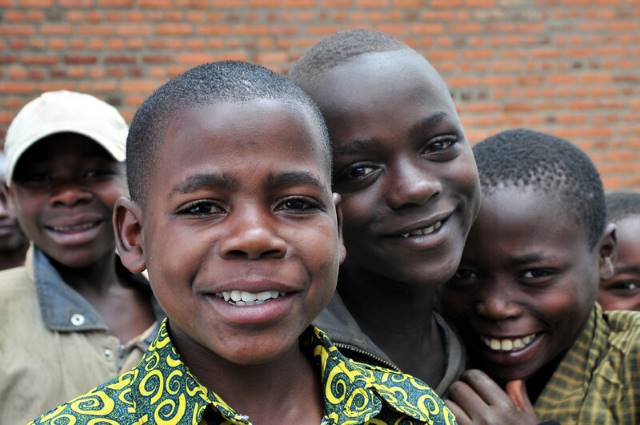
Kick for Trade, Teaching Life Skills with Football in Developing CountriesThe International Trade Center and UEFA Foundation for Children have partnered up to teach children entrepreneurial skills through football in developing countries. This initiative came about through a need for children in poverty to overcome external hiring factors, such as skills mismatch or a lack of financing. Worldwide, 59 million teens and children face unemployment and almost 136 million are employed yet still living in poverty. Football is an ideal conduit to address these issues because it is increasingly recognized as a sport for community development and addressing social issues. This program, Kick for Trade, uses the sport to teach life skills in developing countries, including Angola, Cameroon, the Democratic Republic of Congo and Uganda.
Kick for Trade

The Kick for Trade curriculum was unveiled in August 2020 at UEFA headquarters to honor International Youth Day. The program had initial pilot projects in Gambia and Guinea in 2019, and after its success, Kick for Trade planned additional projects to take place in Angola, Cameroon, the Democratic Republic of Congo and Uganda. Unfortunately, COVID-19 derailed Kick for Trade’s plans in these countries. However, countries can expect the program to take off as soon as it is safe to do so.

Once implemented, the program will feature trained life-skills coaches who will teach 11 sessions each on youth employability and entrepreneurship. The goal of the program is to teach skills like leadership and teamwork to children through football in developing countries. Specifically, the life skills of problem-solving, creative thinking, communication, interpersonal skills, empathy and resilience. The lessons require minimal equipment, making the program accessible for any child who would like to learn life skills in order to become more employable.

Kick for Trade’s Projects in Developing Countries

Kick for Trade is expected to teach 1,500 children employment skills throughout the selected countries. UEFA has helped 1 million children worldwide through its various programs since its creation five years ago. These programs span 100 countries, reaching all five continents. The specific Kick for Trade programs in developing countries will highlight different targets depending on the country.

  • Uganda. Kick for Trade chose Uganda for the gender equality project, which uses football in developing countries to reduce women’s poverty and improve education for girls. More than 75% of Uganda’s population is younger than the age of 30 and the youth unemployment rate is 13.3%. This program is an effort to close the gender gap to decrease unemployment levels for youth.
  • Angola. Angola was chosen for UEFA’s project on health improvement and crime prevention for at-risk children. Communicable diseases account for 50% of deaths in Angola. Teaching children proper health techniques is an effort to lower this statistic.
  • Cameroon. The UEFA saw that Cameroon could benefit from its ethnic integration project. This project focuses on using football in rural areas to promote peace. Since 2016, Cameroon has experienced protests and violence as a result of the division between the Anglophones and the Francophones. Encouraging peace between children will hopefully help to end this violence.
  • The DRC. The Democratic Republic of the Congo will be home to Kick for Trade’s project that aids children living on the streets. This project aims to intervene as early as possible to provide homeless children with the assistance they need. In the capital city of Kinshasa, almost 30,000 children younger than 18 are homeless. Law enforcement officials often recruit homeless children to disrupt political protests, increasing the susceptibility of children to injury or death. Adults and older children also often take advantage of these young homeless children. This program works to take vulnerable children off the streets and provide them with a safe place to live, improving their quality of life and future prospects.

These programs will roll out once it becomes safe enough to do so amid the COVID-19 pandemic. Hopefully, these programs will continue to positively benefit children looking for employment in developing countries.

– Rae Brozovich
Photo: Flickr

December 12, 2020
https://borgenproject.org/wp-content/uploads/borgen-project-logo.svg 0 0 Kim Thelwell https://borgenproject.org/wp-content/uploads/borgen-project-logo.svg Kim Thelwell2020-12-12 07:30:412022-03-31 07:07:19Kick for Trade: Teaching Life Skills Through Football in Developing Countries
Child Poverty, Children, Developing Countries, Global Poverty

Alleviating Child Poverty in Rwanda

Child Poverty in RwandaRwanda, an East African country, has a population of about 12.3 million. Around 45% of the country’s population, roughly 5.4 million, are under the age of 18. The rate of poverty has decreased from 59% to 40% since 2000. Additionally, the rate of extreme poverty was reduced to 16% from 40%. While the country achieved its Millennium Development Goals, child poverty in Rwanda continues to be a significant issue faced by the population. Therefore, Rwanda aims to end child poverty with one of its Sustainable Development Goals (SDGs) targets focusing on reducing the number of impoverished children by half by 2030.

The Effects of Child Poverty in Rwanda

The rate of impoverished Rwandan children ages 0 to 17 is 39%. Children disproportionately undergo the struggles of poverty and it significantly impacts their well-being since they lack basic needs. Impoverished families in Rwanda, especially in rural areas, experience high rates of mortality among children under the age of 5. About 50 children out of 1,000 births in the country do not live past the age of 5 years old..

Impoverished children also struggle greatly with malnutrition. As a result, many children face low birth weight and infections. Malnutrition creates lasting effects on children, specifically in terms of cognitive development and physical growth. Furthermore, Rwandan children struggle with the impact of poor sanitation. A clean and safe source of water within 500 meters of a house is only accessible to 47% of Rwandan households. Additionally, 64% of households own a latrine. Lack of access to quality sanitation and water sources contributes to 38% of Rwandan children being stunted.

Child Poverty in Rural and Urban Areas

In terms of deprivation of sanitation, water, housing, education and health due to poverty, there is a gap between children living in rural areas and children residing in urban areas. Moreover, 83.5% of the rural population in Rwanda consists of children. In urban areas, 38% of children ages 0 to 23 months undergo multiple deprivations as opposed to 61% of children in rural areas. Additionally, in urban areas, 22% of children ages 15 to 17 are considered “multidimensionally poor” with a deprivation rate of 16% among children ages 5 to 14. On the other hand, in rural areas, the deprivation rate of children ages 5 to 14 is 32% and 50% of children ages 15 to 17 are “multidimensionally poor”.

Government Solutions

The Rwandan Government has worked toward further developing its Vision Umurenge Social Protection (VUP) program by including child-sensitive social protection. In 2011, the government passed Law N.54 to protect children’s rights but there is inequality in the law’s implementation, which prevents children from receiving its full benefits.

While Rwanda has witnessed a recent decrease in child poverty, through a Multiple Overlapping Deprivation Analysis (MODA), UNICEF provides recommendations to further efforts to eradicate poverty among children. UNICEF suggests increasing the support provided by the Rwandan Government’s social protection program, VUP, to give children greater access to social services and to decrease the number of deprivations due to poverty. Furthermore, UNICEF recommends that the social protection program considers overlapping deprivations when providing services. UNICEF also emphasizes the importance of prioritizing the most vulnerable groups of children, especially those living in rural areas and children ages 0 to 23 months.

– Zoë Nichols
Photo: Flickr

December 11, 2020
https://borgenproject.org/wp-content/uploads/borgen-project-logo.svg 0 0 Kim Thelwell https://borgenproject.org/wp-content/uploads/borgen-project-logo.svg Kim Thelwell2020-12-11 02:29:432024-05-30 07:52:19Alleviating Child Poverty in Rwanda
Child Poverty, Children, Global Poverty

Child Poverty in the United Kingdom

Child Poverty in the United KingdomWith the sixth-largest economy in the world, the United Kingdom has vast financial resources. Despite its economic strength, however, child poverty in the United Kingdom is a severe and growing problem.

Child Poverty in the UK

More than four million children live in child poverty in the United Kingdom, which accounts for nearly a third of children in the U.K. A child is considered to be in poverty when they live with a family whose income is less than 60% of the United Kingdom’s national average. For such a wealthy country, this is a staggering statistic.

Child poverty is becoming even more problematic. The rates of child poverty in the United Kingdom are expected to rise from four million to five million in 2020. There are a variety of reasons for the increase in poverty. Some of these include rises in living costs with lower labor wages, leaving parents having to choose between essential goods and services and feeding their children.

Does Employment Solve Poverty?

Poverty affects children, even when their parents are employed. Two out of three children living in poverty have a parent who is employed. A recent report highlighted the government’s role in child poverty, noting its increased cutting of social services since 2010. By enforcing work as a solution to poverty, the government essentially dismantled much of the social support systems upon which many citizens rely. Despite record levels of employment, one-fifth of people are in poverty, showing the limiting effects of work on decreasing poverty.

Child Poverty and Minorities

The impacts of child poverty in the United Kingdom are widespread and affect minority groups the most. Children who face poverty are more likely to struggle in academic environments, impacting their ability to find employment later in life, leading to lower wages, an increased likelihood of imprisonment for men and becoming a single parent for women. Children from minority groups, mainly Pakistani and Bangladeshi, are most likely to suffer from child poverty in the United Kingdom.

Buttle UK

There are charitable organizations addressing child poverty in the United Kingdom. While the government has cut social services funding, Buttle UK, a charitable organization, provides funds for desperate families who need to buy necessary household items. Of the 10,000 families it helped in 2017, over 3,000 of them used the money to buy beds for their children. Buttle UK estimates that hundreds of thousands of children could be without their own bed in what it calls “bed poverty.” Although the government has cut social services funding, fortunately, organizations like Buttle UK have helped thousands of families and their children every year.

The United Kingdom has many governmental and financial resources with its economic fortitude; however, the cutting of social services has been problematic for many families struggling with a lack of resources. Consequently, millions of children live in poverty, even when their parents are working and trying to provide for them. Fortunately, charities like Buttle UK are addressing some of the difficulties that children face in dire circumstances. Hopefully, with more awareness and support for social services, child poverty in the United Kingdom will soon subside.

– Eliza Cochran
Photo: Flickr

December 7, 2020
https://borgenproject.org/wp-content/uploads/borgen-project-logo.svg 0 0 Kim Thelwell https://borgenproject.org/wp-content/uploads/borgen-project-logo.svg Kim Thelwell2020-12-07 08:01:232024-05-30 07:52:58Child Poverty in the United Kingdom
Child Poverty, Global Poverty, Human Rights, Refugees, Refugees and Displaced Persons, Women and Children

How Militarism Drives Child Poverty in Eritrea

Child Poverty in Eritrea
Militarism and instability are endemic to Eritrea. The degradation of civil society is a result of those two factors. Child poverty in Eritrea is rampant due to such foundations; however, the country is not without benefactors. UNICEF’s aid efforts are improving children’s health within Eritrea despite the current conditions.

A Brief History

Eritrea is one of the few countries that one can truly consider a fledgling state in the 21st century. After a decades-long secession war, the Eritrean government achieved full independence from Ethiopia in 1993. They solidified the totalitarian one-party dictatorship that has retained power since. A brief period of peace followed, during which promised democratic elections never materialized. Then, Eritrea’s unresolved border disputes with Ethiopia escalated into a war that lasted from 1998 to 2000. It killed tens of thousands and resulted in several minor border changes and only formally ended in 2018. In the wake of this war, the Eritrean government has sustained a track record of militarization, corruption and human rights violations that has continually degraded civil stability. As of 2004, around 50% of Eritreans live below the poverty line.

Eritrea’s Youth at a Glance

Housing around 6 million people, Eritrea’s youth make up a significant proportion of its population. Eritrea has the 35th highest total fertility rate globally, with a mean of 3.73 children born per woman. It also has the 42nd lowest life expectancy at birth at a mere 66.2 years, with significant variation between that of males (63.6 years) and females (68.8 years).

Forced Conscriptions of Children

Under the guise of national security against Ethiopia, Eritrea has maintained a system of universal, compulsory conscription since 2003. This policy requires all high school students to complete their final year of high school at Sawa, the country’s primary military training center. Many are 16 or 17 years of age when their conscription begins, which led the U.N. Commission of Inquiry to accuse Eritrea of mobilizing child soldiers.

The Human Rights Watch’s (HRW) report also blamed Eritrea’s conscription practices for a number of grievances. Its prolonged militarization has wide-reaching effects on the country. Many adults end up in service against their will for up to a decade, but it is particularly damaging to Eritrean youth. Students at Sawa face food shortages, forced labor and harsh punishment. Many female students have reportedly suffered sexual abuse. Besides fleeing, “Many girls and young women opt for early marriage and motherhood as a means of evading Sawa and conscription.”

Further, “The system of conscription has driven thousands of young Eritreans each year into exile,” HRW claimed. HRW estimated that around 507,300 Eritreans live elsewhere. Because of its conscription practices, Eritrea is both a top producer of refugees and unaccompanied refugee children in Europe, resulting in child poverty in Eritrea as well as other regions.

Education Access

HRW claims that Eritrea’s education system plays a central role in its high levels of militarization. It leads many students to drop out, intentionally fail classes or flee the country. This has severely undermined education access and inflated child poverty in Eritrea.

Eritrea currently has the lowest school life expectancy – “the total number of years of schooling (primary to tertiary) that a child can expect to receive” – of any country. Eritrea has reportedly made strides to raise enrollment over the last 20 years. However, 27.2% of school-aged children still do not receive schooling, and the country retains a literacy rate of only 76.6%. Illiteracy is much more prevalent among females than among males, with respective literacy rates of 68.9% and 84.4%. In general, girls and children in nomadic populations are the least likely to receive schooling.

Refugees and Asylum-Seekers

As mentioned earlier, more than half a million Eritreans have fled the country as refugees. Around one-third of them – about 170,000, according to the World Health Organization (WHO) – now live in Ethiopia. A majority reside in six different refugee camps. As of 2019, around 6,000 more cross the border each month. Reporting by the UNHCR shows that “children account for 44% of the total refugee population residing in the [Eritrean] Camps, of whom 27% arrive unaccompanied or separated from their families.” Far from being ameliorated by domestic education programs, child poverty in Eritrea is merely being outsourced to its neighbors.

Children’s Health as a Site for Progress

Adjacent to these issues, UNICEF’s programs have driven significant improvements in sanitation, malnutrition and medical access. Its Health and Nutrition programs, among other things, address malnutrition by administering supplements, preventing maternal transmission of HIV/AIDS during birth and administering vaccines. Teams in other departments improve sanitation and lobby against practices like child marriage and female genital mutilation.

In its 2015 Humanitarian Action for Children report on Eritrea, UNICEF wrote that Eritrea “has made spectacular progress on half the [Millennium Development Goals],” including “Goal 4 (child mortality), Goal 5 (maternal mortality), Goal 6 (HIV/AIDs, malaria and other diseases) and is on track to meet the target for access to safe drinking water (Goal 7).”

Figures illustrate this progress in child poverty in Eritrea. Since 1991, child immunization rates have jumped from 14% to 98%, safe water access rates are up at 60% from 7%, iodine deficiency has plummeted from 80% to 20% in children and the under-five mortality rate sits at 63 deaths per 1000 births, rather than at 148.

Child poverty in Eritrea is a far cry from reaching a resolution, but it is not a lost cause.

– Skye Jacobs
Photo: Flickr

December 3, 2020
https://borgenproject.org/wp-content/uploads/borgen-project-logo.svg 0 0 Lynsey Alexander https://borgenproject.org/wp-content/uploads/borgen-project-logo.svg Lynsey Alexander2020-12-03 01:30:332024-05-30 07:55:44How Militarism Drives Child Poverty in Eritrea
Child Poverty, Education, Global Poverty

Eliminating Child Poverty in Nicaragua

Child Poverty in Nicaragua
Nicaragua is among one of the poorest nations in the Western Hemisphere. In fact, child poverty in Nicaragua impacts one out of two children. Nicaragua’s population is young; out of 6 million people, 2 million are school-age children. To tackle the issue of child poverty, the Nicaraguan government has promised to create more access to education, sanitation and food security.

Nicaragua has a long history of chronic poverty. For much of the 20th century, the country was under a dictatorship. A revolution beginning in the late 1970s further decimated the well-being of many throughout the 1980s. The revolution ended with thousands dead and a need for Nicaragua to rebuild itself.

Child Poverty in Nicaragua

Child poverty in Nicaragua remains a critical issue. According to UNICEF, 50% of Nicaraguan children live in poverty, with 19% of them in extreme poverty. Furthermore, child poverty is much more prevalent on the Atlantic coast of the country. About 58% of children on the Atlantic coast had completed six years of primary education as opposed to 72% for the country as a whole. Moreover, 500,000 Nicaraguan children do not attend school at all, mainly because of the cost of education and the need to support their families.

When families need financial support, many children and adolescents have no choice but to enter the workforce. An estimated 250,000 to 320,000 Nicaraguans are child laborers. Some children work in sugar cane fields and mines, creating a dangerous work environment for them. In addition to child labor, human trafficking is a growing issue impacting young girls.

Preventing Child Labor

To curtail child poverty, the Nicaraguan government has signed agreements to make sure companies do not hire child workers. In 2019, the Nicaraguan government and private employers have signed 6,129 cooperative agreements that prevent the hiring of child laborers. The U.S. Department of Labor has found that the Nicaraguan government has done little to actually reduce young children in the workforce. However, the international community has been pressuring the country to be more aggressive in diminishing child labor.

Improving Education

An area of increased government involvement is educational spending. Accepting the help of supranational organizations, such as The World Bank, the country has invested in education. The Alliance for Education Quality Project for Nicaragua has helped fund the training of primary school teachers and the construction of forty schools. More than 1,250 teachers received mentoring and more than 9,000 pre-school teachers obtained training. Additionally, the project supplied materials and equipment for the staff and students. Construction of most of the schools occurred in rural areas, improving these communities’ access to education.

Reducing the Infant Mortality Rate

The infant mortality rate is high, with child poverty in Nicaragua being the culprit. According to UNICEF, 74% of Nicaraguans use standard sanitation services and 52% have access to clean drinking water. Furthermore, 40% of children under 5 are malnourished. The Nicaraguan government and The World Bank have created strategies to tackle these issues. The Sustainable Rural Water Supply and Sanitation (WSS) Sector Project (PROSASR), provided rural communities with adequate infrastructure for sanitation. Furthermore, access to food and clean drinking water has also seen improvements. The Nicaraguan Caribbean Coast Food Security Project has invested in agricultural and fishery techniques for farmers and improved socio-environmental practices. Impacting mostly rural communities, food security increased with 33% of beneficiaries being the youth.

Political and economic instability, stemming from the civil war, has created chronic child poverty in Nicaragua. Nonetheless, Nicaragua has implemented changes, with the help of the World Bank, to decrease the child poverty rate.

– Andy Calderon
Photo: Unsplash

November 29, 2020
https://borgenproject.org/wp-content/uploads/borgen-project-logo.svg 0 0 Jennifer Philipp https://borgenproject.org/wp-content/uploads/borgen-project-logo.svg Jennifer Philipp2020-11-29 01:30:062022-05-10 20:16:07Eliminating Child Poverty in Nicaragua
Child Poverty, Children, Education, Global Poverty

The State of Child Poverty in Zimbabwe

Child Poverty in ZimbabweZimbabwe has high poverty rates with more than half of the country’s population estimated to be living in abject poverty. Child poverty is prevalent in the country as children account for 48% of the population. There are notable efforts occurring to address the issue of child poverty in Zimbabwe.

A History of Poverty

Zimbabwe, once known as Rhodesia, attained independence from British rule in 1980. Following the country’s independence was intense political warfare stemming from tensions between the then newly instated president, Robert Mugabe. This period resulted in the deaths of more than 20,000 Zimbabweans. These tensions would continue in Zimbabwe for the next two decades. Multiple uprisings occurred throughout the 1990s and early to mid-2000s, with citizens protesting a litany of issues, including increased food prices, land ownership and financial plight. Economic turmoil has steadily increased since the country’s independence in 1980. The country broke records with one of the highest rates of hyperinflation in 2008, peaking at 98%. Zimbabwe has had intermittent financial rebounds since this time, however, the country has continued to struggle with stabilizing its economy.

State of Affairs in Zimbabwe

Agriculture plays a prominent role in Zimbabwe’s economy. According to the FAO, 60%-70% of the country’s population depends on agricultural-related affairs for employment. The industrial sector relies on agriculture heavily, providing 60% of raw materials. Agriculture also accounts for 40% of export earnings and makes up 17% of the country’s GDP. Droughts have threatened the livelihoods of many Zimbabweans. The country is currently experiencing the most severe droughts in its history. A significant proportion of the population that is dependent upon farming and agriculture for both income and food is in jeopardy. Food shortages have become a prevalent issue in Zimbabwe with children experiencing adverse impacts.

UNICEF reported that 4.8 million Zimbabwean children live in poverty and 1.6 million children live in extreme poverty. The most prevalent issues for impoverished children in Zimbabwe include malnutrition, education, sanitation and access to potable water. The FAO reported that less than 10% of Zimbabwean children between 6-24 months of age consume a minimally acceptable diet.

UNICEF Addresses Child Poverty

UNICEF has made several efforts to address child poverty in Zimbabwe. A few noteworthy efforts by UNICEF include providing 6,740 mothers with infant and young child feeding counseling as well as supplying more than 700,000 children with vitamin A in 2016.

UNICEF partnered with U.N. Women and the UNFPA in 2016 and the organizations in cooperation with the Zimbabwean Government were able to successfully support the development of the National Action Plan and the Communication Plan to End Child Marriages. UNICEF has also supported grassroots efforts in Zimbabwe. One of these was the development of the National Case Management System (NCMS) which provides child protection services, referrals and HIV care and treatment to vulnerable populations throughout Zimbabwe.

The NCMS provided nearly 24,000 Zimbabwean children with legal support in 2016. UNICEF also showed its support for the multi-sectoral system that accompanied the National Case Management System. This multi-sectoral system employs officers specifically tasked with providing support for children who have been victims of physical and sexual abuse. These efforts are major milestones that have contributed to improving the state of child poverty in Zimbabwe.

The Future of Child Poverty in Zimbabwe

Zimbabwe has had extensive turmoil in its history and tremendous economic turbulence. However, there still remains potential for growth and development. With the assistance of organizations, child poverty in Zimbabwe can reduce.

– Imani Smikle
Photo: Flickr

November 27, 2020
https://borgenproject.org/wp-content/uploads/borgen-project-logo.svg 0 0 Kim Thelwell https://borgenproject.org/wp-content/uploads/borgen-project-logo.svg Kim Thelwell2020-11-27 01:30:522022-04-12 10:00:06The State of Child Poverty in Zimbabwe
Child Poverty, Global Poverty

The Fight Against Child Poverty in Guatemala

Child Poverty in Guatemala
Guatemala, with an ever-growing population of almost 18 million, is the most populous country in all of Central America. After 36 years of civil war, the country struggles to rebuild and combat poverty. Poverty is a prevalent and persistent issue in the land of the Maya. Unfortunately, Guatemala ranks in the top 50 poorest countries in the world with 56% of the population living below the poverty line. By and large, this disproportionately affects Guatemalan children, and specifically native children of the Maya, Garifuna and Xinca. Combined, these Native groups comprise over half of the entire population. Thus, aboriginal kids are the primary victims of extreme Guatemalan child poverty. Furthermore, it is important to understand what contributes to this cycle of child poverty in Guatemala, its effects and what the global community is doing to eradicate it.

Facts About Guatemalan Child Poverty

The consequences of child poverty in Guatemala are heavy. The cycle of poverty begins when a child is born and statistically follows them into adulthood. These facts demonstrate the effects of child poverty in Guatemala:

  • About 28% of Guatemalan children do not attend school and must work to help contribute to their family’s income. As a result, Guatemala has one of the highest child labor rates in the Americas.
  • Due to such scarcity in resources and money, almost one-half of young Guatemalan children are continuously undernourished.
  • Girls are especially vulnerable to the cycle of poverty due to their familial situations. This stems from child marriage and the overwhelming growth of families. Thus, the larger the family, the harder the struggle to stay above the poverty line.

With these facts in mind, it is important to note that many global forces are working to end Guatemalan child poverty and impoverishment as a whole in the country.

How to Help End Guatemalan Child Poverty

There are many ways to end child poverty in Guatemala. One of these is education. In fact, a study by the World Bank stated that “education plays a crucial role in combatting chronic poverty and preventing transmission of deprivation between generations.” Intervening in education is not only a vital need for individual children but also for their families and society at large. A leader in the fight against child poverty in Guatemala is Save the Children.

Save the Children

Since 1999, Save the Children has been a leading charity organization in Guatemala. The organization works to aid poor, indigenous families living in rural areas of the country by providing education, protection and peace-building programs.

The organization’s Literacy, Education and Nutrition for Sustainability (LENS) program provides the following:

  • Encourages and strengthens reading skills
  • Promotes healthy behaviors and best practices
  • Provides well-balanced school food programs
  • Improves school facilities
  • Focuses and educates communities on water and sanitation techniques
  • Teaches the skills necessary for livestock management and production

With the help of donations, volunteers and spreading awareness, Save the Children provides the necessary education and skills to help kids sustain a liveable income. In turn, results show that proper schooling enables access to better employment and higher wages.

Overall, the country has felt the organization’s impact. The nonprofit’s work to give Guatemalan children the opportunity to have a successful life through education, protection and overall aid has shown great progress. Save the Children has provided safety for 9,000 kids and helped more than 30,000 children in crisis. It has also provided help to overcome poverty for more than 65,000 kids.

By and large, the fight to end child poverty in Guatemala continues to progress. There are many avenues in which one can involve themself and help make a difference. One kind of act such as a donation can change the lives of many.

– Sallie Blackmon
Photo: Flickr

November 7, 2020
https://borgenproject.org/wp-content/uploads/borgen-project-logo.svg 0 0 Kim Thelwell https://borgenproject.org/wp-content/uploads/borgen-project-logo.svg Kim Thelwell2020-11-07 07:30:252022-04-22 07:44:48The Fight Against Child Poverty in Guatemala
Page 11 of 15«‹910111213›»

Get Smarter

  • Global Poverty 101
  • Global Poverty… The Good News
  • Global Poverty & U.S. Jobs
  • Global Poverty and National Security
  • Innovative Solutions to Poverty
  • Global Poverty & Aid FAQ’s
Search Search

Take Action

  • Call Congress
  • Email Congress
  • Donate
  • 30 Ways to Help
  • Volunteer Ops
  • Internships
  • Courses & Certificates
  • The Podcast
Borgen Project

“The Borgen Project is an incredible nonprofit organization that is addressing poverty and hunger and working towards ending them.”

-The Huffington Post

Inside The Borgen Project

  • Contact
  • About
  • Financials
  • President
  • Board of Directors
  • Board of Advisors

International Links

  • UK Email Parliament
  • UK Donate
  • Canada Email Parliament

Get Smarter

  • Global Poverty 101
  • Global Poverty… The Good News
  • Global Poverty & U.S. Jobs
  • Global Poverty and National Security
  • Innovative Solutions to Poverty
  • Global Poverty & Aid FAQ’s

Ways to Help

  • Call Congress
  • Email Congress
  • Donate
  • 30 Ways to Help
  • Volunteer Ops
  • Internships
  • Courses & Certificates
  • The Podcast
Scroll to top Scroll to top Scroll to top