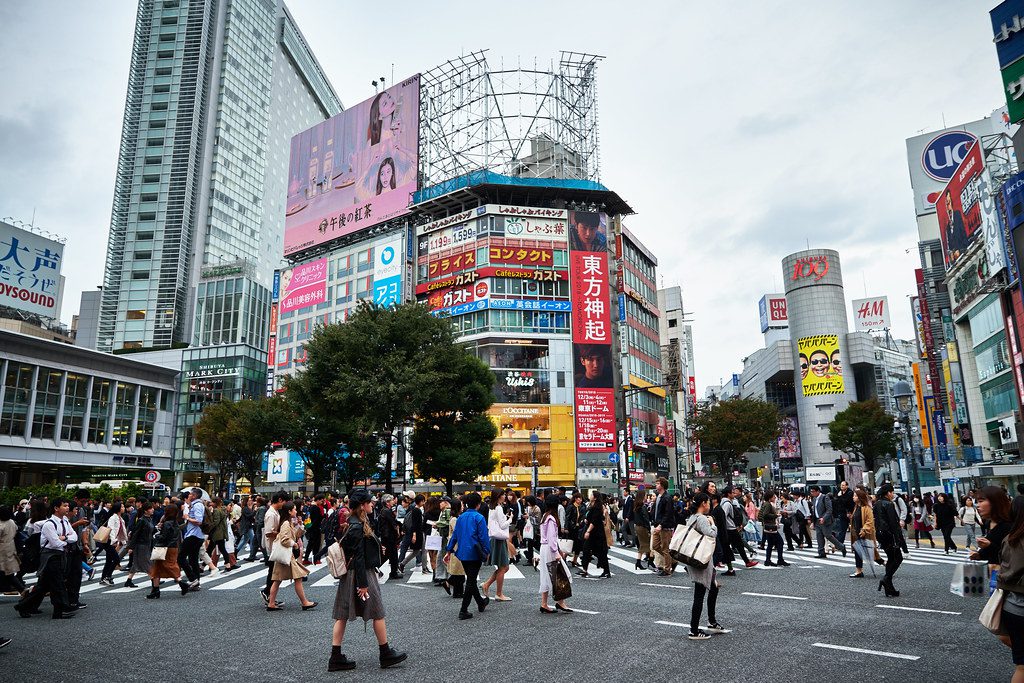
 In Japan, a subtle form of homelessness has surfaced, particularly in the 24-hour internet cafés, which are traditionally viewed as venues for late-night gaming or manga reading. Instead of conventional street living, many low-income workers utilize these cubicle-sized booths as makeshift bedrooms. According to a poll by the Tokyo metropolitan government, it is estimated that around 4,000 individuals spend their workday nights sleeping in these cafés.
The growth in internet café homelessness exposes a deeper and frequently disregarded reality: poverty occurs even in high-income countries and is getting harder to escape, even though the world often considers Japan to be one of the most prosperous nations on Earth.
A High-Tech Refuge for the Working Poor
Many internet cafés in Tokyo, Osaka, and other large cities provide overnight packages that include free drinks, showers, reclining seats and private cubicles. These facilities offer a unique blend of affordability, anonymity and safety for those with inconsistent jobs or wages.
Often referred to as “net café refugees,” people who live in cafés are not always jobless. Many work as delivery drivers, cleaners, warehouse employees, convenience store employees, or part-time office assistants. However, saving for traditional housing is practically impossible due to low wages and irregular hours.
How Poverty Drives Internet Cafe Homelessness
Rising poverty in Japan has led to increased homelessness among internet café users, driven by unstable employment and low wages. Approximately 40% of workers engage in nonregular jobs, which offer diminished pay, benefits, and job security. A missed paycheck can swiftly result in homelessness, prompting individuals to use internet cafés as temporary, low-cost shelters.
High housing costs in Japan, particularly in cities like Tokyo, challenge low-income workers due to the rental system’s requirement for large upfront payments. This situation forces many, estimated at up to 4,000 according to a 2018 survey, to use internet cafés as their primary homes.
Internet café homelessness impacts a wide range of people, including young adults with precarious part-time jobs, middle-aged people laid off from long-term positions, internal migrants from rural areas looking for work in the cities, women fleeing abusive households or financial hardship and those who are cut off from their families and lack a support system.
Many workers do not fit the homeless stereotype. During the day, they blend in with metropolitan masses, keep their jobs and dress nicely. They discreetly withdraw to cramped cells rather than apartments at night. Because they are invisible, it is more difficult to track the issue and simpler for society to ignore it.
The Daily Reality of Cafe Living
Internet cafés, while providing short-term housing, could negatively affect residents’ physical, economic and emotional well-being. Inadequate bedding leads to physical strain and chronic fatigue, while limited access to hygiene facilities impacts self-esteem and health. Irregular sleep patterns further exacerbate mental health issues like depression and anxiety.
Many net café refugees face ongoing stress from unstable living conditions, working without a safe place to sleep, which leads to fatigue and reduced job performance. The costs of café stays, irregular sleep, social isolation, and the lack of a stable address hinder access to jobs, banking and government aid, reinforcing a cycle of poverty even in wealthy nations.
Acknowledging the serious issue of homelessness, local governments like Tokyo’s administration are implementing emergency housing, free counseling, job placement programs and short-term lodging in government hostels. While these initiatives provide important support, they often offer only temporary relief rather than addressing the underlying causes of internet café homelessness, such as high housing costs and low wages.
NGOs Filling the Gaps
Numerous nonprofit organizations in Japan, such as Homedoor, are actively helping individuals facing hidden homelessness by offering free or low-cost temporary accommodation, food, clothing and hygiene products. They assist in navigating government services and advocate for changes to housing and employment laws, playing a crucial role for those hesitant to approach government offices.
Policy experts recommend several changes to end the cycle of poverty and hidden homelessness. Increasing the number of inexpensive public apartments and modular housing units could expand affordable housing initiatives and offer longer-term, safer housing options.
A Poverty Crisis Hidden in Plain Sight
The growing number of net café refugees in Japan highlights the unexpected forms of modern poverty, despite the country’s wealth. As revealed in a 2025 exposition on hidden homelessness, many have to live in internet cafés, capsule hotels or unstable flats while contending with systemic barriers that perpetuate their low-income, precarious situations.
The international community may better understand the different forms of poverty and support solutions that guarantee everyone, regardless of location, has access to secure, stable housing by bringing attention to this mostly unseen problem.
– Katelyn Leano
Katelyn is based in Plainfield, IL, USA and focuses on Good News and Technology for The Borgen Project.
Photo: Flickr

Actions Against Femicide in Latin America
Latin America struggles with a patriarchal system that is plagued by the gender-motivated murder of women and girls. The United Nations (U.N.) recognizes many countries in Latin America, from Mexico to the Caribbean, as having the highest global rates of femicide. In 2021, it was estimated that around one woman is killed every two hours in Latin America. Feminist movements, such as “Ni Una Menos” (Not One Less), have pushed for legislation to protect women.
What Is Femicide?
Femicide is a term that defines the killing of women and girls based on their gender. According to the Human Rights Research Center, there are three main types of femicide: intimate femicide, familial femicide and non-intimate femicide. Intimate femicide is murder by a current or former partner, while nonintimate femicide is committed by someone with whom the victim did not have a relationship. Familial femicide occurs when a male family member murders women or girls.
Human Rights Violation
Femicide is the most extreme form of gender-based violence against women that threatens the dignity, security and equality rights. Global organizations recognize the issue in Latin America as a violation of women’s human rights. In 2021, U.N. Women found that out of the 25 countries with the highest rates of gender-based violence, 14 were in Latin America. As of 1994, the Organization of American States (OAS) adopted the Belém do Pará Convention. This is an inter-American convention that is supposed to focus on the prevention, punishment and eradication of violence against women.
On International Human Rights Day 2025, the Inter-American Commission on Human Rights (IACHR) expressed its concern over the increasing rates of gender-based violence. It reaffirmed the OAS’s obligation to protect women from violence, as established in the Belém do Pará Convention. The IACHR declared femicide as a violation not only of Human Rights but as a threat to democracy. In its press release, the IACHR stated that it will continue to work with the OAS to ensure the safety of women and girls.
Causes of Femicide
Evidently, femicide is motivated by gender stereotypes and discrimination against women and girls. Femicide is especially prevalent in Latin America due to the machismo culture. Machismo refers to traditional masculinity beliefs that men are superior to women and presents itself through emotional insensitivity, womanizing, physical strength and aggression.
Historians trace machismo back to European colonialization, which introduced patriarchal systems. Power structures that reinforce gender inequality and misogynistic views further aggravate the issue of femicide. It is believed that the rates of femicide are much higher than what is estimated, since stigma prevents women from recognizing and freely discussing gender-based violence.
Additionally, in many Latin American countries, domestic violence is considered a private matter and is rarely reported. Thus, resulting in the killing of women by their partners, not to be recognized as femicide. Further contributions to femicide include government inaction and flawed justice systems. For example, in Mexico, less than 3% of cases of femicide are prosecuted and only 1% lead to sentencing.
Some Latin American countries did not criminalize femicide until the 2010s and each country has a different legal definition for femicide.
The Fight To End Femicide
The “Ni Una Menos” protests began in Argentina in 2015 and spread to other Latin American countries, including Mexico, Chile, Uruguay and Peru. In 2020, thousands of people protested against femicide across Mexico, asking the government to take action. There was also a nationwide strike in which women stayed at home.
Awareness of femicide has also recently reached Hollywood. “La Cazadora” premiered at the 2026 Sundance Film Festival. The film follows a Mexican factory worker in Ciudad Juárez who becomes a vigilante, killing a serial rapist to protect her 14-year-old daughter and other young women. It is based on the true story of Diana Cazadora de Choferes (Diana Huntress of Bus Drivers).
Diana killed two bus drivers in Ciudad Juárez after women factory workers filed 12 complaints of sexual violence against bus drivers and authorities failed to take action.
Looking Ahead
All countries in Latin America have laws to prevent and end violence against women, but only 19 have laws penalizing femicide. Despite these laws, women are unable to access protection or get justice. Movements like “Ni Una Menos” are necessary for social awareness and holding governments accountable.
The goal is to reinforce policies that prevent gender-based violence, such as protective measures, shelters, economic autonomy groups and community support systems. However, beyond systemic reform, there is also a need to transform societal and cultural norms around machismo through education, public awareness and behavioral shifts grounded in respect and equality.
– Thirza List
Photo: Freepik
Elderly Poverty in Saint Lucia
The Elderly Population and Poverty
Historically speaking, elderly poverty in Saint Lucia has always been a cause for concern. In 2010, it was recorded that around 40% of Saint Lucia’s elderly population lived below the poverty line, with 21% living below the poverty line significantly.
As of 2024, approximately 9.5% of Saint Lucia’s population are 65 and older. As global life expectancy increases every year, this approximation is likely to increase. And yet, the Saint Lucian Ministry of Health has stated that this population is vulnerable to major forms of abuse, including financial abuse, which may relate to elderly poverty in Saint Lucia.
Solutions
The Saint Lucian government is making efforts to address elderly poverty in Saint Lucia every year. For instance, in 2025, there was a 3.9% increase in monthly pension payouts. This is all in an attempt to provide Saint Lucia’s population with the dignity they deserve.
Another change that the Saint Lucian government can make in order to promote the reduction of elderly poverty in Saint Lucia, is a stronger commitment to programs that aid the elderly. An example of this is the government actively working to manufacture a budget that is able to better provide support to the elderly population.
As of 2025, the Ministry of Equity, Social Justice and Empowerment increased the amount of money that will go toward grassroot initiatives. This increase has allowed for the improvement of intervention strategies such as the Home Care Programme For Older Persons, which the Saint Lucian government originally introduced in 2012. With this increase, improvements including the introduction of weekend service to aid vulnerable elderly.
Outside of the government, there are many non-governmental organizations that aim to help with elderly poverty. For example, the charity the Royal Commonwealth Ex-Services League is focused on supporting commonwealth veterans. Founded in 1921 in Cape town, South Africa, the Royal Commonwealth Ex-Services League helps elderly veterans in Saint Lucia and around the world. It provides them with pension advice, as well the opportunity to receive “Two meal a day grants,” which as of 2024, has gone to 3,362 beneficiaries globally.
In Summary
For the elderly population of Saint Lucia, towing the line of poverty has always been a risk. Although Saint Lucia has always promoted a focus on human rights, unfortunately, communities in Saint Lucia fall through the cracks. However, the Saint Lucian government is constantly making efforts financially to improve the elderly poverty of the elderly, such as increasing pensions. Furthermore, grassroot organizations that help provide care for the elderly should help mitigate poverty.
– Bernice Attawia
Photo: Wikimedia Commons
The HIV Epidemic in Zambia: Project HOPE
In Zambia, several nongovernmental organizations (NGOs) have worked to reduce the impact of the HIV epidemic. These include the Elizabeth Glaser Pediatric AIDS Foundation and FHI 360. One of these organizations was Project HOPE, a global health and humanitarian organization operating across five continents with a mission to improve access to care and health outcomes worldwide. Project HOPE has operated in Zambia since 2019, focusing on reducing the effects of the HIV epidemic, particularly among children and adolescents.
Project HOPE’s Efforts in Zambia
Because Zambia is experiencing a generalized epidemic, HIV transmission occurs primarily through unprotected sexual activity. However, there is a significant disparity between young men and women ages 15 to 24. In 2020, HIV prevalence among young women was 5.7%, compared with 1.8% among young men. This disparity may be linked to factors such as high rates of early pregnancy, earlier sexual debut, coercion linked to unequal power dynamics and age-disparate sexual relationships, all of which are prevalent among adolescent girls and young women in Zambia.
Project HOPE identified these dynamics as a major concern and focused its work on addressing the underlying socioeconomic factors that influence HIV transmission among adolescents and young adults.
On the ground, Project HOPE supported HIV treatment efforts by helping ensure access to pre-exposure prophylaxis (PrEP), counseling adolescents and young people on positive sexual health practices and supporting HIV health informatics programs. The organization also partnered with the Centre for Infectious Disease Research in Zambia to support the Empowered Children and Adolescents Project through community interventions and case management.
Through these efforts, Project HOPE provided antiretroviral therapy to 388,836 adults and children living with HIV and delivered gender-based violence education to 2,565 individuals. On Sept. 8, 2025, Project HOPE announced that it had ended operations in Zambia as of June 2025. The organization cited reductions in U.S. foreign assistance funding following a realignment of foreign aid policy as the primary reason for the decision.
The America First Global Health Strategy
The America First Global Health Strategy was introduced by the U.S. Department of State in September 2025. The strategy responded to concerns about inefficiencies in global health foreign assistance programs. According to the Department of State, only about 40% of global health aid reached frontline workers and commodities, while 60% supported technical assistance, program management and other overhead costs.
Officials attributed this imbalance to earlier policies that emphasized direct investment through NGOs, which they said created parallel supply chains and procurement systems alongside local governments.
As a result, the policy shift led to significant reductions in U.S. Agency for International Development funding for NGOs, with a greater emphasis on delivering aid through local governments. The stated goal is to strengthen public health systems and build long-term self-sufficiency in responding to crises such as the HIV epidemic.
The Role of NGOs in Zambia
As the America First Global Health Strategy takes shape, organizations such as Project HOPE have struggled to sustain operations in countries like Zambia. However, Steven Neri, Project HOPE’s senior regional director for Africa, emphasized the continued importance of NGOs when speaking with The Borgen Project.
“Project HOPE was able to bring our expertise from across Africa and around the world to support the HIV prevention, care and treatment program in Zambia,” Neri said. “Our ability to bring lessons from outside Zambia and work with Zambians to translate those lessons into effective HIV programs is something that I am proud of.”
Neri also highlighted the role of the President’s Emergency Plan for AIDS Relief (PEPFAR), which has invested more than $110 billion in HIV programs globally, in advancing innovation and expertise in HIV management.
The Future of HIV Management in Zambia
Although Project HOPE has concluded its operations in Zambia, HIV epidemic management continues through coordination between the U.S. and Zambian governments. On Nov. 18, 2025, the Department of State announced that the first doses of lenacapavir had been delivered to Zambia.
Lenacapavir is a twice-yearly injectable PrEP medication that offers a long-acting alternative to daily oral pills, particularly for individuals who face challenges with adherence or access to health care. On Nov. 4, 2025, after 12 working days of review, both tablet and injectable forms of lenacapavir received approval for HIV prevention from the Zambia Medicines Regulatory Authority.
As U.S. funding shifts away from NGOs and places greater responsibility on local governments, Project HOPE has emphasized the importance of retaining proven best practices during this transition. Neri expressed cautious optimism about the future of HIV management in Zambia while stressing the need for continued support for on-the-ground delivery.
“Making lenacapavir available in Zambia is consistent with the original focus of PEPFAR,” Neri said. “Without medicines, it is impossible to have a successful HIV program, and without program funding, it is hard to imagine how access to medicines will improve. The two go hand in hand.”
– Nikhil Kumar
Photo: Flickr
A Glance Into Poverty in Portugal
A Glance Into the Facts About Poverty in Portugal
SDG Watch Europe states that 2.2 million people, which makes up about one-fifth of Portugal’s population, are at risk of poverty or social exclusion. Portugal had an economic crisis from 2011 through to 2015, which elongated its existing financial issues. The impact of the COVID-19 pandemic furthered this.
Portugal observes an extremely large gap between the richest and the poorest. Euro Weekly News states that the wealthiest 25% of the population hold 48% of the country’s total income.
SDG Watch Europe argues that having a job in Portugal does not guarantee its citizens a decent standard of living. For instance, in 2017, about one out of every five people was earning the national minimum wage. Women earning the national minimum wage were double the amount of men.
SDG provides a few solutions: one is to strengthen the social protection and the benefits system to make it fairer and more effective for society in Portugal. Secondly, it recommends a focus on more inclusive growth through policies of income and wealth distribution. This includes more equal and progressive taxation.
Addressing Education in Portugal
SDG states that education is improving in Portugal. For example, school dropout rates have fallen and there has been a sharp increase in girls’ education. However, SDG illustrates that Portugal is one of the least educated countries in Europe with 22% of the population completing only the first cycle of compulsory education. Many children under the age of sixteen end up leaving school in search of work or live on the streets.
According to Eurydice, the Portuguese Ministry of Education, Science and Innovation has launched a Learning More Now Plan, in the school year of 2024-2025, which includes a “strengthening of assessment literacy in leadership” and “early interventions to prevent yearly retention and early school dropout.” Strengthening education is one solution to reducing poverty in Portugal.
The Portuguese National Action Plan
The Portuguese National Action Plan began in 2022 and plans to continue in 2030. This plan has seen a development of initiatives such as the reduction of poverty among children and young people, with the goal of a reduction of 170,000 children in poverty by 2030. So far, there has been 270 measures to reduce the risk of poverty such as the free school meals, enhanced housing support and social benefits.
The President’s Stance on Poverty
According to The Resident, the current president of the Republic, Marcelo Rebelo de Sousa, has admitted his frustration with the lack of improvement in Portugal’s poverty figures. At the start of the mandate, the president hoped to help eradicate poverty and improve the situation for the homeless. To improve, President de Sousa has argued for the implementation of a global strategy to eradicate poverty in Portugal.
Portugal needs a large improvement in reducing poverty, particularly for a country that attracts so many global visitors per year. Implementing the solutions that the SDGs set out helps tackle Portugal’s financial and economic issues. This is furthered by initiatives in education such as the Learning More Now Plan.
– Joe Langley
Photo: Wikimedia Commons
Foreign Aid to Kashmir
Kashmir is the United Nations’ longest ongoing, unresolved area of conflict, dating back to 1948. Today, three nuclear powers share occupation of the land. India controls 48% of the territory, Pakistan runs 35% and China covers 17%. About 40% of the population lives below the poverty line, according to the Kashmir Welfare Foundation.
On both ends of the highly-militarized area, Kashmiri people are subject to several human rights violations, including restrictions on political freedom and the systemic discrimination of religious minorities. Around 70,000 people have been killed in the midst of the conflict over the last 29 years alone.
Aside from the political turmoil, Kashmir is also prone to fatal natural disasters, such as earthquakes and floods. The lack of infrastructure, industries, access to education and proper health care in Kashmir prolong the territory’s recovery from these catastrophes and keep its people in poverty. Foreign aid to Kashmir is a significant component in rebuilding its infrastructure and supporting its civilians, caught in the crossfire between governments.
US Humanitarian Aid
In 2014, monsoon floods devastated Kashmir, killing more than 460 people, displacing 1 million and shoving several more into poverty. This flood was the worst Kashmir has seen in 100 years, as it severely damaged the agriculture, trade, infrastructure and tourism industries in the area. The Indian government provided relief, but it failed to reach 300,000 people and aid-workers called the efforts inadequate. In response, the U.S. provided $250,000 in foreign aid to Kashmir. This included sending humanitarian relief to NGOs in India through the U.S. Agency for International Development (USAID). The NGOs then used the aid to provide general supplies and temporary shelters for those who lost their homes.
After an earthquake erupted across Kashmir in 2005, the aftermath took the lives of 47,000 people, left more than 2 million without shelter and displaced another 2 million. The U.S. sent $510 million towards reconstruction and humanitarian relief efforts, with more than 1,000 American personnel on the ground.
Helicopters and U.S. military flights delivered more than 13,500 tons of resources, including medical supplies, food, materials for shelter and rescue equipment. The U.S. also evacuated 18,600 earthquake survivors and provided medical treatment to around 35,000 civilians.
Today, the U.S. is still Kashmir’s largest foreign government donor for relief. The other largest foreign aid donations to Kashmir come from non-government humanitarian organizations.
European Union Humanitarian Aid
In 2019, an earthquake ripped through Pakistan-run Azad Jammu and Kashmir. The disaster killed 37 people, destroyed 9,000 homes and further pushed 10,500 families into poverty. The European Union provided €300,000 in emergency humanitarian aid for those most affected through the European Civil Protection and Humanitarian Aid Operations. The funding helped at least 3,000 people in some of the most vulnerable areas and supplied access to clean water.
In response to the 2014 monsoon floods, the European Union provided €250,000 in humanitarian assistance, which helped more than 12,000 people in need. The aid included sending hygiene kits, food and livelihood support to 40 villages where the floods had the worst impact.
After the catastrophic earthquake in 2005, the European Union donated €50 million in foreign aid to Kashmir. The funding provided civilians with blankets, tents, water, fuel, health care and sanitation supplies.
The Impact of Foreign Aid in Kashmir
Overall, the U.S. and the European Union helped combat poverty in Kashmir with foreign aid, which provided humanitarian relief and significant support the government could not match. A study by the World Bank revealed that 70% of people in Kashmir living near the fault line, where there was a higher presence of foreign aid workers, said they trusted foreigners or those in the West, such as Europeans and Americans.
Every 10 kilometers away from the fault line, civilians’ trust in foreigners decreased by six percentage points. Consequently, the study suggests that people living in developing countries’ trust of foreigners is a direct response to international humanitarian actions in those regions.
The Future of Kashmir
Shafat Ahmed is a part of Conciliation Resources’ Kashmir Initiative Group, which focuses on peacebuilding. Ahmed led work on conflict-sensitive disaster management in Kashmir and developed a plan that he introduced to policymakers.
“When the focus of governments is on political tensions, the issue of disaster preparedness takes a back seat,” he said in a news release.
The plan outlines effective ways to prepare for and respond to natural disasters in Kashmir. The proposed solutions involve the governments communicating, collaborating and coordinating with each other during humanitarian crises. The solutions also include raising awareness and strengthening the means for civilians to confront natural disasters when they occur.
– Umaymah Suhail
Photo: Unsplash
Net Café Refugees: Japan’s Hidden Urban Poverty
The growth in internet café homelessness exposes a deeper and frequently disregarded reality: poverty occurs even in high-income countries and is getting harder to escape, even though the world often considers Japan to be one of the most prosperous nations on Earth.
A High-Tech Refuge for the Working Poor
Many internet cafés in Tokyo, Osaka, and other large cities provide overnight packages that include free drinks, showers, reclining seats and private cubicles. These facilities offer a unique blend of affordability, anonymity and safety for those with inconsistent jobs or wages.
Often referred to as “net café refugees,” people who live in cafés are not always jobless. Many work as delivery drivers, cleaners, warehouse employees, convenience store employees, or part-time office assistants. However, saving for traditional housing is practically impossible due to low wages and irregular hours.
How Poverty Drives Internet Cafe Homelessness
Rising poverty in Japan has led to increased homelessness among internet café users, driven by unstable employment and low wages. Approximately 40% of workers engage in nonregular jobs, which offer diminished pay, benefits, and job security. A missed paycheck can swiftly result in homelessness, prompting individuals to use internet cafés as temporary, low-cost shelters.
High housing costs in Japan, particularly in cities like Tokyo, challenge low-income workers due to the rental system’s requirement for large upfront payments. This situation forces many, estimated at up to 4,000 according to a 2018 survey, to use internet cafés as their primary homes.
Internet café homelessness impacts a wide range of people, including young adults with precarious part-time jobs, middle-aged people laid off from long-term positions, internal migrants from rural areas looking for work in the cities, women fleeing abusive households or financial hardship and those who are cut off from their families and lack a support system.
Many workers do not fit the homeless stereotype. During the day, they blend in with metropolitan masses, keep their jobs and dress nicely. They discreetly withdraw to cramped cells rather than apartments at night. Because they are invisible, it is more difficult to track the issue and simpler for society to ignore it.
The Daily Reality of Cafe Living
Internet cafés, while providing short-term housing, could negatively affect residents’ physical, economic and emotional well-being. Inadequate bedding leads to physical strain and chronic fatigue, while limited access to hygiene facilities impacts self-esteem and health. Irregular sleep patterns further exacerbate mental health issues like depression and anxiety.
Many net café refugees face ongoing stress from unstable living conditions, working without a safe place to sleep, which leads to fatigue and reduced job performance. The costs of café stays, irregular sleep, social isolation, and the lack of a stable address hinder access to jobs, banking and government aid, reinforcing a cycle of poverty even in wealthy nations.
Acknowledging the serious issue of homelessness, local governments like Tokyo’s administration are implementing emergency housing, free counseling, job placement programs and short-term lodging in government hostels. While these initiatives provide important support, they often offer only temporary relief rather than addressing the underlying causes of internet café homelessness, such as high housing costs and low wages.
NGOs Filling the Gaps
Numerous nonprofit organizations in Japan, such as Homedoor, are actively helping individuals facing hidden homelessness by offering free or low-cost temporary accommodation, food, clothing and hygiene products. They assist in navigating government services and advocate for changes to housing and employment laws, playing a crucial role for those hesitant to approach government offices.
Policy experts recommend several changes to end the cycle of poverty and hidden homelessness. Increasing the number of inexpensive public apartments and modular housing units could expand affordable housing initiatives and offer longer-term, safer housing options.
A Poverty Crisis Hidden in Plain Sight
The growing number of net café refugees in Japan highlights the unexpected forms of modern poverty, despite the country’s wealth. As revealed in a 2025 exposition on hidden homelessness, many have to live in internet cafés, capsule hotels or unstable flats while contending with systemic barriers that perpetuate their low-income, precarious situations.
The international community may better understand the different forms of poverty and support solutions that guarantee everyone, regardless of location, has access to secure, stable housing by bringing attention to this mostly unseen problem.
– Katelyn Leano
Photo: Flickr
Melioidosis in Bangladesh Threatens Rural Communities
For many patients, the illness never earns its real name, instead slipping through the health care system disguised as more familiar conditions. Rural communities suffer the most severe consequences, as their livelihoods depend on daily contact with soil and water. Understanding why melioidosis continues to evade recognition is essential not only to saving lives but also to protecting the people who sustain Bangladesh’s economy and food security.
Misdiagnosed, Misrepresented and Misunderstood
Melioidosis manifests differently from person to person and can range in severity from flu-like symptoms to skin abscesses and sepsis. Burkholderia pseudomallei enters the body through ingestion, inhalation or skin cuts, allowing it to infect the bloodstream, lungs and skin, sometimes simultaneously. Because the bacteria can affect multiple organ systems, melioidosis is often misdiagnosed as tuberculosis, fungal infections or even cancer.
These misdiagnoses can delay treatment, even though antibiotics must be started promptly and completed fully to improve recovery outcomes. Since the ’60s, hospitals in Bangladesh have reported only around 100 cases of melioidosis. This figure is widely believed to underestimate the true burden of the disease.
One study estimates that melioidosis in Bangladesh could account for up to 17,000 cases and 9,500 deaths each year. This gap is mainly due to limited clinical awareness and insufficient laboratory capacity for proper diagnosis. Patients with other underlying conditions, known as comorbidities, are at a higher risk of melioidosis, including those with diabetes, alcohol use disorder and chronic lung disease, which may complicate diagnosis further.
Rural Communities in Bangladesh at High Risk
Burkholderia pseudomallei is well-adapted to Bangladesh’s warm, humid climate. The bacterium thrives in environments with year-round high temperatures, waterlogged soil and frequent monsoon rainfall. As a result, rural communities, particularly those dependent on agriculture, face the greatest risk of infection.
Agriculture accounts for nearly 90% of rural employment and many farmers work barefoot or without protective equipment, increasing their exposure through direct contact with contaminated soil and water. Social factors further compound the risk. Poverty rates in rural Bangladesh stand at around 20%, compared with 16.5% in urban areas.
Illness caused by melioidosis can prevent individuals from working, deepening economic hardship for affected families and communities. Looking more broadly, the agricultural sector is one of the most productive in Bangladesh’s economy, contributing around 11% of the national GDP. Rural farming communities sit at the heart of this system.
Yet, they often have the least access to health care due to geographic and financial constraints. Protecting farmers and their families from melioidosis, therefore, supports not only their health and livelihoods but also the country’s food security and export capacity. This underscores the need for adequate protective equipment and timely access to effective antibiotic treatment.
Fighting for Futures: The South Asian Melioidosis Congress
In 2023, the third South Asian Melioidosis Congress (SAMC) met in Dhaka, Bangladesh, to discuss emerging research concerning the tropical disease and to share methods of its detection and management. These educational meetings aimed to raise awareness of melioidosis and provide physicians with the tools for accurate diagnosis. This proved successful, with nine reported cases of melioidosis in Bangladesh soon after the SAMC’s conclusion, each patient with different symptoms.
This reflects the vigilance of health care professionals regarding the early diagnosis of melioidosis as empowered by the collective effort of the SAMC to fight this disease. Following the conclusion of the fourth SAMC at the end of 2025, organizers are hopeful that renewed awareness will lead to more diagnosed cases being reported in Bangladesh. The theme of the fourth SAMC, “Melioidosis: The Great Mimicker,” highlighted the disease’s ability to mimic a wide range of illnesses.
The most recent congress brought together experts from across the world in Northeast India to discuss key issues surrounding melioidosis, including diagnostic approaches, public health implications and treatment guidelines. These discussions aimed to raise awareness of the disease and strengthen future efforts to protect vulnerable rural communities.
– Charlotte Bunn
Photo: Flickr
How Soil Digital Intelligence Is Changing Farming in the Sahel
According to the International Fund for Agricultural Development (IFAD), the population of the Sahel will reach 500 million by 2050. The region also has one of the youngest populations with 65 % of the population being younger than 25 years old. Despite this rapid growth, climate and political instability continue to threaten food systems, emphasizing the importance of why soil digital intelligence is changing farming in the Sahel.
Effects of Climate and Political Instability
Natural disasters continues to shrink arable land and reduce habitability for plants, animals and humans. Political turmoil also disrupts the livelihoods of many farmers through social unrest and violence, severely affecting smallholder farmers in the region, according to IFAD.
These challenges have lowered agricultural yields, causing nutritional deficiencies and a worsening pastoralist economy. A main contributor to these declining yields is the lack of data on fertilizer conditions, which forces recommendations by governmental and research organizations to remain broad. Limited data also prevents national agencies from allocating resources and funding to support local farming communities.
The Introduction Of Digital Soil Intelligence
To address declining food production in the Sahel, leaders at the U.N. Climate Summit in Belém (COP30) prioritized climate finance and adaptation. It focused on digital soil intelligence platforms, which combine satellite imagery and climate data to provide real-time land health information. Soil digital intelligence is changing farming in the Sahel. One example of this technology is the Soil Values Geoportal.
Countries using the Soil Values Geoportal can now factor the following data into their restoration plans:
Access to detailed information on soil health enables policymakers to formulate more efficient guidelines and funding efforts. The integration of these tools plays a critical role in rural communities, where gaps in connectivity and coverage restrict access to basic soil guidance.
Platforms, such as the Soil Values Geoportal, function in low-bandwidth environments and provide relief in the form of mapping of livestock grazing conditions and seasonal water points.
The digitalization of land mapping also proves useful for environmental management. Farmers can determine the precise amount of nutrients necessary for fertilizer use and prevent acidification or contamination. These practices promote long-term sustainability and improve food security throughout the Sahel.
The Future of Digital Soil Intelligence
As extreme weather becomes a more pressing problem, soil digital intelligence is changing farming in the Sahel. Equipping farmers with real-time information on fertilizer health and rainfall patterns will begin to bring nutritional and social stability. Tools, such as the Soil Values Geoportal, are key to creating sustainable farmland and resilience to environmental stress. Further investment in these technologies is crucial for the people of the Sahel as the economy continues to grow.
– Sachin Kapoor
Photo: Flickr
Digital Opportunity Trust: Promoting Digital Inclusion
Digital Opportunity Trust
Digital Opportunity Trust (DOT) is a Canadian organization that delivers programs to young entrepreneurs on how to profit from the digital economy. Since 2002, DOT has been working to bridge the digital divide by connecting young people globally to essential digital skills. More than 3 million people in impoverished communities across more than 20 countries have benefited from DOT’s youth leaders.
DOT fosters inclusive development by preparing young leaders to participate in the digital economy and support economic growth at a local level. DOT’s Youth Entrepreneurship program aims to mitigate barriers to digital inclusion by providing young people with access to digital tools in addition to skill training and development. With a solid foundation in digital competencies, DOT is positioning young entrepreneurs as leaders of economic growth.
Initiatives like the Digital Bridge Project aim to educate 10,000 young people in Kenya and Ethiopia on how to use digital tools for their professional and personal development by April 2026. This initiative cultivates a new generation of digitally literate leaders prepared to drive poverty reduction in the digital age.
Economic Benefits of the Digital Economy
We can look to Kenya’s progress for how digital inclusion can transform a society and strengthen its economy. The “Silicon Savannah” has seen steady growth in its Information and Communication Technology (ICT) sector since 2016, creating jobs across almost all industries. Kenya’s investment in developing human digital capital aligns with DOT’s efforts to create a “digitally savvy workforce” capable of tapping into new opportunities for economic growth in the digital sphere.
Creating more jobs, especially for young people and promoting sustainable development by leveraging digital markets. The combined efforts of the public and private sectors support job creation and economic diversification in the digital age. Furthermore, Kenya’s adoption of broadband infrastructure has positioned the country as a leader in Africa’s digital economy.
Through its progressive digital strategy policies, Kenya aims to create 300,000 new jobs by 2028 by integrating digital technologies across the agriculture, transport, manufacturing and trade sectors.
Rural Barriers and New Pathways
While progress is being made, the digital divide disproportionately impacts rural populations. Limited internet access among 83% of rural residents limits digital skill development and market participation. To bridge this gap, DOT Kenya youth leader Samuel Mathenge led training sessions that enabled youth in Nyeri County to engage with the digital market.
Through DOT’s Youth program, he strengthened his own skills and trained more than 600 young people in digital literacy. “My journey with DOT Kenya has not only transformed me into a confident digital skills facilitator but also a compassionate and patient leader,” Mathenge stated. Fresh off his DOT training and equipped with the confidence to lead, Mathenge worked with other young people to not only master digital tools but also prepare for the job market.
Together, they searched for careers in the tech sector, refining their CVs and preparing for interviews. DOT’s investment in one young entrepreneur has created a cycle of youth empowerment in Kenya. Mathenge is just one of thousands of DOT Youth leaders globally, working to foster inclusive development in their communities.
Digital Foundations for Poverty Reduction
Digital inclusion opens pathways for education, skill development and youth participation in the labour markets, laying a digital foundation for economic growth and poverty reduction. Indeed, initiatives by DOT empower young entrepreneurs to engage with the digital economy, equipping them with the skills and agency to drive sustainable growth. DOT places economic power in the hands of young leaders, enabling them to thrive in their communities and create lasting change.
– Hope Jowharian
Photo: Flickr
How Organizations Advance Equitable Health Care in Eritrea
Health Care Disparities in Eritrea
Numerous disparities in health care access and services exist between urban and rural populations in Eritrea. The percentage of women receiving antenatal care from a health care professional in Eritrea increased significantly from 49% in 1995 to 70% in 2002. However, access remained uneven, with 91% of women in urban areas receiving antenatal care compared to just 59% in rural areas
A similar disparity appears in facility-based childbirth. In urban areas, the proportion of women giving birth in a health facility rose from 58% in 1995 to 62% in 2002. In contrast, the figure for rural women increased only slightly, from 7% to 9% over the same period.
Disparities in access to obstetric services were also evident across education levels. In 2002, approximately 88% of women with some secondary education were assisted by a trained health worker during childbirth, compared with 36% of women with only primary education and just 12% of those with no formal education.
Multiple disparities also exist in child health outcomes:
Disparities in Mental Health Treatment
Due to the increasing prevalence of mental health disorders in Eritrea, mental illnesses are among the leading causes of disability, comorbidity and mortality in the country. In 2014, the prevalence rate for common mental disorders was 14.5% and the estimated number of children with intellectual disabilities was between 30,000 and 40,000. However, because adequate mental health workers and services are limited, many mental illnesses and disorders are likely undetected or misdiagnosed.
Nonetheless, several organizations provide essential support to Eritrean refugees. Around 5,000 people flee the country each month to escape hardship and mandatory military service, increasing the need for mental health services in refugee camps. Doctors Without Borders (MSF) launched a mental health program in 2015 in Ethiopia’s Hitsats and Shimelba camps, offering counselling and inpatient and outpatient psychiatric care.
The Jesuit Refugee Service (JRS) also provides Mental Health and Psychosocial Support through counselling, psychological first aid, referrals and community-based activities that strengthen social connection and resilience.
Expanded Program on Immunization
The World Health Organization (WHO) identified physical barriers as a major challenge to immunization coverage in rural communities. In response, WHO implemented the Expanded Program on Immunization (EPI) in Eritrea to improve vaccine access, reaching more than 42,000 children and 150,000 mothers. By 2024, the program achieved national immunization coverage rates exceeding 95% for several vaccines.
UN Sustainable Development Cooperation Framework for Eritrea
The country program for Eritrea, outlined in the U.N. Sustainable Development Cooperation Framework 2022-2026, aims to enable more Eritreans to benefit from equitable and inclusive health and social services by 2026. The program outlines some goals for improved health and social services, including:
To achieve these goals, the program implemented several interventions, including:
Additionally, the country program works in collaboration with UNICEF and the WHO to strengthen the distribution and supply chain systems for medicines and medical supplies across Eritrea. This joint initiative aims to address unmet needs in family planning, reduce preventable maternal deaths and combat gender-based violence and harmful practices.
Community-Based Programs
Conclusion
Notable work is being done to improve health care in Eritrea. Trained CHWs and volunteers extend services to areas previously out of reach. Organizations implementing health interventions benefit vulnerable populations and areas, including Eritrean refugees.
Organizations implementing health interventions are reaching vulnerable populations, including Eritrean refugees and helping to close existing care gaps. Together, these initiatives continue to drive progress toward a more equitable health care system in Eritrea.
– Sarah Merrill
Photo: Pixabay