Net Café Refugees: Japan’s Hidden Urban Poverty
 In Japan, a subtle form of homelessness has surfaced, particularly in the 24-hour internet cafés, which are traditionally viewed as venues for late-night gaming or manga reading. Instead of conventional street living, many low-income workers utilize these cubicle-sized booths as makeshift bedrooms. According to a poll by the Tokyo metropolitan government, it is estimated that around 4,000 individuals spend their workday nights sleeping in these cafés.
The growth in internet café homelessness exposes a deeper and frequently disregarded reality: poverty occurs even in high-income countries and is getting harder to escape, even though the world often considers Japan to be one of the most prosperous nations on Earth.
A High-Tech Refuge for the Working Poor
Many internet cafés in Tokyo, Osaka, and other large cities provide overnight packages that include free drinks, showers, reclining seats and private cubicles. These facilities offer a unique blend of affordability, anonymity and safety for those with inconsistent jobs or wages.
Often referred to as “net café refugees,” people who live in cafés are not always jobless. Many work as delivery drivers, cleaners, warehouse employees, convenience store employees, or part-time office assistants. However, saving for traditional housing is practically impossible due to low wages and irregular hours.
How Poverty Drives Internet Cafe Homelessness
Rising poverty in Japan has led to increased homelessness among internet café users, driven by unstable employment and low wages. Approximately 40% of workers engage in nonregular jobs, which offer diminished pay, benefits, and job security. A missed paycheck can swiftly result in homelessness, prompting individuals to use internet cafés as temporary, low-cost shelters.
High housing costs in Japan, particularly in cities like Tokyo, challenge low-income workers due to the rental system’s requirement for large upfront payments. This situation forces many, estimated at up to 4,000 according to a 2018 survey, to use internet cafés as their primary homes.
Internet café homelessness impacts a wide range of people, including young adults with precarious part-time jobs, middle-aged people laid off from long-term positions, internal migrants from rural areas looking for work in the cities, women fleeing abusive households or financial hardship and those who are cut off from their families and lack a support system.
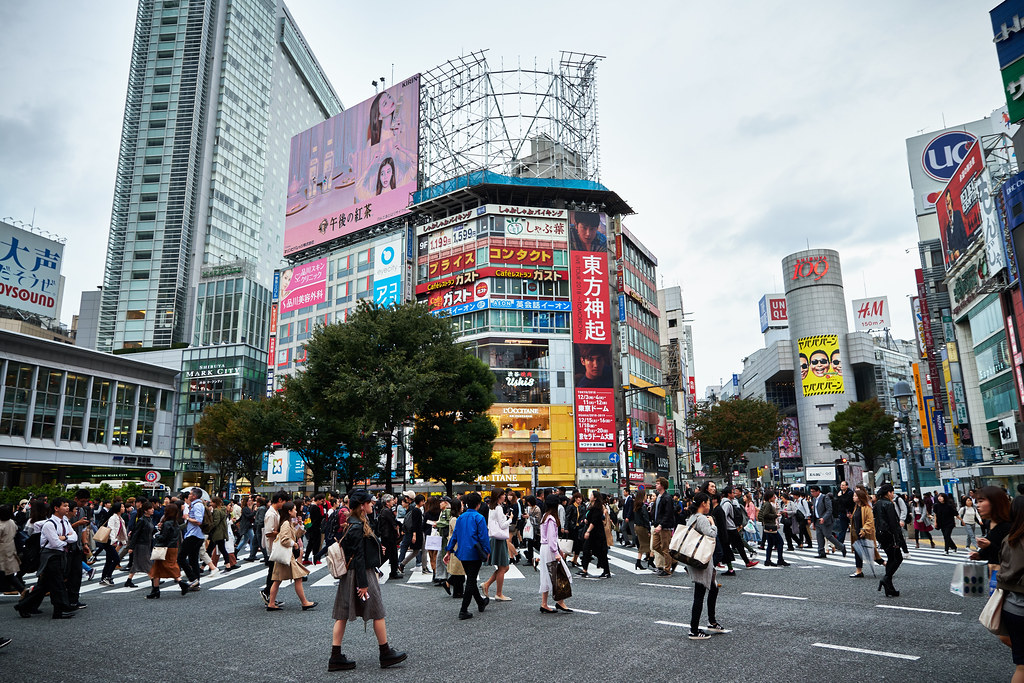
Many workers do not fit the homeless stereotype. During the day, they blend in with metropolitan masses, keep their jobs and dress nicely. They discreetly withdraw to cramped cells rather than apartments at night. Because they are invisible, it is more difficult to track the issue and simpler for society to ignore it.
The Daily Reality of Cafe Living
Internet cafés, while providing short-term housing, could negatively affect residents’ physical, economic and emotional well-being. Inadequate bedding leads to physical strain and chronic fatigue, while limited access to hygiene facilities impacts self-esteem and health. Irregular sleep patterns further exacerbate mental health issues like depression and anxiety.
Many net café refugees face ongoing stress from unstable living conditions, working without a safe place to sleep, which leads to fatigue and reduced job performance. The costs of café stays, irregular sleep, social isolation, and the lack of a stable address hinder access to jobs, banking and government aid, reinforcing a cycle of poverty even in wealthy nations.
Acknowledging the serious issue of homelessness, local governments like Tokyo’s administration are implementing emergency housing, free counseling, job placement programs and short-term lodging in government hostels. While these initiatives provide important support, they often offer only temporary relief rather than addressing the underlying causes of internet café homelessness, such as high housing costs and low wages.
NGOs Filling the Gaps
Numerous nonprofit organizations in Japan, such as Homedoor, are actively helping individuals facing hidden homelessness by offering free or low-cost temporary accommodation, food, clothing and hygiene products. They assist in navigating government services and advocate for changes to housing and employment laws, playing a crucial role for those hesitant to approach government offices.
Policy experts recommend several changes to end the cycle of poverty and hidden homelessness. Increasing the number of inexpensive public apartments and modular housing units could expand affordable housing initiatives and offer longer-term, safer housing options.
A Poverty Crisis Hidden in Plain Sight
The growing number of net café refugees in Japan highlights the unexpected forms of modern poverty, despite the country’s wealth. As revealed in a 2025 exposition on hidden homelessness, many have to live in internet cafés, capsule hotels or unstable flats while contending with systemic barriers that perpetuate their low-income, precarious situations.
The international community may better understand the different forms of poverty and support solutions that guarantee everyone, regardless of location, has access to secure, stable housing by bringing attention to this mostly unseen problem.
– Katelyn Leano
Katelyn is based in Plainfield, IL, USA and focuses on Good News and Technology for The Borgen Project.
Photo: Flickr
