How Organizations Advance Equitable Health Care in Eritrea
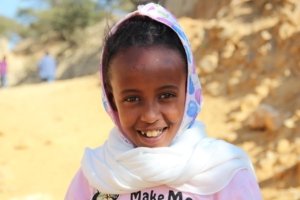 Although health care in Eritrea has improved in important areas, such as declining mortality rates, over the past decade, vulnerable populations and rural communities continue to face the adverse effects of health care disparities. Several international organizations and community-based programs work to bridge the gap and increase accessibility to quality health services.
Health Care Disparities in Eritrea
Numerous disparities in health care access and services exist between urban and rural populations in Eritrea. The percentage of women receiving antenatal care from a health care professional in Eritrea increased significantly from 49% in 1995 to 70% in 2002. However, access remained uneven, with 91% of women in urban areas receiving antenatal care compared to just 59% in rural areas
A similar disparity appears in facility-based childbirth. In urban areas, the proportion of women giving birth in a health facility rose from 58% in 1995 to 62% in 2002. In contrast, the figure for rural women increased only slightly, from 7% to 9% over the same period.
Disparities in access to obstetric services were also evident across education levels. In 2002, approximately 88% of women with some secondary education were assisted by a trained health worker during childbirth, compared with 36% of women with only primary education and just 12% of those with no formal education.
Multiple disparities also exist in child health outcomes:
- In 2002, the infant mortality rate was 48 per 1,000 live births in urban areas, compared to 62 per 1,000 in rural areas.
- The under-5 mortality rate stood at 86 per 1,000 in urban areas, rising to an average of 117 per 1,000 in rural communities.
- Stunting affected 20% of children whose mothers had higher education, compared with 35% of children whose mothers had primary education and 44% of those whose mothers had no formal education.
Disparities in Mental Health Treatment
Due to the increasing prevalence of mental health disorders in Eritrea, mental illnesses are among the leading causes of disability, comorbidity and mortality in the country. In 2014, the prevalence rate for common mental disorders was 14.5% and the estimated number of children with intellectual disabilities was between 30,000 and 40,000. However, because adequate mental health workers and services are limited, many mental illnesses and disorders are likely undetected or misdiagnosed.
Nonetheless, several organizations provide essential support to Eritrean refugees. Around 5,000 people flee the country each month to escape hardship and mandatory military service, increasing the need for mental health services in refugee camps. Doctors Without Borders (MSF) launched a mental health program in 2015 in Ethiopia’s Hitsats and Shimelba camps, offering counselling and inpatient and outpatient psychiatric care.
The Jesuit Refugee Service (JRS) also provides Mental Health and Psychosocial Support through counselling, psychological first aid, referrals and community-based activities that strengthen social connection and resilience.
Expanded Program on Immunization
The World Health Organization (WHO) identified physical barriers as a major challenge to immunization coverage in rural communities. In response, WHO implemented the Expanded Program on Immunization (EPI) in Eritrea to improve vaccine access, reaching more than 42,000 children and 150,000 mothers. By 2024, the program achieved national immunization coverage rates exceeding 95% for several vaccines.
UN Sustainable Development Cooperation Framework for Eritrea
The country program for Eritrea, outlined in the U.N. Sustainable Development Cooperation Framework 2022-2026, aims to enable more Eritreans to benefit from equitable and inclusive health and social services by 2026. The program outlines some goals for improved health and social services, including:
- Increase the percentage of births attended by trained personnel from 71% to 85% to reduce preventable maternal deaths.
- Reduce the adolescent birth rate for girls aged 15-19 years from 27 per 1,000 to 14 per 1,000.
To achieve these goals, the program implemented several interventions, including:
- Strengthening the capacity of health workers: Training doctors, nurses, midwives and anesthetists across Eritrea to provide quality emergency obstetric care, post-partum care, family planning, HIV prevention and gender-based violence support.
- Building health system resilience: Deploying internationally trained obstetricians and gynecologists to remote and underserved areas, supported by technology to improve communication and service delivery nationwide.
- Increasing access to maternal waiting homes (MWHs): Expanding and improving MWHs, which provide accommodation for pregnant women from remote areas during the final weeks of pregnancy, to enhance safe deliveries and postnatal care.
- Advocacy: Promoting awareness of preventable maternal deaths and unmet family planning needs to inform government policies, planning and budgeting.
- Supporting the National Fistula Diagnosis and Treatment Center (NFDTC): Strengthening services for fistula prevention, treatment and rehabilitation to ensure adequate national coverage.
- Expanding adolescent and youth services: Strengthening and utilizing the existing network of youth-friendly centers to improve access to care.
- Strengthening HIV prevention services: Enhancing delivery of HIV prevention interventions, particularly for high-risk populations such as female sex workers.
- Empowering women and young people to use health services: Using community outreach and mobilization to increase uptake of HIV and gender-based violence services.
- Reinforcing health information systems: Reestablishing and improving health management information systems, including maternal and perinatal death surveillance and response mechanisms.
Additionally, the country program works in collaboration with UNICEF and the WHO to strengthen the distribution and supply chain systems for medicines and medical supplies across Eritrea. This joint initiative aims to address unmet needs in family planning, reduce preventable maternal deaths and combat gender-based violence and harmful practices.
Community-Based Programs
- Malnutrition Screening and Detection: UNICEF and the Ministry of Health (MoH) work together to train community health volunteers to use mid-upper arm circumference (MUAC) tapes to screen for and detect malnutrition in children under 5 and to provide referrals for treatment. These volunteers deliver life-saving interventions to approximately 50,000 acutely malnourished children each year.
- Bare Foot Doctors Initiative (BFDs): BFDs trained through UNICEF help strengthen community-based service delivery in areas facing geographic barriers to health care. Their deployment has enabled 68,000 women and children to access essential public health services. By 2022, UNICEF had trained a total of 121 community members as BFDs.
- Community Health Workers (CHWs): CHWs are a key component of community-based child health interventions in the Maekel Region aimed at reducing child mortality. Indeed, CHWs provide case management for pneumonia, malaria and diarrhea, the leading causes of death among children under 5 and lead community education sessions on child health. The MoH provides training and oversees the distribution of medical supplies and medications used by CHWs. The program has improved access to health care services and strengthened relationships between the MoH and local communities across the Maekel Region.
Conclusion
Notable work is being done to improve health care in Eritrea. Trained CHWs and volunteers extend services to areas previously out of reach. Organizations implementing health interventions benefit vulnerable populations and areas, including Eritrean refugees.
Organizations implementing health interventions are reaching vulnerable populations, including Eritrean refugees and helping to close existing care gaps. Together, these initiatives continue to drive progress toward a more equitable health care system in Eritrea.
– Sarah Merrill
Sarah is based in Matthews, NC, USA and focuses on Good News and Global Health for The Borgen Project.
Photo: Pixabay
