How Soil Digital Intelligence Is Changing Farming in the Sahel
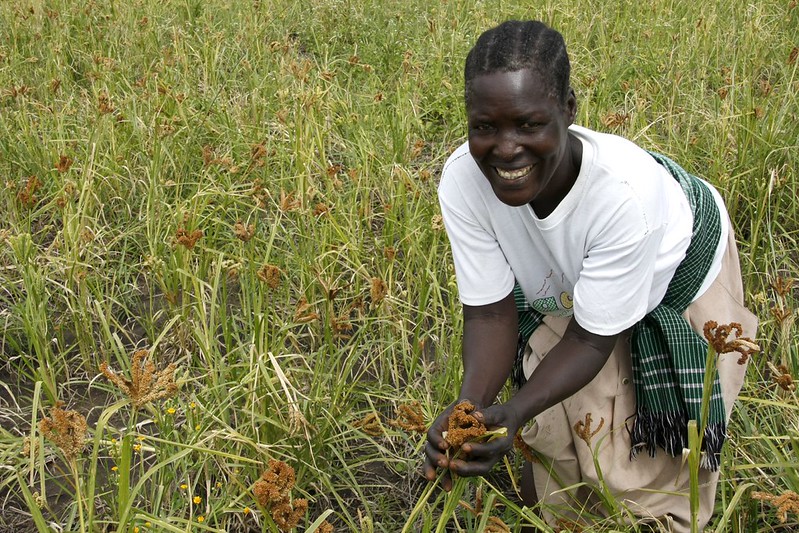 The Sahel stretches 6,000 kilometers across Africa. The United Nations Integrated Strategy for the Sahel (UNISS) estimates that 400 million people are residing in these 10 countries in the Sahel: Senegal Gambia, Mauritania, Guinea, Mali, Burkina Faso, Niger, Chad, Cameroon and Nigeria.
According to the International Fund for Agricultural Development (IFAD), the population of the Sahel will reach 500 million by 2050. The region also has one of the youngest populations with 65 % of the population being younger than 25 years old. Despite this rapid growth, climate and political instability continue to threaten food systems, emphasizing the importance of why soil digital intelligence is changing farming in the Sahel.
Effects of Climate and Political Instability
Natural disasters continues to shrink arable land and reduce habitability for plants, animals and humans. Political turmoil also disrupts the livelihoods of many farmers through social unrest and violence, severely affecting smallholder farmers in the region, according to IFAD.
These challenges have lowered agricultural yields, causing nutritional deficiencies and a worsening pastoralist economy. A main contributor to these declining yields is the lack of data on fertilizer conditions, which forces recommendations by governmental and research organizations to remain broad. Limited data also prevents national agencies from allocating resources and funding to support local farming communities.
The Introduction Of Digital Soil Intelligence
To address declining food production in the Sahel, leaders at the U.N. Climate Summit in Belém (COP30) prioritized climate finance and adaptation. It focused on digital soil intelligence platforms, which combine satellite imagery and climate data to provide real-time land health information. Soil digital intelligence is changing farming in the Sahel. One example of this technology is the Soil Values Geoportal.
Countries using the Soil Values Geoportal can now factor the following data into their restoration plans:
- Organic carbon levels
- Moisture deficits
- Erosion risk
- Biomass productivity
- Weather indicators
Access to detailed information on soil health enables policymakers to formulate more efficient guidelines and funding efforts. The integration of these tools plays a critical role in rural communities, where gaps in connectivity and coverage restrict access to basic soil guidance.
Platforms, such as the Soil Values Geoportal, function in low-bandwidth environments and provide relief in the form of mapping of livestock grazing conditions and seasonal water points.
The digitalization of land mapping also proves useful for environmental management. Farmers can determine the precise amount of nutrients necessary for fertilizer use and prevent acidification or contamination. These practices promote long-term sustainability and improve food security throughout the Sahel.
The Future of Digital Soil Intelligence
As extreme weather becomes a more pressing problem, soil digital intelligence is changing farming in the Sahel. Equipping farmers with real-time information on fertilizer health and rainfall patterns will begin to bring nutritional and social stability. Tools, such as the Soil Values Geoportal, are key to creating sustainable farmland and resilience to environmental stress. Further investment in these technologies is crucial for the people of the Sahel as the economy continues to grow.
– Sachin Kapoor
Sachin is based in Atlanta, GA, USA and focuses on Technology and Solutions for The Borgen Project.
Photo: Flickr
