Melioidosis in Bangladesh Threatens Rural Communities
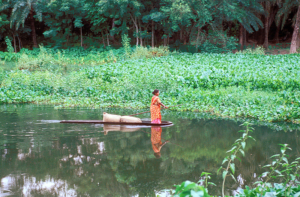 Hidden beneath flooded rice fields and carried by monsoon rains, a little-known disease is shaping a quiet public health crisis. Melioidosis in Bangladesh exists at the intersection of climate, poverty and limited health care access. Yet it remains largely invisible in national disease statistics.
For many patients, the illness never earns its real name, instead slipping through the health care system disguised as more familiar conditions. Rural communities suffer the most severe consequences, as their livelihoods depend on daily contact with soil and water. Understanding why melioidosis continues to evade recognition is essential not only to saving lives but also to protecting the people who sustain Bangladesh’s economy and food security.
Misdiagnosed, Misrepresented and Misunderstood
Melioidosis manifests differently from person to person and can range in severity from flu-like symptoms to skin abscesses and sepsis. Burkholderia pseudomallei enters the body through ingestion, inhalation or skin cuts, allowing it to infect the bloodstream, lungs and skin, sometimes simultaneously. Because the bacteria can affect multiple organ systems, melioidosis is often misdiagnosed as tuberculosis, fungal infections or even cancer.
These misdiagnoses can delay treatment, even though antibiotics must be started promptly and completed fully to improve recovery outcomes. Since the ’60s, hospitals in Bangladesh have reported only around 100 cases of melioidosis. This figure is widely believed to underestimate the true burden of the disease.
One study estimates that melioidosis in Bangladesh could account for up to 17,000 cases and 9,500 deaths each year. This gap is mainly due to limited clinical awareness and insufficient laboratory capacity for proper diagnosis. Patients with other underlying conditions, known as comorbidities, are at a higher risk of melioidosis, including those with diabetes, alcohol use disorder and chronic lung disease, which may complicate diagnosis further.
Rural Communities in Bangladesh at High Risk
Burkholderia pseudomallei is well-adapted to Bangladesh’s warm, humid climate. The bacterium thrives in environments with year-round high temperatures, waterlogged soil and frequent monsoon rainfall. As a result, rural communities, particularly those dependent on agriculture, face the greatest risk of infection.
Agriculture accounts for nearly 90% of rural employment and many farmers work barefoot or without protective equipment, increasing their exposure through direct contact with contaminated soil and water. Social factors further compound the risk. Poverty rates in rural Bangladesh stand at around 20%, compared with 16.5% in urban areas.
Illness caused by melioidosis can prevent individuals from working, deepening economic hardship for affected families and communities. Looking more broadly, the agricultural sector is one of the most productive in Bangladesh’s economy, contributing around 11% of the national GDP. Rural farming communities sit at the heart of this system.
Yet, they often have the least access to health care due to geographic and financial constraints. Protecting farmers and their families from melioidosis, therefore, supports not only their health and livelihoods but also the country’s food security and export capacity. This underscores the need for adequate protective equipment and timely access to effective antibiotic treatment.
Fighting for Futures: The South Asian Melioidosis Congress
In 2023, the third South Asian Melioidosis Congress (SAMC) met in Dhaka, Bangladesh, to discuss emerging research concerning the tropical disease and to share methods of its detection and management. These educational meetings aimed to raise awareness of melioidosis and provide physicians with the tools for accurate diagnosis. This proved successful, with nine reported cases of melioidosis in Bangladesh soon after the SAMC’s conclusion, each patient with different symptoms.
This reflects the vigilance of health care professionals regarding the early diagnosis of melioidosis as empowered by the collective effort of the SAMC to fight this disease. Following the conclusion of the fourth SAMC at the end of 2025, organizers are hopeful that renewed awareness will lead to more diagnosed cases being reported in Bangladesh. The theme of the fourth SAMC, “Melioidosis: The Great Mimicker,” highlighted the disease’s ability to mimic a wide range of illnesses.
The most recent congress brought together experts from across the world in Northeast India to discuss key issues surrounding melioidosis, including diagnostic approaches, public health implications and treatment guidelines. These discussions aimed to raise awareness of the disease and strengthen future efforts to protect vulnerable rural communities.
– Charlotte Bunn
Charlotte is based in Bristol, UK and focuses on Global Health for The Borgen Project.
Photo: Flickr
