5 Things Everyone Should Know about Healthcare in Eritrea
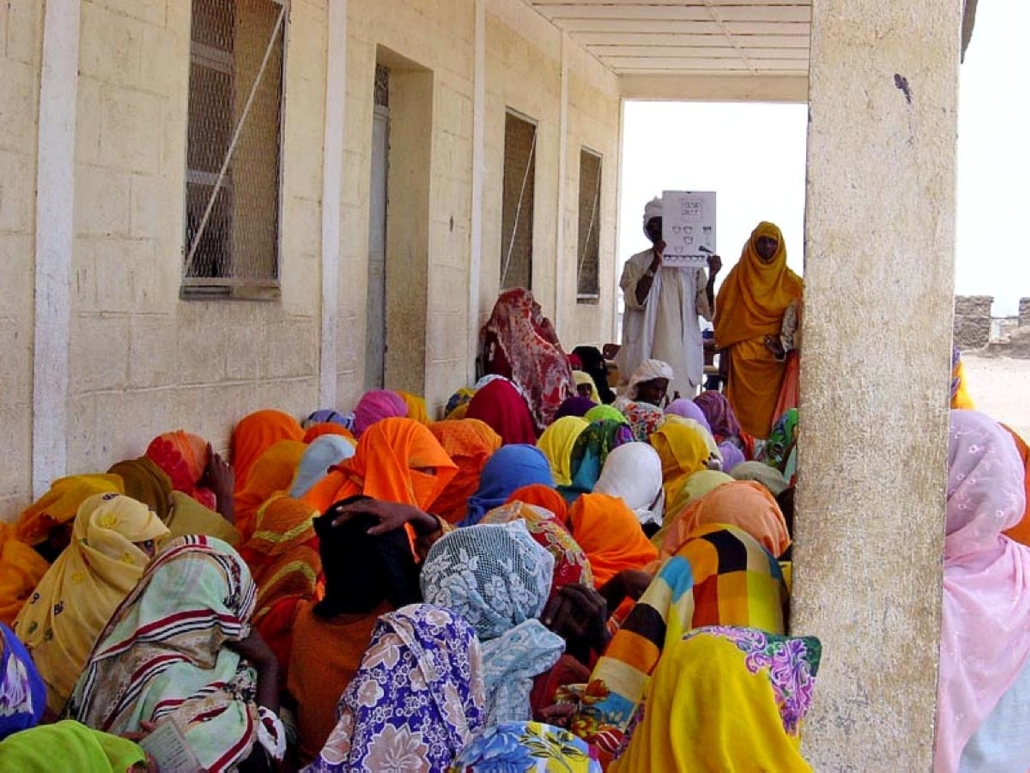 Eritrea is a small country in Northeast Africa, with a population of 3.2 million people. Eritrea gained independence in 1993 and remains one of the poorest countries in the world. Considering the total population, 66% of Eritreans live below the poverty line. Also, almost 33% of the population lives in extreme poverty — surviving on less than $1 per day. Eritrea is also a politically unstable country and calamities, such as war and natural disasters have contributed to the poverty level in Eritrea. Healthcare in Eritrea is another area in which the country is struggling. Although Eritrea has made great strides in life expectancy, maternal health and disease control — it does not measure up to other countries’ healthcare around the world. To learn more about the country’s health system, here are five things everyone should know about healthcare in Eritrea.
5 Things Everyone Should Know About Healthcare in Eritrea
- Resources are scarce. Eritrea currently has around six physicians and 75 midwives for every 100,000 people. While most of Eritrea’s healthcare providers are located in urban areas, 80% of the population that lives in rural areas is often omitted from healthcare provisions.
- Malaria is a major public health concern. Considering the total population, 70% live in areas that are at high risk for the disease. To rectify this, Eritrea’s government has been implementing widespread public health strategies. The government uses both national and community-based education programs to provide awareness of the disease. Besides this, the government is creating preventative strategies, such as the distribution of insecticide-treated nets (ITNs) to households across the country. Due to these efforts, more than 60% of people own at least two ITNs.
- Private healthcare facilities are few and far between. While private doctors are present in rural and urban areas, they are usually very expensive and only serve a small percentage of the population. There are two types of healthcare facilities in Eritrea — healthcare centers and emergency rooms. Only in emergencies can patients be admitted to hospitals without an appointment. For all other instances, people must consult with a local doctor in advance, to be admitted to a hospital.
- Infant mortality is decreasing and life expectancy is increasing. In Eritrea, infant mortality rates are lower than average (for sub-Saharan Africa). As the rest of the world watches global, infant mortality rates rise — the country has been taking steps to further decrease them. In 2018, the infant mortality rate was 31.3 deaths per 1,000 children born. In terms of life expectancy, Eritrea has made incredible strides. Since 1960, the life expectancy in Eritrea has increased by nearly 30 years and the average life expectancy is at 65 years (as of 2016).
- Healthcare in Eritrea is improving. In 2010, Eritrea published its National Health Policy, which outlined the country’s plans to improve its healthcare system. One goal of the policy includes hiring more healthcare workers (especially ones skilled in the treatment of non-communicable diseases). A second goal is to make technological improvements to allow for distanced training of healthcare workers. Final goals include increasing the quality and quantity of resources and adapting its healthcare worker distribution to be highly mobile and dispersed.
An Outstanding Record
While Eritrea is a relatively young country, it is making great strides in its healthcare system. It has one of the most robust healthcare infrastructures in the region. Eritrea’s response to COVID-19 shows the country’s ability to mobilize its government and healthcare system, to protect its people. Because of this, Eritrea has the lowest rate of infection and fewest deaths within the Horn of Africa. Hopefully, healthcare in Eritrea will only continue to improve.
– Hannah Daniel
Photo: Pixnio
