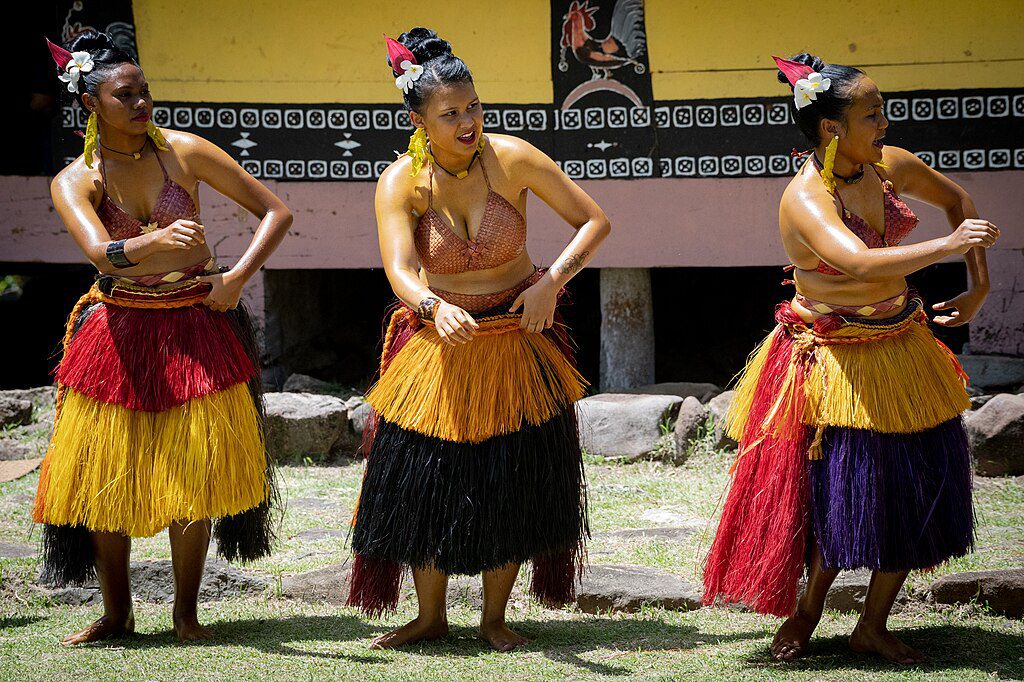
 Palau lies in the western Pacific Ocean and belongs to the Micronesia subregion of Oceania. The island enjoys one of the highest standards of living, yet it still relies heavily on U.S. foreign aid to maintain this status. Despite such aid, 24.9% of the population live in poverty, and disabled people face an even higher risk, just as in many other places.
There are many hardships that make life difficult for able-bodied people in Palau, which, while difficult, are manageable, but when extra factors that impact disabled people come into play, the barriers seem near impossible to overcome.
With a high life expectancy of 69.3 years and a population of 17,907, the disparity between the richest 20% and the poorest 20% is surprising, and substantial steps are needed to resolve this. This is especially important when the people most affected by this disparity are disabled people, who make up 3.4% of Palau’s population. In Palau, the poorest 20% of the population get 9% of the income, which is a massive contrast to the richest 20% who get 42% of the income.
The country seems aware of these differences, recently realizing that the lack of a clear definition of disability is making it harder to help those with disability live out of poverty. A clear definition helps with recognition of an issue and will overall make a positive influence on those with disability in poverty. Below are the top five things to know about disability and poverty in Palau and how it can improve over time.
1. Accessible Homes
The country has worked hard to improve the standard of living for disabled people, and the Committee on the Rights of Persons with Disabilities recently applauded Palau for its efforts to make housing accessible, not just for the disabled, but also for the elderly. In 2024, the government allocated $500,000 through the supplemental budget for the PHA to use on eight housing projects. The Committee noted great improvement in accessibility in this area. Since these actions are recent, there are no observable the outcomes of these projects, but the Committee’s positivity signals promising improvement.
2. Transport
Despite major accessible housing improvements, the Committee on the Rights of Persons with Disabilities felt that the country needed more in terms of accessible transport. If there isn’t an accessible way for someone with a disability to independently get around, gaining employment and living above the poverty line becomes much harder. This highlights the importance of disability and poverty being impactful on one another in communities, as independence is integral to keeping people out of poverty.
Though the state has some vehicles, they are only available via request, again highlighting work to be done. The Republic of Palau has recently put plans in place to build more roads and bridges to then increase the amount of public transport for all.
3. Health Care Expenditure
About 14.3% of Palau’s GDP goes to Healthcare Expenditure. This allows for disability and poverty to be recognized as it means that there is a focus on making disabled people’s health care accessible and easy, thus making independence more attainable. However, the lack of transport still limits health care, adding boundaries to disabled people in poverty, but doctors provide exceptional quality of care, when people can get there. This highlights the importance in the recognition of disability and poverty in Palau, as when one factor improves, such as transport, it can have a knock-on effect on many other industries, such as health care.
4. National Day
Palau joined the global community in recognizing the National Day for Persons with Disabilities. The day promotes the idea that every person deserves equal opportunities, dignity and inclusion. The population gets to reflect on how the country has strived for this equality in recent years. This reflection adds to the recognition of the correlation between disability and poverty, as people get to think about the lives of others they would not usually think about, and this reflection creates a good set up for future improvement in the workplace, transport, housing, etc. This national day occurs every December 3rd.
5. Persons With Disabilities Act
Lawmakers passed this act to help disabled people take an active role in society, whether through employment or other opportunities. This Act increases disability visibility, and with more than 2,800 people in Palau living with at least one disability, equality should be a given. Ensuring equal opportunity should help lift people out of poverty, since expanding access to income benefits everyone.
Takeaways
Continuous improvements in Palau are a pathway to a disabled person’s independence and visibility in Palau. With accessible homes and transport, disabled people will be able to have more agency in their own lives, suggesting a steady change to disparity on the island.
The battle against global poverty is a marathon, not a sprint, and recognition of issues within a country is a significant step forward to long-term change and the reduction of poverty. Realizing correlations such as the one between disability and poverty allows for change and improvements in the lives of thousands on the island, whether they be disabled themselves or the primary caregiver.
Overall, the five facts to know about disability and poverty in Palau highlight that while Palau still needs change and it is necessary, it is happening. While the disabled population of Palau have felt “invisible” in recent years, the latest government action shows positive visibility may be around the corner.
– Caitlin Cooper
Caitlin is based in Aberdeen, UK and focuses on Global Health and Politics for The Borgen Project.
Photo: Wikimedia Commons

Efforts To Address Maternal Health Care in Zimbabwe
Challenges To Maternal Health Care in Zimbabwe
There is a high rate of adolescent pregnancies in Zimbabwe, with more than 10% of births coming from women aged 15–19 years. For adolescent mothers in particular, the biggest barrier to receiving maternal health care is the stigma that comes with being a young mother. Other barriers for expectant mothers include cost, distance, cultural preferences, religious beliefs, a lack of information and distrust in the formal health care system.
Many women in Zimbabwe are hesitant to seek care from the public health system because of the lack of privacy and genuine care from these health professionals. With almost half of the population living in poverty, it becomes very difficult to afford private health services or travel out of rural areas to receive them. That being said, according to Amnesty International, more than 20% of women give birth without any skilled assistance.
Traditional Birth Attendants
In response to cultural preferences and religious beliefs, many women in rural Zimbabwe seek maternal health care from traditional birth attendants. These are often other women with extensive experience with live births, whether from their own births or those of family or friends. They assist expectant mothers who are unable to access the public health system.
Traditional birth attendants mainly operate in rural areas without sufficient maternal health care support. These women do not have any professional training or the tools necessary to conduct safe births. They function solely on their independent knowledge and desire to help pregnant women who have no support from family.
However, their presence is still incredibly helpful in ensuring safer births that would otherwise not occur. In particular, the group Women in Action, which is based in Epworth, a populated community near Harare, has become an essential resource for young women expecting children. Women in Action was founded in 2003 and has since assisted with more than 50,000 live births.
Its work is not confined to the immediate birth. The organization also helps with prenatal and postnatal care, something many women in rural Zimbabwe do not receive. “Soon after delivery, [the women] accompany mothers and newborns to nearby facilities for postnatal attention and even help arrange housing for new mothers if needed, bridging a critical gap in Zimbabwe’s overstretched maternal health system.”
Traditional birth attendants are essential to achieving adequate maternal health care in Zimbabwe. They should be provided with more support to help pregnant women best.
AI Midwife
Another innovation helping maternal health care in Zimbabwe is the creation of the AI midwife, Nyamukuta. This AI chatbot was created by a group of Zimbabwean women who noticed the lack of maternal health care in their communities. They designed the app to generate no profit, but rather to help pregnant women access more accessible care.
Given concerns that many people lack internet access, Nyamukuta was designed as a WhatsApp chatbot to make the midwife accessible in areas with slow internet access. Alongside the AI informational chatbot, the creators of Nyamukuta distributed blood pressure machines to pregnant women to help them monitor their health more effectively.
Conclusion
Combining Nyamukuta’s efforts with those of traditional birth attendants could have a significant impact. Traditional birth attendants lack the proper tools to serve their communities adequately.
With portable blood pressure machines and access to the information Nyamukuta provides, they would have a significant advantage in the care they can offer. Meaningful strides are already being made to address maternal health care in Zimbabwe and the trend is upward.
– Kaitlyn Crane
Photo: Flickr
Advancing Women’s Health Care in Lebanon
Positively, the World Bank reported that the country witnessed a “fragile rebound” in its economy at the end of 2025. The Group foresees steady GDP growth in 2026. However, it warns that multiple threats could put this trajectory at risk of another collapse.
With government systems failing, families have had to rely on nonprofits for essential aid. Anera, a nonprofit organization that previously focused on aiding refugees, estimates that about 50% of the people it is helping now are Lebanese. Moreover, due to hostilities from Israel–Hezbollah conflicts, the European Commission estimated a total of 2.2 million Lebanese people in need of humanitarian aid in 2025.
Health Care, Women and Gender Biases
While the economy is faltering, the number of women entering the health care sector in Lebanon is spiking. Now, in 2026, they represent nearly half of the medical students. This progress stands in contrast to the country’s broader gender disparities, as Lebanon ranks 136th out of 146 countries in the World Economic Forum’s 2025 Global Gender Gap Index.
Despite the trend of increased feminization of the workforce, women remain underrepresented in management and academic positions. They nevertheless have limited access to esteemed fellowships and specialty positions and are not paid the same wage as their male counterparts. Looking past the statistical disparities of women in the workforce, women in Lebanon face numerous barriers in health care accessibility and quality.
The economic crisis mentioned earlier exacerbated the cost of seeking health care, affecting women and girls, especially those in underprivileged areas. Prices for menstrual products, for example, rose by up to 234% for local brands and 409% for imported ones. As a result, 66% of girls could no longer afford them and instead turned to unsanitary and often dangerous alternatives.
UNFPA
The United Nations Population Fund (UNFPA) is a human rights agency working in more than 150 countries globally to ensure that the sexual and reproductive rights of women and girls are met fairly. In partnership with organizations such as UNICEF, it has raised funds, written training manuals for health care professionals and provided health care services to advance social equality and tackle gender-based violence. Its ultimate goal is to break the cycle of poverty by investing in the education of girls on the subjects of sexual and reproductive health.
Women Now for Development
Based in Syria and founded in Paris in 2012, Women Now for Development is a grassroots organization operating in Syria, Lebanon and Turkey. Its goal is to support, protect and empower women in their day-to-day lives. At its centers, it offers psychological and family counseling, educational support, recreational activities, vocational training and child care services.
It targets the most vulnerable female populations: refugees and disabled women and children. Over the years, it has helped many families regain dignity and autonomy.
Looking Forward
Nonprofit organizations such as UNFPA and Women Now for Development are significant steps forward in creating a sustainable, accessible future for women’s health care in Lebanon. Evident in the country’s ever-growing poverty statistics, however, is that there is still much to be done. Part of this effort includes securing Lebanon’s economic momentum; positive reforms and efforts to uphold political stability are essential to ensuring a Lebanese health care system that is accessible, fair and inclusive.
– Brittany Buscio
Photo: Flickr
Rouble Nagi: Solving Child Poverty in India With Art and Education
Her work primarily involves building education facilities and transforming the walls of abandoned buildings into educational murals. Indeed, these murals, which she calls “Living Walls of Learning,” teach reading, math, science and more, providing children with accessible learning opportunities. In February 2026, she was awarded the 2026 GEMS Education Global Teacher Prize for her outstanding work on the ground in marginalized communities.
A Hero for India’s Underprivileged Youth
India has the largest child population in the world, with 253 million adolescents out of 1.46 billion people and 25% of these children are living in poverty without access to education. As one of the largest nations in the world, India’s youth will be essential to the future of India and the world. But not enough of these children are getting the care and services they need to grow up with good physical and intellectual health.
Many factors keep impoverished children from attending school, primarily child labor, child marriage and a lack of proper education facilities. However, Nagi has found a way to work around this. She has designed an education system that works around the challenges facing India’s youth. Her education facilities offer lenient schedules, where children learn practical skills they will use in everyday life.
Nagi has created more than 800 classrooms and murals across more than 100 slums and communities through her organization, the Rouble Nagi Art Foundation (RNAF), resulting in astounding progress. For the one million children who attend her classrooms, she has reduced the dropout rate by 50% and helped ensure they stay in school until completion. Through art, compassion and hard work, Nagi has been a hero to India’s youth and a pioneer in ending child poverty.
Recipient of the 2026 Global Teacher Prize
The GEMS Education Global Teacher Prize is an initiative organized by the Varkey Foundation and UNESCO. Each year, judges select a teacher who has exemplified what it means to be an outstanding educator. The winner receives a $1 million prize for their accomplishments.
The most recent Global Teacher Prize went to Nagi for the sheer expanse of her positive impact on children’s education in India. She received this award at the 2026 World Governments Summit in Dubai. Judges chose Nagi out of more than 5,000 nominees from 139 countries, describing her as representing the very best of what teaching can be.
What Is Next?
With the $1 million reward she received, Nagi plans to continue providing education to marginalized youth to expand their opportunities and help them lead better lives. Specifically, she plans to build a specialized skilling institute, where she will provide free online and in-person literacy training. She exemplifies what it means to take action to improve the lives of those less fortunate.
Though child poverty in India remains alarmingly high, pioneers like Nagi are always emerging from the woodwork and taking charge of creating a better future. Her work isn’t done either; she plans to improve the lives of millions more, bringing an end to child poverty step by step.
– Lucas Cain
Photo: Flickr
Ghana’s Poverty Reduction Efforts in its Northern Regions
Several factors contribute to the spatial inequality in Ghana. Because agriculture is the primary employer in the north, there are more severe economic consequences due to the variable climate. Rainfall has declined, droughts have increased and floods have become more frequent. In addition, several cash crops, such as cocoa, are not suited to the area’s savannah characteristics.
In light of these challenges, the Ghanaian government is working to improve the economic strength and reduce poverty levels in the northern regions.
The Northern Development Authority
The Northern Development Authority (NDA) is an independent organization established in 2017 by an Act of Parliament, with one of its goals being to support Ghana’s poverty reduction efforts in the north. It succeeded the Savannah Accelerated Development Authority (SADA), an organization with a similar goal but described as inefficient. The NDA facilitates the distribution of social programs and helps secure foreign investment in the region.
The NDA’s projects are gradually transforming cities and regions. For instance, in the Bunkpurugu Nakpanduri District, the organization dug 32 boreholes, providing families with access to fresh water. However, Ghanaian leaders believe that the NDA has room for improvement. The Acting Chief Executive Officer of the Northern Development Authority, Dr. Emmanuel Abeere-Inga, pointed out in 2025 that government funds rarely reach the northern regions because “it’s taken by bureaucrats in Accra,” the country’s capital.
This public concern, while highlighting challenges within the NDA, does not negate the initiatives it has implemented. The organization continues to play a role in efforts to reduce poverty in the region.
Investment Assisting Ghana’s Poverty Reduction Efforts
The Ghanaian Ministry of Food and Agriculture and AAK, a supplier of plant-based oils, signed an agreement to expand the country’s shea industry. With a planned intensification of direct sourcing, around 300,000 women from the northern regions are expected to benefit. Additionally, the creation of an “Innovation Academy” and a processing factory will expand job opportunities and support poverty alleviation.
Investments such as these stem from government-led efforts. Recently, Ghana hosted the African Prosperity Dialogues, in which national leaders emphasized supporting inflows of investment, including restructuring investment laws to be more accessible to smaller investors. These efforts aim to grow local markets and reduce poverty, particularly in northern areas.
Free Senior High School Program
In 2017, Ghana launched the Free Senior High School program, with the aim of expanding access to secondary education across the country. Since its inception, the program has enrolled around 1.6 million students, though it continues to face capacity challenges. Many qualified students do not earn spots simply because demand exceeds supply.
Recently, Ghana initiated steps to close this gap by opening 25 private schools across all regions to participate in government-funded education. These efforts may contribute to easing poverty, especially in northern regions where rates are higher. A 2023 article by the United Nations Development Programme (UNDP) explains the connection between poverty and education, noting that poverty rates would be “halved if all adults completed secondary school.” In this way, Ghana’s Free Senior High School program supports education reform and contributes to poverty reduction in the north.
Looking Ahead
Through both progress and challenges, the Ghanaian government continues working to address poverty in its northern regions. Programs such as the Northern Development Authority may face bureaucratic delays, while other initiatives demonstrate measurable outcomes. Overall, efforts to reduce poverty in northern Ghana remain complex, involving multiple strategies and ongoing policy adjustments.
– Ben Anderson
Photo: Pexels
Feeding a Tourism Boom: How Food Tourism Fights Poverty
Culinary tourism, however, offers a more accessible form of cultural exchange. By sharing food and culinary knowledge, refugees and low-income communities can earn an income while introducing others to their culture. Through cooking classes, food tours and shared dining experiences, food becomes both a point of connection and a practical route out of poverty, demonstrating how food tourism fights poverty in tangible ways.
The Growth of Food Tourism in Vietnam
As travelers increasingly look to connect with local culture through food, Vietnam has emerged as a key destination for food tourism. The country’s diverse regional cuisines, including widely recognized dishes such as pho, banh mi and bun cha, have gained growing international attention, making food a central part of the visitor experience. Culinary experiences now influence travel choices, with many visitors actively seeking out food tours, cooking classes and local dining as part of their itineraries.
In response to this demand, Vietnamese cities such as Ho Chi Minh City have begun positioning cuisine as a “language of tourism,” using food to enhance cultural engagement and destination appeal. Across the country, food tourism takes many forms, including guided food tours, cooking classes and home-based dining experiences. Locals transform everyday culinary practices into paid experiences through these activities, relying on local knowledge of regional cuisines and traditional cooking methods.
In doing so, food tourism creates accessible income opportunities in both urban and rural communities, linking cultural heritage directly to economic activity. One initiative that demonstrates how food tourism can support economic opportunity is STREETS International, a social enterprise based in Hoi An. Founded in 2009, STREETS combines culinary training with hospitality education through a free 14-month program for disadvantaged young people living in poverty.
The program provides classroom instruction, hands-on training, English-language education, supervised housing and access to basic needs such as meals and health care. Associated enterprises, including Oodles of Noodles and the Noodle House, provide participants with practical experience within the tourism sector. Through this model, STREETS supports pathways into employment and long-term economic independence, illustrating how food-related tourism initiatives can contribute to sustainable livelihoods in Vietnam’s hospitality industry.
Cooking Classes and Refugee Support
In the U.K., food tourism has also taken on a social role through initiatives like Migrateful, which uses cooking classes to support refugees and asylum seekers. Rather than having visitors consume and leave food behind, Migrateful centers the people behind the recipes. Participants lead public cooking classes, sharing dishes from their home countries while earning an income and building skills that support long-term employability.
Beyond economic support, the classes create a space where cultural exchange happens naturally, not through policy or debate, but through shared meals and conversation. For participants, this model offers practical economic support alongside confidence, language development and a sense of belonging. For attendees, it reframes migration through personal connection, demonstrating how food tourism fights poverty while encouraging understanding and inclusion.
Conclusion
Food tourism is more than a niche trend; it reflects a deeper shift in how tourism, culture and community intersect. At its heart, food tourism channels local food traditions and practices into meaningful economic activity, helping destinations not only attract visitors but translate cultural heritage into livelihoods. In places like Vietnam, cuisine plays a decisive role in destination choice and spending.
There, culinary experiences provide concrete income streams for small businesses and cultural practitioners while reinforcing cultural identity on the global stage. The World Food Travel Association estimates show up to 81% of international travelers seek local food experiences and spend 25–35% of their travel budget on food and drink.
When thoughtfully implemented, initiatives like STREETS International and Migrateful show that culinary programs can extend beyond meals to become catalysts for social and economic empowerment. By equipping participants with skills, income and confidence, these efforts demonstrate that cuisine can foster inclusion, cross-cultural understanding and sustainable livelihoods. In this way, food tourism fights poverty by feeding not just the tourism boom, but the communities behind the food itself.
– Iona Gethin
Photo: Flickr
Using Technology to Improve Education in Tanzania
The national language in Tanzania is Swahili (Kiswahili), with English as the second most common. In Tanzania, there is no push to learn English at a young age, which causes children to drop out and be left in a pitfall without the opportunity to learn and the inability to be employed in higher-paying jobs.
The setbacks that children face in Tanzania are not their fault. Despite the education system’s flaws, there is a group of hardworking people who are using technology to help bridge the English gap and keep students in school.
Selfless Solutions (E-Shuleni)
After a volunteer trip to Tanzania, Patrick Irwin saw how much the children in Tanzania wanted to learn, but didn’t have the resources to learn. Irwin wanted to make a change in providing education and using technology to bridge the language barrier, and seeing the motivations of the kids encouraged Irwin to keep going.
“When you see with your own eyes just how much the kids are developing thanks to the work of our organization and all the people involved, it gives you a lot of motivation to continue to do the things that aren’t necessarily as fun,” Iwrin said.
“E-Shuleni” is the technology used as a way to help children transition to learning English with more ease. For seven years, children are taught Swahili, and once the students complete primary school, an abrupt switch to learning English happens. This switch often causes struggles to keep up with the curriculum, and many students drop out.
Struggles in Education
The education system in Tanzania, though scoring high rates on their exams, continues to struggle with other problems: overcrowding, teacher shortages, financial struggles, and resource gaps are just some of the problems that they still face.
Poor proficiency in English as the medium of instruction was a major factor contributing to higher dropout rates in early secondary grades, according to a study by Consortia Academy. School records revealed that many students…struggled to understand lessons and communicate effectively in English…This language barrier created significant learning challenges, limiting students’ participation in class and their ability to perform well in assessments, ultimately contributing to early school withdrawal.
These problems, though not significant to just Tanzania, are problems that many surrounding countries face. However, the problems of education and solutions to fix those problems are focused solely on Tanzania, because each country is different.
Focusing on education in just Tanzania with the Selfless Solutions program, Irwin believes that this will, in turn, bring more support and a steady footing underneath. Instead of trying to branch out to different countries.
“We are focused on strengthening and sustaining existing programs that we have rather than expanding into new areas,” Irwin said. “Our program is designed to scale and expand across Tanzania, but it may not be suitable for neighboring countries like Kenya and Uganda.”
Since 2019, when Selfless Solutions was founded, this program has created a bright and supportive future for the children in Tanzania.
Future of Selfless Solutions
Following the success and positive results from the pilot of “E-Shuleni,” the enterprise of teaching children English has expanded to seeking new partnerships and groups.
Selfless Solutions expanded “E-Shuleni” to the new “E-Shuleni” Reading Club. The reason behind this is the first class that used this technology, the children completed the full e-learning program. These children have now moved to grade 5, aiding in the improvement of children who surpass the dropout rate when they start to learn English.
The students come together every week to read, practice, and stay connected to English. Irwin believes that hope and self-belief are not contained in the classroom, and that a child is influenced when they are at home or in their community. Selfless Solutions creates a groundwork and steadiness for more things in life, not just education.
– Elizabeth Fryer
Photo: Selfless Solutions
How Remittances to Mexico Are Helping Its Population
What Are Remittances?
Remittances are money transfers that Mexican nationals living abroad send back to their families living in Mexico. For the last decade, “remesas” (remittances in Spanish) have been a fundamental source of income for families with family members working abroad. Families across Mexico have used these money transfers to afford necessities and foster development in their communities.
Remittances’ Impact in Mexico
Mexico has a long history of using remittances as a major source of income for its citizens. For years, Mexico has been the second-largest recipient of remittances globally, just behind India. In 2023 alone, Mexico received 7.5% of global remittances, representing $63.3 billion distributed to millions of Mexicans across the country.
Remittances to Mexico account for roughly 4.5% of its total GDP. To put into perspective, remittances account for more of Mexico’s GDP than Foreign Direct Investment (FDI), tourism and manufacturing. Furthermore, remittances are transferred directly to the population, allowing families to spend this money on what they need. Many families use this money to pay rent, afford weekly groceries, or other daily expenses. Others save this money for future expenses, pay for their children’s education, or invest in their home.
In 2024 alone, remittances helped more than 1.1 million people escape multidimensional poverty across all of Mexico. Without remittances, the number of people living in poverty would increase from 38.5 million to 39.9 million.
Remittances to Mexico not only have short-term benefits for families, but they also have long-term positive impacts on the overall economy. Remittances increase the purchasing power of millions of Mexicans, which in turn increases the consumption of products that benefit local businesses. They are also used to send the younger generations to school, which can have positive impacts in the future as education levels increase nationwide.
Government Involvement
The Mexican government has recognized the positive impact of remittances across the country and has taken steps over the last year to protect these money transfers, helping millions of Mexicans.
In July of 2025, the Mexican government introduced the “FINABIEN” card and “FINABIEN” app, an electronic card that allows migrants to send money back to Mexico more safely and reliably. This new system will facilitate money transfers for migrants living abroad, decreasing the cost of sending money to their families.
Living abroad can be a difficult experience, with families having to talk online to stay in contact with their loved ones. However, living abroad has positive benefits for migrants and their families through remittances. Remittances have allowed millions of families in Mexico to improve their lifestyle and invest in their future, contributing to Mexico’s long-term development.
– Rodrigo Salgado
Photo: Unsplash
Top 5 Facts To Know About Disability and Poverty in Palau
There are many hardships that make life difficult for able-bodied people in Palau, which, while difficult, are manageable, but when extra factors that impact disabled people come into play, the barriers seem near impossible to overcome.
With a high life expectancy of 69.3 years and a population of 17,907, the disparity between the richest 20% and the poorest 20% is surprising, and substantial steps are needed to resolve this. This is especially important when the people most affected by this disparity are disabled people, who make up 3.4% of Palau’s population. In Palau, the poorest 20% of the population get 9% of the income, which is a massive contrast to the richest 20% who get 42% of the income.
The country seems aware of these differences, recently realizing that the lack of a clear definition of disability is making it harder to help those with disability live out of poverty. A clear definition helps with recognition of an issue and will overall make a positive influence on those with disability in poverty. Below are the top five things to know about disability and poverty in Palau and how it can improve over time.
1. Accessible Homes
The country has worked hard to improve the standard of living for disabled people, and the Committee on the Rights of Persons with Disabilities recently applauded Palau for its efforts to make housing accessible, not just for the disabled, but also for the elderly. In 2024, the government allocated $500,000 through the supplemental budget for the PHA to use on eight housing projects. The Committee noted great improvement in accessibility in this area. Since these actions are recent, there are no observable the outcomes of these projects, but the Committee’s positivity signals promising improvement.
2. Transport
Despite major accessible housing improvements, the Committee on the Rights of Persons with Disabilities felt that the country needed more in terms of accessible transport. If there isn’t an accessible way for someone with a disability to independently get around, gaining employment and living above the poverty line becomes much harder. This highlights the importance of disability and poverty being impactful on one another in communities, as independence is integral to keeping people out of poverty.
Though the state has some vehicles, they are only available via request, again highlighting work to be done. The Republic of Palau has recently put plans in place to build more roads and bridges to then increase the amount of public transport for all.
3. Health Care Expenditure
About 14.3% of Palau’s GDP goes to Healthcare Expenditure. This allows for disability and poverty to be recognized as it means that there is a focus on making disabled people’s health care accessible and easy, thus making independence more attainable. However, the lack of transport still limits health care, adding boundaries to disabled people in poverty, but doctors provide exceptional quality of care, when people can get there. This highlights the importance in the recognition of disability and poverty in Palau, as when one factor improves, such as transport, it can have a knock-on effect on many other industries, such as health care.
4. National Day
Palau joined the global community in recognizing the National Day for Persons with Disabilities. The day promotes the idea that every person deserves equal opportunities, dignity and inclusion. The population gets to reflect on how the country has strived for this equality in recent years. This reflection adds to the recognition of the correlation between disability and poverty, as people get to think about the lives of others they would not usually think about, and this reflection creates a good set up for future improvement in the workplace, transport, housing, etc. This national day occurs every December 3rd.
5. Persons With Disabilities Act
Lawmakers passed this act to help disabled people take an active role in society, whether through employment or other opportunities. This Act increases disability visibility, and with more than 2,800 people in Palau living with at least one disability, equality should be a given. Ensuring equal opportunity should help lift people out of poverty, since expanding access to income benefits everyone.
Takeaways
Continuous improvements in Palau are a pathway to a disabled person’s independence and visibility in Palau. With accessible homes and transport, disabled people will be able to have more agency in their own lives, suggesting a steady change to disparity on the island.
The battle against global poverty is a marathon, not a sprint, and recognition of issues within a country is a significant step forward to long-term change and the reduction of poverty. Realizing correlations such as the one between disability and poverty allows for change and improvements in the lives of thousands on the island, whether they be disabled themselves or the primary caregiver.
Overall, the five facts to know about disability and poverty in Palau highlight that while Palau still needs change and it is necessary, it is happening. While the disabled population of Palau have felt “invisible” in recent years, the latest government action shows positive visibility may be around the corner.
– Caitlin Cooper
Photo: Wikimedia Commons
Everything To Know About the Gender Wage Gap in Kyrgyzstan
The Gender Wage Gap in Kyrgyzstan
Achieving true gender equality within Kyrgyzstan is challenging due to Kyrgyzstan’s notable imbalance in payment regarding working hours for both men and women. Women appear to earn only around 75% of the profits that men do, despite sharing similar levels of education and work experience. While many female workers primarily take jobs in sectors with lower pay, such as education, health care or social work, females must also participate in more domestic work, such as feeding and raising children, which is unpaid and limits opportunities for outside work, thereby expanding the gender wage gap in Kyrgyzstan.
According to Kyrgyzstan’s Country Gender Equality Profile (CGEP), over the past 15 years, its women’s employment rate has declined from 49.3% to 43.8%, likely due to the country’s traditional gender norms and expectations, which make it more challenging for women to find well paying work. Of the women who have employment, more than 75% of them are in low paying social jobs, causing them to receive a low income on average which contributes to the 25% gender wage gap in Kyrgyzstan. Women also spend 4.5 times as many minutes per day on household labor, which goes unpaid and thus their efforts unrewarded.
Causes for Inequality in Kyrgyzstan
While there isn’t a definitive reason as to why women receive less pay than men on average, a potentially eye opening reason could be Kyrgyzstan’s rising domestic abuse rates. As of July 2025, authorities received more than 10,000 reports of domestic violence with Kyrgyzstan, a 35% increase from the same period in 2024. Most of the abuse is against women and young girls, especially those with disabilities which place them in situations where they are unable to find work or fight back against their oppressors. Reporting domestic abuse to the police is a very challenging situation as tormenters often coerce victims into remaining silent about their misfortune which makes them afraid to speak up and more difficult to protect them from harm. Due to these patterns, the number of unreported physical or sexual assault cases that occur will likely stem way higher than what is actually being projected.
Poverty in Kyrgyzstan
Kyrgyzstan currently lives in extreme poverty, with more than 30% of its residents living below the standard rate of living. Their limited access to healthcare and education make it challenging to find work and obtain a salary used to keep themselves afloat. Many young children in Kyrgyzstan have to drop out before graduation in order to perform work with little to no pay for their efforts. Even with the resources allotted, they are most often unfairly distributed amongst the genders, which further adds onto the difficulty of women in Kyrgyzstan being able to find work.
Solutions
Thankfully, there are efforts underway to assist struggling women employees as well as to combat the gender wage gap in Kyrgyzstan that still exists. On February 10th 2025, several delegates met up in Kyrgyzstan’s capital Bishkek to discuss potential solutions. They proposed several ideas including the Kyrgyzstan Gender Equality Strategy 2030, a regulation intended to provide extra economic opportunities for women, developing women’s entrepreneurship programs and strengthening protection from gender discrimination in Kyrgyzstan.
Another important solution proposed at the meeting included the previously formed Convention on the Elimination of All Forms of Discrimination Against Women (CEDAW). First formed in 1979, this convention aims to oversee workplace discrimination against women alongside other guaranteed rights such equality and the right to vote in elections. While signs of major improvement in Kyrgyzstan have yet to be shown, providing for more reinforcement as well as supporting these programs can provide a safe and effective package toward protecting these guaranteed freedoms.
Looking Ahead
Overall, the gender wage gap in Kyrgyzstan provides little room for female workers to climb up the ranks and obtain fair payment. Receiving a typically low income alongside domestic cases rising throughout the recent years make finding and keeping employment challenging. However, that’s not to say that efforts haven’t occurred to combat workplace discrimination. Solutions, such as the Kyrgyzstan Gender Equality Strategy 2030 and the Convention on the Elimination of All Forms of Discrimination Against Women (CEDAW), have occurred to reduce inequality in the workforce. The gender wage gap in Kyrgyzstan is more than just a personal issue, but rather a systematic one that requires cooperation from both governmental forces and the general public in order to reach an effective solution that positively affects everybody.
– Will Mancuso
Photo: Flickr
Ending Child Marriage in Equatorial Guinea
What Does Child Marriage in Equatorial Guinea Look Like?
Since 1992, Equatorial Guinea’s government has committed itself to ending child marriage, acceding to policies such as the Convention on the Rights of the Child and Convention on the Elimination of All Forms of Discrimination Against Women (CEDAW), to ensure states’ eradication of non-consensual marriages, and the enforcement of the legal age for consent. Unfortunately, the country has struggled with enforcing these policies, due to a growing population and high rates of underage marriage in rural areas where infractions are less easily controlled.
Underage marriage is a multidimensional problem with innumerable consequences. Child marriage in Equatorial Guinea, like so many other nations, is a practice entrenched in cultural history, but also born from economic instability and thus it acts as a survival mechanism, shifting the financial burden to another family. Once married, these girls’ futures shrink, as either marital responsibilities or pregnancy impede education because pregnant girls cannot attend school by Equatorial Guinea’s law. The issue only expands from here, as without an education, a girl’s independent economic opportunities diminish, and young pregnancies often result in medical traumas or death.
Why Does the Problem Still Exist?
Although Equatorial Guinea has expressed a strong commitment and desire to combat this practice and enforce a legal consenting age for marriage, the problem persists, with the rate only having declined 12% from 1986 to 2026. One explanation for this is that child marriage in Equatorial Guinea functions at an ‘average’ rate, and as such there is a lack of data on the practice, owing to its undistinctive record. One could view this as cause for relief, however, an average score of approximately 40% of the population is not as small a number as it may seem.
UNICEF’s and the UNFPA’s Study
UNICEF and the United Nations Population Fund (UNFPA) conducted a study in which they compared and ranked the percentage of girls married before 15 and 18 in West and Central Africa, and found that Equatorial Guinea landed on the low end of the spectrum, but this does not take into account the size of the country’s population, nor the disparity between rates of underage marriage in urban and rural parts of the country. Concerning the latter, rural areas are harder to police due to their higher levels of poverty and consequently, greater disconnection from urban society. Poverty is not simply a lack of financial wealth or work, but poor infrastructure, education and food, all of which often create a sense of isolation. As such, marrying daughters at a young age alleviates the economic drain on a poorer family.
In turn, UNICEF’s study illuminated the former factor; according to UNICEF and UNFPA, “Despite the gradual decrease in prevalence in the region, however, the number of child brides is projected to grow given the growing population in the region. Projections show that […] Even if decline rates are doubled, the region will still have 14.8 million child brides by 2050.” In brief, without a decline in the population, there can be no stable and significant decline in child-brides.
Solutions
The situation is not hopeless, however. As of 2022, the country has taken real action, with a partnership between the government, UNICEF and UNFPA, who together have launched campaigns against child marriage, as well as violence against women and gender based discrimination. Equatorial Guinea’s campaign ‘UNiTE!’ currently aims to increase awareness on protection for girls and women, advocate for strategies to eliminate gender based threats, promote female leadership and mobilize stakeholders to support this mission. The government has vowed to end child marriage by 2030 with three draft bills in its pipeline including The Draft Bill Regulating Traditional Marriage in the Republic of Equatorial Guinea, demonstrating a renewed dedication to finally abolishing child marriage in its country.
There are already internationally recognized activists, like Hoda Ali and Jaha Dukureh, speaking out against child marriage and related issues in sub-Saharan Africa. Additionally, organizations such as Girls Not Brides and the Girls First Fund are working to raise awareness and battle against these traditions. These organizations reach across the globe to fund and fuel female-centered projects with the desire to equalize opportunities for girls and women, be it in regards to education or simply freedom from underage and nonconsensual unions. It is the hope that Equatorial Guinea’s own female voices, with the help of these global organizations, will only become louder and stronger.
– Jaya Noonan
Photo: Unsplash