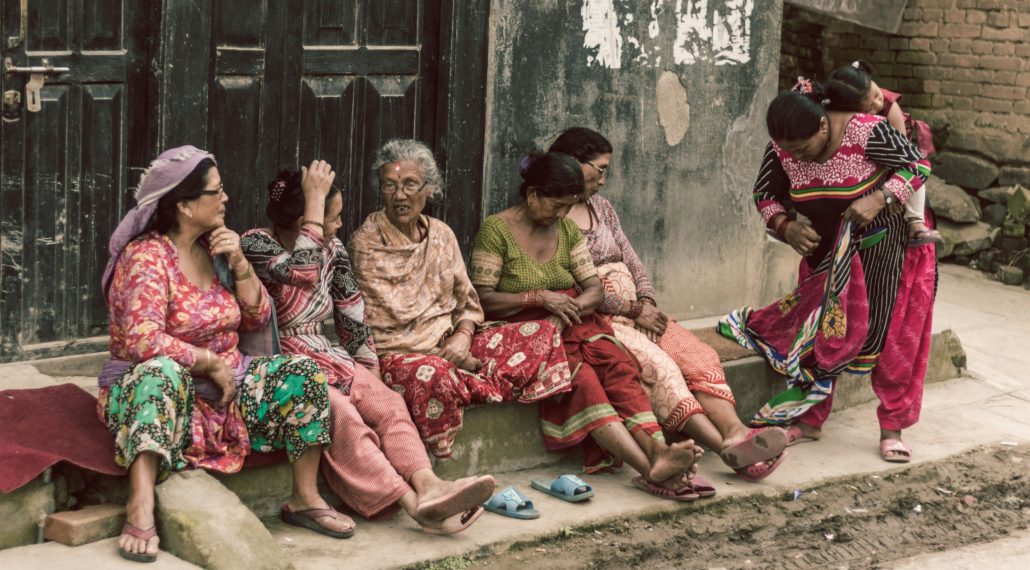
 Despite improvements in recent years, hunger in Nepal remains a significant challenge. According to the World Food Programme (WFP), 16.5% of the population was food insecure in October 2024, and about 4.81 million people were consuming inadequate diets.
The country’s overall hunger level is classified as “moderate” by the Global Hunger Index, reflecting both progress and ongoing challenges. Malnutrition remains one of the most serious aspects of the problem. Limited dietary diversity and poor access to nutritious food contribute to long-term health issues, particularly among women and children.
The Geography of Hunger in Nepal
Geography plays a central role in shaping hunger in Nepal. Mountain regions are among the most isolated in South Asia, with limited road networks and difficult terrain. Transporting food to these areas is costly and time-consuming, which drives up the price of basic staples.
According to the World Food Programme, food prices are two to three times higher in mountain regions, even when national food prices remain relatively stable. Limited farmland, harsh weather conditions and seasonal isolation also make it difficult for many communities to produce enough food locally. As a result, households in remote regions are more vulnerable to shortages and price shocks.
What Drives Hunger in Nepal?
Several interconnected factors contribute to hunger in Nepal, with poverty remaining one of the most important drivers. In rural areas, employment opportunities are limited and many households depend on small-scale agriculture, but limited land and low productivity restrict income and food production. For example, the average farm size is only about 0.7 hectares, and more than half of farming households cultivate less than 0.5 hectares, making it difficult to produce enough food beyond subsistence levels.
Changing weather patterns and environmental hazards also intensify food insecurity. Natural disasters such as floods and landslides frequently damage crops and disrupt food systems, while many farmers rely on rainfall because only just over half of Nepal’s agricultural land has irrigation.
Geographic and infrastructural challenges further compound the problem. Food access is particularly limited in mountainous regions, and child stunting rates reach 46.8% in mountain areas compared with 36.7% in the Terai, highlighting regional inequalities in nutrition and food access. Poor infrastructure and limited market connectivity in remote areas make it more difficult for farmers to transport food and access markets, reinforcing existing food insecurity.
Progress Made in Reducing Hunger
Despite these challenges, Nepal has made notable progress in reducing hunger in Nepal over the past two decades. Economic recovery and steady development have helped improve household incomes and strengthen food access.
The country’s GDP growth increased from 1.9% in 2023 to 3.9% in 2024, with projections reaching around 5% in 2025.
Food insecurity has also declined compared with recent years. While 16.5% of Nepalis were food insecure in 2024, this represents a 6.4-percentage-point drop from the peak recorded during the COVID-19 pandemic in 2020.
Programs Tackling Food Insecurity
Several initiatives are working to address hunger in Nepal. The World Food Programme has been supporting food security programs in the country since 1963, assisting vulnerable communities and responding to disasters.
One key initiative is the national school feeding programme, which in January 2026 expanded when 1,039 schools in Sudurpaschim Province were integrated into Nepal’s Mid-Day Meals Programme.
Nutrition education programmes initiated by the World Food Programme are also helping communities improve diets. Cooking demonstrations and training sessions have taught thousands of caregivers how to prepare healthier meals using locally available ingredients.
However, experts note that most nutrition policies in Nepal have historically focused on undernutrition, with far less attention given to overnutrition and diet-related diseases. While undernutrition remains a major concern, Nepal is increasingly facing a “double burden” of malnutrition, where both undernutrition and obesity coexist. For instance, 35.8% of children under five were stunted and 11% suffered acute malnutrition in 2016, indicating persistent undernutrition. At the same time, rates of overweight and obesity are rising: 22.8% of women and 19.1% of men were classified as overweight, and overweight among women aged 15–49 increased from 13% in 2011 to 21% in 2016.
Diet-related health risks are also growing, with noncommunicable diseases accounting for about 66% of total deaths in Nepal. These trends are linked to limited access to diverse, nutritious foods and changing dietary patterns, particularly in geographically isolated areas where access to fresh foods can be restricted.
Changing Weather and the Future of Food
Agriculture remains central to Nepal’s economy and food system, but changing weather patterns are increasingly shaping how farmers produce food. Changing rainfall patterns and extreme weather events threaten crops and rural livelihoods. To strengthen resilience, initiatives such as Farmer Nutrition Schools have trained about 4,000 smallholder farmers in climate-resilient and nutrition-sensitive agriculture. These programs promote techniques such as improved irrigation, composting and crop diversification to help farmers adapt to environmental pressures.
The Road Ahead
Nepal’s progress in addressing hunger in Nepal shows that sustained investment in nutrition, agriculture and social protection can make a difference. Yet geography, climate risks and persistent inequalities continue to shape who benefits most from that progress.
Experts say that while Nepal has adopted numerous food and nutrition policies, many lack clear implementation and monitoring mechanisms, limiting their long-term impact.
Strengthening these systems, alongside improving road networks, supporting climate-resilient agriculture and expanding nutrition programs, will be essential to ensuring that all Nepalis have reliable access to nutritious food.
– Sayanee Mandal
Sayanee is based in Glasgow, Scotland and focuses on Global Health for The Borgen Project.
Photo: Unsplash

Gender Wage Gap in Panama
Key Aspects of Gender Equality
An important aspect of gender equality is the legal framework that upholds women’s rights. Panama has initiated many laws and regulations surrounding gender equality and protecting women from violence and discrimination. According to a report from the UN Women organization, there are about 88.9% of legal frameworks surrounding gender equality and the protection of women from violence in the country. These frameworks in particular signify the country’s commitment to align with the Sustainable Development Goals (SDGs).
Another critical aspect of gender equality is economic participation. In Panama, there is an increase of women working in labor forces, leadership roles and business and institutions. The World Bank reports that the participation of women in the labor force has steadily increased over the previous years with 54.9% in 2025. In addition, small and medium women owned enterprises significantly contribute to the national economy.
A press release by the Ministry of Labour and Workforce Development of Panama states that as per a UN Women study, the gender wage gap in Panama is about 11.5%.
One of the biggest contributors to poverty is the gender wage gap in Panama. Due to the fact that women earn lower than men, their ability to lift themselves and their loved ones decreases. Higher gender wage gaps usually indicate that women-led households tend to have higher risk of poverty.
According to the Panama Country Gender Scorecard by the World Bank Group, in 2010, a woman in the 25th percentile would earn 75 cents per every dollar a man earned. In 2019, this gap worsened with 59 cents for every dollar.
The World Economic Forum released a 2025 report on Gender Based Gap in which Panama ranks 107th in the world based on wage equality for similar work. In 2025, the estimated earned income difference between a male and a female was $12.04.
Political Representation and Social Challenges
Although women continue to be more involved in the country’s economy, they continue to remain unrepresented in the government. According to UN Women Data, women held 22.5% of parliamentary seats in Panama. Prioritizing women in politics will ensure that more of the population has representation.
Social expectations of women are often that women are expected to commit to domestic responsibilities more than men. As per UN Women Data, women spend almost 18% of their time on household chores and unpaid care whereas men only spend 7.6% of their time. The imbalance prevents women from being encouraged and pursuing education and employment.
Solutions Over the Years
In order to resolve these disparities. Panama has developed connections with international initiatives that work on reducing gender equality. For example, the Equal Pay International Coalition (EPIC) is a global partnership designed to close the gender wage gap. Through EPIC, Panama works with other international organizations and governments to advocate and promote economic opportunities and fair wages for women.
Post-Pandemic women had been facing significant disadvantages and lacked economic opportunities. In order to improve the economy, government representatives, specifically from the labor and employer sector created the National Plan for Equal Pay. This originated through collaboration between different government organizations as well as the support of UN Women and the International Labour Organization (ILO).
To address the gender wage gap in Panama, different ministries such as Labour and Workforce Development, Social Development and Foreign Affairs of the Republic contributed to the UNDP Gender Equality Seal for Private Sector which assists companies with addressing gender pay issues, sexual harassment and leadership opportunities for women.
Looking Ahead
Panama’s solutions to its problems regarding gender wage gaps sound promising, particularly when partnering with other reputable and impactful organizations. The country still has a long path ahead of itself to increase fairness amongst its people, but the desire for change is there and that is what is needed.
– Hasini Muddapu
Photo: Wikimedia Commons
How Maternal Health Programs Reduce Mortality Rates in Benin
These causes highlight the role of maternal health programs in reducing maternal mortality rates in Benin by offering assistance, care and education. These services improve survival rates, reduce long-term health complications and strengthen families and communities. Several international organizations are actively working to reduce maternal mortality rates in Benin.
Médecins Sans Frontières
Médecins Sans Frontières (MSF), also known as Doctors Without Borders, partners with the Benin Ministry of Health (MOH) to support activities in villages that promote pregnancy education and awareness, consultations and access to contraceptives. MSF has also assisted several health centers by supporting staff recruitment, improving working conditions and supplying essential medical equipment and medicines.
In addition, MSF has supported more than 9,920 people with safe deliveries, assisted 3,253 people with family counseling and conducted more than 22,211 prenatal consultations. These efforts directly reduce preventable maternal deaths by ensuring that women have access to skilled medical professionals, safe delivery environments and essential reproductive health services. By expanding access to skilled care, MSF plays a key role in reducing maternal mortality rates in Benin.
UNFPA
Another organization working to improve maternal health in Benin is the United Nations Population Fund (UNFPA). UNFPA is an international reproductive health agency of the U.N. that operates in more than 150 countries. Its mission is “to deliver a world where every pregnancy is wanted, every childbirth is safe and every young person’s potential is fulfilled.”
UNFPA also addresses the “three delays” in maternal health: deciding to seek care, reaching a health facility and receiving adequate treatment. During its previous program cycle in Benin, UNFPA reached more than 985,944 new modern contraceptive users, prevented more than 290,296 unintended pregnancies and educated more than 809,820 adolescents and youth about reproductive health. By addressing both medical barriers and social obstacles, such as education and access to contraception, UNFPA helps prevent high-risk pregnancies and long-term complications, lowering maternal mortality rates in Benin.
Benin Mamas
Benin Mamas is a local nonprofit organization supporting maternal health through programs such as the Safe Motherhood Initiative, Mental Health and Postpartum Support, Smart Starts: Saying No to Teen Pregnancies and Mamas Speak Up. Through empowerment programs, educational workshops and targeted interventions, Benin Mamas expands access to maternal health care across rural and underserved communities.
Final Remarks
Together, these three initiatives demonstrate how maternal health programs support underserved and rural communities by filling gaps in government services and expanding access to essential care. By strengthening reproductive health services and promoting education, MSF, UNFPA and Benin Mamas help reduce maternal mortality rates in Benin and build a more sustainable future for families.
– Bianca P. Gunawan
Photo: Flickr
From Rally to Reform: Gen Z Fights Poverty in Madagascar
Poverty in Madagascar
Madagascar faces deeply rooted economic pressures that have left much of its population struggling to survive. With an average annual income of just $600, the Malagasy are among the world’s most impoverished people. The Council on Foreign Relations (CFR) notes that, with “front-row seats to the lifestyles of elites,” the inequalities burdening the Malagasy have become increasingly visible.
Chronic underdevelopment has left basic services unreliable; water shortages, power cuts and limited sanitation affect millions daily. Rapid urbanization has further worsened living conditions, as 60% of urban residents live in informal settlements that lack essential services, including water and sanitation. The expansion of Madagascar’s urban centers has occurred alongside limited investment in education, health care and social infrastructure.
As a result, weak human capital continues to limit opportunities to escape poverty in Madagascar. High tariffs imposed by the United States throughout 2025 have also affected major Malagasy exports, including vanilla. Coupled with the expiration of beneficial trade agreements between the two regions, these measures have heightened the economic turmoil already affecting tens of millions of people.
Gen Z Protests
Madagascar’s Gen Z community spearheaded nationwide protests over severe water and power shortages in September 2025. Protesters demanded greater job opportunities, humanitarian aid and accountability from elected officials, expressing frustration over what they see as neglected responsibilities and broken promises. CFR reports that the demonstrations quickly expanded to include broader demands for governmental reform.
Inspired by similar youth movements in Kenya and Nepal, the demonstrations were among the largest the Indian Ocean region has experienced in years. Disillusionment among Gen Z with autocratic rule, government inaction and visible inequalities continues to fuel worldwide concern about their futures—and, in turn, large-scale activism. Protesters from similar movements around the world offer one another support, energy and motivation, strengthening the push for a stronger youth generation.
The Corruption Perceptions Index ranks Madagascar 140th out of 180 countries for perceived corruption. Malagasy activist Shely Andriamihaja argues, “The youth are the first victims of corruption, especially in universities where the infrastructure is so bad.” The impact of corrupt, decentralized governance on Gen Z remains a key driver of growing global youth activism.
What the Future Holds
In response to the widespread protests, Malagasy President Andry Rajoelina fled the country and dissolved his government—a result similar to those achieved by other Gen Z–led movements. The president apologized to the protesters, acknowledging that his officials had failed to fulfill their responsibilities to their constituents.
While the protests reached some of their goals, there is still work to be done. CFR expects activists to seek a more concrete plan to alleviate poverty in Madagascar, which continues to burden the country’s youth.
– Jayhan Adhi
Photo: Unsplash
Women-Led Government Drives Gender Equality in Namibia
The U.N., the World Economic Forum and the World Bank widely recognize that when women hold political power, they often prioritize reforms that strengthen economies and make governments more responsive to citizens’ needs. As the U.N. notes, “Women’s equal participation and leadership in political and public life are essential to achieving the Sustainable Development Goals by 2030.”
In the wake of International Women’s Day 2026, The Borgen Project is highlighting Namibia’s women-led government and the recent reforms that demonstrate how this leadership can drive tangible social and economic progress.
Female Political Leadership in Namibia
The key factor distinguishing Namibia’s progress toward gender equality from that of other nations is the strong representation of women across its government, which has enabled significant social, economic and civic reforms. Currently, Namibia’s president, vice president, speaker of the National Assembly and eight of its 14 cabinet ministers are women. According to the U.N. Women and Inter-Parliamentary Union ranking, Namibia ranks first in the world for women’s representation in government leadership.
This level of representation has also led to greater policy and fiscal prioritization of social reform and education, contributing to poverty reduction in the country.
Gender Equality in Namibia: Driving Policy Reform
Several reforms in Namibia have both contributed to and benefited from women’s presence in political leadership. The National Gender Policy, renewed for another decade in 2025 by the Ministry of Gender Equality, Poverty Eradication and Social Welfare, strengthens gender equality by providing a framework to address the intersections of poverty, social attitudes and gender-based violence.
Since 1998, Namibia’s employment law has been shaped by the Affirmative Action Act, which promotes fair hiring practices, expands employment opportunities for women and protects against pay disparities. These measures help normalize a gender-equal workforce in which women are hired, paid and treated equally in the workplace.
Namibia is often referred to as the birthplace of the U.N.’s Women, Peace and Security agenda, which was adopted as a resolution in 2000. The country presided over its adoption 26 years ago and now has one of the world’s most gender-balanced cabinets.
Expanding Economic Opportunities for Namibian Women
The Ministry of Gender Equality’s Beijing+30 Country Report highlights Namibia’s recent progress in advancing gender equality. In economic development, the government has focused on equal pay, ending workplace harassment and improving women’s access to financial infrastructure and services. Supported by U.N. Women and the World Bank, Namibia’s Affirmative Action Act has increased women’s participation in executive, management and public service roles.
As a result, women now represent a larger share of employed professionals than men, reflecting the impact of broader equality policies in the country. In 2014, the Namibian government adopted Gender-Responsive Budgeting Guidelines to direct public funds toward gender equality and equitable socioeconomic development for women, men and children. In practice, this has meant allocating millions of Namibian dollars to community development centers, education, agricultural infrastructure and income grants, all identified for their roles in improving the livelihoods of women and children.
However, in 2025, less than 2% of the national budget was allocated through gender-responsive budgeting. Namibia’s speaker of the National Assembly has argued that for the policy to have a lasting impact, it must be implemented consistently rather than only when the need arises, noting that “sporadic success isn’t systemic transformation.”
Education and Social Development
Primary education has been free in Namibia since 2013 and secondary education since 2016. Enrollment now stands at about 90% and the country has achieved near gender parity, with similar numbers of boys and girls attending school. In the classroom, students have access to programs that support girls’ pathways into STEM and leadership, alongside curriculum campaigns promoting girls’ rights and gender equality in Namibia.
These initiatives aim to expand educational and professional opportunities for young women, particularly in fields where they have been historically underrepresented. Research from the World Bank shows that universal education for girls is closely linked to higher future earnings, improved health outcomes and long-term poverty reduction.
What Namibia’s Progress Means Globally
The trickle-down effect of women holding political power has undoubtedly improved gender equality in Namibia. These figures have directly influenced the creation and development of gender-focused policies that target social and economic reforms nationwide. The reforms reach workplaces and classrooms, giving women and girls the knowledge, tools and institutional support to contribute to the country’s sustainable development for generations to follow.
Namibia’s experience demonstrates that sustained political commitment to gender equality can lead to measurable social and economic gains. This commitment, which itself becomes both a cause and effect of representative leadership, can move the country and the African continent closer to achieving the Sustainable Development Goals by 2030, with women leading the charge.
– Hannah Michie
Photo: Flickr
Improving Public Health Via Clean Water in Benin
Many of these deaths are preventable with improved hygiene, sanitation and access to clean water. Access to clean water plays an important role in improving health in Benin, as it can foster economic opportunities and growth. Partnerships between the Beninese government and international organizations are working to help address this issue.
Join For Water
Join For Water is a nonprofit organization based in Belgium that has focused on reforestation and agroforestry since 1977 by planting trees and shrubs in rural areas. According to the organization, this approach improves water management and prevents sedimentation. It operates in eight countries, including Benin.
Join For Water also supports clean water access through environmental management, food production, drinking water and sanitation, as well as responsible consumption. In 2024, the organization expanded drinking water access to more than 16,485 households, improved access to latrines for more than 1,310 people and supported more than 6,949 farmer harvests. This demonstrates that environmental protection through reforestation and agroforestry can improve water management, leading to cleaner water, better hygiene and improved public health.
Institute of Cultural Affairs–Benin
With more than 35 member countries, the Institute of Cultural Affairs–Benin is part of a global network of nonprofits focused on advancing human development. It is affiliated with the Institute of Cultural Affairs International (ICA). Its mission is to support sustainable human development while fostering lasting change within communities and organizations. As a community, ICA partners with End Water Poverty to improve access to clean water and sanitation.
End Water Poverty is an initiative in Benin that campaigns, advocates and mobilizes the government to protect, respect and fulfill people’s right to water and sanitation. Through its “Claim Your Water Rights” campaign, the coalition funds grassroots organizations and community-led advocacy efforts that push governments to uphold the human right to water and sanitation. This indicates that water access requires both environmental protection and policy advocacy.
Together, these clean water initiatives in Benin ensure access to clean water and sanitation for rural and underserved communities across the country.
Final Thoughts
Many communities in Benin still face challenges accessing safe water and sanitation. However, nonprofit initiatives such as Join For Water, ICA and End Water Poverty address these issues through environmental restoration, advocacy and community campaigns. With continued support, these initiatives can improve public health, strengthen sanitation systems, expand economic opportunities and improve living conditions.
– Bianca P. Gunawan
Photo: Flickr
Angola’s National Development Plan
Thankfully, Angola would be able to overcome its many hurdles because its land is a natural hotspot for vital resources, including gems, metals, petroleum and, most importantly, oil. Ranked among the highest oil producers in Africa, Angola has quickly become reliant on oil as a means of survival. While crucial at the time for residents to thrive in harsh conditions, this has eventually led to the depletion of the resource and, if not monitored, will decline to the point where no one can use it.
Structural Reforms in Angola
As of 2026, Angolan leaders are implementing measures that, if successful, will diversify the country’s economy and reduce Angola’s overreliance on oil, which accounts for more than 95% of its exports. These structural reforms also serve to improve upper management and create more jobs for citizens in Angola who are struggling to find work. The idea of reform in Angola also faces challenges related to debt burdens, owing money to countries such as its largest oil importer, China, which makes it difficult to earn and maintain a sustainable income.
Angola’s national debt has also increased sharply due to its heavy reliance on oil, as fluctuations in oil prices shape the country’s economic performance. In general, oil is a finite, nonrenewable resource. If overexploited, it can lead to the depletion of resources such as heat, fuel and electricity, all of which are valuable and can actively harm or put Angolan residents at risk.
The National Development Plan
Angola’s National Development Plan is currently being implemented. Enacted in 2023, this plan, once fully implemented, aims to expand the economy by more than 3.5% and urges workers to spend less time extracting oil and more time in other sectors, including agriculture, fisheries and health services. At the core of this strategy are reforms to enhance the business environment, support small and medium-sized enterprises and invest in infrastructure.
These efforts also include the progressive privatization of state-owned enterprises in collaboration with international partners, such as the World Bank. The intended end goal of Angola’s National Development Plan is to achieve significant positive results by 2027.
Lobito Corridor Transport Initiative
The Lobito Corridor transport initiative is another economic reform intended to help diversify Angola’s economy. The Lobito Corridor is a 1,300-kilometer major economic railway that runs through various ports in Angola and neighboring countries, Zambia and the Democratic Republic of the Congo. This railway not only connects the three bordering countries but also facilitates the easier transportation of the land’s valuable natural resources.
The corridor can unlock the country’s economic potential, increase export opportunities and promote regional integration.
Final Remarks
Despite Angola’s occasional economic conflicts stemming from its overexploitation of oil and other nonrenewable resources, the country’s leaders have successfully addressed instances of resource depletion. Solutions such as the National Development Plan and the Lobito Corridor are being implemented, offering the possibility of positive change in the future. However, long-term improvement cannot be achieved overnight.
– Will Mancuso
Photo: Pexels
Informal Economy in Uganda Supports Poverty Reduction
Parish Development Model
One policy initiative addressing the informal economy in Uganda is the Parish Development Model. Launched by the government of Uganda in 2022, the program aims to help subsistence households participate more actively in the country’s money economy.
The Parish Development Model focuses on delivering financial services, agricultural support and business development resources at the parish level. Through local savings groups and small business financing, the initiative encourages entrepreneurship among low-income households. By supporting small-scale economic activity within communities, the program aims to improve income stability and reduce rural poverty.
SENTE
Another initiative addressing the informal economy in Uganda is the Supporting Jua-Kali Enterprises to Transition into the Formal Economy (SENTE) Program. The SENTE Program provides tools, equipment and training to informal business groups such as mechanics, metalworkers and carpenters.
These programs focus on helping workers increase productivity and expand their operations. Access to improved equipment allows artisans to produce goods more efficiently and improve product quality. In turn, these changes help small enterprises increase income and create employment opportunities within their communities.
Affordable Empowerment Credit Program
Financial inclusion initiatives also play a role in supporting informal workers. The Affordable Empowerment Credit Program offers low-interest loans designed to help individuals start or expand small businesses.
Access to credit remains a barrier for many informal entrepreneurs who lack traditional banking relationships. Programs that provide affordable financing allow small business owners to purchase materials, invest in equipment and grow their enterprises. These financial tools can reduce economic vulnerability while encouraging long-term economic participation.
Skilling Uganda Program
Workforce training initiatives also contribute to strengthening the informal economy in Uganda. The Skilling Uganda Program focuses on vocational education and technical skills development for young people and unemployed workers.
Through training in trades such as construction, mechanics and tailoring, the program helps individuals gain practical skills that can support income generation. Many graduates use these skills to establish small businesses or secure employment in local industries. By expanding access to technical education, Skilling Uganda supports workforce development and economic mobility.
Looking Ahead
Programs supporting the informal economy in Uganda demonstrate how policy initiatives can help strengthen small businesses and improve economic stability. Government initiatives such as the Parish Development Model, SENTE Program, Affordable Empowerment Credit Program and Skilling Uganda Program provide financial resources, training and equipment that support workers seeking to expand their economic opportunities.
As these initiatives continue to develop, they highlight the importance of supporting informal workers as part of broader poverty reduction strategies. Strengthening the informal economy in Uganda can help expand employment opportunities, increase household incomes and support long-term economic development across communities.
– Jason Hill
Photo: Unsplash
Improvement in the Treatment of TB in Kenya
Tuberculosis Preventive Treatment
One treatment used today is tuberculosis preventive treatment (TPT). Its goal is to prevent certain individuals from developing active TB by administering anti-tuberculosis medicine. The treatment destroys bacteria that have infected the body before they can harm organs or spread the illness. TPT specifically targets people living with human immunodeficiency virus (HIV). HIV weakens the body’s ability to fight infections, making individuals more vulnerable to TB. It is recommended for HIV patients to undergo this treatment to reduce the chance of developing TB. The preferred course consists of three months (3HP), during which the antibiotics isoniazid and rifapentine are taken once a week. However, this prescription may interact with other medicines, so each patient’s case should be considered individually.
BPaL Regimen
The BPaL regimen is a treatment course lasting six months. The WHO has recommended it as an alternative to lengthier treatments. The regimen combines four antibiotic medications: bedaquiline, pretomanid, linezolid and moxifloxacin. It targets drug-resistant TB, a form of the disease that does not respond to some standard medications. This treatment is primarily for adult patients and teenagers older than 14. Studies have shown a success rate of 89%, making it more effective than previous regimens.
Digital Adherence Technology
TB treatment outcomes have also improved with digital adherence technology (DAT). DAT refers to digital tools that use technological devices to record a patient’s daily medication information. Examples include smart pill boxes and medication sleeves. Researchers believe DAT motivates individuals with TB to take their daily medication consistently.
A 2026 study evaluated whether certain digital interventions improved TB treatment outcomes. The study found that digital platforms such as Keheala reduced the percentage of failed TB treatments, supporting the use of digital tools in TB care. DAT offers several benefits. Patients can choose the most suitable time to take their medication, fitting it into their routine. Patients can receive SMS reminders. Health care providers can access their patients’ information, allowing them to monitor consistency and identify patients who need additional support.
Looking Ahead
Although TB remains a serious issue in Kenya, the treatments discussed have demonstrated their effectiveness. Kenya has earned recognition from the WHO for its progress. The country has set further goals to reduce TB death rates by 90% and TB cases by 80% by 2030. Efforts in Kenya to reduce the impact of TB continue to show measurable results.
– Lara Ibrahim
Photo: Flickr
Everything You Need To Know About Hunger in Nepal
The country’s overall hunger level is classified as “moderate” by the Global Hunger Index, reflecting both progress and ongoing challenges. Malnutrition remains one of the most serious aspects of the problem. Limited dietary diversity and poor access to nutritious food contribute to long-term health issues, particularly among women and children.
The Geography of Hunger in Nepal
Geography plays a central role in shaping hunger in Nepal. Mountain regions are among the most isolated in South Asia, with limited road networks and difficult terrain. Transporting food to these areas is costly and time-consuming, which drives up the price of basic staples.
According to the World Food Programme, food prices are two to three times higher in mountain regions, even when national food prices remain relatively stable. Limited farmland, harsh weather conditions and seasonal isolation also make it difficult for many communities to produce enough food locally. As a result, households in remote regions are more vulnerable to shortages and price shocks.
What Drives Hunger in Nepal?
Several interconnected factors contribute to hunger in Nepal, with poverty remaining one of the most important drivers. In rural areas, employment opportunities are limited and many households depend on small-scale agriculture, but limited land and low productivity restrict income and food production. For example, the average farm size is only about 0.7 hectares, and more than half of farming households cultivate less than 0.5 hectares, making it difficult to produce enough food beyond subsistence levels.
Changing weather patterns and environmental hazards also intensify food insecurity. Natural disasters such as floods and landslides frequently damage crops and disrupt food systems, while many farmers rely on rainfall because only just over half of Nepal’s agricultural land has irrigation.
Geographic and infrastructural challenges further compound the problem. Food access is particularly limited in mountainous regions, and child stunting rates reach 46.8% in mountain areas compared with 36.7% in the Terai, highlighting regional inequalities in nutrition and food access. Poor infrastructure and limited market connectivity in remote areas make it more difficult for farmers to transport food and access markets, reinforcing existing food insecurity.
Progress Made in Reducing Hunger
Despite these challenges, Nepal has made notable progress in reducing hunger in Nepal over the past two decades. Economic recovery and steady development have helped improve household incomes and strengthen food access.
The country’s GDP growth increased from 1.9% in 2023 to 3.9% in 2024, with projections reaching around 5% in 2025.
Food insecurity has also declined compared with recent years. While 16.5% of Nepalis were food insecure in 2024, this represents a 6.4-percentage-point drop from the peak recorded during the COVID-19 pandemic in 2020.
Programs Tackling Food Insecurity
Several initiatives are working to address hunger in Nepal. The World Food Programme has been supporting food security programs in the country since 1963, assisting vulnerable communities and responding to disasters.
One key initiative is the national school feeding programme, which in January 2026 expanded when 1,039 schools in Sudurpaschim Province were integrated into Nepal’s Mid-Day Meals Programme.
Nutrition education programmes initiated by the World Food Programme are also helping communities improve diets. Cooking demonstrations and training sessions have taught thousands of caregivers how to prepare healthier meals using locally available ingredients.
However, experts note that most nutrition policies in Nepal have historically focused on undernutrition, with far less attention given to overnutrition and diet-related diseases. While undernutrition remains a major concern, Nepal is increasingly facing a “double burden” of malnutrition, where both undernutrition and obesity coexist. For instance, 35.8% of children under five were stunted and 11% suffered acute malnutrition in 2016, indicating persistent undernutrition. At the same time, rates of overweight and obesity are rising: 22.8% of women and 19.1% of men were classified as overweight, and overweight among women aged 15–49 increased from 13% in 2011 to 21% in 2016.
Diet-related health risks are also growing, with noncommunicable diseases accounting for about 66% of total deaths in Nepal. These trends are linked to limited access to diverse, nutritious foods and changing dietary patterns, particularly in geographically isolated areas where access to fresh foods can be restricted.
Changing Weather and the Future of Food
Agriculture remains central to Nepal’s economy and food system, but changing weather patterns are increasingly shaping how farmers produce food. Changing rainfall patterns and extreme weather events threaten crops and rural livelihoods. To strengthen resilience, initiatives such as Farmer Nutrition Schools have trained about 4,000 smallholder farmers in climate-resilient and nutrition-sensitive agriculture. These programs promote techniques such as improved irrigation, composting and crop diversification to help farmers adapt to environmental pressures.
The Road Ahead
Nepal’s progress in addressing hunger in Nepal shows that sustained investment in nutrition, agriculture and social protection can make a difference. Yet geography, climate risks and persistent inequalities continue to shape who benefits most from that progress.
Experts say that while Nepal has adopted numerous food and nutrition policies, many lack clear implementation and monitoring mechanisms, limiting their long-term impact.
Strengthening these systems, alongside improving road networks, supporting climate-resilient agriculture and expanding nutrition programs, will be essential to ensuring that all Nepalis have reliable access to nutritious food.
– Sayanee Mandal
Photo: Unsplash
Gift of the Givers: How Disaster Relief Can Reduce Global Poverty
Gift of the Givers
Founded by Dr Imtiax Sooliman on August 6, 1992, Gift of the Givers focuses on reliable disaster response, hunger alleviation, water provision and human development through education. Guided by the philosophy that the “best among people are those who benefit mankind”, the organization provides food, shelter and medical care to vulnerable populations and maintains large donation reserves to enable rapid emergency responses.
The work of organizations like Gift of the Givers is critical because disasters, even when they do not affect everyone directly, can have long-lasting economic and social effects. These effects can hinder both national development and affect vulnerable communities. According to the World Bank, in 2024 alone, global economic losses from disasters reached record levels, hitting poorest countries hardest. Between 2019 and 2023, natural disasters caused economic losses of more than 5% of GDP and, in some cases, exceeded 30-50%.
These economic losses not only disrupt livelihoods but also erode infrastructure and strain public services, further worsening poor living conditions. This emphasizes why effective disaster risk management works close with growth, fiscal stability and job creation. By providing immediate relief and ensuring access to essential resources, including clean water, the work of Gift of the Givers demonstrates how disaster relief can reduce global poverty and save lives.
Water Provision
One of the most direct ways disaster relief reduces poverty is through ensuring access to essential resources, including clean water, which is a key focus of Gift of the Givers. Water is vital, serving as a foundation for growth and development. However, Dr Sooliman notes how it is dwindling in many areas of the world. During disaster relief efforts, Gift of the Givers secures access to clean drinking water and hygienic sanitation facilities through borehole drilling and rainwater harvesting systems. Access to clean water after disasters could improve public health, prevent disease outbreaks and support economic stability and growth in affected communities.
Education and Health Developments
Besides water provision, disaster relief can reduce global poverty by investing in education and health. Education is a major catalyst for poverty reduction through increased job opportunities and skill development, according to the World Bank. It also promotes health due to improved socioeconomic status, healthier lifestyles, higher cognitive abilities and better access to health care. As such, efficient investments in education, research, development and infrastructure projects could lead to long-term economic development that builds human capital and maximizes growth across the globe.
Humanitarian organizations tackle disruptions to essential educational and medical institutions in different ways. Some bring search and rescue teams, tools for agricultural self-sustainability, money, water, food and medical equipment. Others focus on the reconstruction of educational and medical facilities, Dr Imtiaz Sooliman said in a 2025 podcast.
Gift of the Givers had previous projects, including bursaries, entrepreneurship, job creation and the establishment of primary healthcare clinics that can act during crises. Disaster relief could reduce global poverty through investments for transport, energy, housing, health, education and urban development.
Regarding many crises, especially the hunger crisis in South Africa, they alleviate short-term suffering while providing long-term solutions that empower communities, improve food security and strengthen social cohesion.
Importance of Dignity
In January 2026, Dr Sooliman spoke in an interview about his plans moving forward. His biggest concern is friction among individuals. He believes that by bringing people together and focusing on shared needs and values, they can fix their country, their continent and the world together.
In 2025 alone, Gift of the Givers responded to 130 fires and floods, finding tens of thousands of people who had been starving even before disaster struck, he said. Impoverished individuals have less support and, thus, struggle even more to recover. Dr Sooliman acknowledges that no one can control the weather patterns. He then emphasizes the importance of dignity and preserving it through discretion, allowing them to recover without shame: “We got transport, we bought the books, and in the classes, we collapsed because we didn’t have food. We don’t go to collect food. We’re afraid of our dignity.”
If an entire community becomes more resilient, then they have established solidarity. With greater unity and collaboration, as Dr Sooliman emphasizes, societies could address inequality and global poverty more effectively.
Moving Forward
Effective disaster relief can reduce global poverty by acting as a social safety net, allowing vulnerable communities to build healthier, more resilient lives. Gift of the Givers demonstrates that with dignity, solidarity and support for human development, aid can empower survivors and create solutions.
– Cindy Nguyen
Photo: Flickr