How Maternal Health Programs Reduce Mortality Rates in Benin
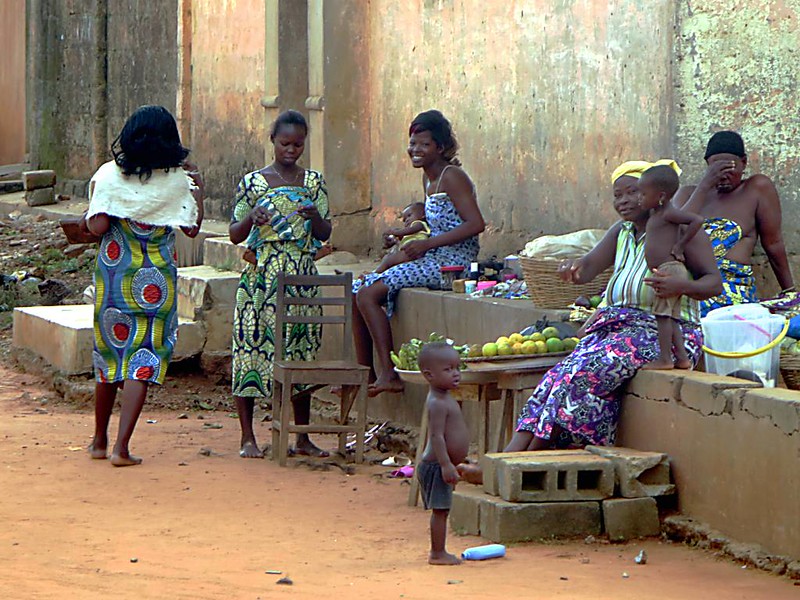 According to the World Health Organization (WHO), Benin has a maternal mortality ratio of 518 deaths per 100,000 live births, meaning hundreds of women die each year from preventable pregnancy-related complications. Common causes include blood loss, infection, high blood pressure, insufficient post-partum care and even financial limitations.
These causes highlight the role of maternal health programs in reducing maternal mortality rates in Benin by offering assistance, care and education. These services improve survival rates, reduce long-term health complications and strengthen families and communities. Several international organizations are actively working to reduce maternal mortality rates in Benin.
Médecins Sans Frontières
Médecins Sans Frontières (MSF), also known as Doctors Without Borders, partners with the Benin Ministry of Health (MOH) to support activities in villages that promote pregnancy education and awareness, consultations and access to contraceptives. MSF has also assisted several health centers by supporting staff recruitment, improving working conditions and supplying essential medical equipment and medicines.
In addition, MSF has supported more than 9,920 people with safe deliveries, assisted 3,253 people with family counseling and conducted more than 22,211 prenatal consultations. These efforts directly reduce preventable maternal deaths by ensuring that women have access to skilled medical professionals, safe delivery environments and essential reproductive health services. By expanding access to skilled care, MSF plays a key role in reducing maternal mortality rates in Benin.
UNFPA
Another organization working to improve maternal health in Benin is the United Nations Population Fund (UNFPA). UNFPA is an international reproductive health agency of the U.N. that operates in more than 150 countries. Its mission is “to deliver a world where every pregnancy is wanted, every childbirth is safe and every young person’s potential is fulfilled.”
UNFPA also addresses the “three delays” in maternal health: deciding to seek care, reaching a health facility and receiving adequate treatment. During its previous program cycle in Benin, UNFPA reached more than 985,944 new modern contraceptive users, prevented more than 290,296 unintended pregnancies and educated more than 809,820 adolescents and youth about reproductive health. By addressing both medical barriers and social obstacles, such as education and access to contraception, UNFPA helps prevent high-risk pregnancies and long-term complications, lowering maternal mortality rates in Benin.
Benin Mamas
Benin Mamas is a local nonprofit organization supporting maternal health through programs such as the Safe Motherhood Initiative, Mental Health and Postpartum Support, Smart Starts: Saying No to Teen Pregnancies and Mamas Speak Up. Through empowerment programs, educational workshops and targeted interventions, Benin Mamas expands access to maternal health care across rural and underserved communities.
Final Remarks
Together, these three initiatives demonstrate how maternal health programs support underserved and rural communities by filling gaps in government services and expanding access to essential care. By strengthening reproductive health services and promoting education, MSF, UNFPA and Benin Mamas help reduce maternal mortality rates in Benin and build a more sustainable future for families.
– Bianca P. Gunawan
Bianca is based in Jakarta, Indonesia and focuses on Good News and Global Health for The Borgen Project.
Photo: Flickr
