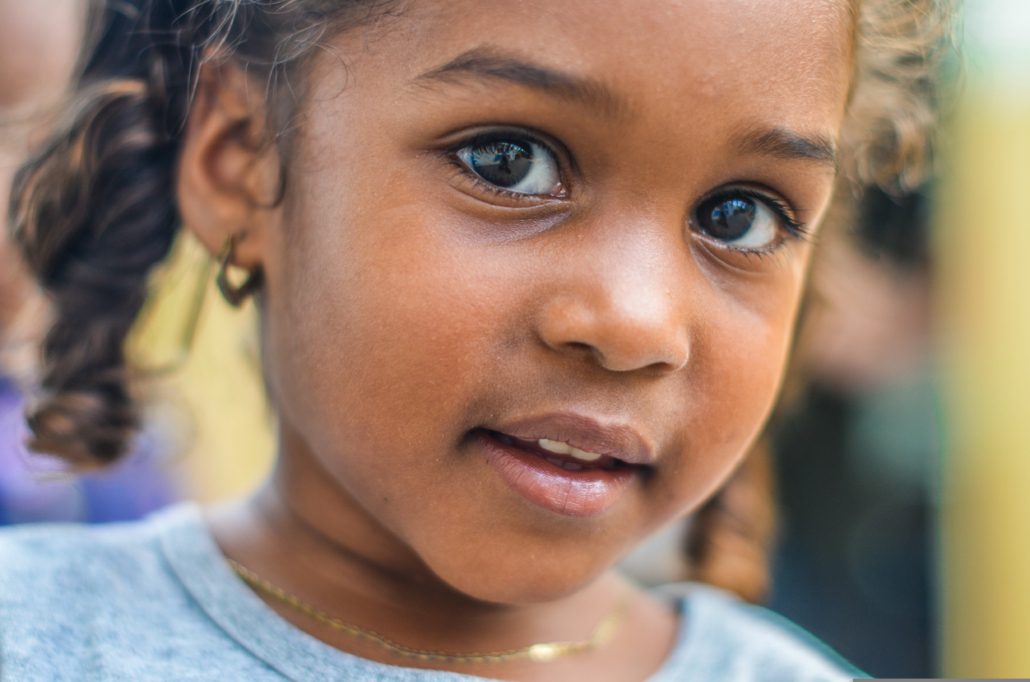
 Child marriage consists of the formal union between two individuals where at least one of the two is under 18 years of age. Even if child marriage is illegal in most countries, it still persists worldwide. The Democratic Republic of Congo (DRC) is one of the countries with the highest prevalence of child marriage in the world. Nowadays, in the DRC, about 2.6 million girls marry before turning 15 and 8 million girls marry by age 18 which represent, respectively, 8% of and 29 % of the women’s population. This is a national average, because child marriage in the DRC is more present in certain regions, namely poorer and rural areas, especially when conflict and displacements impacts them. With 60% of the female population marrying before 18, Tanganyika is the province with the highest child marriage rate, while Kinshasa is the lowest, with an incidence of just above 18%.
The legal minimum age to marry in the DRC is 18 years old, but this does not necessarily mean that the law can be enforced everywhere, especially in areas where customary traditions usually prevail over state legislation. Men can also engage in child marriage, but to a lesser extent than women. Only 6% of men in the DRC marry by the age of 18. Child marriage can bring catastrophic consequences on women’s health, education and employment status, often increasing teenagers’ pregnancy and drastically limiting women’s economic empowerment.
Causes of Child Marriage in the DRC
There are multiple reasons why child marriage still persists in the DRC and ultimately, aspects such as education and economic background of families, as well as influence of local traditions play a role.
The first obvious consideration is the wealth factor: the poorer the girl, the sooner she will marry. In many circumstances when a family cannot provide for their daughter, they will send her away in marriage at the earliest opportunity. This fact is particularly emphasized in areas with high internal displacement rates, usually among the poorest in the country. Another factor to consider is the education status of individuals, the more educated the girls and the more likely they are exposed to informational media, the later they would marry. Even more importantly, child marriage is often a consequence of lack of reproductive rights and knowledge of safe sexual practices.
Often child marriage happens after an unwanted pregnancy, then the girl might be asked to marry the father of the child conceived. In some cases, people can use impromptu arranged marriage to settle a rape: often, the woman is forced to marry the man that raped her. Furthermore, it is important to consider the role of tradition and differences across religions and ethnic groups. In some areas of the country, especially rural areas where customary traditions are stronger, marrying young is more accepted, sometimes even encouraged, compared to more urbanized areas, such as in the capital Kinshasa.
Impacts of Child Marriage in the DRC
Child marriage has different and sometimes dramatic impacts on the life of individuals who engage in it. Marrying younger means higher fertility rates, including teenage pregnancies and all the associated health risks both in mothers and babies. With a ratio of 107 of every 1,000 girls aged 15-19 giving birth. The DRC has one of the highest fertility rates in adolescents in the world, as well as a very high mortality rate for infants, about 45 infant deaths every 1,000 individuals.
Marrying younger introduces another health concern, as it increases the chances of sexually transmitted diseases, including HIV. In addition, after marriage, most girls stop pursuing education. In the DRC, only 50% of girls complete lower secondary school education, versus 61.8% of boys, a 12 percentage point gap, much more significant than the average gap of the Sub-Saharan region, 1.8.
It has also been observed that child marriage can be devastating for girls’ wellbeing. Not only do married girls in the DRC report lower self-esteem, they also are more likely to become victims of domestic violence. This could be physical violence, emotional violence or sexual violence, often perpetrated by their husband. Ultimately, child marriages usually are more likely to end in divorce or early widowhood, compared to marriage of people over 18.
Solutions for Child Marriage in the DRC
There are different solutions to reduce child marriage rates and ultimately eliminate the problem. Since child marriage in the DRC is a consequence of underlying social and economic factors, it is indispensable to address the root causes of the problem, such as poverty, armed conflict and local traditions. The African Union, which comprises 55 countries including the DRC, supports national strategies to create a social grassroot movement that would involve health and social workers as well as community and religious leaders. The aim is addressing and influencing all those cases where tradition and socio-economic background might suggest child marriage.
Girls should have access to education and health services and, more importantly, they should have the opportunity to understand that child marriage is illegal and dangerous. Radio Ondese is a successful example of a project that tries to inform girls of their rights. Radio Ondese is a radio station that David M. Munyaga founded in 2009.
Nowadays, Radio Ondese reaches an estimated 180,000 listeners in the South Kivu region, including listeners from rural areas. This radio tries to focus on raising awareness on the consequences of child marriage. It does so by inviting local experts on girls’ rights, such as lawyers or public administrators, on on-air debates where listeners can contribute by phone call or SMS text. According to Munyaga, it is quite common for girls to call the radio station and ask for further information. Considering that most child marriages in DRC occur in rural areas where cultural norms prevail over state laws, Radio Ondese is for many girls the first time they realize that child marriage is illegal. Furthermore, Radio Ondese organizes training workshops with community leaders and creates “listeners clubs,” discussion groups of women forced into child marriage.
Looking Ahead
Child marriage remains a persistent issue in the Democratic Republic of Congo. Research has shown that it is particularly widespread in rural regions with high poverty rates and greater exposure to armed conflict. In a country where 55% of population lives in rural areas, ending child marriage can be challenging in DRC, but the right set of policies and projects could limit the cases. Considering the catastrophic consequences that child marriage has on girls, it is more important than ever to start implementing effective solutions.
– Alice Girardi
Alice is based in Paris, France and focuses on Global Health for The Borgen Project.
Photo: Pixabay

The Durban Promise for African Health Sovereignty
The Need for African Health Sovereignty
Africa currently imports about 70% of its medicines, 90% of its medical devices, and 99% of its vaccines. This drives up costs and limits medical treatment accessibility for many Africans. Adding more urgency to the situation, global health funding in Africa has declined 70% since 2021. Significant cuts to the USAID and reduced contributions from European donors seemed to make universal health care coverage (UHC) for Africa even less attainable.
However, African leaders anticipated the reductions and were actively seeking alternative sources of health care subsidies. As a result, China pledged $50 billion to support Africa’s health care program, funding that has accelerated the building of hospitals and clinics. Indeed, with significant financing, the Durban Promise is on the way to becoming a reality, bringing universal health care coverage within reach.
The Road to UHC
African governments have been working towards universal health care coverage for more than 20 years, but have faced significant obstacles. The Abuja Declaration of 2021 asserted that 15% of African national budgets should be allocated for health care, though many African countries still spend less than half that amount in the medical arena.
In 2023, African leaders signed The Lusaka Agenda, compelling governments to meet Abuja obligations and to implement actions that would lower the cost of medicine. However, this agenda was not fully successful due to challenges with domestic financing. With minimal results from these initial affirmations, in October 2025, African governments signed The Durban Promise, a roadmap for African health sovereignty and security that suggests an innovative medical financing structure to move Africa’s health care goals forward.
The 2025 G20 Summit
The annual G20 summit, which the African Union joined in 2023, brings together developed and emerging economies to address urgent global issues. The 2025 summit, held in Johannesburg, South Africa, marked the first time the assembly met on African terrain. The agenda from the South Africa’s President Cyril Ramaphosa discussed the challenges of developing nations, which include the pressing issue of health insecurity. Ramaphosa’s compelling arguments led to increased funding from the World Health Organization and a Global Health Security Pact for equitable vaccines and sharing of data during global health emergencies. The pact further addresses African health security and the goals of the Durban Promise.
The Presidential Declaration
At the 39th African Union Summit in Addis Ababa, Ethiopia, in February 2026, countries made the commitment of the Durban Promise, according to AfricaCDC. The Presidential Declaration on Advancing Local Manufacturing of Health Products in Africa was issued with the objective that the African continent will produce 60% of medical products internally by 2040. The declaration includes two key strategies led by the African Center for Disease Control (CDC) focusing on securing the goal of health autonomy: The Platform for Harmonized African Health Products Manufacturing (PHAHM) and The African Pooled Procurement Mechanism (APPM).
By creating a single health product market, the PHAHM will help align regulatory and manufacturing policies across the African Union. The APPM could enable African countries to leverage their joint bargaining power to make the market more predictable and desirable for suppliers, leading to supply security. Together, these approaches can help African health care to thrive.
Outlook for African Medical Sovereignty
There is much to do in order to achieve the goal of producing 60% of medical products on the African continent in less than 15 years. As daunting a task as it may be, with a thoughtful, well-executed plan and targeted efforts, the result can be a robust health program that will contribute to regional income and poverty reduction as articulated in The Durban Promise.
– Debbie Barto
Photo: Flickr
Graduation Programs in Developing Countries
For this reason, foreign aid in the form of transfers of cash or goods, while extremely useful in combating global poverty, might not always provide a comprehensive enough approach to ensure that as many people as possible are reached with long-term sustainability in mind.
Graduation Programs as a Solution
A solution exists in the form of graduation programs, defined by the Abdul Latif Jameel Poverty Action Lab (J-PAL) as programs that provide people living in extreme poverty not just cash assistance, but also business assets and vocational training so that they may have the chance to build financial independence and break existing cycles of poverty.
Graduation programs, according to J-PAL, were first pioneered by a nongovernmental organization (NGO) named BRAC in 2002. They are reported to yield positive societal outcomes after one to two years of funding and have been implemented in at least 20 countries.
How the Approach Works
As previously mentioned, the approach starts with providing business assets, such as livestock and supplies for trade, followed by skills training to manage those assets and consumption support. J-PAL states that consumption support consists of regular cash or food assistance for several months to one year.
These programs also provide recipients with access to savings accounts and health support in the form of health education, health care access and life skills training. To ensure participant success, frequent home visits are conducted by staff members to provide accountability and needed coaching.
The name “graduation program” is derived from the idea of “graduating” from dependence on foreign assistance within one to two years and transitioning toward financial self-reliance.
Evidence and Measured Returns
J-PAL shares empirical data showing that long-term returns generated by the graduation program approach can outweigh short-term costs. Studies measuring outcomes 18 months to three years after graduation indicate that beneficiaries saw income growth ranging from 7% to 65%, while consumption increased between 11% and 30%.
Additionally, Innovations for Poverty Action (IPA) reported results from a 2015 study consisting of randomized evaluations in six countries where graduation programs were implemented. The evaluations followed 21,000 people across Ethiopia, Ghana, Honduras, India, Pakistan and Peru over three years:
Looking Ahead
In summation, data collected in countries where graduation programs in developing countries have been utilized demonstrate positive effects in providing more sustainable pathways to financial independence for households living in extreme poverty. The reported returns on investment also present a financial case for continued funding of graduation programs in developing countries within broader global poverty reduction efforts.
– Luca Hanlon
Photo: Flickr
ANTA – How a sportswear company combined Sports and Poverty
About ANTA
ANTA is a sportswear company, founded in 1991 by Chinese entrepreneur Ding Shizhong in Fujian, China. Although this company started as a small regional sportswear maker, ANTA has grown and become one of the largest and most important sportswear companies in the world. As of 2024, ANTA is the largest sportswear company in China and the third largest in the world, with a reported revenue of $9.8 billion in 2024. With more than “13,000 stores across all its brands and [employing] about 65,500 employees,” ANTA has worked to expand beyond China and have an impact worldwide.
Combining Sports and Poverty
Beyond their revenue and their growth, ANTA is a company that focuses on “contributing to global humanitarian assistance,” as Lai Shixian, Executive Director and Co-CEO, stated. With this mission in mind, ANTA entered an official partnership with UNHCR in 2023 to reach 300,000 displaced children worldwide. Over the last two years, ANTA provided $1.5 million in financial support and 1.2 million pieces of sporting apparel and equipment to displaced youth,” to children in Burundi, Kenya, and Ethiopia.
The Impacts
ANTA’s contributions to UNHCR and global humanitarian assistance have been fundamental to assisting children who have been forcibly displaced across the globe, especially in Africa. Private partnerships similar to this one facilitate international organizations to provide humanitarian assistance and relieve poverty. ANTA’s partnerships has allowed the UNHCR to maintain “refugee classrooms open during crisis by funding teachers and providing learning materials,” giving children the opportunity to access education and succeed in the future. Furthermore, Vice President of ANTA, Christina Li, emphasized how sports can be used as a tool to foster “inclusion and resilience,” creating hope for children and families experiencing displacement.
As the International Day of Sport for Development and Peace approaches, it is important to analyze how sports and poverty can go hand-in-hand. As sportswear companies continue to grow and develop, they can continue to contribute to global humanitarian assistance and change the lives of thousands of individuals, similar to Anta’s partnership with UNHCR.
– Rodrigo Salgado
Photo: Flickr
ADRA Mongolia: Protecting Vulnerable Communities
The Mission
For 32 years, ADRA Mongolia’s mission has been to support Mongolia’s most vulnerable communities, particularly rural nomadic populations living in ecologically dangerous regions. To better support Mongolia’s poorest communities and their varied needs, the charity divided its mission into five categories: health, livelihood, agriculture, emergency and outreach.
Protecting Vulnerable Communities
Looking Ahead
ADRA Mongolia differs from many religious charities because it serves people regardless of background or religion. The success of ADRA Mongolia in protecting vulnerable communities demonstrates the impact of multi-layered approaches to poverty reduction and disaster preparedness, supporting thousands of households facing economic and environmental challenges.
– Eli Thomson
Photo: Flickr
Renewable Energy in Equatorial Guinea
Greenhouse Gas Reduction
In 2023, the Equatorial Guinean government announced a goal of reducing its greenhouse gas emissions by 35% by the year 2030. The government can only achieve this endeavor through further investment into renewable energies. An expansion in further hydropower projects could not only work towards this goal, but also provide stable employment for many citizens. The construction of the Dijibloho Dam from 2008 to 2012 demonstrates the potential benefits of hydropower investment, evidenced by the rapid growth in renewable energy generation in the years after the dam became operational. In 2011, Equatorial Guinea consumed only 4% of its energy through hydropower yet in 2015, the third year with the Dijibloho Dam running, this percentage jumped to 33%.
Hydropower Expansion
Building on its recent hydropower investments, the government of Equatorial Guinea is expanding efforts to reduce greenhouse gas emissions and increase renewable energy production through the construction of the Sendje hydro project. This dam, with plans brewing since 2020, is ongoing and entirely funded by the Equatorial Guinean government. The new project is planned to attain a capacity of 200 MW, which would far eclipse the 120 MW capacity of the Dijibloho Dam. Therefore, when this Sendje hydro project reaches completion, the country’s energy consumption can begin to transfer towards a higher dependence on hydropower than that of fossil fuels.
The Beneficial Effects of Relying on Hydropower
Large projects like the Sendje dam represent the impact that investment in renewable energy in Equatorial Guinea can have on a community at large. Those living near the dam have the opportunity to attain a sustainable job not just through the construction of the plant, but also its maintenance and operation. The creation of new jobs remains the most powerful tool for reducing poverty by providing income as well as social identity. Equatorial Guinea’s President, Teodoro Obiang Nguema Mbasogo, acknowledges this and plans to continue investing in the natural resources of the country to support the nation’s burgeoning non-oil sectors.
Reliable energy can also play a significant role in reducing poverty among local residents who the project did not directly employ. Approximately 18% of households in Equatorial Guinea still lack access to electricity, with higher percentages in rural areas. Projects like the Sendje Dam are particularly beneficial for these communities, providing access to reliable electricity that can be produced more sustainably and often at lower long-term cost than fossil fuel based energy.
Looking Ahead
Renewable energy is abundant in Equatorial Guinea. Through the expansion of renewable energy infrastructure in projects like the Sendje dam, the country can reduce greenhouse gas emissions, create jobs, and expand access to electricity. These developments both help to address poverty in rural communities and protect the rich natural environment. Continued investment in renewable energy therefore has the potential to support both economic development and environmental preservation across the country.
– Zaccheri Morra
Photo: Wikimedia Commons
3 Ways 5G Could Reduce Poverty in Ghana
The 5G network is expected to improve mobile internet speeds significantly and support emerging technologies such as advanced digital intelligence and artificial intelligence (AI). Existing industries, including agriculture, health care and education, are also expected to benefit. By expanding access to critical services and resources, the 5G rollout is expected to gradually ease poverty in Ghana over the coming years.
Here are three ways 5G could reduce poverty in Ghana.
Precision Farming and Agriculture
Edmund Yirenkyi Fianko, director-general of Ghana’s National Communications Authority (NCA), spoke in March 2026 about the new 5G network’s capacity to develop the agricultural industry:
“For 5G, there are use cases for industries. We expect deployments… in agriculture. Services that are not possible today will become possible because of the speeds and high capacity that 5G will deliver.”
5G’s capability to assist agriculture stems from its ability to deliver large quantities of sensor data at high speeds. Farmers will be able to track weather conditions and crop health from Internet of Things (IoT) remote sensors. High-resolution images assessing the condition of fields and crops will be easier to receive.
With 5G, farmers are set to be more resilient to climate change and other volatilities, increasing the stability of Ghana’s internal crop and livestock markets. Food may therefore become cheaper and more accessible, helping rural communities that have typically been vulnerable to famine.
Telemedicine and Health Care
As in agriculture, 5G’s capacity to transfer large quantities of data quickly will have effects on Ghana’s health care system. Health care access in Ghana has traditionally been concentrated in urban areas, including Greater Accra, Kumasi, Tamale and Sekondi-Takoradi, in which 81% of the population has access to primary health care.
However, despite the relatively high rate of primary health care access, 30% of the population must travel far to receive primary health care. In rural and remote areas, quality health care access is far rarer and has been a persistent challenge through shortages of essential medical equipment and supplies, inadequate health care infrastructure and long distances to services.
Through 5G, existing software and digital intelligence will improve, allowing health care professionals to see more patients with greater efficiency. In rural areas, rather than traveling, patients will have access to live remote consultations. High bandwidth, reaching up to 10 Gbps, enhances the quality of telehealth services by allowing the transmission of large medical files and high-definition video.
Role of Education
Education is a critical process in the alleviation of poverty. Ghana’s rural communities have traditionally been affected by unequal education access, falling behind urban areas in both the quality and provision of education.
Although there remain some issues related to the distribution of device access, 5G has the potential to benefit education systems in rural, impoverished areas. 5G will permit real-time video conferencing and collaborative online tools, ensuring that students can access quality education regardless of the remoteness of their location.
Looking Ahead
Through its capacity to process, send and receive data quickly, 5G is set to have an impact on the agriculture, health care and education sectors in Ghana. Rural and remote communities that have typically been excluded from development may gain greater access to critical services, supporting long-term efforts to reduce poverty in Ghana.
– Arthur Horsey
Photo: Flickr
The Struggle With Higher Education in Guatemala
However, in Guatemala, only 56.6% of 25-year-olds have completed elementary school, and 17.9% have completed upper secondary grades. When it comes to higher education in Guatemala, only 5.1% hold a bachelor’s degree and 0.4% hold a master’s degree. Some of the reasons for these low percentages are as follows.
A Weak Foundation for Higher Education
Legally, education is free and compulsory for children up to the age of 14. However, due to the low number of educators, low quality of education and poor infrastructure, the basic education facilities are not satisfactory. Moreover, within socioeconomically challenged communities, due to family constraints and economic pressure, most children drop out and aim to contribute financially. Overall, a bottleneck exists at the base level, which leads to further declining number of students pursuing a higher education. To increase primary education among the underprivileged children, the government have created targeted scholarship programs and an early warning system, ENTRE, to identify and support students at-risk for dropping out. The long-term benefits of these measures are yet to be seen.
Diminished Access To Higher Education in Guatemala
Currently, Guatemala has only one public university, Universidad de San Carlos (USAC), and 15 private universities, such as Universidad Rafael Landívar, Universidad del Valle de Guatemala and Universidad Francisco Marroquín. For those in socioeconomically disadvantaged communities, real and holistic access to these few universities is limited. These universities are based in Guatemala City or larger towns, leading to restrictions for people all over the country, such as relocation, housing and transportation costs. These often hinder individuals from pursuing higher education. The small concentration of universities also provides fewer opportunities for these individuals. Programs and NGO funded scholarships, like PROGRESA, aim to target academically gifted, disadvantaged students, hoping to offset the access barrier.
Scarce Funding for Disadvantaged Students
Globally, governments allocate around 4.3% of gross domestic product to the education sector. Unfortunately, the Guatemalan government invests only approximately 3.1% of its GDP to education. The scholarships set aside for the socioeconomically disadvantaged community reflect this. Only 0.01% of the overall education spending goes toward scholarships for higher education. Moreover, scholarships are competitive, often targeting individuals with an excellent academic track record. Unfortunately, since the number of students who have completed both primary and secondary levels is quite low, there is a limited number of students who may obtain and benefit from these scholarships.
Language and Cultural Barriers
Indigenous Guatemalans make up 43% of the overall population, of whom 80% live in extreme poverty conditions. These individuals face additional language and cultural barriers. A Spanish-centric and culturally non-inclusive education system leads to poor completion rates among indigenous students both at the basic and higher education levels. These students also face discrimination based on ethnicity, which leads to limited opportunities and unequal treatment and resources. Indigenous communities have created six Mayan universities, designed for their younger generations, but are yet to have their courses certified officially. Foundations, like the BFB Foundation, and programs, aim to support indigenous youth through scholarships and mentorships, so they go on to complete their higher education.
Looking Ahead
These factors are a few among many that have resulted in the poor educational levels in the country. Overall, the higher education system in Guatemala requires further investment, better policies and more refinement, such that the younger generations among socioeconomically challenged communities are empowered to rise above and uplift their communities. Steps are being taken in response, however, only time will tell how effective they are.
– Nishtha Mahendra Kumar
Photo: Unsplash
Child Marriage in the DRC: Causes, Consequences and Solutions
The legal minimum age to marry in the DRC is 18 years old, but this does not necessarily mean that the law can be enforced everywhere, especially in areas where customary traditions usually prevail over state legislation. Men can also engage in child marriage, but to a lesser extent than women. Only 6% of men in the DRC marry by the age of 18. Child marriage can bring catastrophic consequences on women’s health, education and employment status, often increasing teenagers’ pregnancy and drastically limiting women’s economic empowerment.
Causes of Child Marriage in the DRC
There are multiple reasons why child marriage still persists in the DRC and ultimately, aspects such as education and economic background of families, as well as influence of local traditions play a role.
The first obvious consideration is the wealth factor: the poorer the girl, the sooner she will marry. In many circumstances when a family cannot provide for their daughter, they will send her away in marriage at the earliest opportunity. This fact is particularly emphasized in areas with high internal displacement rates, usually among the poorest in the country. Another factor to consider is the education status of individuals, the more educated the girls and the more likely they are exposed to informational media, the later they would marry. Even more importantly, child marriage is often a consequence of lack of reproductive rights and knowledge of safe sexual practices.
Often child marriage happens after an unwanted pregnancy, then the girl might be asked to marry the father of the child conceived. In some cases, people can use impromptu arranged marriage to settle a rape: often, the woman is forced to marry the man that raped her. Furthermore, it is important to consider the role of tradition and differences across religions and ethnic groups. In some areas of the country, especially rural areas where customary traditions are stronger, marrying young is more accepted, sometimes even encouraged, compared to more urbanized areas, such as in the capital Kinshasa.
Impacts of Child Marriage in the DRC
Child marriage has different and sometimes dramatic impacts on the life of individuals who engage in it. Marrying younger means higher fertility rates, including teenage pregnancies and all the associated health risks both in mothers and babies. With a ratio of 107 of every 1,000 girls aged 15-19 giving birth. The DRC has one of the highest fertility rates in adolescents in the world, as well as a very high mortality rate for infants, about 45 infant deaths every 1,000 individuals.
Marrying younger introduces another health concern, as it increases the chances of sexually transmitted diseases, including HIV. In addition, after marriage, most girls stop pursuing education. In the DRC, only 50% of girls complete lower secondary school education, versus 61.8% of boys, a 12 percentage point gap, much more significant than the average gap of the Sub-Saharan region, 1.8.
It has also been observed that child marriage can be devastating for girls’ wellbeing. Not only do married girls in the DRC report lower self-esteem, they also are more likely to become victims of domestic violence. This could be physical violence, emotional violence or sexual violence, often perpetrated by their husband. Ultimately, child marriages usually are more likely to end in divorce or early widowhood, compared to marriage of people over 18.
Solutions for Child Marriage in the DRC
There are different solutions to reduce child marriage rates and ultimately eliminate the problem. Since child marriage in the DRC is a consequence of underlying social and economic factors, it is indispensable to address the root causes of the problem, such as poverty, armed conflict and local traditions. The African Union, which comprises 55 countries including the DRC, supports national strategies to create a social grassroot movement that would involve health and social workers as well as community and religious leaders. The aim is addressing and influencing all those cases where tradition and socio-economic background might suggest child marriage.
Girls should have access to education and health services and, more importantly, they should have the opportunity to understand that child marriage is illegal and dangerous. Radio Ondese is a successful example of a project that tries to inform girls of their rights. Radio Ondese is a radio station that David M. Munyaga founded in 2009.
Nowadays, Radio Ondese reaches an estimated 180,000 listeners in the South Kivu region, including listeners from rural areas. This radio tries to focus on raising awareness on the consequences of child marriage. It does so by inviting local experts on girls’ rights, such as lawyers or public administrators, on on-air debates where listeners can contribute by phone call or SMS text. According to Munyaga, it is quite common for girls to call the radio station and ask for further information. Considering that most child marriages in DRC occur in rural areas where cultural norms prevail over state laws, Radio Ondese is for many girls the first time they realize that child marriage is illegal. Furthermore, Radio Ondese organizes training workshops with community leaders and creates “listeners clubs,” discussion groups of women forced into child marriage.
Looking Ahead
Child marriage remains a persistent issue in the Democratic Republic of Congo. Research has shown that it is particularly widespread in rural regions with high poverty rates and greater exposure to armed conflict. In a country where 55% of population lives in rural areas, ending child marriage can be challenging in DRC, but the right set of policies and projects could limit the cases. Considering the catastrophic consequences that child marriage has on girls, it is more important than ever to start implementing effective solutions.
– Alice Girardi
Photo: Pixabay
Gender Pay Gap in Slovenia
Gender Disparities in Earnings and Why It Matters
Gender disparities in earnings in Slovenia are considered among the lowest in the EU. Women who have a partner earn an average of 84% of their spouses’ earnings, while men who live with their partners earn an average of 27% more than their spouses. The European Institute for Gender Equality has reported that the gender pay gap is most pronounced for young people, foreign born individuals and couples that have children.
A small national average gap can still coexist with serious unfairness if women are overrepresented in low-paid roles or underpaid within the same jobs. Through strong transparency rules, enforcement and cultural change around caregiving and leadership, Slovenia will be crucial for Slovenia to move from a relatively small gap to genuine pay for equal work.
Improvements Over Time
The biggest improvement over time has taken place in the domain of power. Political power has increased, with a share of women on the board of the central bank. Slovenia’s score in the domain of money has also improved, which has improved the gender pay gap in terms of the distribution of earnings and income. Slovenia has recorded the third-highest score of the EU-28 in the sub-domain of economic situation, which deals with the risk of poverty and the distribution of wealth throughout the population.
Why the Gap Persists
The gender pay gap persists in Slovenia both between employers and within the same employers. Women and men ending up in different jobs partly explains the rising job gaps. Slovenia has overtaken its regional peers’ gender pay gaps at 7.2%, alongside a high female labor force and stronger workplace equality measures. These figures are promising, but smaller gaps can sometimes reflect labor market structures where women are over-represented in low-paid sectors, rather than true career advancement or leadership roles. Persistent informal norms and expectations about gender roles keep inequality and the gender pay gap in place.
Consequences for Women in Slovenia
The gender pay gap has real consequences for women and their families. A woman who is consistently earning less than their male colleagues has less money to cover rising costs, save for emergencies or invest in housing. Over time, lower pay, as well as taking breaks for childcare, means women will have a smaller pension, leaving them at a greater risk of experiencing poverty at old age. The average man’s pension in Slovenia is 10% higher than women’s. Women who see their work as undervalued are often less likely to apply for promotions, which reinforces the idea that top positions are ‘for men.’ This cycle shows why even a relatively small national pay gap can cause huge inequalities.
Solutions To Tackle the Gender Pay Gap
Slovenia does not currently have a national mandatory gender pay gap reporting system for employers, but as an EU member, it will need to implement the EU Pay Transparency Directive by June 7, 2026. This will impose gender pay gap reporting and greater pay transparency in future years. These new rules will introduce structured obligations, more visibility for employees, and concrete enforcement measures, and workers will have the right to know the average pay for doing the same or equivalent work. For Slovenia, this is a huge turning point as greater transparency makes hidden gaps visible and allows women, unions and society to demand change, hence why detailed reporting is crucial.
Another initiative that the government introduced to tackle the gender pay gap is by introducing specific guidelines for gender mainstreaming in the work of ministries. This will help ministries in gender mainstreaming in their specific fields of work and specify the roles of Coordinators for Equal Opportunities of Men and Women. The goals of the resolution from 2023-2030 include reducing the gender pay gap in all areas of social life, achieving an equal division of care work between parents, and overcoming stereotypes and sexist and discriminatory practices that deepen gender inequality.
Looking to the Future
There have been huge improvements in the effort to resolve the gender pay gap in Slovenia. However, inequalities still prevail, through governments implementing a national mandatory gender pay gap reporting system as well as guidance for gender mainstreaming, Slovenia will be able to lessen the gender pay gap, ensuring a better quality of living for all people.
– Bonnie Parkinson
Photo: Unsplash
Poverty Reduction in Romania
Minimum Wage in Romania and Most Affected Regions
As an European country since 2007, Romania is doing better than it did decades ago. Yet, the minimum wage of 795 euros per month may lead some to question the extent of its economic growth. This positions Romania at 43rd place among the 124 countries that have the lowest minimum wage, out of the 195 countries in the world.
Rural regions in Romania are the most affected, with rates three times higher than those in urban areas, where children never attend school, or they are forced to drop out of school at an early age so they can work various jobs in agriculture or construction, helping their family to stay afloat. People living in these poor rural regions endure hunger, malnutrition, limited access to health care and often live in homes without running water, sanitation or electricity.
Projects Designed To Reduce Poverty in Romania
Given all of the above, there is hope on the horizon with promising news ahead. After decades of economic struggles, new developments and projects may signal a meaningful shift towards inclusion and opportunity, contributing to poverty reduction in Romania.
As a global development organization, The World Bank Group seeks to lower poverty levels below 3% of the global population by 2030 and Romania is one of the countries that benefits from its generosity. Elisabetta Capannelli, World Bank Country Manager for Romania, declares that the organization goal is “to reduce poverty and boost shared prosperity for the bottom 40 percent of the population.” The World Bank has contributed in Romania over the past two decades addressing policy and institutional constraints on poverty reduction. By promoting social inclusion and economic growth, this approach offers promise that vulnerable communities, especially in rural areas, will see real improvements.
In February 2016, the Government passed a comprehensive anti-poverty package of 47 measures to combat poverty in the country through 2020. Several key measures, including boosting employment and reducing early school leaving rates, are expected to play a crucial role in narrowing the urban-rural poverty gap.
Empowering Citizens
Another hopeful project comes from Real News for Romania’s Media Desert Regions, where “the funding helped the media to reach Romania’s three poorest regions (Moldova Southern Muntenia and Oltenia) to inform and raise awareness about corruption, misuse of public and EU funds.” This project demonstrates that addressing poverty is not just about money or jobs, but also involves informing and empowering citizens to hold authorities accountable. By reaching Romania’s three poorest regions, the project is helping people understand how public and EU funds are being used. The project used social media, guided by experts, to reach more people and set up a weekly newsletter. After doing so, those involved in the project now hope that audiences are more informed, more aware of their rights, and more engaged in improving public services for their communities.
Looking Ahead
Looking ahead, these initiatives and others yet to come, could bring lasting change by helping more families rise above poverty and improve their quality of life, ultimately contributing to poverty reduction in Romania.
Future generations of rural children may have access to education instead of working from a young age, and while challenges remain, both existing and new projects offer hope for poverty reduction.
– Elena Ghimis
Photo: Unsplash