Gift of the Givers: Response to the Flood in South Africa
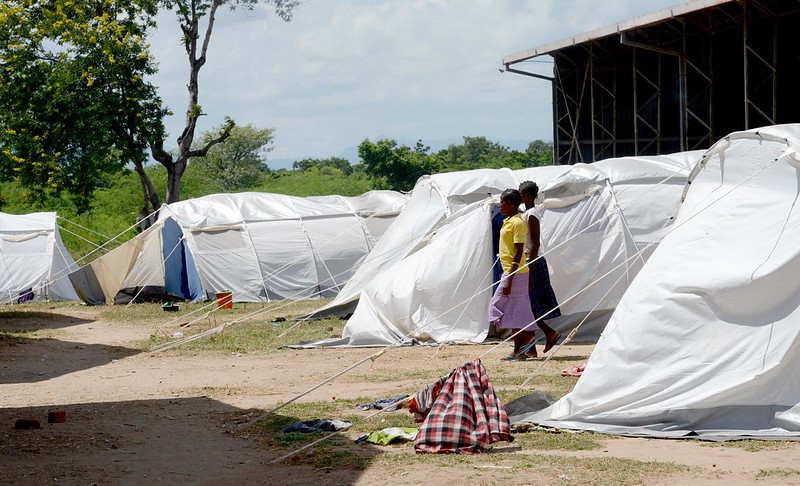 After weeks of relentless torrential rain beginning Jan. 18, 2026, South Africa officially declared a national disaster caused by devastating floods that killed at least 30 people, destroyed thousands of homes, roads and bridges and forced the closure of Kruger National Park.
The floods hit the northern provinces, particularly Limpopo and Mpumalanga, hardest, adding to the deadly pattern of floods that has plagued the country for years. Many residents remain missing, the floods have destroyed many communities and survivors are reluctant to leave their homes behind. However, the national disaster declaration enabled a coordinated disaster response to the flood in South Africa from the government and other organizations. These groups are working together to provide for both immediate humanitarian needs and long-term recovery for people and their homes.
Government Efforts
Before the national disaster declaration, multiple government officials personally assessed flood-affected areas alongside disaster management services.
For example, Minister Willie Aucamp visited the closed Kruger National Park before confirming the establishment of SANParks’ Kruger Recovery Fund, which supports the park’s long-term sustainability through local and international donations. Public support for the fund has been widespread among individuals ranging from pensioners to youth.
Minister of Cooperative Governance and Traditional Affairs (CoGTA) Velenkosini Hlabisa emphasized the importance of decisive leadership in safeguarding lives and strengthening community resilience through the mobilization of adequate resources for both relief and recovery efforts. The government had previously set aside R20 million to rebuild infrastructure and offer assistance to impacted households following floods in 2011.
Now, officials estimate that R500 million is needed to rebuild the park. Search and rescue teams also coordinated with the National Disaster Management Institute and the South African Air Force, with approximately half a dozen South African military helicopters deployed to deliver emergency aid and locate stranded residents.
National Level
At the national level, the National Executive assumed primary responsibility for the coordinated disaster response to the flood in South Africa.
The government aims to strengthen disaster management structures, provide for basic survival needs, create contingency plans, submit progress reports to the National Disaster Management Center and ensure the growth of resilience.
The Department of Water and Environmental Affairs has also assigned teams to assess water and dam monitoring equipment whenever a flood occurs. For example, dam safety specialists worked to prevent the collapse of local earthen dams and the development of future disasters.
At the community level, local radio stations utilized early warning systems in collaboration with risk management committees to spread critical information. However, rescue efforts were initially paralyzed due to a lack of resources and means of rescue.
The floods left many survivors homeless and afraid.
Gift of the Givers
Multiple organizations have previously aided South Africa during the aftermath of violent floods. For example, GlobalGiving project No. 55975 managed to raise $4,180 in 2022.
However, a key organization in the 2026 floods is Gift of the Givers. It delivered much-needed flood relief to affected households, including food, shelter, bedding and medical supplies, establishing a coordinated disaster response to the flood in South Africa with the government.
Gift of the Givers aims to assist in disaster responses, promote human development and address global hunger. During the floods, the organization visited 130 households in Mkondo, Mpumalanga and completed distributions with support from the Mkondo Disaster Team despite damaged roads and continuous rain.
The organization also supported search and rescue teams, disaster management and helicopter pilots by providing meals to ensure effective, sustained emergency responses.
Minister Hlabisa, Mpumalanga Premier Mandla Ndlovu and MEC Speed Mashilo acknowledged these efforts while assessing more than 1,000 households together.
Looking Ahead
First responders, disaster management teams, the police force, the National Defense Force and humanitarian organizations have been essential to restoring normality and infrastructure, according to government officials. While residents remain missing and many communities are still recovering, Gift of the Givers and the South African government have corroborated their efforts for a coordinated disaster response to the flood in South Africa.
– Cindy Nguyen
Cindy is based in Albuquerque, NM, USA and focuses on Good News and Global Health for The Borgen Project.
Photo: Flickr
