Being Poor in Panama: Challenges and Pathways To Progress
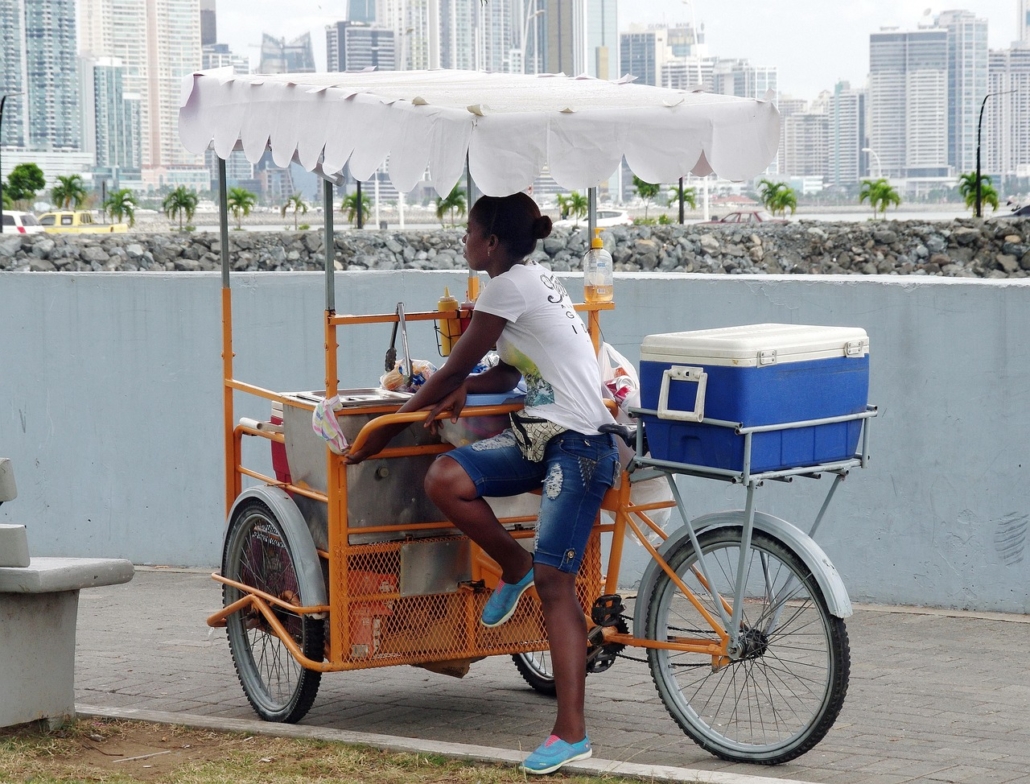 Being poor in Panama reveals a troubling paradox. The country has enjoyed rapid economic growth and ranks among Central America’s wealthiest nations, buoyed by revenue from the Panama Canal and foreign investment. Yet, stark inequality persists, with poverty visible even in the capital’s skyscraper-dominated urban core.
Panama’s GDP grew by 7.4% in 2023, and its poverty rate declined from around 50% in the late 1980s to 13.6% in 2024. However, these gains remain unevenly distributed. An economic slowdown in 2024—driven by mining shutdowns and droughts affecting the Panama Canal—coincided with a one-point increase in poverty, underscoring the country’s ongoing challenge: entrenched inequalities that disproportionately affect rural communities, Indigenous populations and urban peripheries. The disparities are especially stark between urban areas (4.8% poverty rate) and Indigenous comarcas (76%), highlighting how geography and ethnicity continue to shape opportunity.
Contributing Factors to Poverty in Panama
Three primary factors contribute to being poor in Panama:
- Income Inequality: According to the World Bank, Panama has one of the highest levels of income inequality globally, ranking third in Latin America behind Colombia and Brazil. Contributing issues include:
- Urban wealth concentration: which deepens the rural-urban divide.
- Weak fiscal redistribution, limiting the reach of economic growth.
- Demographic disparities that reduce income-generating opportunities for marginalized groups.
- Climate vulnerability, which disproportionately affects poor households.
- Limited Access to Basic Services: Nearly half of households in Indigenous comarcas lack electricity, potable water or sanitation. Educational outcomes in these regions also fall significantly below national averages. While infrastructure projects have laid some groundwork, targeted support remains essential to bridge persistent service gaps.
- Education Gaps: Panama’s education system struggles to promote economic mobility. Data from the World Bank shows only 16% of middle school students meet minimum standards in mathematics, and just 20% of youth complete higher education—often with degrees that fail to match labor market demands. Indigenous students face even greater systemic barriers, further limiting long-term income potential and reinforcing intergenerational poverty.
How Poverty Shapes Everyday Life in Panama
Being poor in Panama affects every aspect of daily life. Here are some ways poverty affects people in Panama:
- Health: According to the nonprofit Food for the Poor, 15% of children below the age of 5 experience stunting due to chronic malnutrition—a condition that impairs cognitive development and long-term earnings potential. These early setbacks create lasting disadvantages across generations.
- Employment: Panama’s 8.2% unemployment rate masks deeper labor inequities. Most impoverished workers are in the informal sector, earning less than half of formal wages and lacking job protections. Workers without degrees earn up to 74% less than those with tertiary education, and Indigenous workers face an additional 36% wage gap. Despite 2.2% annual labor income growth since 2001, job quality has declined sharply, especially since the COVID-19 pandemic.
- Climate Risk: Changing weather patterns compound economic challenges. The World Bank reports that nearly 19% of poor households experience weather-related shocks—such as floods and droughts—compared with 8% of middle-class families. Events like the recent Panama Canal water shortages have disrupted livelihoods and food security, particularly in Indigenous and rural communities.
Initiatives Driving Progress Against Poverty
While Panama’s challenges remain substantial, coordinated efforts across sectors demonstrate measurable progress in poverty reduction.
- Red de Oportunidades: Launched in 2006 by Panama’s Ministry of Social Development, Red de Oportunidades provides monthly transfers of PAB 50 (about $50 USD) to low-income households—especially women, children and Indigenous communities—in exchange for school attendance, health checkups and skills training. Payments are delivered through fixed and mobile methods, including post offices and biometric kiosks. By 2008, it had reached 95% of targeted areas and continues to operate under a national beneficiary registry with regular eligibility reviews to ensure transparency.
- Plan Colmena: Ratified in 2022, Plan Colmena is Panama’s main intersectoral strategy to reduce poverty. It targets vulnerable districts through localized projects in health, education, infrastructure and employment. Key initiatives include expanding health coverage, building training centers to support income generation and improving access to clean water and electricity through rural electrification. Local governors lead implementation with citizen participation. The plan aims to lift more than 777,000 people out of poverty while advancing SDGs such as nutrition, education and environmental protection.
- Disaster Resilience: Panama joined the Caribbean Catastrophe Risk Insurance Facility (CCRIF SPC) in 2019, holding policies for excess rainfall and earthquakes as part of its national disaster risk strategy. In November 2024, CCRIF issued a $26.7 million payout—Panama’s largest—after floods and landslides affected 1,500 people and claimed 11 lives. In 2020, the country also received $2.7 million following Hurricane Eta. These funds enabled rapid emergency response, road and bridge repairs, and support for farmers. CCRIF’s parametric model helps Panama protect its economy and vulnerable communities by providing fast, flexible relief during disasters.
- Civil Society & International Partnerships: TECHO Panamá has built more than 1,000 transitional homes, benefiting more than 4,000 people through dignified housing and access to water and sanitation. Meanwhile, the World Bank supports systemic reforms through policy loans targeting job training, climate adaptation and better links between education and employment.
A Path Forward
Being poor in Panama results from overlapping geographic, economic and institutional inequalities, but progress is possible. With sustained investment in education, inclusive job creation and climate-resilient infrastructure, Panama can convert growth into shared prosperity. By scaling proven programs and strengthening cross-sector collaboration, no community must be left behind.
– Jacobo L. Esteban
Jacobo is based in Cali, Colombia and focuses on Technology and Politics for The Borgen Project.
Photo: Pixabay
