Everything You Need To Know About Hunger in Nepal
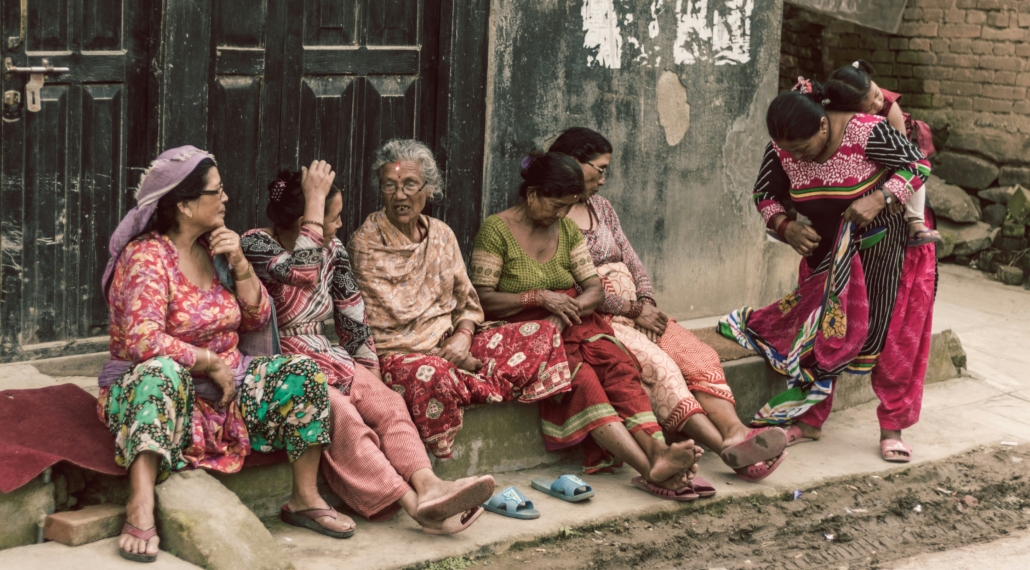 Despite improvements in recent years, hunger in Nepal remains a significant challenge. According to the World Food Programme (WFP), 16.5% of the population was food insecure in October 2024, and about 4.81 million people were consuming inadequate diets.
The country’s overall hunger level is classified as “moderate” by the Global Hunger Index, reflecting both progress and ongoing challenges. Malnutrition remains one of the most serious aspects of the problem. Limited dietary diversity and poor access to nutritious food contribute to long-term health issues, particularly among women and children.
The Geography of Hunger in Nepal
Geography plays a central role in shaping hunger in Nepal. Mountain regions are among the most isolated in South Asia, with limited road networks and difficult terrain. Transporting food to these areas is costly and time-consuming, which drives up the price of basic staples.
According to the World Food Programme, food prices are two to three times higher in mountain regions, even when national food prices remain relatively stable. Limited farmland, harsh weather conditions and seasonal isolation also make it difficult for many communities to produce enough food locally. As a result, households in remote regions are more vulnerable to shortages and price shocks.
What Drives Hunger in Nepal?
Several interconnected factors contribute to hunger in Nepal, with poverty remaining one of the most important drivers. In rural areas, employment opportunities are limited and many households depend on small-scale agriculture, but limited land and low productivity restrict income and food production. For example, the average farm size is only about 0.7 hectares, and more than half of farming households cultivate less than 0.5 hectares, making it difficult to produce enough food beyond subsistence levels.
Changing weather patterns and environmental hazards also intensify food insecurity. Natural disasters such as floods and landslides frequently damage crops and disrupt food systems, while many farmers rely on rainfall because only just over half of Nepal’s agricultural land has irrigation.
Geographic and infrastructural challenges further compound the problem. Food access is particularly limited in mountainous regions, and child stunting rates reach 46.8% in mountain areas compared with 36.7% in the Terai, highlighting regional inequalities in nutrition and food access. Poor infrastructure and limited market connectivity in remote areas make it more difficult for farmers to transport food and access markets, reinforcing existing food insecurity.
Progress Made in Reducing Hunger
Despite these challenges, Nepal has made notable progress in reducing hunger in Nepal over the past two decades. Economic recovery and steady development have helped improve household incomes and strengthen food access.
The country’s GDP growth increased from 1.9% in 2023 to 3.9% in 2024, with projections reaching around 5% in 2025.
Food insecurity has also declined compared with recent years. While 16.5% of Nepalis were food insecure in 2024, this represents a 6.4-percentage-point drop from the peak recorded during the COVID-19 pandemic in 2020.
Programs Tackling Food Insecurity
Several initiatives are working to address hunger in Nepal. The World Food Programme has been supporting food security programs in the country since 1963, assisting vulnerable communities and responding to disasters.
One key initiative is the national school feeding programme, which in January 2026 expanded when 1,039 schools in Sudurpaschim Province were integrated into Nepal’s Mid-Day Meals Programme.
Nutrition education programmes initiated by the World Food Programme are also helping communities improve diets. Cooking demonstrations and training sessions have taught thousands of caregivers how to prepare healthier meals using locally available ingredients.
However, experts note that most nutrition policies in Nepal have historically focused on undernutrition, with far less attention given to overnutrition and diet-related diseases. While undernutrition remains a major concern, Nepal is increasingly facing a “double burden” of malnutrition, where both undernutrition and obesity coexist. For instance, 35.8% of children under five were stunted and 11% suffered acute malnutrition in 2016, indicating persistent undernutrition. At the same time, rates of overweight and obesity are rising: 22.8% of women and 19.1% of men were classified as overweight, and overweight among women aged 15–49 increased from 13% in 2011 to 21% in 2016.
Diet-related health risks are also growing, with noncommunicable diseases accounting for about 66% of total deaths in Nepal. These trends are linked to limited access to diverse, nutritious foods and changing dietary patterns, particularly in geographically isolated areas where access to fresh foods can be restricted.
Changing Weather and the Future of Food
Agriculture remains central to Nepal’s economy and food system, but changing weather patterns are increasingly shaping how farmers produce food. Changing rainfall patterns and extreme weather events threaten crops and rural livelihoods. To strengthen resilience, initiatives such as Farmer Nutrition Schools have trained about 4,000 smallholder farmers in climate-resilient and nutrition-sensitive agriculture. These programs promote techniques such as improved irrigation, composting and crop diversification to help farmers adapt to environmental pressures.
The Road Ahead
Nepal’s progress in addressing hunger in Nepal shows that sustained investment in nutrition, agriculture and social protection can make a difference. Yet geography, climate risks and persistent inequalities continue to shape who benefits most from that progress.
Experts say that while Nepal has adopted numerous food and nutrition policies, many lack clear implementation and monitoring mechanisms, limiting their long-term impact.
Strengthening these systems, alongside improving road networks, supporting climate-resilient agriculture and expanding nutrition programs, will be essential to ensuring that all Nepalis have reliable access to nutritious food.
– Sayanee Mandal
Sayanee is based in Glasgow, Scotland and focuses on Global Health for The Borgen Project.
Photo: Unsplash
