Innovations in Poverty Eradication in Benin
 Innovations in poverty eradication in Benin are essential, as nearly 40% of the population lives below the national poverty line. Poverty affects rural communities most severely, where the poverty rate rises to 44.2%. Rapid population growth of 2.7% and a high fertility rate of 4.8 children per woman place additional strain on families and public services. Many households struggle to access basic necessities such as food, clean water and electricity, making it difficult to break the cycle of poverty.
Benin has made meaningful progress in reducing poverty by combining environmental planning, entrepreneurship and public investment. While many families still struggle with low incomes and limited opportunities, new approaches focused on sustainability and economic inclusion have begun to improve daily life for vulnerable communities.
Located in West Africa, Benin faces ongoing challenges such as changing weather patterns, job scarcity and income inequality. These pressures fall hardest on rural communities, where agriculture remains the main source of income. In response, the government and development partners have introduced innovative solutions designed not only to reduce poverty but also to create long-term stability.
Building a Green and Sustainable Economy
Over the past decade, Benin has aligned its national development strategy with the United Nations Sustainable Development Goals (SDGs). According to the Sustainable Development Solutions Network, the country has built a strong foundation for a green transition by investing in renewable energy, sustainable agriculture and climate-resilient infrastructure. These investments aim to reduce environmental risk while supporting economic growth.
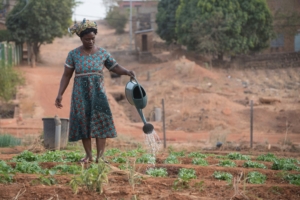
For farmers across Benin, changing weather patterns have made daily life increasingly uncertain. Unpredictable rainfall, flooding and soil degradation threaten harvests and household incomes. Agriculture employs a large share of the rural population, yet food insecurity remains widespread. More than 547,000 people are classified as severely food insecure, and nearly 83% of households cannot afford a healthy diet, placing farming families at high risk of falling deeper into poverty.
The focus on climate-resilient agriculture has proven especially important for rural households. Unpredictable rainfall and land degradation threaten food production and income stability for farmers.
Since the launch of Benin’s national development plan in 2019, the government has promoted practices that improve soil quality and conserve water. These efforts include agroforestry, crop rotation, conservation agriculture and improved water management techniques. Together, these changes help protect farmland from erosion and allow crops to survive droughts, irregular rainfall and flooding.
Simultaneously, improving water quality has strengthened these efforts to reduce poverty. Access to safe drinking water lowers the risk of waterborne diseases that can keep children out of school and prevent adults from working. Programs that build wells and water systems in rural communities have improved public health and allowed families to spend more time on farming and other income-generating activities.
Improving Clean Water Access
Government and donor-supported water programs have expanded wells and rural water systems, improving access to clean drinking water. One significant initiative is the AQUA‑VIE Rural Water Supply Universal Access Program-for-Results, supported by the World Bank, which provides household connections, standpipes, and sustainable water systems to more than three million rural residents. With less time spent collecting water or dealing with illness, families can focus more on farming, education and income-generating activities.
As food security improves, families face fewer economic disruptions and gain greater financial stability. These changes help prevent households from falling deeper into poverty and allow communities to plan for the future with more confidence.
Supporting Entrepreneurs to Create Jobs
Entrepreneurship has become another key driver of poverty reduction in Benin. Organizations such as TechnoServe support small business owners by providing training, access to markets and financial guidance. These programs focus on entrepreneurs who often lack resources, including women and young people.
In recent years, TechnoServe-supported programs in Benin have helped more than 110,000 entrepreneurs and small businesses increase their revenue and economic outcomes, including through agricultural market access and business development, while generating more than $58 million in financial benefits for local communities.
As small businesses grow, they create jobs and generate income beyond a single household. Entrepreneurs who succeed often hire workers from their communities, strengthening local economies and reducing unemployment. This ripple effect allows economic benefits to reach a wider population.
A focus on long-term business growth allows entrepreneurship programs to move beyond short-term assistance and help communities build self-sustaining economic systems. These efforts play a critical role in innovations in poverty eradication in Benin.
Government Policies That Protect Vulnerable Groups
Government policy has also played a central role in reducing poverty. According to the International Monetary Fund (IMF), Benin has improved how it manages public spending while increasing investment in education, health care and social protection programs. These reforms aim to balance economic growth with social support.
Education remains a major priority, as more than half of Benin’s population is illiterate. While free primary education has increased enrollment to 97%, approximately 30% of children drop out before completing school, with girls disproportionately affected. In response, the government and international partners are expanding vocational training programs to better prepare young people for the workforce.
Health care and social protection play a crucial role in improving life outcomes for vulnerable families. Since under-five mortality remains above 80 deaths per 1,000 children and average life expectancy is just 60 years, access to quality health services is critical. National school feeding programs supported by the World Food Programme (WFP) provide children with proper nutrition and support their education while building resilience that strengthens families and communities over time.
Education and vocational training programs help young people develop skills that match labor market needs. Additionally, social protection initiatives provide support to families facing economic hardship. Collectively, these programs strengthen human capital and improve long-term economic resilience.
By investing in people and public services, Benin has created a more stable foundation for the eradication of poverty. These policies support sustainable growth and reduce vulnerability to future economic shocks.
A Positive Path Forward
Benin’s progress shows how combining environmental sustainability, entrepreneurship and public investment can lead to lasting change. Rather than relying on a single solution, the country has adopted a coordinated approach that addresses poverty from multiple angles.
Economic growth climbed to 7.5% in 2024 while poverty fell to 31%. In light of ongoing reforms in taxation, social protection and climate resilience, thousands of people have the potential to be lifted out of poverty each year. While challenges remain, innovations in poverty eradication in Benin serve as a hopeful model for how developing nations can improve living standards while building a brighter and more promising future.
– Anaisha Kundu
Anaisha is based in Skillman, New Jersey, USA and focuses on Technology and Solutions for The Borgen Project.
Photo: Unsplash
