Gender Wage Gap in Panama
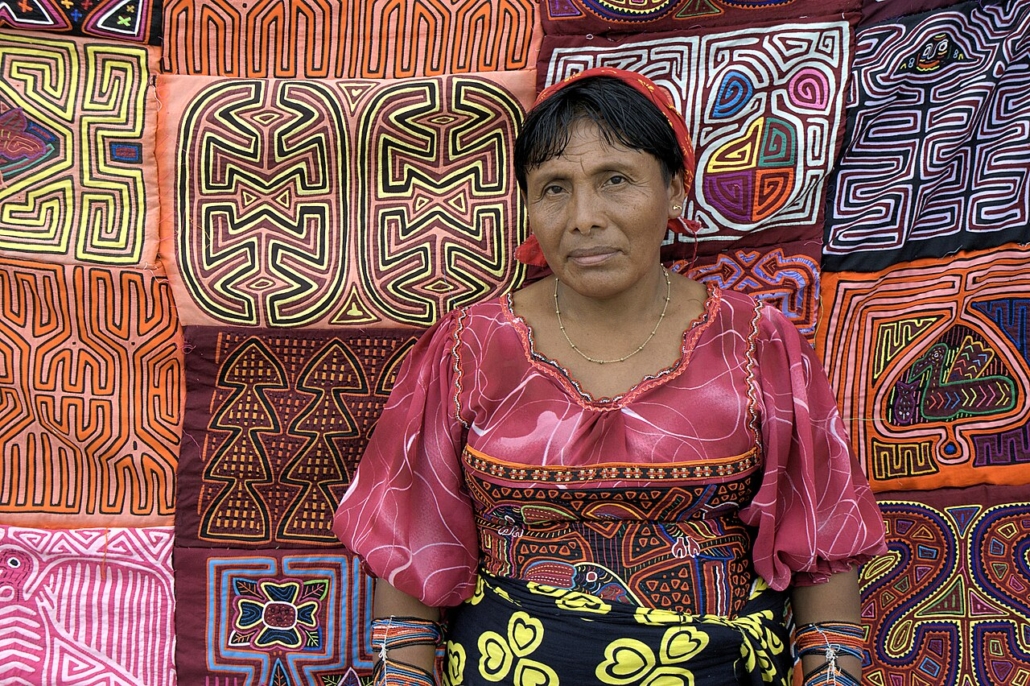 Gender equality remains a vital issue in global development. However, many countries like Panama have made significant progress towards improving opportunities for women. Over the past decades, Panama has implemented various policies and initiatives in order to decrease gender equality in the political, social and economic landscapes. Despite these efforts, wage gaps, unequal political representation and disparities continue to pose problems for women.
Key Aspects of Gender Equality
An important aspect of gender equality is the legal framework that upholds women’s rights. Panama has initiated many laws and regulations surrounding gender equality and protecting women from violence and discrimination. According to a report from the UN Women organization, there are about 88.9% of legal frameworks surrounding gender equality and the protection of women from violence in the country. These frameworks in particular signify the country’s commitment to align with the Sustainable Development Goals (SDGs).
Another critical aspect of gender equality is economic participation. In Panama, there is an increase of women working in labor forces, leadership roles and business and institutions. The World Bank reports that the participation of women in the labor force has steadily increased over the previous years with 54.9% in 2025. In addition, small and medium women owned enterprises significantly contribute to the national economy.
A press release by the Ministry of Labour and Workforce Development of Panama states that as per a UN Women study, the gender wage gap in Panama is about 11.5%.
One of the biggest contributors to poverty is the gender wage gap in Panama. Due to the fact that women earn lower than men, their ability to lift themselves and their loved ones decreases. Higher gender wage gaps usually indicate that women-led households tend to have higher risk of poverty.
According to the Panama Country Gender Scorecard by the World Bank Group, in 2010, a woman in the 25th percentile would earn 75 cents per every dollar a man earned. In 2019, this gap worsened with 59 cents for every dollar.
The World Economic Forum released a 2025 report on Gender Based Gap in which Panama ranks 107th in the world based on wage equality for similar work. In 2025, the estimated earned income difference between a male and a female was $12.04.
Political Representation and Social Challenges
Although women continue to be more involved in the country’s economy, they continue to remain unrepresented in the government. According to UN Women Data, women held 22.5% of parliamentary seats in Panama. Prioritizing women in politics will ensure that more of the population has representation.
Social expectations of women are often that women are expected to commit to domestic responsibilities more than men. As per UN Women Data, women spend almost 18% of their time on household chores and unpaid care whereas men only spend 7.6% of their time. The imbalance prevents women from being encouraged and pursuing education and employment.
Solutions Over the Years
In order to resolve these disparities. Panama has developed connections with international initiatives that work on reducing gender equality. For example, the Equal Pay International Coalition (EPIC) is a global partnership designed to close the gender wage gap. Through EPIC, Panama works with other international organizations and governments to advocate and promote economic opportunities and fair wages for women.
Post-Pandemic women had been facing significant disadvantages and lacked economic opportunities. In order to improve the economy, government representatives, specifically from the labor and employer sector created the National Plan for Equal Pay. This originated through collaboration between different government organizations as well as the support of UN Women and the International Labour Organization (ILO).
To address the gender wage gap in Panama, different ministries such as Labour and Workforce Development, Social Development and Foreign Affairs of the Republic contributed to the UNDP Gender Equality Seal for Private Sector which assists companies with addressing gender pay issues, sexual harassment and leadership opportunities for women.
Looking Ahead
Panama’s solutions to its problems regarding gender wage gaps sound promising, particularly when partnering with other reputable and impactful organizations. The country still has a long path ahead of itself to increase fairness amongst its people, but the desire for change is there and that is what is needed.
– Hasini Muddapu
Hasini is based in Princeton, NJ, USA and focuses on Good News and Politics for The Borgen Project.
Photo: Wikimedia Commons
