CRY India and Their Promise of Childhood
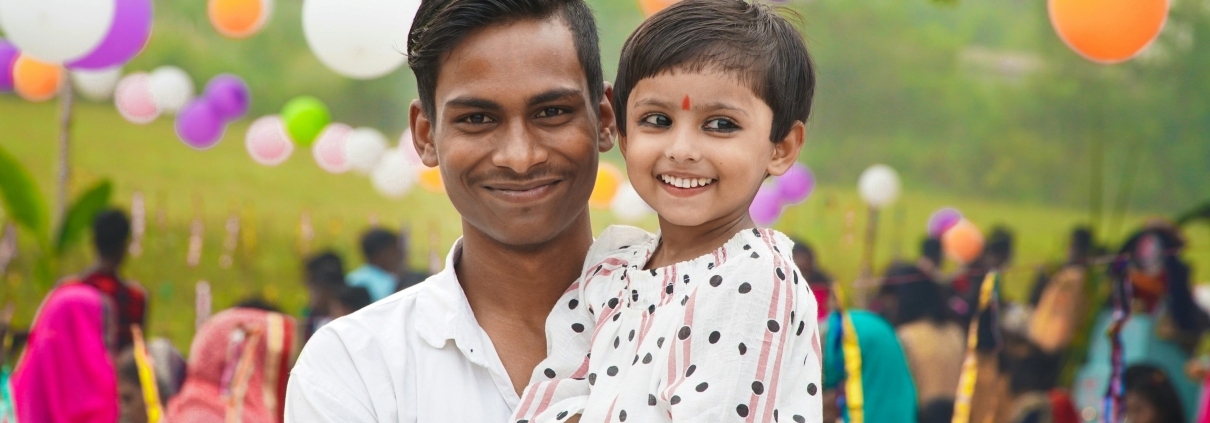 India is one of the countries most affected by extreme weather and natural disasters. Floods account for more than 40% of natural disaster crises in India, damaging infrastructure and displacing communities. Children make up approximately 40% of India’s population, yet only 2.46% of the national budget is dedicated to child welfare and children’s health in India. Children are among the groups most affected by these extreme weather events.
Natural Disasters and Children’s Health in India
India is among the world’s most disaster-prone nations, with 27 out of 29 states vulnerable to hazards such as cyclones, earthquakes, landslides and floods. According to the United Nations Children’s Fund (UNICEF), more than 17,000 children lost their lives between 2000 and 2016 as a result of these events.
Multiple aspects of a child’s life are adversely affected by natural disasters, including access to education, displacement and access to sanitation facilities. Between 2016 and 2021, 6.7 million children were displaced. One of the most severe consequences is the impact on children’s health in India, due in part to injuries caused during these events, but also to lost access to medical care that prevents children from receiving immunizations, nutrition or proper monitoring from medical professionals.
According to the UNICEF child displacement report, India is one of the top three countries with the highest record of disaster-related child displacement, with 95% of child displacements driven by floods and storms. These hazards leave 21.4 million people in need of health assistance, 27.6 million in need of nutritional assistance and 28.1 million in need of access to clean water.
A study on the effects of natural disasters on children’s health in India found that extreme events such as floods and droughts increase the likelihood of acute illnesses like diarrhea, fever and acute respiratory illness (ARI) in children under five by 9% to 18%. Both diarrhea and ARI are the leading causes of child mortality in children under five and together account for 40% of the child mortality rate in this age group each year. The research also found that exposure to disaster in the past year is linked to significantly worse nutrition, increasing the risk of stunted growth and being underweight or malnourished.
CRY India’s Work in Children’s Health
Child Rights and You (CRY India) has recognized this issue with children’s health in India and has been working to address it. Established in 1979 by Rippan Kapur, an Indian Airlines purser, CRY began with six co-founders to restore children’s rights. Today, the organization has 144 partners and works across 20 Indian states, having reached 4.7 million children.
CRY’s data shows that two out of five children in India are not fully immunized, two out of three child deaths are due to malnourishment and every third child under five is severely malnourished. The organization addresses these issues through health programs that focus on pre- and postnatal care for mothers, monitoring children’s growth and development, and creating community gardens and kitchens where families can receive proper nutrition in times of disruption and displacement.
According to research on the impact of disasters on children’s health, boys and children under one are more likely to receive medication and food during crises. CRY works to share access to medical care and nutrition with all children and mothers, regardless of socioeconomic background or gender. The organization connects families to communities, aid, schools and government services.
CRY India’s Impact
CRY’s impact on children’s health in India has been substantial. The organization has helped 2,500 children recover from malnutrition through medical monitoring and care from governmental health care centers. Collaboration with the national government has allowed CRY to expand its work and reach children and families in both rural and urban regions. Additionally, 600 kitchen gardens have been set up across seven states under the sustainable nutrition initiative, and more than 7,000 children under one have been immunized.
Looking Ahead
The issue of children’s health and welfare in India is being addressed through collaboration between the government and organizations such as CRY. While the scale of displacement from natural disasters remains large, these efforts represent measurable progress. With continued support, programs like those run by CRY India can help restore stability and equal access to health care for children across the country.
– Jaya Noonan
Jaya is based in London, UK and focuses on Good News and Global Health for The Borgen Project.
Photo: Unsplash
