Multidimensional Poverty in Sierra Leone
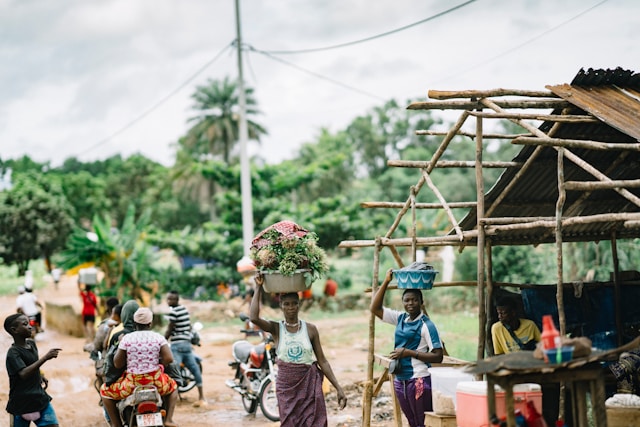 Sierra Leone is located in West Africa, bordering the Atlantic Ocean, with a population of 8.5 million as of 2023. The country has a tropical climate and diverse landscapes, ranging from mountains to forests, farmlands, savannas and rainforests. Its western coastline provides scenic views and strong tourism potential.
The global Multidimensional Poverty Index (global MPI) is a method used to measure poverty across 100 developing countries. It analyzes and assesses deprivations in health, education and living standards.
The History of the Global MPI
The Oxford Poverty and Human Development Initiative (OPHI) and the United Nations Development Program (UNDP) developed the global MPI in 2010. Since then, it has been used to gauge a country’s poverty intensity by tracking indicators across its population. These indicators include nutrition, child mortality, years of schooling, school attendance, cooking fuel, sanitation, drinking water, electricity, housing and assets.
Why Is Measuring Poverty a Vital Tool?
The Borgen Project spoke with an individual at OPHI’s communications department, who emphasized that the importance of measuring poverty “cannot be overstated.” They added, “Without knowing whether poverty is going up or down or what the components of poverty are, we cannot design policies that are likely to reduce poverty or evaluate whether policies intended to reduce poverty are working.”
They also described MPIs as “vital tools for examining the breadth and depth of poverty in a country, as well as for showing how the composition of poverty differs from group to group.”
The Alkire-Foster Method in Sierra Leone
Sierra Leone’s MPI is based on the Alkire-Foster method, a counting approach used to identify people living in poverty and the deprivations they experience. The individual said, “The purpose of Sierra Leone’s multidimensional poverty measurement journey has been to understand the extent and depth of multidimensional poverty in Sierra Leone to complement monetary poverty measurement and to support national development planning and monitoring.”
Its steps include:
- Creating a deprivation profile — determining whether an individual is deprived in each indicator.
- Applying weights to the deprivations — assigning an overall deprivation score to the individual as a percentage.
- Identifying the underserved — classifying an individual as multidimensionally poor if their score is greater than or equal to the poverty line.
- Aggregating the information — grouping the results into broader categories after determining whether a person is poor or not.
Child Poverty
According to the Government of Sierra Leone (GoSL), multidimensional poverty among children is expected to fall from 66% to 40% by 2030. Several social factors continue to drive child poverty in Sierra Leone, including:
- Female genital mutilation (FGM): A widespread practice across the country. According to UNICEF USA, nine out of 10 girls in Sierra Leone undergo the procedure.
- Child marriage: More common in the north and east of the country, child marriage remains widely accepted in many rural communities. In 2024, new legislation introduced stricter protections by placing a full ban on marriage for anyone under the age of 18.
- Education: Many children live far from schools and school attendance remains low in some parts of the country. Gender discrimination also means girls are more likely to stay at home rather than attend school.
Achieved Targets and Ongoing Progress
The 2019–2023 Medium-Term National Development Plan prioritized education, health care and nutrition, domestic revenue growth, improved governance and the promotion of peace and stability across the country.
Some of the milestones achieved included:
- Education: School enrollment increased under the Free Quality School Education Program, with more than one million students enrolled since 2018 across all levels of education.
- Employment: More than 10,000 young people were employed in sectors such as agriculture, waste collection and car wash services.
The 2024–2030 Medium-Term National Development Plan has since established a roadmap to guide the country’s poverty reduction goals and development targets over the next seven years.
The Big Five Gamechangers include:
- Feed Salone: Boost agricultural production and enhance food security.
- Human Capital Development: Invest in human capital to build a healthier population for the 21st century.
- Youth Employment Scheme: Aims to create 500,000 jobs for young people over the next five years.
- Technology and Infrastructure: Increase investment in technology, digitalization and infrastructure.
- Transforming Public Service Architecture: Improve service delivery and efficiency in the public sector while strengthening democratic governance.
Looking Ahead
The interviewee described the MPI as “a high-impact tool for evidence-based, integrated, multisectoral policymaking.” By using the Alkire-Foster method to measure poverty across Sierra Leone, the country has been able to track progress and guide ongoing implementation. These efforts aim to strengthen governance and improve living conditions across the population.
– Zara Ashraf
Zara is based in London, UK and focuses on Good News and Global Health for The Borgen Project.
Photo: Unsplash
