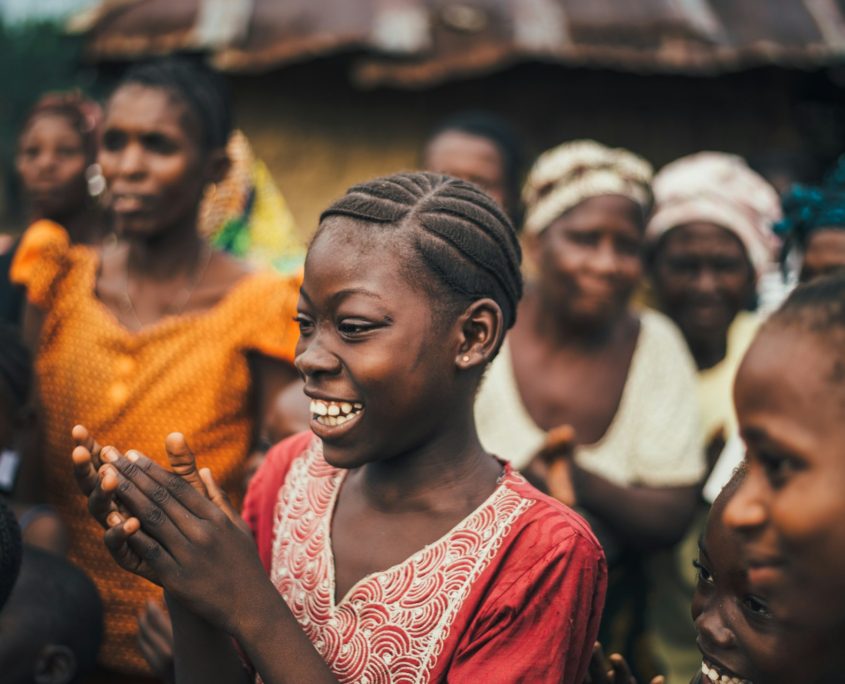
 Globally, about 500 million females suffer from period poverty, which involves a lack of access to menstrual products and appropriate facilities. Consequently, many resort to using cheap materials such as newspapers, rags and socks. Unfortunately, these alternatives often pose serious health risks, including infections. Beyond health risks, period poverty obstructs education for girls and women. Many girls miss school during their menstrual periods due to a lack of access to required menstrual products. On average, girls menstruate for four to five days each month, totaling about 50 days per year. Missing school can have lifelong impacts, including reduced employment opportunities and diminished equality with men. As things stand, menstrual equity, which ensures the affordability, accessibility and safety of menstrual products for those who menstruate could be crucial for ending period poverty.
Period Poverty in Ghana, Algeria and Nigeria
Heavy taxation on menstrual products such as pads and tampons is a growing concern in Ghana. Most menstrual products carry a 20% import tax, leading women to report that these items consume nearly 25% of their income. With the minimum wage in Ghana at 14 cedis, a single pad can cost between 15 and 40 cedis. Consequently, many Ghanaian women resort to using alternatives like cloth and newspapers.
In Algeria, the situation is dire, as it ranks as the worst country for period affordability with an average monthly cost of $34.05 spent on menstrual products. In contrast, South Korea’s average is $25, but it benefits from much higher wages. Nigeria ranks third among countries with the least affordable menstrual products.
Indoni Yamnzi
In South Africa, widely known for its significant gender-based violence issues, the impact extends into aspects of daily life, including education and health. The country reports numerous rape cases daily, reflecting broader systemic issues around women’s rights. This environment contributes to a lack of attention to other significant issues, such as menstrual health, leading to one in three girls missing school during their menstrual period. Addressing this is Indoni Yamnzi, one of the nonprofit organizations fighting period poverty in South Africa. The organization is stepping in to provide crucial support. They offer free menstrual products and educational programs, including reusable safe pads, monthly period packages and empowerment workshops. Unathi, one of the founders, who grew up in Cape Town amid violence, was driven by her more fortunate personal circumstances—including a supportive family and the opportunity for higher education—to create a safer environment and empower girls across South Africa.
MENstruation Foundation
This nonprofit foundation fighting period poverty is also based in South Africa. Founded by Sib Ngesi, a South African actor and producer said: “If men bled once a month, sanitary products would be free. Condoms are free and sanitary products are not, it is a failure of justice.” Until now the foundation has installed 128 sanitary pad dispensing machines and provided girls in school tokens that can be exchanged at the Machine for up to eight sanitary pads per month.
Padbank Nigeria
Ibrahim Faleye, an undergraduate studying biology, founded this nongovernmental organization to educate boys about menstruation and prevent them from shaming girls. Raised with his mother and sisters, Faleye was familiar with menstruation from a young age but recognized that discussing it publicly was considered embarrassing. Determined to dismantle this menstrual stigma, he included boys in conversations about menstruation. After receiving education through Faleye’s program, 14-year-old Opeyemi Adedeji stopped teasing his female classmates about menstruating. He learned that menstruation involves more than just blood—it’s a crucial biological process where eggs are released. Opeyemi even began offering help to his classmates suffering from menstrual cramps.
Breaking the Period Stigma
While contributions through volunteering and donations are valuable, experts say that addressing the deeper issue of period stigma is crucial. This stigma, which shames those who menstruate, has historical roots in ancient religious beliefs that labeled menstruating women as unclean and dangerous, necessitating their separation from men. This archaic view persists, making menstruation a taboo topic. Many individuals feel compelled to speak in hushed tones or use euphemisms like “Aunt Flow” or “Code Red” when discussing menstruation, treating it as an embarrassing subject. To combat this stigma, advocates and organizations fighting period poverty argue that society must accept menstruation as a natural and normal bodily function, open to discussion without embarrassment. Encouraging open dialogue about menstruation across all genders, they suggest, can normalize the topic, reducing the stigma and promoting a more inclusive understanding.
Looking Ahead
Addressing period poverty remains critical, especially in regions where high costs and lack of access to menstrual products exacerbate inequalities and health risks. Organizations fighting period poverty like Indoni Yamnzi, the MENstruation Foundation and Padbank Nigeria are taking significant steps to provide resources and education, whilst also highlighting the urgent need for broader systemic changes. By promoting menstrual equity and challenging the stigma associated with menstruation, these initiatives aim to improve access to essential products, enabling girls and women to lead healthier, more empowered lives.
– Eunsung Koh
Eunsung is based in Seoul, South Korea and focuses on Global Health for The Borgen Project.
Photo: Unsplash

Addressing HIV/AIDS in Moldova
Moldova’s Problem
HIV and AIDS cases were the highest in Moldova around the 1990s and began to decrease progressively after Moldova’s response to the epidemic. The National Institute of Health found that in the “Republic of Moldova during 1987-2013, there were 8,557 reported HIV+ cases, of which 2,464 (28.8%) developed AIDS, 1,752 (20.5%) died.” This is compared to more recent statistics showing that “AIDS was confirmed in 286 cases…Of these, in 168 cases (58.74%) AIDS disease was confirmed in persons diagnosed with HIV in 2019.”
The epidemic originally affected select groups of people and only spread from there. Efforts occurred to target treatments to these select groups; however, more work is necessary to address the problem of HIV/AIDS in Moldova.
Moldova’s Response to HIV/AIDS
The nation of Moldova began to lead the way in creating services that assist in treating HIV/AIDs quickly. Starting it all was a 1993 law which led to medical reforms and provisions in the Republic of Moldova. According to the International Labor Organization (ILO), “the Law on AIDS Prevention of 1993 guarantees people living with HIV/AIDS the right to medical assistance and social insurance.” This was a crucial step toward protecting Moldova’s citizens from the epidemic and providing them with the help they need.
Moldova’s HIV/AIDS National Programme
This law led to the development of the first National Programme on Prevention and Control of HIV/AIDS and STIs which the country established in 1995. This program focused on prevention, improvement and ensuring safety in medical procedures. Prevention is key in stopping the spread, and according to UNAIDS, the priority is for preventing “infections among youth, vulnerable groups, [and] first of all among injecting drug users.” These concentrated groups are still a large focus for the Program today because of the high rates of infection among drug users along with homosexual men.
The National Programme on Prevention and Control of HIV/AIDS and STIs began initially as a response to national statistics and information concerning HIV/AIDS in Moldova. In more recent years (2016-2020), the program has worked to provide more access to NGO testing and various treatments. The partnerships with various NGOs have expanded the program’s outreach greatly, allotting for a greater amount of testing.
Furthermore, the improvement of patients’ conditions is a large focus of the program as well as ensuring safe medical procedures. The trifold purpose of this program is something to learn from. Its aim is to reduce the severity and number of HIV/AIDS cases. Currently, HIV/AIDS in “Moldova is classified as a concentrated/low prevalence country”. This may be due to the effective initiatives the country implemented from the beginning. The quick action to prevent but also serve those affected is something inspiring to implement in the future.
– Abigail Johnson
Photo: Flickr
A Promise for Improvement: Mozambique Health Care
The Current State of Mozambique’s Health Care
Mozambique’s current health care state is dire. There are very few medical centers and frequently, Mozambicans have to walk miles to get treatment. Medicine shortages are common and the small number of medical professionals who are present often need more training.
There is no silver lining to this poor system. Many Mozambicans, about 1.2 million, are ill with either HIV or AIDS. About 200,000 children are also sick with the infectious disease. Many Mozambicans are also plagued by malaria, in addition to other diseases like tuberculosis. So, there is a requirement for improving the Mozambican health care system and the Mozambican government agrees.
The One District, One Hospital Initiative
The One District, One Hospital Initiative aims to ensure that millions of people in Mozambique access good-quality health care. The initiative will establish larger hospitals with new facilities, including operating rooms, radiology technology, blood transfusion equipment and storage, orthopedics and newer laboratories.
In the past six years, the Mozambican government has increased the number of medical workers and caregivers from around 1,000 in 2018 to more than 8,000 in 2022. One way the government did this was by introducing community health workers. By having at least one person trained in health care per community, the health centers would not be as busy with a sudden influx of Mozambicans from all over. This also allows faster treatment in an emergency.
The One District, One Hospital Initiative will also build level two hospitals in the 90 districts that currently lack them. Building hospitals that meet level two requirements ensure that treatment can meet heavy trauma damage and have more comprehensive diagnostic capabilities. These new hospitals will also have housing for employees, providing both security in the poverty-torn country and an incentive for Mozambican people to join the medical field.
Impact
The improvements made to Mozambique’s health care system have greatly benefited its people. More than 8,000 medical workers are now active in Mozambique and nearly 2 million households have access to health services—a significant increase from the 240,000 households in 2018. Many health workers in Mozambique are also trained in nutrition, enabling them to benefit young children and educate families on improving health and nutrition through better dietary choices.
Final Thoughts
Mozambique’s health care system was dire about six years ago. However, the Mozambican government has taken steps to provide health care to its citizens and ensure widespread access to medical treatment. The One Hospital One District Initiative has given Mozambicans security in health, as they no longer have to travel long distances to receive necessary medical aid. This initiative was enacted out of necessity to care for its citizens and adhere to the United Nations (U.N.) 2030 Agenda. So, Mozambicans can expect more improvements.
– Paige Tamasi
Photo: Unsplash
Lebanon’s Hash: The $1 Billion Industry to Lift Its Rural Poor
Lebanon’s Hash Industry
Lebanon has been cultivating and exporting hash for 100 years. Despite being the fourth smallest country in the region, Lebanon ranks among the top four largest hash producers in the Middle East, raking in millions of dollars annually. The amount of profit that hashish produces on an annual basis in Lebanon is difficult to pin down since the production of the drug is still illegal and, therefore, remains heavily undocumented.
In 2020, however, following a devastating economic crisis, the Lebanese government and the McKinsey consulting company produced a financial plan titled “Lebanon Economic Vision.” The document proposes that the legalization of hash for medical and recreational use could increase drug exports from $828 million to $1.79 billion by 2025. This revolutionary idea could mean an unprecedented cash flow into Lebanon’s long-neglected agricultural sector.
Where the Money Flows
Most of Lebanon’s illegal hashish farming occurs in the Bekaa Valley, a stretch of farming land that is 70 miles long and 16 miles wide. Many farmers have switched to growing hash after the economic crisis in 2019, which kept Lebanon’s inflation in triple digits for years. Many farmers have switched to growing hashish because it is cheap. Cultivating one-tenth of a hectare of a hash farm costs $150, while other crops, such as wheat, can cost up to $3,000.
Legalizing Lebanon’s Hash
In light of this trend, there has been growing pressure on the Lebanese government to legalize hash for domestic use and export. As of today, 55% of Lebanese youth are for the recreational use of hash and up to 75% of them are for its medical use. The growing popularity of Lebanon’s hash has also been apparent in parliament.
In 2020, the government passed legislation that allows for the farming of local medicinal cannabis (less than 1% tetrahydrocannabinol). However, the methods of injection into the market, the regulation and taxation of the market remain undefined and therefore make the drug illegal still.
Final Remark
With an ongoing war in the South and a financial crisis that a weak central government prolongs, the legalization of hash can be seen either as a temporary impossibility or a possible lifeline for the country.
– Carl Massad
Photo: Pexels
How the Youth of Moldova Are its Future
Economic Challenges and Depopulation
Moldova is facing significant depopulation, primarily due to the high emigration rates among young people. This trend presents a critical challenge to the economy, potentially limiting national development and restricting access to essential services. As one of Europe’s poorest countries, economic downturns disproportionately affect families with children, exacerbating the risk of poverty. Although there have been overall improvements in recent years, Moldova continues to experience high poverty rates, with child poverty being a major concern.
Youth and Social Policy
In 2020, Moldova recorded a child poverty rate of 26%. Households with multiple children, as well as those headed by a self-employed, unemployed or single-working parent, are particularly vulnerable to poverty. Current social policies fail to meet the needs of children living in poverty. Despite this policy gap, 72.7% of households with children reported satisfactory living conditions in recent years.
Educational and Employment Challenges
In Moldova, the youth population contends with significant challenges in education, employment, health and civic participation. Although 39% of 25 to 29-year-olds hold high-ranking degrees, the quality of education often fails to meet satisfactory standards. Many Moldovans remain disengaged from education and employment opportunities, complicating efforts to empower this generation with suitable jobs. Despite a general decline in poverty rates in recent years, the country faces hurdles in achieving economic growth, compounded by high emigration rates that particularly affect young citizens. Currently, 29% of Moldova’s youth are unemployed, a rate that exceeds many other countries and fosters social exclusion among this demographic. Prioritizing youth development is essential for Moldova’s national progress.
Various factors contribute to youth unemployment beyond economic challenges. Individual circumstances often require young people to assume caregiving responsibilities, leading them to become homemakers rather than active job seekers. Additionally, many young Moldovans plan to emigrate in search of better job opportunities that match their skills and qualifications. This trend is particularly pronounced among the most vulnerable segments of the youth population. Those from impoverished families, orphaned children or residents of rural areas face significant barriers to accessing education, further limiting their employment prospects.
The Youth Participation Program Initiative
Following youth-led protests in 2009, which demanded fairer governmental procedures and inclusion in policymaking, the Eurasia Foundation initiated the Youth Participation Program (YPP) in Moldova. This program aimed to channel the passion of the youth toward enhancing their country’s economy. To build momentum, the Eurasia Foundation collaborated with Moldova’s Ministry of Youth and Sports, organizing a series of youth debates across the country in partnership with Ministry representatives. These debates highlighted the perspectives of young people on policy reforms. The culmination of these efforts was the National Youth Forum, providing a platform for young Moldovans to discuss the 2009 to 2013 Youth Strategy directly with government officials.
Youth Sector Development Strategy
In 2023, the Moldovan government approved the “Youth 2030” Development Strategy, which targets three main objectives to bolster the nation’s youth. This strategy is designed to expand access to youth programs and enhance the participation of young Moldovans in voicing their ideas for the country’s future. Despite the absence of a specific public policy dedicated to the social inclusion of young people, the Youth 2030 strategy represents a comprehensive effort to unify various institutions that influence youth development and empower young citizens in Moldova.
Looking Ahead
Moldova’s initiatives to engage and support its youth are intended to contribute to the nation’s future development. The “Youth 2030” Development Strategy seeks to address significant gaps in youth participation and to improve access to essential programs. Addressing the root causes of emigration and enhancing opportunities for young people could be vital in fostering a more prosperous and stable society. By prioritizing youth inclusion and development, Moldova can potentially build a stronger, more resilient future.
– Brogan Dickson
Photo: Flickr
Helping the Deaf Population in China and India
How the Deaf Population in China is Affected
According to Cochlear Implants International, an estimated 28 million people face some hearing loss in China. With this high statistic, many also face a higher risk of unemployment, less education and lower-income families than their hearing counterparts. Due to the social stigma and previous lack of resources, Chinese sign language is also less developed than in other developed countries.
Similarly, there are about 115,00 children with severe hearing loss in China and an additional 30,000 a year are born with hearing loss. Deaf children are given fewer resources to excel in school, as the curriculum focuses on speech and hearing.
Helping the Deaf Population in China
Despite the challenges, great strides are being made in helping the deaf population in China. China began gene therapy treatment in young deaf children, restoring some hearing in children who were otherwise 100% deaf. Zheng-Yi Chen, an associate professor who helped develop the study, said, “Now they can hear speech that is close to normal and one can hear a whisper.” However, this treatment only works on those with a gene defect from birth, a protein called otoferlin. People born without it don’t have a signal from the hair cells that make people hear.
This treatment is the first of its kind and only a few deaf children have received it as a trial. However, China has implemented more accessible resources for the general population. Deaf children receive cochlear implants as they are increasingly more affordable. China has also implemented screenings for newborns to intervene immediately if they detect hearing loss or deafness. However, audiology isn’t yet seen as a medical practice in China. Cochlear implants are performed by nurses, physicians and other professionals.
How Deaf Indian Citizens Are Affected
About 18 million people in India are deaf or hard of hearing, though the number could be much larger. Despite the large population, India needs more resources than China comparatively has. There’s no official recognition of Indian sign language and the use of it carries a heavy stigma, as many of the population are unaware of the nuances of deafness.
With no official recognition, children who are deaf are often forced to adhere to the standards of hearing people in school. As sign language is discouraged, learning is undertaken by lipreading and written communication, putting these learners at a disadvantage to their peers. This disparity further increases the illiteracy rate in India which sits at about 26%.
How India Is Helping the Deaf
India is slowly making some improvements with the help of a few nonprofit organizations, such as VAANI. VAANI recognizes that the hearing population of India lacks an understanding of deafness and seeks to help deaf children. In increasing awareness, families with deaf children can obtain government resources for their children. These resources can help families to avoid a future of poverty. VAANI helps by providing early intervention, educating families and improving communication.
Some nongovernmental organizations (NGOs), such as the Noida Deaf Society (NDS), have also stepped in to help deaf people in India lead self-sufficient lives and seek employment opportunities. These NGOs work to help them build employability skills and provide more inclusive learning environments for deaf children. NDS has successfully brought employment opportunities for deaf people in hospitality, retail, education and more industries.
Final Remark
There is still much work to be done. This is especially the case in India, however, both countries are making their way to helping the deaf population and be more inclusive. With the help of NGOs and other organizations, deaf people don’t have to be stuck in poverty and can lead fulfilling lives.
– Sabrina Betterly
Photo: Freepik
Menstrual Organizations Fighting Period Poverty
Period Poverty in Ghana, Algeria and Nigeria
Heavy taxation on menstrual products such as pads and tampons is a growing concern in Ghana. Most menstrual products carry a 20% import tax, leading women to report that these items consume nearly 25% of their income. With the minimum wage in Ghana at 14 cedis, a single pad can cost between 15 and 40 cedis. Consequently, many Ghanaian women resort to using alternatives like cloth and newspapers.
In Algeria, the situation is dire, as it ranks as the worst country for period affordability with an average monthly cost of $34.05 spent on menstrual products. In contrast, South Korea’s average is $25, but it benefits from much higher wages. Nigeria ranks third among countries with the least affordable menstrual products.
Indoni Yamnzi
In South Africa, widely known for its significant gender-based violence issues, the impact extends into aspects of daily life, including education and health. The country reports numerous rape cases daily, reflecting broader systemic issues around women’s rights. This environment contributes to a lack of attention to other significant issues, such as menstrual health, leading to one in three girls missing school during their menstrual period. Addressing this is Indoni Yamnzi, one of the nonprofit organizations fighting period poverty in South Africa. The organization is stepping in to provide crucial support. They offer free menstrual products and educational programs, including reusable safe pads, monthly period packages and empowerment workshops. Unathi, one of the founders, who grew up in Cape Town amid violence, was driven by her more fortunate personal circumstances—including a supportive family and the opportunity for higher education—to create a safer environment and empower girls across South Africa.
MENstruation Foundation
This nonprofit foundation fighting period poverty is also based in South Africa. Founded by Sib Ngesi, a South African actor and producer said: “If men bled once a month, sanitary products would be free. Condoms are free and sanitary products are not, it is a failure of justice.” Until now the foundation has installed 128 sanitary pad dispensing machines and provided girls in school tokens that can be exchanged at the Machine for up to eight sanitary pads per month.
Padbank Nigeria
Ibrahim Faleye, an undergraduate studying biology, founded this nongovernmental organization to educate boys about menstruation and prevent them from shaming girls. Raised with his mother and sisters, Faleye was familiar with menstruation from a young age but recognized that discussing it publicly was considered embarrassing. Determined to dismantle this menstrual stigma, he included boys in conversations about menstruation. After receiving education through Faleye’s program, 14-year-old Opeyemi Adedeji stopped teasing his female classmates about menstruating. He learned that menstruation involves more than just blood—it’s a crucial biological process where eggs are released. Opeyemi even began offering help to his classmates suffering from menstrual cramps.
Breaking the Period Stigma
While contributions through volunteering and donations are valuable, experts say that addressing the deeper issue of period stigma is crucial. This stigma, which shames those who menstruate, has historical roots in ancient religious beliefs that labeled menstruating women as unclean and dangerous, necessitating their separation from men. This archaic view persists, making menstruation a taboo topic. Many individuals feel compelled to speak in hushed tones or use euphemisms like “Aunt Flow” or “Code Red” when discussing menstruation, treating it as an embarrassing subject. To combat this stigma, advocates and organizations fighting period poverty argue that society must accept menstruation as a natural and normal bodily function, open to discussion without embarrassment. Encouraging open dialogue about menstruation across all genders, they suggest, can normalize the topic, reducing the stigma and promoting a more inclusive understanding.
Looking Ahead
Addressing period poverty remains critical, especially in regions where high costs and lack of access to menstrual products exacerbate inequalities and health risks. Organizations fighting period poverty like Indoni Yamnzi, the MENstruation Foundation and Padbank Nigeria are taking significant steps to provide resources and education, whilst also highlighting the urgent need for broader systemic changes. By promoting menstrual equity and challenging the stigma associated with menstruation, these initiatives aim to improve access to essential products, enabling girls and women to lead healthier, more empowered lives.
– Eunsung Koh
Photo: Unsplash
The Fight Against Mosquito-Borne Diseases
Innovative Genetic Solutions
Given the current technology, implementing preventative measures to reduce the spread of mosquito-borne diseases has become a priority. Indeed, scientists are searching for more effective and widespread solutions to decrease the population of disease-spreading mosquitoes. One promising approach focuses on genetically modifying mosquitoes to reduce their population.
This strategy involves releasing mosquitoes carrying a “self-limiting gene” that causes female offspring to die before reaching adulthood. By targeting specific mosquito species known to spread diseases, this approach aims to break the transmission cycle. The Centers for Disease Control and Prevention (CDC) states that this method is reversible; ceasing the release of these genetically modified mosquitoes would allow the population to return to normal levels. Controlling the reproduction of disease-spreading mosquitoes, particularly biting females, could potentially prevent deadly disease outbreaks.
Oxitec’s Pioneering Role in Mosquito Population Control
Oxitec, a U.K.-based biotech company, leads the efforts in genetically modified mosquito (GMM) projects. While their stated aim is to help combat the spread of malaria in Eastern Africa and Central and South America, their broader focus includes decreasing the incidence of all mosquito-borne and vector-borne diseases. Oxitec specifically targets three critical mosquito species: Anopheles stephensi, an invasive species originally from Asia now detected in seven African countries, Anopheles albimanus and Aedes aegypti, native to South America.
Brazil’s Fight Against Dengue
Between 2021 and 2022, Brazil experienced a 400% increase in deaths caused by Dengue. In response, the country has ramped up projects to combat mosquito-borne diseases. Despite these ongoing efforts, Brazil is currently grappling with a Dengue Fever outbreak, with confirmed cases surpassing 5 million. Oxitec has initiated the deployment of ‘just-add-water friendly’ genetically modified mosquitoes (GMMs) into the local mosquito populations to help curb this epidemic. Reports indicate that in areas where these interventions have occurred, populations of Aedes aegypti mosquitoes have been nearly halved. Authorities are aiming for an overall reduction of 20% to mitigate the current state of emergency affecting many regions, including the state of Rio de Janeiro.
Panama’s Use of GMMs
Panama first utilized GMMs in 2014 through a partnership between Oxitec and the Gorgas Institute in Panama City, aiming to decrease the Aedes aegypti population to reduce Dengue transmission. More recently, Panama has been confronting a new Malaria epidemic, with cases in rural communities surging by 65% in 2023. The rise in cases is primarily attributed to an increase in the population of the invasive mosquito Anopheles albimanus. This situation has renewed collaboration between Panama and Oxitec, leading to the release of genetically modified ‘friendly’ Anopheles albimanus mosquitoes intended to diminish the number of this malaria-spreading species.
GMMs in Djibouti
Anopheles stephensi, a mosquito known for transmitting Malaria in South Asia and the Middle East, was confirmed in 2012 to have crossed the Red Sea into the Horn of Africa. Since then, it has been found in seven African countries and is suspected in four others. Djibouti, which nearly eradicated Malaria in 2012 with fewer than 100 confirmed cases, saw cases skyrocket to more than 70,000 by 2020. In May 2024, Djibouti became the first East African country to deploy genetically modified mosquitoes (GMMs) to combat the rising tide of Malaria.
Looking Ahead
Innovative solutions such as deploying genetically modified mosquitoes present promising methods for controlling mosquito populations and reducing disease transmission without disrupting ecological balance. Countries like Brazil, Panama and Djibouti are already implementing these advanced techniques, underscoring the critical need to continue investing in and developing effective strategies to combat mosquito-borne illnesses globally.
– Philip Mundy
Photo: Flickr
Recycling Waste in Bangladesh
Health Risks of Waste Disposal
As the volume of plastic waste continues to grow, Dhaka’s recycling sector is increasingly struggling to process it sustainably. While Dhaka’s recycling industry employs approximately 5,400 people, it is a relatively informal sector, exposing many workers to hazardous conditions without effective health protection. Without funding or support, the increasing volumes of waste can potentially overwhelm the current recycling systems. As a result, much of this waste ends up in landfills and into rivers, putting the cities’ population at risk of poor health. The ingestion of microplastics and the contamination of water and soil link to increased dengue fever cases, which claimed 327 lives over seven months in 2023. This crisis strains local health systems and disproportionately affects the poorest citizens, who struggle to afford necessary medical treatments.
Recycling Waste in Bangladesh
Recognizing the strain that escalating plastic waste places on its infrastructure and citizens, Bangladesh’s Ministry of Environment formulated a National Action Plan for Sustainable Plastic Management. This initiative targets a 50% increase in recycling waste in Bangladesh by 2025 and aims to cut overall plastic consumption by 2030. The plan underscores the adoption of a circular economy to mitigate the hazardous impacts of waste disposal. By enhancing recycling efforts initially and subsequently addressing the fundamental issue of excessive plastic usage, this strategy aims to alleviate waste-related health risks across the nation.
Micro-Enterprises in Bangladesh
While government initiatives address large-scale waste management by implementing policies, the real momentum often comes from grassroots efforts. A recent World Bank Blogs report reveals the work of many entrepreneurs who prioritize recycling plastic waste in their small businesses. With support from the World Bank’s Sustainable Enterprises project (SEP), Md Jashim Uddin, a micro-entrepreneur, for example, recycles waste from local shoe factories to produce new footwear. This small-scale circular economic model not only mitigates environmental impact but also enhances local health conditions by reducing pollution and creating new jobs with improved working conditions.
Looking Ahead
Bangladesh faces the escalating issue of plastic waste as urbanization and industrial growth continue. Government initiatives aim to boost recycling rates and reduce plastic use, while grassroots efforts and micro-enterprises contribute to waste management and environmental health. These combined strategies can potentially improve public health and achieve sustainable development. Ongoing dedication to innovative solutions and effective waste management could be vital for Bangladesh’s future.
– Aimee Masters
Photo: Pexels
How Conflict Fuels Poverty in Syria
Destruction of Infrastructure
Destruction of infrastructure is one of the most immediate and visible widespread consequences of the Syrian conflict. Attacks on various types of infrastructure, including public, private and health care facilities, remain largely unaccounted for. Bombings, artillery fire and ground battles have reduced cities to rubble, destroying homes, schools, hospitals and utilities. With basic infrastructure demolished, economic activities stall. Factories, farms and businesses cannot operate effectively, resulting in significant productivity losses. The lack of electricity, clean water and transportation further hampers efforts to resume normal economic functions, exacerbating poverty in Syria.
Displacement and Loss of Livelihoods
The crisis in the Syrian Arab Republic has displaced more than 12 million people across the region, with 6 million Syrians finding refuge in Egypt, Türkiye, Iraq, Jordan and Lebanon. Displacement uproots families from their homes and communities, stripping them of their assets and means of income. In displacement camps and host communities, refugees face high unemployment levels. Competition for scarce resources and jobs often results in lower wages and poor working conditions. For those attempting to rebuild their lives, limited access to employment, education and health care perpetuates a cycle of poverty in Syria that is difficult to break.
Health Crisis
Almost a quarter of Syria’s hospitals are nonfunctional and cannot meet the growing health needs. More than 12.2 million people urgently need health assistance, but a shortage of workers and health care infrastructure has led to the collapse of the health care system. This collapse exacerbates poverty by increasing disease and disability burdens. Families must spend limited resources on medical care, often sacrificing other basic needs such as food and shelter. Chronic illnesses and untreated injuries impair individuals’ ability to work, further reducing household incomes and deepening poverty in Syria.
Education Disruption
The war in Syria has severely disrupted the education system, with many schools damaged, destroyed or repurposed as shelters for displaced people. This crisis has left more than 7,000 schools destroyed and resulted in two million children being out of education. A generation of children in Syria is growing up without ever having enrolled in school or received a proper education. To make ends meet, families often rely on child labor, pulling children out of school to work. This not only deprives children of their childhood but also limits their future economic prospects, perpetuating poverty in Syria.
Efforts by UNICEF and OXFAM
Efforts are underway to reverse the cycle of poverty in Syria. UNICEF is addressing this crisis by investing in climate-resilient technologies and systems, promoting learning, rehabilitating schools and scaling up unconditional cash transfers. In addition, OXFAM works across eight of 14 Syria governorates, providing clean water, distributing hygiene kits, promoting good hygiene practices in schools and giving families cash and food to meet their urgent needs.
Looking Ahead
The ongoing conflict in Syria has deeply entrenched poverty, disrupting infrastructure, displacing millions and collapsing essential services such as health care and education. Organizations like UNICEF and OXFAM are actively working to mitigate the crisis by providing crucial resources, rehabilitating schools and supporting basic needs. Despite the significant challenges, these ongoing efforts offer a pathway toward alleviating the severe economic and social impacts on the Syrian population, highlighting the critical importance of sustained international support.
– Rika Mokal
Photo: Pixabay
Guatemala’s Economic Growth and Equality
However, these figures mask a deeper issue: the benefits of this growth have not been evenly distributed across the population. Urban areas, particularly Guatemala City, have seen substantial investment and development, while rural and indigenous communities continue to lag. This disparity highlights the challenge of achieving inclusive growth that benefits all segments of society.
Key Drivers of Economic Growth
Guatemala’s economy is largely driven by the private sector, which contributes approximately 85% of the country’s GDP. The services sector is the largest, accounting for 68% of GDP. This includes a wide range of activities such as banking, tourism, retail and telecommunications. The manufacturing sector, contributing 14%, is also a vital component, with industries such as food processing, textiles and pharmaceuticals playing significant roles.
Agriculture, though comprising only 10% of GDP, remains a critical sector, employing a substantial portion of the population and producing key exports like coffee, sugar and bananas. Additionally, remittances from Guatemalans living abroad, particularly in the United States (U.S.), are a crucial economic lifeline, contributing significantly to household incomes and foreign exchange reserves.
Persistent Poverty and Inequality
Despite Guatemala’s economic growth and stability, poverty and inequality remain pervasive issues. As of 2023, approximately 55.1% of Guatemala’s population lives in poverty, with indigenous and rural communities bearing the brunt of this economic hardship. These communities often have limited access to education, health care and employment opportunities, perpetuating a cycle of poverty.
The informal sector is a substantial part of the economy, accounting for 49% of GDP and employing 71.1% of the workforce. This sector is characterized by low wages, job insecurity and lack of social protections, which further exacerbate economic disparities. The country faces significant human capital challenges, with high rates of child malnutrition and limited access to basic services such as clean water, sanitation and electricity.
Efforts and Challenges
Various initiatives have been undertaken to address these socioeconomic challenges. The U.S. Agency for International Development (USAID) has been active in Guatemala, implementing programs aimed at improving financial management, fostering innovation and supporting entrepreneurship. These programs are designed to create a more conducive environment for business growth and to empower local entrepreneurs.
However, the effectiveness of these initiatives is often undermined by systemic issues such as corruption and governance weaknesses. Corruption remains a significant problem, affecting public trust and the efficient allocation of resources.
Potential for Future Growth
Guatemala has considerable potential for future growth, thanks to its rich natural resources, cultural heritage and strategic geographical location. The country is rich in minerals such as gold, silver and nickel, which present opportunities for the mining sector. Its cultural heritage and natural beauty make it an attractive destination for tourism, which can be a significant source for Guatemala’s economic growth.
– Sofia Reynoso
Photo: Pexels