A Promise for Improvement: Mozambique Health Care
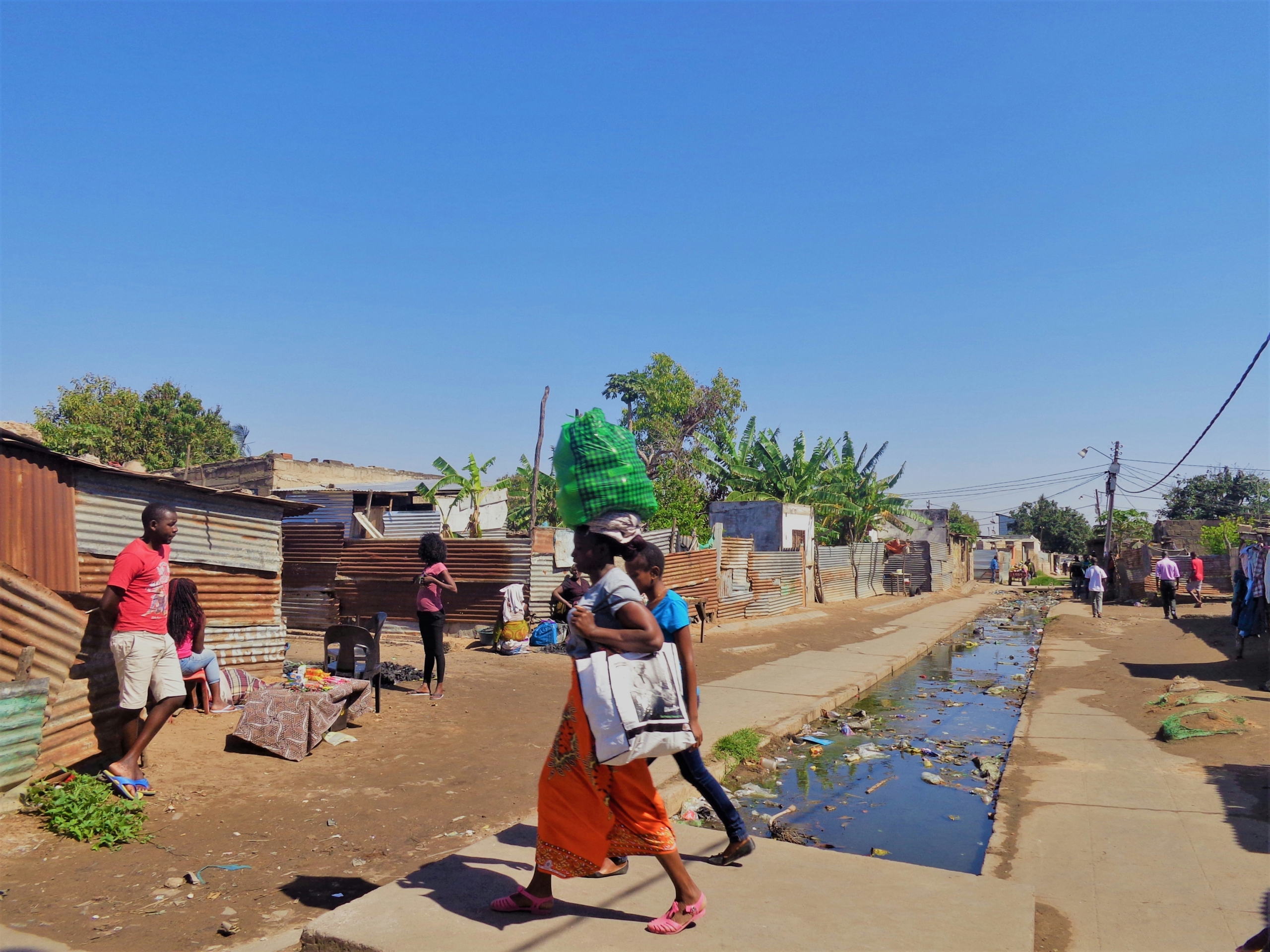 Mozambique ranks extremely lowly among health indicators. Progress has only begun recently. In 2019, the Mozambique president enacted the One District, One Hospital initiative. The aim of the initiative was to expand the medical infrastructure, providing citizens with better access to health care.
The Current State of Mozambique’s Health Care
Mozambique’s current health care state is dire. There are very few medical centers and frequently, Mozambicans have to walk miles to get treatment. Medicine shortages are common and the small number of medical professionals who are present often need more training.
There is no silver lining to this poor system. Many Mozambicans, about 1.2 million, are ill with either HIV or AIDS. About 200,000 children are also sick with the infectious disease. Many Mozambicans are also plagued by malaria, in addition to other diseases like tuberculosis. So, there is a requirement for improving the Mozambican health care system and the Mozambican government agrees.
The One District, One Hospital Initiative
The One District, One Hospital Initiative aims to ensure that millions of people in Mozambique access good-quality health care. The initiative will establish larger hospitals with new facilities, including operating rooms, radiology technology, blood transfusion equipment and storage, orthopedics and newer laboratories.
In the past six years, the Mozambican government has increased the number of medical workers and caregivers from around 1,000 in 2018 to more than 8,000 in 2022. One way the government did this was by introducing community health workers. By having at least one person trained in health care per community, the health centers would not be as busy with a sudden influx of Mozambicans from all over. This also allows faster treatment in an emergency.
The One District, One Hospital Initiative will also build level two hospitals in the 90 districts that currently lack them. Building hospitals that meet level two requirements ensure that treatment can meet heavy trauma damage and have more comprehensive diagnostic capabilities. These new hospitals will also have housing for employees, providing both security in the poverty-torn country and an incentive for Mozambican people to join the medical field.
Impact
The improvements made to Mozambique’s health care system have greatly benefited its people. More than 8,000 medical workers are now active in Mozambique and nearly 2 million households have access to health services—a significant increase from the 240,000 households in 2018. Many health workers in Mozambique are also trained in nutrition, enabling them to benefit young children and educate families on improving health and nutrition through better dietary choices.
Final Thoughts
Mozambique’s health care system was dire about six years ago. However, the Mozambican government has taken steps to provide health care to its citizens and ensure widespread access to medical treatment. The One Hospital One District Initiative has given Mozambicans security in health, as they no longer have to travel long distances to receive necessary medical aid. This initiative was enacted out of necessity to care for its citizens and adhere to the United Nations (U.N.) 2030 Agenda. So, Mozambicans can expect more improvements.
– Paige Tamasi
Paige is based in Los Gatos, CA, USA and focuses on Global Health and Politics for The Borgen Project.
Photo: Unsplash
