Lebanon’s Hash: The $1 Billion Industry to Lift Its Rural Poor
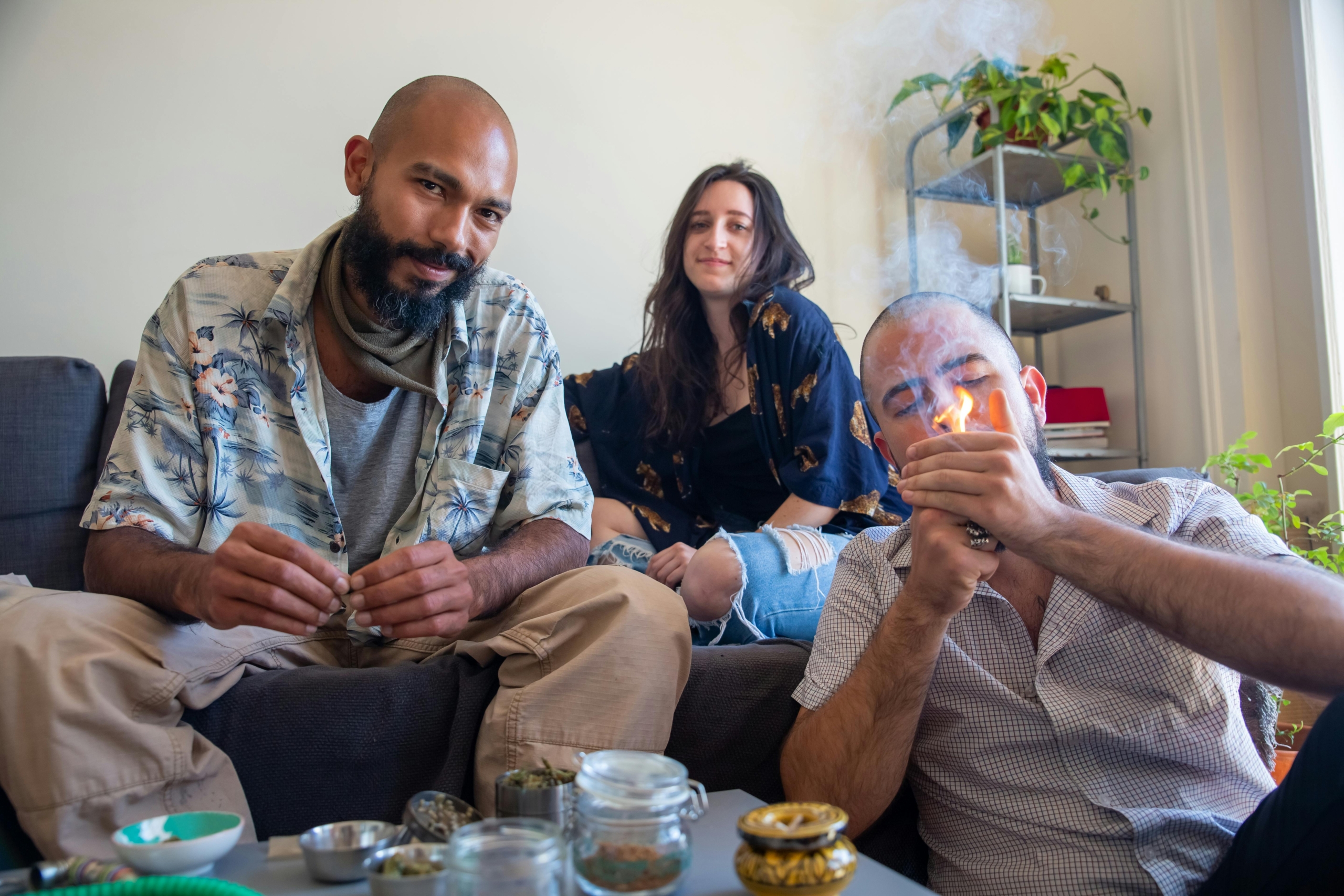 “Our hash is the best,” said former President of the Lebanese Republic, Michel Sleiman, despite the country’s illegal status on the cultivation, trading and usage of hash. Although meant as a joke, it still points to the popularity of the drug and its transformation into a necessity. In a study done by the European Monitoring Center for Drugs and Drug Addiction (EMCDDA), 53% of cannabis users confessed to an increase in hash consumption following the 2020 Beirut explosion, citing relief from anxiety as one of their primary motivations.
Lebanon’s Hash Industry
Lebanon has been cultivating and exporting hash for 100 years. Despite being the fourth smallest country in the region, Lebanon ranks among the top four largest hash producers in the Middle East, raking in millions of dollars annually. The amount of profit that hashish produces on an annual basis in Lebanon is difficult to pin down since the production of the drug is still illegal and, therefore, remains heavily undocumented.
In 2020, however, following a devastating economic crisis, the Lebanese government and the McKinsey consulting company produced a financial plan titled “Lebanon Economic Vision.” The document proposes that the legalization of hash for medical and recreational use could increase drug exports from $828 million to $1.79 billion by 2025. This revolutionary idea could mean an unprecedented cash flow into Lebanon’s long-neglected agricultural sector.
Where the Money Flows
Most of Lebanon’s illegal hashish farming occurs in the Bekaa Valley, a stretch of farming land that is 70 miles long and 16 miles wide. Many farmers have switched to growing hash after the economic crisis in 2019, which kept Lebanon’s inflation in triple digits for years. Many farmers have switched to growing hashish because it is cheap. Cultivating one-tenth of a hectare of a hash farm costs $150, while other crops, such as wheat, can cost up to $3,000.
Legalizing Lebanon’s Hash
In light of this trend, there has been growing pressure on the Lebanese government to legalize hash for domestic use and export. As of today, 55% of Lebanese youth are for the recreational use of hash and up to 75% of them are for its medical use. The growing popularity of Lebanon’s hash has also been apparent in parliament.
In 2020, the government passed legislation that allows for the farming of local medicinal cannabis (less than 1% tetrahydrocannabinol). However, the methods of injection into the market, the regulation and taxation of the market remain undefined and therefore make the drug illegal still.
Final Remark
With an ongoing war in the South and a financial crisis that a weak central government prolongs, the legalization of hash can be seen either as a temporary impossibility or a possible lifeline for the country.
– Carl Massad
Carl is based in Sarba, Jounieh, Lebanon and focuses on Politics for The Borgen Project.
Photo: Pexels
