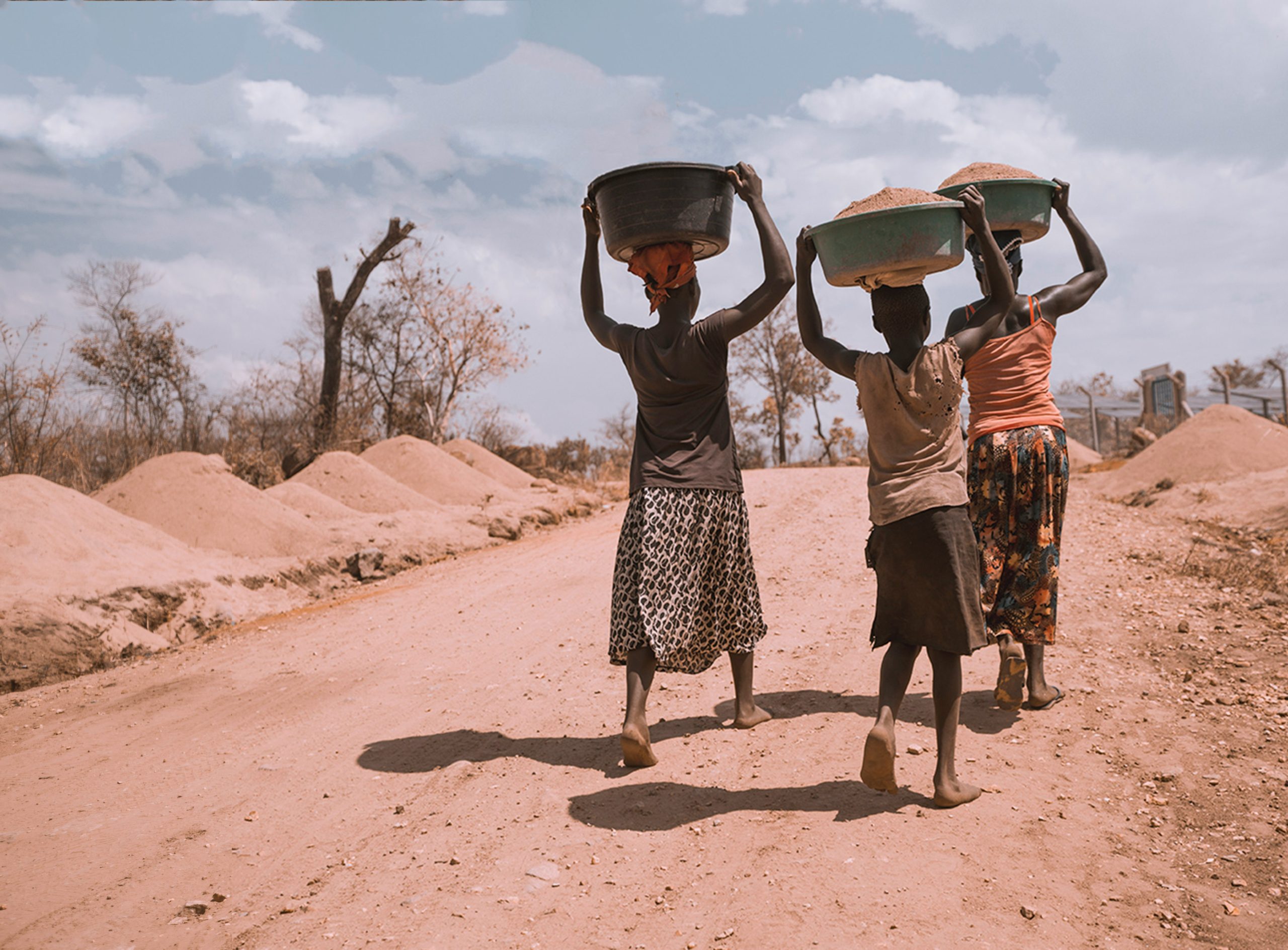
 As Uganda continues to expand its manufacturing industries, such as food processing, textile production and metal fabrication, there’s a higher demand for laborers across the nation. Currently, Uganda has one of the largest labor forces in sub-Saharan Africa, totaling 6.9 million workers in 1993. However, with 42% of citizens of Uganda less than the age of 14, the government has found it difficult to provide proper training, education and labor conditions. As a result, Uganda continues to be an undeveloped country with high levels of “vulnerable employment,” leading to inadequate salaries, low productivity and unsafe labor conditions.
Low Minimum Wages
Uganda’s poor working conditions are a huge reason why the country remains undeveloped. From low wages to extensive working hours to unsafe working environments, Uganda’s workforce is a potential threat to the health and safety of citizens. In 2017, Uganda upped its minimum wage from UGX 6,000 (About $1.60) per month to UGX 130,000 (About $35.08) per month.
While this has been a win for Ugandan citizens, this minimum wage almost exclusively applies to formal vocations. Other sectors of work, such as manufacturing, laboring and processing, remain vulnerable and uncovered. The cost of living continues to increase in Uganda, leaving those uncovered by minimum wage at a loss of proper shelter, nutrition and working conditions.
Lack of Training
Uganda has a significant youth population in sub-Saharan Africa. However, due to the lack of proper vocational training, nearly 13% of the youth are unemployed. This is one of the main factors contributing to Uganda’s high poverty and unemployment rates. Lack of training in Uganda especially affects young women.
A high school dropout, Evelyn Nakabuye, who lives on the outskirts of Kampala, survived years of joblessness due to the lack of proper training. She lived in a small house with her four children and her mother. However, in 2018, Nakabuye enrolled in a training program known as TEXFAD, which teaches carpet design in weaving. After just six months in the academy,
Nakabuye is now self-sufficient enough to own her own home and take care of her children. “This fund has really helped me,” Nakabuye said. “And it has changed my life.”
Low-Labor Productivity
Due to inadequate salaries and improper training, many Ugandans are at risk of low-labor productivity. Low labor productivity makes it difficult to generate morale among employees, profitability and high performance. The International Trade Union Confederation (ITUC) states that 70% of Ugandan employees work without a legal or written contract, despite it being a legal requirement for the employer to provide an employment contract for each employee. This is just one of the ways in which companies in Uganda sabotage the collective voices of workers in order to profit themselves.
Solutions
By introducing more reasonable salaries, training programs and working conditions, Uganda can begin to emerge from global poverty and economic crisis. Uganda’s Skills Development Project, for example, delivers high-quality training programs in Agriculture, construction and manufacturing.
As one of the rapidly growing economies in sub-Saharan Africa, Uganda is investing in proper training, funding and salaries to keep pace with the rest of the world. By ensuring that employees have safe, comfortable working conditions, proper education and adequate earnings, Uganda can work itself out of global poverty and thrive as a nation.
– London Collins Puc
London is based in West Palm Beach, FL, USA and focuses on Global Health for The Borgen Project.
Photo: Unsplash

Strides for Gender Equality in Sierra Leone
Historic Legislation for Gender Equality
The Gender Equality and Women’s Empowerment Act (GEWE) mandates that public and private sector employers allocate 30% of job openings to women, including leadership roles. It also requires political parties to ensure that 30% of their candidates for parliamentary and local elections are women. Additionally, the act provides for 14-week maternity leave, mandates equal pay for equal work and grants women equal access to financial support and training. Noncompliance with GEWE carries significant penalties. This legislation represents a significant advancement toward gender equality in Sierra Leone, where women make up 52% of the population but hold fewer than 20% of elected positions. The implementation of GEWE aims to correct this imbalance, empowering more women to assume leadership roles.
Educational Challenges for Women
In Sierra Leone, literacy among women remains a significant issue, with educational opportunities limited from an early age. Among girls aged 15 to 24, 41% have not finished primary education and girls are more likely to drop out of secondary school than boys. A major factor contributing to this educational gap is the high rate of early marriage; nearly 30% of girls marry before the age of 18, severely curtailing their educational pursuits. Consequently, only 2% of girls between the ages of 15 and 19 are both married and attending school, leading to a female illiteracy rate of 57.65%.
Legislative Advances in Education
In April 2023, Sierra Leone’s parliament enacted the Basic and Senior Secondary Education Act, significantly advancing educational access for married women and young mothers. Previously, until 2020, the government prohibited pregnant women and mothers from attending school. This new legislation guarantees their right to continue education, a vital step toward keeping young women and their families out of poverty by ensuring they can pursue schooling regardless of marital or parental status.
Sierra Leone’s Commitment to Educational Reform
The enactment of Sierra Leone’s Basic and Senior Secondary Education Act marks significant progress in educational equality for women. Starting in 2018, the government prioritized education, implementing several key legislations such as the Free Quality Education Programme and laws supporting the Convention on the Rights of the Child and the Rights and Welfare of the Child. These ongoing measures have made education more accessible by reducing financial barriers and guaranteeing free, compulsory education for all children. Recently, the focus has expanded to include specific protections for women’s education, a major advancement for women’s rights in Sierra Leone.
Hope for the Future
The Gender Equality and Empowerment Act, along with the Basic and Senior Secondary Education Act, signify a pivotal shift in women’s rights in Sierra Leone. Before the enactment of these laws, no legislation explicitly protected the educational, political and civil rights of women in the country. These legislative measures, aiming to secure women’s job security and educational opportunities, offer a hopeful outlook for the future of women in the country, providing them with new opportunities to succeed.
– Ellie Buss
Photo: Flickr
The Dream Factory Foundation: Lifting Up the Youth of Africa
The Dream Factory Foundation
The Dream Factory Foundation focuses on skills training for children and women in underserved communities through various impactful programs. A key initiative is the Be The Dream program, which equips students in schools with self-development tools to help them achieve their personal goals. This program has gained recognition as an approved after-school activity by the Western Cape Department of Education in South Africa and currently benefits more than 150 learners weekly. It operates across several countries, including Cameroon, Namibia, South Africa, Zimbabwe and Botswana, expanding its reach and impact on young lives.
The Emergent Academy
The Emergent Academy, another key program by the Dream Factory Foundation, offers a six-month training course aimed at equipping young women with professional and vocational skills across several sectors. Participants can learn everything from computer skills, including coding and online safety, to agricultural techniques. Additionally, the program facilitates opportunities for internships to help solidify the practical application of their new skills. Active in Zambia, South Africa, Malawi, Zimbabwe and Botswana, the Emergent Academy has broadened its impact significantly.
During the COVID-19 pandemic, the organization also supported more than 100 schools by providing Google G-switch software to enhance teachers’ capabilities in online instruction. In addition, the foundation assists with country-specific initiatives like 50-50 Farmers Africa in Botswana and various digital skills training programs that develop technical and professional tools for its participants.
Impact
The Dream Factory Foundation significantly impacted nearly 2,000 students in 2023 through its educational initiatives such as the Be The Dream program. Moreover, the foundation supported 44 youth-led businesses and helped numerous young individuals secure employment or further educational opportunities. Expanding its reach, the organization now operates in seven African countries, collaborating with partners like the Jacaranda Hub and Pillar of Hope Africa to advance its mission. The Dream Factory Foundation is committed to continuing its efforts to empower disadvantaged communities across Africa.
Looking Ahead
The Dream Factory Foundation continues to expand its impact across Africa, providing essential skills training and educational opportunities to youth and women in underserved communities. By equipping approximately 2,000 students and supporting youth-led businesses annually, the foundation can potentially foster sustainable futures. As it grows its presence in multiple countries, the foundation remains dedicated to empowering disadvantaged populations and bridging economic disparities.
– Hannah Hipolito
Photo: Unsplash
Poor Labor Conditions in Uganda: How Are Citizens Affected?
Low Minimum Wages
Uganda’s poor working conditions are a huge reason why the country remains undeveloped. From low wages to extensive working hours to unsafe working environments, Uganda’s workforce is a potential threat to the health and safety of citizens. In 2017, Uganda upped its minimum wage from UGX 6,000 (About $1.60) per month to UGX 130,000 (About $35.08) per month.
While this has been a win for Ugandan citizens, this minimum wage almost exclusively applies to formal vocations. Other sectors of work, such as manufacturing, laboring and processing, remain vulnerable and uncovered. The cost of living continues to increase in Uganda, leaving those uncovered by minimum wage at a loss of proper shelter, nutrition and working conditions.
Lack of Training
Uganda has a significant youth population in sub-Saharan Africa. However, due to the lack of proper vocational training, nearly 13% of the youth are unemployed. This is one of the main factors contributing to Uganda’s high poverty and unemployment rates. Lack of training in Uganda especially affects young women.
A high school dropout, Evelyn Nakabuye, who lives on the outskirts of Kampala, survived years of joblessness due to the lack of proper training. She lived in a small house with her four children and her mother. However, in 2018, Nakabuye enrolled in a training program known as TEXFAD, which teaches carpet design in weaving. After just six months in the academy,
Nakabuye is now self-sufficient enough to own her own home and take care of her children. “This fund has really helped me,” Nakabuye said. “And it has changed my life.”
Low-Labor Productivity
Due to inadequate salaries and improper training, many Ugandans are at risk of low-labor productivity. Low labor productivity makes it difficult to generate morale among employees, profitability and high performance. The International Trade Union Confederation (ITUC) states that 70% of Ugandan employees work without a legal or written contract, despite it being a legal requirement for the employer to provide an employment contract for each employee. This is just one of the ways in which companies in Uganda sabotage the collective voices of workers in order to profit themselves.
Solutions
By introducing more reasonable salaries, training programs and working conditions, Uganda can begin to emerge from global poverty and economic crisis. Uganda’s Skills Development Project, for example, delivers high-quality training programs in Agriculture, construction and manufacturing.
As one of the rapidly growing economies in sub-Saharan Africa, Uganda is investing in proper training, funding and salaries to keep pace with the rest of the world. By ensuring that employees have safe, comfortable working conditions, proper education and adequate earnings, Uganda can work itself out of global poverty and thrive as a nation.
– London Collins Puc
Photo: Unsplash
The Benefits of Supporting Refugee Students in Luxembourg
Refugees in Luxembourg
As of 2022, 11,952 refugees lived in Luxembourg. Among the many, these refugees arrive from countries such as Ukraine, India and Brazil, which are known to be home to corrupt officials and violent groups. Given circumstances such as the Russo-Ukrainian War and adverse climatic conditions globally, the benefits of refugees receiving an education that can help grow and develop a nation or build advocates to defend their homes are phenomenal.
Quality education has many advantages for refugee students in Luxembourg, including strengthening their ability to contribute to the host country’s economy and promoting a sustainable return to and reconstruction of their countries of origin. Luxembourg recognizes two categories of international protection status: refugee and subsidiary. Both of these categories grant their children a good education for their future status as citizens of Luxembourg and the country of origin. Education helps create a safe and stable environment for children and allows graduates to rebuild their countries and pursue productive, meaningful lives.
A Cosmopolitan of Educational Effort
Schools like the University of Luxembourg offer a more flexible and diverse learning environment. Every child is given a chance to succeed and the government focuses on diversifying school typing made available by educational programs to fit different profiles. The diversity of Luxembourg’s efforts can be seen as a learning growth and well-being, including children of different origins and cultures helps to build a structured system that allows them to benefit each other by sharing and discussing various ideas that can lead to a beneficial solution for everyone in a group setting or even an entire classroom. Initiatives such as the Diversity Charter help private and public schools reap the benefit of diversity by including outsiders and strengthening local cohesion.
Graduates Build a Better Future
Graduates will seek a way to live in a stable environment after school. Higher education and skills are a critical link between learning and earning. Young people who thrive and transition to pursue a sustainable future seek investment in abilities to strengthen protection and support efforts for their country of origin and build participation efforts for the benefit of their communities.
All students can benefit from a more prosperous academic program, enhanced social cohesion and resources that will develop into improved outcomes. Outcomes like social assistance are an excellent service for a graduate as they help deliver accommodations such as vouchers (EUR 225), health costs, social counseling and guidance for other refugees entering a new country.
Development of a Strong Economy
Once graduates finish school, quality education can lead to higher incomes, self-sufficiency and reduced aid dependency. The strengthened ability of refugee graduates helps contribute to the host country’s economies. It promotes a sustainable return to and reconstruction of countries of origin.
The underlying idea in economic thinking about education is that investing in individuals’ skills and knowledge increases their productivity in the workforce. Refugee graduates demonstrate this by enhancing societal standards by contributing their skills and participating in activities that help strengthen the economic framework of nations like Luxembourg, thus giving back to the community they have resettled in.
Without liquidity constraints, individuals could enlarge their resources by investing in the necessary educational activities up to the point that the cost of capital acquisition balances expected returns.
Equal Opportunities for Women and Children to Learn
Inclusion in European schools is a challenging task for young women and children due to cultural beliefs and systems that frown on certain members of the community going to school. Cultural standards are not the only issue with inclusion because of the protracted nature and scale of displacement. Refugee situations tend to last for years or even decades and these two groups will spend their school years in displacement.
When refugee women and children are included in national school systems, it is more likely to stem from formal accreditation and recognition of qualifications. This makes it easier for refugees to gain education, which also promotes social cohesion with host communities and improves equity in the educational outcomes of refugees and host communities.
Improved advocacy efforts for future refugees and asylum seekers: For future generations to arrive in countries like Luxembourg, it is crucial to have others speak for their rights and lives without fear or discrimination from groups that do not seem fond of allowing refugees or asylum seekers in their own country.
Students who enroll in programs focusing on human rights and programming will work toward protecting members of their community, such as by supporting the Red Cross migrant and refugee services. These services aim to care for migrants dealing with health issues, provide special needs services and protect victims of violence or trafficking.
Conclusion
Luxembourg is a country that welcomes those in need; it actively implores newcomers to pursue a better life away from the past and start a new beginning. Refugees and asylum seekers are not exempted from these benefits and the future of those depends on how education can impact the next generation living in a foreign country. As other European nations also welcome newcomers into their borders, Luxembourg remains one of the most educated European nations. Those who enter institutes in Luxembourg, both citizens and refugee students, seek to generate a better future.
– Jacob Barker
Photo: Flickr
5 Nonprofits Fighting Poverty in South America
RedEAmérica
This foundation creates partnerships between powerful businesses and organizations in Latin America to promote the exchange of ideas and resources to promote sustainable living and the development of local communities. RedEAmérica is based in 11 countries in the Caribbean and Latin America and has secured more than 40 partnerships across the regions. Its primary focus is collaborative knowledge to solve problems in climate change, education and gender issues.
South American Initiative
The South American Initiative is a U.S.-based organization founded by Steven Malca. It provides food and medical aid to vulnerable groups in South America like children, babies, mothers and senior citizens. Malnutrition is the first cause of illness and death for infants, hence why its work is so important. Through its work, the South American Initiative has distributed almost 250,000 meals to those in need. In addition, the organization has many programs based in Venezuela specifically. It targets orphans, refugees and hospitals. For instance, the SAI Medical Clinic for Children helps youth avoid lifelong health conditions by ensuring they receive proper nutrition and medical aid.
Fundación Corazón Raíz
This Mexican organization primarily focuses on foundational education programs for children and youth. Its work is based on six pillars: solidarity, justice, confidence, respect, coherence and transparency. La Casa de la Mujer Indígena (translated to “The House of the Indigenous Woman”), one of its successful programs, empowers women in Indigenous communities to pursue educational opportunities and economic security. Another one of the Fundación Corazón Raíz’s initiatives is the Gayela Children Foundation, which provides housing, food, medical attention and access to education to children without families.
Nuestros Pequeños Hermanos
Nuestros Pequeños Hermanos is a nonprofit that helps children in poverty and disadvantaged circumstances in Central and South America, as well as the Caribbean. The organization has several other initiatives focused on health care and security. For instance, the Dental Care for Our Children program helps establish good dental hygiene by educating participants on the importance of a healthy dental routine.
Another initiative is the NPH Peru One Family Program. It helps children without parental care or those at risk of losing theirs, through family awareness programs that help kids become aware of their options. The program also facilitates family reintegration with follow-up support. Overall, Nuestros Pequeños Hermanos has been highly successful in providing aid to children, as seen in its past yearly reports. For instance, in 2022, more than 3,300 children from low-income households were sent to school.
Ayuda en Acción
Ayuda en Acción is a nonprofit that provides intervention throughout infancy and adolescence to disadvantaged youth through educational and economic programs. With more than 600 beneficiaries and programs in 20 countries, the organization hopes to create greater food security and peaceful conflict resolution in communities across South America.
Since its founding, Ayuda en Acción has provided more than 30,000 youth with access to education. Many of its initiatives are region-specific. For example, in Bolivia, the nonprofit helps Indigenous youth lead development in their communities to improve production and create new employment opportunities. In El Salvador, another program fortifies protection for children experiencing gender-based violence and supplies emotional and psychological care to those impacted by the COVID-19 pandemic.
Looking Ahead
Nonprofits across South America are tackling poverty by focusing on the needs of vulnerable populations, including women, Indigenous communities and rural residents. Organizations such as RedEAmérica, the South American Initiative, Fundación Corazón Raíz, Nuestros Pequeños Hermanos and Ayuda en Acción provide crucial support through education, health care and food security initiatives. Their ongoing efforts can potentially enhance the quality of life and promote sustainable development throughout the region.
– Hannah Hipolito
Photo: Flickr
HIV/AIDS in Singapore
A Recent Spike in HIV Cases
Between 2007 and 2017, the average number of HIV diagnoses remained around 400 to 500 cases per year. In the years following 2017, the number of cases decreased to around 300 per year. More than 50% of diagnosed cases were late-stage HIV, and 93% of cases resulted from sexual intercourse.
In 2023, after a few years of significantly low numbers of cases, the number of cases spiked again. In the first 10 months of 2023, there were 10% more HIV detections than last year.
Although the number of cases in Singapore is relatively low, the Singapore government has responded to the slight spike in cases. In a public advisory report, a representative from the Ministry of Health stated that every adult should do HIV testing at least once in their life. In addition, sexually active adults should get regular testing once every six months and wear protection during sexual activities, according to Channel News Asia (CNA).
Promoting Testing by Reducing Fears
Due to the rise in cases, the Singapore government is placing a large emphasis on HIV testing. With more people testing, the government hopes to make more diagnoses, resulting in more people getting the proper treatment. To encourage more testing, the Singapore government has changed a law, making it no longer necessary for individuals to disclose their HIV status to their sexual partners. This law, however, only applies to individuals with an “undetectable viral load.”
This law change will reduce the fear many Singapore residents face when deciding whether or not to get tested, according to The Straits Times. Individuals will no longer have to worry about telling their partners if their HIV test comes back positive. They will be able to treat it or reduce symptoms and then return to their regular sexual behaviours if they are no longer contagious. The government recognized that high-risk individuals feared getting tested because they would be obligated to inform their partners of their potential positive HIV status.
Action for AIDS
In addition to government support, Action for AIDS, an active nonprofit organization since 1988, has been working to mitigate the issue of HIV/AIDS in Singapore. Many Singaporeans have not received proper HIV/AIDS prevention education, so Action for AIDS fundraises to ensure that everyone, regardless of their financial situation, can get education and testing. Individuals in poverty or with lower incomes are less likely to be properly educated about HIV/AIDS and less likely to know when to get tested.
So far, Action for AIDS has brought sex education to a wider audience and encouraged many Singaporeans to undergo more frequent testing. Through increased education and promoting more testing for all, this organization aims to end HIV/AIDS in Singapore.
Conclusion
While the slight spike in HIV cases in Singapore is concerning, the government’s proactive measures demonstrate a commitment to tackling this public health issue. By reducing the common fear that arises when individuals make a decision about testing, Singapore is revising legislation to promote more frequent testing. The goal of increased testing is that everyone who needs treatment will receive it. This approach reflects the Singapore government’s dedication to maintaining the health of its population, ensuring that the country continues to thrive even in the face of public health challenges.
– Poppy Duggal
Photo: Pixabay
How Edtech Inspires Development in Kenya’s School Systems
Role of Edtech in Kenya’s Educational Reforms
Educators in developed and developing countries around the world use Edtech in their educational systems. Kenya’s educational system has experienced a variety of formats of school structures and organizations. Kenya’s recent transition to a competency-based curriculum has revealed improvements in its structure due to the aid of EdTech. Edtech Hub works closely with the Kenya Institute of Curriculum Development (KICD) to inspire and support the growth of education in Kenya.
Broadening Access Through Innovative Solutions
Edtech provides solutions and programs that increase access to digital devices and internet connectivity. The Kenyan government’s Digital Literacy Programme (DLP) aims to give public school students access to digital technology. This program is a fundamental part of facilitating the development of online learning and how much this bridges the divide between access and knowledge of information for students and teachers. Furthermore, many school districts in Kenya are underway to develop all-day internet access and sturdy electricity. The BRCK Education Kio Kit is a portable digital classroom that comes in a box, containing tablets, a Wi-Fi router and a solar charger, specifically designed for schools lacking reliable electricity or internet access. This innovative kit provides Wi-Fi routers and specially designed batteries to students across Kenya, giving them an equal opportunity to further their education despite the challenging weather and infrastructure conditions of rural Africa.
Enhancing Personalization Through AI
Eneza Education, a part of Edtech, utilizes AI technology to open new avenues of learning for individuals. Eneza Education is currently used in Kenya and provides a bite-sized curriculum to learners from 10 to 18, in Math, Science, English, Social Studies and other national curriculum topics.
AI in educational programs is used as a positive force through Eneza Education, as it allows for the personalization of learning experiences in a way that provides students with various needs and learning styles. Through adaptive learning algorithms, AI can analyze students’ strengths, weaknesses and learning styles to tailor educational content and pacing accordingly. This method of individualized learning in the classroom enables students to grow and learn at their speed, while also enhancing their understanding of the topics the teacher provides. These various AI platforms inspire development in Kenya’s school systems by improving learning and comprehension of topics while allowing students in Kenya to receive feedback on their learning within minutes.
Improving Quality and Collaboration
The quality of tablets and programs installed within digital learning devices has increased in Kenya due to the collaboration with Edtech devices. Edtech tools support inclusive education, including applications such as text-to-speech and screen readers for children, including youth with disabilities. Furthermore, EdTech inspires development in Kenya’s school systems by encompassing a variety of languages, enhancing student learning and accommodating Kenya’s linguistic diversity. Inclusive platforms such as Google Classroom and Microsoft Teams aid in collaboration processes among students and teachers. Microsoft Teams will continue to expand its work to bring last-mile wireless internet access to 20 million people in Kenya and 50 million people across East Africa by the end of 2025.
The Impact of Edtech on Kenya’s Education
Edtech is inspiring development in Kenya’s school systems by enhancing access, personalization, and quality of learning in the classroom. With the aid of various EdTech programs, students gain greater access to technology and respective educational experiences. Additionally, the use of inclusive digital tools and collaborative platforms such as Google Classroom and Microsoft Teams enriches the learning environment, accommodating diverse needs and fostering teamwork. As Kenya continues to integrate Edtech into its educational system, it is poised to potentially secure a brighter, more equitable future for its students.
– Sophia Mokotoff
Photo: Flickr
5 Organizations Supporting Education for Girls
Stand By Me
Stand by Me is a charity based in the United Kingdom (U.K.). The organization focuses on saving and caring for vulnerable children. Its “Stand by a Girl” program has made a difference in the fight for education for girls across the world, supporting a total of 3,800 children. The charity collects sponsorship money from members of the public, which is used to pay for books, teachers and other necessities that enable girls to flourish.
The charity remains involved in the lives of the children for an extended period, making sure that their needs continue to be fulfilled as they grow instead of only providing one-off assistance.
Campaign for Female Education
Campaign for Female Education (CAMFED) is another organization supporting education for girls. Based in Africa, it works in government-owned primary and secondary schools across developing nations like Zambia, Malawi, Ghana, Tanzania and Zimbabwe. CAMFED partners with communities across the continent to prevent any barriers to education girls may face. These barriers can include limited access to menstrual products and lack of money for school uniforms and other supplies.
The organization uses donations to pay for these items. Additionally, they provide girls with bikes and boarding to make it easier for them to travel to school or even remove the need to travel entirely. CAMFED has supported more than 9,000 primary and secondary schools and more than 500,000 students with secondary scholarships.
Malala Fund
Founded by Malala Yousafzai, the Malala Fund is making significant strides in ensuring that adolescent girls in developing countries, particularly in Bangladesh, have access to secondary school education. In 2022, the foundation initiated a groundbreaking project to secure 12 years of free education for girls in Bangladesh.
The Malala Fund is also doing important work in Turkey to improve school enrollment and retention rates for refugee children. It is estimated that around 40% of Syrian refugee children living in Turkey are not attending school.
WomenOne
WomenOne does valuable work in advocating for girls’ education. The organization raises awareness about the lack of educational opportunities for girls in marginalized groups. This also includes those with disabilities and young mothers. WomenOne also implements strategies to provide these girls with the chance to receive an education.
The organization has established a center in Kenya to support girls’ education, providing counseling, academic and emotional support and teaching life skills to help them thrive. WomenOne also empowers women and girls by working with advocacy organizations such as the Girls Not Brides Coalition, protecting women and girls’ right to learn and ensuring their voices are heard.
Girl Rising
Girl Rising supports education for girls in five countries, including Guatemala. The organization provides education for Indigenous girls in Guatemala by tackling educational barriers such as racism and misogyny. It works in collaboration with community organizations to help them learn to tackle these issues. In 2023, the initiative reached 340 adolescent girls in Guatemala.
Final Remark
While the fight for girls’ education in developing nations is not over, it is clear that many organizations are working hard to ensure that all girls have the chance to learn. From working with communities to break down barriers to raising money to provide resources that are desperately needed in developing nations. The contributions these organizations make are incredibly vital. They demonstrate that everybody has the power to change the world for the better.
– Sue-Joyce Headon
Photo: Flickr
Fighting Poverty with Dirt: Soil Mapping
The Basics of Soil Mapping
Soil maps catalog features and soil types in an area. Early on,soil mapping was done using field and lab observation. With the advent of more advanced technology, soil mapping is now done digitally while still using data. This data can be collected in multiple ways. It can be as simple as a special drill called a bucket auger and a single aerial photo of the land or as complex as using special geospatial software.
Once collected, the map is created in a grid layout, with each cell representing a different location. Soil mapping often tests the amount of nutrients in soil, allowing for more efficient farming and more effective use of products like fertilizer.
The Upsides of Soil Mapping
The Global Soil Partnership
Soil mapping supports improvised communities globally, especially through government-run programs. The biggest program of this type is the Global Soil Partnership. The program uses 500 experts from 52 countries to create soil maps and databases to combat problems like food insecurity. These mapping programs are especially helpful in Africa and South America, where the climate can be volatile and many people are malnourished.
What’s Ahead?
Soil mapping demonstrates that technology and progress can also help end poverty. Large problems require innovative and scalable solutions and soil mapping qualifies. It is not necessary to only use traditional human labor to assist those who need help. Technology can assist grassroots and nonprofit groups in providing lasting solutions. The results show the power of human advancement.
– Meredith Wyrick
Photo: Flickr
Hunger in Northern Ireland
The Situation
This issue in Northern Ireland has attracted publicity due to the significant volume of people in the country experiencing hunger. This has gained attraction from multiple news outlets, such as the BBC, which reported that “one in six people in Northern Ireland face hunger or food insecurity.” In an interview with the BBC, Karen Mullan from the Foyle Food Bank said that the figures demonstrate a constant busyness within the food banks: “We have seen over the last couple of weeks and months a real rise in terms of food and energy costs, and inflation is affecting all areas of life.”
Karen Mullan mentioned that the sharp rise in inflation during the U.K.’s cost of living crisis is no coincidence with the rising number of people in hunger. Since 2021, the United Kingdom has been facing an unprecedented rise in inflation, and in October 2022 reaching 11.1% “its highest rate in 40 years.” This has led to a sharp increase in the cost of essentials, such as energy and food.
The Trussell Trust’s report found numerous contributing factors to the significant amount of hungry people in Northern Ireland. Firstly, the report found that 79% of food bank visitors had to rely on the network due to their income being too insufficient to support themselves. The investigation also found that difficulty in finding supportive jobs, especially for marginalized groups such as women and disabled individuals was a contributing factor to the financial hardships experienced.
The Affected Population
When investigating which groups accessed food banks the most in Northern Ireland, the Trussell Trust found that disabled people, women and households with children under the age of 16 are significantly overrepresented. Despite people with disabilities making up 30% of the Irish population, the Trussell Trust discovered that this group make up 61% of people who are referred to food banks (within the Trussell Trust network). This refers to a wider issue, where poverty and health, particularly, mental health correlate.
In addition to this, the investigation found that despite households with children under the age of 16 contributing to 34% of the general population of Northern Ireland, they make up 48% of people visiting these food banks within the network. One reason for this, suggested by the report, could be the financial demands that households with young children face, such as the prices of childcare, as well as higher costs of bills due to more people living in a house. Furthermore, the report found that women are twice as likely to refer to food banks as men. The report attributes this to gender inequalities regarding pay.
Brighter Days Ahead
Despite the findings of the Trussell Trust raising alarms, learning who is affected and why is a large step in combatting hunger in Northern Ireland. The report outlines key issues, such as the basic rate of universal credit being insufficient, gender pay inequality and the financial hardships that marginalized groups can be vulnerable to. Now that these findings have surfaced, there have been calls for urgent policy change to alleviate hunger in Northern Ireland, specifically an increase in universal credit to ensure that it is sufficient enough to support everyone, proposing an “Essentials Guarantee” in Northern Ireland.
The Essentials Guarantee would ensure that universal credit recipients receive adequate monetary support to live with the essentials, including food. According to the Joseph Rowntree Foundation (JRF), five in six households on universal credit are going without the essentials. JRF wants the government to back essential guarantees, particularly in families with mental health issues and single parents.
Amnesty International has also campaigned the guarantee, stating that this change is a basic human right, and necessary during times of inflation and for life after COVID-19. The JRW has stated that this guarantee will only positively benefit the economy.
– Ella Turner
Photo: Flickr