Recycling Waste in Bangladesh
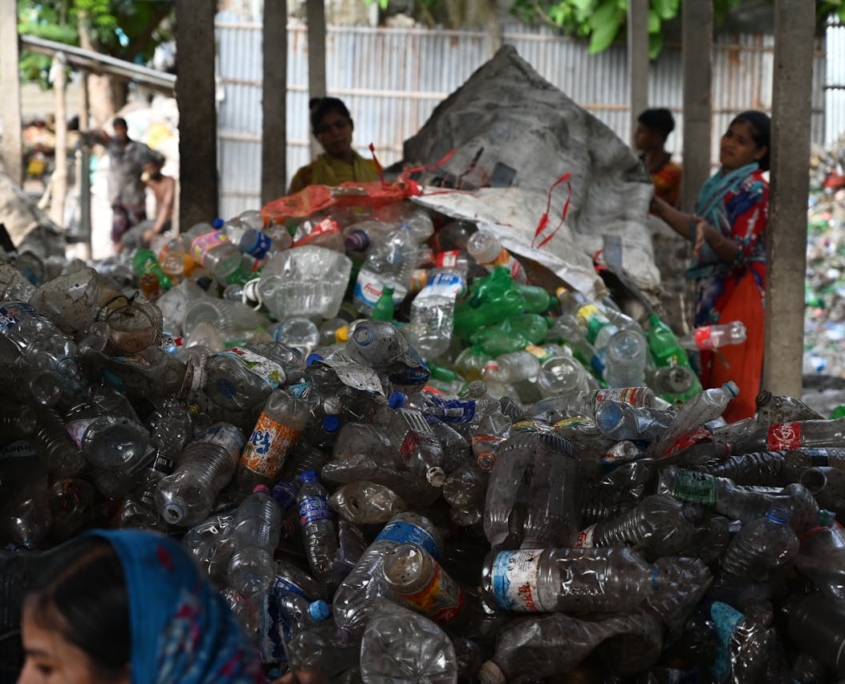 Bangladesh, located in South Asia, is home to more than 170 million people. The capital, Dhaka, has seen its population rise to 9 million. This rapid urbanization, along with an expanding middle class and a robust manufacturing sector, has led to a significant increase in plastic waste production. Each year, the country generates approximately 977,000 tonnes of plastic waste, with a substantial portion originating from Dhaka. A World Bank Blogs report indicates that the average resident of Dhaka produces 22.5 kg of plastic waste annually, a figure that is expected to rise as the city’s population continues to grow.
Health Risks of Waste Disposal
As the volume of plastic waste continues to grow, Dhaka’s recycling sector is increasingly struggling to process it sustainably. While Dhaka’s recycling industry employs approximately 5,400 people, it is a relatively informal sector, exposing many workers to hazardous conditions without effective health protection. Without funding or support, the increasing volumes of waste can potentially overwhelm the current recycling systems. As a result, much of this waste ends up in landfills and into rivers, putting the cities’ population at risk of poor health. The ingestion of microplastics and the contamination of water and soil link to increased dengue fever cases, which claimed 327 lives over seven months in 2023. This crisis strains local health systems and disproportionately affects the poorest citizens, who struggle to afford necessary medical treatments.
Recycling Waste in Bangladesh
Recognizing the strain that escalating plastic waste places on its infrastructure and citizens, Bangladesh’s Ministry of Environment formulated a National Action Plan for Sustainable Plastic Management. This initiative targets a 50% increase in recycling waste in Bangladesh by 2025 and aims to cut overall plastic consumption by 2030. The plan underscores the adoption of a circular economy to mitigate the hazardous impacts of waste disposal. By enhancing recycling efforts initially and subsequently addressing the fundamental issue of excessive plastic usage, this strategy aims to alleviate waste-related health risks across the nation.
Micro-Enterprises in Bangladesh
While government initiatives address large-scale waste management by implementing policies, the real momentum often comes from grassroots efforts. A recent World Bank Blogs report reveals the work of many entrepreneurs who prioritize recycling plastic waste in their small businesses. With support from the World Bank’s Sustainable Enterprises project (SEP), Md Jashim Uddin, a micro-entrepreneur, for example, recycles waste from local shoe factories to produce new footwear. This small-scale circular economic model not only mitigates environmental impact but also enhances local health conditions by reducing pollution and creating new jobs with improved working conditions.
Looking Ahead
Bangladesh faces the escalating issue of plastic waste as urbanization and industrial growth continue. Government initiatives aim to boost recycling rates and reduce plastic use, while grassroots efforts and micro-enterprises contribute to waste management and environmental health. These combined strategies can potentially improve public health and achieve sustainable development. Ongoing dedication to innovative solutions and effective waste management could be vital for Bangladesh’s future.
– Aimee Masters
Aimee is based in London, UK and focuses on Technology and Global Health for The Borgen Project.
Photo: Pexels
