5 Facts About Poverty in Algeria
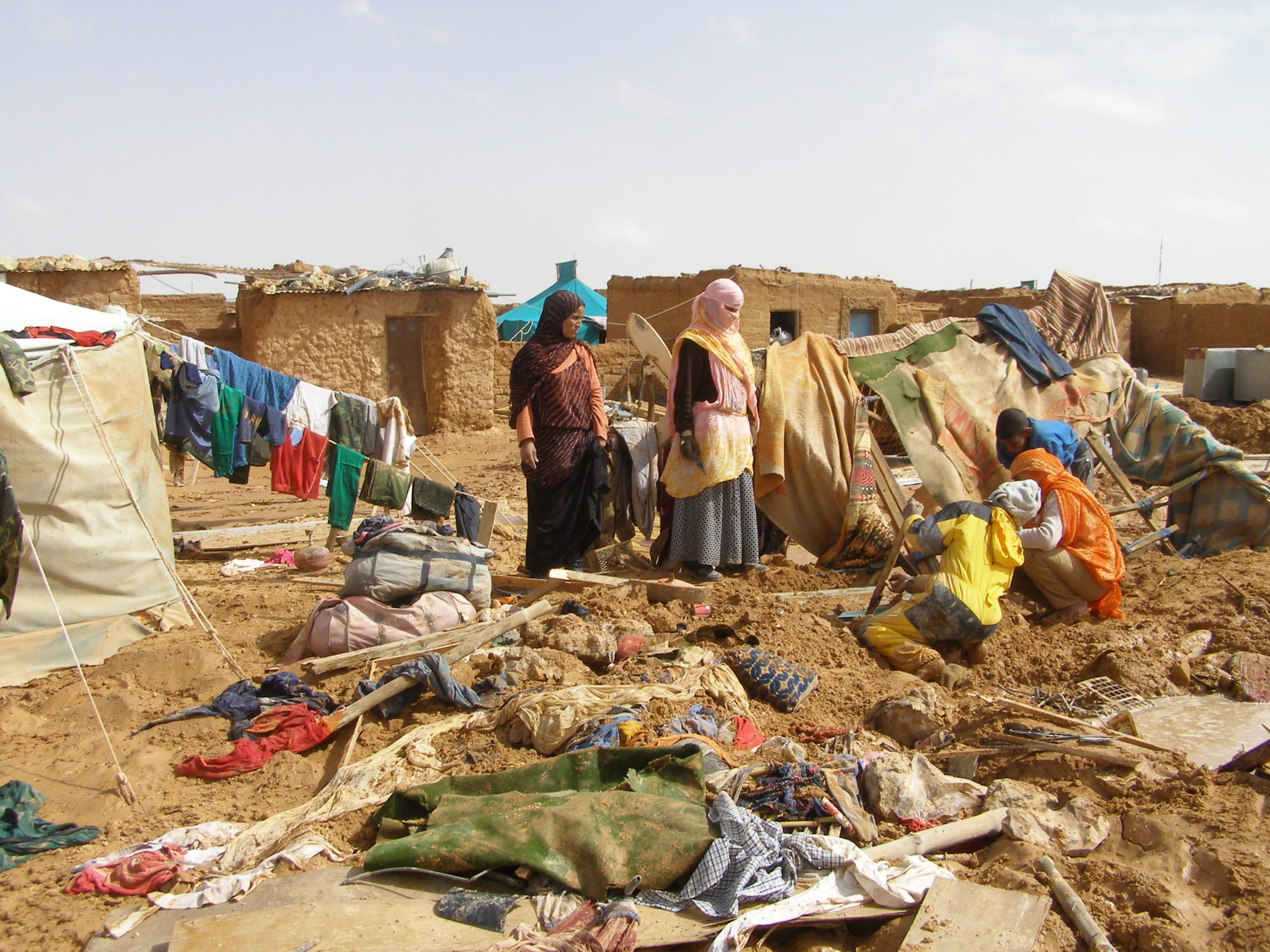
Poverty in Algeria is distributed unequally among groups. This is mainly due to the country’s economy heavily relying on a few market sectors. This creates disparities in unemployment and poverty rates based on region, age and sex as the economy is reliant upon a few job types and resources.
5 Facts About Poverty in Algeria
- The Algerian economy relies heavily on global oil and gas prices. One can attribute poverty in Algeria to many factors. However, Algeria’s resource richness has led to heavy reliance on global prices for natural gas and oil. This means the country’s economy is dependent on high prices. As a result, when prices drop or stay stagnant, its economy and its people feel the effects. Moreover, hydrocarbon is one of Algeria’s main exports. It has suffered from lower rates of export in the past few years. Heightened domestic demands for natural gas and slowed production contributed to the dip in hydrocarbon exports.
- Unemployment and poverty rates differ greatly between groups. Unemployment in Algeria stood at 12.8% in 2020. However, youth, college graduates and women see much higher rates of unemployment which likely contributes to poverty in Algeria. The youth unemployment rate was at a staggering 29% in 2016, followed by 16.6% for women. Diversification of the economy could help improve the unemployment rate among these groups, subsequently helping eliminate poverty.
- Reports disagree about the number of Algerians below the poverty line. The Algerian League for the Defence of Human Rights (LADDH) found that 14 million Algerians were living below the poverty line in 2015. This population group earns less than $1.45 a day. The LADDH conducted a study with large sample sizes to find this result, pinning the poverty rate at 35% of Algerians. However, governmental organizations contested these numbers using the Ministry of Religious Affairs and the Ministry of Solidarity’s numbers. The organizations have counted between 660,000 and 700,000 poor families in Algeria.
- Disparities in poverty rates exist between different regions. The poverty rates are twice as high among Algerians living in the Sahara region. Algerians living on the Steppe have three times as high which is suffering the effects of resource scarcity and desertification. Despite these regional disparities in rates of poverty, almost 75% of Algerians in poverty live in urban areas and suffer from high unemployment rates. Diversification of the economy in urban areas and sustainable agricultural practices in rural areas can help address both of these issues.
- Desertification is affecting agriculture. Agricultural lands in rural areas eroded because of the overuse of the land through practices such as overgrazing. This then leads to less water retention in the soil. Moreover, the rains carried the eroded soil and waste like fertilizers and oils. As a result, it contributes to water pollution, limiting available clean water. To alleviate the strain the agricultural practices are placing on the environment and lessen their effects on the surrounding populations, land conservation and sustainable development practices require attention
Looking Ahead
Diversifying the economy and generating jobs in other sectors can decrease poverty in Algeria and address disparities in unemployment. In addition, implementing sustainable agricultural practices will slow desertification and protect rural populations. The International Development Research Center’s ‘Sustainable Development of the Algerian Steppe’ projects have started working to achieve this and increased foreign aid could continue this important work.
